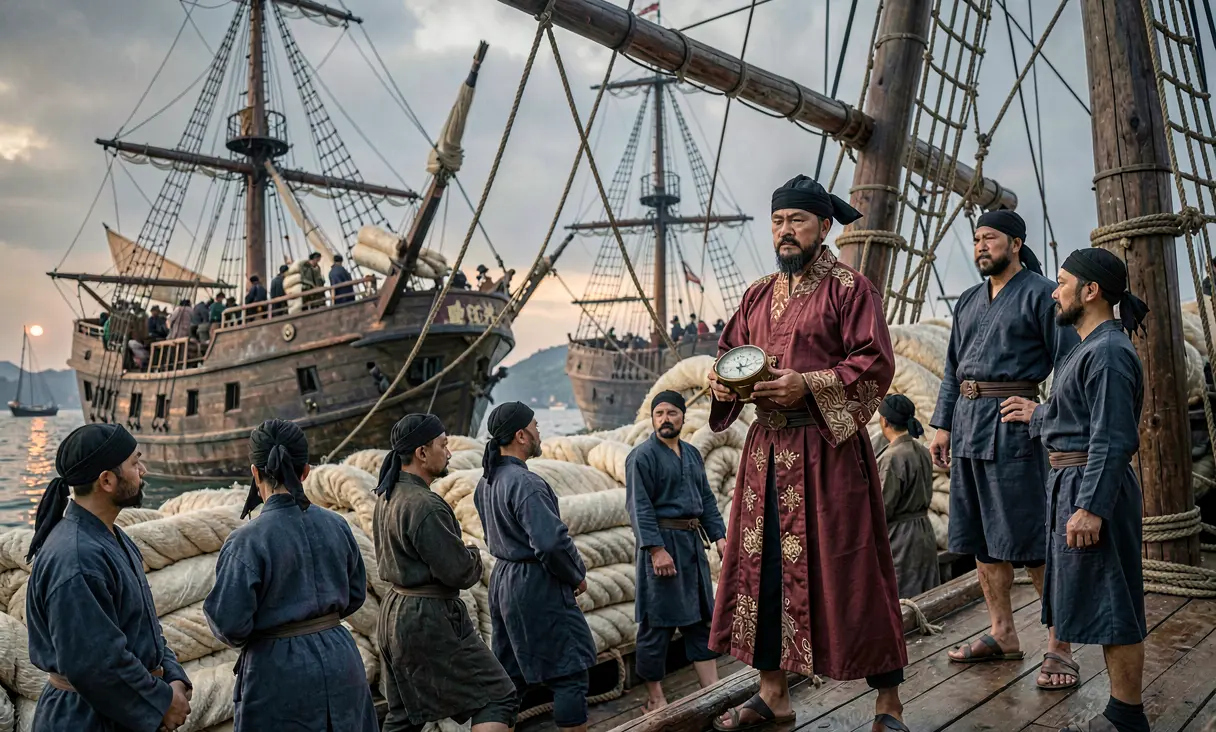
Zheng He's First Voyage Begins
In 1405, Admiral Zheng He launched a colossal Ming fleet from Nanjing, projecting Chinese power across the Indian Ocean and establishing diplomatic networks long before European maritime expansion.
The Dawn of the Ming Maritime Era
In the early years of the Ming Dynasty, following the expulsion of Mongol rule, Emperor Zhu Di (the Yongle Emperor) sought to consolidate his legitimacy and project Chinese power across the known world. Unlike the land-focused expansionism typical of earlier dynasties, Zhu Di envisioned a maritime empire that would secure tribute from distant lands and demonstrate the Son of Heaven's universal authority. This ambition culminated in the decision to launch a massive naval armada, unprecedented in scale and organization, designed to traverse the Indian Ocean and establish diplomatic hegemony from Southeast Asia to the coast of East Africa.
The Departure from Longjiang
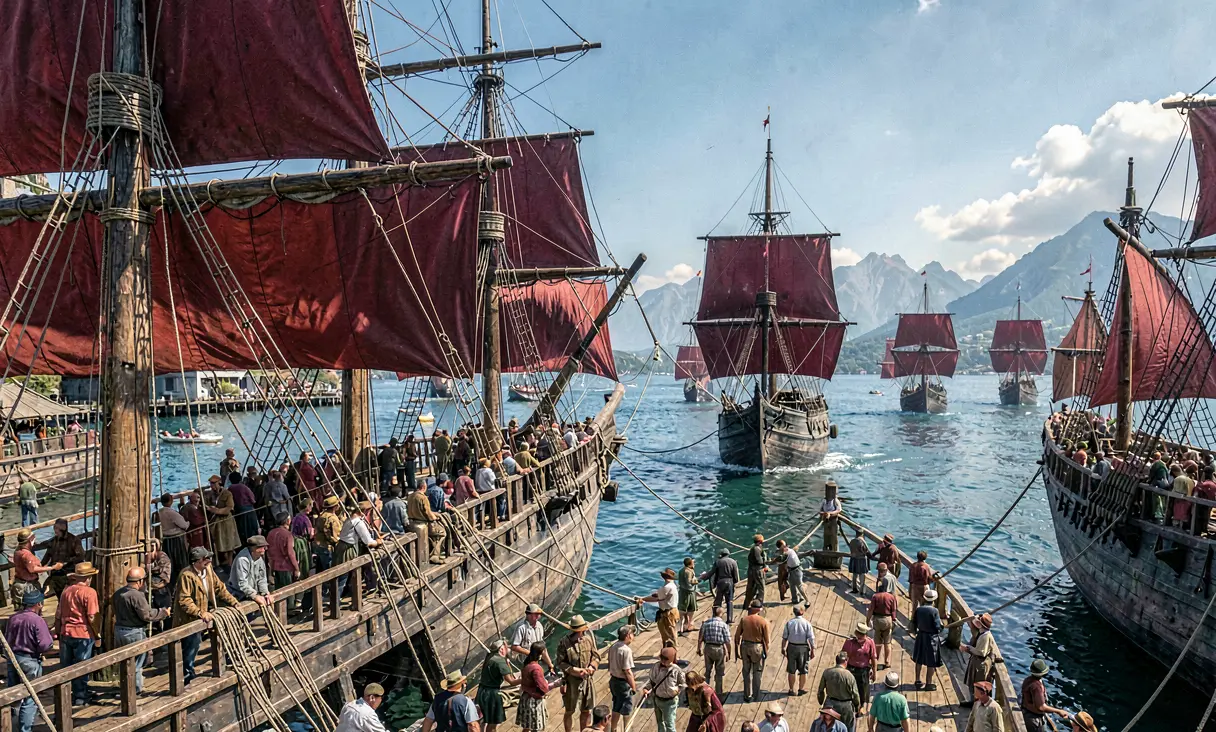
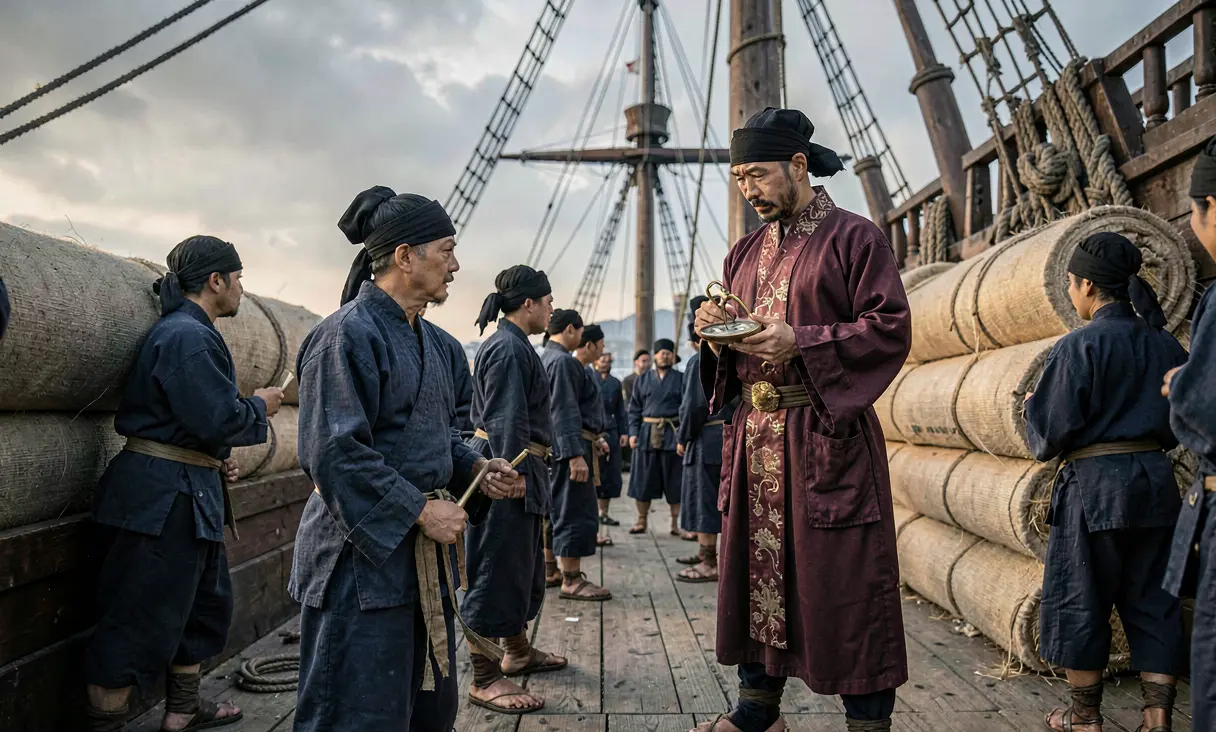
On July 11, 1405 CE, under a sky heavy with anticipation, the first expeditionary fleet set sail from the Longjiang shipyards in Nanjing. The armada was a floating city comprising over 300 vessels, including the legendary 'treasure ships' (bao chuan), which historians estimate measured between 400 and 500 feet in length—vastly larger than any European ship of the era. These colossal wooden behemoths were supported by hundreds of smaller supply ships, troop transports, and water tankers. The fleet carried a crew estimated at nearly 28,000 men, including sailors, soldiers, diplomats, translators, doctors, scribes, and artisans, all meticulously organized into a rigid military hierarchy.
Admiral Zheng He: The Eunuch Commander
Commanding this leviathan was the eunuch admiral Zheng He, born Ma He in Yunnan to a Muslim family. Captured as a child and castrated during the civil wars that brought Zhu Di to power, he rose through the ranks of the imperial court due to his intelligence, loyalty, and administrative acumen. Having served as a trusted confidant to Zhu Di during the siege of Nanjing, Zheng He was uniquely positioned for this task; his Islamic heritage facilitated communication with Muslim traders in the Indian Ocean, while his Confucian upbringing ensured he could navigate the complex tributary rituals of the Chinese court. His leadership transformed the fleet from a mere military force into a mobile diplomatic embassy.
The Voyage Across the Western Seas
Following their departure, the fleet navigated through the South China Sea and the Strait of Malacca before reaching Champa (modern-day Vietnam) and Java. By 1406, they had arrived in Calicut on the Malabar Coast of India, a major hub of international trade where Zheng He established a Chinese trading post to regulate commerce and collect tribute. The expedition continued westward to the Persian Gulf, visiting Hormuz, and pushed further south along the Swahili Coast of East Africa, reaching as far as Mogadishu and Malindi. Throughout these journeys, the fleet did not merely conquer; they engaged in complex diplomacy, exchanging Chinese silk, porcelain, and gold for exotic goods such as spices, precious stones, ivory, and live animals, including the famous giraffes that were interpreted as auspicious qilin.
The Return and Immediate Aftermath
The first voyage concluded in 1407 when the fleet returned to Nanjing, having successfully brought back envoys from over thirty states who pledged allegiance to the Ming Emperor. The arrival of these delegations, accompanied by exotic fauna that dazzled the imperial court, was hailed as a monumental validation of Zhu Di's reign and the efficacy of the tribute system. However, the cost of these expeditions was staggering, draining the imperial treasury and sparking intense debate within the bureaucracy. Conservative Confucian officials, led by figures such as the Grand Secretary Xia Yuanji, argued that the voyages were wasteful distractions from domestic agricultural needs and northern border defenses, setting the stage for future political struggles over maritime policy.
Legacy of the Treasure Fleets
Although Zheng He would embark on six more voyages before his death in 1433, the momentum was eventually halted by a shift toward isolationism. Following the death of Zhu Di and the rise of anti-marital factions, the Ming court dismantled the shipyards, burned the navigation charts, and banned private overseas trade, effectively ending China's era of naval exploration just decades before Europe began its Age of Discovery. Despite this abrupt cessation, Zheng He's voyages remain a testament to the technological sophistication and diplomatic reach of 15th-century China, proving that the Indian Ocean was once a Chinese lake long before European powers arrived, leaving behind a legacy of cultural exchange that reshaped the economic geography of the pre-modern world.
They represented the peak of pre-modern maritime technology and Chinese global reach.
Where it happened
Nanjing, China — see it on the interactive map →
Explore related history
 ExplorationViking Settlement of Iceland874 CE · Reykjavik, IcelandNorse explorers led by Ingólfr Arnarson settle Iceland, establishing the first permanent European community in the North Atlantic.
 ExplorationKorean Tribute Trade with China918 CE · Sungnyemun Gate (Kaesong), KoreaGoryeo establishes formal tributary relations with the Song Dynasty.
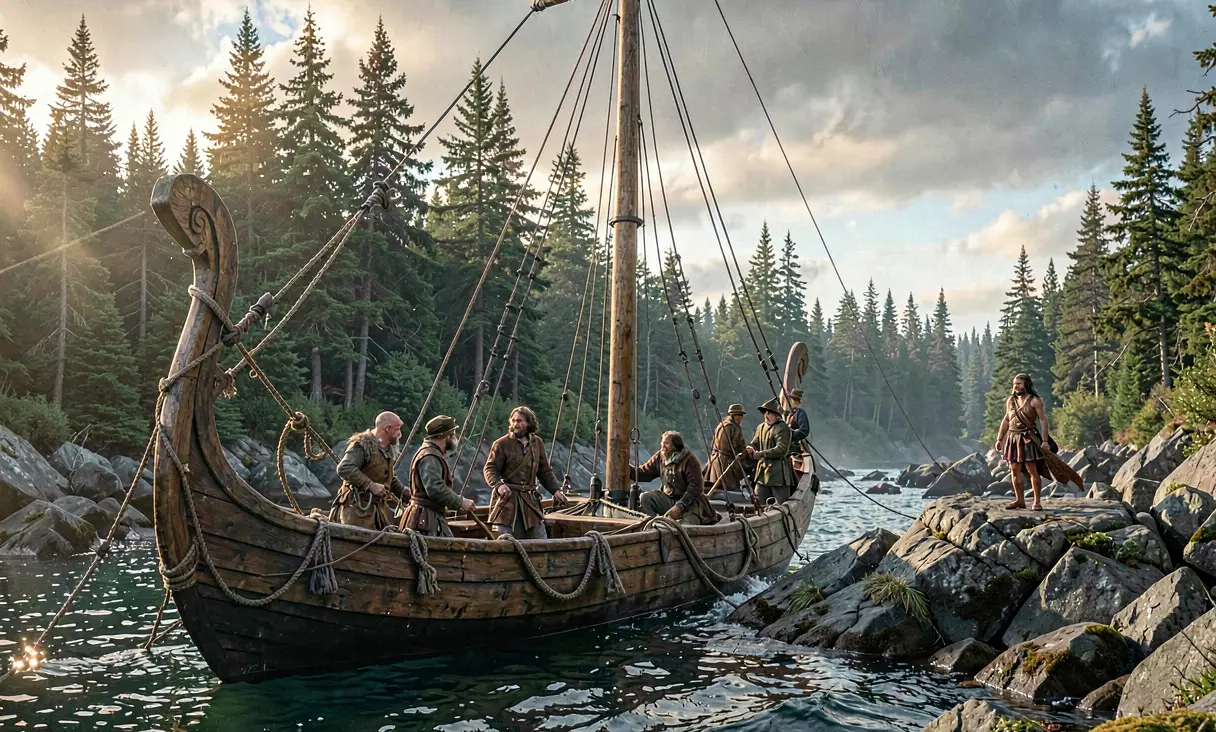 ExplorationLeif Erikson's Voyage to Vinlandc. 1000 CE · L'Anse aux Meadows, Newfoundland, CanadaLeif Erikson establishes a short-lived Norse settlement in North America, five centuries before Columbus.
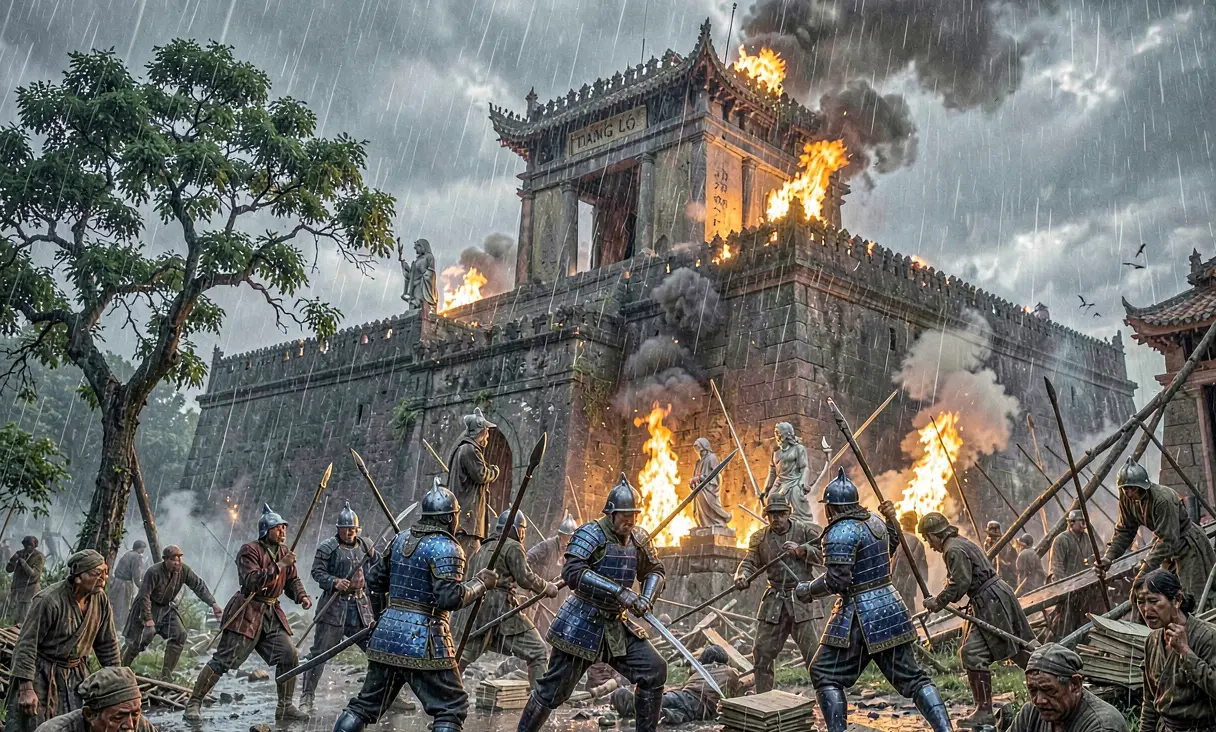 WarMing Conquest of Dai Viet (Fourth Era)1407 CE · Hanoi (Thang Long), VietnamMing forces capture the Ho Dynasty and annex Vietnam.
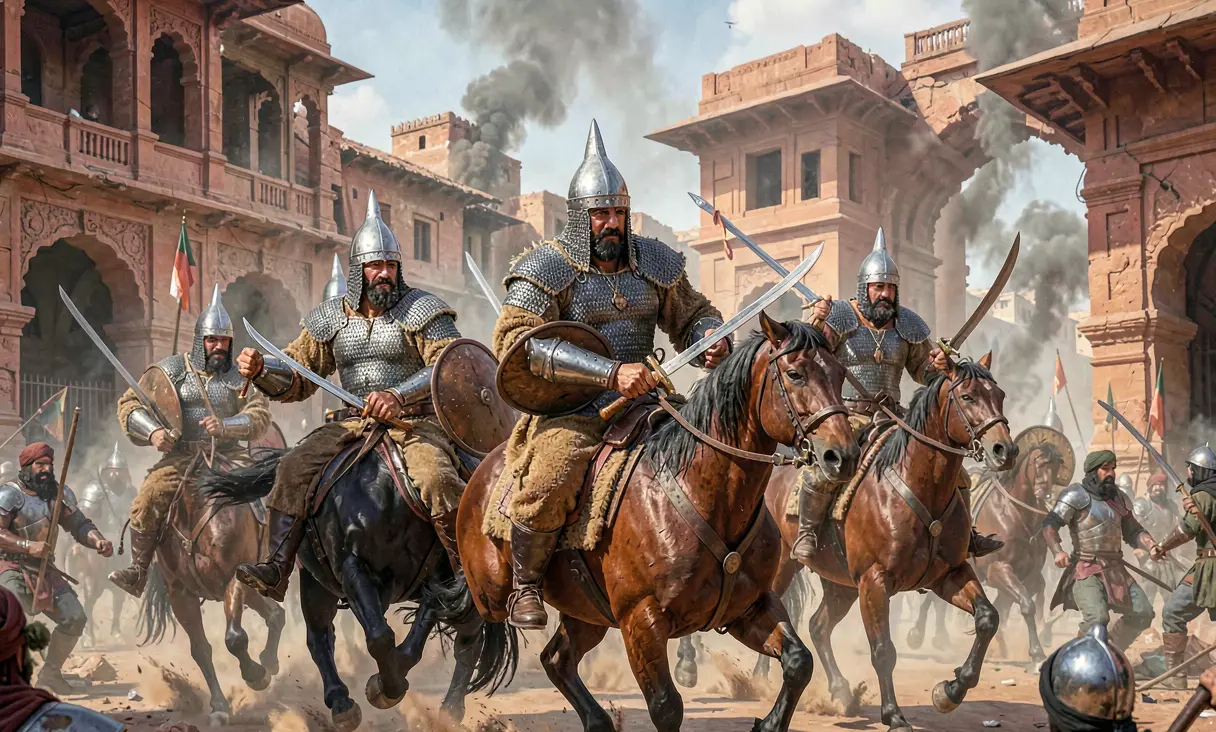 WarRise of Timur (Tamerlane) and Conquest of Delhi1398 CE · Delhi, IndiaTimur invades the Delhi Sultanate, sacking the city and temporarily ending Mamluk rule in Northern India.
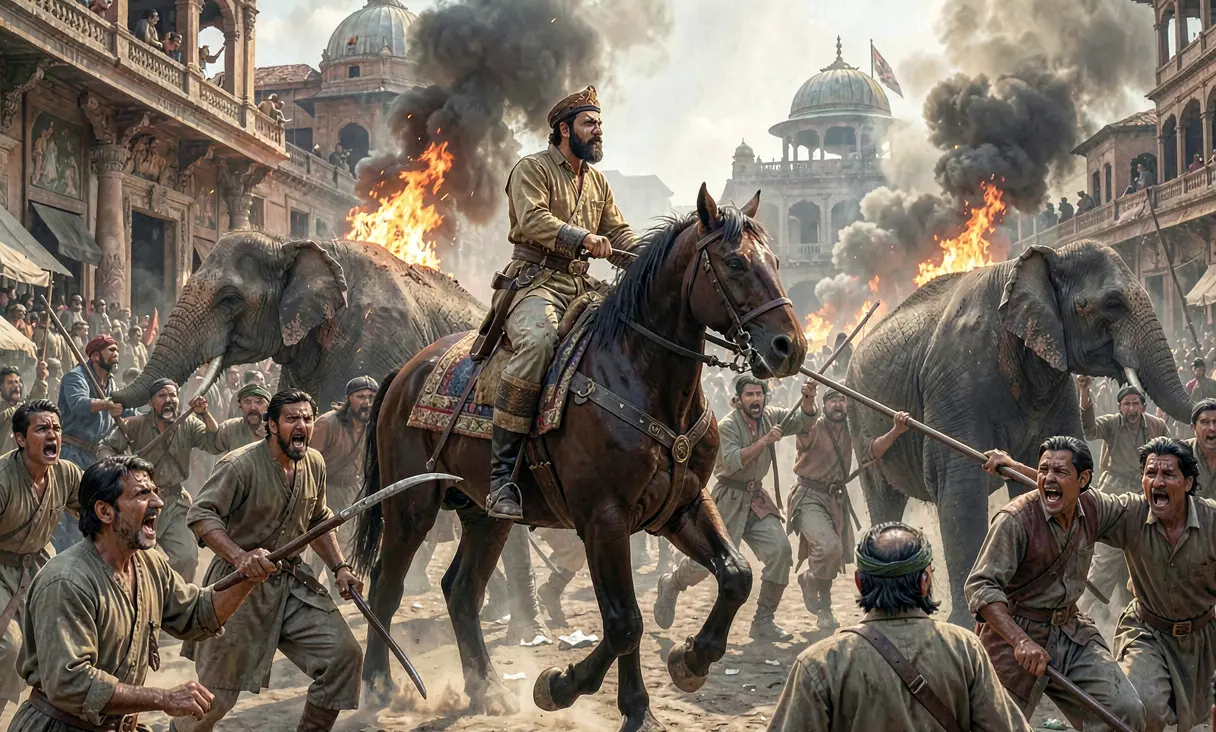 WarTimur's Sack of Delhic. 1398 CE · Delhi, IndiaTimur (Tamerlane) invades the Delhi Sultanate, defeating the Tughlaqs and massacring the city's population before retreating.
Discussion
Loading…