Founding of Tenochtitlan
In 1325 CE, the Mexica founded Tenochtitlan on Lake Texcoco, creating a sophisticated island metropolis that became the heart of the Aztec Empire and a marvel of pre-Columbian engineering.
The Mexica Exodus and Prophetic Mandate
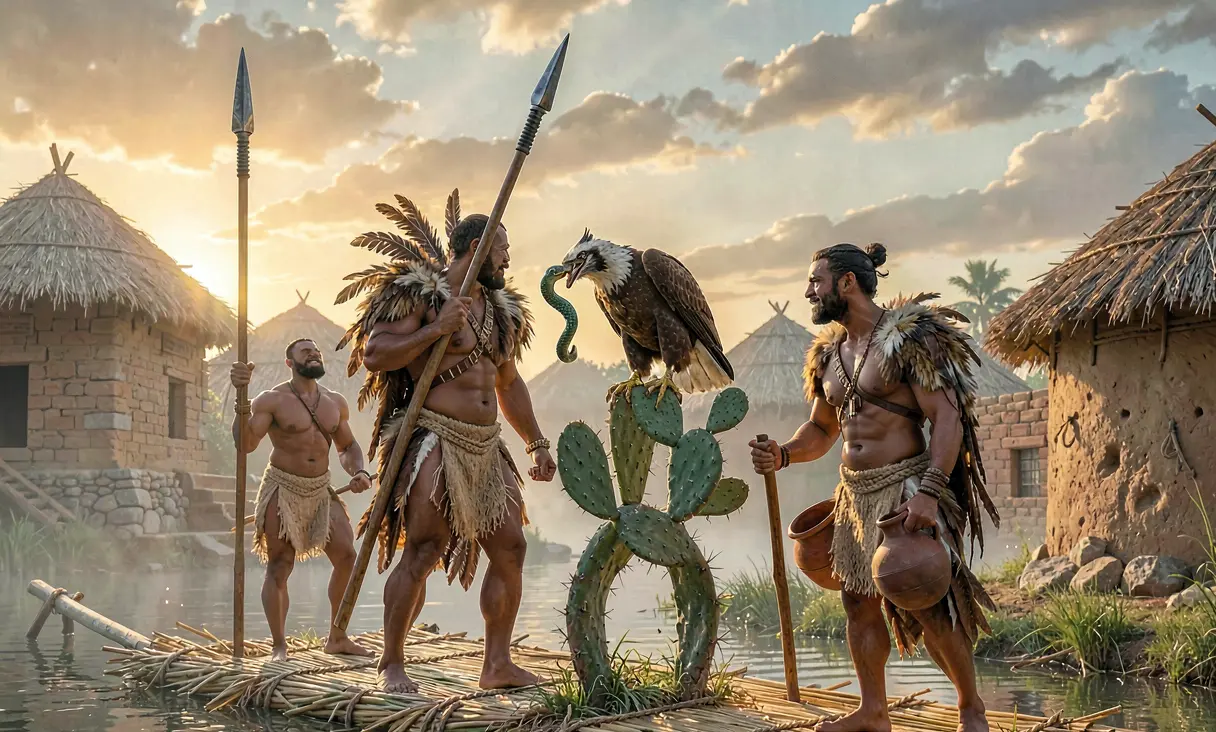
By the early 14th century, the Mexica people, a nomadic Chichimec group originating from the mythical Aztlán in northwestern Mexico, had migrated southward into the Basin of Mexico. Unlike established city-states like Texcoco or Tlacopan, the Mexica were viewed as outsiders and often relegated to marginal lands. Their journey was guided by Huitzilopochtli, their patron deity of war and sun, who prophesied that they would find their permanent home only upon witnessing a specific sign: an eagle perched on a prickly pear cactus (nopal), devouring a snake. This divine mandate drove them through decades of servitude to the city-state of Culhuacán before they finally arrived at the marshy shores of Lake Texcoco around 1325 CE.
The Foundation on the Islands
In approximately 1325 CE, the Mexica observed the prophesied eagle and snake on a small, rocky island in the western arm of Lake Texcoco. Recognizing this as the fulfillment of their destiny, they founded Tenochtitlan, naming it after their legendary leader Tenochtli. The location was strategically defensive, surrounded by water that hindered potential aggressors, yet it presented significant engineering challenges due to its unstable, swampy nature. Early settlers constructed simple huts on pilings driven into the lakebed, establishing a settlement that would rapidly evolve from a humble refuge into the political and spiritual heart of a rising empire.
Urban Engineering and Agricultural Innovation
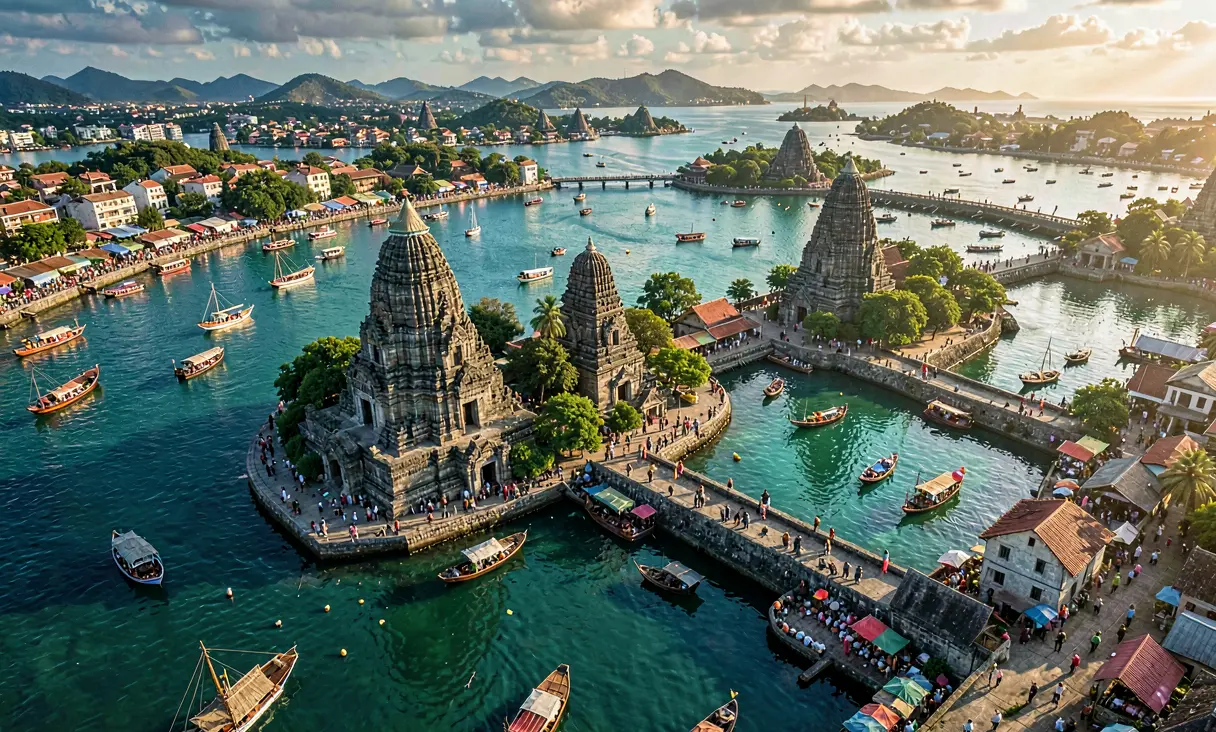
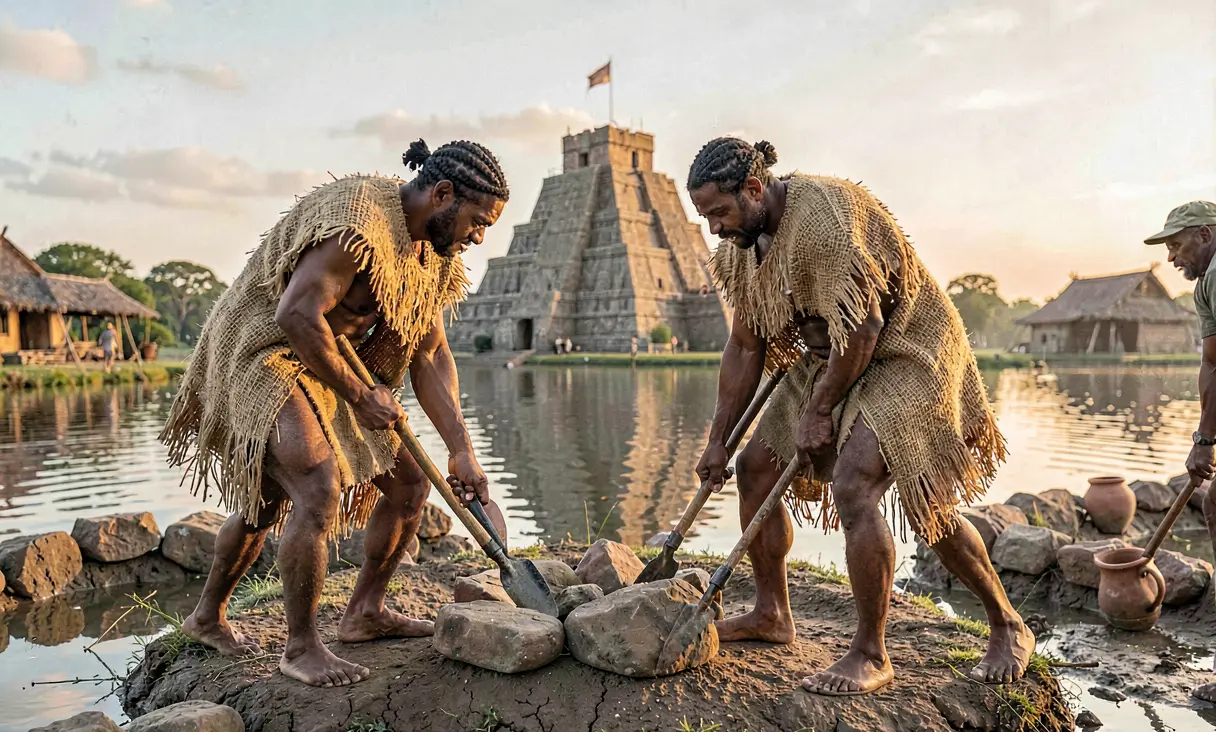
The survival and subsequent explosion of Tenochtitlan's population relied on revolutionary engineering. To overcome the scarcity of arable land, the Mexica developed chinampas, often called 'floating gardens.' These were artificial islands created by weaving reed fences into the lakebed and filling them with nutrient-rich mud dredged from the lake floor, allowing for multiple harvests per year. Simultaneously, they constructed massive causeways—Tepeyac to the north, Iztapalapa to the south, and Tlacopan to the west—connecting the island city to the mainland. These thoroughfares were punctuated by movable bridges that could be raised to block enemy access, while an intricate system of canals facilitated canoe traffic throughout the metropolis.
Cosmological Architecture and Growth
Tenochtitlan was not merely a city but a physical manifestation of Mexica cosmology. The urban layout mirrored the four cardinal directions, with the sacred precinct at its center housing the Templo Mayor, a dual pyramid dedicated to Tlaloc (rain) and Huitzilopochtli (war). As the city expanded through tributary conquests and population influx, it grew into a metropolis of over 200,000 inhabitants by the time of Spanish contact in 1519. This density surpassed contemporary European capitals like London or Paris. The city featured grand palaces, calmecac schools for nobility, and the Tlatelolco market, which hosted tens of thousands of daily traders, creating an economic engine that rivaled any in the known world.
Legacy and Historical Significance
The founding of Tenochtitlan marked the genesis of the Aztec Empire (Triple Alliance), which dominated Mesoamerica for nearly two centuries until the Spanish conquest led by Hernán Cortés in 1521. Although the city was systematically dismantled and its ruins buried beneath the foundations of Mexico City, its legacy endures profoundly. The eagle-on-cactus symbol remains central to the Mexican national flag, representing the enduring spirit of indigenous resilience. Tenochtitlan stands as a testament to pre-Columbian urban planning sophistication, demonstrating how a civilization could thrive in a challenging lacustrine environment through ingenuity, social organization, and deep spiritual conviction.
It became the political heart of the Aztec Empire before Spanish conquest destroyed it.
Where it happened
Mexico City, Mexico — see it on the interactive map →
Explore related history
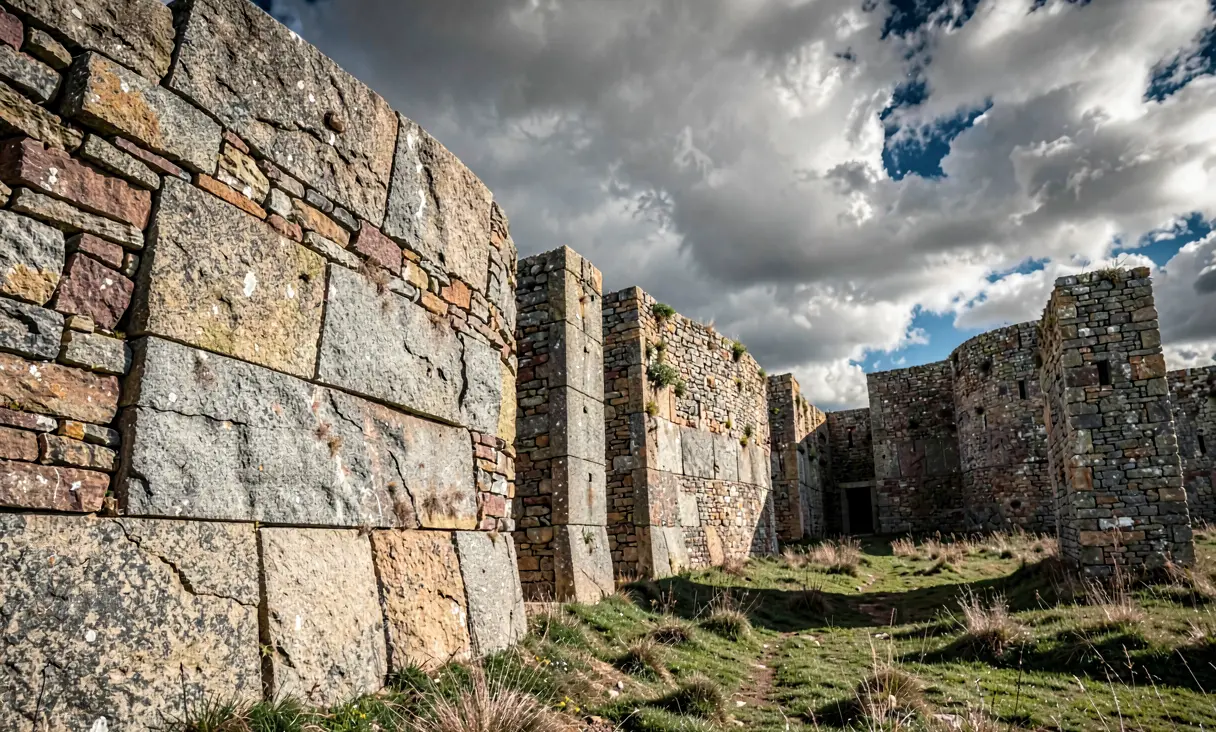 CivilizationConstruction of Great Zimbabwec. 1100 CE · Masvingo, ZimbabweShona people build the largest pre-colonial stone structure in Africa without mortar.
 CivilizationRise of Swahili City-States on the East African Coastc. 1200 CE · Kilwa Kisiwani, TanzaniaSwahili city-states flourish as cosmopolitan hubs of Indian Ocean trade, blending African and Islamic cultures.
 CivilizationMansa Musa's Control of Trans-Saharan Gold Tradec. 1307 CE · Niani, Mali Empire (Guinea/Mali border)Mansa Musa consolidates the Mali Empire's control over West African gold mines and trans-Saharan trade routes.
 CivilizationMansa Musa Pilgrimage to Mecca1324 CE · Timbuktu, MaliMali Empire ruler travels with immense wealth, destabilizing economies along his route to Mecca.
 tradeMansa Musa's Pilgrimage and Gold Economy1324 CE · Cairo, Egypt (en route)Mansa Musa's pilgrimage disrupts gold markets in Cairo with massive displays of wealth.
 PoliticsMuhammad bin Tughlaq Moves Capital to Daulatabadc. 1327 CE · Daulatabad, Maharashtra, IndiaIn a controversial move, Muhammad bin Tughlaq forces the migration of Delhi's population to Daulatabad to better control southern territories.
Discussion
Loading…