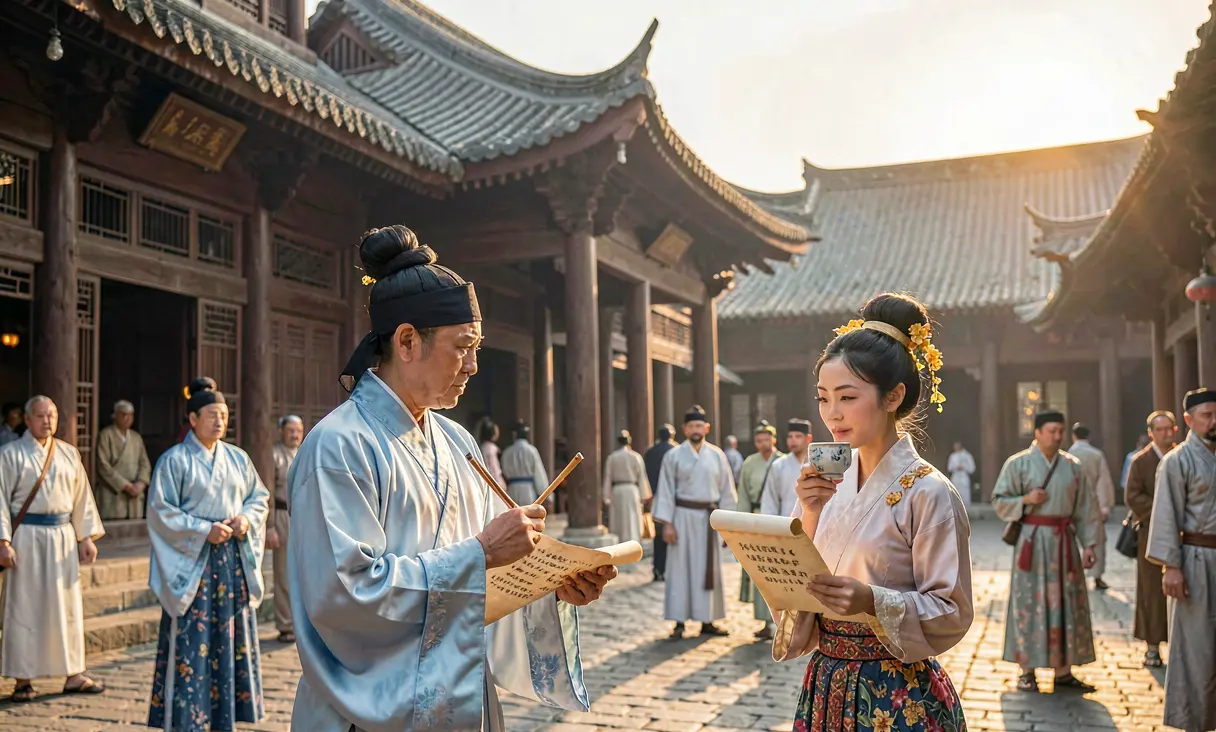
Tang Dynasty Golden Age of Poetry and Culture
Under Emperor Xuanzong, Chang'an became the world's largest city, fostering an unprecedented fusion of global cultures that produced the enduring masterpieces of Li Bai and Du Fu.
The Zenith of the High Tang
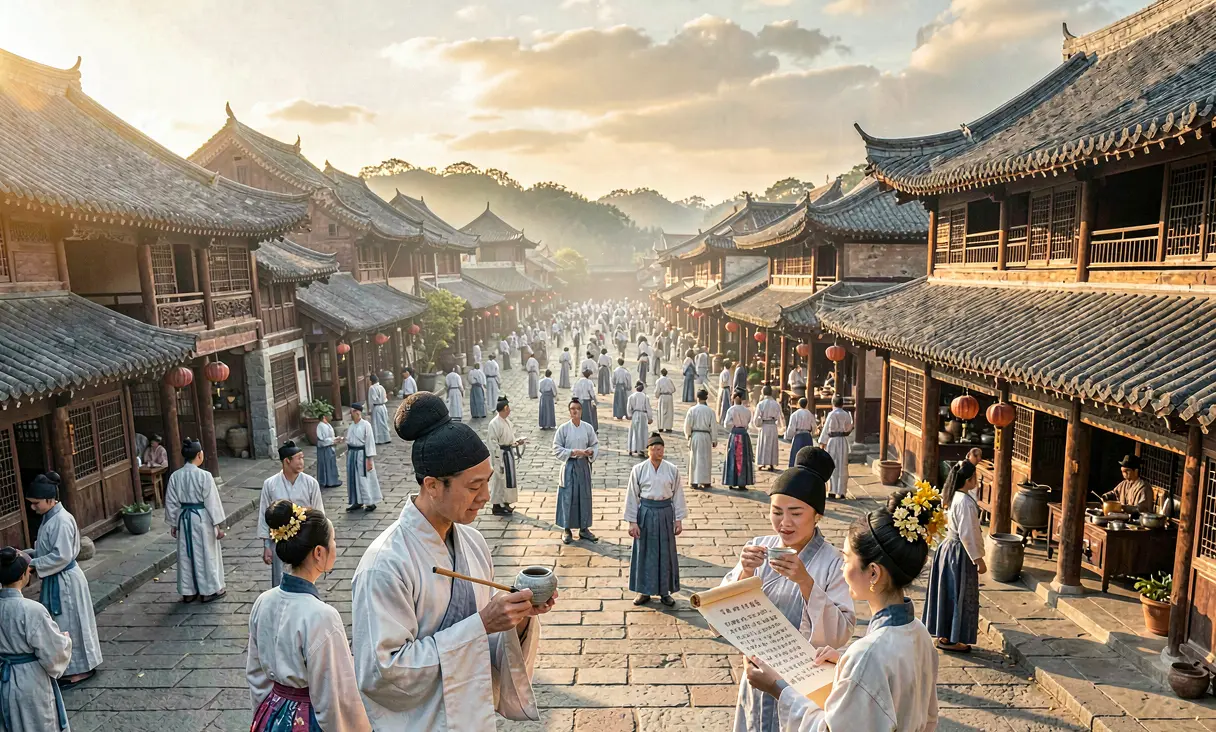
By 713 CE, following the consolidation of power by Emperor Xuanzong (r. 712–756), the Tang Dynasty had entered its most illustrious epoch, known historically as the Kaiyuan Era. Chang'an, the imperial capital, stood as the undisputed metropolis of the world, boasting a population exceeding one million souls within its massive grid-like walls. This was not merely a seat of political power but a cosmopolitan nexus where the Silk Road converged, funneling goods, ideas, and artisans from Persia, India, Sogdia, and beyond into the heart of China. The city's layout, strictly regulated by feng shui principles yet teeming with foreign merchants, Buddhist monks, Nestorian Christians, and Zoroastrians, created a unique cultural crucible that would define East Asian civilization for centuries.
A Cosmopolitan Crucible of Faith and Trade
The prosperity of Chang'an under Xuanzong was fueled by an unprecedented openness to foreign influence. The government maintained the Protectorate General to Pacify the West, securing trade routes that brought lapis lazuli from Afghanistan, spices from Southeast Asia, and glassware from the Roman successor states. This economic vitality supported a vibrant religious landscape; while Confucianism remained the state ideology for civil service, Buddhism flourished with imperial patronage, leading to the translation of massive sutra collections and the construction of grand temples like the Giant Wild Goose Pagoda. Simultaneously, Nestorian Christianity established its first church in 635 CE, and Manichaeism found footholds among Sogdian merchants, creating a pluralistic society where diverse theological discourses coexisted with traditional Chinese rituals.
The Literary Revolution: Poetry on Silk
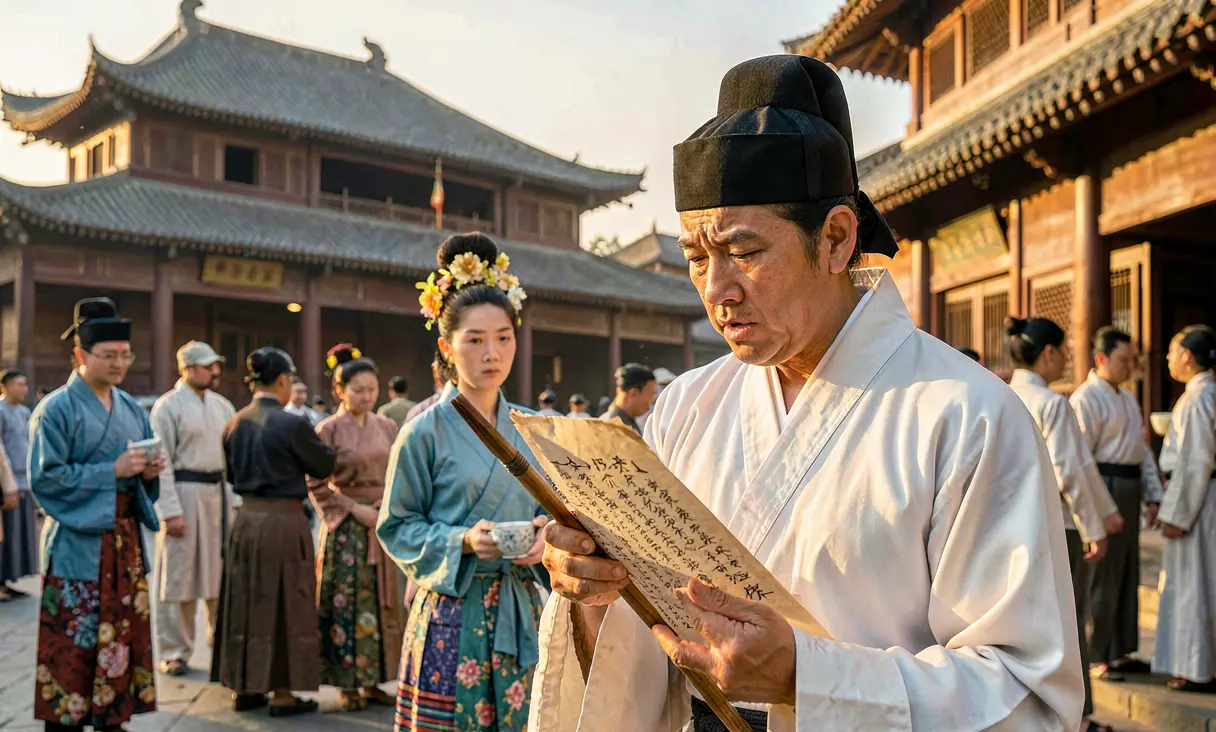
The cultural apex of this era is best embodied in the explosion of poetic genius that occurred during Xuanzong's reign. The imperial court actively patronized literature, transforming poetry from a scholarly exercise into a central component of social and political life. It was here that Li Bai (701–762), the 'Poet Immortal,' and Du Fu (712–770) began their careers, composing verses on silk scrolls that would later form the bedrock of the Chinese literary canon. Their work, ranging from Li Bai's romantic, wine-fueled odes to Du Fu's poignant social realism, perfected the *shi* and *lu shi* (regulated verse) forms. These poets did not write in isolation; they participated in lavish garden gatherings where verses were improvised, critiqued, and exchanged, setting a standard of aesthetic refinement that remains unmatched.
Visual Arts and the Landscape Aesthetic
Parallel to the literary flourishing was a revolution in visual arts, particularly in landscape painting. Artists such as Wang Wei (701–761), who was also a celebrated poet, pioneered the integration of poetry and painting, creating works where ink washes captured the spiritual essence of nature rather than mere physical likeness. This era saw the mastery of *shan shui* (mountain-water) techniques, utilizing ink tones to depict misty peaks and flowing rivers that reflected Daoist harmony with the cosmos. The imperial academy fostered these innovations, while artisans perfected the production of tri-color glazed pottery (*sancai*) and intricate silk textiles, blending Persian motifs with Chinese sensibilities to create objects of global renown.
The Fragility of Prosperity
Despite the outward splendor, the seeds of decline were sown within the very structures that supported this golden age. Emperor Xuanzong's increasing reliance on powerful military governors (*jiedushi*) to manage the empire's vast borders, coupled with his neglect of court administration in favor of his beloved consort Yang Guifei and her family, destabilized the central government. The integration of foreign mercenaries into the Tang army, while initially a source of strength, eventually created autonomous warlords with their own private armies. This tension culminated catastrophically in 755 CE with the An Lushan Rebellion, which shattered the illusion of eternal stability and forced Chang'an to be abandoned by the imperial court.
Enduring Legacy of the High Tang
The cultural achievements of the Kaiyuan era under Emperor Xuanzong transcended the dynasty's eventual political fragmentation. The poetry of Li Bai and Du Fu became the standard for literary education across East Asia, influencing Japanese *waka*, Korean *sijo*, and Vietnamese literature for over a millennium. The aesthetic principles established in Chang'an defined the concept of 'Chineseness' itself, blending indigenous traditions with foreign elements into a cohesive identity that subsequent dynasties strove to emulate. Even after the Tang fell, the memory of this golden age persisted as a cultural ideal, representing the pinnacle of Chinese civilization and serving as a timeless reference point for art, governance, and social harmony in the region.
Conclusion: The World's Cultural Capital
In 713 CE, Chang'an was not just a capital city but the beating heart of global culture, where the boundaries between East and West blurred under the patronage of Emperor Xuanzong. The era produced an artistic output so profound that it continues to shape the cultural consciousness of billions today. While the political empire eventually fractured, the poetry written on silk and the landscapes painted in ink ensured that the spirit of the High Tang would never truly perish, securing its place as one of the most significant epochs in human history.
It established the classical norms of Chinese literature and art that remain influential today.
Where it happened
Chang'an, China — see it on the interactive map →
Explore related history
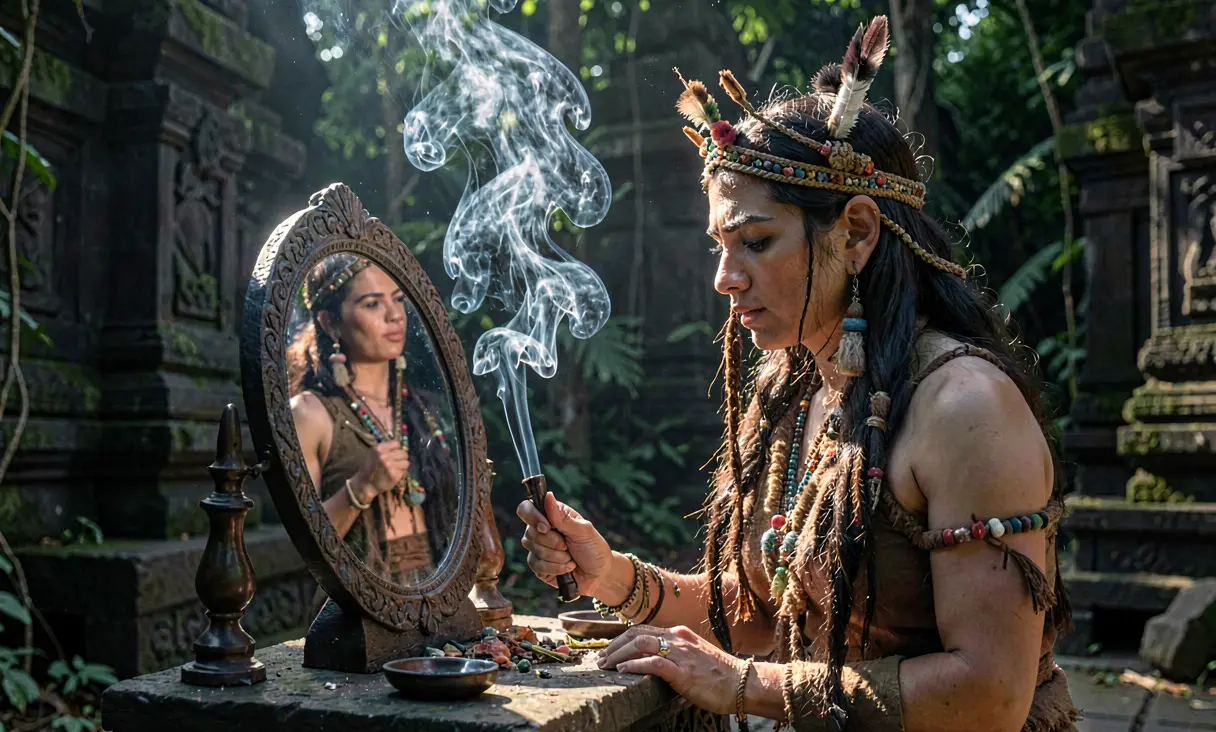 ArtCreation of Maya Polished Obsidian Mirrorsc. 600 CE · Guatemala (Maya Lowlands)Artisans craft polished obsidian mirrors for divination and ritual use.
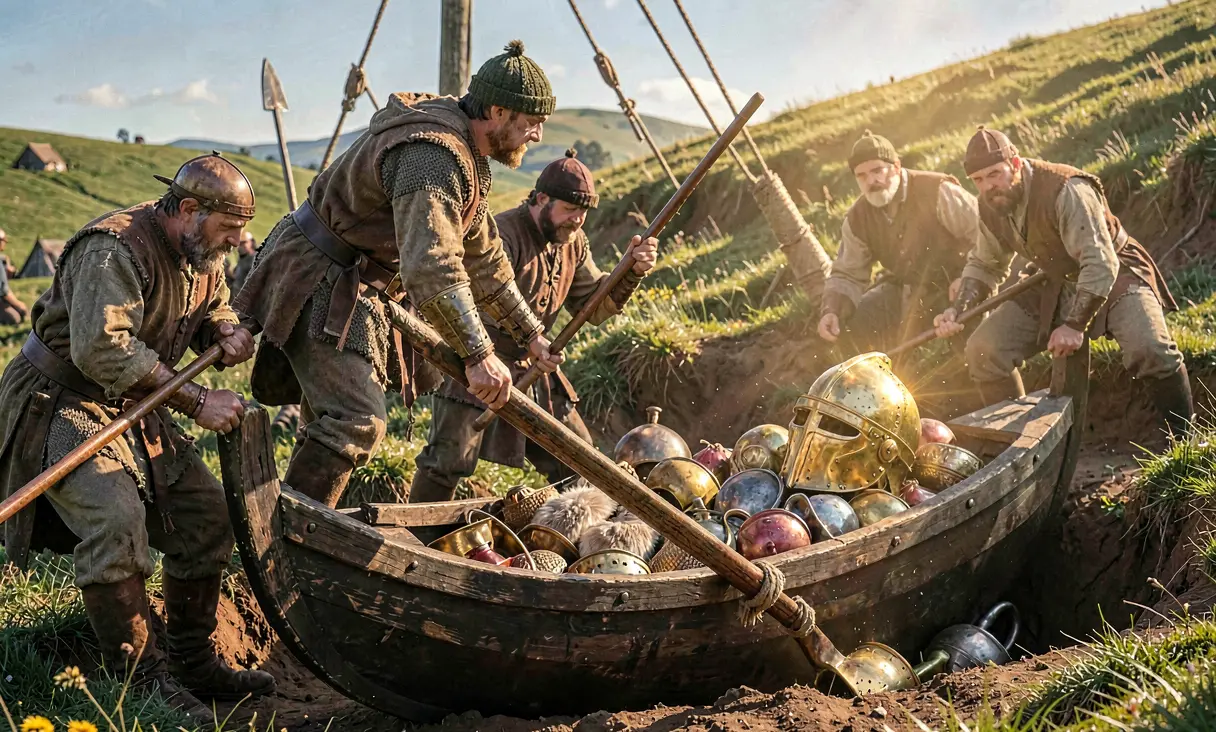 ArtBurial of the Sutton Hoo Shipc. 625 CE · Suffolk, EnglandAn Anglo-Saxon king is buried with a magnificent helmet and gold artifacts.
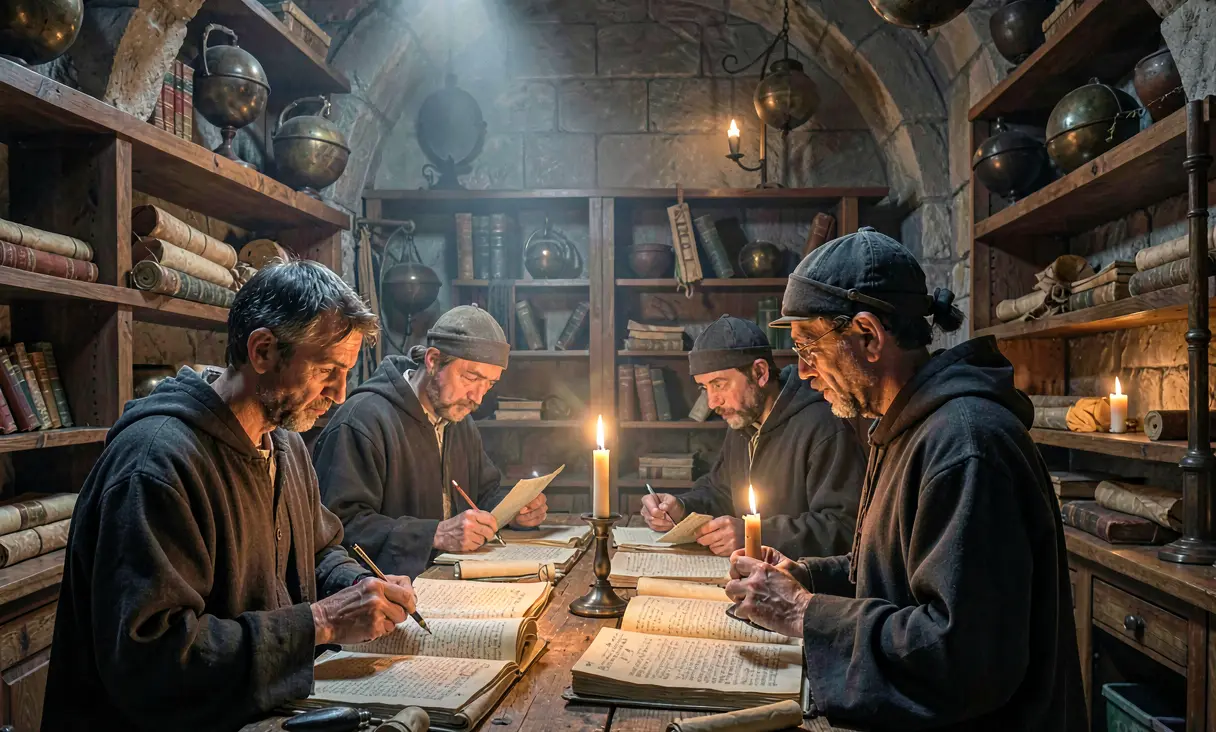 ArtMacedonian Renaissance in Byzantiumc. 920 CE · Constantinople, TurkeyThe Byzantine Empire experiences a cultural revival with renewed interest in classical learning and artistic production.
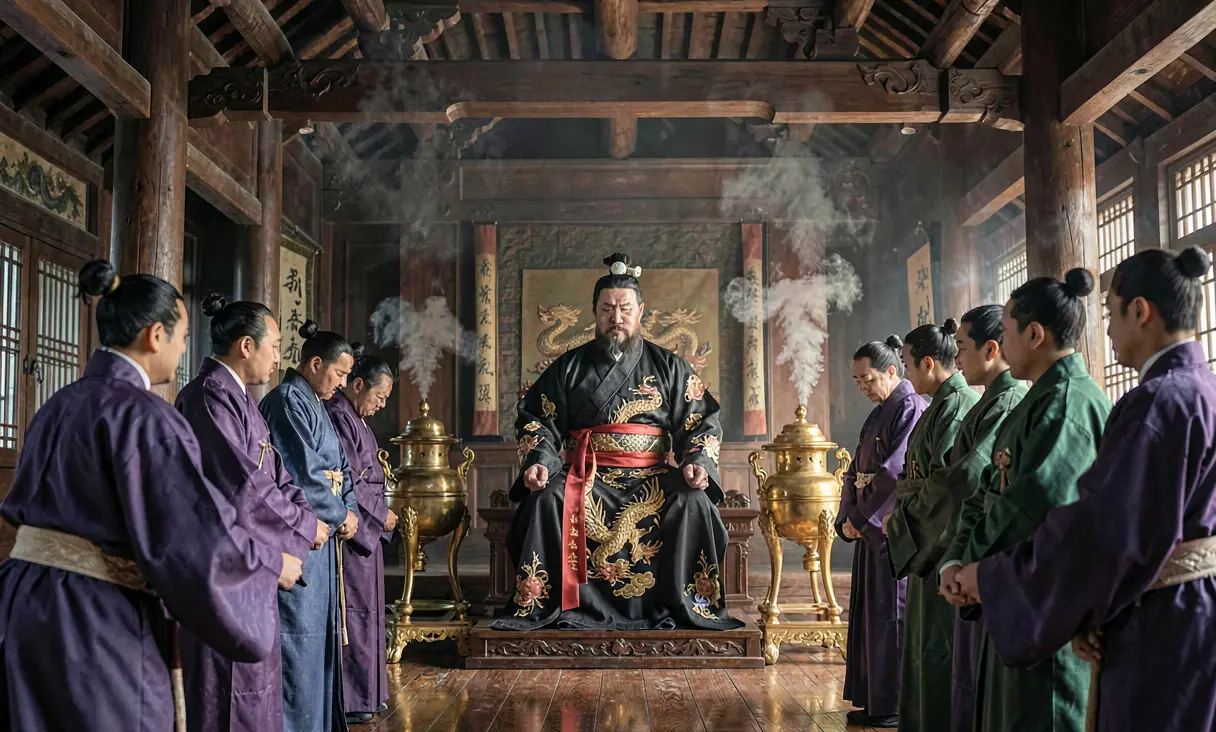 PoliticsEmperor Xuanzong Ascends the Tang Throne712 CE · Chang'an, ChinaEmperor Xuanzong begins his reign, ushering in the High Tang golden age.
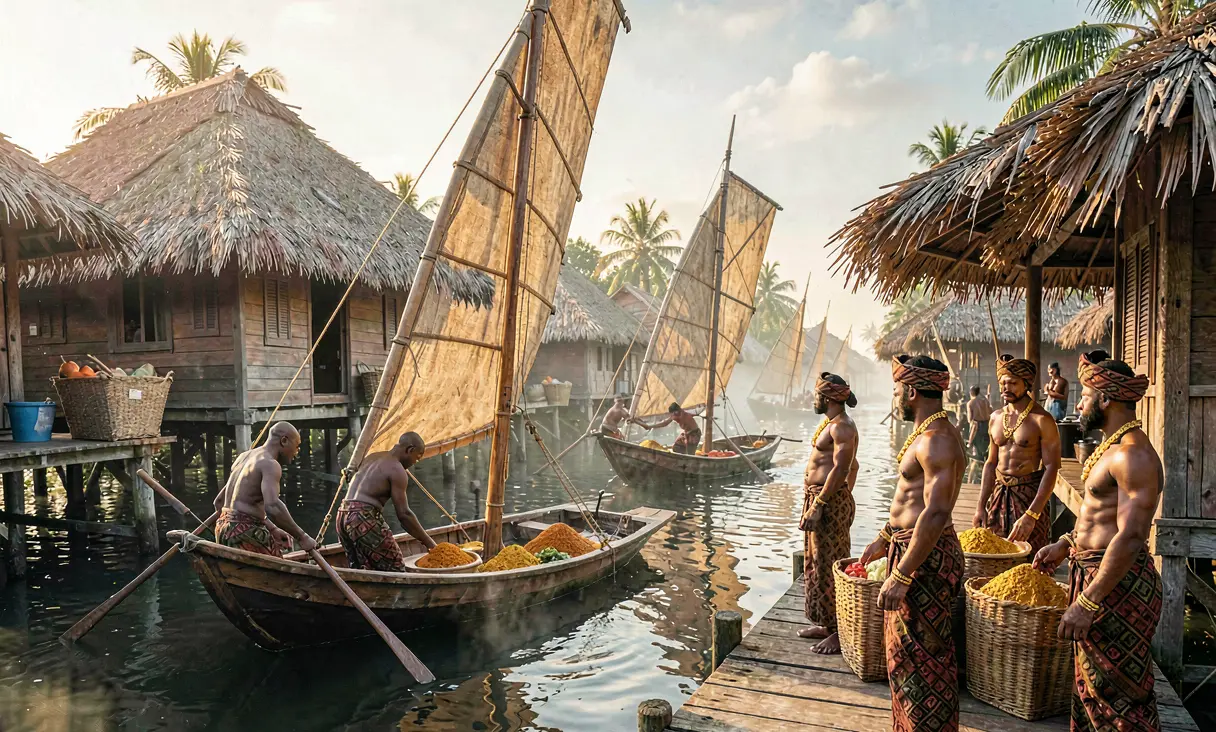 PoliticsRise of Srivijaya as Maritime Hegemon683 CE · Palembang, Sumatra (Modern Indonesia)Srivijaya emerges as the dominant maritime empire controlling the Strait of Malacca.
 TechnologyInvention of Greek Fire by Kallinikosc. 673 CE · Constantinople, TurkeyByzantine engineers develop a liquid incendiary weapon that burns on water.
Discussion
Loading…