Rise of Swahili City-States on the East African Coast
By 1200 CE, Kilwa Kisiwani emerged as a wealthy stone city-state, fusing Bantu and Islamic cultures to dominate the Indian Ocean gold trade between Africa's interior and Asia.
The Monsoon Marketplace
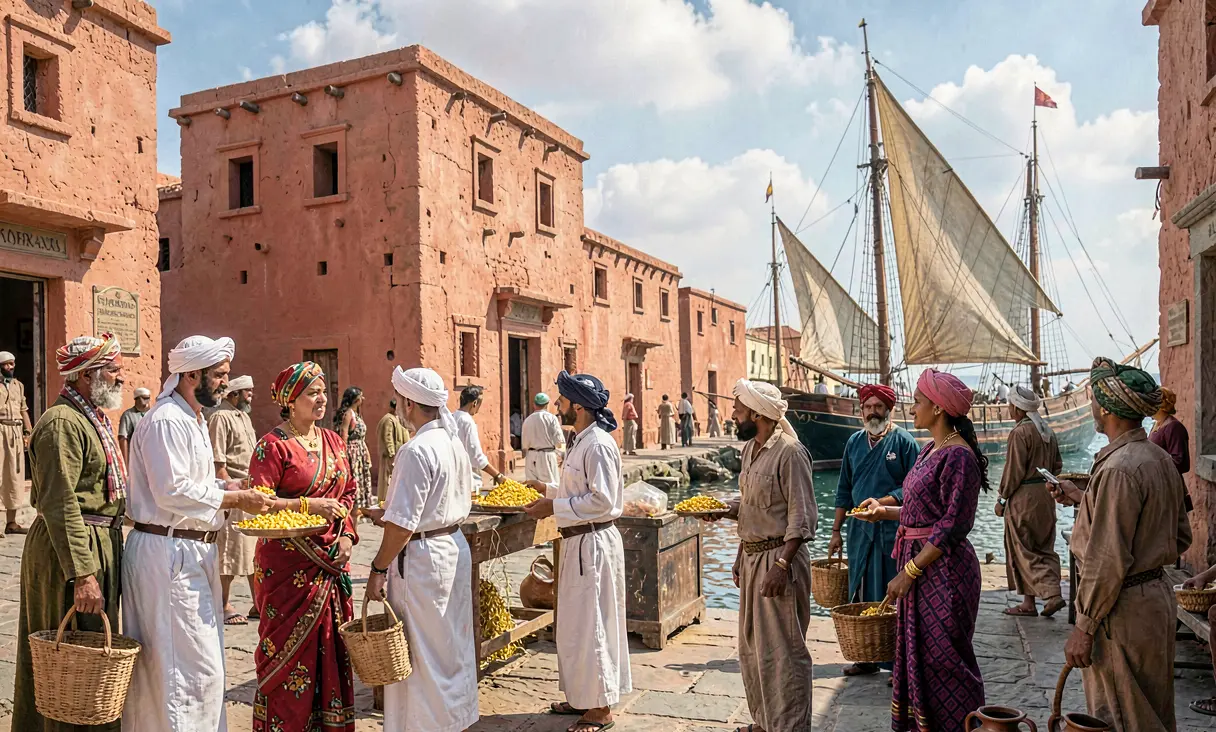
By the early 13th century, the East African coast had transformed into a vibrant nexus of the Indian Ocean trade network, driven by the predictable rhythm of the monsoon winds. These seasonal breezes allowed merchants from Arabia, Persia, India, and even China to sail directly to the Swahili coast, arriving with the northeast monsoon in December and departing with the southwest winds in April. This maritime connectivity turned a string of independent city-states, stretching from Mogadishu in Somalia to Sofala in Mozambique, into a cosmopolitan corridor linking the mineral-rich interior of Africa to the global economy.
The Rise of Kilwa Kisiwani
Among these emerging powers, Kilwa Kisiwani rose to preeminence around 1200 CE under the leadership of Ali ibn al-Hassan, a Persian prince from Shiraz who allegedly seized control of the island. According to the later chronicle known as the *Kilwa Chronicle*, Ali founded a dynasty that would rule for centuries, shifting the region's political center away from the older city of Sofala. Kilwa's strategic location allowed it to monopolize the gold trade flowing north from the Great Zimbabwe plateau and the copper mines of the interior, funneling these precious metals into the global market in exchange for luxury goods.
Architectural Synthesis
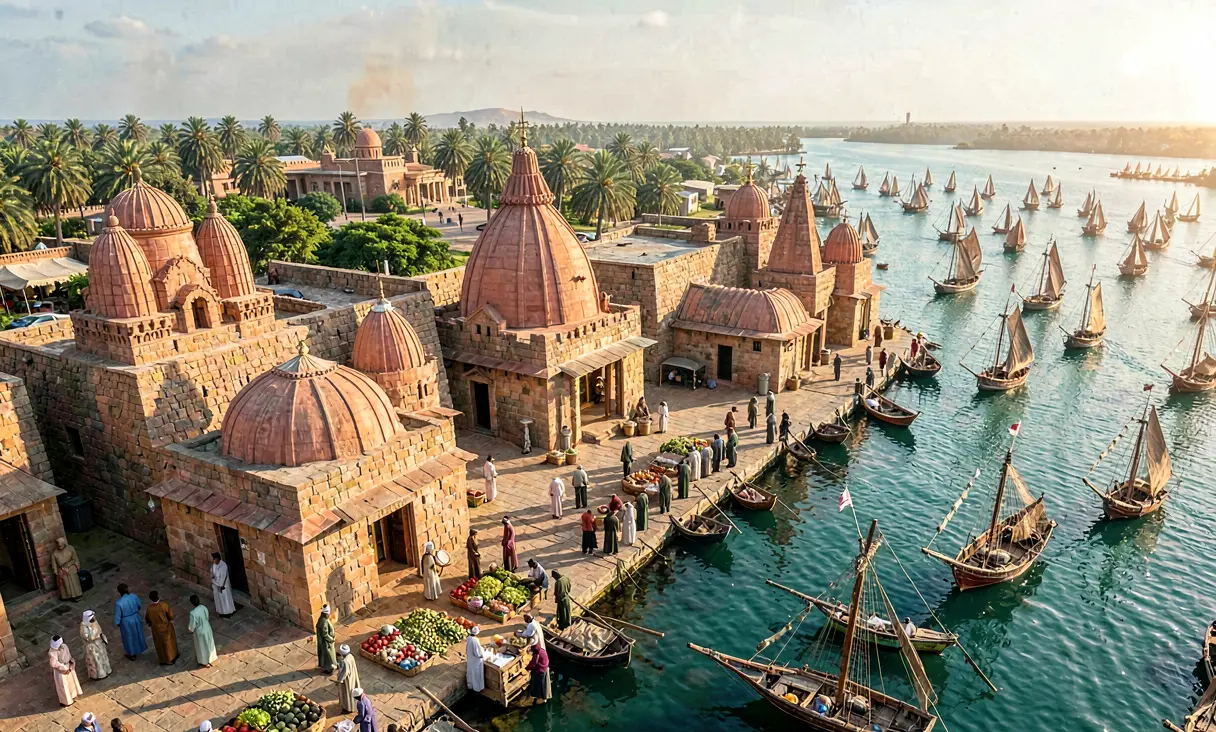
The physical landscape of these cities reflected a unique cultural synthesis, distinct from both the African hinterland and the Islamic world. Builders utilized locally sourced coral rag, cut from the surrounding reefs and mortared with lime, to construct multi-story stone houses, grand mosques, and palaces that defied the traditional timber-and-mud architecture of the interior. The Great Mosque of Kilwa, expanded significantly during this period, featured a vaulted ceiling supported by massive pillars, while the Husuni Kubwa palace complex showcased intricate niches and courtyards that blended Swahili spatial concepts with Persian architectural aesthetics.
The Swahili Identity
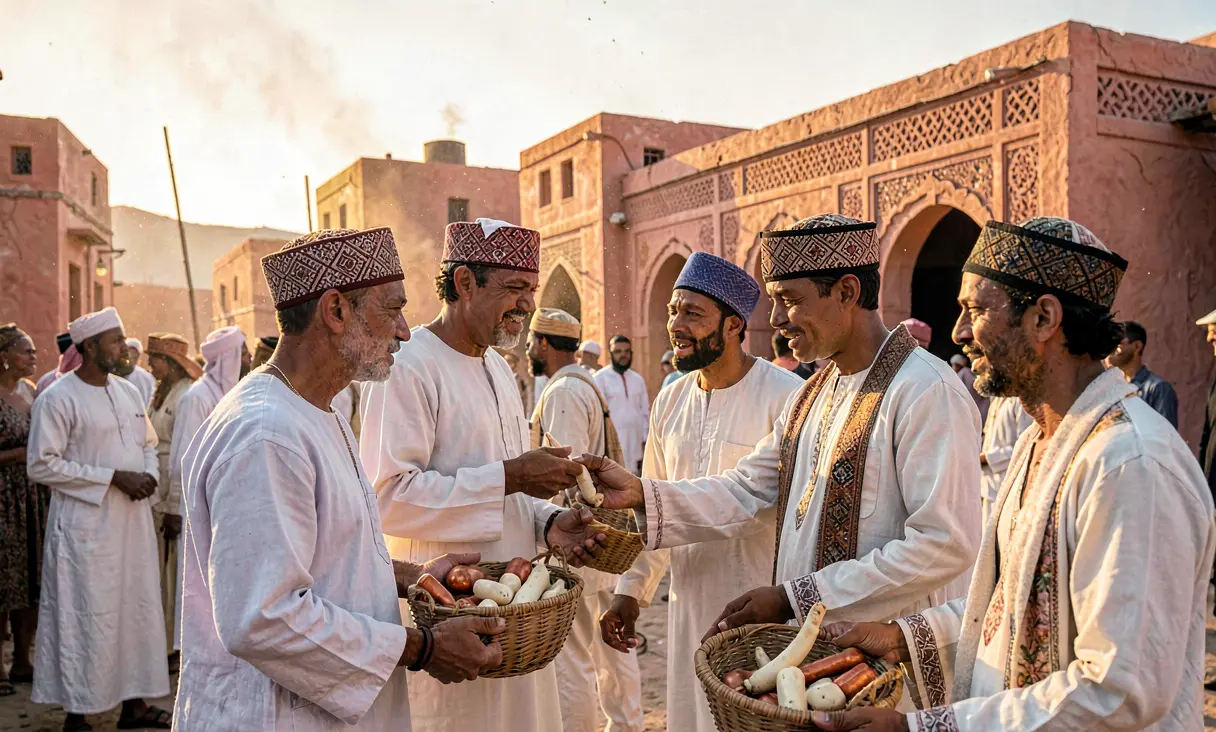
This era solidified the emergence of a distinct Swahili identity, characterized by a Bantu language heavily infused with Arabic loanwords and Islamic religious practices. The elite class adopted Islam not merely as a faith but as a marker of cosmopolitan status, facilitating trust and legal frameworks for international commerce. While the ruling families often claimed foreign lineage to legitimize their power, the majority of the population remained of Bantu descent, creating a society where African traditions in music, agriculture, and social structure coexisted with imported Islamic scholarship and urban planning.
Economic Dominance and Expansion
By 1250 CE, Kilwa had established a hegemony over the southern Swahili coast, controlling the flow of ivory, gold, iron, and enslaved people. The city's merchants traded these commodities for Chinese porcelain, Persian glassware, Indian cotton textiles, and beads from as far away as Venice. Archaeological evidence from this period reveals shards of blue-and-white Ming porcelain and green-glazed wares in Kilwa's strata, testifying to the depth of its commercial reach. This wealth funded a sophisticated urban infrastructure, including water cisterns and public baths, which supported a growing population of artisans, sailors, and merchants.
Legacy of the Stone Towns
The rise of the Swahili city-states fundamentally altered the economic geography of the Indian Ocean, creating a permanent bridge between sub-Saharan Africa and Eurasia. Although political power eventually shifted to Mombasa and Zanzibar in later centuries, the cultural and linguistic foundations laid during this period endured for nearly a millennium. The Swahili language became the lingua franca of East Africa, and the stone towns remained vital ports until the arrival of the Portuguese in 1498, whose disruption of the monsoon trade networks marked the end of this autonomous golden age.
It created a distinct Afro-Asian cultural zone that dominated East African commerce for centuries.
Where it happened
Kilwa Kisiwani, Tanzania — see it on the interactive map →
Explore related history
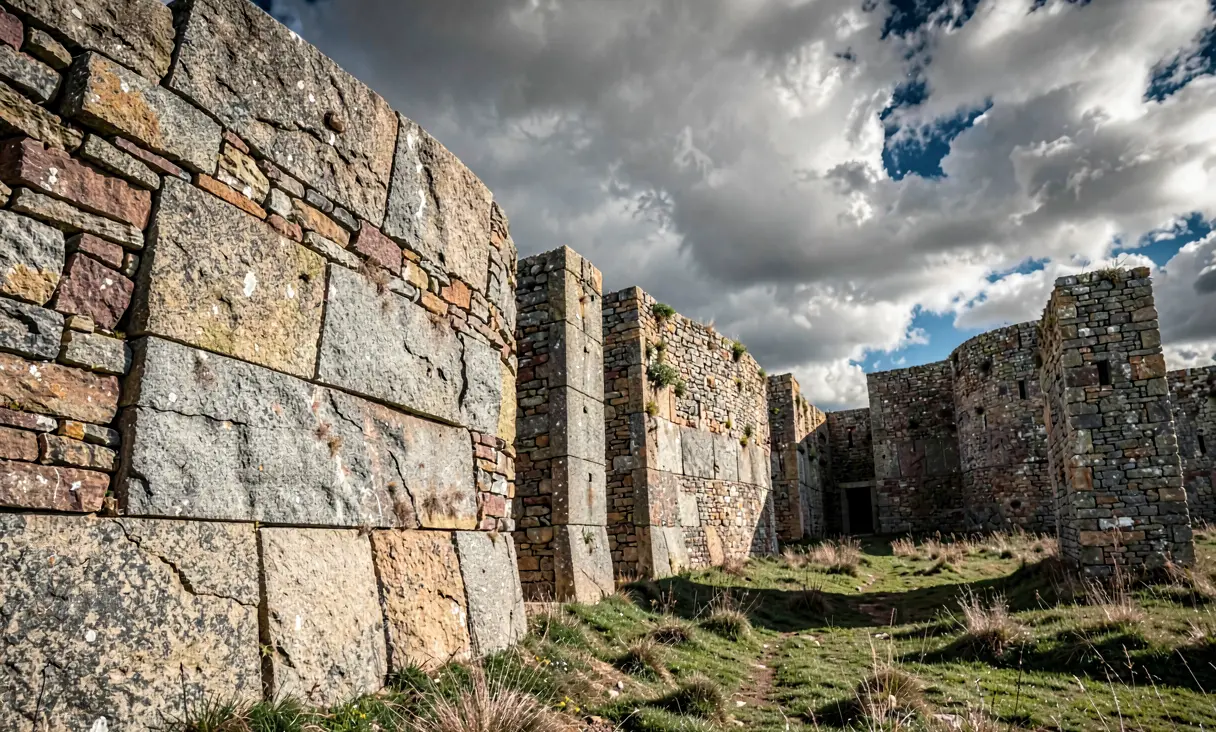 CivilizationConstruction of Great Zimbabwec. 1100 CE · Masvingo, ZimbabweShona people build the largest pre-colonial stone structure in Africa without mortar.
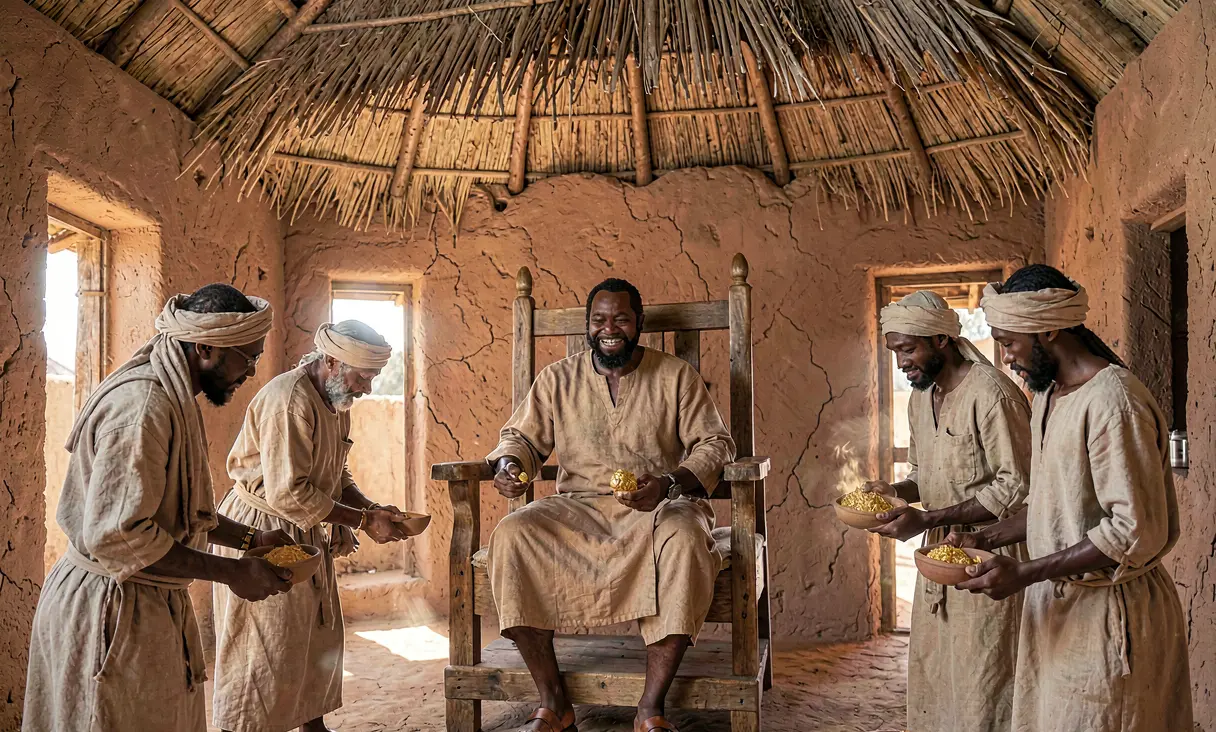 CivilizationMansa Musa's Control of Trans-Saharan Gold Tradec. 1307 CE · Niani, Mali Empire (Guinea/Mali border)Mansa Musa consolidates the Mali Empire's control over West African gold mines and trans-Saharan trade routes.
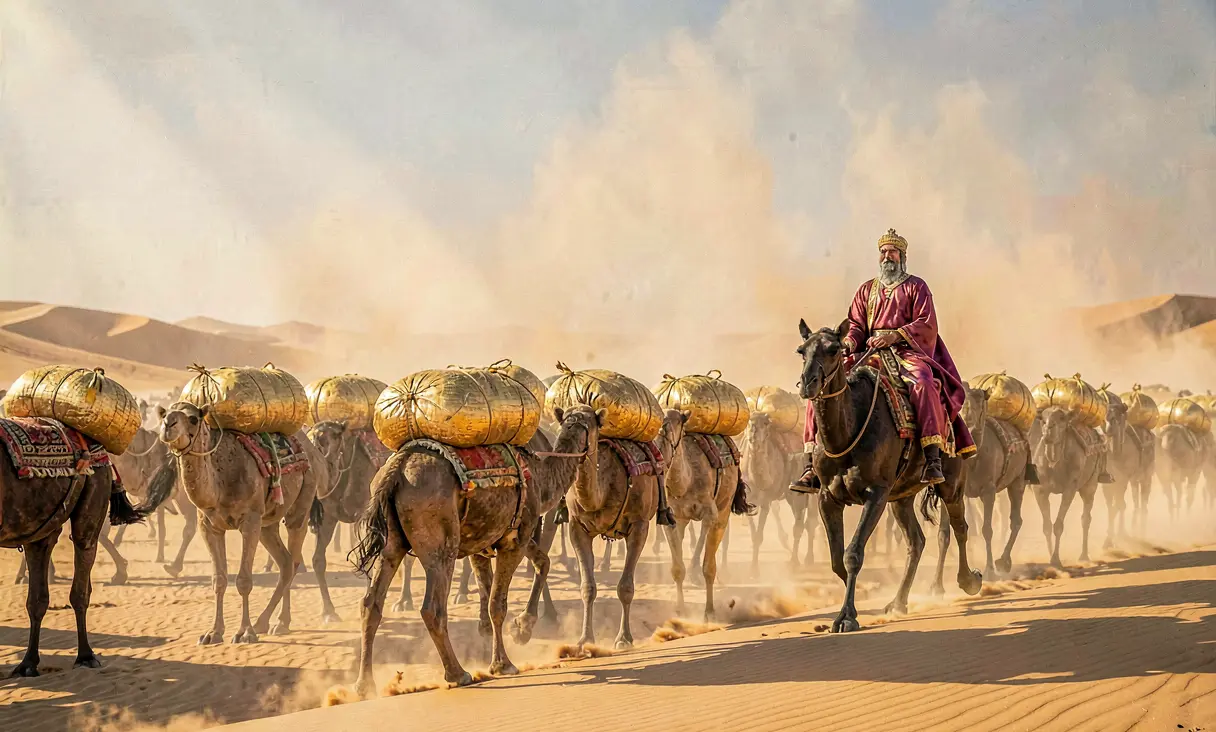 CivilizationMansa Musa Pilgrimage to Mecca1324 CE · Timbuktu, MaliMali Empire ruler travels with immense wealth, destabilizing economies along his route to Mecca.
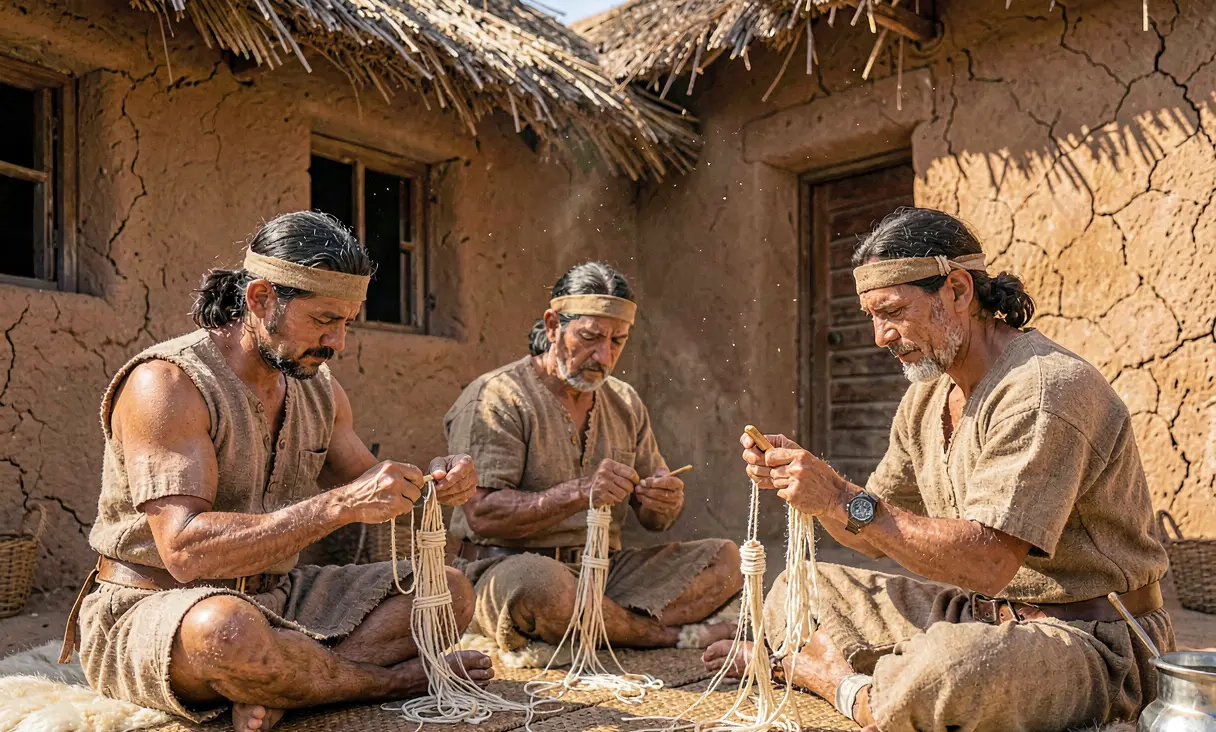 TechnologyStandardization of the Quipu System in the Andesc. 1200 CE · Cusco Region, PeruInca and pre-Inca cultures refine the quipu for complex numerical and narrative data storage.
 ScienceMaya Astronomical Tables in the Dresden Codexc. 1200 CE · Yucatán Peninsula, MexicoMaya astronomers record precise calculations for Venus cycles and eclipses.
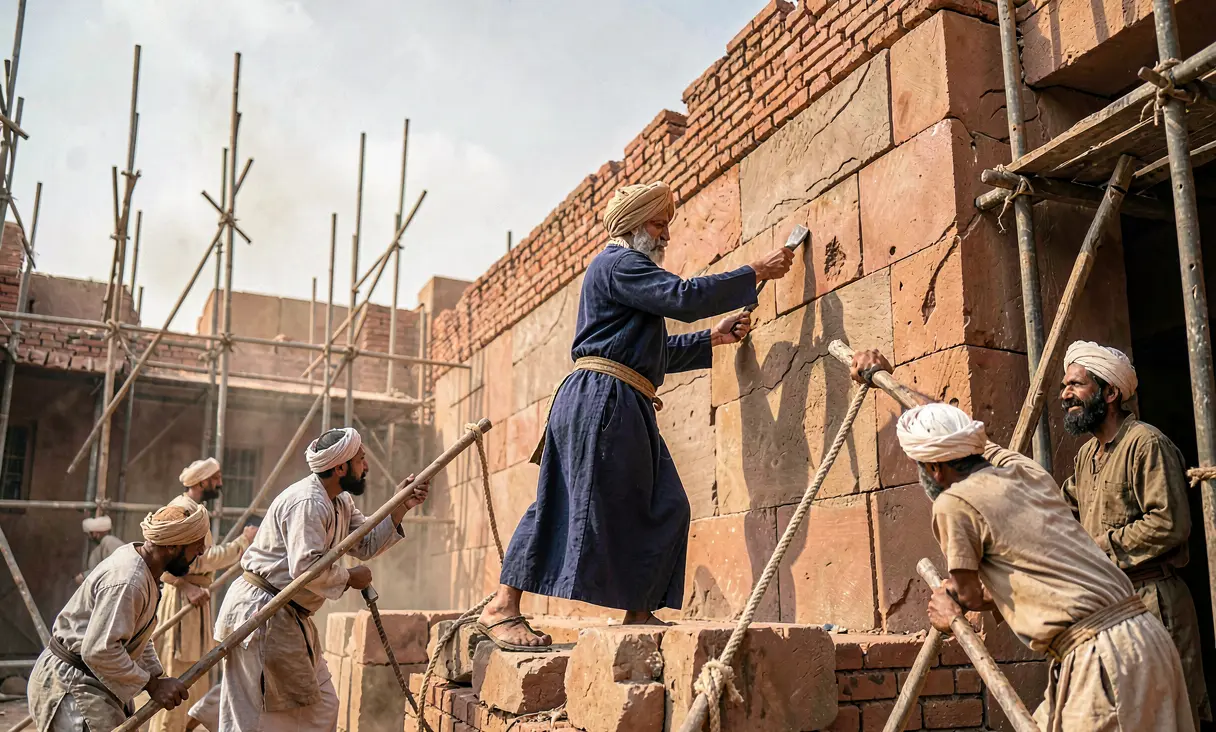 ArtConstruction of Qutub Minar Beginsc. 1199 CE · Delhi, IndiaQutb-ud-din Aibak begins construction of the Qutub Minar, a victory tower symbolizing the establishment of the Delhi Sultanate.
Discussion
Loading…