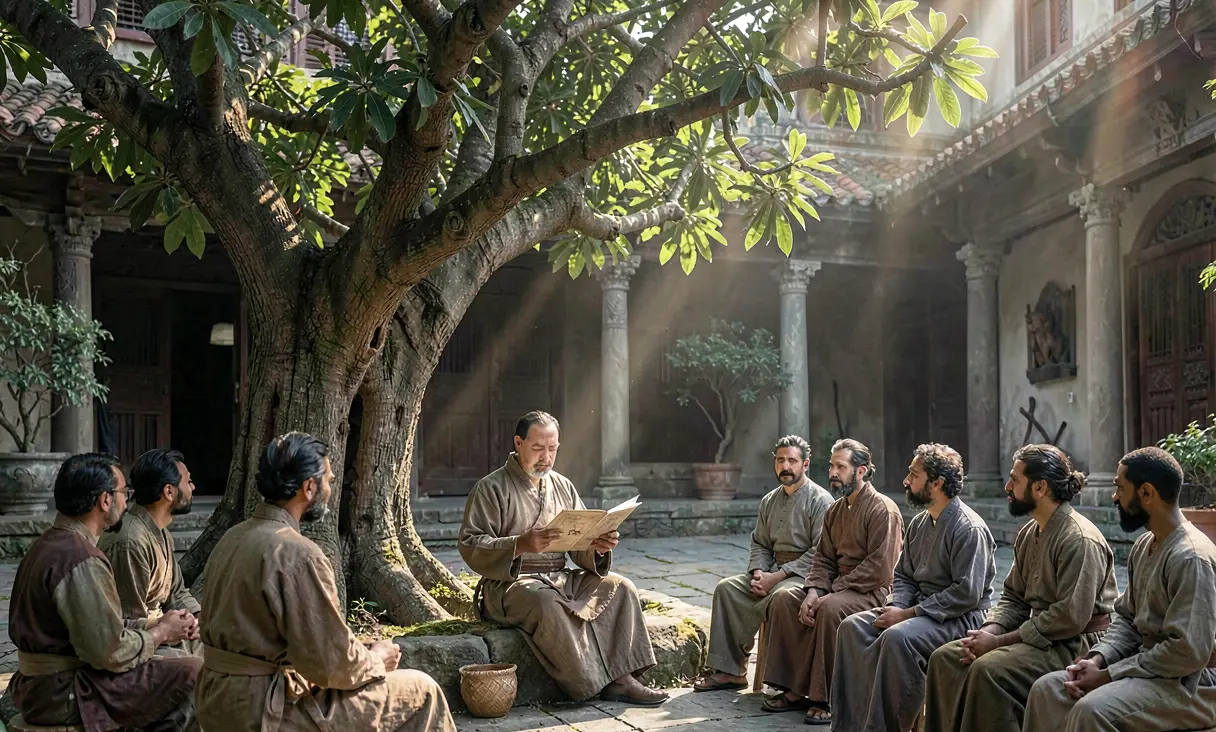
Birth of Bulleh Shah
Born c. 1680 in Punjab, Bulleh Shah revolutionized South Asian spirituality by using vernacular poetry to dismantle caste barriers and religious orthodoxy, championing a universal faith based on love.
Context of the Mughal Punjab
The late 17th century in the Punjab region was a period of profound religious and political turbulence. The Mughal Empire, under the reigns of Aurangzeb (r. 1658–1707), was enforcing a rigid orthodoxy that often alienated non-Muslim populations and marginalized liberal Sufi traditions. In this atmosphere of sectarian strain, the city of Uch Sharif, a historic center of Islamic mysticism in southern Punjab, served as the cradle for a spiritual revolution. It was here, around 1680 CE, that Bulleh Shah was born into the Syed family, claiming descent from the Prophet Muhammad. His birth occurred not merely as a demographic event but as the prelude to a movement that would fundamentally challenge the caste hierarchies of Hindu society and the ritualistic legalism of Islamic clerics.
The Birth and Early Lineage
Bulleh Shah, born Abdullah Shah, entered the world in the village of Pandoke, near Lahore, though his family's spiritual roots were deeply entrenched in Uch. His father, Shah Muhammad Dana, was a respected scholar who ensured his son received a rigorous traditional education in Islamic jurisprudence and theology at the local madrasas. However, young Bulleh Shah found himself increasingly disillusioned with the scholasticism that prioritized textual interpretation over spiritual experience. The historical record suggests he was a brilliant student but one whose heart yearned for a direct connection with the Divine, setting the stage for his eventual break from conventional religious authority.
The Spiritual Turning Point
While his birth marked the beginning of his life, his spiritual awakening occurred later when he sought out the renowned Sufi master Inayat Shah. Legend and historical accounts converge on the moment Bulleh Shah approached Inayat Shah with a request for initiation (bay'ah). The master initially refused, citing Bulleh Shah's arrogance and intellectual pride. It was only after Bulleh Shah humbled himself, demonstrating a willingness to abandon his scholarly status for the role of a devoted disciple, that he was accepted. This relationship became the catalyst for his transformation from a learned cleric into a poet of the people, shifting his focus from the law (Sharia) to the path of love (Tariqa).
The Kafi and Revolutionary Poetry
Bulleh Shah's primary contribution to history was not through political conquest but through his poetry, composed in the vernacular Punjabi rather than the elite Persian or Arabic of the time. He popularized the 'Kafi,' a musical form that allowed his verses to be sung by commoners, transcending literacy barriers. His verses ruthlessly critiqued the hypocrisy of the Ulema (clerics) and Brahmins alike, famously declaring that God is found not in mosques or temples but within the human heart. He dismantled the caste system by asserting that all souls are equal before the Divine, stating, 'I am a Muslim, I am a Hindu, I am neither one nor the other,' thereby creating a theological space where communal identity was secondary to spiritual unity.
Legacy of Syncretism and Resistance
The impact of Bulleh Shah's life and work extended far beyond his death in 1757. His teachings provided a vital cultural bridge during centuries of communal friction, influencing the Sikh Gurus and later the Bhakti movement. In modern times, his poetry has been reclaimed by secularists and mystics across Pakistan and India as a symbol of shared heritage. The annual Urs (death anniversary) at his shrine in Kasur attracts thousands from diverse faiths, serving as a living testament to his message of universal love. His verses remain central to Qawwali music, performed globally by artists like Nusrat Fateh Ali Khan, ensuring that his critique of orthodoxy and celebration of humanism continues to resonate.
Historical Significance
Bulleh Shah's emergence represents a pivotal moment in South Asian intellectual history where the vernacular challenged the elite, and mysticism countered dogmatism. Unlike many historical figures whose influence was tied to fleeting political power, Bulleh Shah's legacy is enduring because it addressed the perennial human struggle for authentic spirituality. His life story illustrates how a single individual, born into a rigid social hierarchy, could use the power of poetry to deconstruct centuries-old prejudices. He stands as a monumental figure who redefined the boundaries of faith in South Asia, making his birth one of the most culturally significant events of the early modern period.
Bulleh Shah's poetry transcended religious boundaries, fostering a spirit of unity and spiritual inclusivity that endures in South Asian culture.
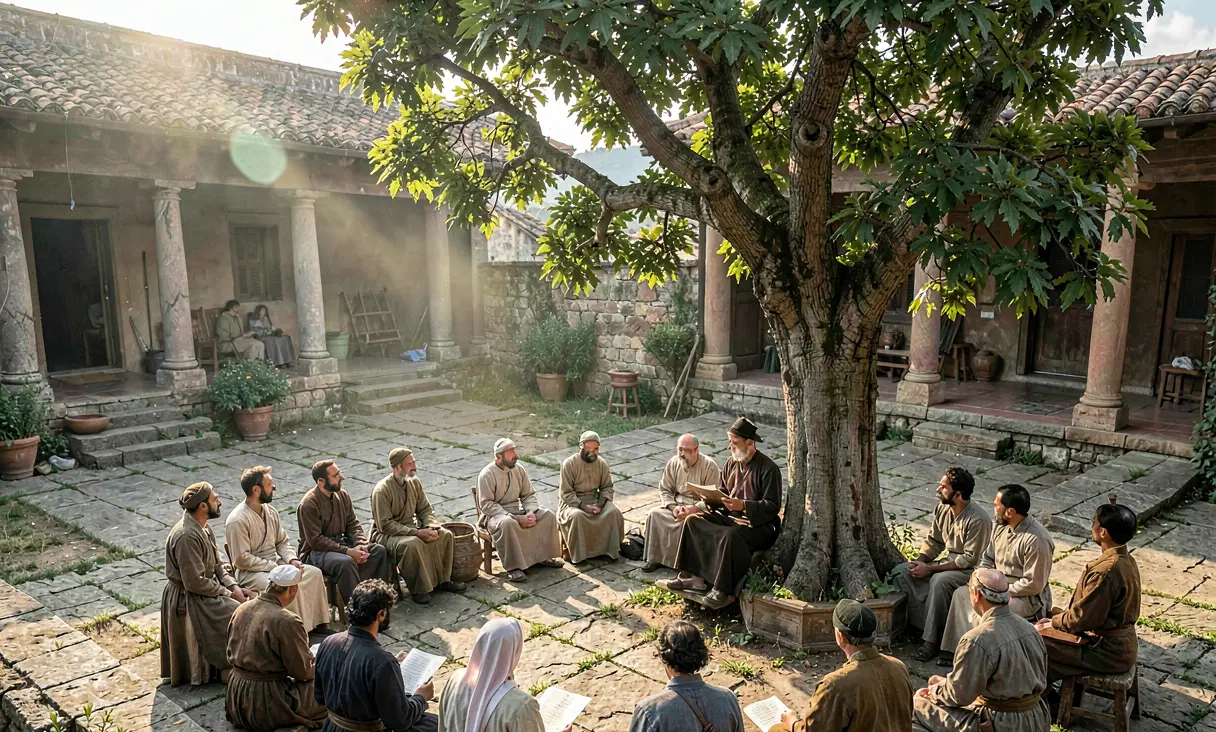
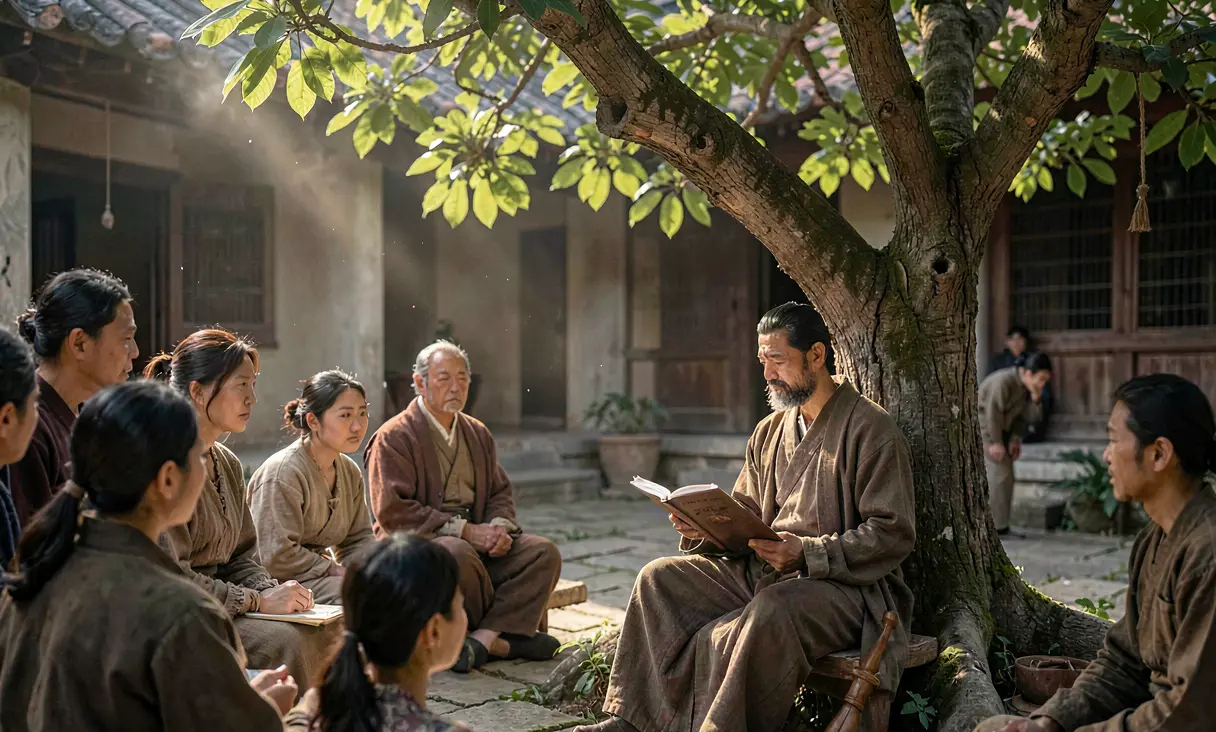
Where it happened
Uch (modern Pakistan) — see it on the interactive map →
Explore related history
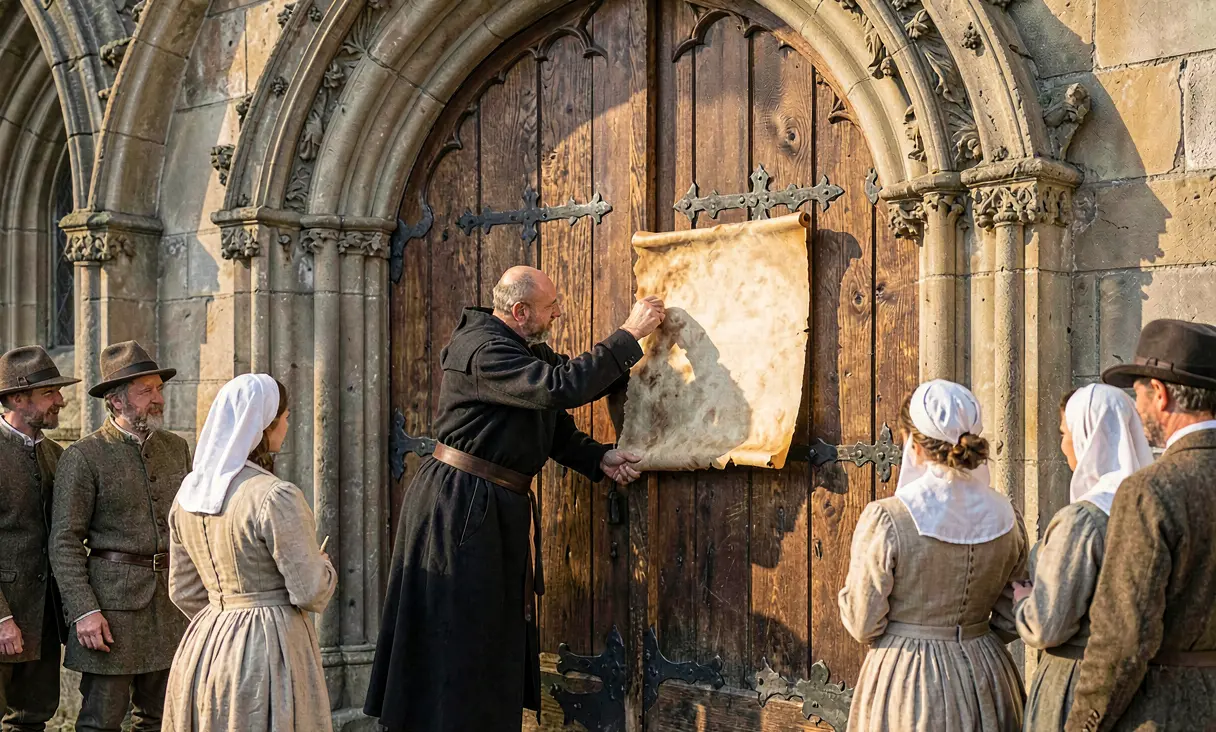 ReligionLuther Posts Ninety-Five ThesesOctober 31, 1517 CE · Wittenberg, GermanyMartin Luther challenges Catholic Church practices sparking the Protestant Reformation.
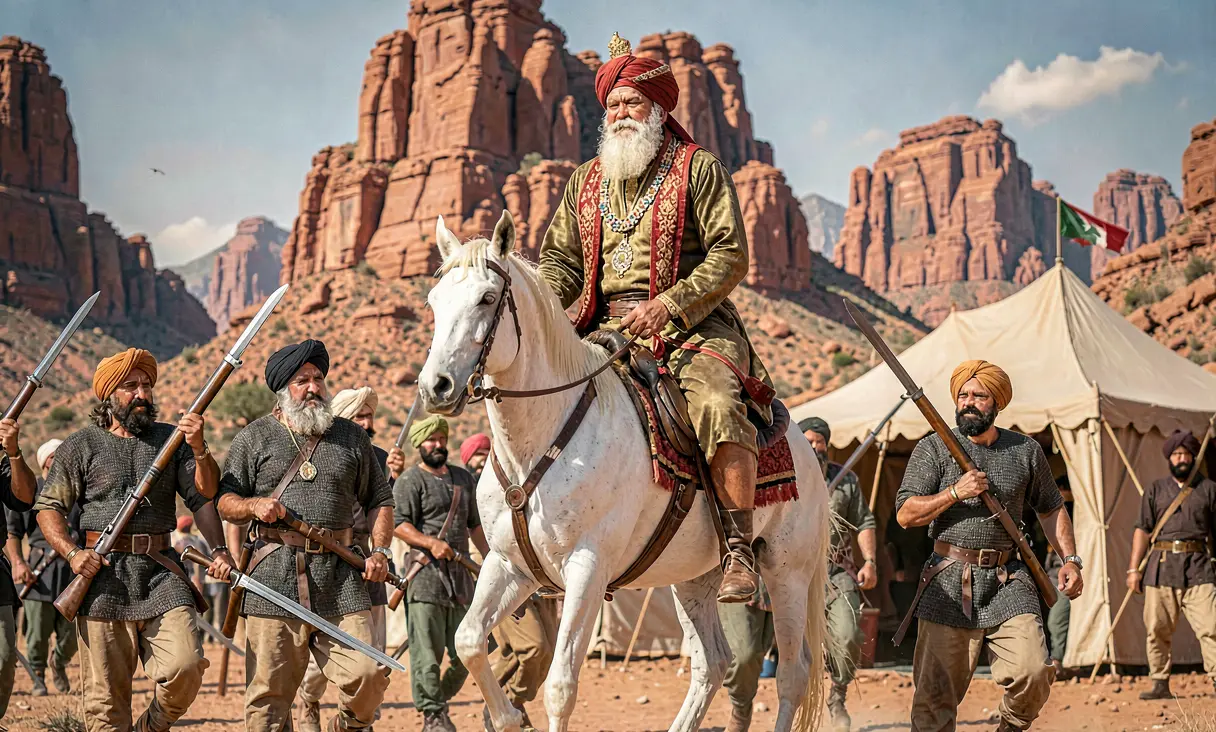 WarAurangzeb's Decades-Long Deccan Campaignc. 1681 CE · Deccan Plateau, IndiaEmperor Aurangzeb moves his court to the Deccan for a prolonged military campaign against the Marathas and Sultanates.
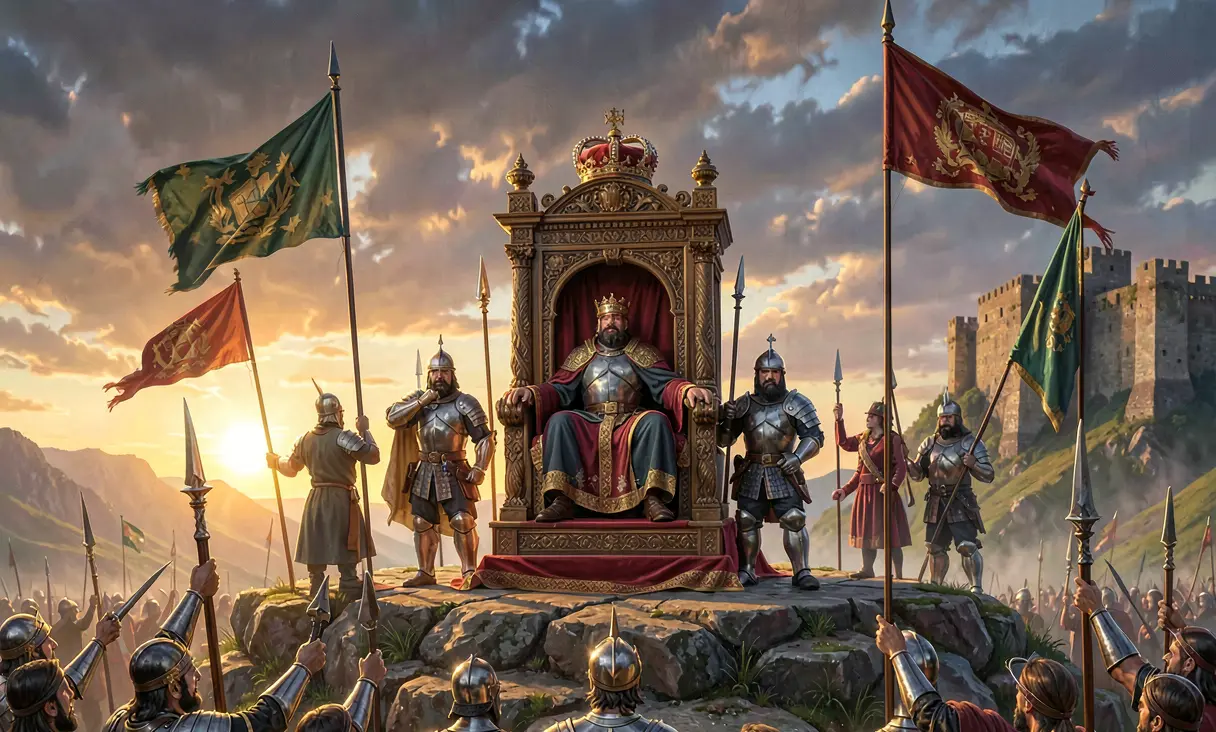 PoliticsShivaji Maharaj Coronation and Maratha Empirec. 1674 CE · Raigad Fort (modern Maharashtra/India)Chhatrapati Shivaji is crowned as the sovereign ruler of the Marathas, establishing an independent Hindu kingdom against Mughal dominance.
 SciencePublication of Newton's PrincipiaJuly 5, 1687 CE · Cambridge, EnglandIsaac Newton defines laws of motion and universal gravitation revolutionizing physics.
Discussion
Loading…