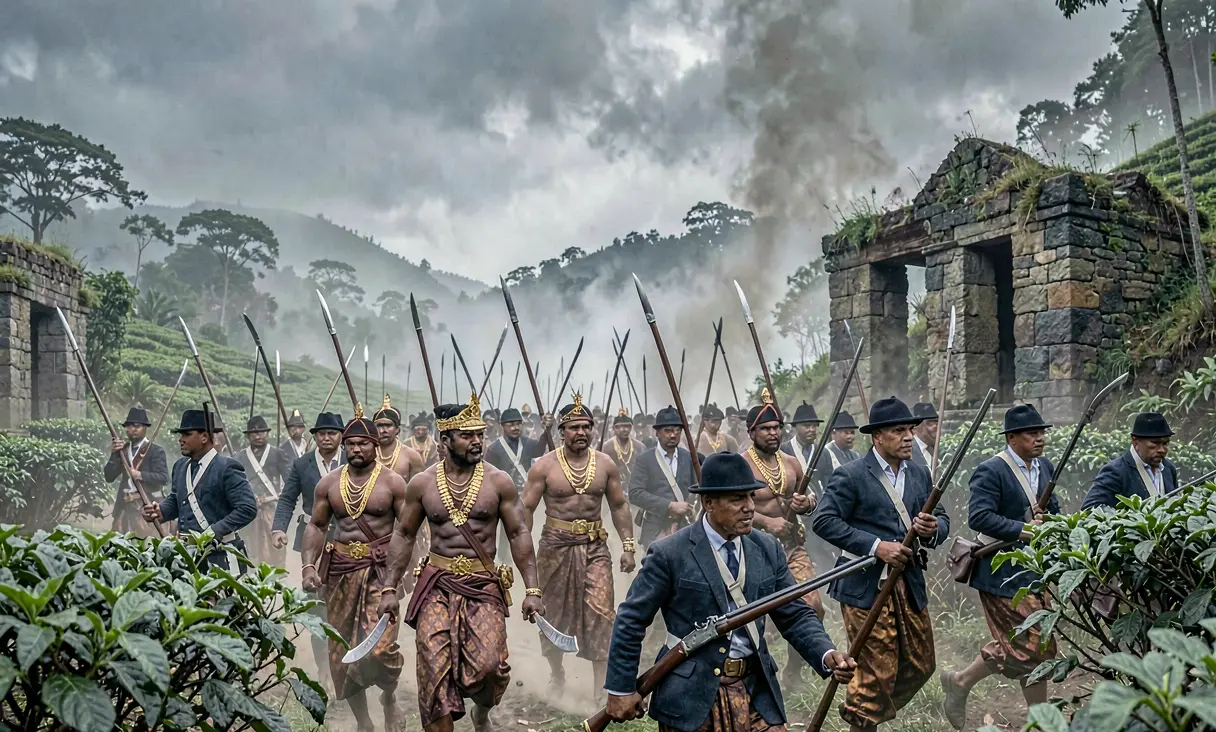
Uva-Wellassa Rebellion Against British Rule
The 1817 Uva-Wellassa Rebellion marked the final, bloody struggle of the Kingdom of Kandy against British annexation, ending in the decimation of the indigenous aristocracy and the solidification of c
The Fracture of the Kingdom
Following the British annexation of the Kingdom of Kandy in March 1815 under the Kandyan Convention, the island of Ceylon appeared pacified. The treaty ostensibly promised to preserve the Buddhist religion and the rights of the local nobility; however, British administrators quickly interpreted the agreement through a lens of imperial expansion. By late 1816, Governor Robert Brownrigg had begun systematically dismantling the traditional power structures of the Kandyan aristocracy, replacing hereditary chiefs with salaried colonial officials and imposing new taxes that ignored centuries-old customs. The atmosphere in the highlands grew increasingly volatile as the British disregard for local religious sentiments and administrative autonomy alienated even the most loyal factions of the former court.
The Spark of Uva-Wellassa
In March 1817, the simmering discontent erupted into open warfare in the provinces of Uva and Wellassa. The rebellion was not a monolithic army but a convergence of disgruntled chiefs, dispossessed peasants, and former royal guards who viewed the British as usurpers threatening their very existence. Unlike conventional battles of the era, the insurgents leveraged the rugged, mist-shrouded terrain of the central highlands to their advantage. They adopted sophisticated guerrilla tactics, ambushing supply lines and isolating small garrisons in a campaign that initially paralyzed British military logistics across the eastern and southern highlands.
Rise of Keppetipola Disawe
The rebellion found its most formidable leader in Uda Rata Radala, better known as Keppetipola Disawe. Originally a trusted commander appointed by the British to suppress early unrest, Keppetipola famously turned his sword against his former masters after being ordered to execute a group of rebels who were actually innocent villagers—a command he refused, citing the violation of traditional justice. His defection galvanized the resistance, transforming scattered uprisings into a coordinated national struggle. Under his leadership, the rebels briefly recaptured Kandy in October 1817, forcing Governor Brownrigg to flee and temporarily restoring the illusion of indigenous sovereignty.
The Campaign of Attrition
Despite early successes, the rebellion faced insurmountable structural challenges. Internal divisions plagued the rebel leadership; regional chiefs often prioritized local interests over a unified national strategy, and the lack of heavy artillery left them vulnerable to British counter-offensives. By late 1817, Governor Brownrigg returned with a reinforced force equipped with superior firepower and a scorched-earth policy that devastated the agricultural base supporting the rebels. The dense forests, once an ally, became a trap as British troops systematically burned villages and cut off food supplies, leading to starvation and the gradual disintegration of rebel ranks.
The Tragic Aftermath
The suppression of the Uva-Wellassa Rebellion was brutal and absolute. Keppetipola Disawe was captured in November 1817, betrayed by his own followers under duress, and subsequently exiled to Sri Jayawardenepura Kotte before being sent to Colombo and finally to Trincomalee, where he died in captivity in 1823. The British response extended beyond the battlefield; an estimated 30,000 people—roughly one-third of the Kandyan population—were killed or exiled to remote parts of the island. The traditional aristocracy was effectively decimated, their lands confiscated and redistributed to British settlers and loyalists, marking the definitive end of independent Sinhalese rule.
Legacy of Resistance
While the Uva-Wellassa Rebellion failed militarily, it remains a defining moment in Sri Lankan history, symbolizing the first organized national resistance against colonial hegemony. The rebellion exposed the fragility of the 1815 Convention and demonstrated that indigenous sovereignty could not be easily extinguished by treaty alone. Today, Keppetipola is revered as a national hero, his story serving as a potent reminder of the cost of freedom and the resilience of the Kandyan people. The event fundamentally altered the demographic and political landscape of Sri Lanka, paving the way for direct British colonial rule that would last until 1948.
The Uva-Wellassa Rebellion was the first major armed resistance against British rule in Ceylon, highlighting deep cultural friction with colonial administration.
Where it happened
Kandy, Sri Lanka — see it on the interactive map →
Explore related history
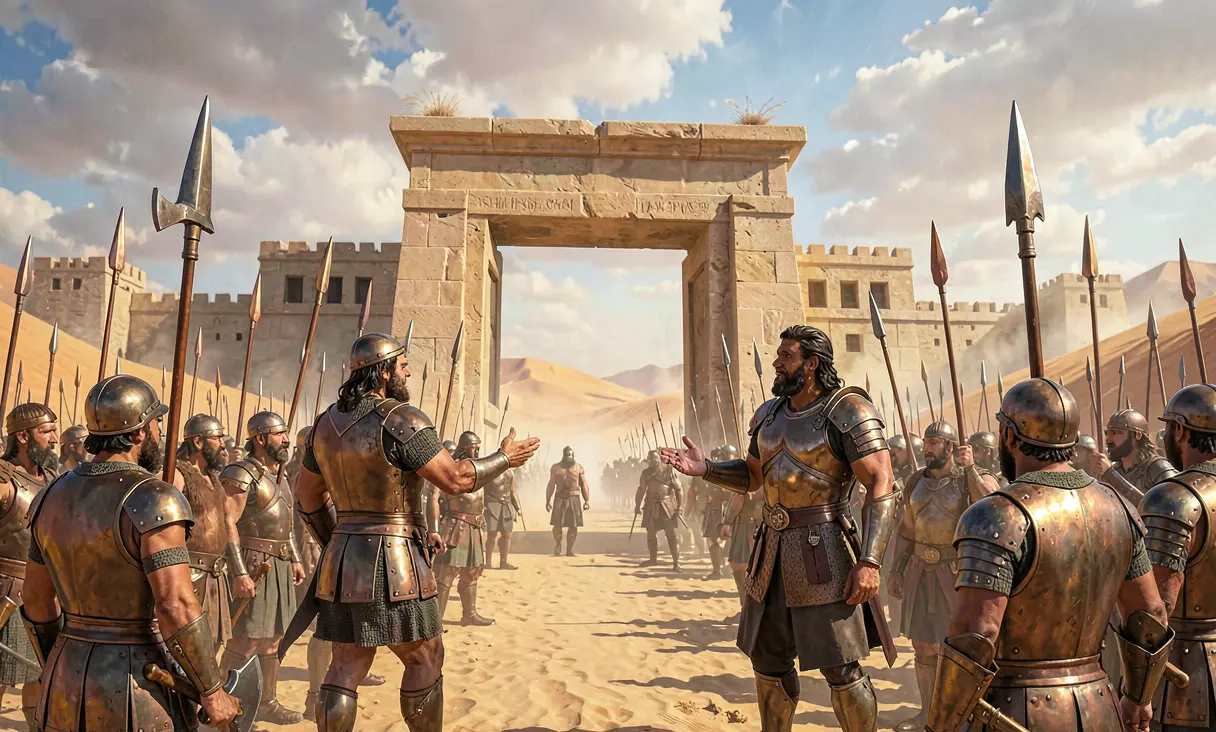 PoliticsSargon of Akkad Establishes the First Empirec. 2334 BCE · Akkad (Location uncertain, near Baghdad, Iraq)Sargon unifies Sumerian city-states to create the world's first multi-ethnic empire.
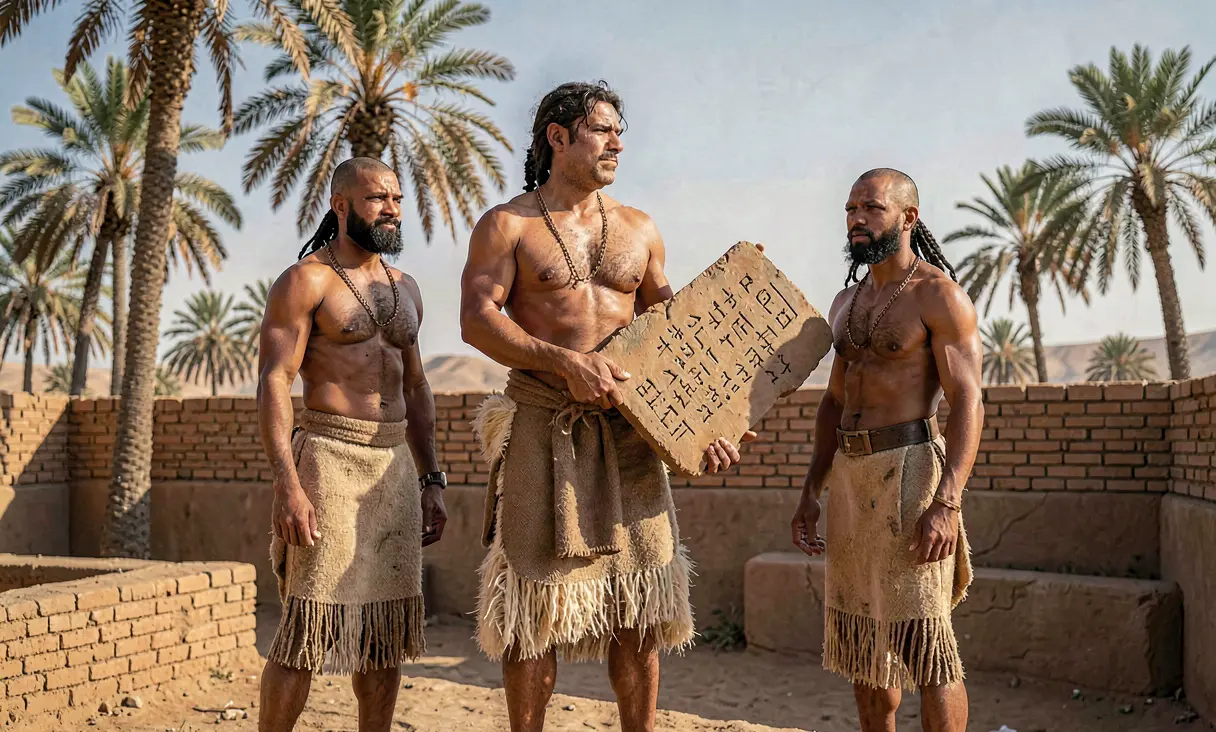 PoliticsPromulgation of the Code of Ur-Nammuc. 2100 BCE · Ur, Southern Mesopotamia (Iraq)The earliest known surviving law code is established in the Sumerian city of Ur.
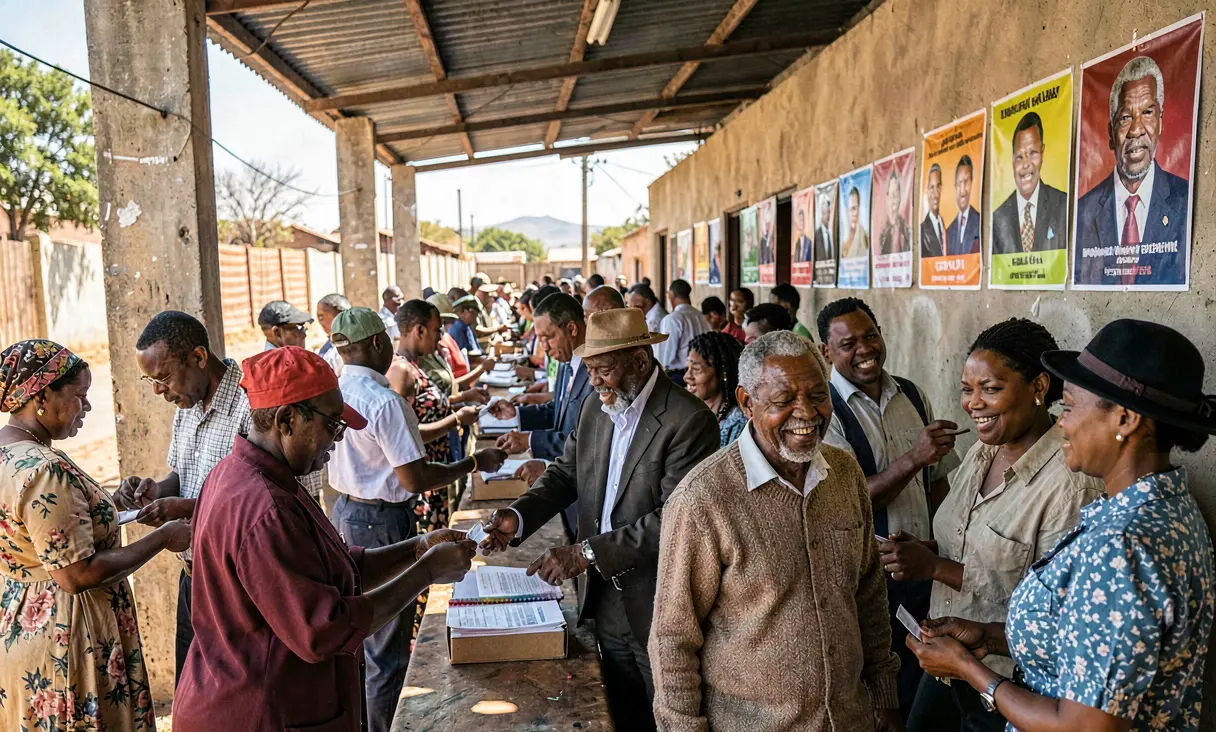 PoliticsNelson Mandela Elected President of South AfricaApril 27, 1994 · Cape Town, South AfricaSouth Africa holds its first democratic election, ending the apartheid regime and establishing a multiracial government.
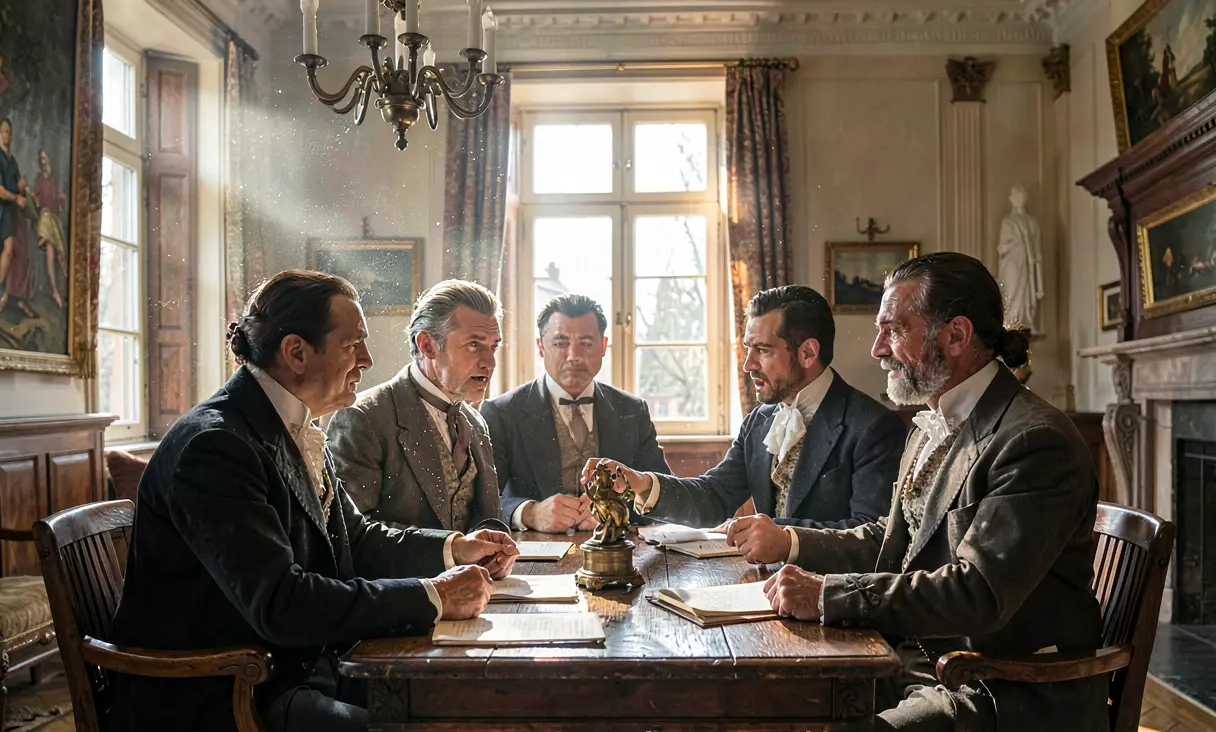 PoliticsCongress of Tucumán Declares Argentine IndependenceJuly 9, 1816 · San Miguel de Tucumán, ArgentinaDelegates from the United Provinces of the Río de la Plata formally declare independence from Spain.
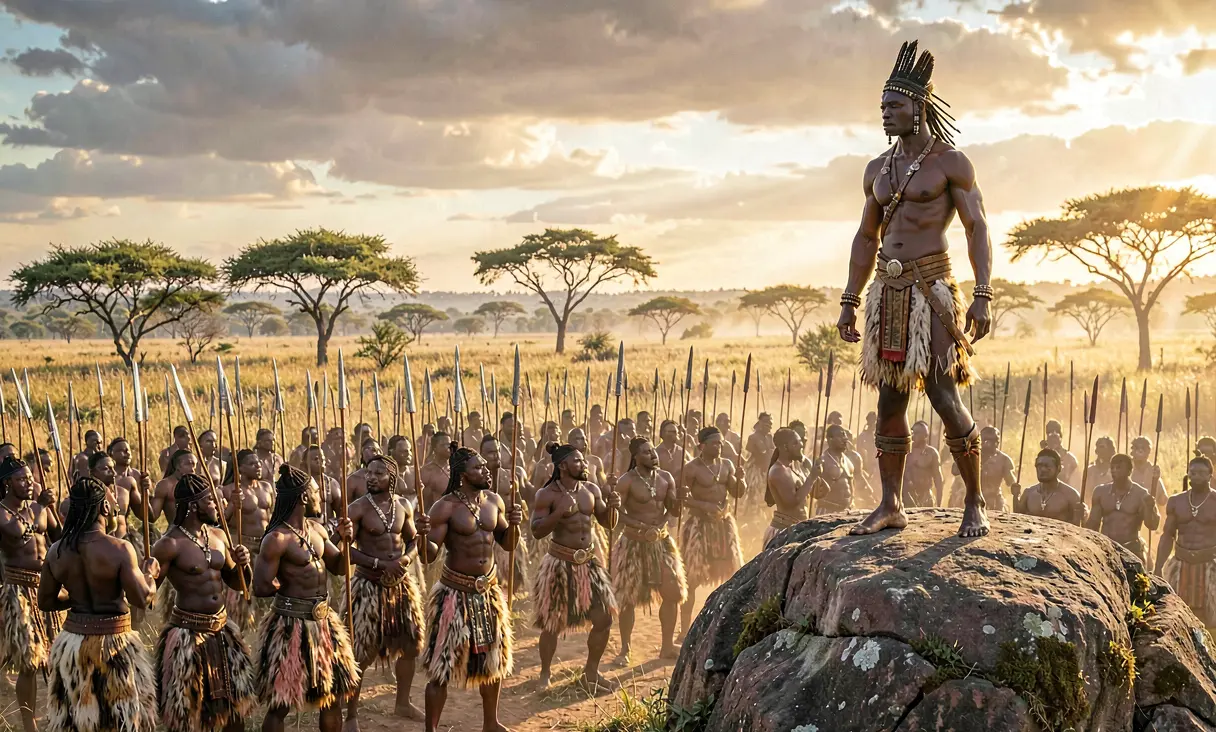 PoliticsShaka Zulu Unifies the Zulu Kingdomc. 1816 · Natal, Southern AfricaShaka Zulu establishes a centralized military state through innovative tactics and ruthless consolidation of Nguni clans.
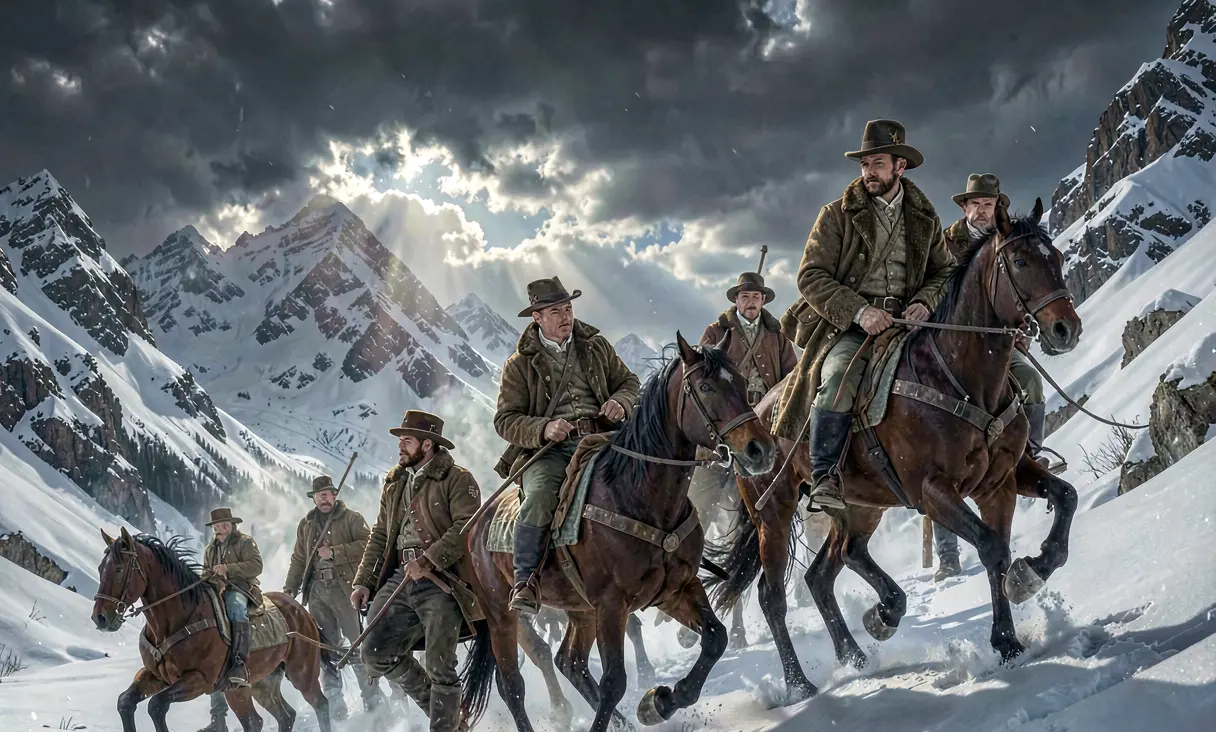 WarSimón Bolívar's Crossing of the AndesJune 1819 · Andes Mountains, Colombia/Venezuela BorderBolivar leads his army over the frozen Andes to launch a surprise attack on Spanish forces in New Granada.
Discussion
Loading…