Peak of the Silk Road Trade via Central Asia
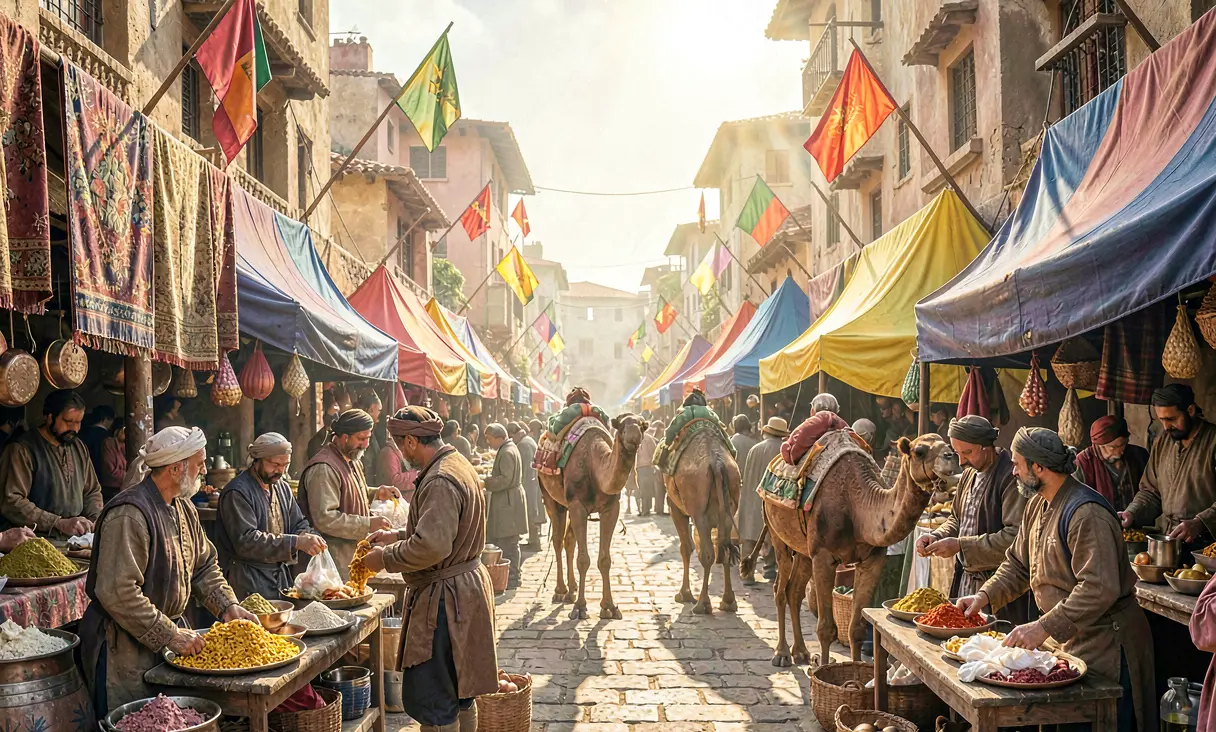
Around 1300 CE, Samarkand thrived as the vibrant capital of the Pax Mongolica, where unprecedented safety and infrastructure enabled the first true globalization of trade, technology, and culture acro
The Pax Mongolica and Global Connectivity
By the turn of the 14th century, the Eurasian landmass was unified under a singular political hegemony unprecedented in human history: the Mongol Empire. Following the death of Genghis Khan in 1227, his successors expanded the realm to encompass the entirety of China, Persia, Central Asia, and parts of Eastern Europe. This geopolitical consolidation birthed the Pax Mongolica, a period of relative stability that transformed the ancient Silk Road from a fragmented chain of caravan routes into a coherent international highway. For the first time, a merchant could theoretically travel from the Mediterranean Sea to the Pacific Ocean under a single legal framework, protected by imperial decrees and enforced by a standing army.
Samarkand: The Jewel of the Crossroads
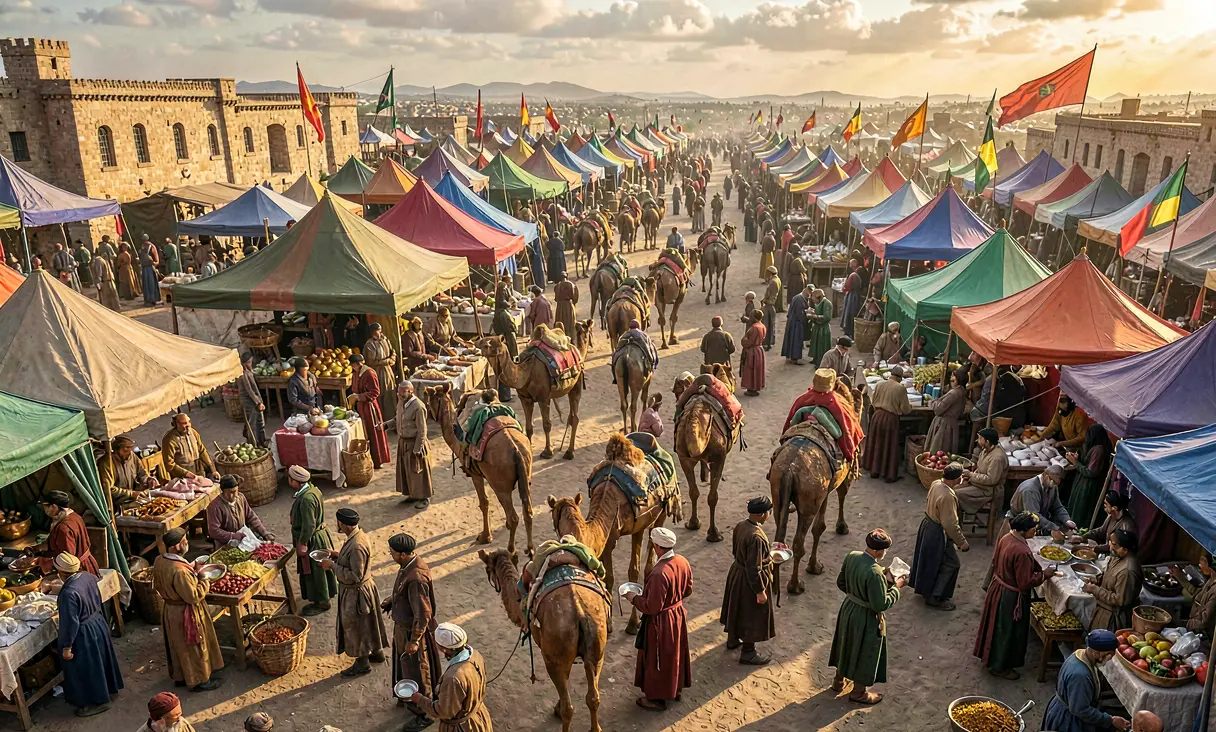
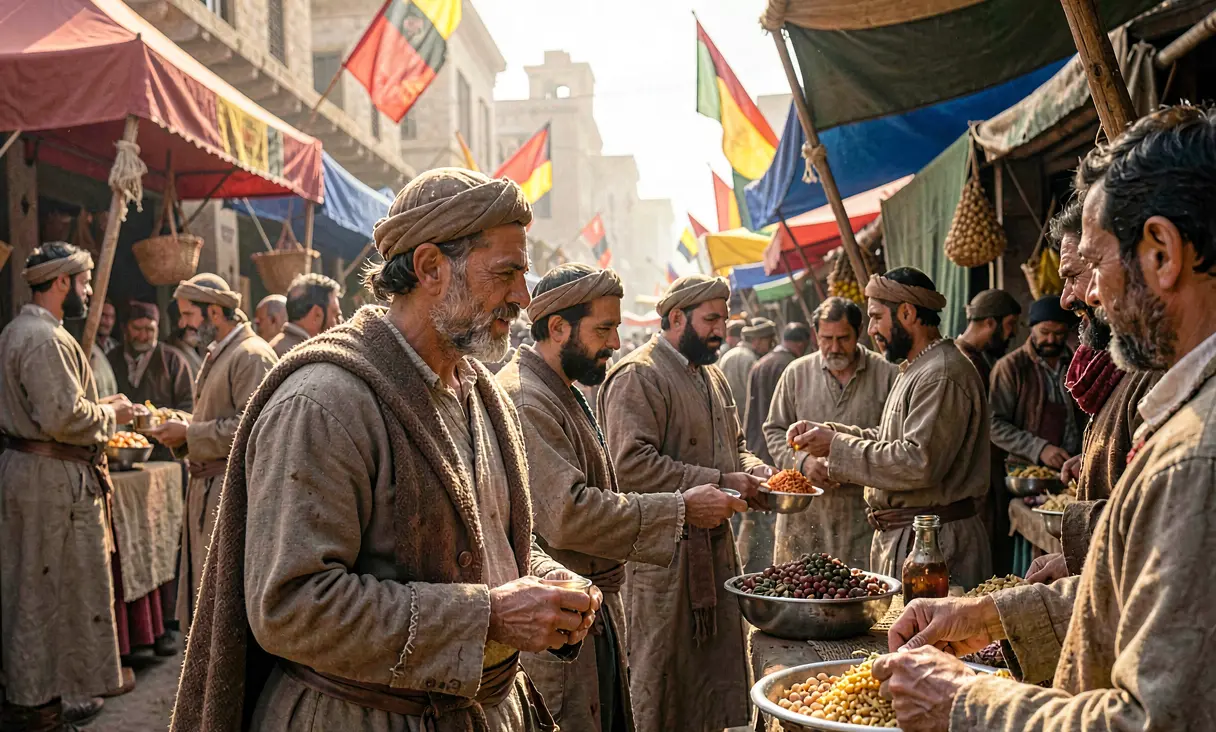
At the heart of this network lay Samarkand, a city that had long been a cultural melting pot but reached its zenith as a commercial powerhouse around 1300 CE. Situated astride the Zarafshan River in modern-day Uzbekistan, the city served as the critical nexus where the northern and southern branches of the Silk Road converged. Under the administration of the Chagatai Khanate, Samarkand's markets became the primary exchange point for goods that defined medieval luxury: Chinese silk and porcelain flowed westward, while Persian carpets, Indian spices, and European silver moved east. The city's architecture began to reflect this wealth, with madrasas and caravanserais rising to accommodate the influx of merchants from Venice, Genoa, Persia, and Cathay.
The Yam System: Engineering Safe Passage
The operational backbone of this trade boom was the Yam system, a sophisticated relay network established by the Mongols to facilitate rapid communication and secure travel. This system consisted of thousands of stations spaced approximately 25 to 40 miles apart, each stocked with fresh horses, food, and lodging for authorized travelers holding a paiza—a golden or silver tablet serving as a passport and safe-conduct. This infrastructure reduced the travel time across Eurasia from years to mere months and drastically lowered the risk of banditry. It was this system that enabled figures like Marco Polo, who arrived in China in 1275, to traverse the continent with a level of security unknown to their predecessors or successors.
The Exchange of Ideas and Technology
Beyond material goods, the Silk Road around 1300 CE became a conduit for the transmission of transformative technologies and religious ideologies. Gunpowder, papermaking, and woodblock printing moved westward from China, fundamentally altering warfare, administration, and literacy in the Islamic world and eventually Europe. Simultaneously, the city of Samarkand hosted a vibrant pluralism where Nestorian Christians, Muslims, Buddhists, and Manichaeans coexisted, often within the same neighborhoods. The Mongol policy of religious tolerance allowed these ideas to circulate freely, fostering an intellectual environment that would later fuel the Renaissance in Europe.
The Fragility of the Peak
Despite its apparent permanence, this golden age was inherently fragile. By 1304, the Mongol Empire had officially fractured into four distinct khanates—the Yuan in China, the Ilkhanate in Persia, the Chagatai Khanate in Central Asia, and the Golden Horde in Russia—each pursuing independent foreign policies. While trade continued for a few more decades, the unified legal protection of the Pax Mongolica began to erode. The rise of local warlords, the fragmentation of political authority, and the eventual devastation caused by the Black Death in the mid-14th century would sever these connections, leading to the decline of overland trade routes that had flourished for a century.
Legacy of the Central Asian Hub
The era around 1300 CE left an indelible mark on global history by proving the viability of transcontinental exchange. It established Samarkand not merely as a trading post but as a symbol of cosmopolitanism that would be immortalized in later Timurid architecture under Tamerlane, who sought to revive its former glory. The networks forged during this period laid the groundwork for the Age of Discovery; when overland routes became impassable due to political instability and disease, European powers were compelled to seek maritime alternatives, inadvertently triggering a new chapter of global exploration that would reshape the world map.
The peak of the Silk Road under Mongol rule facilitated massive cultural and technological exchange between East and West, shaping modern civilization.
Where it happened
Samarkand (modern Uzbekistan) — see it on the interactive map →
Explore related history
 ExplorationViking Settlement of Iceland874 CE · Reykjavik, IcelandNorse explorers led by Ingólfr Arnarson settle Iceland, establishing the first permanent European community in the North Atlantic.
 ExplorationKorean Tribute Trade with China918 CE · Sungnyemun Gate (Kaesong), KoreaGoryeo establishes formal tributary relations with the Song Dynasty.
 ExplorationLeif Erikson's Voyage to Vinlandc. 1000 CE · L'Anse aux Meadows, Newfoundland, CanadaLeif Erikson establishes a short-lived Norse settlement in North America, five centuries before Columbus.
 ArtCreation of the Goryeo Buddhist Paintingsc. 1300 CE · Korea (Goryeo Dynasty)Court artists create intricate paintings of Amitabha Buddha for royal rituals.
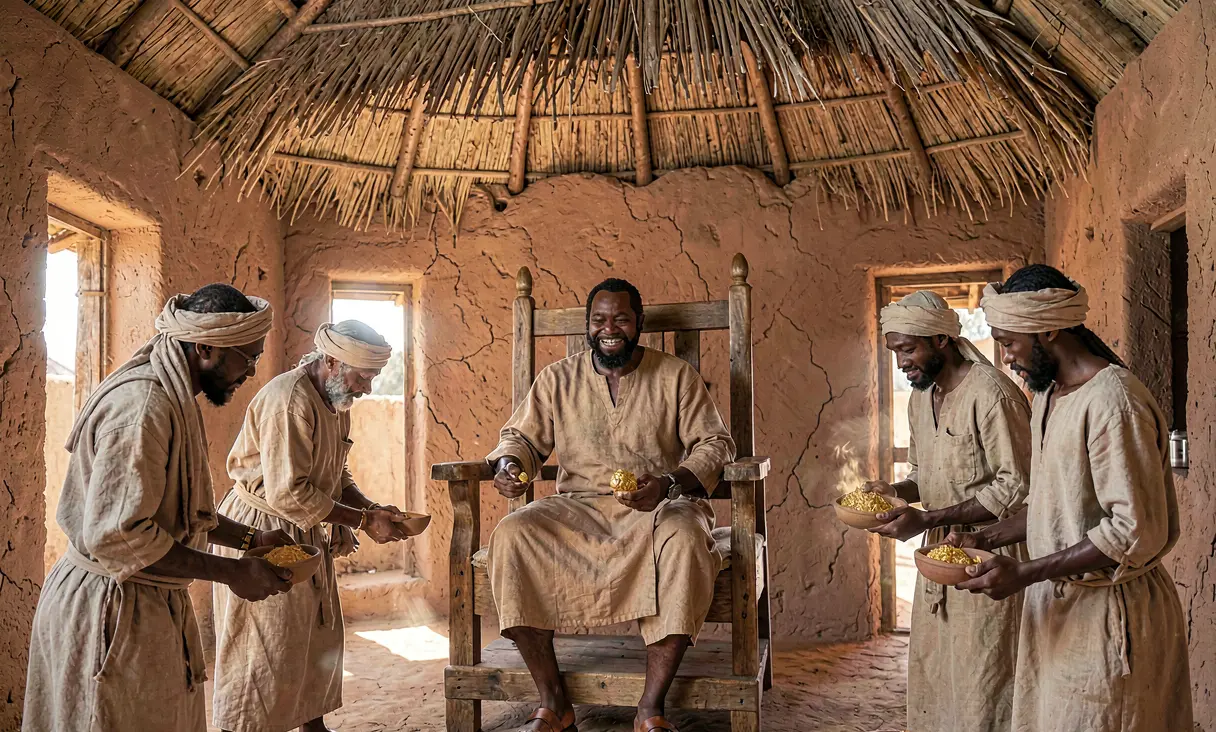 CivilizationMansa Musa's Control of Trans-Saharan Gold Tradec. 1307 CE · Niani, Mali Empire (Guinea/Mali border)Mansa Musa consolidates the Mali Empire's control over West African gold mines and trans-Saharan trade routes.
 PoliticsFoundation of the Khalji Dynastyc. 1290 CE · Delhi, IndiaJalal-ud-din Khalji overthrows the Mamluk dynasty, establishing the first Afghan-dominated Sultanate in Delhi.
Discussion
Loading…