Rise of the Satavahana Empire
Rising from Mauryan ashes around 230 BCE, the Satavahana Empire unified the Deccan, dominated Indo-Roman trade via maritime routes, and preserved Indian culture as a vital bridge between North and Sou
The Power Vacuum in the Deccan
By the early third century BCE, the vast Mauryan Empire, which had briefly unified much of the Indian subcontinent under Ashoka, began to fracture. The death of Ashoka around 232 BCE triggered a rapid succession crisis and administrative decay, causing imperial authority to recede from the southern frontiers. In the Deccan Plateau, a region historically resistant to direct northern control due to its rugged geography, local dynasties seized the opportunity to assert autonomy. The Satavahanas, likely emerging from a lineage of feudatories or regional chieftains in the Krishna-Godavari delta and western Maharashtra, capitalized on this disintegration to fill the political void left by the Mauryan withdrawal.
The Ascension of Simuka
The foundational figure of the dynasty was Simuka, who is traditionally credited with overthrowing the Shunga influence in the region and establishing independent rule around 230 BCE. While historical records from this period are sparse, the Puranic texts and later inscriptions identify Simuka as the first king, noting his reign lasted approximately twenty-three years before he was succeeded by his brother Krishna. The early Satavahana expansion was not merely a local rebellion but a strategic consolidation of power across the northern Deccan, securing key river valleys that served as the arteries for commerce and military movement.
Consolidation and Capital at Prathisthan
Under subsequent rulers like Satakarni I (c. 100–80 BCE), the dynasty transformed from a regional power into a formidable empire. Satakarni is renowned for performing two Ashvamedha sacrifices, rituals that symbolized imperial sovereignty and territorial dominance. He established Prathisthan (modern Paithan on the Godavari River) as his capital, a strategic location that controlled the trade routes linking the Gangetic plains to the southern peninsula and the western ports of Bharuch and Sopara. This centralization allowed the Satavahanas to administer a vast territory stretching from present-day Gujarat in the west to Odisha in the east.
Economic Dominance and Maritime Trade
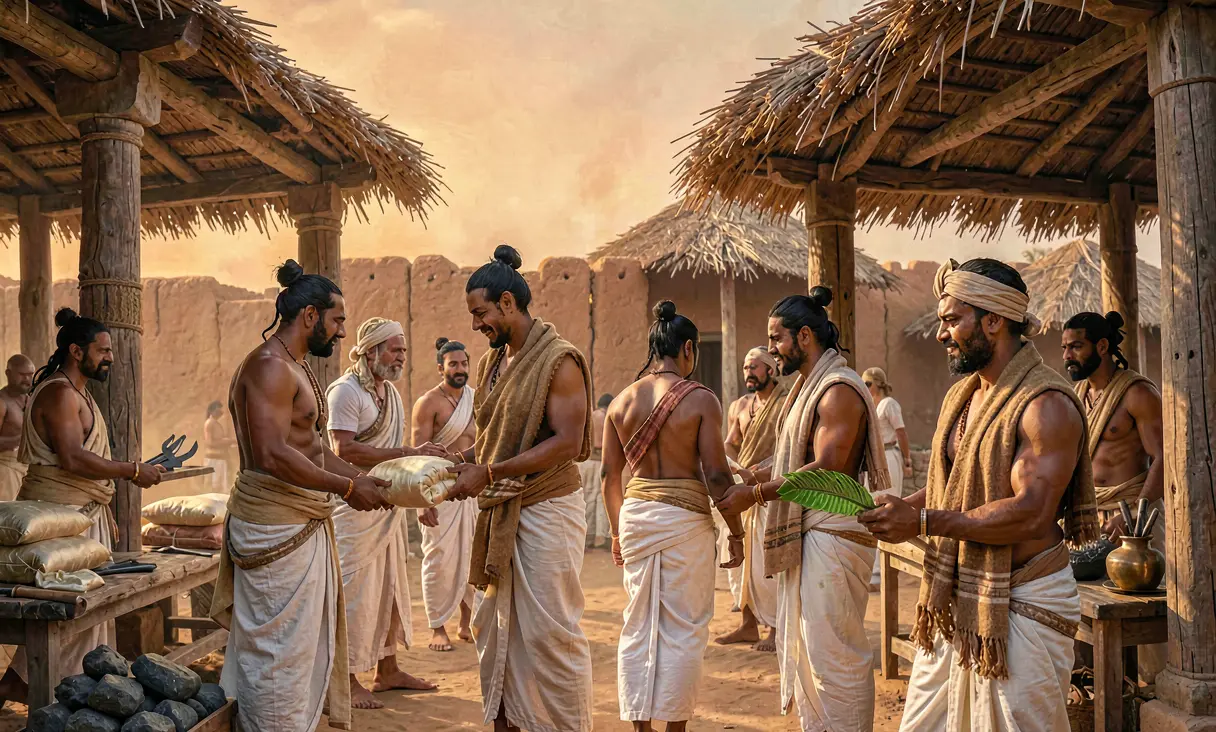
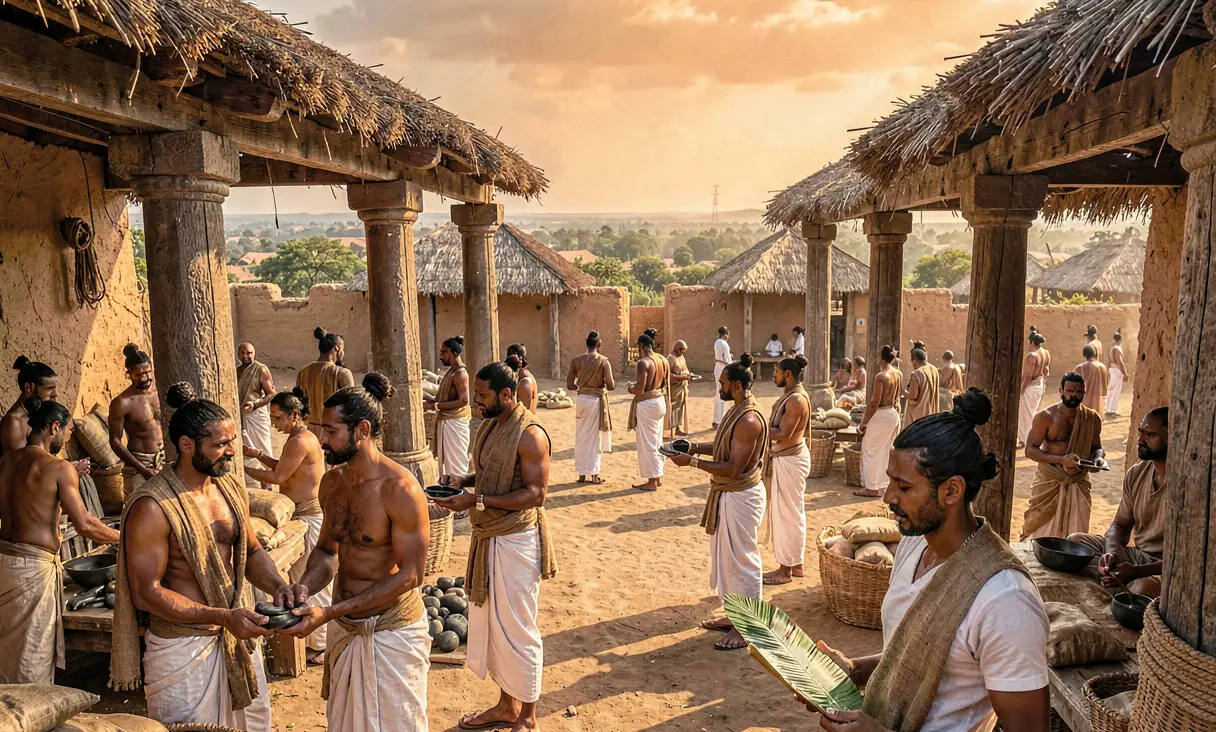
The economic engine of the Satavahana Empire was its control over the lucrative trade networks connecting India with the Roman Empire, Southeast Asia, and Central Asia. The dynasty's coinage provides compelling evidence of this maritime prowess; their silver and copper coins frequently depict ships with double masts, a rare iconographic feature in ancient Indian numismatics that underscores their command of the western coastal ports. By facilitating the export of spices, textiles, and precious stones to Rome, the Satavahanas accumulated immense wealth, which they reinvested into infrastructure, military campaigns, and monumental architecture.
Patronage of Buddhism and Cultural Synthesis
While early inscriptions suggest a Vedic background for the dynasty, later Satavahana rulers became ardent patrons of Buddhism, fostering a unique cultural synthesis. They commissioned the expansion and embellishment of major Buddhist stupas at Amaravati and Nagarjunakonda in the Krishna Valley. The famous Great Stupa at Amaravati, adorned with intricate narrative reliefs depicting the life of the Buddha, flourished under their protection. This patronage was not merely religious but political, as it helped integrate diverse communities within their empire and positioned them as protectors of Dharma, bridging the cultural divide between the Brahmanical North and the increasingly Buddhist South.
Legacy of the Great Buffer State
The Satavahana Empire served as a critical geopolitical buffer for over four centuries, shielding the southern Indian peninsula from northern invasions while simultaneously acting as a conduit for cultural and economic exchange. Their decline in the early third century CE, following internal fragmentation and the rise of the Ikshvaku dynasty, marked the end of an era, yet their legacy endured. They established the administrative template for subsequent Deccan dynasties like the Chalukyas and Rashtrakutas, and their promotion of Prakrit as a court language helped standardize regional identity. The Satavahanas remain the first great indigenous empire of the Deccan, defining the political landscape of ancient India.
The Satavahanas unified the Deccan Plateau and served as crucial intermediaries in inter-regional trade and cultural transmission across ancient India.
Where it happened
Deccan Plateau (modern Maharashtra/India) — see it on the interactive map →
Explore related history
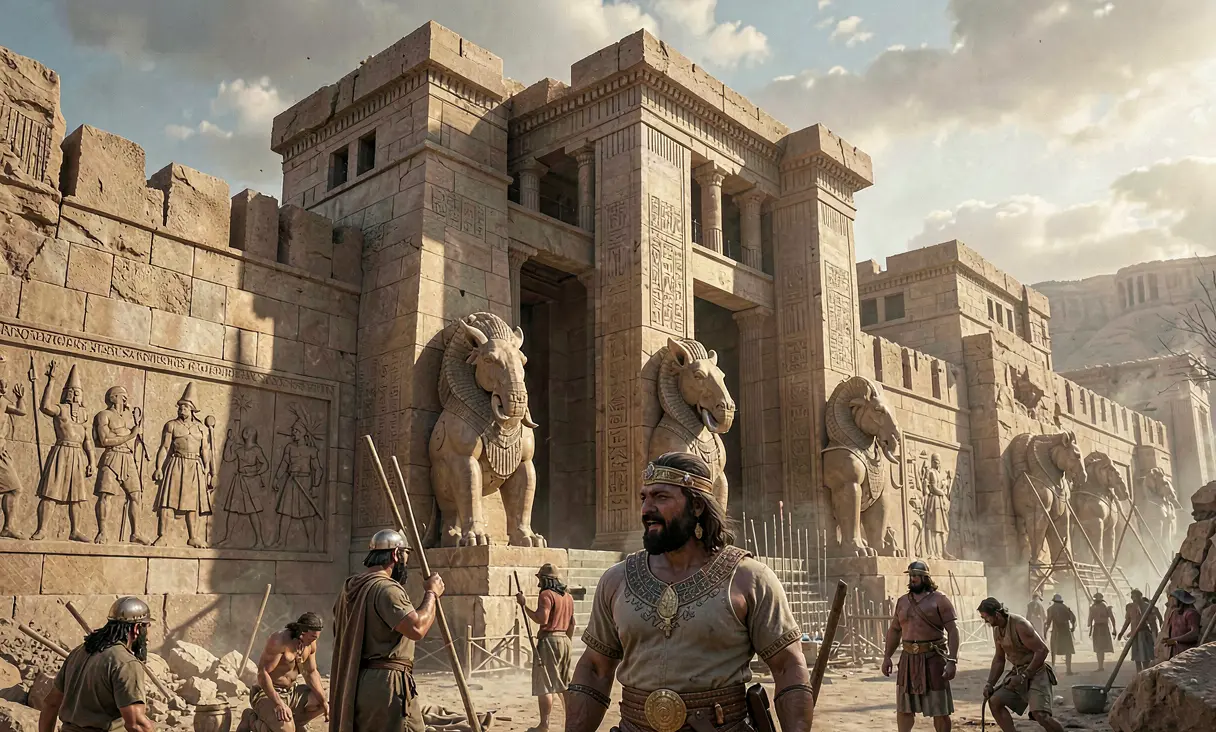 PoliticsFounding of Dur-Sharrukin by Sargon IIc. 717 BCE · Khorsabad (Dur-Sharrukin), IraqSargon II builds a new capital city to project Assyrian power and administrative control.
 PoliticsReign of Emperor Taizong and the Zhenguan Era626 CE · Chang'an, ChinaLi Shimin ascends the throne after the Xuanwu Gate Incident, ushering in a golden age of governance.
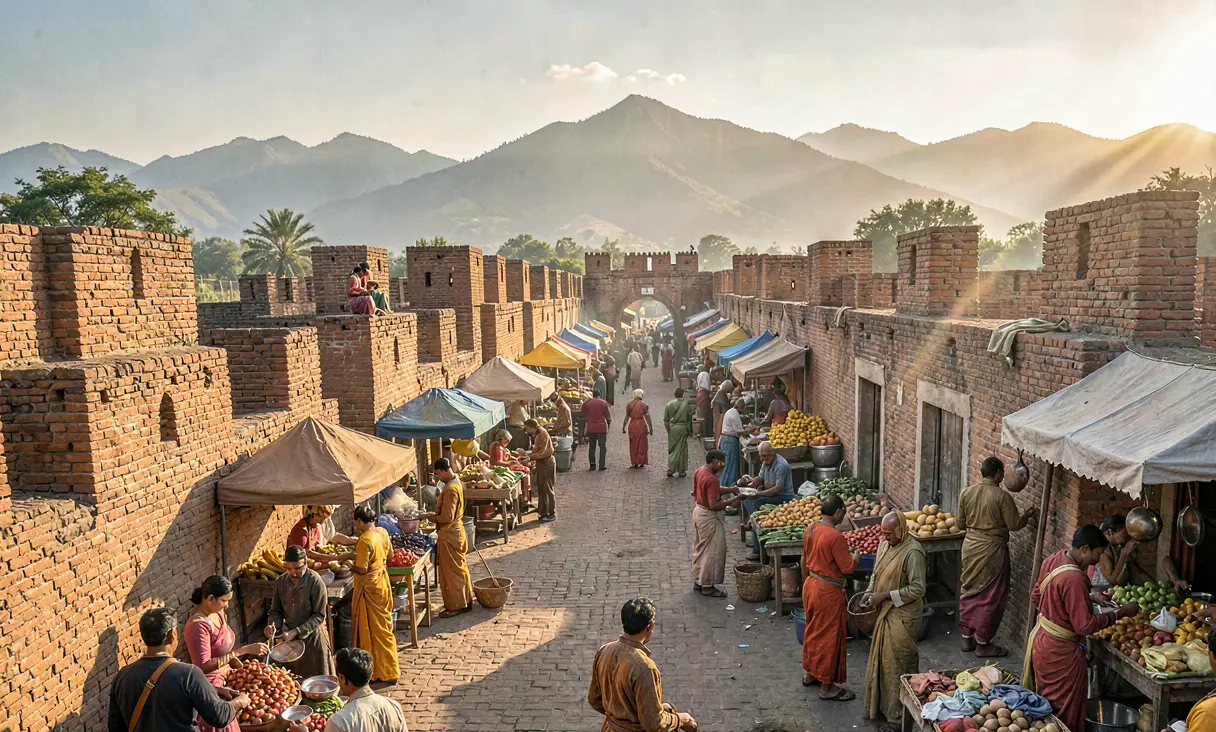 PoliticsRise of the Sixteen Mahajanapadasc. 600 BCE · Gangetic Plain (modern Uttar Pradesh/India)Sixteen great kingdoms and republics emerge across the Gangetic plain, marking the transition from tribal chiefdoms to state-level societies.
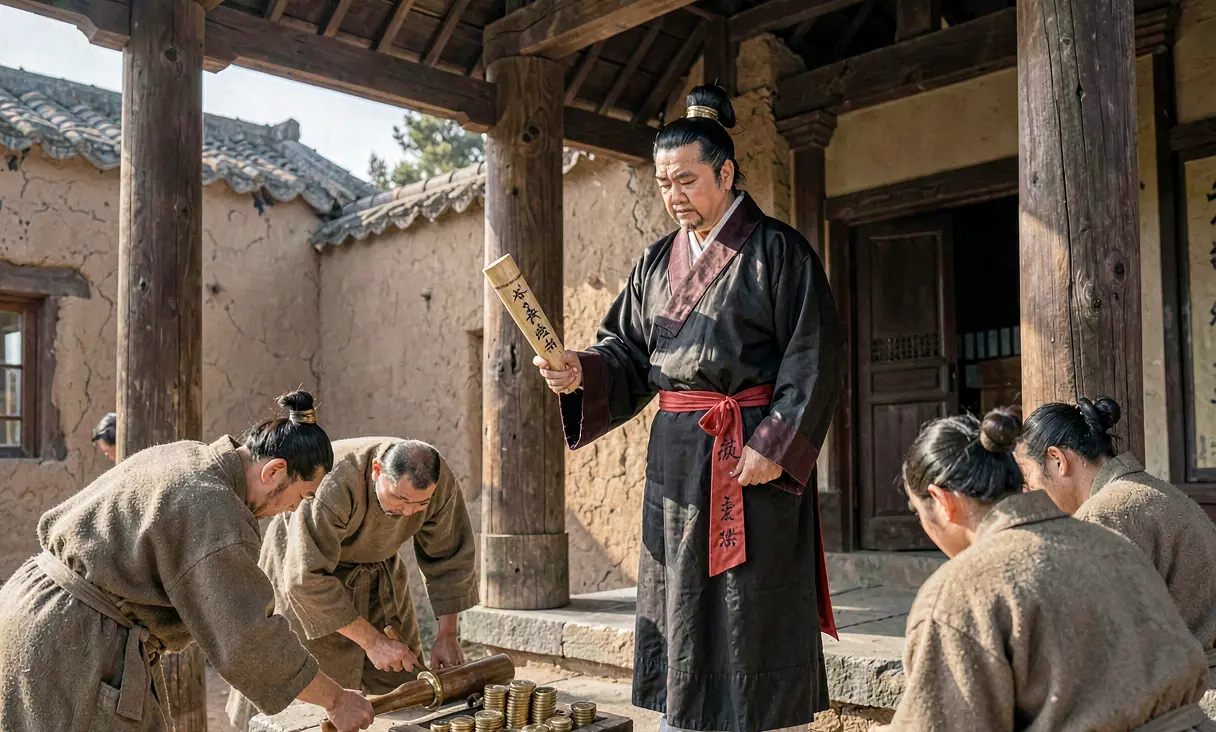 PoliticsQin Shi Huang Unifies China221 BCE · Xianyang, Shaanxi, ChinaQin Shi Huang conquers warring states to create the first unified Chinese empire, standardizing script and currency.
 PoliticsFall of Han Dynasty and Three Kingdoms Period Begins220 CE · Chang'an, ChinaEmperor Xian abdicates, ending the Han Dynasty and fragmenting China into three rival kingdoms.
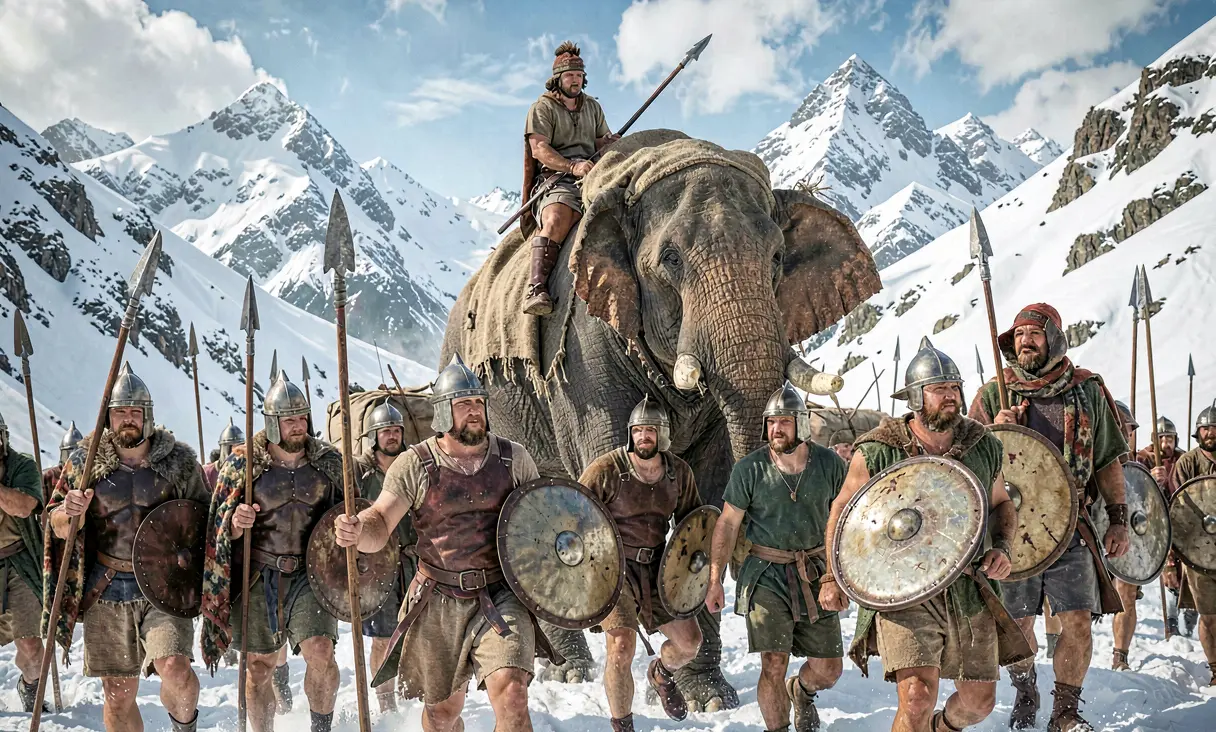 WarHannibal Barca Crosses the Alps into Italyc. 218 BCE · Alps (Col de Montgenèvre), France/Italy BorderHannibal leads his Carthaginian army and war elephants over the Alps to surprise Rome.
Discussion
Loading…