Century
3rd Century BCE
What happened in the 3rd Century BCE.
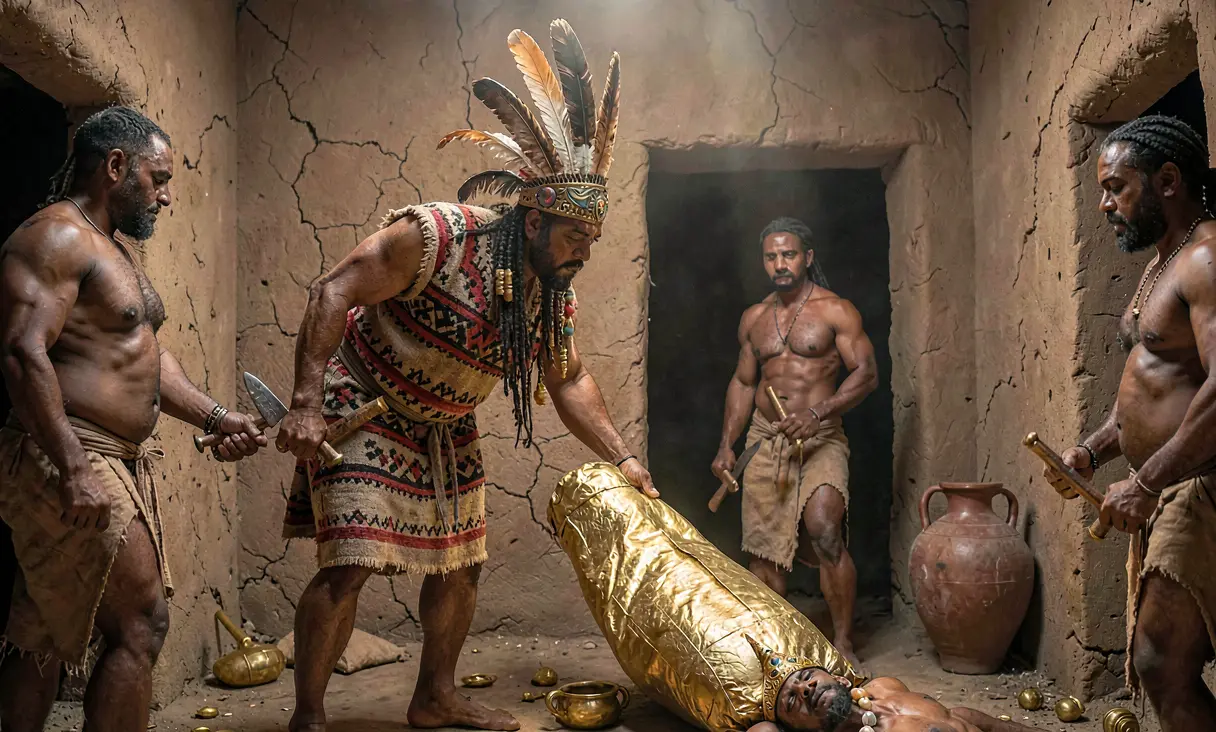 ReligionBurial of the Royal Tombs at Sipán (Later Phase)c. 300 CE · Sipán, PeruElite Moche burials continue with elaborate rituals involving human sacrifice and gold offerings.
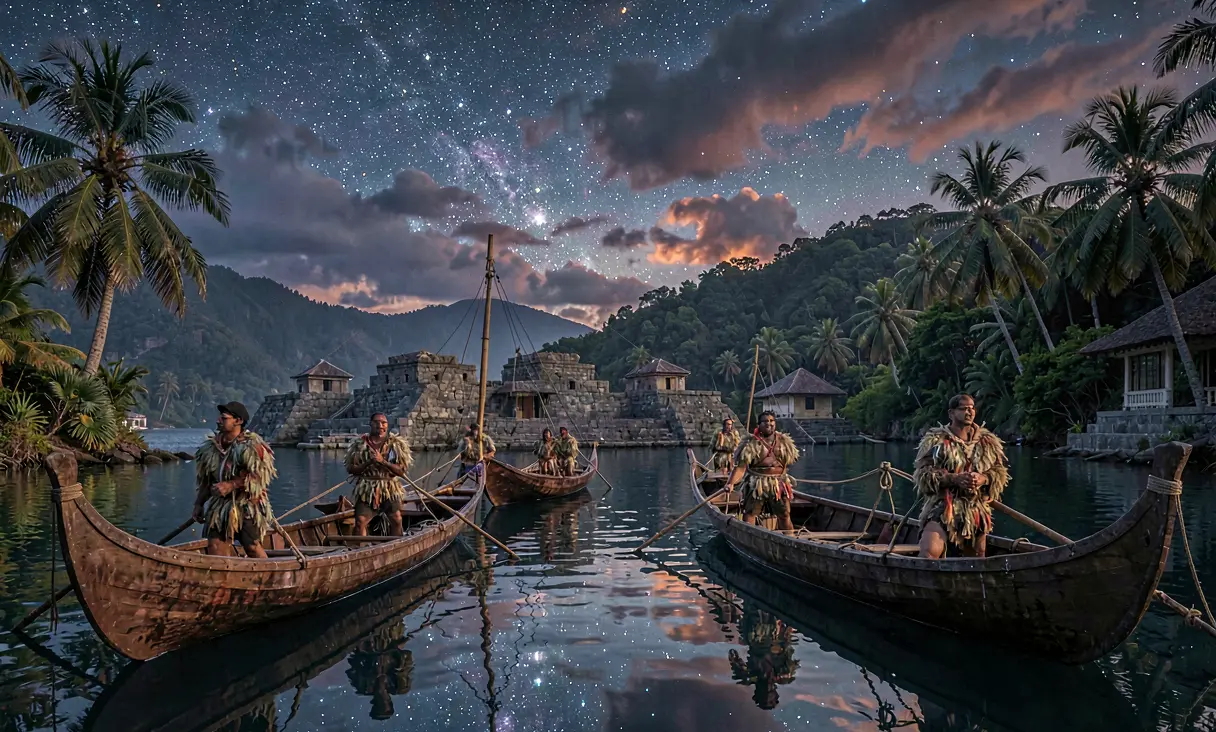 ExplorationPolynesian Expansion into the Society Islandsc. 300 BCE · Society Islands, French PolynesiaPolynesian voyagers colonize the Society Islands, establishing a central hub for further eastward expansion.
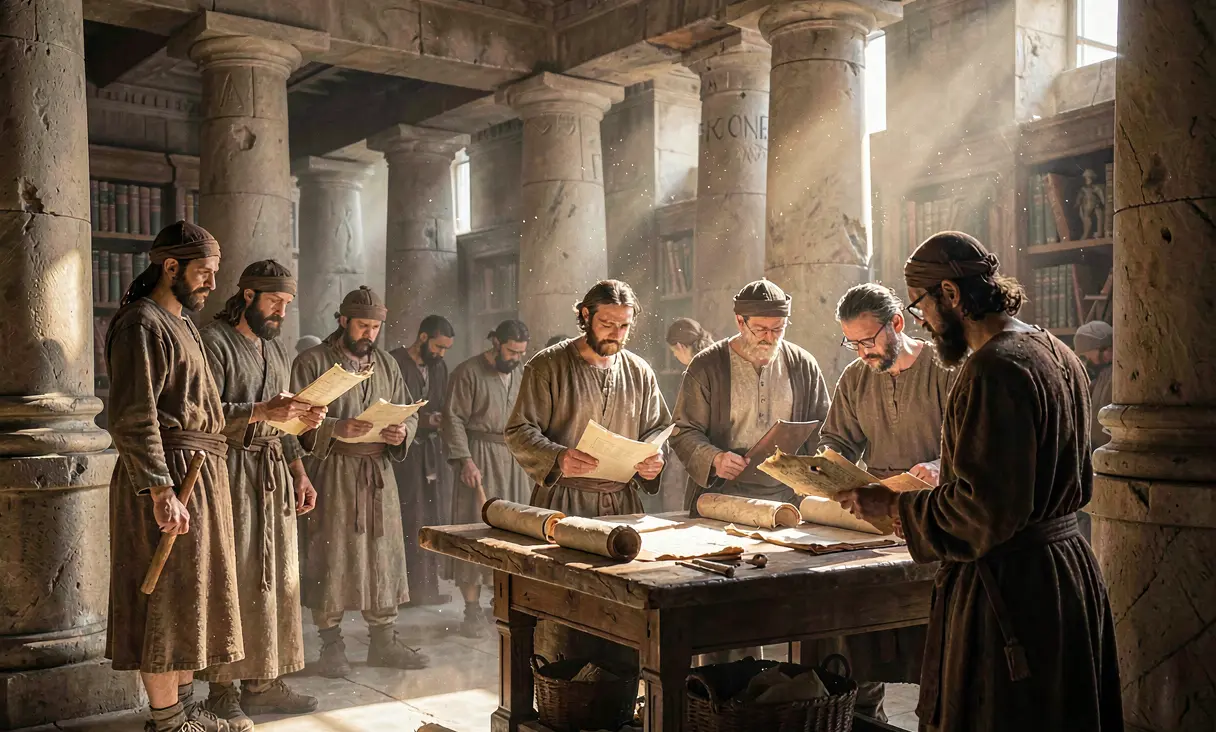 ScienceFounding of the Library of Alexandriac. 283 BCE · Alexandria, EgyptPtolemy I establishes the world's first great research center for collecting all human knowledge.
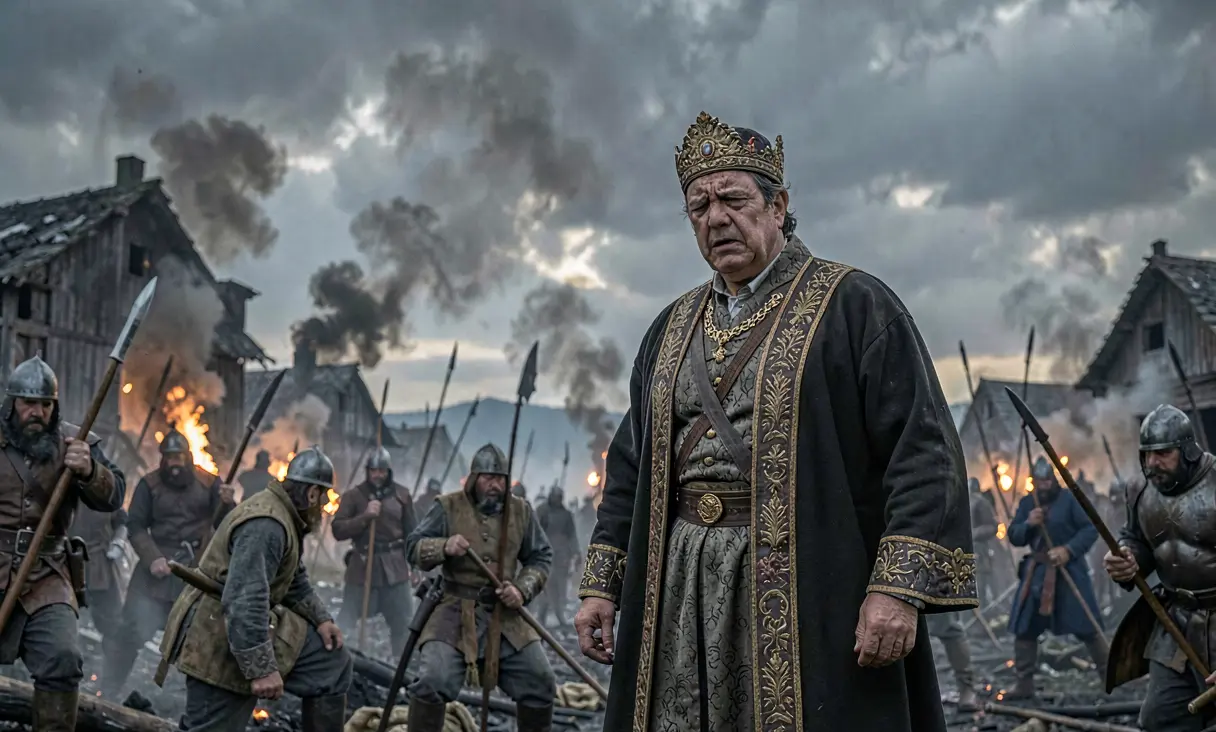 WarKalinga War and Ashoka's Conversionc. 261 BCE · Kalinga (modern Odisha/India)Emperor Ashoka conquers Kalinga in a bloody war, leading to his profound conversion to Buddhism and adoption of non-violence.
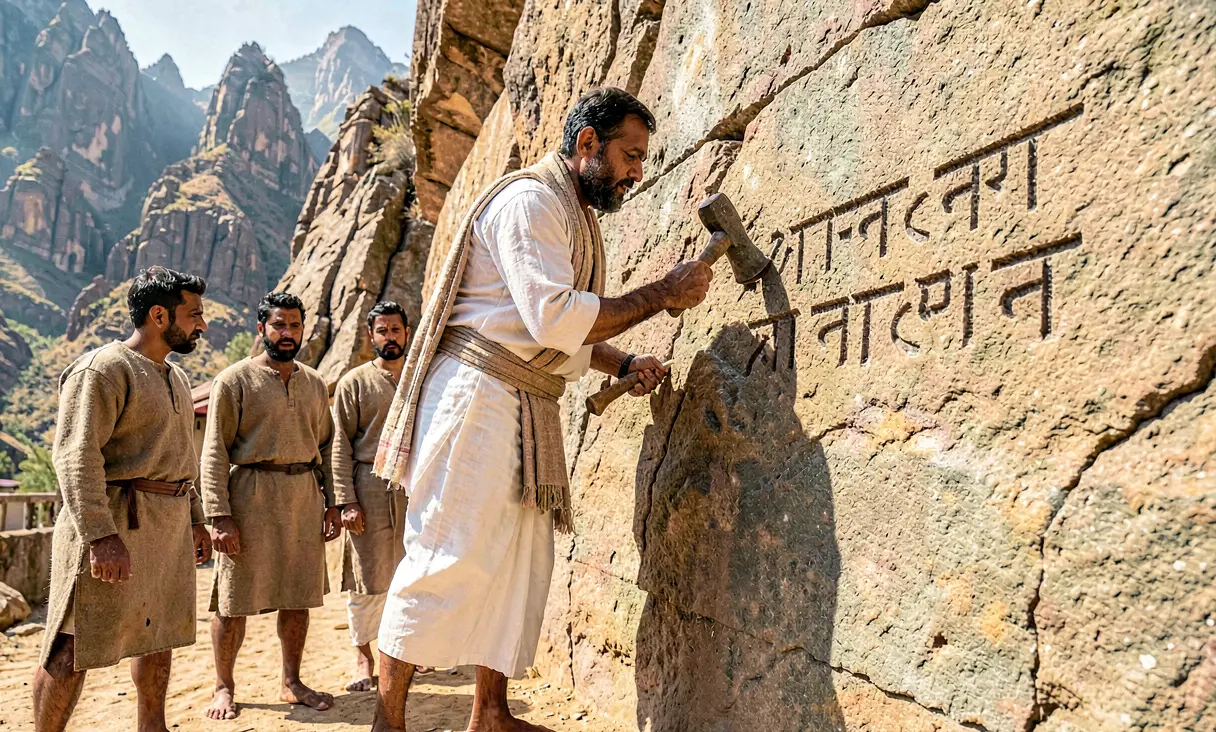 ReligionInscription of Shahbaz Garhi Rock Edictsc. 257 BCE · Shahbaz Garhi, Khyber Pakhtunkhwa, PakistanEmperor Ashoka inscribes his edicts on local rocks using the Kharosthi script to propagate Dharma among Greek and Aramaic-speaking populations.
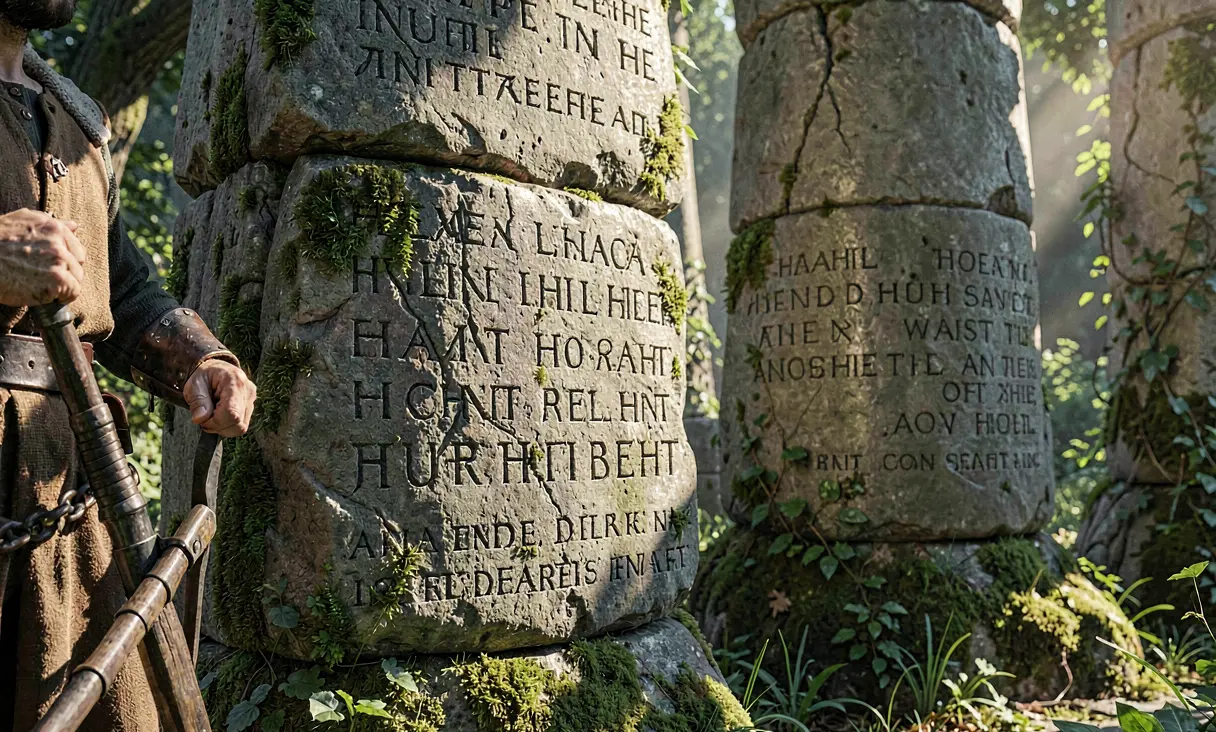 ReligionErection of Ashoka's Major Rock Edictsc. 257 BCE · Girnar (modern Gujarat/India)Ashoka inscribes his moral and administrative policies on massive rock pillars across the empire to communicate with his subjects.
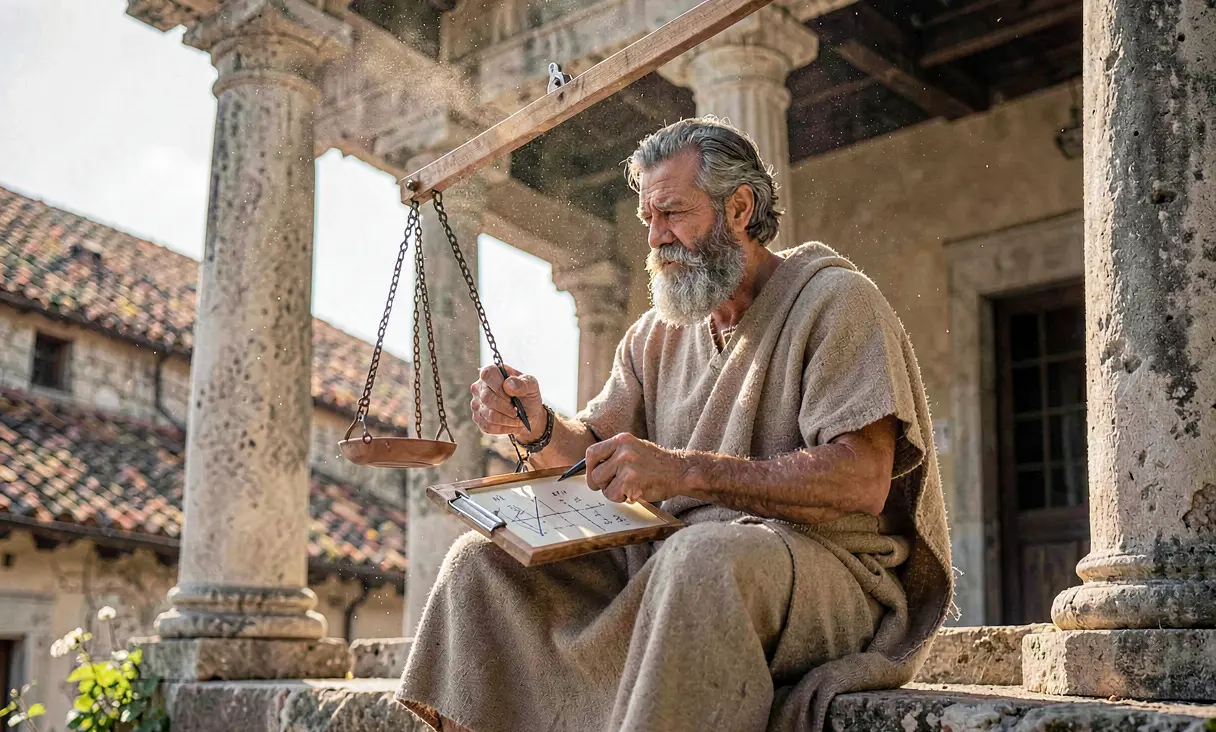 ScienceArchimedes Formulates the Law of the Leverc. 250 BCE · Syracuse, SicilyArchimedes mathematically defines the principle of the lever and buoyancy, founding classical mechanics.
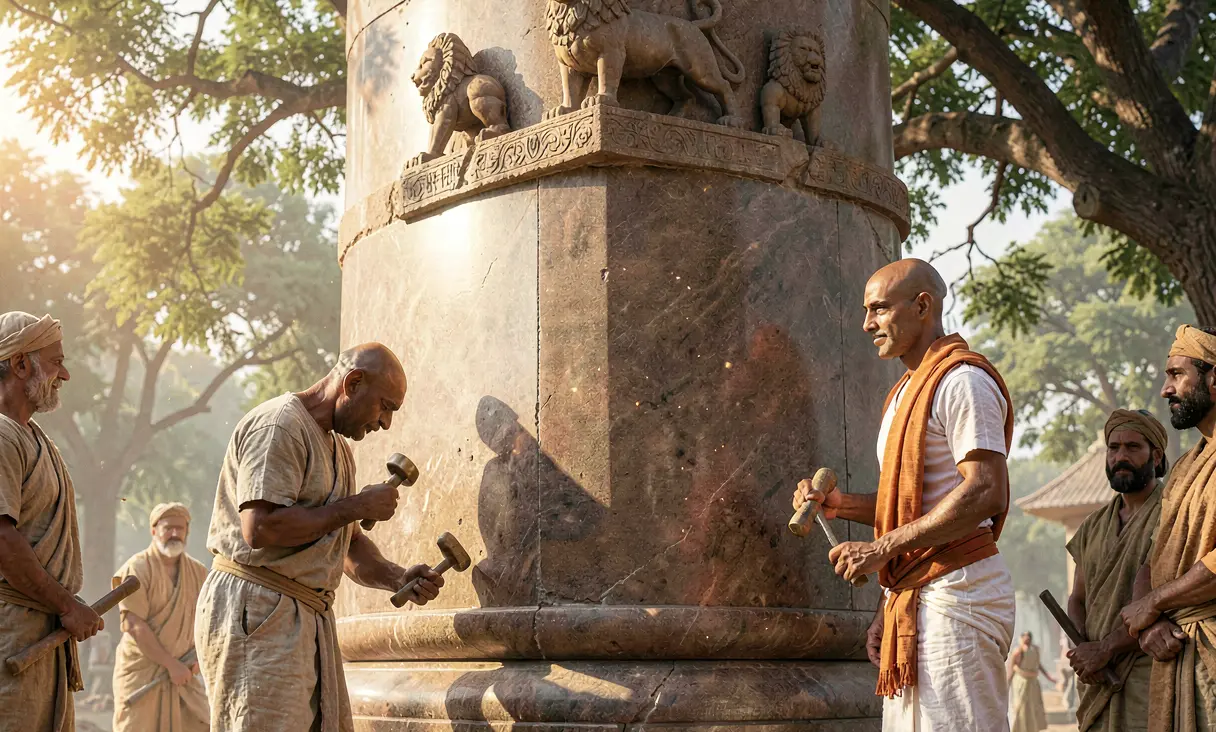 ReligionAshoka Propagates Dharma via Rock Edictsc. 250 BCE · Sarnath, IndiaEmperor Ashoka spreads Buddhist ethics and non-violence across the Mauryan Empire through inscribed stone pillars.
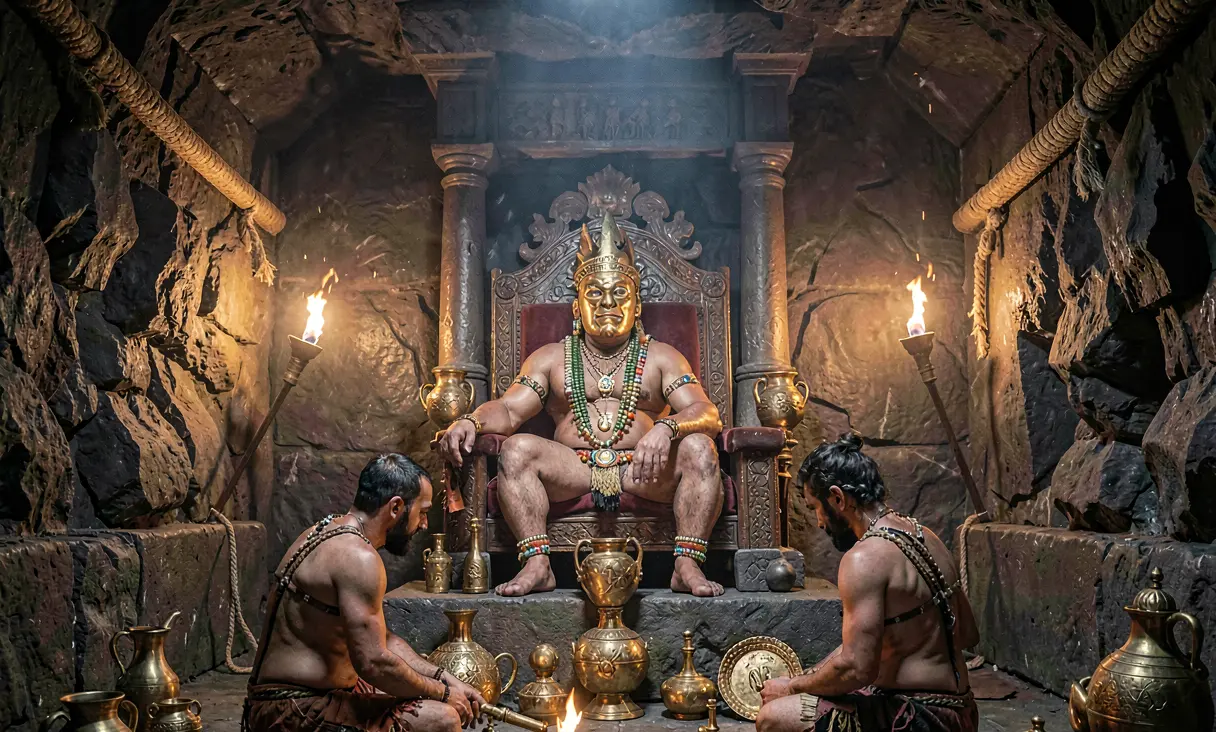 PoliticsBurial of the Lord of Sipánc. 250 BCE · Huaca Rajada, Lambayeque, PeruThe Moche ruler is buried with immense wealth and sacrificial victims.
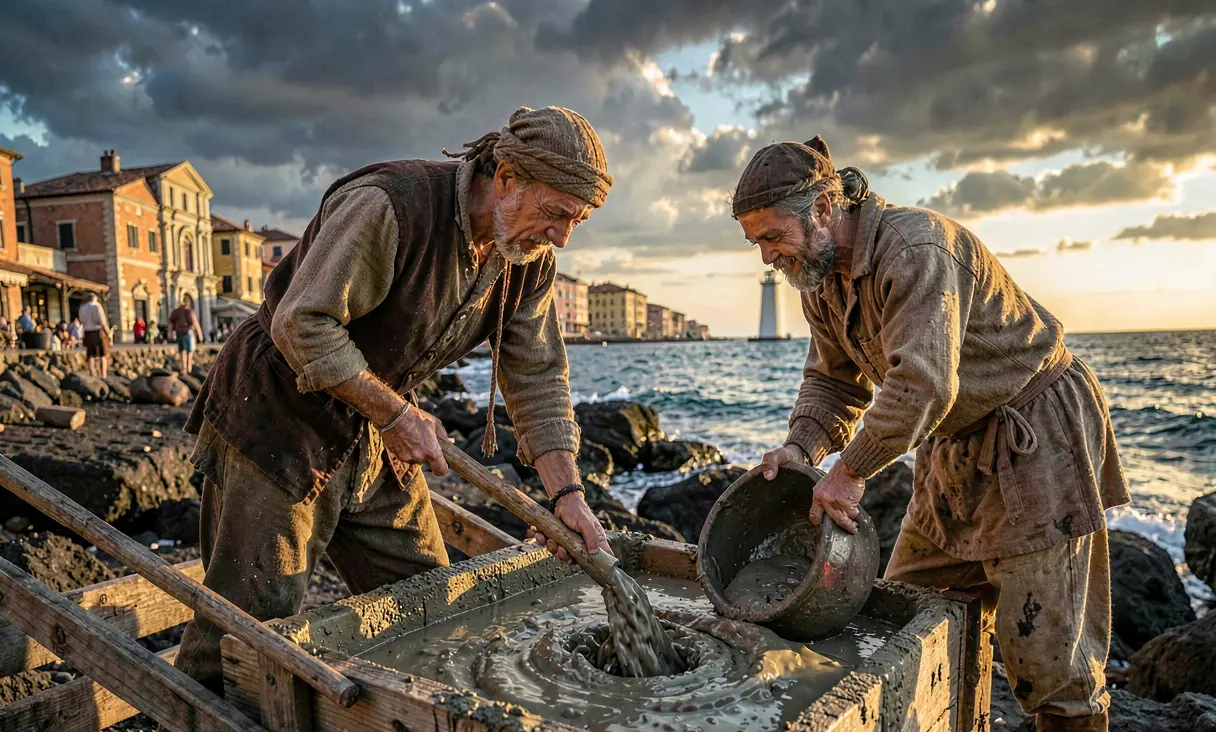 TechnologyInnovation of Roman Hydraulic Concrete (Opus Caementicium)c. 250 BCE · Rome, ItalyRoman engineers develop underwater-set concrete using volcanic ash and lime.
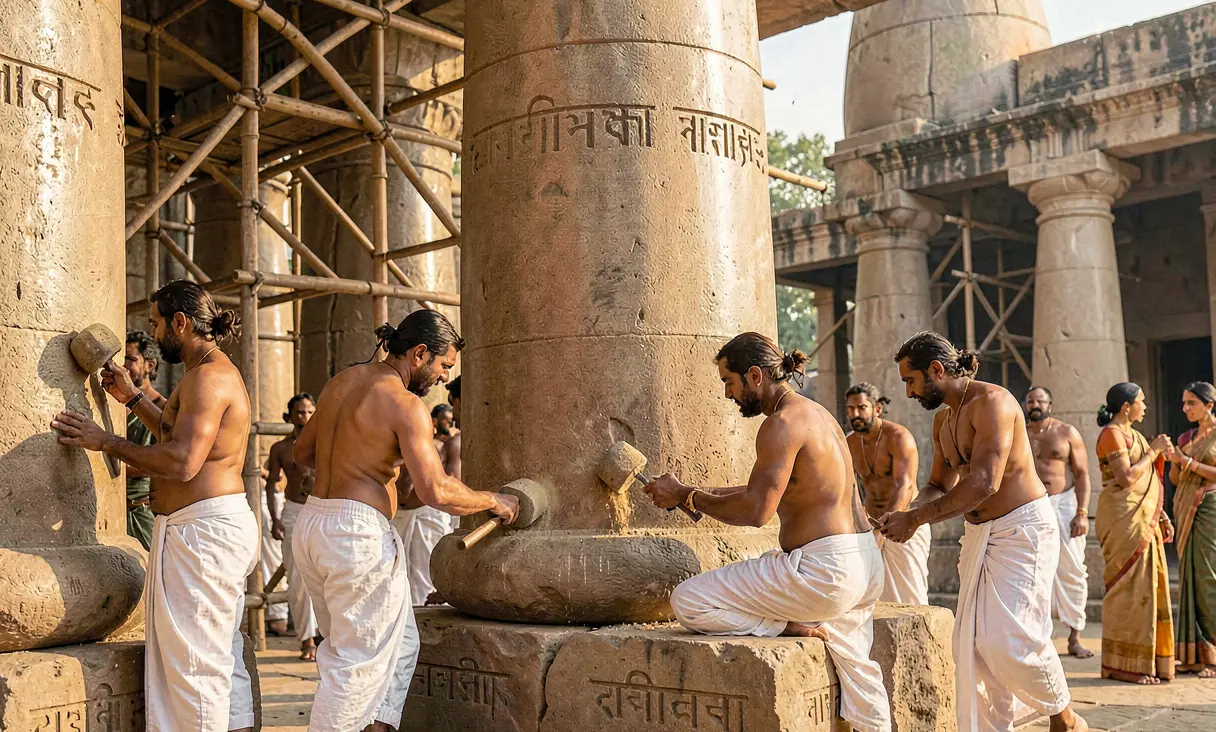 TechnologyErection of Ashoka's Polished Sandstone Pillars with Edictsc. 250 BCE · Sarnath, IndiaMauryan artisans carve and polish massive sandstone pillars with Brahmi script edicts.
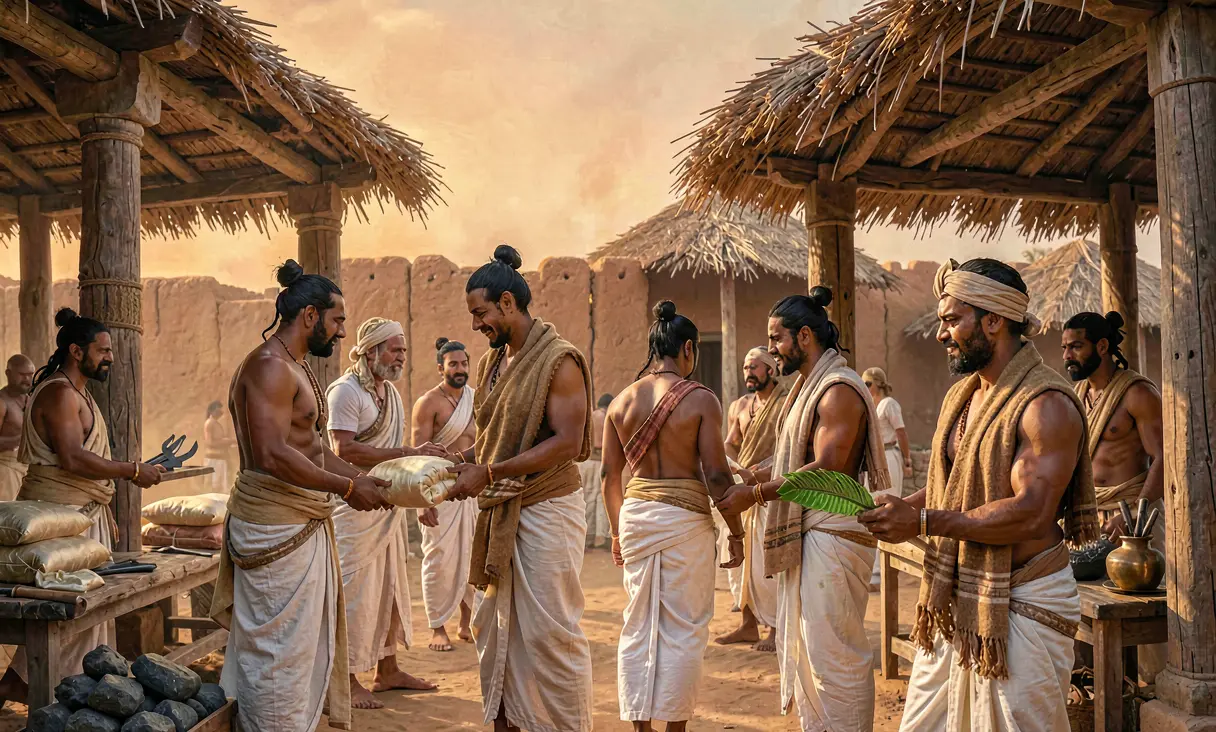 PoliticsRise of the Satavahana Empirec. 230 BCE · Deccan Plateau (modern Maharashtra/India)The Satavahana Dynasty emerges in the Deccan, becoming a major power that controlled trade routes between northern and southern India.
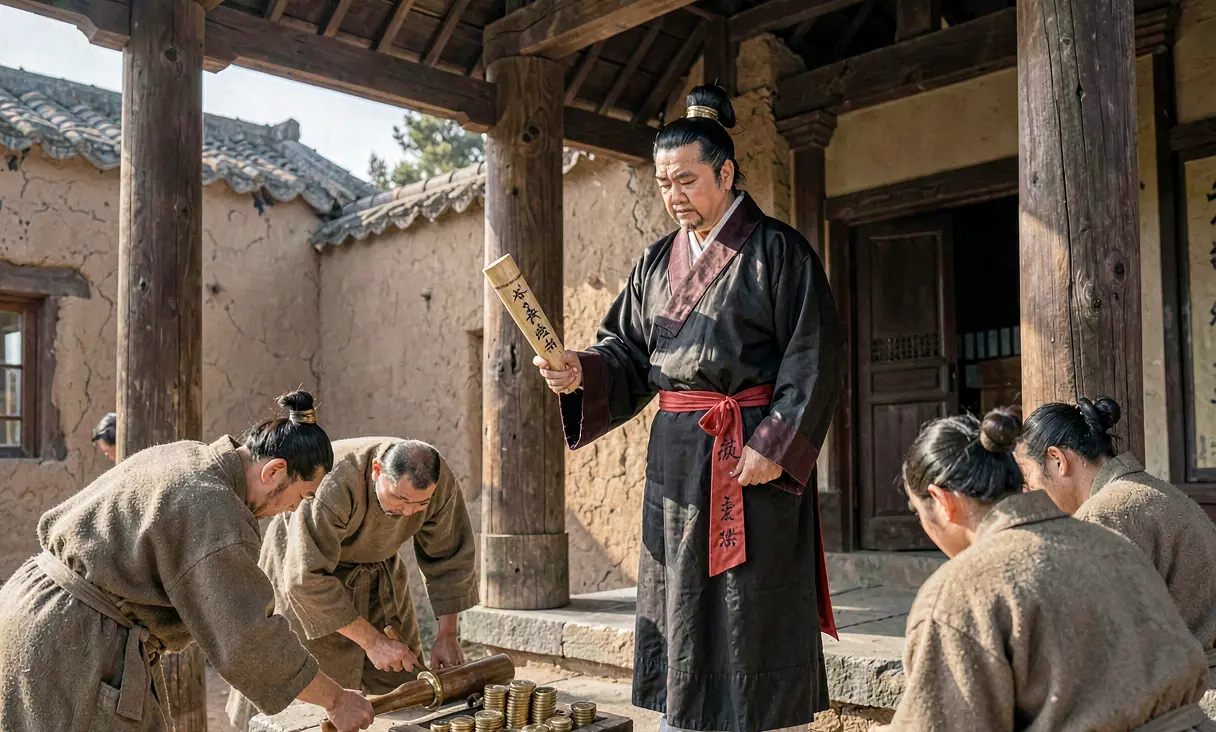 PoliticsQin Shi Huang Unifies China221 BCE · Xianyang, Shaanxi, ChinaQin Shi Huang conquers warring states to create the first unified Chinese empire, standardizing script and currency.
 PoliticsFall of Han Dynasty and Three Kingdoms Period Begins220 CE · Chang'an, ChinaEmperor Xian abdicates, ending the Han Dynasty and fragmenting China into three rival kingdoms.
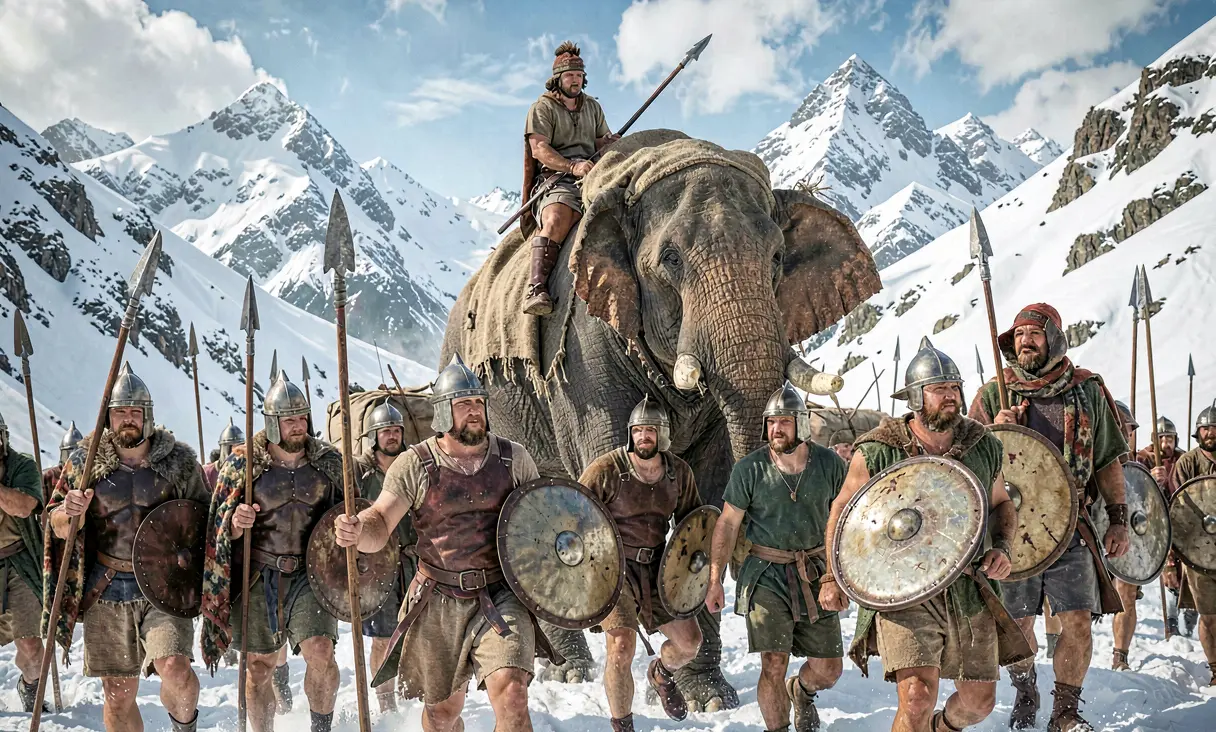 WarHannibal Barca Crosses the Alps into Italyc. 218 BCE · Alps (Col de Montgenèvre), France/Italy BorderHannibal leads his Carthaginian army and war elephants over the Alps to surprise Rome.
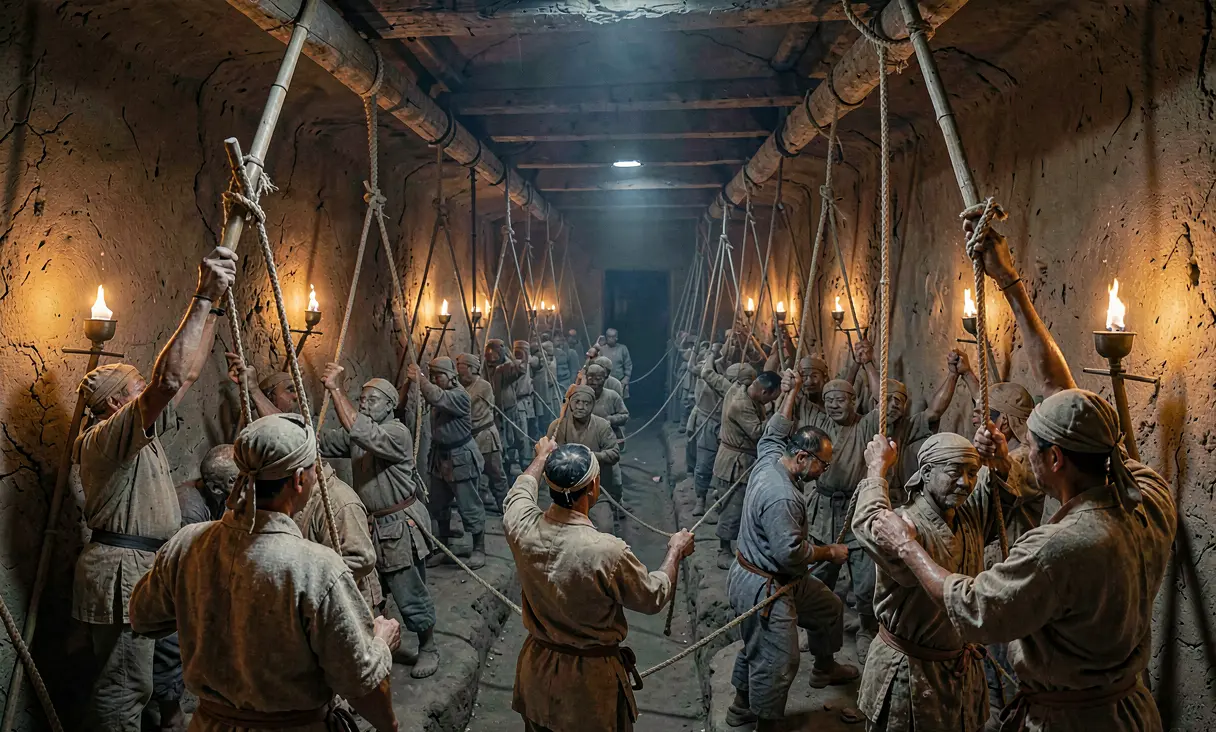 ArtBurial of Qin Shi Huang's Terracotta Armyc. 210 BCE · Xi'an, ChinaEmperor Qin Shi Huang is buried with a massive army of life-sized terracotta soldiers to guard him in the afterlife.
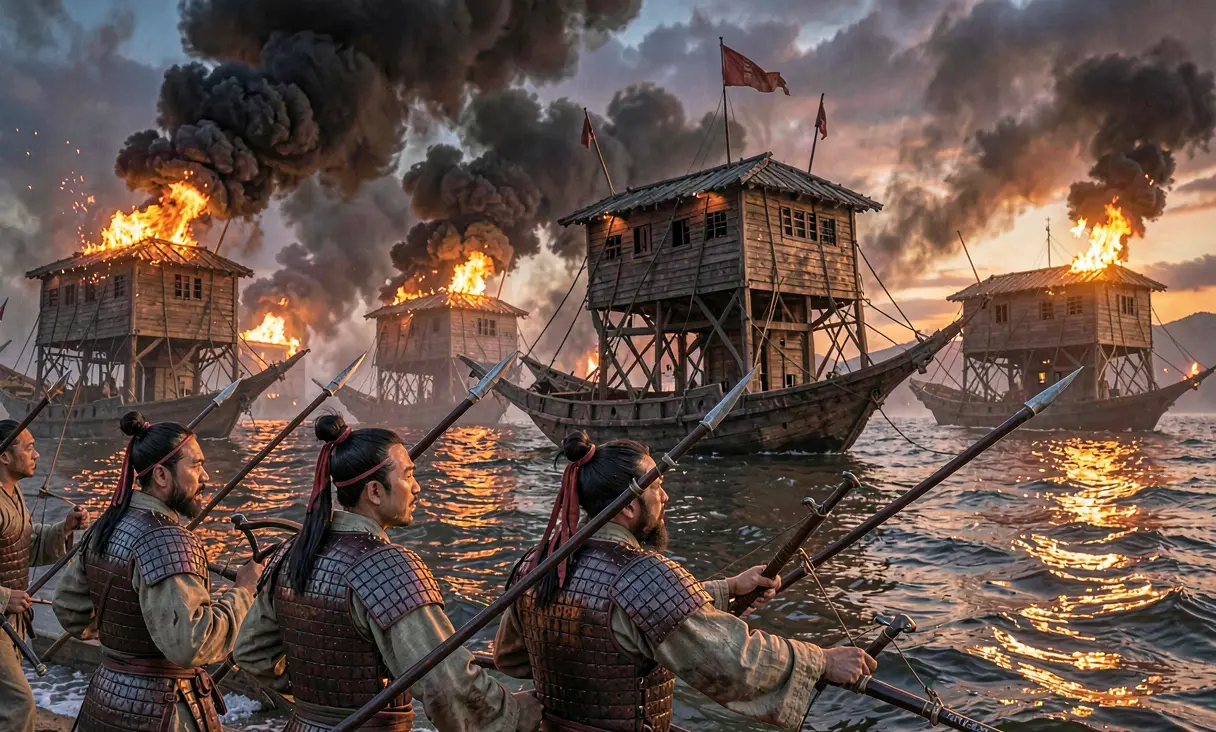 WarBattle of Red Cliffs208 CE · Red Cliffs, Yangtze River, ChinaAlliance of Sun Quan and Liu Bei defeats Cao Cao's massive naval fleet using fire ships.