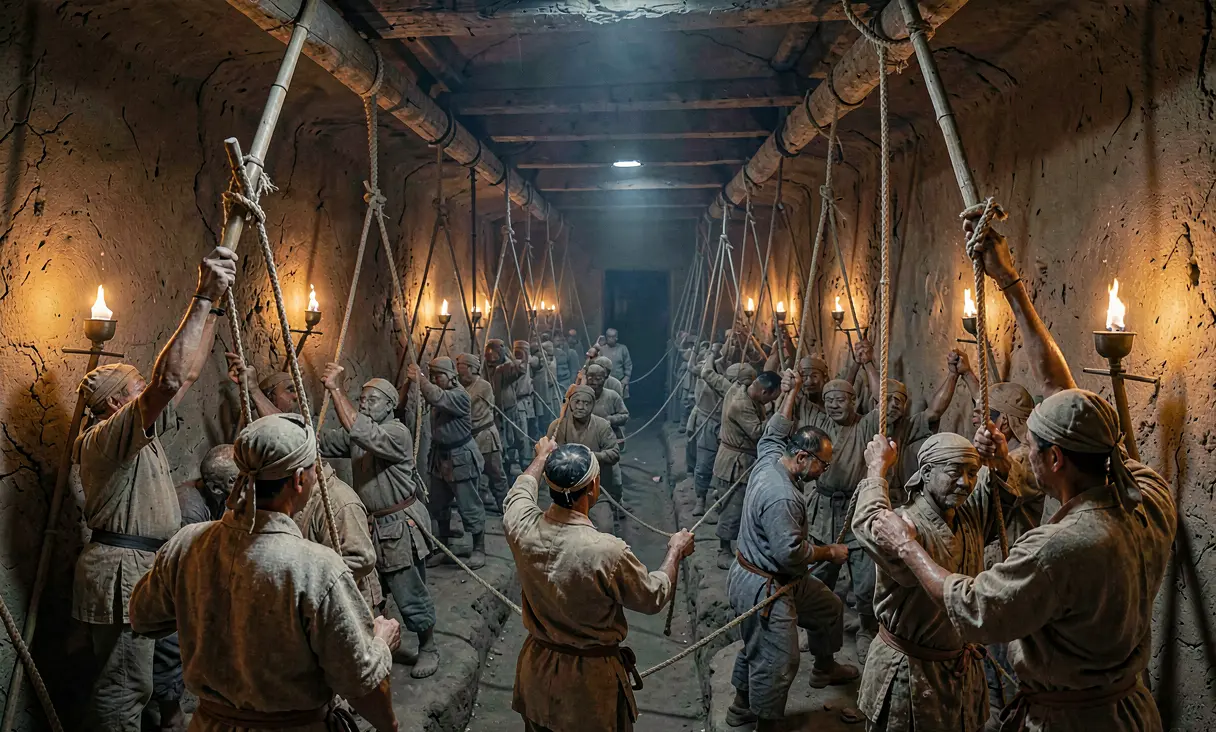
Burial of Qin Shi Huang's Terracotta Army
In 210 BCE, Qin Shi Huang was interred with an army of over 8,000 unique terracotta warriors to guard his eternal empire, creating one of history's most profound archaeological treasures.
The Vision of Eternal Dominion
Following the unification of China in 221 BCE, Qin Shi Huang, the First Emperor of the Qin Dynasty, embarked on an unprecedented project to secure his legacy and power beyond the grave. Driven by a profound fear of death and a desire for immortality, he commissioned a mausoleum complex that would replicate his earthly court in the afterlife. The construction of this necropolis, located at Lishan near modern-day Xi'an, began almost immediately upon his ascension and involved hundreds of thousands of laborers, soldiers, and artisans drawn from across the newly unified empire.
The Great Conception and Labor
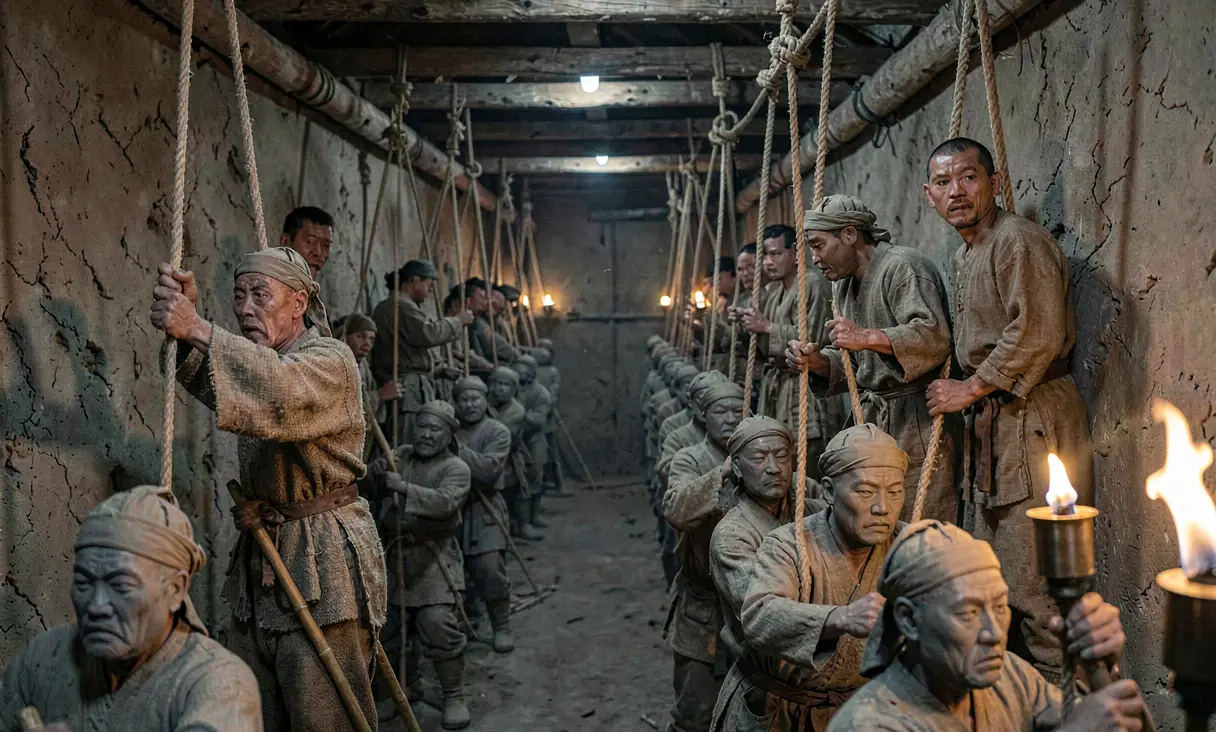
The scale of the undertaking was staggering. Historical records, particularly Sima Qian's 'Records of the Grand Historian,' describe a workforce of over 700,000 individuals who toiled for decades under the direction of the imperial architect Li Si. The project was not merely a burial but a meticulously organized state enterprise reflecting the rigid bureaucracy of the Qin administration. Artisans were tasked with creating thousands of life-sized figures, each requiring distinct facial features, armor styles, and weaponry, necessitating an industrial-level production system that utilized modular assembly techniques while maintaining individual artistic variation.
The Interment c. 210 BCE
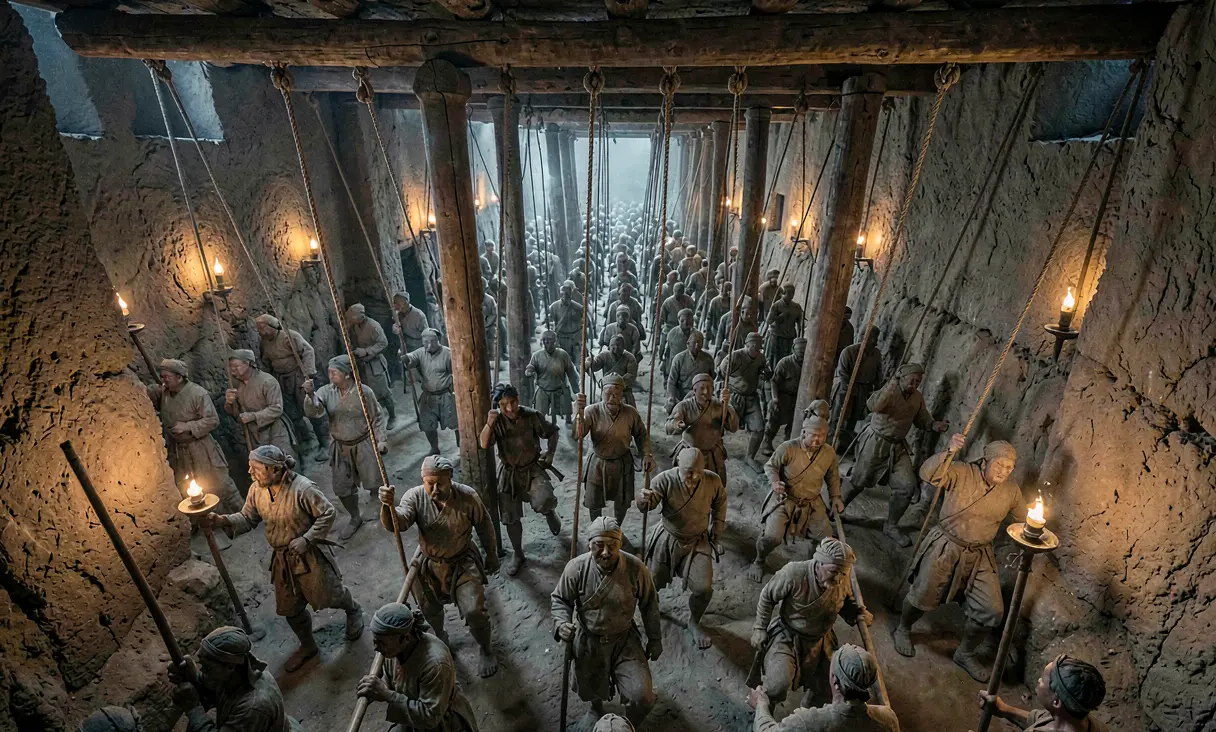
The culmination of this massive effort occurred around 210 BCE, coinciding with the death of Qin Shi Huang during his fifth imperial tour. Following his passing at Shaqiu Palace, his body was transported back to the capital under a veil of secrecy to prevent premature discovery by potential usurpers. The burial process involved the interment of the emperor within the central tomb mound, surrounded by the vast subterranean army designed to protect him eternally. Over 8,000 terracotta warriors, arranged in precise military formations including infantry, cavalry, and charioteers, were lowered into four main pits situated east of the tomb, symbolizing the emperor's standing army ready for deployment in the afterlife.
Artistic Mastery and Military Precision
The figures buried within these pits represent a pinnacle of ancient Chinese artistry and military organization. Each warrior stands between 1.8 and 2 meters tall, with unique facial expressions, hairstyles, and armor configurations that correspond to their specific rank and role within the Qin army. The craftsmanship extends beyond the human forms to include bronze chariots, discovered in two pits near the western entrance of the tomb complex, which were cast with intricate detail and gilded with gold and silver. Additionally, other pits contained terracotta figures of acrobats, officials, and musicians, illustrating the emperor's intent to recreate a fully functioning imperial court beneath the earth.
The Immediate Aftermath and Secrecy
Upon the completion of the interment, the entrance to the tomb was sealed, and according to historical accounts, the artisans who constructed the inner chambers were entombed within to ensure the secrecy of the layout. The Qin Dynasty itself collapsed shortly thereafter in 206 BCE during a widespread rebellion led by Xiang Yu. While the outer pits containing the terracotta army suffered significant damage from fire and structural collapse during these conflicts, the central tomb mound remained largely undisturbed for centuries, its contents hidden beneath layers of earth and vegetation.
Modern Discovery and Global Legacy
The world remained unaware of this subterranean empire until 1974, when local farmers in Lintong County, Xi'an, accidentally discovered fragments of terracotta while digging a well. This discovery unveiled one of the most significant archaeological finds in human history, offering an unparalleled glimpse into Qin Dynasty military tactics, art, and social structure. The site has since been designated a UNESCO World Heritage Site and continues to be a focal point for historical research, challenging previous assumptions about early Chinese civilization and demonstrating the sophisticated organizational capabilities of the first imperial dynasty.
Enduring Significance
The burial of the Terracotta Army stands as a testament to the absolute power wielded by Qin Shi Huang and the lengths to which he would go to preserve his authority in eternity. It serves as a unique historical document, preserving the material culture of the 3rd century BCE with a fidelity unmatched by any other contemporary site. The sheer number of figures, their individualized craftsmanship, and the strategic arrangement of the pits provide invaluable insights into the military hierarchy, technological advancements, and artistic sensibilities of ancient China, cementing the event's status as a defining moment in global cultural history.
It is one of the greatest archaeological discoveries of the 20th century, revealing the scale of Qin unification.
Where it happened
Xi'an, China — see it on the interactive map →
Explore related history
 ArtConstruction of Sennacherib's Palace at Ninevehc. 705 BCE · Nineveh (Mosul), IraqSennacherib expands Nineveh into a magnificent capital filled with art and libraries.
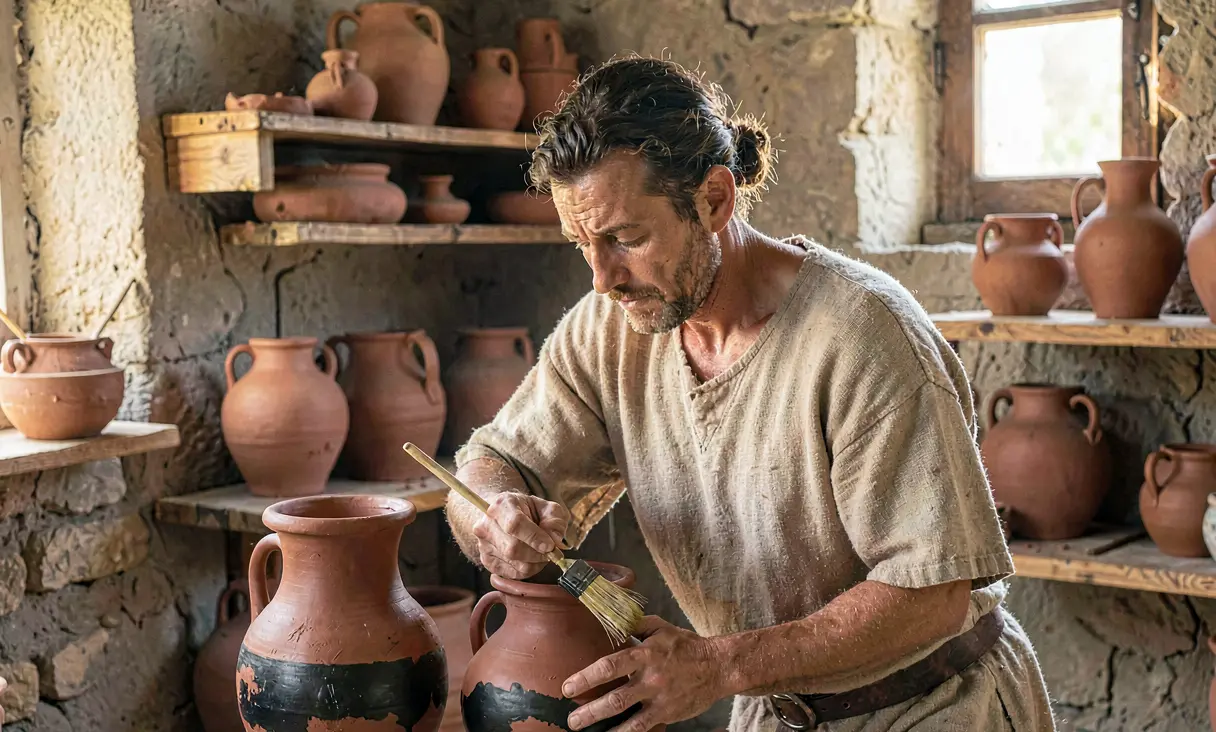 ArtRise of Black-Figure Vase Paintingc. 700 BCE · Athens, GreeceGreek potters perfect the black-figure technique to depict mythological scenes.
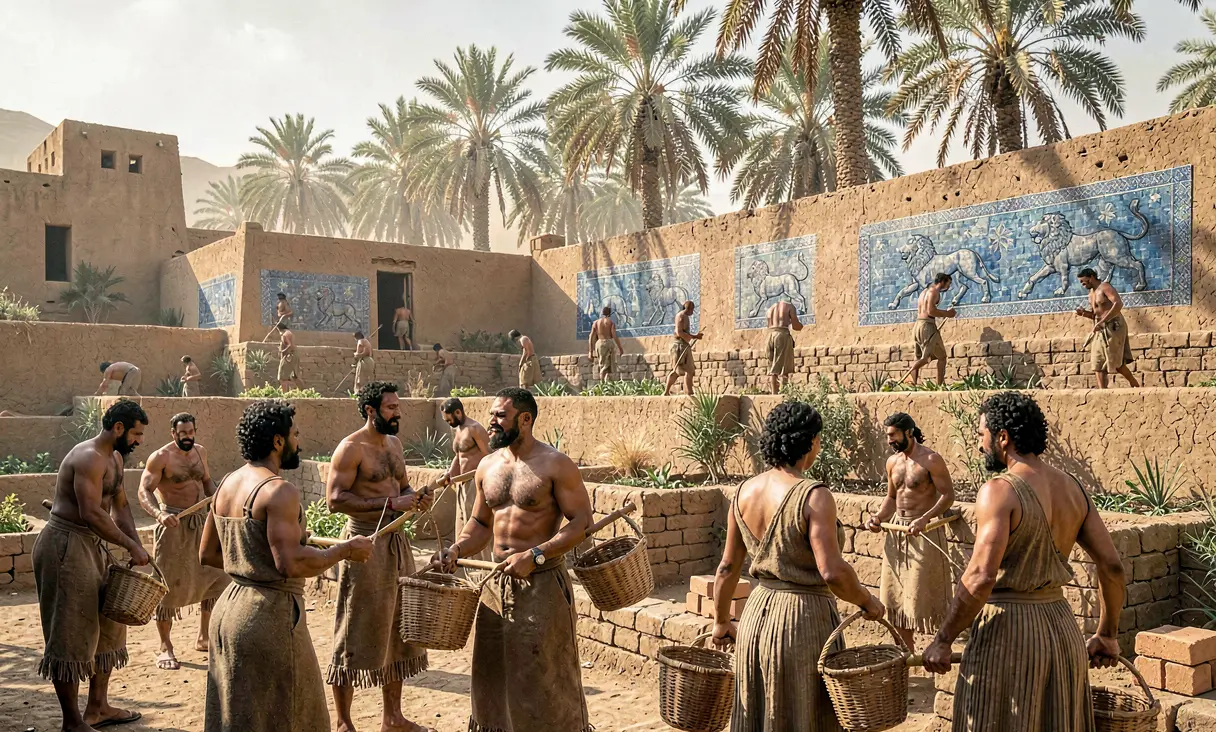 ArtConstruction of the Hanging Gardens of Babylonc. 605 BCE · Babylon, Mesopotamia (Iraq)Nebuchadnezzar II builds the legendary Hanging Gardens for his Median wife.
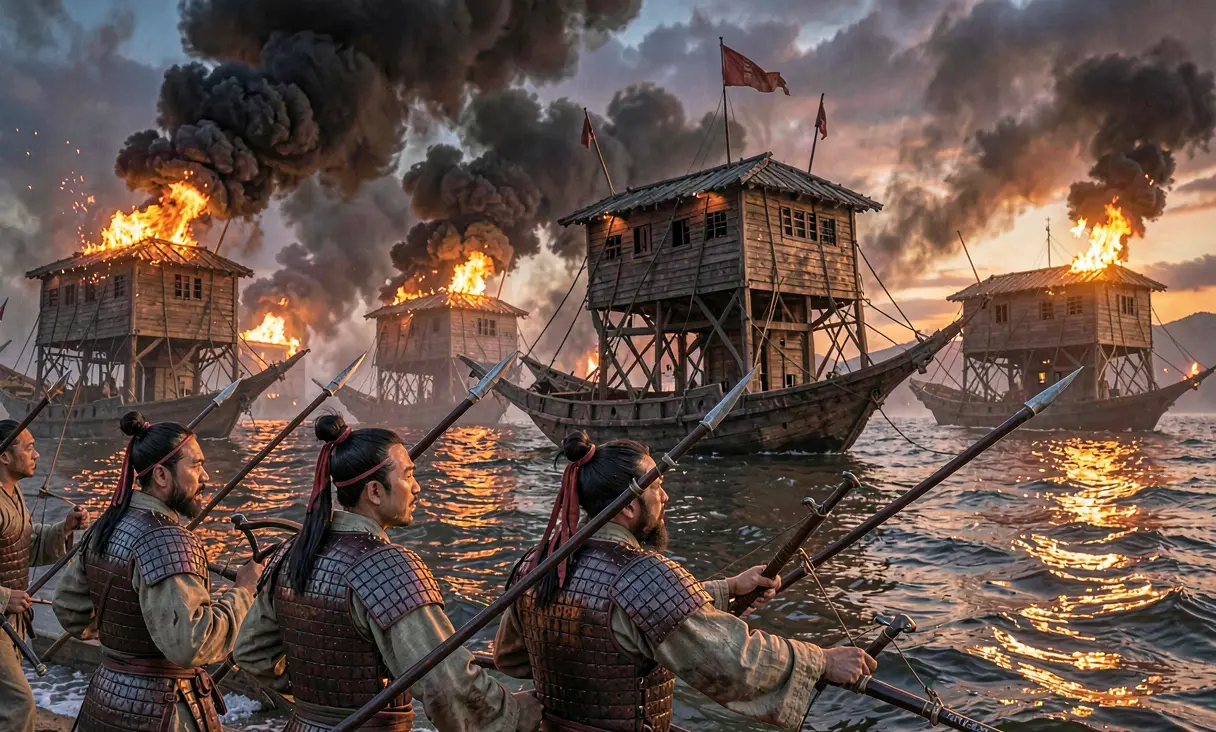 WarBattle of Red Cliffs208 CE · Red Cliffs, Yangtze River, ChinaAlliance of Sun Quan and Liu Bei defeats Cao Cao's massive naval fleet using fire ships.
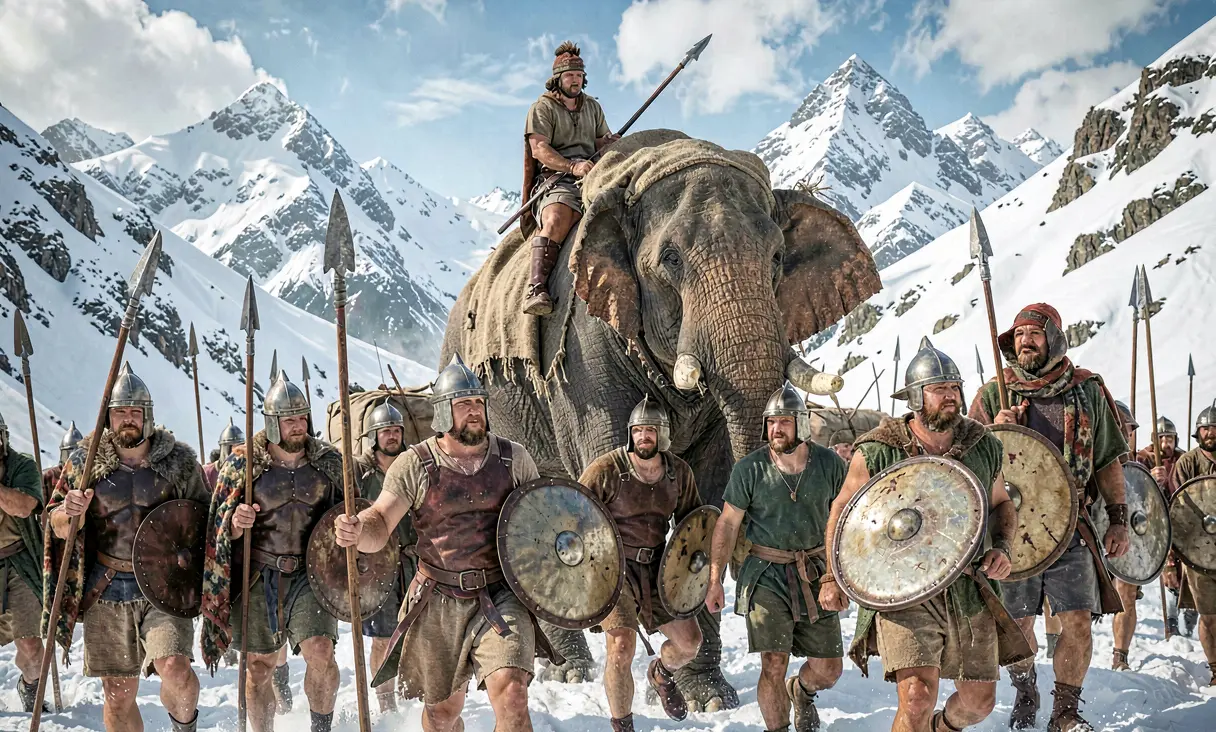 WarHannibal Barca Crosses the Alps into Italyc. 218 BCE · Alps (Col de Montgenèvre), France/Italy BorderHannibal leads his Carthaginian army and war elephants over the Alps to surprise Rome.
 PoliticsFall of Han Dynasty and Three Kingdoms Period Begins220 CE · Chang'an, ChinaEmperor Xian abdicates, ending the Han Dynasty and fragmenting China into three rival kingdoms.
Discussion
Loading…