
Diffusion of Sweet Potato (Kumara) to Polynesia
Genetic and linguistic evidence proves Polynesians transported sweet potatoes from South America to the Pacific around 1000 CE, revolutionizing agriculture and proving pre-Columbian trans-oceanic cont
The Botanical Paradox of the Pacific
For centuries, the presence of the sweet potato (Ipomoea batatas), known as kumara in Māori and kumala across Polynesia, presented a biological enigma to historians and botanists. Native exclusively to the tropical Americas, specifically the region spanning modern-day Peru and Ecuador, this tuber was found thriving from Easter Island to New Zealand long before European explorers set foot in the Pacific. Unlike other crops such as taro or breadfruit, which had clear Asian origins tracing back to the Austronesian expansion from Taiwan, the sweet potato's genetic lineage pointed unmistakably westward across the vast emptiness of the eastern Pacific Ocean.
Genetic and Linguistic Convergence
The resolution of this paradox emerged through a convergence of molecular genetics and comparative linguistics. Genetic studies of ancient and modern sweet potato samples reveal that Polynesian varieties share a direct lineage with South American cultivars, distinct from the Asian varieties found in Southeast Asia. Furthermore, linguistic analysis provides compelling evidence of pre-Columbian contact: the Proto-Polynesian term *kumala* bears striking resemblance to the Quechua word *kumar*, suggesting a loanword adopted during first contact. This dual evidence confirms that the transfer occurred not through accidental drift alone, but likely via deliberate voyaging or sustained interaction between Polynesians and South Americans.
The Chronology of Contact
Radiocarbon dating of sweet potato remains found in archaeological sites across the Pacific pushes the timeline of this exchange to approximately 1000 CE, predating Christopher Columbus's arrival in the Americas by nearly five centuries. This date aligns with a period of intense Polynesian exploration and settlement known as the 'Great Expansion,' during which navigators pushed into the most remote corners of the Pacific Triangle. The timing suggests that Polynesian voyagers, utilizing their sophisticated double-hulled canoes and celestial navigation techniques, reached the coast of western Colombia or Ecuador, where they encountered indigenous agriculturalists and acquired cuttings of the crop.
Mechanisms of Trans-Pacific Exchange
While the exact nature of the encounter remains a subject of scholarly debate, two primary theories dominate. The first posits that Polynesian navigators actively sailed eastward against prevailing winds and currents, reaching South America before returning with the crop. The second suggests that South American peoples may have drifted westward on balsa rafts, eventually making landfall in the Marquesas or Easter Island. Regardless of directionality, the successful transport of living sweet potato vines required a level of maritime sophistication and biological knowledge that underscores the advanced capabilities of pre-contact Pacific cultures.
Ecological Transformation and Demographic Shift
The introduction of the sweet potato revolutionized Polynesian agriculture, particularly in cooler, higher-altitude environments where traditional root crops like taro struggled to survive. In New Zealand (Aotearoa), the kumara became the primary caloric staple for Māori populations in the North Island and parts of the South Island, enabling a demographic boom that supported complex social hierarchies and warfare. Its adaptability allowed Polynesian settlers to colonize islands previously deemed marginal for agriculture, effectively expanding the habitable footprint of the Pacific world by thousands of square miles.
Legacy of Pre-Columbian Globalization
The diffusion of the sweet potato stands as one of the most significant examples of pre-Columbian globalization in human history. It shattered the long-held assumption that the Pacific and South American civilizations developed in total isolation from one another. This single botanical exchange serves as tangible proof that the ancient world was far more interconnected than previously imagined, with Austronesian navigators playing a pivotal role in bridging the gap between the Americas and Oceania centuries before European ships altered the global map.
The introduction of the sweet potato enabled the successful colonization of cooler temperate regions like New Zealand by Polynesian settlers.


Where it happened
South America to Polynesia — see it on the interactive map →
Explore related history
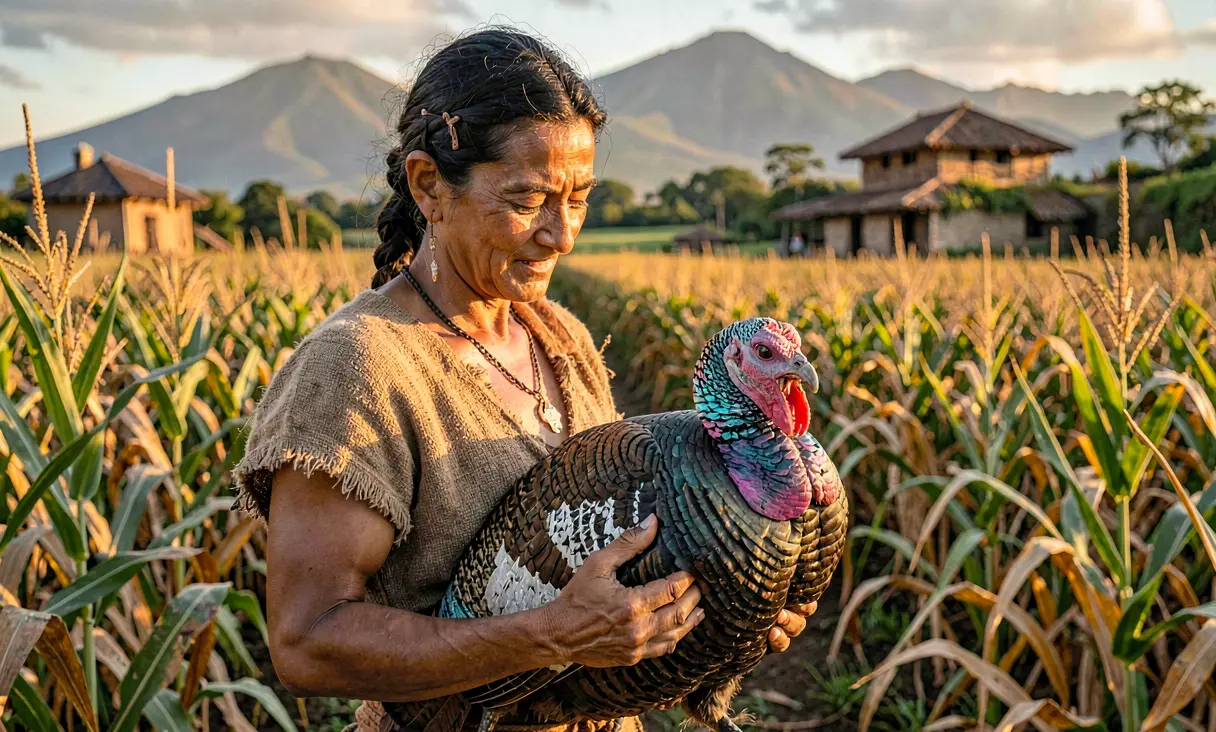 ScienceDomestication of the Turkey in Mesoamericac. 1000 BCE · Central MexicoAncient Mesoamericans successfully domesticate the wild turkey for meat and ritual feathers.
 ScienceDevelopment of Linear A Script by Minoansc. 1800 BCE · Knossos, Crete (Greece)The Minoans develop Linear A, a still undeciphered writing system for administration.
 ScienceSankore Madrasah Becomes a Center of Learning in Timbuktuc. 1450 CE · Timbuktu, MaliThe Sankore Madrasah emerges as a premier university for Islamic scholarship in West Africa.
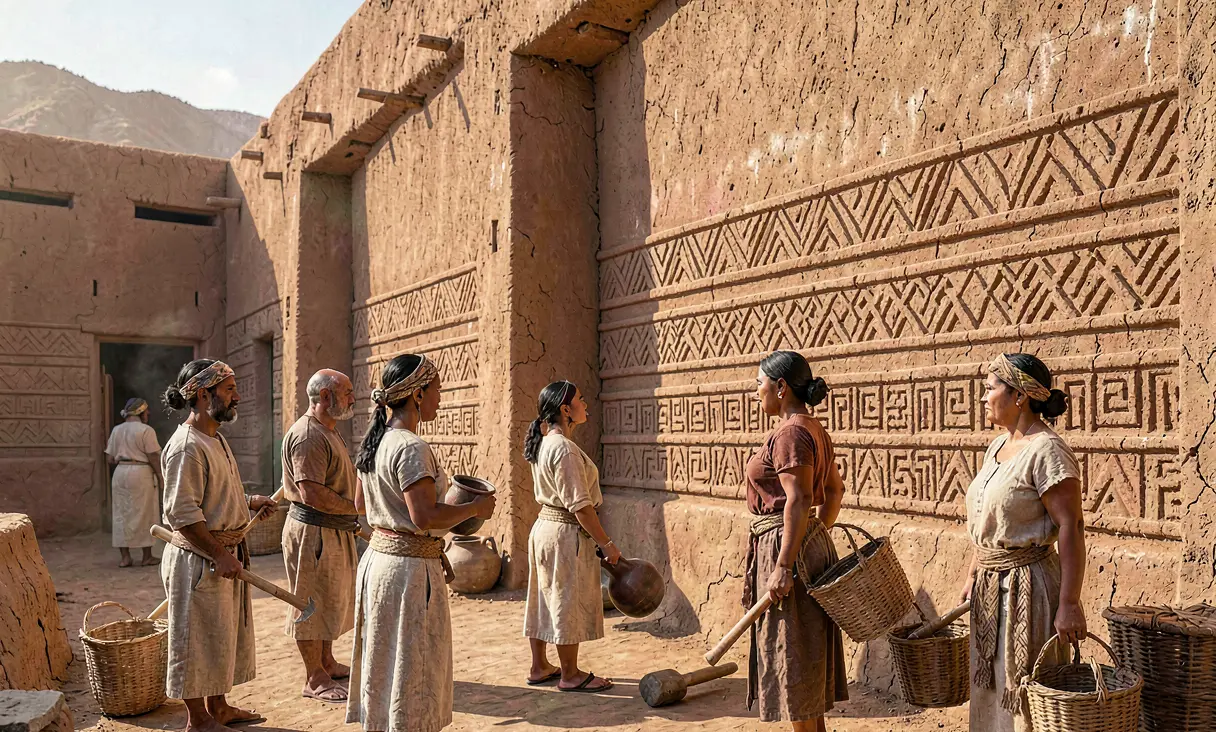 CivilizationRise of the Chimú Kingdom at Chan Chanc. 1000 CE · Chan Chan, PeruThe Chimú establish the largest adobe city in the Americas at Chan Chan.
 ExplorationLapita Settlement in Western Samoac. 1000 BCE · Western SamoaLapita voyagers reach the Samoan archipelago, marking the first entry into Remote Oceania.
 ScienceRefinement of Polynesian Wayfinding Techniquesc. 1000 BCE to 1500 CE · Pacific Ocean (Society Islands)Polynesian navigators perfect star paths and ocean swells to traverse the vast Pacific without instruments.
Discussion
Loading…