Theme
History of Science
Pivotal moments in science across human history.
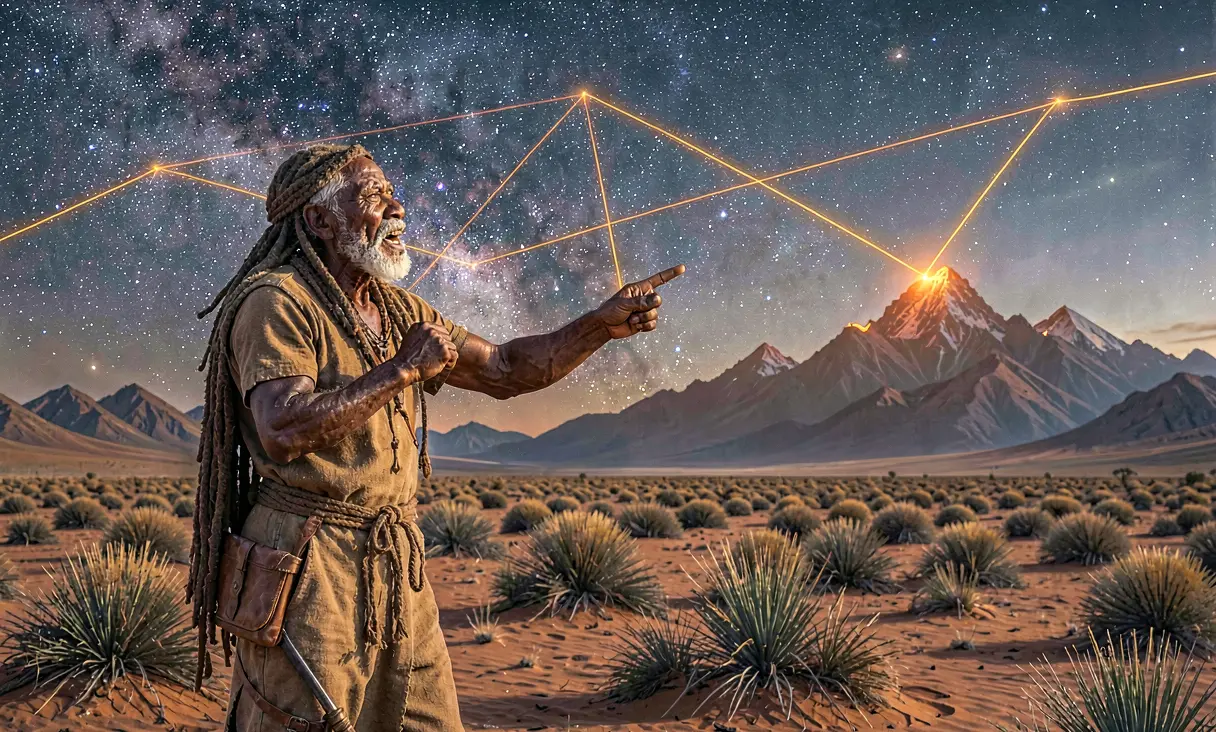 ScienceCodification of Aboriginal Songlines Across Australiac. 5000 BCE onwards · Central AustraliaAboriginal peoples develop Songlines that map the continent through oral narratives and star paths.
 ScienceFinal Domestication of Maize from Teosinte in Mesoamericac. 5000 BCE · Balsas River Valley, MexicoIndigenous farmers selectively breed teosinte into modern maize (corn).
 ScienceDomestication of the Turkey in Mesoamericac. 1000 BCE · Central MexicoAncient Mesoamericans successfully domesticate the wild turkey for meat and ritual feathers.
 ScienceDevelopment of Linear A Script by Minoansc. 1800 BCE · Knossos, Crete (Greece)The Minoans develop Linear A, a still undeciphered writing system for administration.
 ScienceSankore Madrasah Becomes a Center of Learning in Timbuktuc. 1450 CE · Timbuktu, MaliThe Sankore Madrasah emerges as a premier university for Islamic scholarship in West Africa.
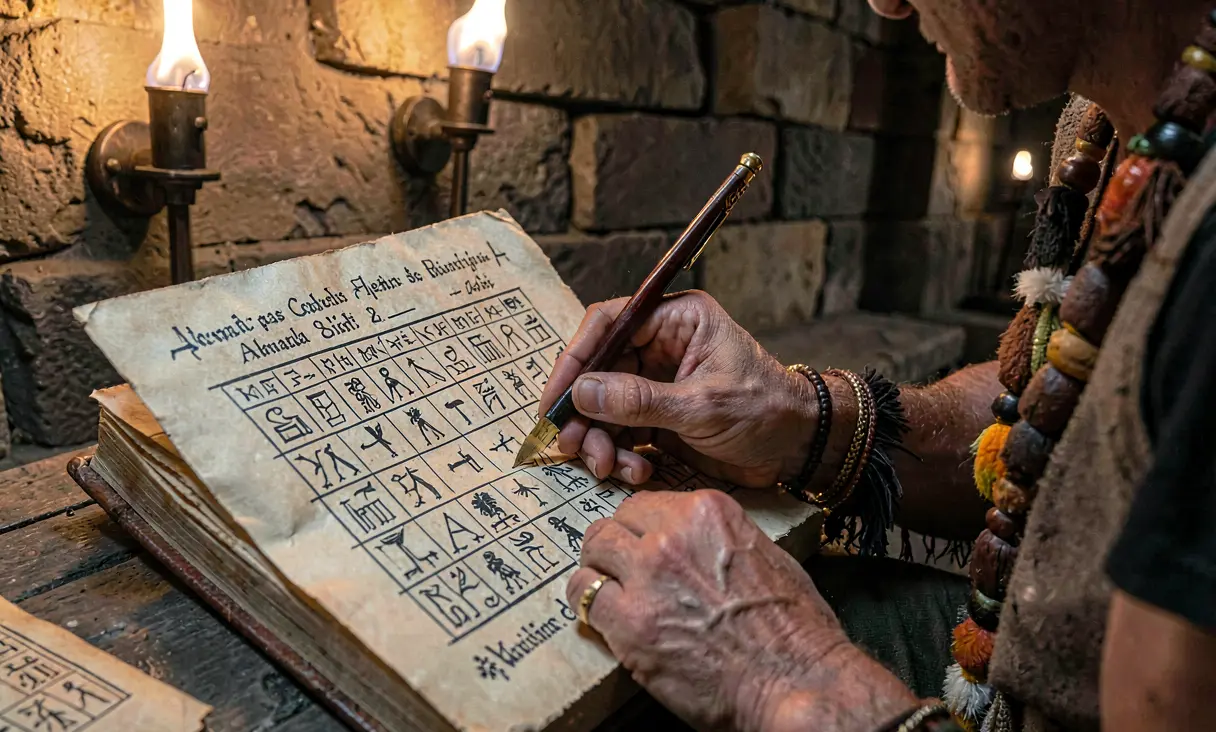 ScienceSurvival of the Madrid Codex Amidst Destructionc. 1450 CE · Maya Region (Yucatán), MexicoThe Madrid Codex is created just before the Spanish destruction of Maya books.
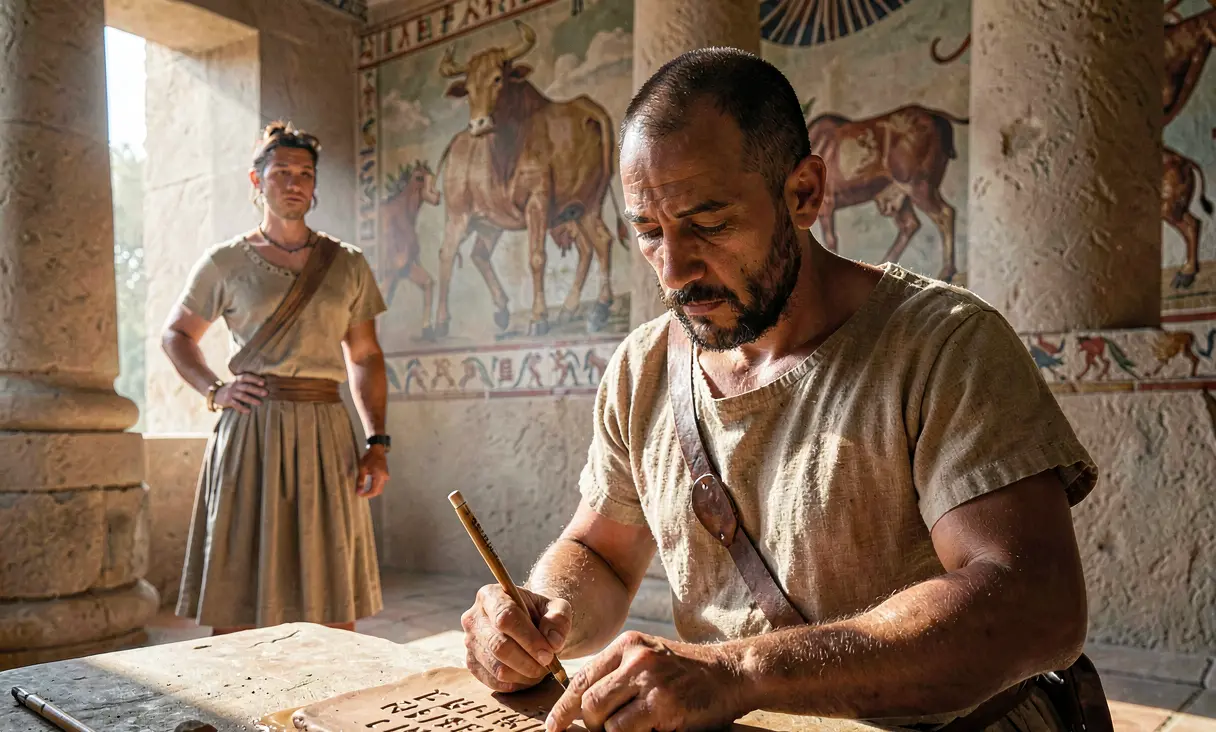 ScienceAdoption of Linear B by Mycenaean Greeks in Cretec. 1450 BCE · Knossos, Crete (Greece)Mycenaean Greeks conquer Knossos and adapt Minoan script to write their own language.
 ScienceAbsence of Pottery in Māori Culturec. 1280 CE onwards · New ZealandMāori settlers abandon pottery making upon arrival in New Zealand due to lack of suitable clay and fuel.
 ScienceCreation of the Dresden Codexc. 1200 CE · Chichen Itza/Maya Region, MexicoMaya scribes compile the Dresden Codex containing advanced astronomical tables.
 ScienceRefinement of Polynesian Wayfinding Techniquesc. 1000 BCE to 1500 CE · Pacific Ocean (Society Islands)Polynesian navigators perfect star paths and ocean swells to traverse the vast Pacific without instruments.
 ScienceDiffusion of Sweet Potato (Kumara) to Polynesiac. 1000 CE · South America to PolynesiaThe sweet potato, originally from South America, is transported across the Pacific by Polynesian voyagers.
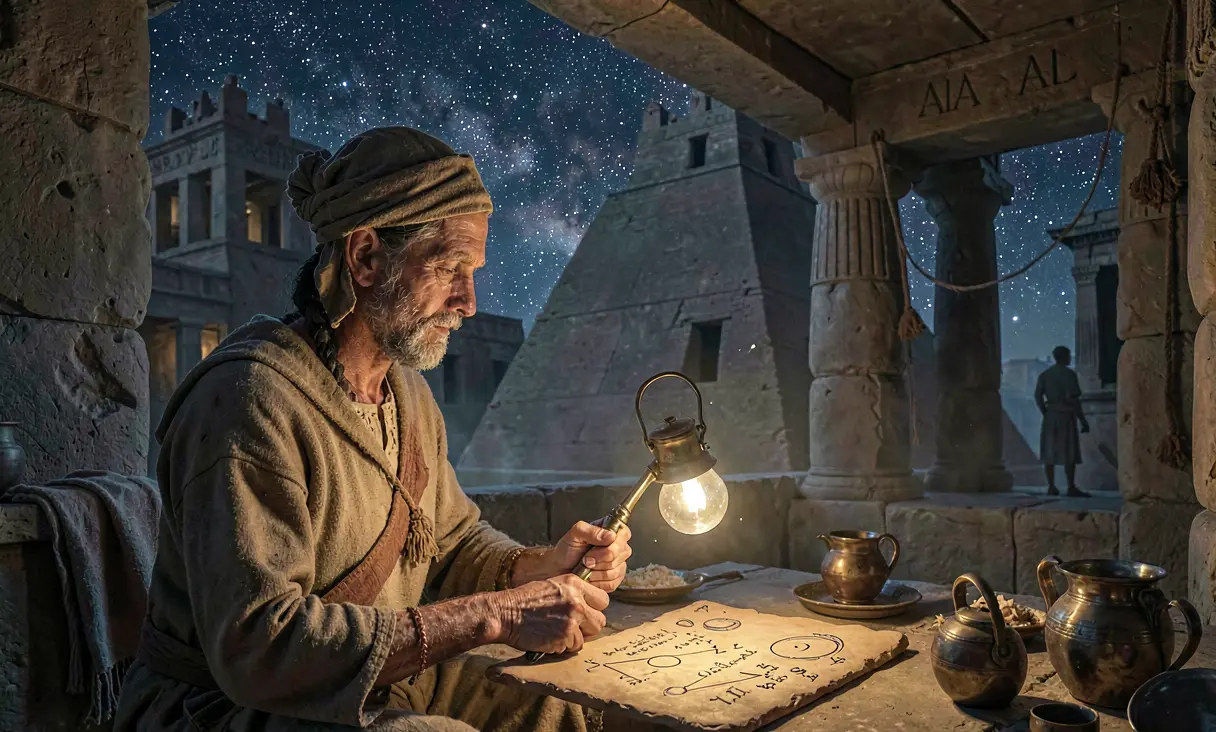 ScienceEstablishment of the Babylonian Astronomical Observatoriesc. 747 BCE · Babylon, IraqBabylonian priests begin systematic nightly recording of planetary movements and eclipses.
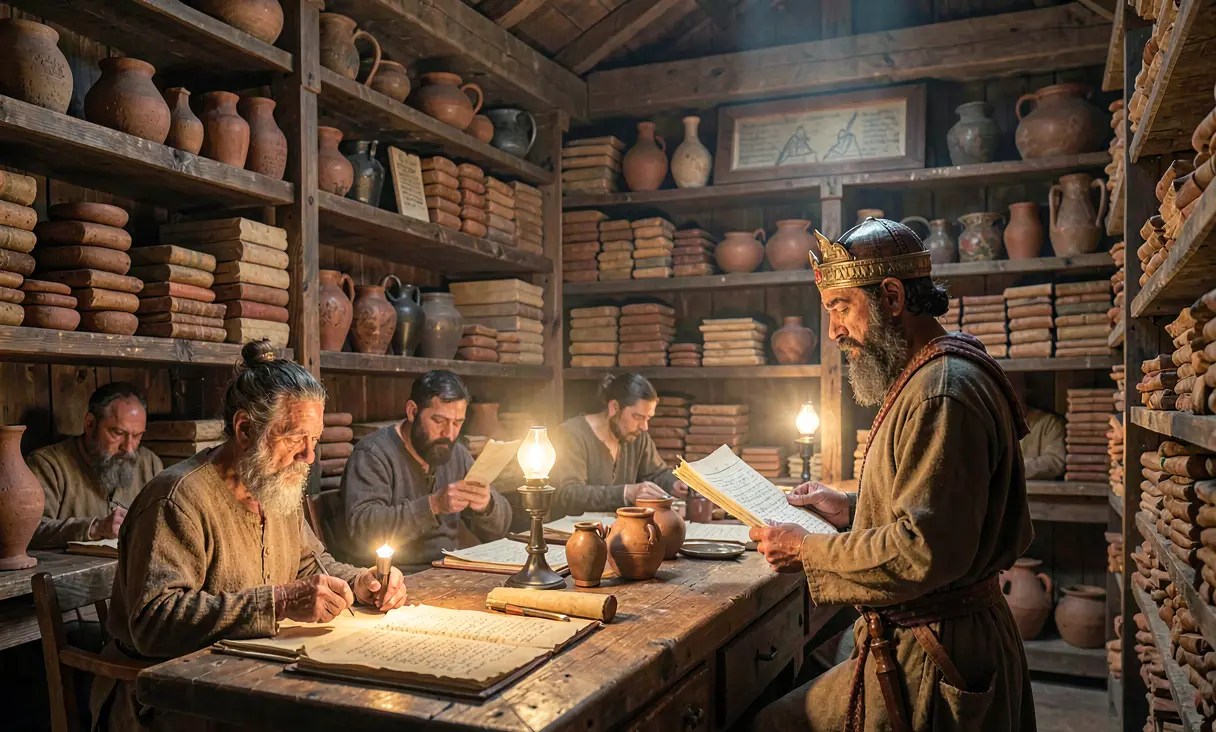 ScienceCompilation of Ashurbanipal's Royal Libraryc. 650 BCE · Nineveh (Mosul), IraqKing Ashurbanipal assembles the largest collection of cuneiform tablets in the ancient world.
 ScienceRefinement of the Maya Long Count Calendar Systemc. 361 BCE · Chiapa de Corzo, MexicoMaya scholars formalize the Long Count calendar for tracking deep historical time.
 ScienceFormal Adoption of Zero as a Placeholder in Maya Mathematicsc. 361 BCE · Chiapas, MexicoMaya mathematicians independently invent and use zero in their vigesimal numeral system.
 ScienceFounding of the Library of Alexandriac. 283 BCE · Alexandria, EgyptPtolemy I establishes the world's first great research center for collecting all human knowledge.
 ScienceArchimedes Formulates the Law of the Leverc. 250 BCE · Syracuse, SicilyArchimedes mathematically defines the principle of the lever and buoyancy, founding classical mechanics.
 ScienceFounding of Nalanda Universityc. 450 CE · Rajgir, Bihar, IndiaKumaragupta I establishes Nalanda as a residential university, which becomes the world's first major center for higher learning and Buddhist scholarship.
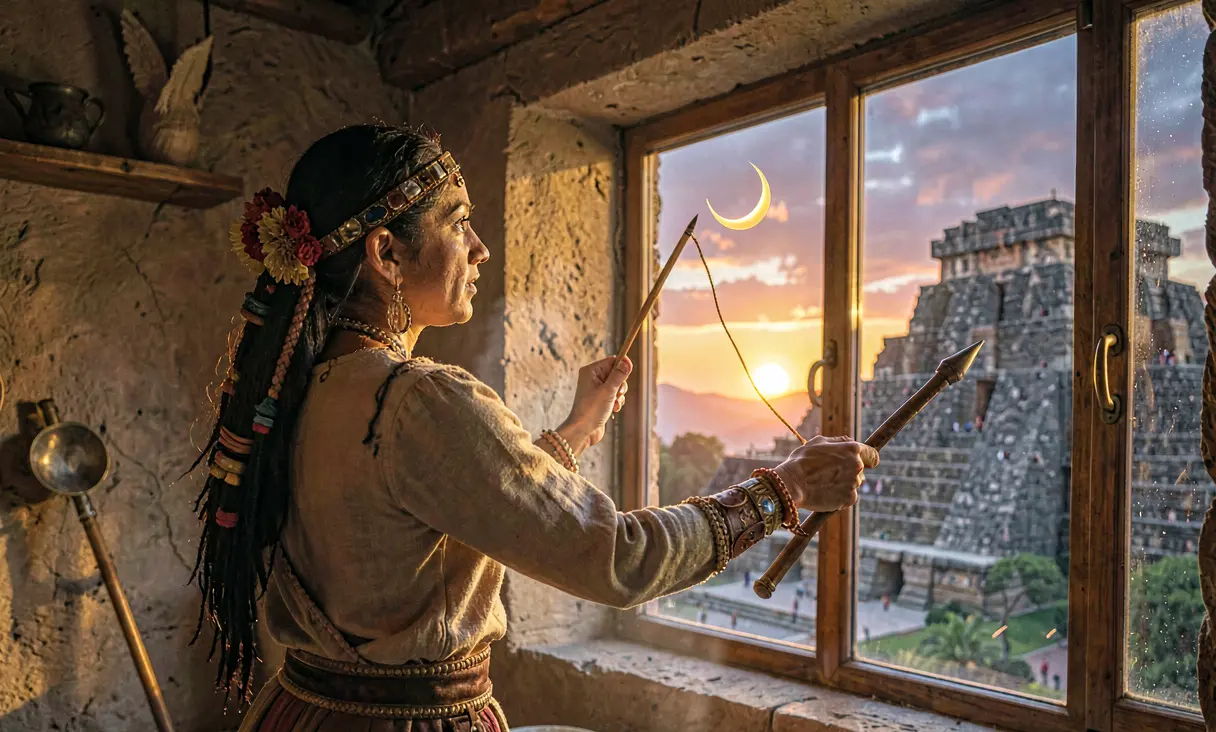 ScienceConstruction of El Caracol Observatory at Chichen Itzac. 850 CE · Chichen Itza, MexicoMaya astronomers build a circular observatory aligned with Venus cycles.
 ScienceRefinement of the Astrolabe by Islamic Astronomersc. 900 CE · Baghdad, IraqPersian and Arab scholars perfect the astrolabe for navigation and timekeeping.
 ScienceComposition of the Mitakshara Law Codec. 1100 CE · Kalyan (modern Karnataka/India)Vijnaneshwara writes the Mitakshara, a seminal commentary on Hindu law that influences legal systems across India.
 ScienceMaya Astronomical Tables in the Dresden Codexc. 1200 CE · Yucatán Peninsula, MexicoMaya astronomers record precise calculations for Venus cycles and eclipses.
 SciencePublication of Newton's PrincipiaJuly 5, 1687 CE · Cambridge, EnglandIsaac Newton defines laws of motion and universal gravitation revolutionizing physics.
 SciencePublication of Origin of SpeciesNovember 24, 1859 CE · London, EnglandCharles Darwin proposes natural selection as the mechanism for evolution of life.
 ScienceDiscovery of DNA StructureFebruary 28, 1953 CE · Cambridge, EnglandWatson and Crick identify the double helix structure of DNA revealing genetic code.
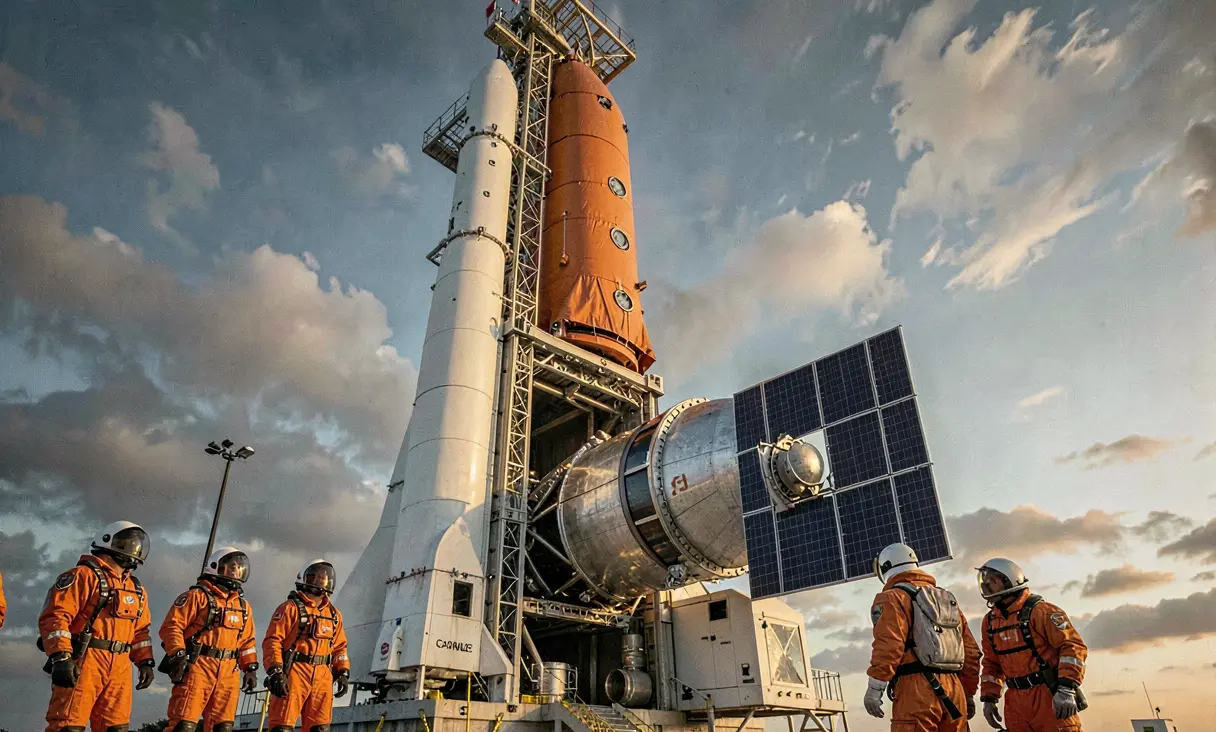 ScienceLaunch of Hubble Space TelescopeApril 24, 1990 CE · Cape Canaveral, USASpace telescope deployed into orbit providing unprecedented deep space observations.