Polynesian Voyaging to New Zealand
In c. 1280 CE, master Polynesian navigators completed the final major human migration to an uninhabited continent, settling New Zealand and forging a unique culture through rapid adaptation to a tempe
The Final Frontier of Human Expansion
By the late 13th century, the Polynesian expansion had already populated a vast triangle spanning the Pacific Ocean, from Hawaii to Easter Island. Yet, Aotearoa (New Zealand) remained the last major landmass on Earth suitable for human settlement that was still uninhabited. Around 1280 CE, a deliberate and sophisticated maritime expedition departed from East Polynesia—likely originating in the Society Islands or the Marquesas Archipelago—to cross the formidable Tasman Sea. This migration marked the culmination of thousands of years of Austronesian seafaring innovation, representing the final chapter in the great human dispersal that began in Southeast Asia millennia prior.
Navigating the Southern Ocean
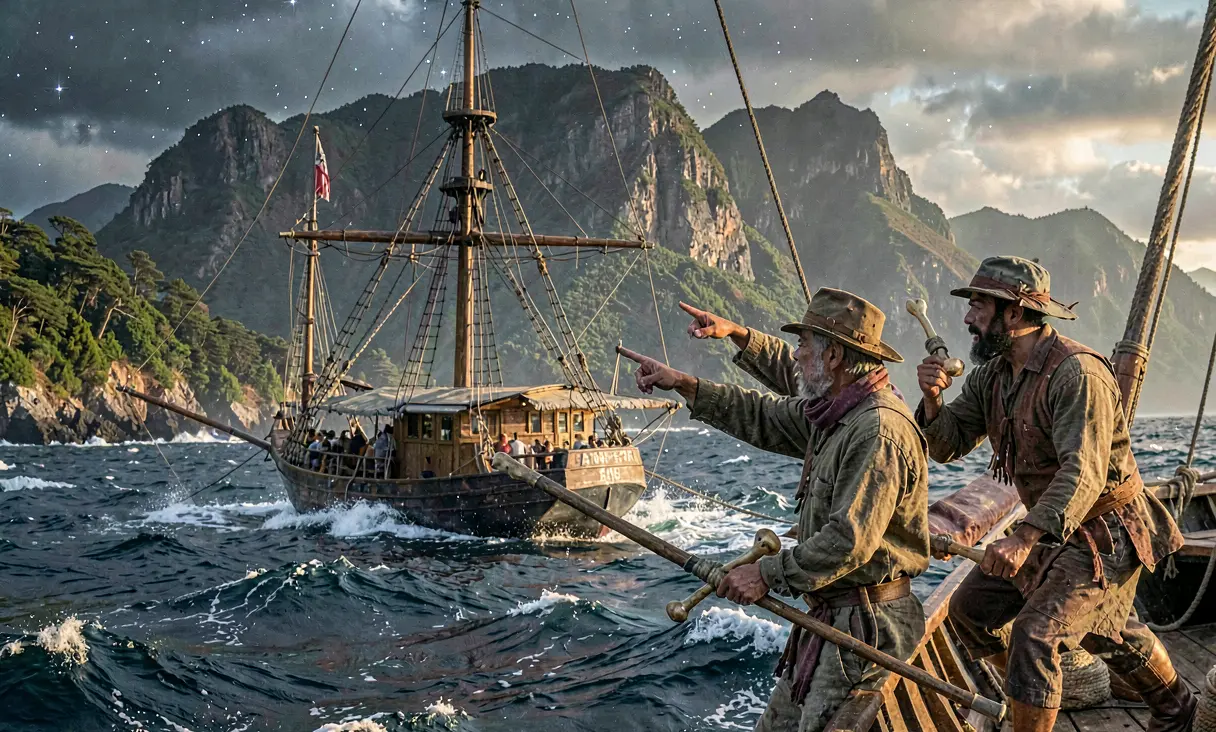
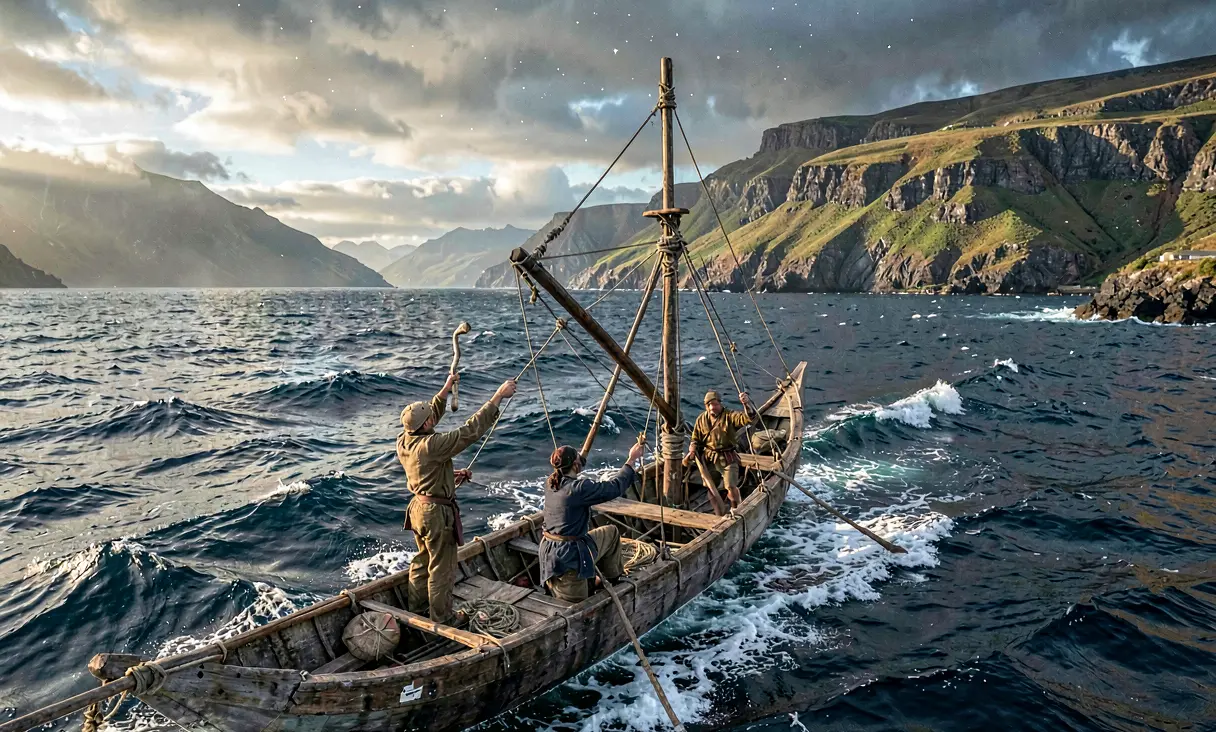
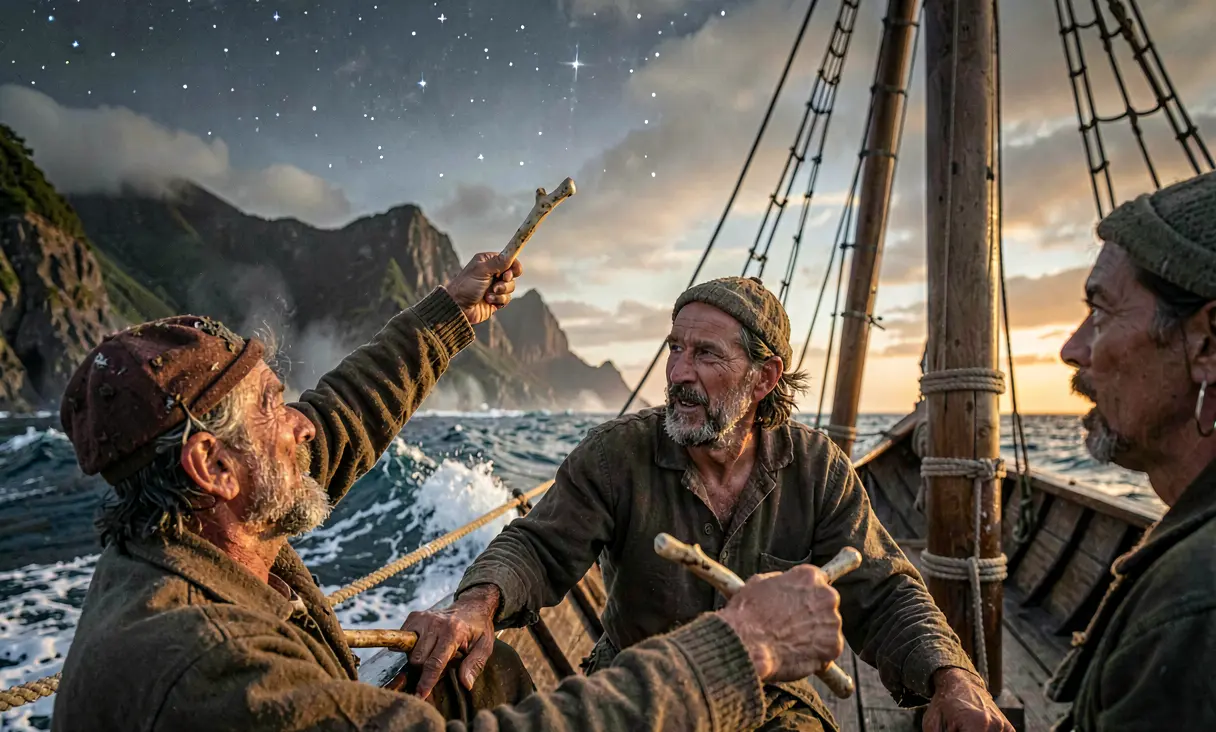
The journey to New Zealand was an audacious feat of navigation undertaken without magnetic compasses or written charts. The voyagers relied on the *whare kōrero* (star compass) system, memorizing the rising and setting points of hundreds of stars, alongside deep knowledge of ocean swells, bird migrations, and cloud formations that signaled distant land. They traveled in large, double-hulled *waka hourua*, vessels designed for stability and cargo capacity, capable of carrying families, plants, and animals across thousands of kilometers of open water. The prevailing westerlies and the specific configuration of the Southern Ocean currents made this a challenging but navigable route for masters of their craft.
Arrival and Initial Settlement
Archaeological evidence, including radiocarbon dating from sites such as Wairau Bar in the South Island, confirms that the first settlers arrived around 1280 CE. These pioneers encountered a land of dramatic contrasts: temperate forests, alpine ranges, and coastlines teeming with marine life, but entirely devoid of terrestrial mammals except for bats. The environment was colder and wetter than their tropical homeland, presenting immediate challenges. Despite this, the settlers rapidly established camps, utilizing stone tools to process resources and constructing temporary shelters while they assessed the new landscape's potential.
Adaptation and Ecological Transformation
The success of the settlement hinged on rapid cultural and agricultural adaptation. The settlers introduced the *kūmara* (sweet potato), a crop requiring careful cultivation techniques to survive New Zealand's cooler climate, including the use of gravel mulches to retain heat. Simultaneously, they exploited the abundant megafauna, most notably the flightless moa birds, which stood up to three meters tall and had no natural predators. The hunting of moa, alongside the introduction of the Polynesian rat (*kiore*), triggered a rapid ecological shift; within a few centuries, the moa were driven to extinction, fundamentally altering the island's ecosystem.
The Emergence of Māori Society
Isolated from their ancestral homelands for generations, these voyagers evolved into the Māori people. The distinct social structures, language dialects, and artistic traditions that define Māori culture began to crystallize in this new environment. Without the need for long-distance oceanic voyages, which became too dangerous due to changing climate patterns and the lack of return routes, society turned inward, focusing on territorial defense and resource management. This period saw the development of fortified *pā* sites and a complex oral tradition that preserved the memory of the great voyages through whakapapa (genealogy) and waiata (songs).
Legacy of the Great Migration
The settlement of New Zealand stands as one of history's most remarkable achievements in exploration, demonstrating that pre-industrial societies could master vast oceans with unparalleled precision. It was a migration that reshaped the biological and cultural map of the Pacific, proving human adaptability to diverse environments. The event remains a cornerstone of Māori identity today, with modern voyaging canoes like the *Hōkūleʻa* retracing these ancient paths to honor the navigational genius of ancestors who found their way by the stars alone.
This event completed the settlement of the Pacific triangle and demonstrated the most advanced pre-modern open-ocean navigation technology in history.
Where it happened
South Island, New Zealand — see it on the interactive map →
Explore related history
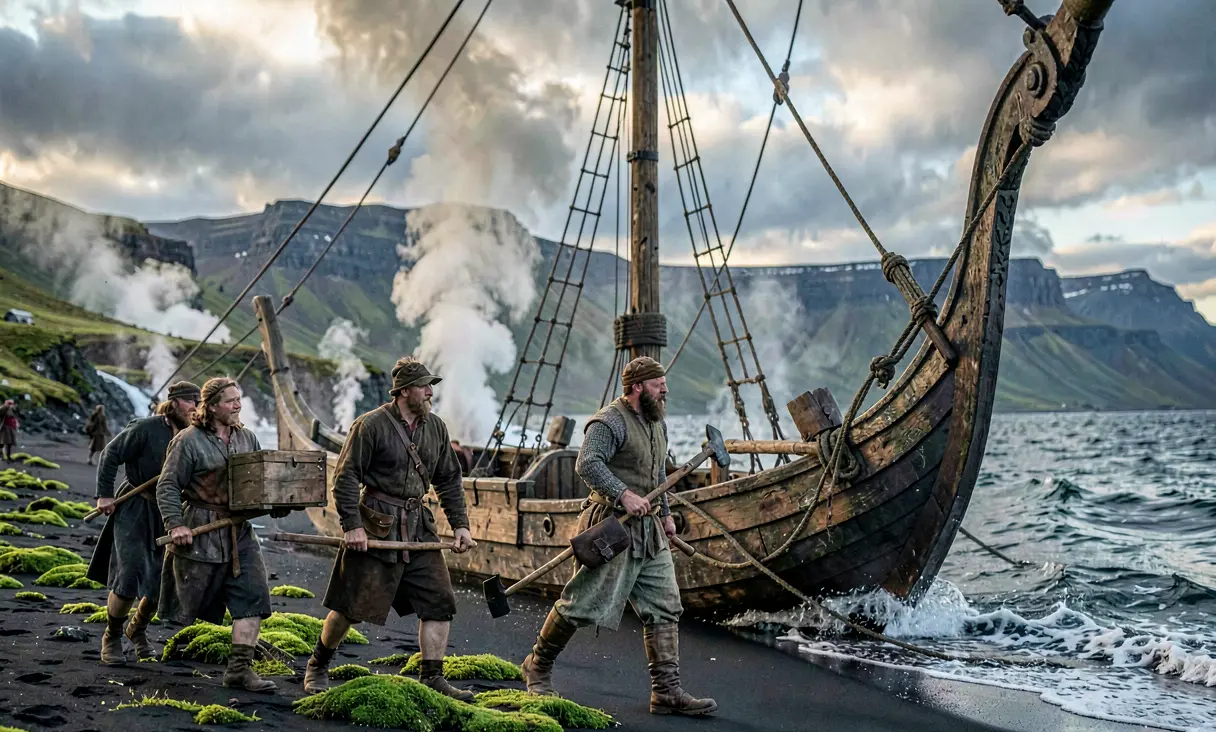 ExplorationViking Settlement of Iceland874 CE · Reykjavik, IcelandNorse explorers led by Ingólfr Arnarson settle Iceland, establishing the first permanent European community in the North Atlantic.
 ExplorationKorean Tribute Trade with China918 CE · Sungnyemun Gate (Kaesong), KoreaGoryeo establishes formal tributary relations with the Song Dynasty.
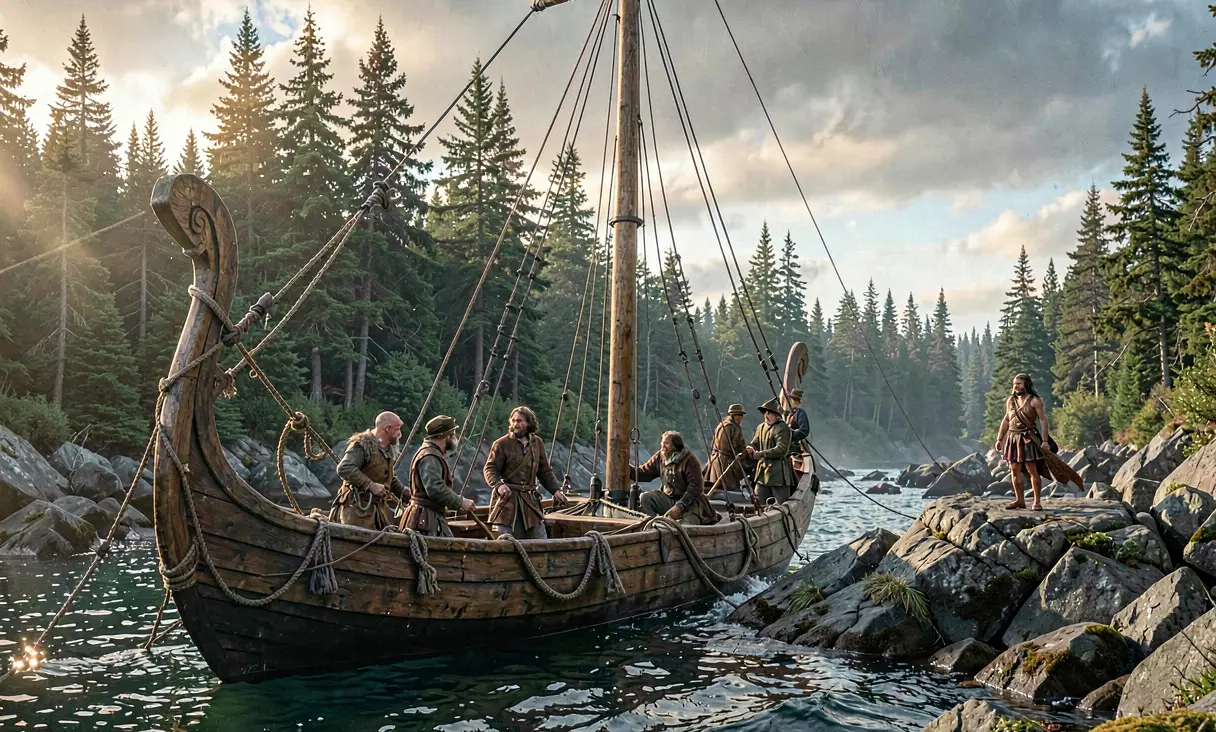 ExplorationLeif Erikson's Voyage to Vinlandc. 1000 CE · L'Anse aux Meadows, Newfoundland, CanadaLeif Erikson establishes a short-lived Norse settlement in North America, five centuries before Columbus.
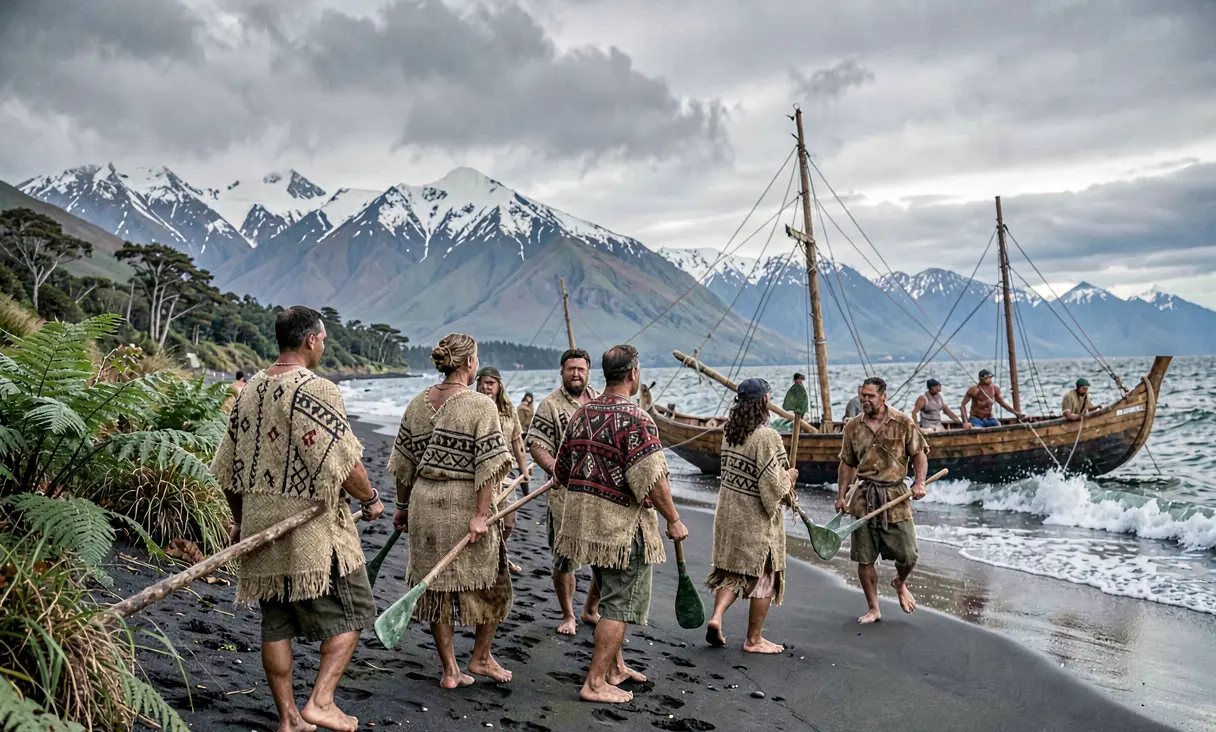 ExplorationPolynesian Settlement of New Zealand (Aotearoa)c. 1280 CE · Canterbury, New Zealand (South Island)Polynesian navigators arrive in New Zealand, founding the Māori culture and adapting to a temperate environment.
 WarMongol Invasion of Japan (Kamikaze)1281 CE · Hakata Bay (Fukuoka), JapanA typhoon destroys the second Mongol invasion fleet.
 PoliticsKublai Khan Establishes Yuan Dynasty1271 CE · Dadu (Beijing), ChinaKublai Khan declares the Yuan Dynasty, unifying China under Mongol rule.
Discussion
Loading…