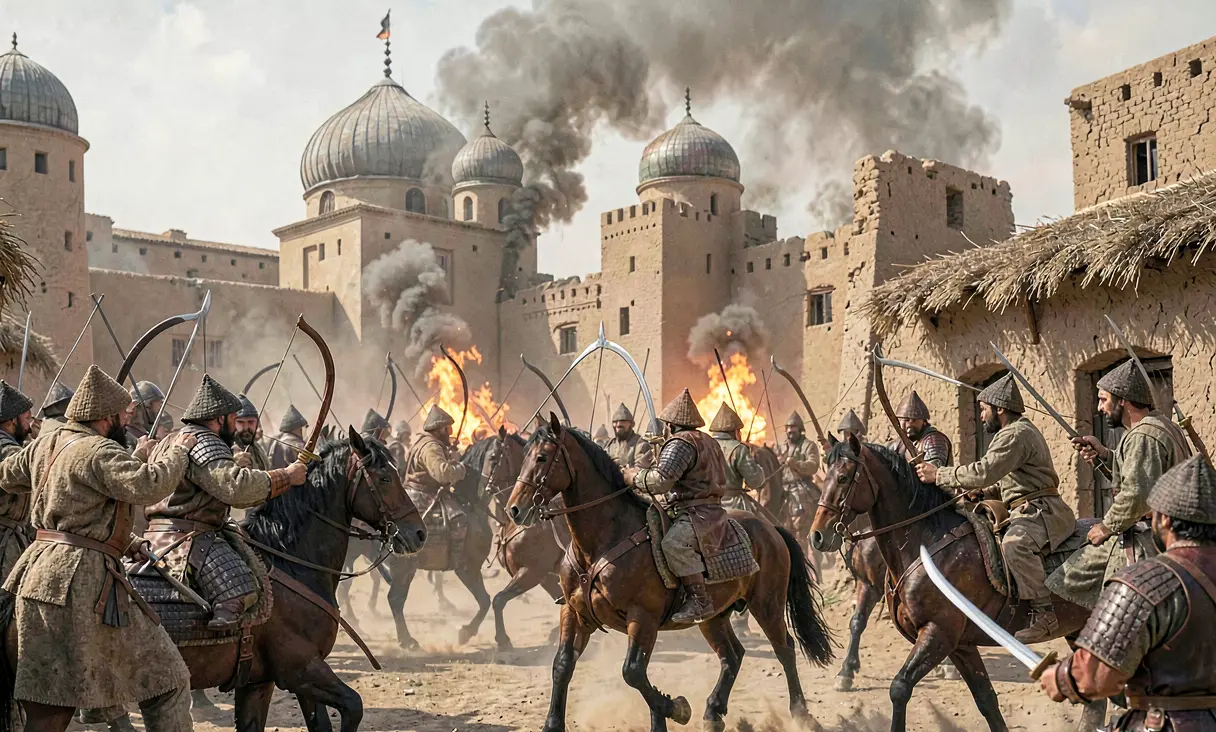
Mongol Destruction of the Khwarazmian Empire
Genghis Khan's brutal 1220 invasion annihilated the Khwarazmian Empire, massacring millions and destroying Central Asia's irrigation networks to permanently shatter Persianate Islamic dominance.
The Diplomatic Catastrophe
In the early 13th century, the Khwarazmian Empire, ruled by Shah Muhammad II, stood as the preeminent power in the Islamic East, controlling a vast swath of territory from the Caspian Sea to the borders of India. The Mongol Empire, under Genghis Khan, sought peaceful trade relations and had even dispatched a massive merchant caravan to Otrar in 1218. However, the local governor of Otrar, Inalchuq, acting on false suspicions or perhaps personal greed, massacred the entire caravan and executed its leaders. When Genghis Khan sent three diplomatic envoys—one Muslim and two Mongols—to demand justice, Shah Muhammad II, advised by his son Jalal ad-Din, beheaded the Muslim envoy and shaved the beards of the Mongol ambassadors before sending them back in humiliation. This unprecedented violation of diplomatic sanctity provided Genghis Khan with the casus belli he needed to unleash his full military might against a rival empire.
The Grand Invasion
By 1219, Genghis Khan assembled an army estimated between 100,000 and 150,000 seasoned warriors, a force that moved with terrifying speed and coordination. Unlike previous campaigns where the Mongols fought on open steppes, this invasion targeted the heavily fortified cities of Transoxiana. The Shah's strategy was fatally flawed; rather than uniting his forces to confront the invaders in a decisive field battle, Muhammad II ordered his generals to defend individual cities separately, effectively allowing the Mongols to isolate and destroy them one by one. The campaign began with the siege of Otrar, which held out for five months before falling, only to see its population slaughtered and its governor crushed between molten silver poured into his ears as retribution.
The Fall of Bukhara and Samarkand
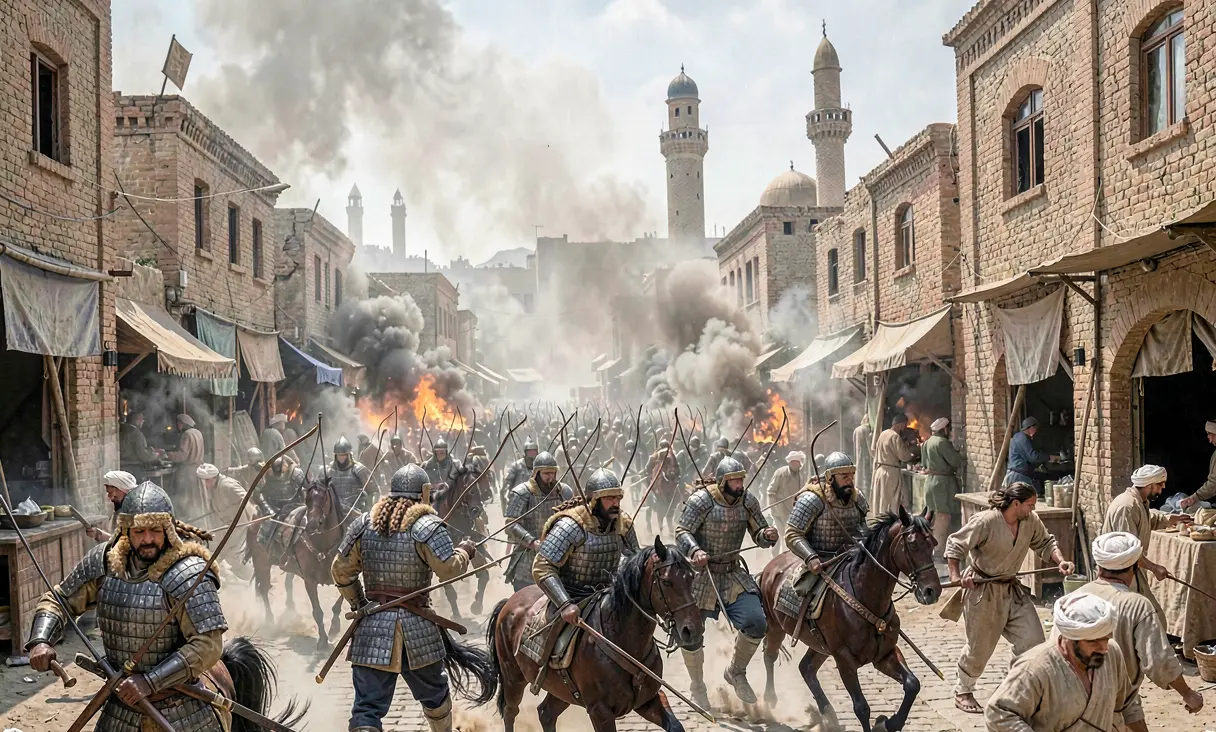
In early 1220, the Mongol vanguard struck the great city of Bukhara. Surrounded by a desert moat that the Mongols bypassed with surprising speed, the city's garrison was cut off from the main Shah's army. After a brief siege, the citadel held out while the outer city fell; the population was herded into the main mosque and systematically executed or enslaved. Shortly thereafter, Samarkand, the jewel of Central Asia, faced the full brunt of the Mongol horde. Despite having a garrison of 100,000 men, internal disunity and the defection of Turkic mercenaries led to its rapid collapse in March 1220. The Mongols employed siege engines captured from Chinese engineers and utilized psychological warfare, spreading terror to induce surrender before the walls were even breached.
The Slaughter at Urgench
While Shah Muhammad II fled in disgrace and died shortly after on an island in the Caspian Sea, his son Jalal ad-Din attempted a last stand at Urgench (Gurganj), the capital of the empire. The siege of Urgench in 1221 was brutal and protracted, lasting seven months. When the city finally fell, the Mongols faced a problem: they could not process the massive number of captives for enslavement. Consequently, they ordered a systematic massacre. Historical accounts suggest that 40 to 60 thousand soldiers were tasked with killing the population, resulting in the deaths of nearly one million people. To erase the city from existence and destroy its agricultural base, the Mongols diverted the Oxus River (Amu Darya), flooding the ruins and turning the fertile region into a desert for centuries.
Tactical Innovation and Psychological Terror
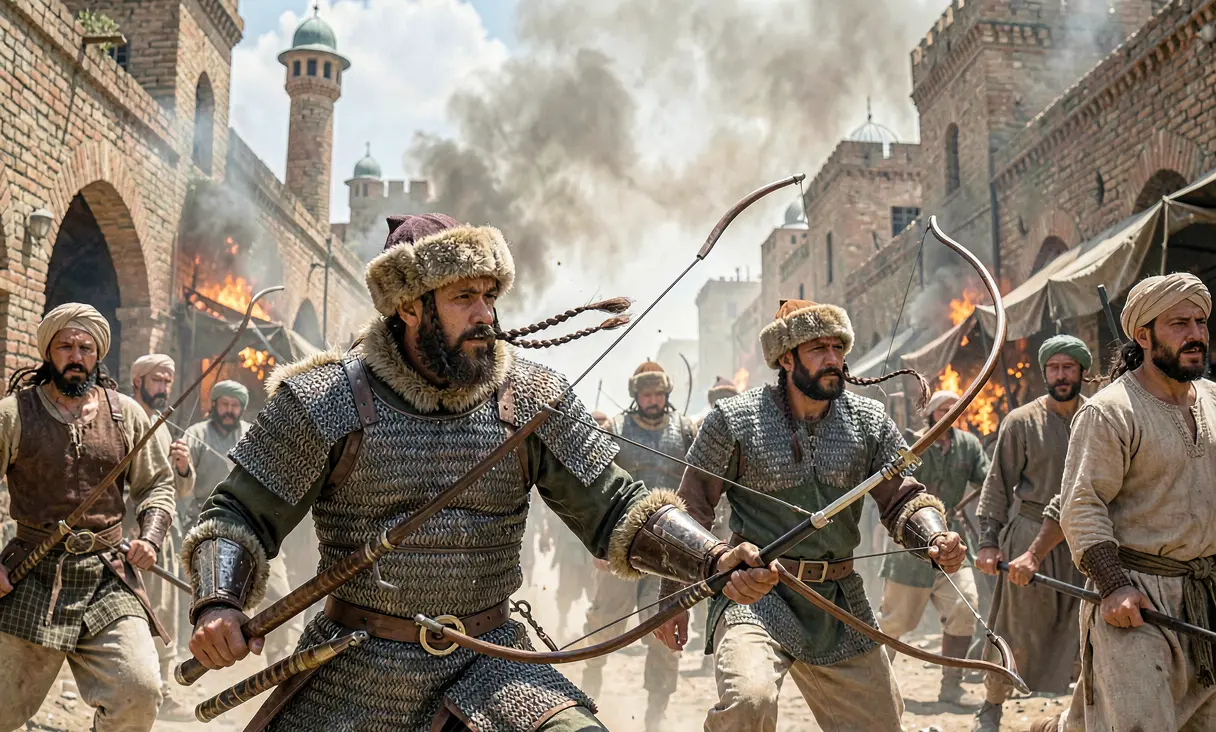
The destruction of the Khwarazmian Empire showcased the apex of Mongol military efficiency. They utilized a combination of feigned retreats to draw enemy forces out of their fortifications, followed by encirclement with superior cavalry. Crucially, they adapted Chinese siege technology, constructing trebuchets and catapults capable of breaching thick stone walls. The campaign was defined not just by military conquest but by calculated terror; the deliberate mass execution of populations served as a deterrent to future resistance across the Islamic world. By destroying the complex irrigation systems (qanats) that sustained Central Asian agriculture, Genghis Khan ensured that the region's economic and demographic recovery would take generations, effectively breaking the backbone of Persianate civilization in the east.
Legacy and Geopolitical Shift
The annihilation of the Khwarazmian Empire marked a definitive turning point in world history. It ended the dominance of the Islamic Golden Age in Central Asia and shifted the geopolitical center of gravity toward the Mongols. The vacuum left by the destruction allowed for the subsequent rise of new powers, including the Ilkhanate, while the flight of survivors spread knowledge of gunpowder and paper to the West. Furthermore, this campaign opened the path for the Mongol expansion into Persia, the Caucasus, and eventually Eastern Europe under Batu Khan. The event remains a stark example of total war, where cultural erasure was as intentional as territorial conquest, reshaping the demographic and religious map of Eurasia forever.
It marked the beginning of the Pax Mongolica but caused unprecedented destruction to Silk Road urban centers.
Where it happened
Samarkand/Urgench, Central Asia — see it on the interactive map →
Explore related history
 WarIslamic Conquest of the Sasanian Empire637 CE · Ctesiphon, Iraq (Persia)Arab Muslim forces defeat the Sasanian Empire at the Battle of al-Qadisiyyah, ending centuries of Persian rule.
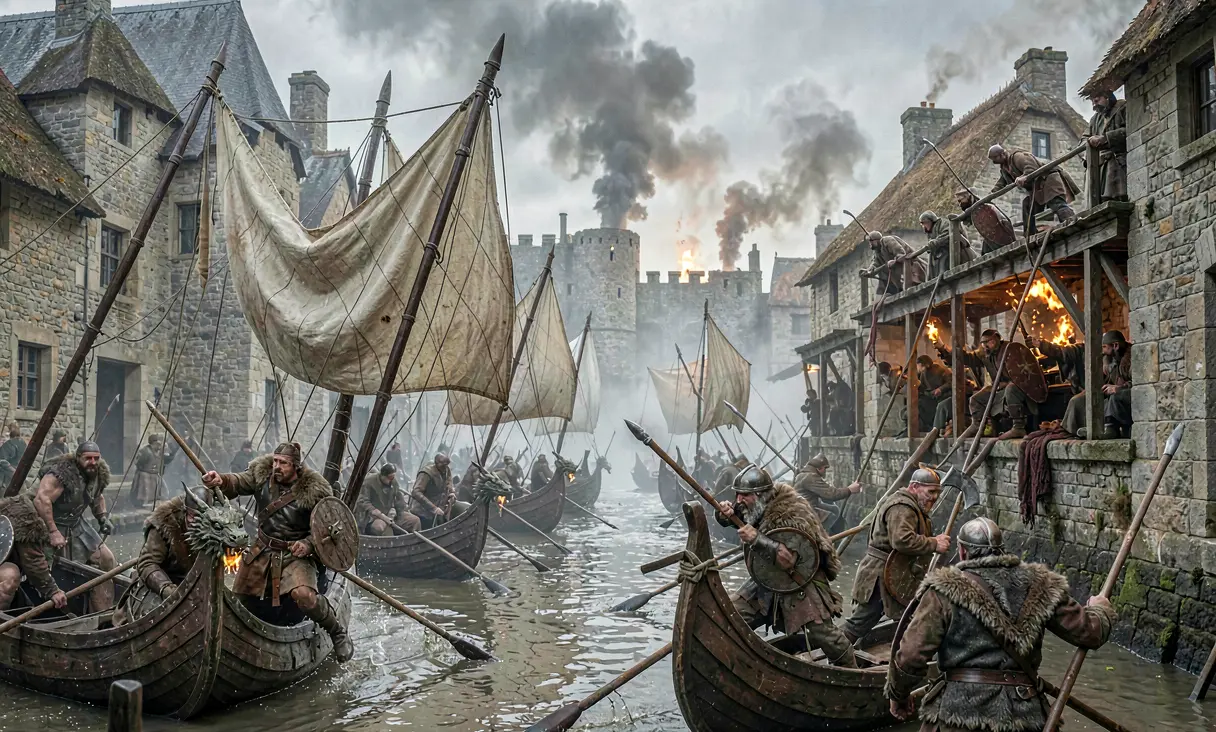 WarViking Siege of Paris885 CE · Paris, FranceViking raiders led by Sigfred besiege Paris for over a year, testing the defenses of West Francia.
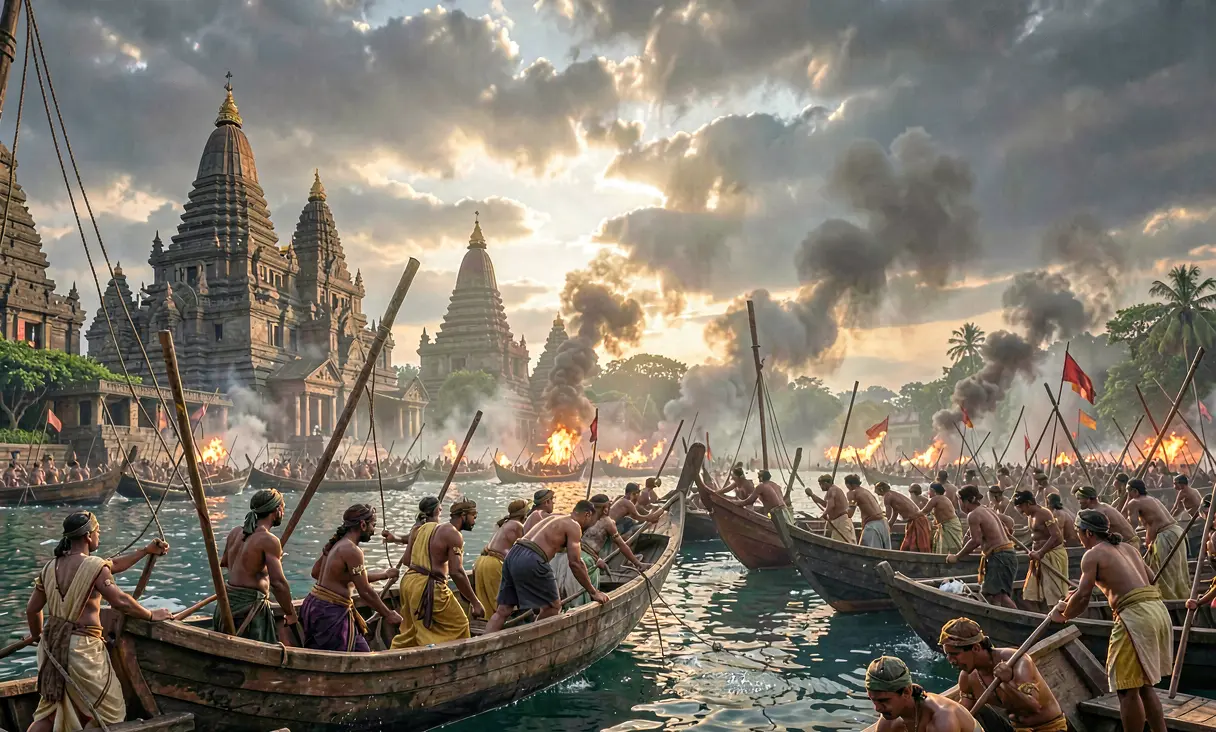 WarChola Conquest of Sri Lankac. 993 CE · Anuradhapura, Sri LankaRajaraja Chola launches a massive amphibious invasion of Sri Lanka, defeating the Sinhalese kingdom and annexing the island.
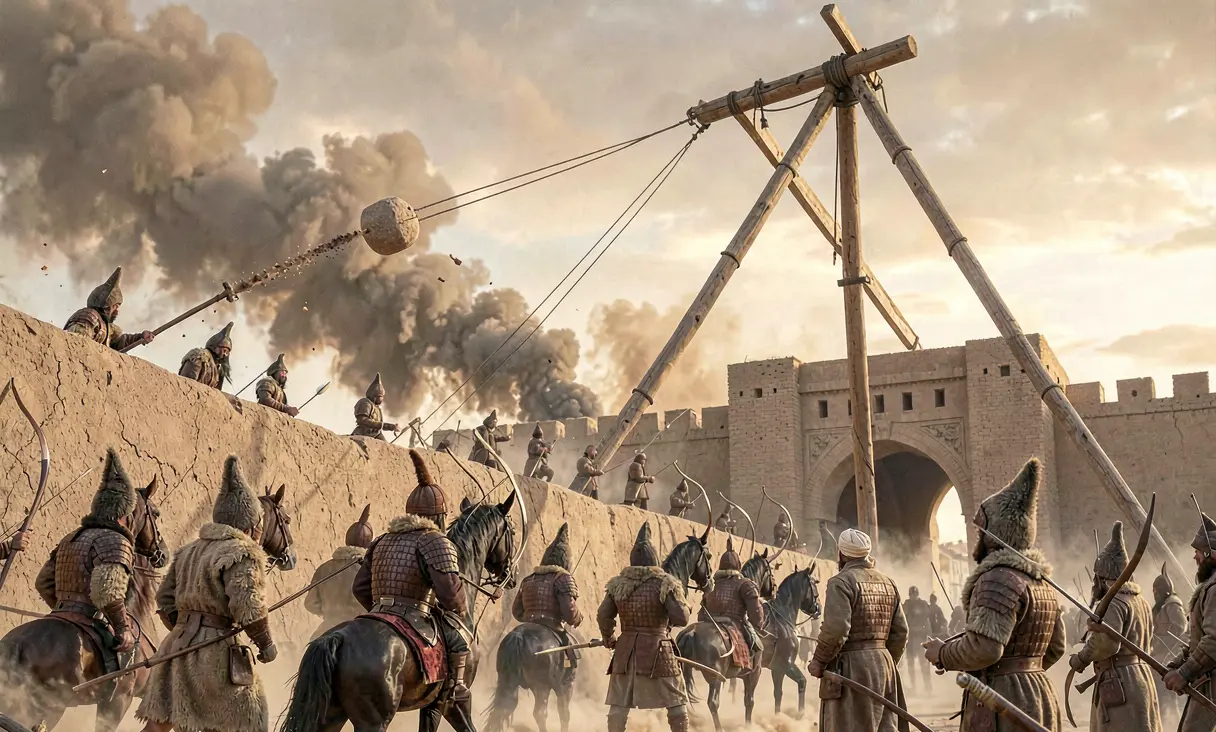 WarMongol Invasion of Khwarezmiac. 1219 CE · Urgench, Khwarazm (modern Uzbekistan/Turkmenistan)Genghis Khan launches a massive invasion of the Khwarezmian Empire, destroying its cities and ending Persian dominance in Central Asia.
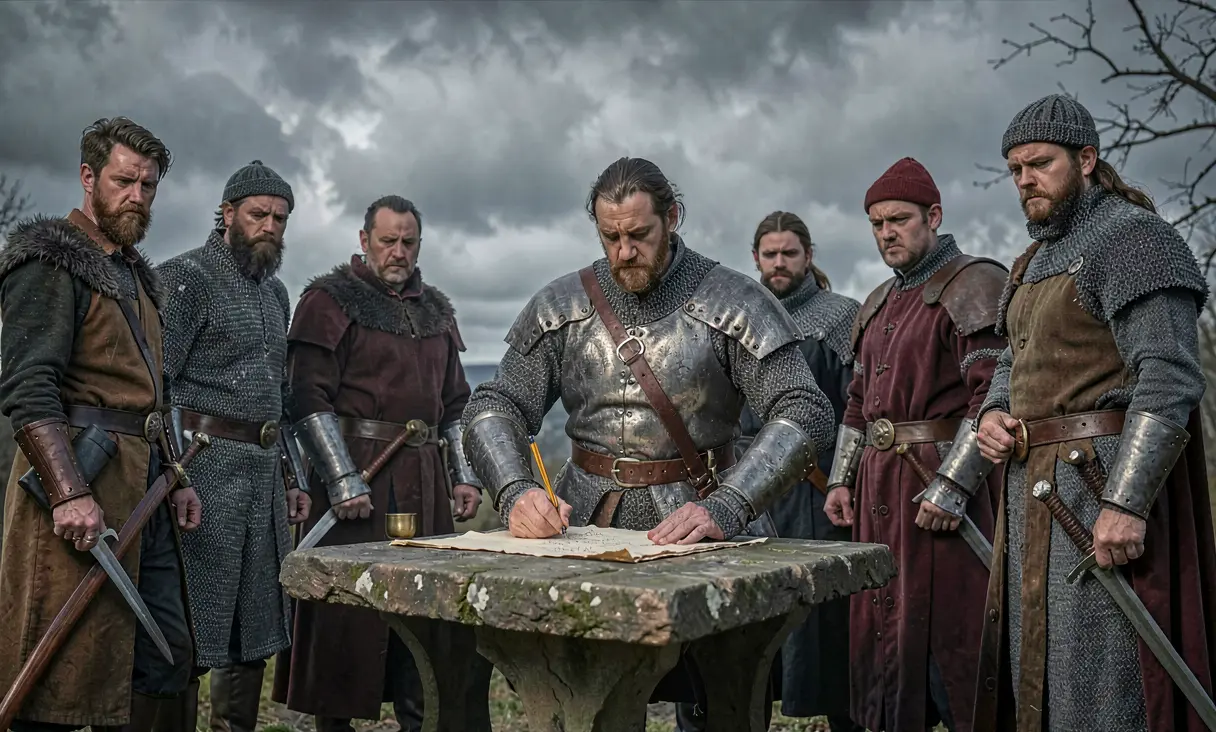 PoliticsSigning of Magna CartaJune 15, 1215 CE · Runnymede, EnglandKing John agrees to limit royal power establishing rule of law principles.
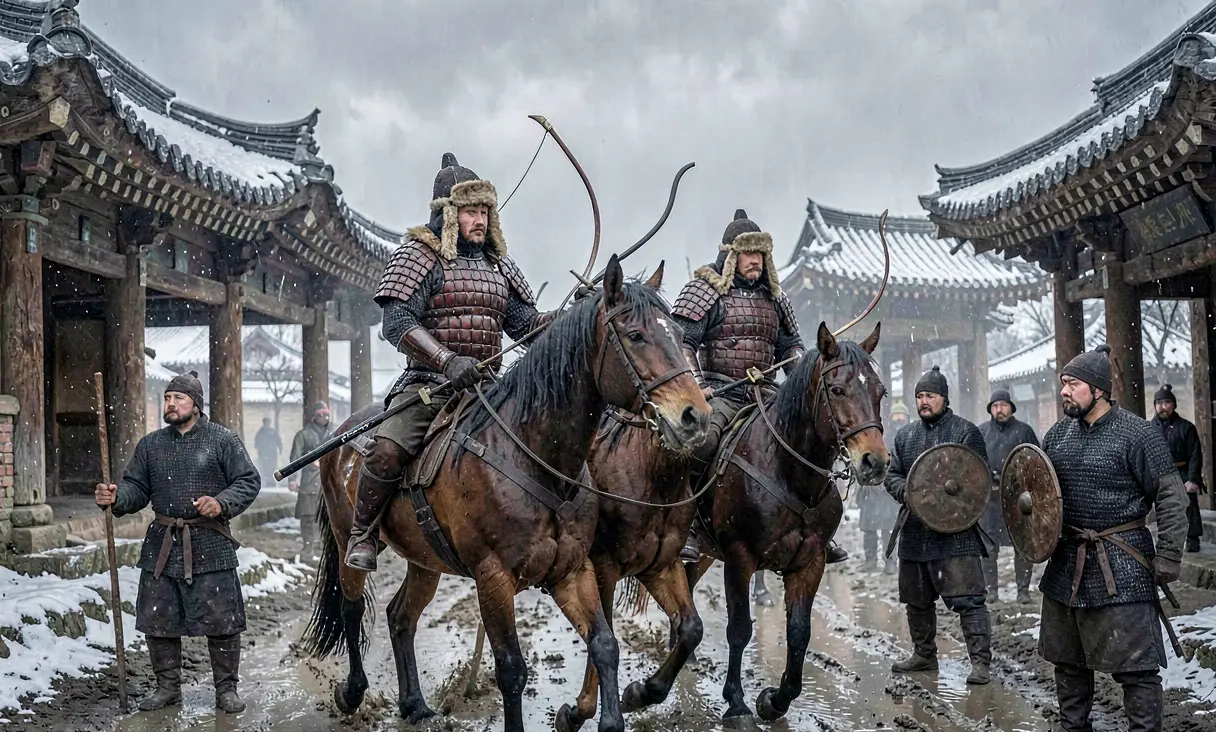 WarMongol Invasion of Goryeo Begins1231 CE · Seoul (Kaesong), KoreaMongol forces under Sartai invade Goryeo, initiating decades of conflict.
Discussion
Loading…