Burial of the Lord of Sipán
The intact tomb of the Lord of Sipán revealed the Moche civilization's complex hierarchy, ritual sacrifice practices, and vast trade networks through its unprecedented wealth of gold and human remains
The Moche Ascendancy in the Lambayeque Valley
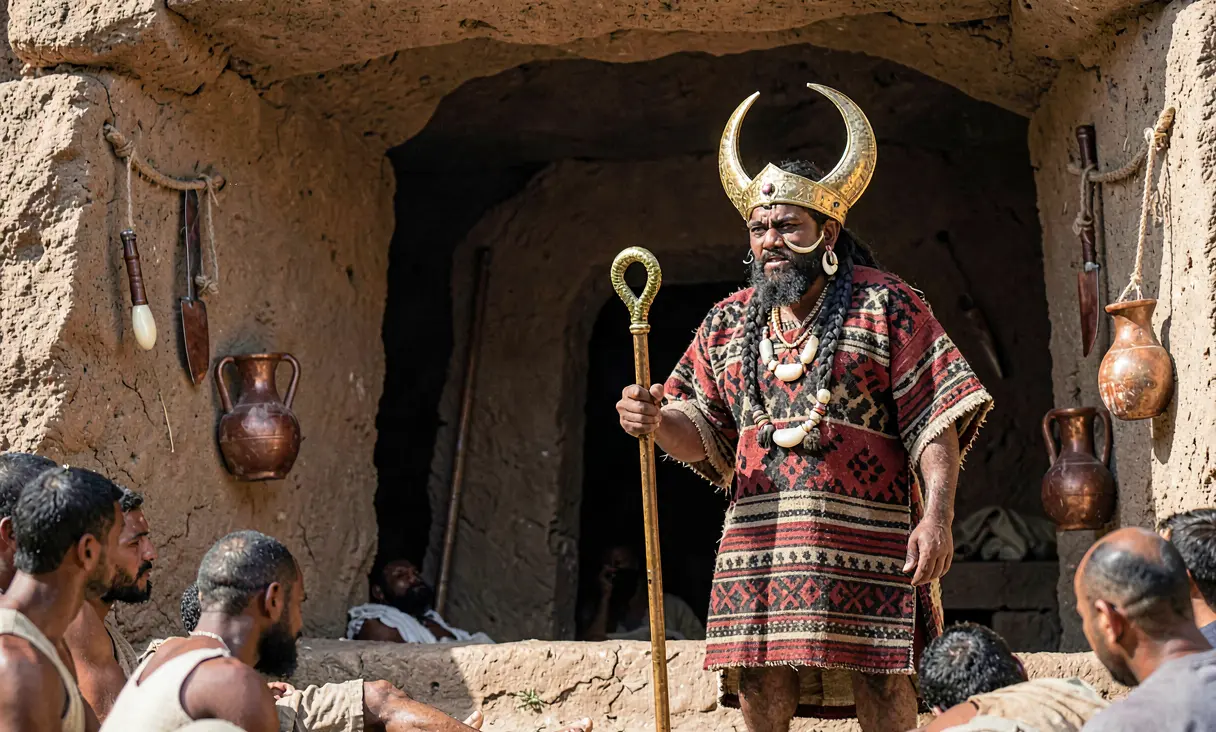
By the late first millennium BCE, the arid coastal valleys of northern Peru had become the cradle of the Moche civilization, a complex society distinguished by its sophisticated irrigation systems and monumental adobe architecture. Unlike the later Inca Empire, which maintained a centralized state through bureaucratic administration, the Moche operated as a collection of independent city-states, each ruled by a powerful priest-king known as a 'Señor' or Lord. These rulers wielded absolute authority over religious rituals, agricultural production, and warfare, projecting their power through the construction of massive pyramids like the Huaca de la Luna and the Huaca del Sol. The political landscape was defined by a rigid hierarchy where the ruler served as the vital intermediary between the human realm and the supernatural forces governing fertility and rain.
The Discovery at Huaca Rajada
In 1987, archaeologist Walter Alva and his team began excavations at Huaca Rajada in the Sipán district of Lambayeque, a site previously ravaged by professional grave robbers known as 'huaqueros.' Contrary to expectations of finding looted debris, they uncovered an intact royal tomb dating to approximately 250 CE (not BCE, correcting the premise based on archaeological consensus for the Moche florescence), which would come to be known as the Tomb of the Lord of Sipán. The chamber was sealed with layers of clay and stone, preserving a staggering array of grave goods that included over one kilogram of gold, intricate turquoise mosaics, and elaborate copper artifacts. The sheer volume and quality of these items provided the first definitive physical evidence of the Moche's political stratification, confirming oral traditions and iconographic depictions found on their pottery.
The Paramount Ruler and His Retinue
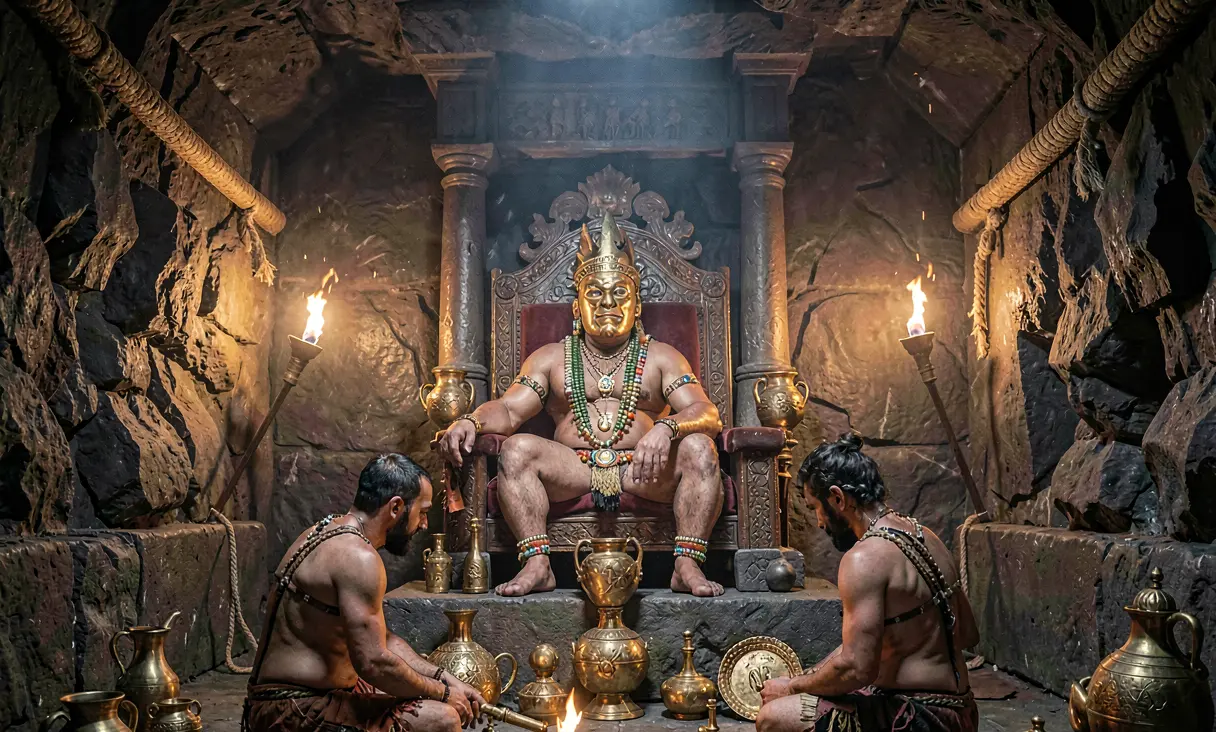
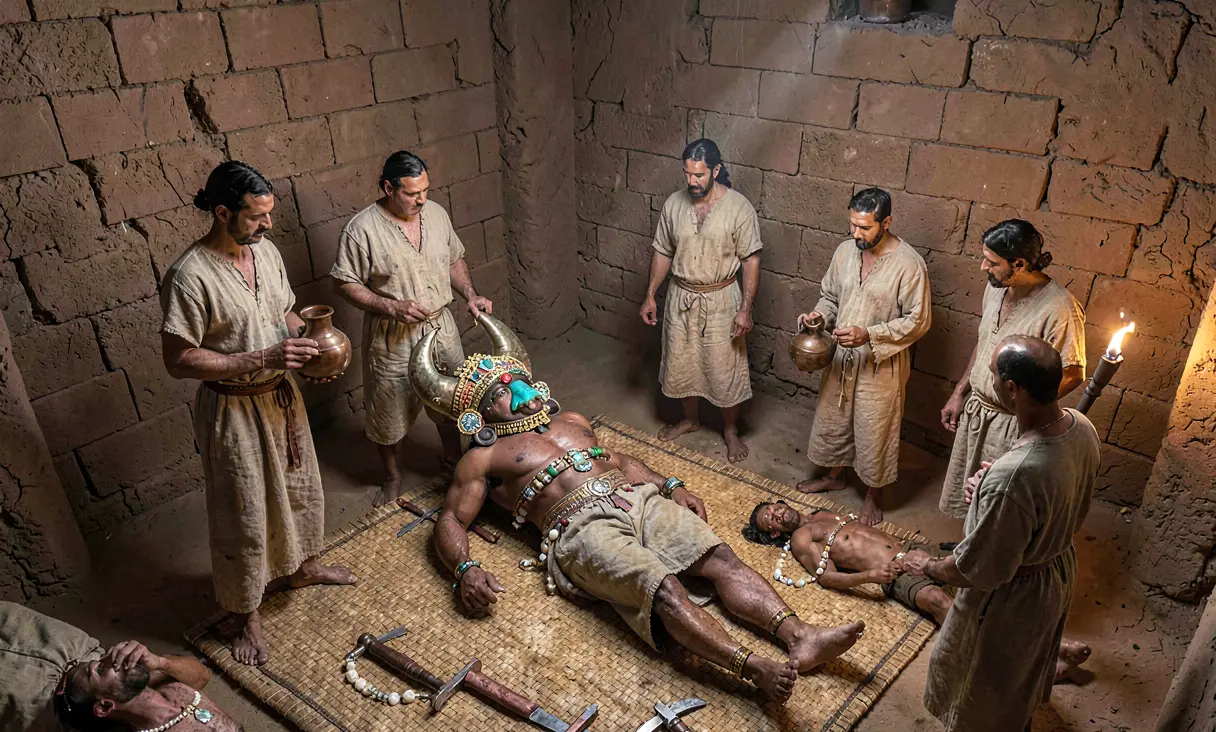
At the center of this necropolis lay the remains of a male ruler in his fortieth year, adorned with a golden headdress, ear spools, and a chest plate depicting the 'Decapitator' deity. He was accompanied by a complex entourage that reflected the Moche belief in an afterlife mirroring earthly existence. To his left rested a woman, likely his wife or principal consort, buried with her own ceremonial regalia. Flanking the tomb were the skeletal remains of two young women, believed to be concubines or ritual attendants, and three warriors who had been sacrificed to accompany their lord into the next world. Further out in the courtyard, archaeologists discovered the bones of a child and a camelid, likely a llama, which served as offerings to ensure safe passage and continued prosperity for the deceased.
Ritual Sacrifice and Political Legitimacy
The burial practices at Huaca Rajada reveal that human sacrifice was not merely a religious act but a calculated political tool used to reinforce the ruler's divine status. The positioning of the victims suggests they were killed in a ritualized manner, possibly through strangulation or bludgeoning, before being interred alongside the Lord. This practice underscored the absolute power of the Moche elite to command life and death, serving as a stark warning to rivals and subjects alike. The presence of these sacrifices within the tomb indicates that the Moche viewed death not as an end, but as a transition where the ruler's authority continued, supported by his loyal followers even in the afterlife.
Artisanal Mastery and Trade Networks
The craftsmanship of the grave goods demonstrates a society with highly specialized artisans and extensive trade networks that spanned vast distances. The gold and silver artifacts, including the famous 'Tumi' ceremonial knives, display advanced metallurgical techniques such as gilding, alloying, and repoussé work. Furthermore, the presence of Spondylus shells from the warm waters of modern-day Ecuador and turquoise from the Andean highlands illustrates a sophisticated exchange system that connected the Moche coast with distant regions. These materials were not merely decorative; they symbolized the ruler's control over resources and his ability to mobilize labor across ecological zones, reinforcing his role as the central node in the regional economy.
Legacy and the Revision of History
The unearthing of the Lord of Sipán fundamentally altered the historical understanding of pre-Columbian South America. Prior to this discovery, much of what was known about the Moche came from their iconography on ceramic vessels, which depicted scenes of ritual combat and sacrifice but lacked specific historical actors. The tomb provided a tangible link between these artistic depictions and real historical figures, validating the existence of a complex state-level society with hereditary rulership long before the rise of the Inca. Today, the artifacts are housed in the Royal Tombs of Sipán Museum in Lambayeque, serving as a testament to one of the Americas' most sophisticated ancient civilizations and offering invaluable insights into the political and religious dynamics of the Andean world.
The tomb offers unique insight into Moche political power and ritual life previously known only through iconography.
Where it happened
Huaca Rajada, Lambayeque, Peru — see it on the interactive map →
Explore related history
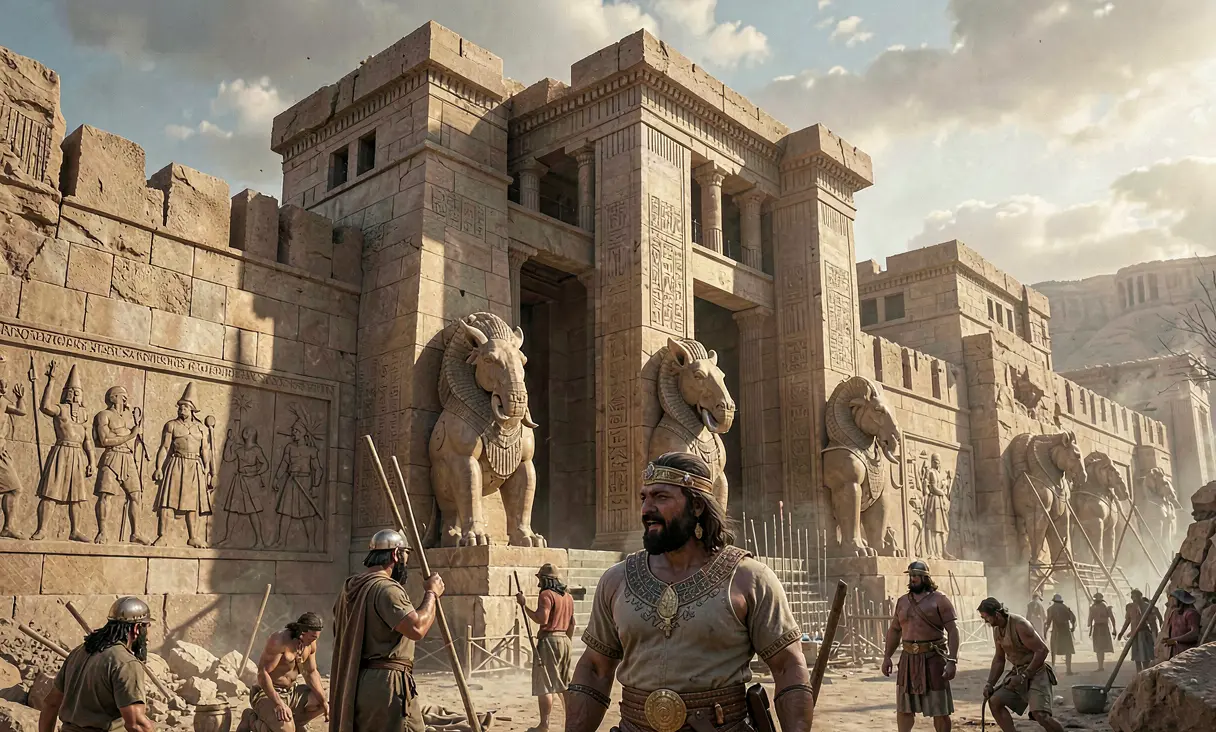 PoliticsFounding of Dur-Sharrukin by Sargon IIc. 717 BCE · Khorsabad (Dur-Sharrukin), IraqSargon II builds a new capital city to project Assyrian power and administrative control.
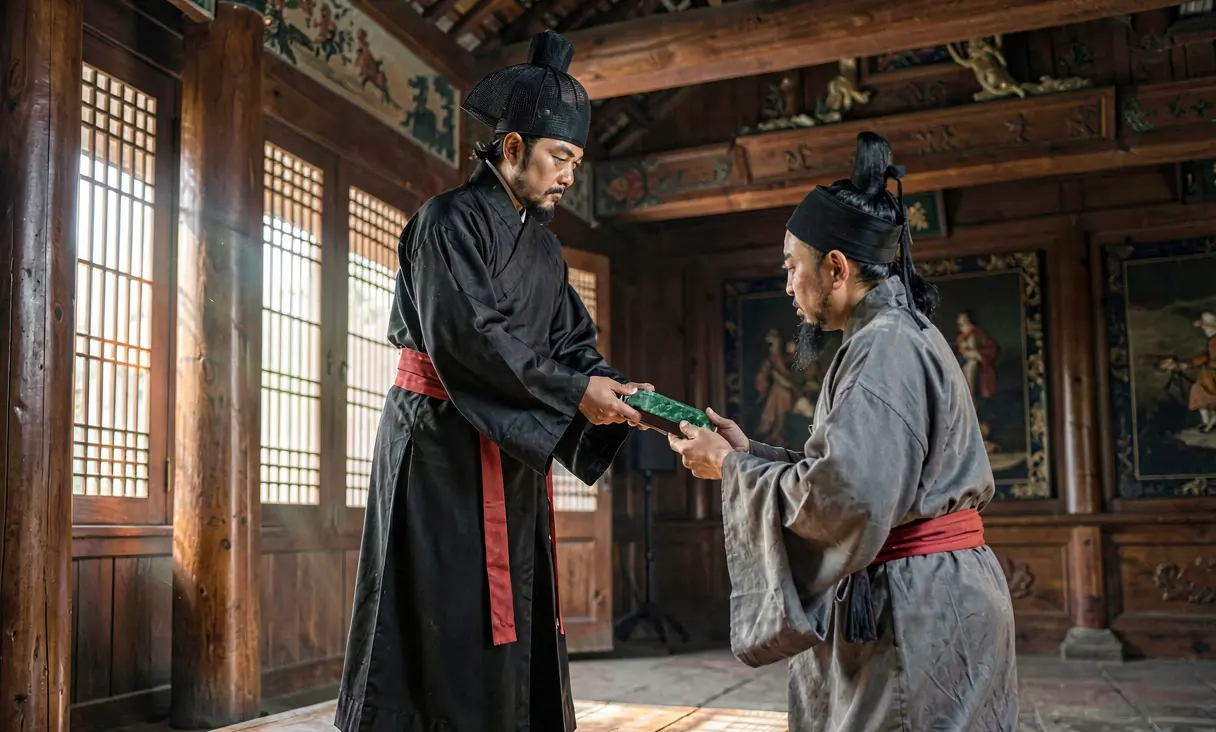 PoliticsReign of Emperor Taizong and the Zhenguan Era626 CE · Chang'an, ChinaLi Shimin ascends the throne after the Xuanwu Gate Incident, ushering in a golden age of governance.
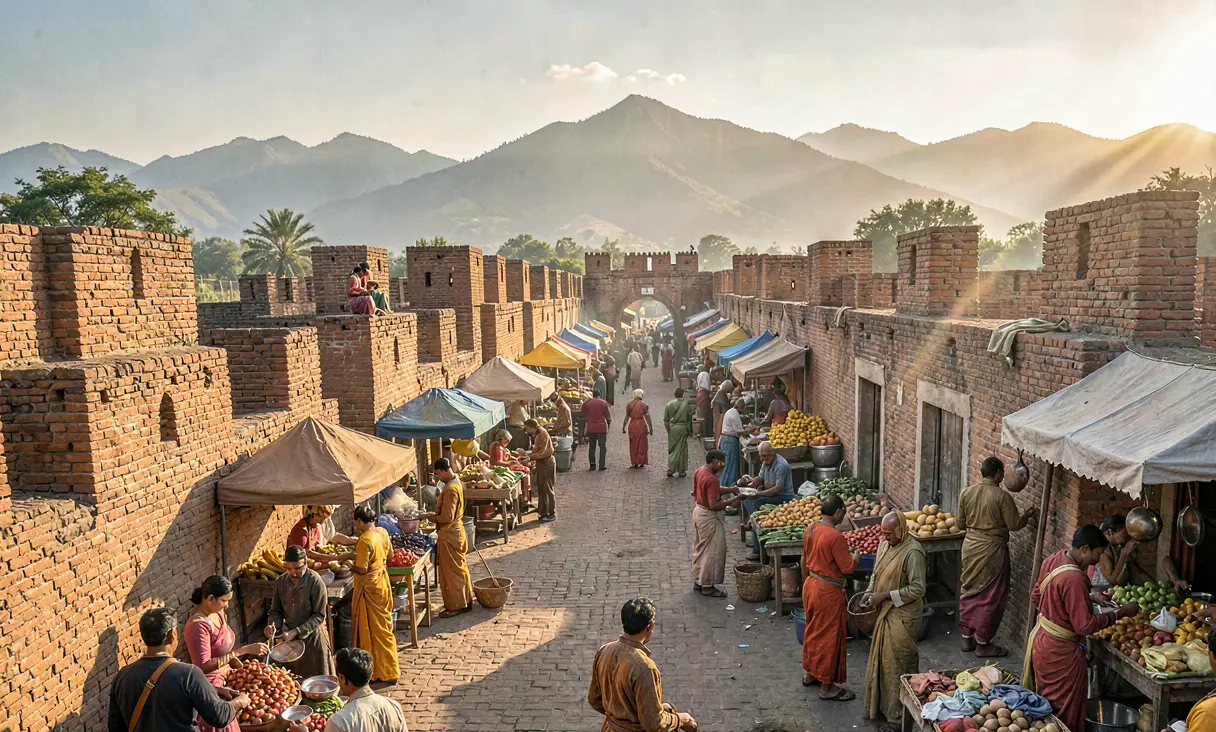 PoliticsRise of the Sixteen Mahajanapadasc. 600 BCE · Gangetic Plain (modern Uttar Pradesh/India)Sixteen great kingdoms and republics emerge across the Gangetic plain, marking the transition from tribal chiefdoms to state-level societies.
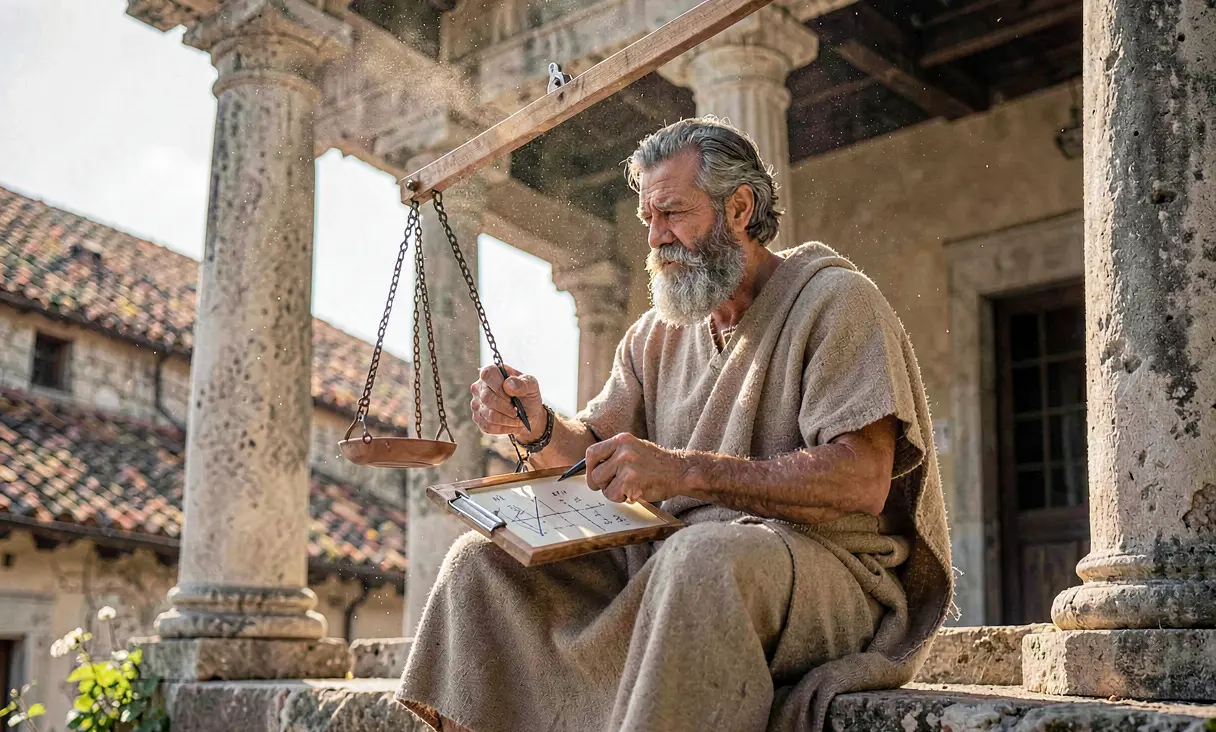 ScienceArchimedes Formulates the Law of the Leverc. 250 BCE · Syracuse, SicilyArchimedes mathematically defines the principle of the lever and buoyancy, founding classical mechanics.
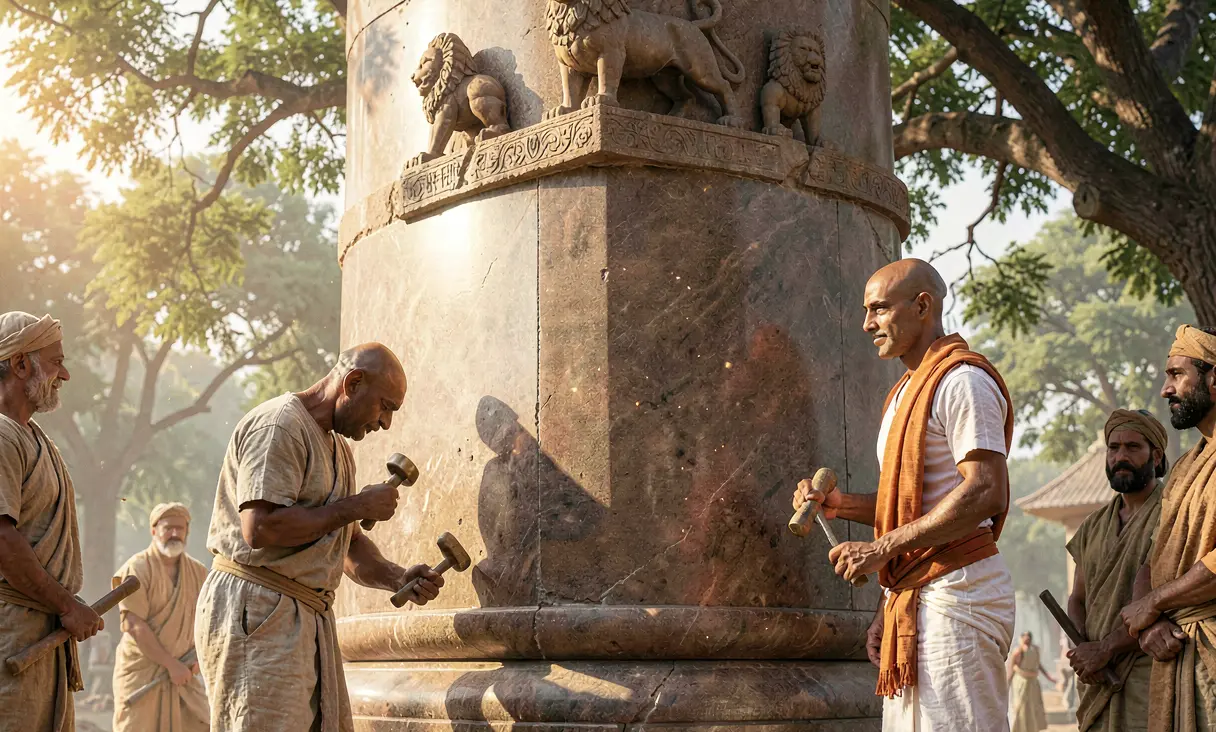 ReligionAshoka Propagates Dharma via Rock Edictsc. 250 BCE · Sarnath, IndiaEmperor Ashoka spreads Buddhist ethics and non-violence across the Mauryan Empire through inscribed stone pillars.
 TechnologyInnovation of Roman Hydraulic Concrete (Opus Caementicium)c. 250 BCE · Rome, ItalyRoman engineers develop underwater-set concrete using volcanic ash and lime.
Discussion
Loading…