Development of Linear A Script by Minoans
Developed c. 1800 BCE in Crete, the undeciphered Linear A script reveals the sophisticated bureaucracy of the Minoan civilization while preserving an enduring linguistic mystery.
The Protopalatial Crucible
Around 1900 BCE, the island of Crete entered a transformative era known as the Protopalatial period, marked by the construction of the first great palaces at Knossos, Phaistos, Malia, and Zakros. These monumental complexes were not merely royal residences but the engines of a sophisticated redistributive economy that required rigorous record-keeping. As trade networks expanded across the Aegean and into Egypt and the Near East, the existing Cretan hieroglyphic script, used since the Early Bronze Age, proved insufficient for the growing complexity of administrative demands. The Minoan elite needed a more efficient system to track vast quantities of grain, oil, wine, wool, and precious metals moving through palace storehouses.
Emergence of Linear A
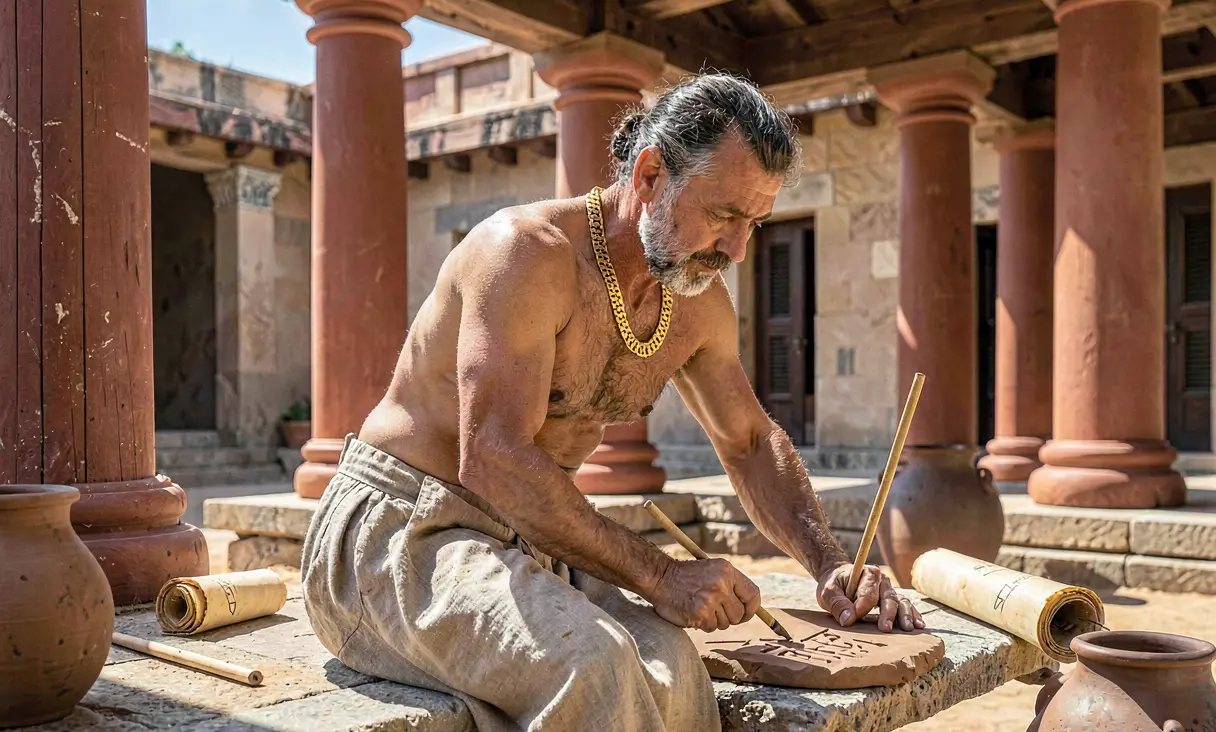
By approximately 1800 BCE, scribes in the Knossos workshops began adapting the older Cretan hieroglyphs into a new, streamlined system known today as Linear A. This script represented a significant technological leap, transitioning from complex pictorial representations to abstracted syllabic signs and ideograms. The system comprised roughly 75 phonetic signs representing open syllables (consonant-vowel combinations) alongside over 100 ideograms denoting specific commodities, animals, or units of measurement. Unlike the later Linear B script, which would be repurposed to write Mycenaean Greek, Linear A was designed specifically for the Minoan language, often referred to by scholars as Eteocretan, a non-Indo-European tongue that remains elusive to modern linguists.
The Bureaucratic Machinery
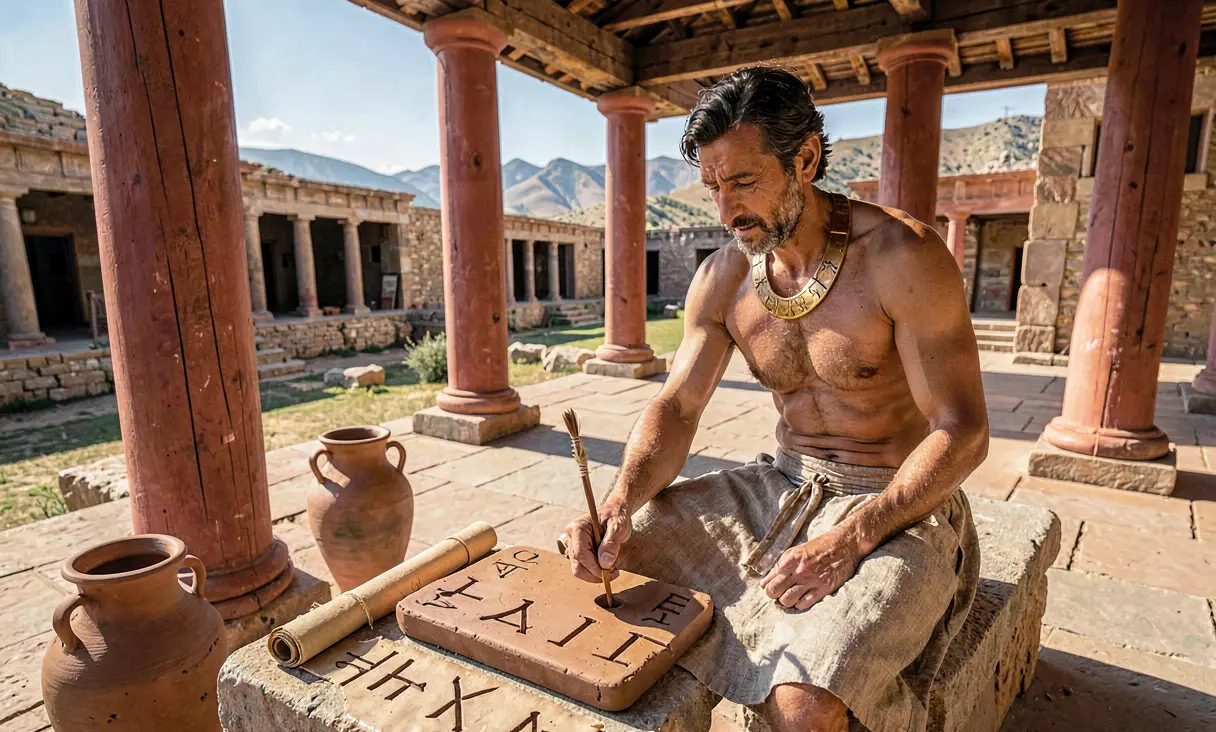
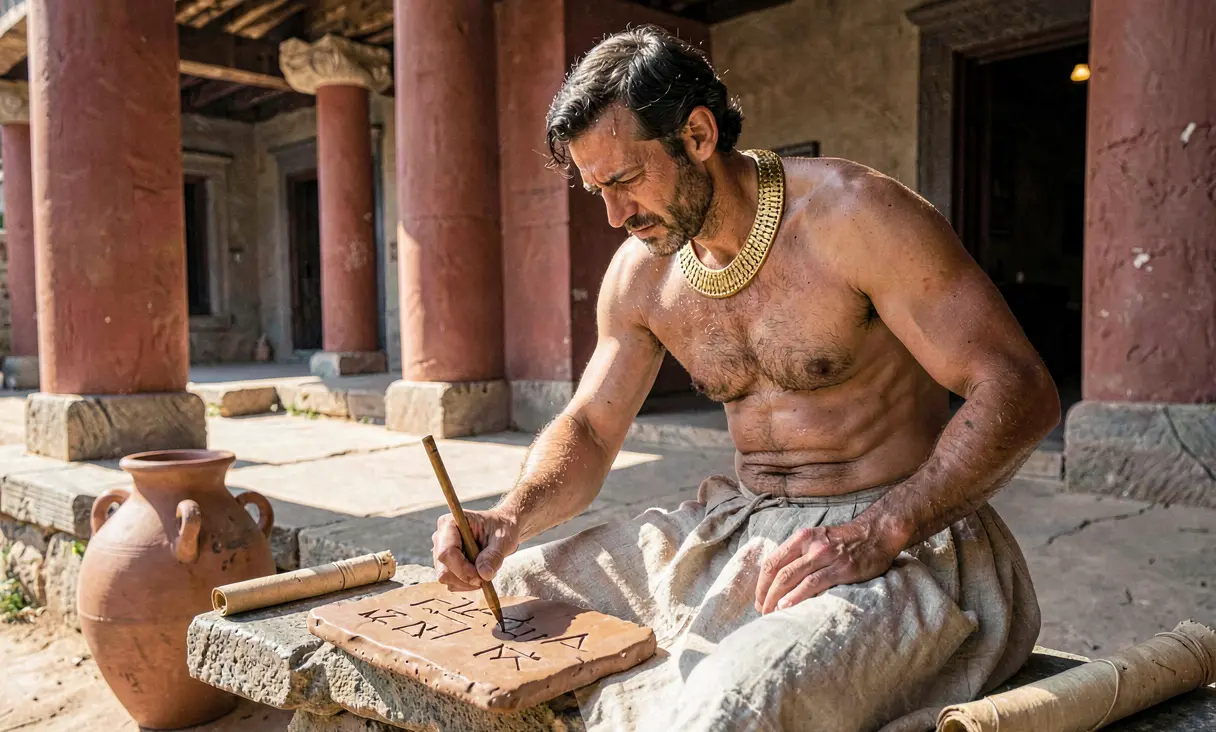
The deployment of Linear A was inextricably linked to the functioning of the palace economy. Scribes, likely trained in specialized quarters within the palaces, inscribed clay tablets with wet styluses before baking them for durability. These documents were not literary or historical narratives but precise administrative ledgers recording inventories, labor allocations, and religious offerings. The script also appeared on seal stones used to secure storage jars and doorways, as well as on votive objects deposited in sacred caves like the Peak Sanctuary of Juktas near Knossos. This dual usage highlights how Linear A served both the secular machinery of trade and the spiritual life of the civilization.
The Linguistic Enigma
Despite over a century of intense scholarly effort, Linear A remains undeciphered, standing as one of the most enduring mysteries in the history of writing. While the phonetic values of many signs have been tentatively assigned based on their similarity to the later, deciphered Linear B script, the underlying language resists translation. Scholars can identify numbers and some commodity names through comparative analysis with known Greek terms used in Linear B, but the grammar, syntax, and vocabulary of the Minoan language remain opaque. This linguistic barrier prevents historians from fully understanding Minoan mythology, law, or daily life as expressed by the people themselves.
Transition and Disappearance
The dominance of Linear A persisted throughout the Neopalatial period (c. 1700–1450 BCE), the zenith of Minoan power. However, following the catastrophic eruption of Thera and the subsequent rise of Mycenaean influence on Crete around 1450 BCE, the script began to vanish from the archaeological record at major sites like Knossos. It was gradually replaced by Linear B, which utilized a similar graphic repertoire but encoded the Greek language. The abrupt cessation of Linear A usage suggests a fundamental shift in political control and administrative personnel, effectively silencing the written voice of the indigenous Minoan culture.
Legacy of an Unread Voice
The legacy of Linear A extends beyond its immediate utility as an accounting tool; it stands as a testament to the intellectual sophistication of the Minoan civilization. The script's existence proves that Crete possessed a highly centralized bureaucracy capable of managing complex economic networks centuries before the rise of classical Greece. Its undeciphered nature continues to drive archaeological inquiry and linguistic theory, serving as a constant reminder of how much of human history remains hidden behind the veil of lost languages. Every fragment of Linear A recovered from the ruins of Knossos or Phaistos represents a silent plea for understanding a unique cultural identity that shaped the Bronze Age Aegean.
Linear A stands as one of history's great linguistic puzzles, representing a sophisticated but lost civilization's administrative capacity.
Where it happened
Knossos, Crete (Greece) — see it on the interactive map →
Explore related history
 ScienceDomestication of the Turkey in Mesoamericac. 1000 BCE · Central MexicoAncient Mesoamericans successfully domesticate the wild turkey for meat and ritual feathers.
 ScienceSankore Madrasah Becomes a Center of Learning in Timbuktuc. 1450 CE · Timbuktu, MaliThe Sankore Madrasah emerges as a premier university for Islamic scholarship in West Africa.
 ScienceSurvival of the Madrid Codex Amidst Destructionc. 1450 CE · Maya Region (Yucatán), MexicoThe Madrid Codex is created just before the Spanish destruction of Maya books.
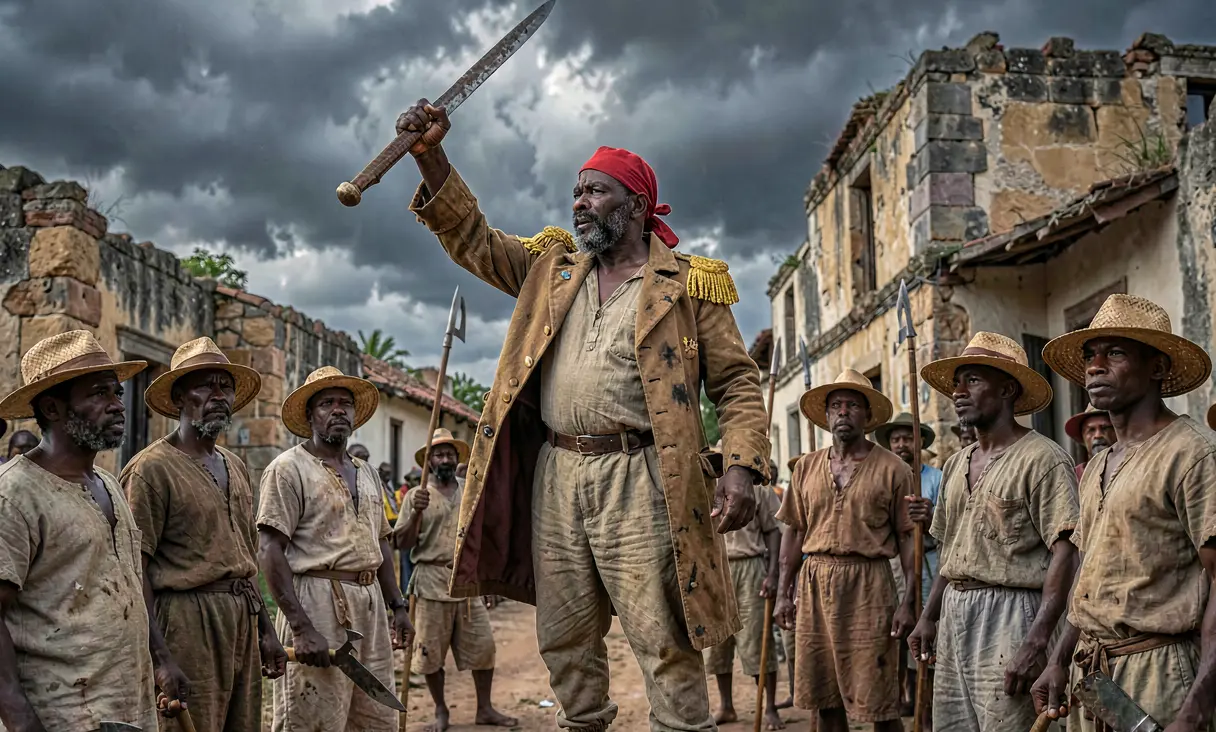 PoliticsDeclaration of Haitian IndependenceJanuary 1, 1804 · Gonaïves, Saint-DomingueJean-Jacques Dessalines proclaims the independence of Haiti, establishing the first black republic in history.
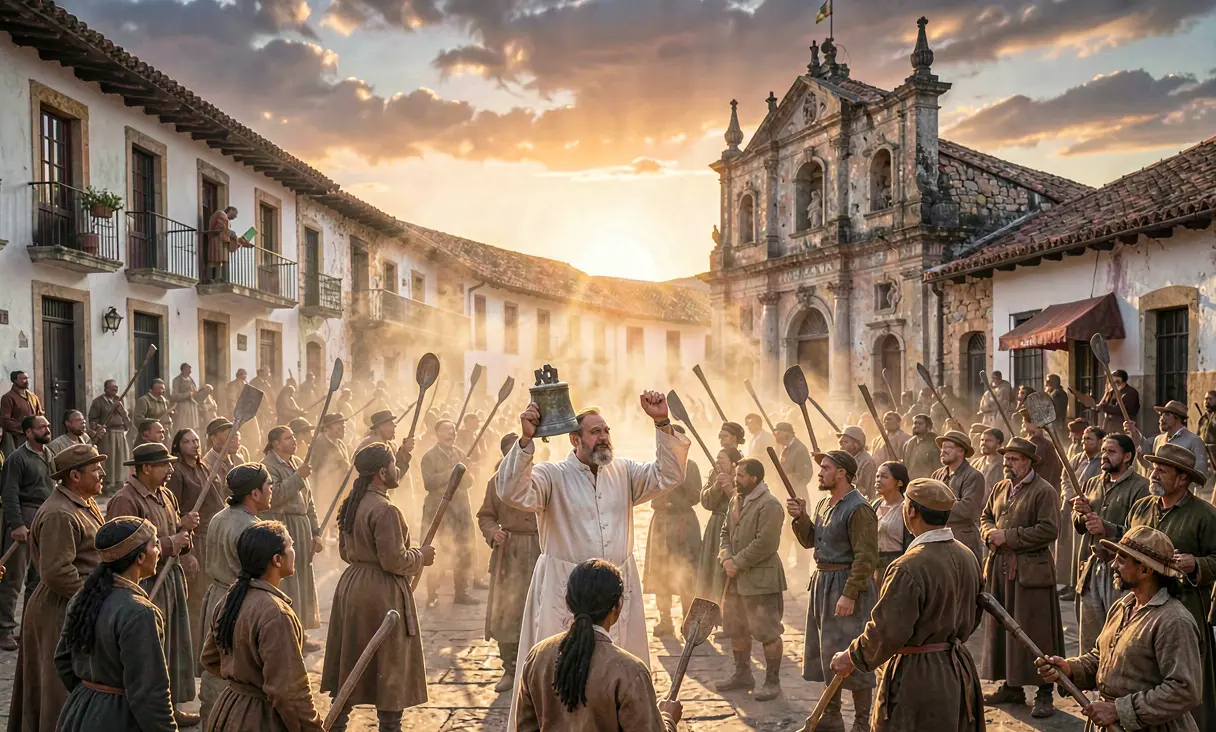 PoliticsCry of Dolores: Mexican War of Independence BeginsSeptember 16, 1810 · Dolores Hidalgo, MexicoMiguel Hidalgo y Costilla issues a call to arms against Spanish rule, igniting the Mexican War of Independence.
 PoliticsCongress of Tucumán Declares Argentine IndependenceJuly 9, 1816 · San Miguel de Tucumán, ArgentinaDelegates from the United Provinces of the Río de la Plata formally declare independence from Spain.
Discussion
Loading…