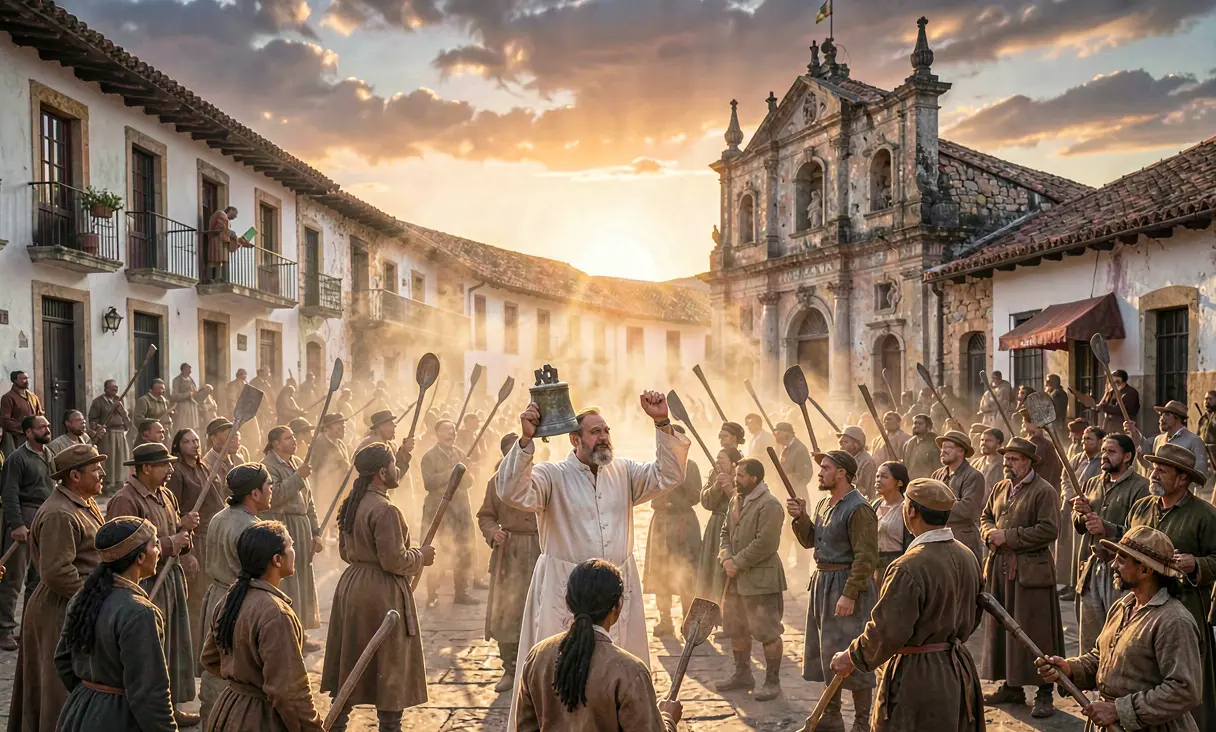
Cry of Dolores: Mexican War of Independence Begins
Father Miguel Hidalgo's 1810 bell-ringing in Dolores ignited Mexico's War of Independence, mobilizing a massive popular army against Spanish rule and birthing the modern Mexican nation.
The Spark in New Spain
By the late 18th century, the Viceroyalty of New Spain was a powder keg of social stratification and economic grievance. The Bourbon Reforms had tightened royal control, marginalizing the creole elite while indigenous and mestizo populations suffered under oppressive tribute systems. In the quiet town of Dolores, located in the Bajío region, Father Miguel Hidalgo y Costilla emerged as a central figure within a secret conspiracy known as the Querétaro Conspiracy. This group, comprising disaffected intellectuals and military officers like Ignacio Allende and Juan Aldama, initially planned an armed uprising for December 8, 1810, aiming to depose the Spanish viceroy and establish a local junta.
The Grito de Dolores
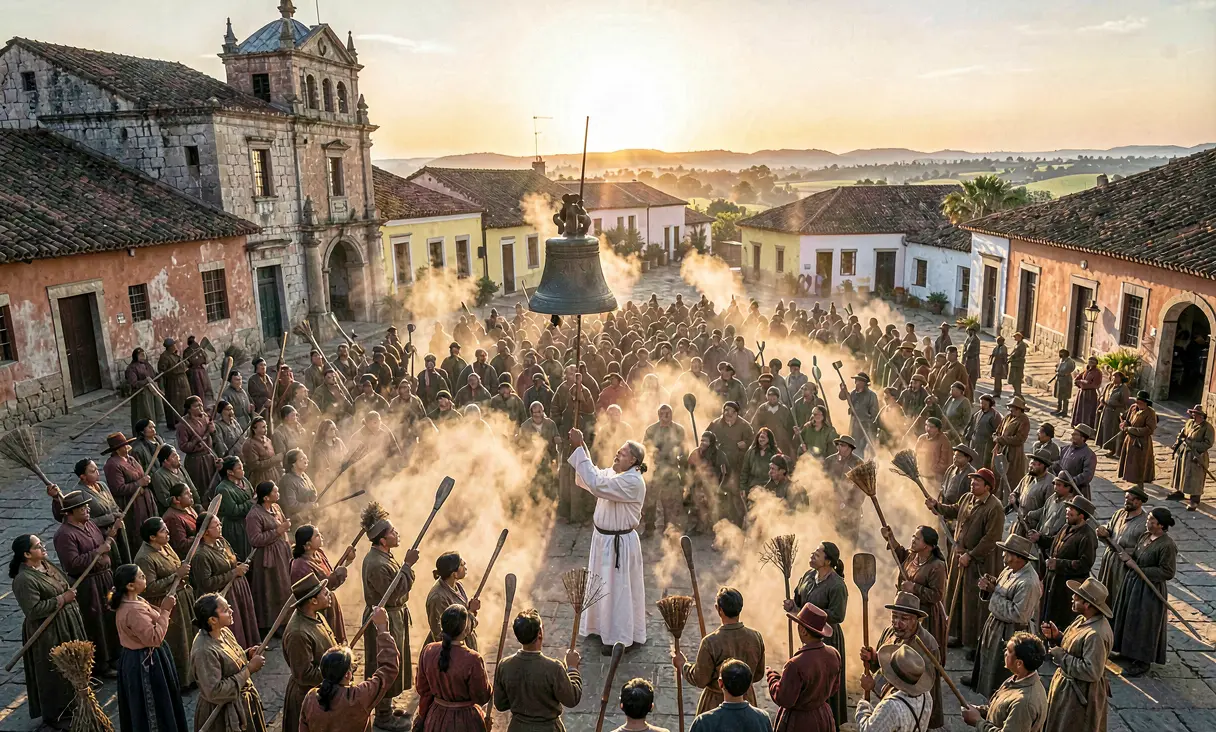
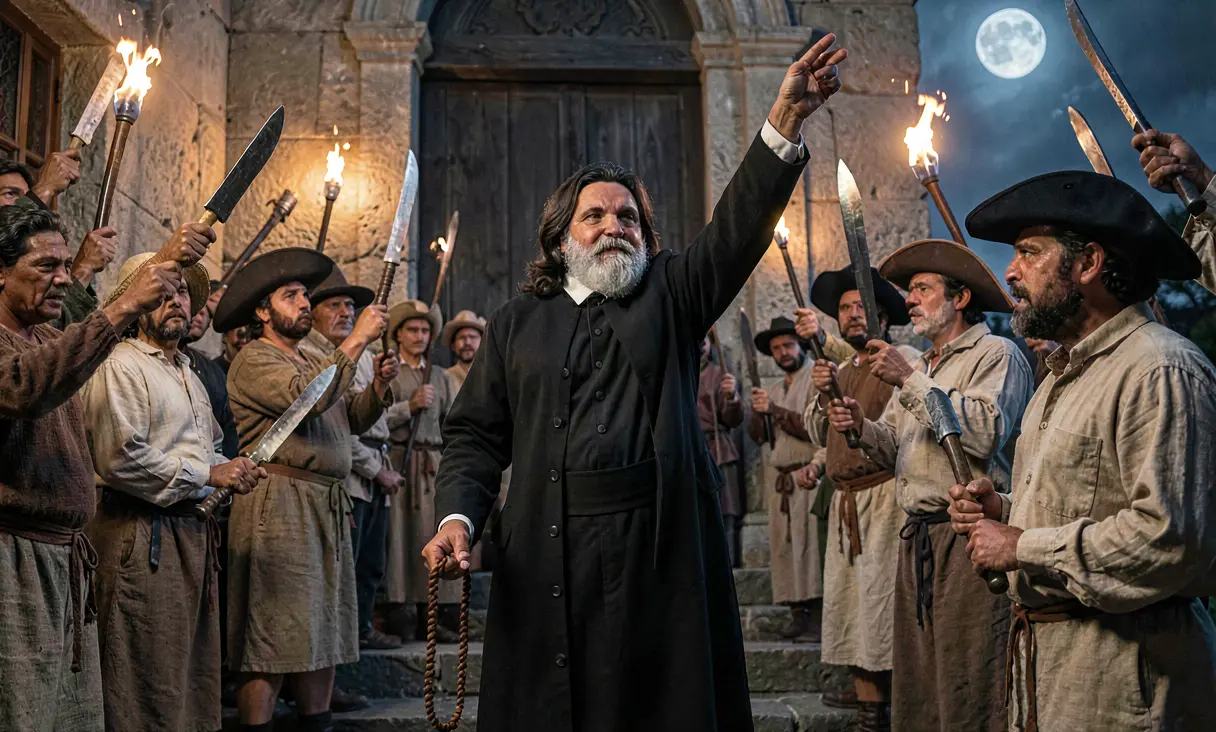
On the night of September 15, 1810, the conspiracy was betrayed by royalist informants. Facing imminent arrest, Hidalgo made the decisive choice to launch the revolt immediately. At approximately 6:00 a.m. on September 16, he rang the church bell, summoning the parishioners of Dolores. Standing before the gathered crowd in the town square, he delivered an impassioned address that called for the end of Spanish rule and the return of land to its indigenous owners. While the exact wording of his speech remains lost to history, contemporary accounts confirm he invoked the name of the Virgin of Guadalupe as a banner of unity, shouting '¡Viva la Virgen de Guadalupe!' and '¡Muerte al mal gobierno!'
The Ragtag Army Mobilizes
Hidalgo's call to arms resonated with the desperate masses. Within days, a force swelling from hundreds to over 80,000 men gathered in Dolores and nearby San Miguel el Grande. This was not a professional army but a heterogeneous mob of indigenous farmers, mestizo laborers, and even some creole sympathizers, armed primarily with machetes, clubs, and improvised pikes. Despite their lack of military training, the sheer size of the force paralyzed local royalist garrisons. The insurgents marched toward Mexico City, capturing the strategic city of Guanajuato in late September after a brutal siege that resulted in thousands of casualties, marking the first major bloodshed of the conflict.
The March to the Capital and Retreat
By November 1810, the insurgent army reached the outskirts of Mexico City. However, internal disorganization and a lack of siege discipline prevented Hidalgo from taking the capital. Fearing a massacre within the city walls and facing the approach of seasoned royalist troops under General Félix María Calleja, Hidalgo made the controversial decision to retreat north toward Guadalajara. The movement lost momentum as it moved away from its popular base, and the initial euphoria gave way to strategic confusion. In January 1811, at the Battle of Calderón Bridge near Guadalajara, the insurgent forces were decisively crushed by royalist artillery, shattering the illusion of a quick victory.
Capture and Execution
Following the defeat at Calderón Bridge, Hidalgo attempted to flee north toward the United States to secure foreign aid but was captured by royalist forces in Coahuila on March 21, 1811. He was defrocked by a church tribunal and handed over to civil authorities for execution. On July 30, 1811, Hidalgo was executed by firing squad in Chihuahua City. His head, along with those of his lieutenants Allende, Aldama, and Jiménez, was severed and displayed on the four corners of the Alhóndiga de Granaditas in Guanajuato as a grim warning to other rebels. Yet, the execution failed to extinguish the rebellion; it merely transformed it into a prolonged guerrilla war led by figures like José María Morelos.
Legacy and National Memory
Although Hidalgo did not live to see independence, his uprising fundamentally altered the political landscape of New Spain. The 'Grito de Dolores' became the foundational myth of modern Mexico, symbolizing the birth of national sovereignty. Since the late 19th century, the anniversary has been commemorated annually on September 15 and 16 by the President of Mexico from the National Palace in Mexico City, reenacting the cry that started it all. Hidalgo is revered as the 'Father of the Nation,' and his image adorns currency and monuments across the country, representing a complex legacy that bridges religious fervor, social justice, and anti-colonial resistance.
This event launched the decade-long struggle that ended over three centuries of Spanish colonial rule in Mexico.
Where it happened
Dolores Hidalgo, Mexico — see it on the interactive map →
Explore related history
 PoliticsSargon of Akkad Establishes the First Empirec. 2334 BCE · Akkad (Location uncertain, near Baghdad, Iraq)Sargon unifies Sumerian city-states to create the world's first multi-ethnic empire.
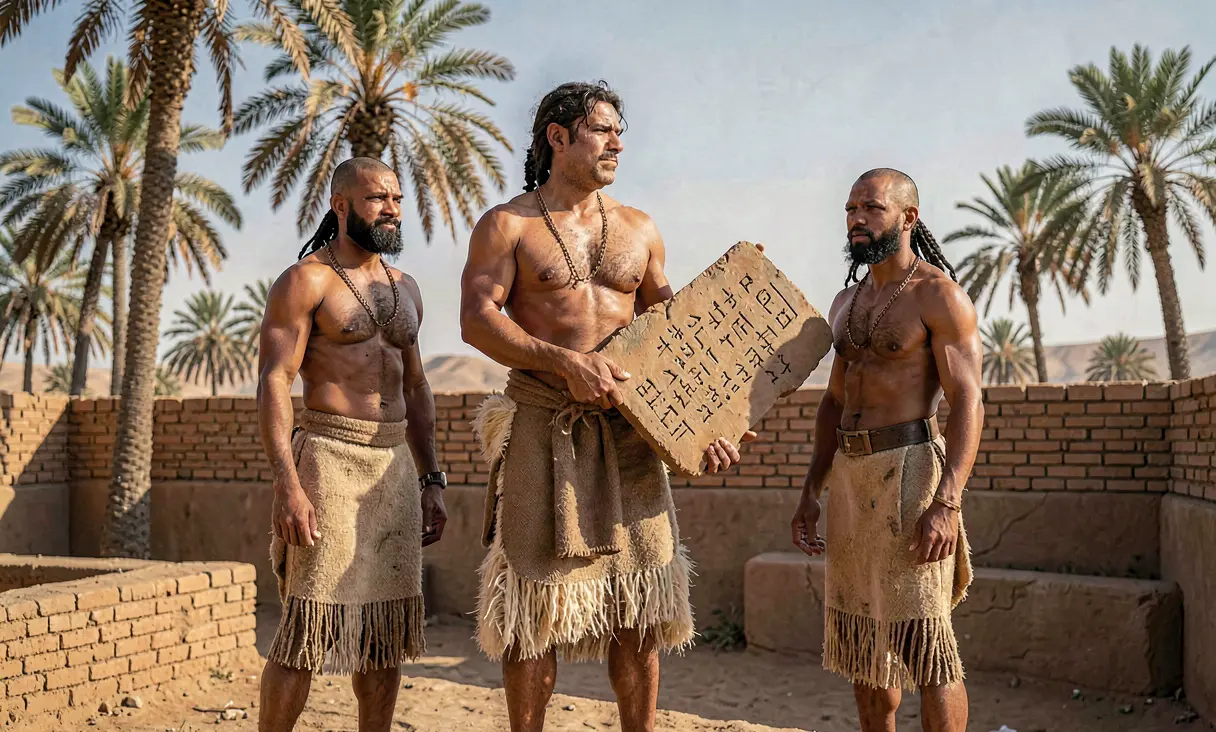 PoliticsPromulgation of the Code of Ur-Nammuc. 2100 BCE · Ur, Southern Mesopotamia (Iraq)The earliest known surviving law code is established in the Sumerian city of Ur.
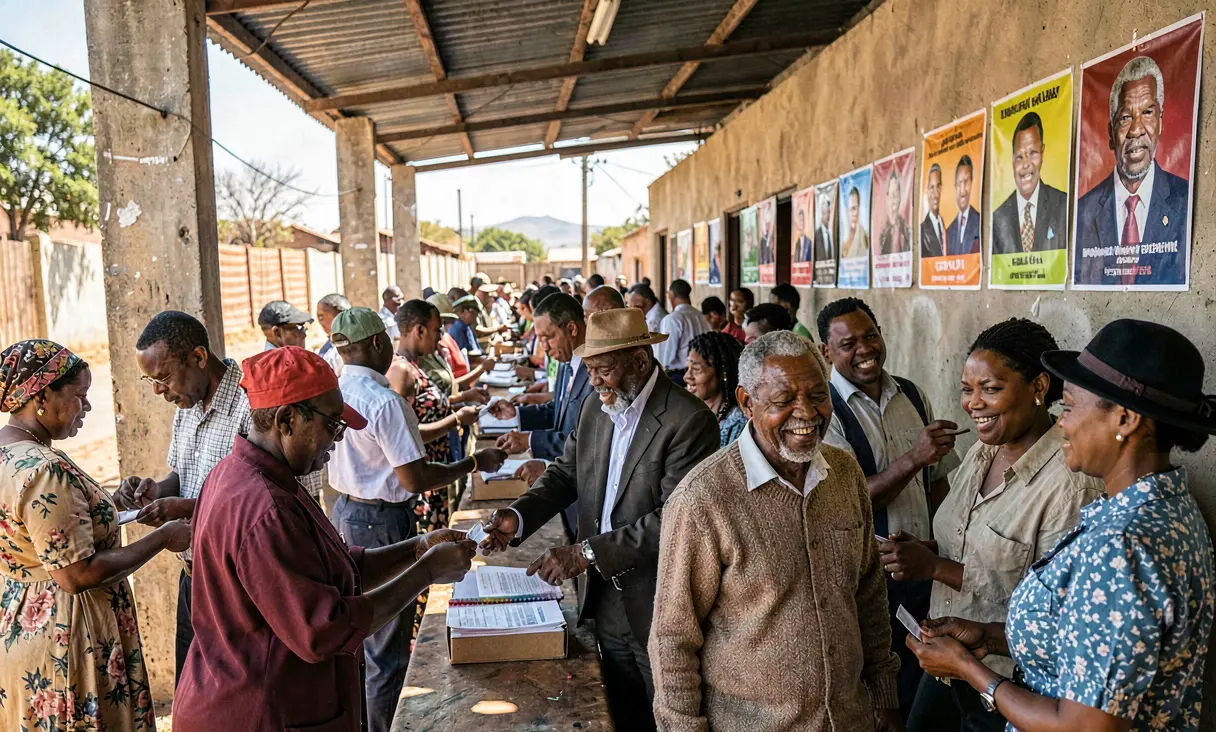 PoliticsNelson Mandela Elected President of South AfricaApril 27, 1994 · Cape Town, South AfricaSouth Africa holds its first democratic election, ending the apartheid regime and establishing a multiracial government.
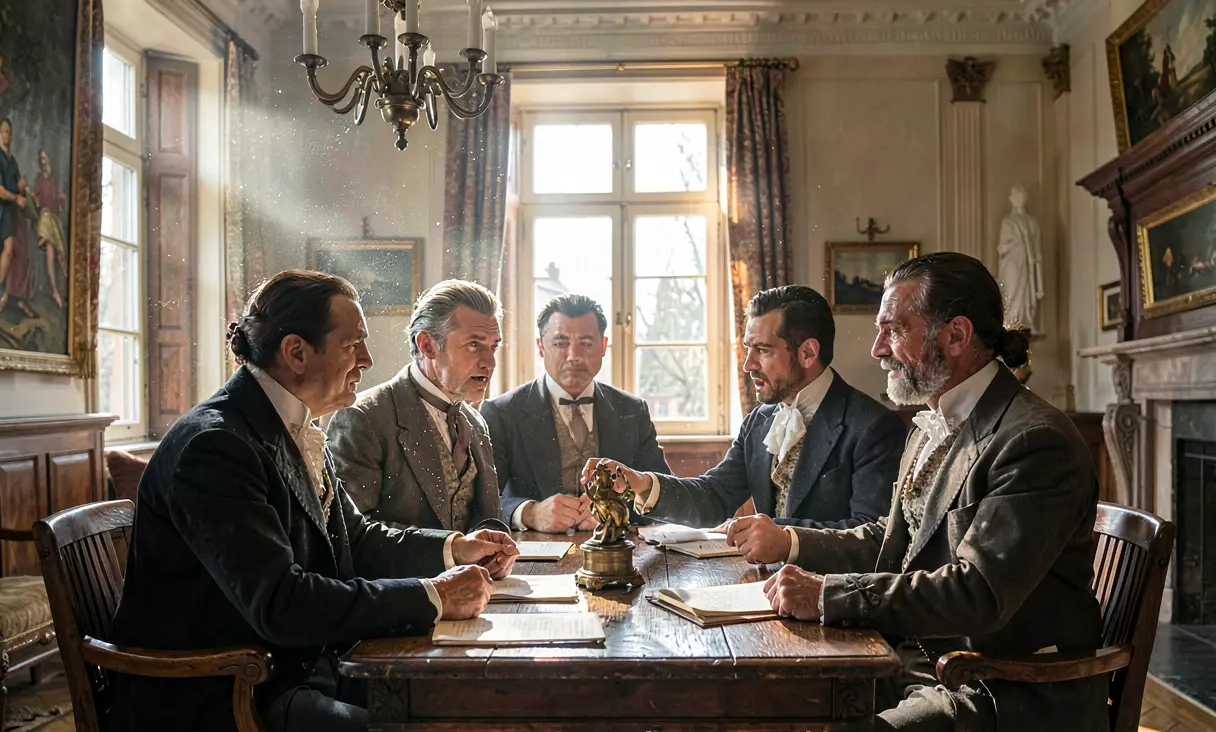 PoliticsCongress of Tucumán Declares Argentine IndependenceJuly 9, 1816 · San Miguel de Tucumán, ArgentinaDelegates from the United Provinces of the Río de la Plata formally declare independence from Spain.
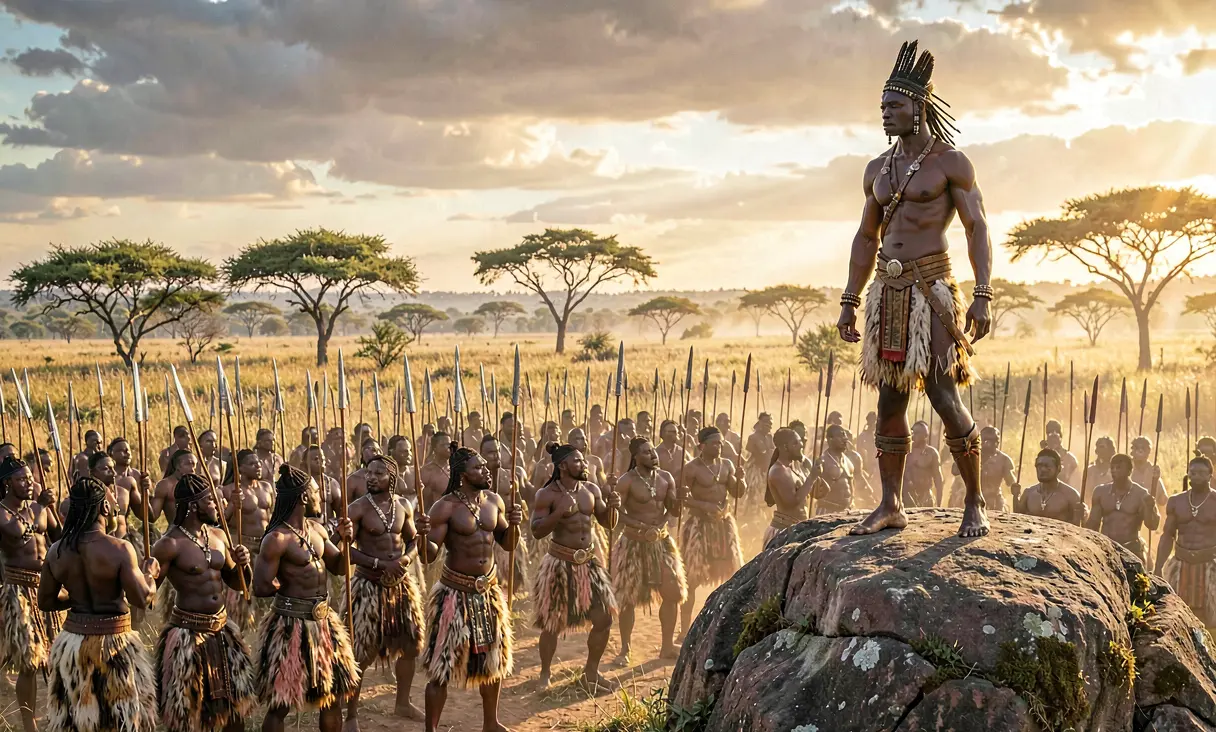 PoliticsShaka Zulu Unifies the Zulu Kingdomc. 1816 · Natal, Southern AfricaShaka Zulu establishes a centralized military state through innovative tactics and ruthless consolidation of Nguni clans.
 PoliticsDeclaration of Haitian IndependenceJanuary 1, 1804 · Gonaïves, Saint-DomingueJean-Jacques Dessalines proclaims the independence of Haiti, establishing the first black republic in history.
Discussion
Loading…