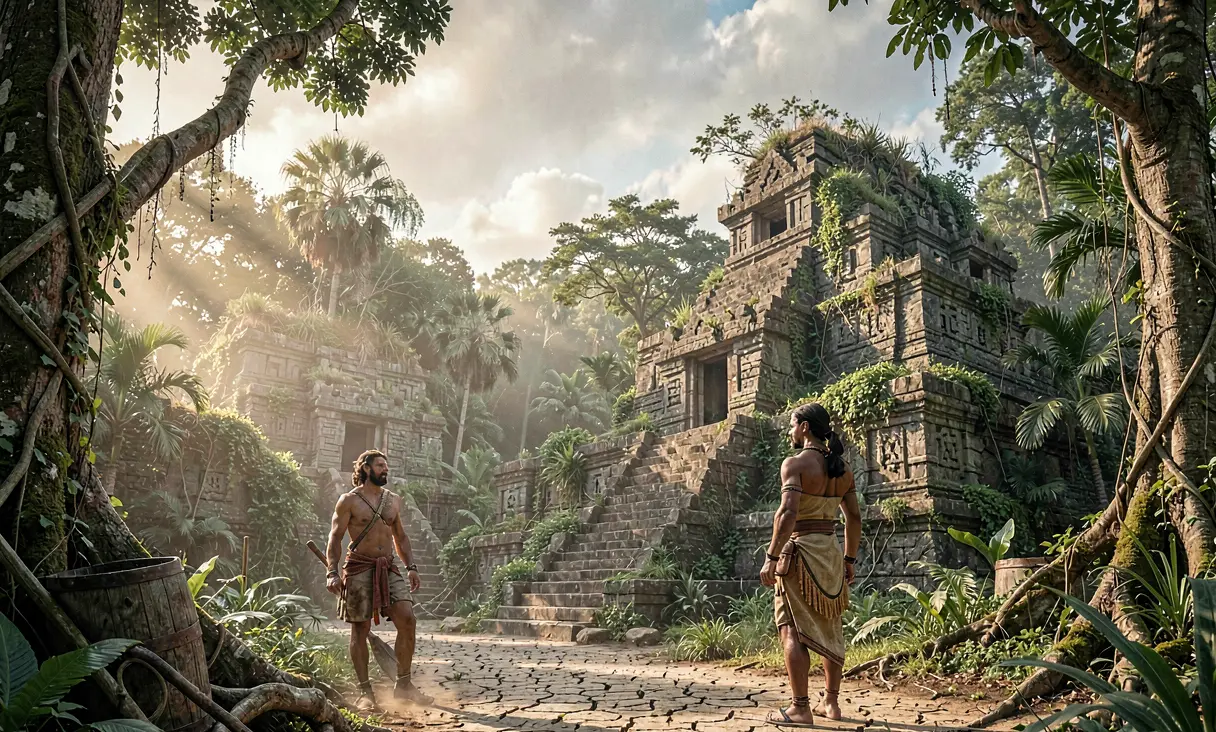
Ecological Collapse and Drought Leading to Maya Decline
Severe multi-decadal droughts between 800–950 CE, exacerbated by deforestation, shattered the water systems and social fabric of the Classic Maya, causing the abandonment of great cities like Tikal.
The Zenith of the Classic Maya
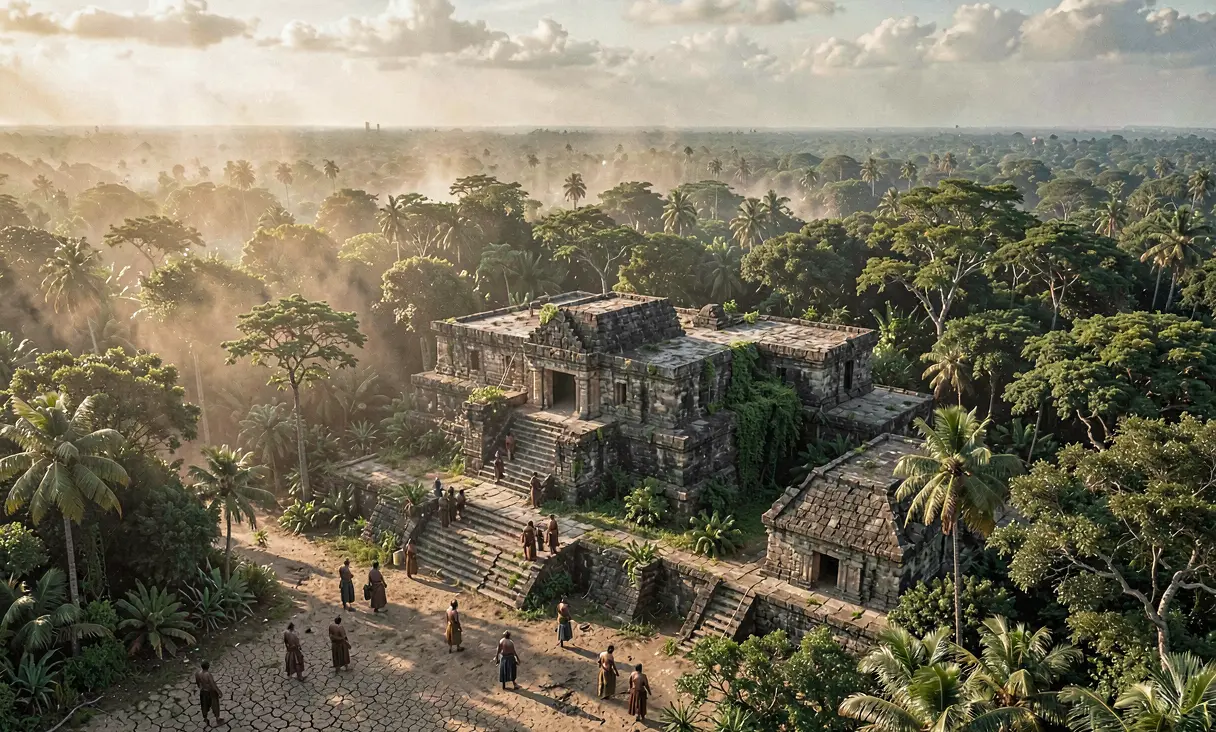
By the late 8th century CE, the Maya civilization in the Petén Basin had reached its demographic and architectural apex. Cities such as Tikal, Calakmul, Palenque, and Copán functioned as powerful city-states, governed by divine kings known as *k'uhul ajaw*. These polities supported dense populations estimated at several million people, sustained by sophisticated agricultural systems including raised fields, terracing, and intensive forest management. The region's economy thrived on long-distance trade networks that moved obsidian, jade, cacao, and salt, while monumental stone inscriptions chronicled dynastic victories and celestial cycles with unprecedented precision.
The Climatic Catalyst: A Century of Thirst
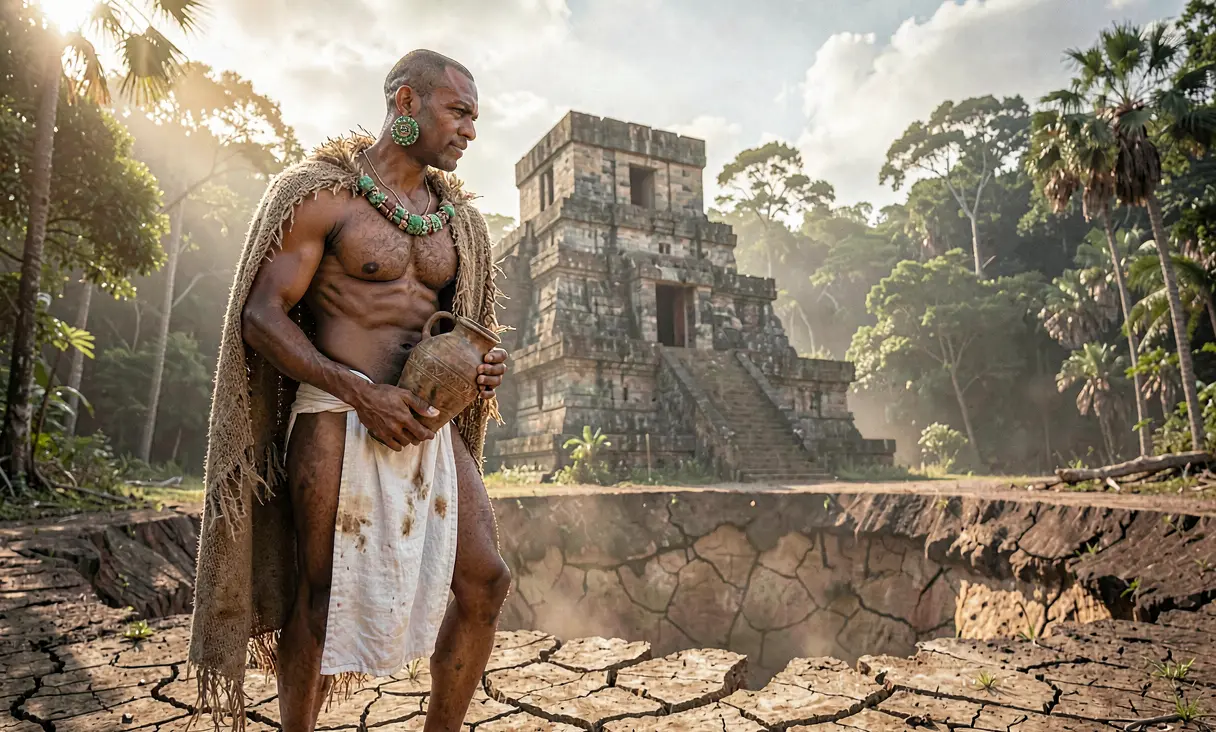
Paleoclimatic reconstructions derived from oxygen isotope analysis in sediment cores from lakes such as Chichancanab, Punta Laguna, and Lake Salpetén reveal a catastrophic shift in regional hydrology beginning around 800 CE. The data indicates a series of severe, multi-decadal droughts that struck the Maya Lowlands with increasing frequency between 810 and 950 CE. These were not merely seasonal anomalies but profound arid periods where rainfall decreased by an estimated 25% to 40%, drastically reducing the water levels in natural *cenotes* (sinkholes) and artificial reservoirs that sustained urban centers. The timing of these droughts correlates precisely with the cessation of monumental construction and the abandonment of major sites.
Environmental Fragility and Human Amplification
While climate change provided the trigger, centuries of anthropogenic environmental degradation exacerbated the crisis. To feed growing populations and fuel the limestone burning required for plastering temples, the Maya engaged in extensive deforestation across the Petén Basin. This removal of forest cover reduced local humidity and increased surface temperatures, creating a feedback loop that intensified the severity of the droughts. Furthermore, the reliance on large, centralized reservoir systems made cities acutely vulnerable; when rainfall failed to replenish these cisterns for consecutive years, the social contract between the ruler and the populace began to fracture as the divine king could no longer guarantee water or agricultural prosperity.
The Unraveling of Society
As water tables dropped and crop yields collapsed, the political structure of the Classic Maya disintegrated. Epigraphic evidence shows that after 800 CE, the recording of royal dates on stelae ceased rapidly in the southern lowlands. In Tikal, the last known Long Count date was carved in 869 CE; in Calakmul, it ended shortly thereafter. The decline was not a sudden invasion but a cascading failure characterized by internal strife, warfare over dwindling resources, and the eventual abandonment of cities. Archaeological layers from this period often show evidence of hurried construction followed by rapid decay, suggesting that organized labor forces dissolved as survivors migrated toward the northern Yucatán or smaller highland communities where water sources remained viable.
Aftermath: The End of an Era
By 950 CE, the great urban centers of the southern Petén Basin were largely depopulated, marking the definitive end of the Classic Period. The complex state-level societies that had dominated Mesoamerica for centuries vanished, replaced by smaller, decentralized groups in the north and highlands. While the Maya people did not disappear—their descendants still number in the millions today—the specific political and cultural institutions of the Classic era were irrevocably lost. The silence of the stone monuments stood as a testament to a civilization that had been overwhelmed by the convergence of climatic volatility and ecological limits.
Legacy and Modern Significance
The collapse of the Classic Maya serves as a critical case study in the vulnerability of complex societies to environmental stressors. It demonstrates how human modification of the landscape can amplify natural climatic variations, leading to systemic failure. For modern historians and climatologists, the Maya decline underscores the importance of resilience planning and sustainable resource management. The event remains a poignant reminder that even the most advanced civilizations are not immune to the forces of nature when their ecological foundations are compromised.
The Maya collapse serves as a stark historical example of how climate change and resource mismanagement can destabilize advanced civilizations.
Where it happened
Petén Basin, Guatemala — see it on the interactive map →
Explore related history
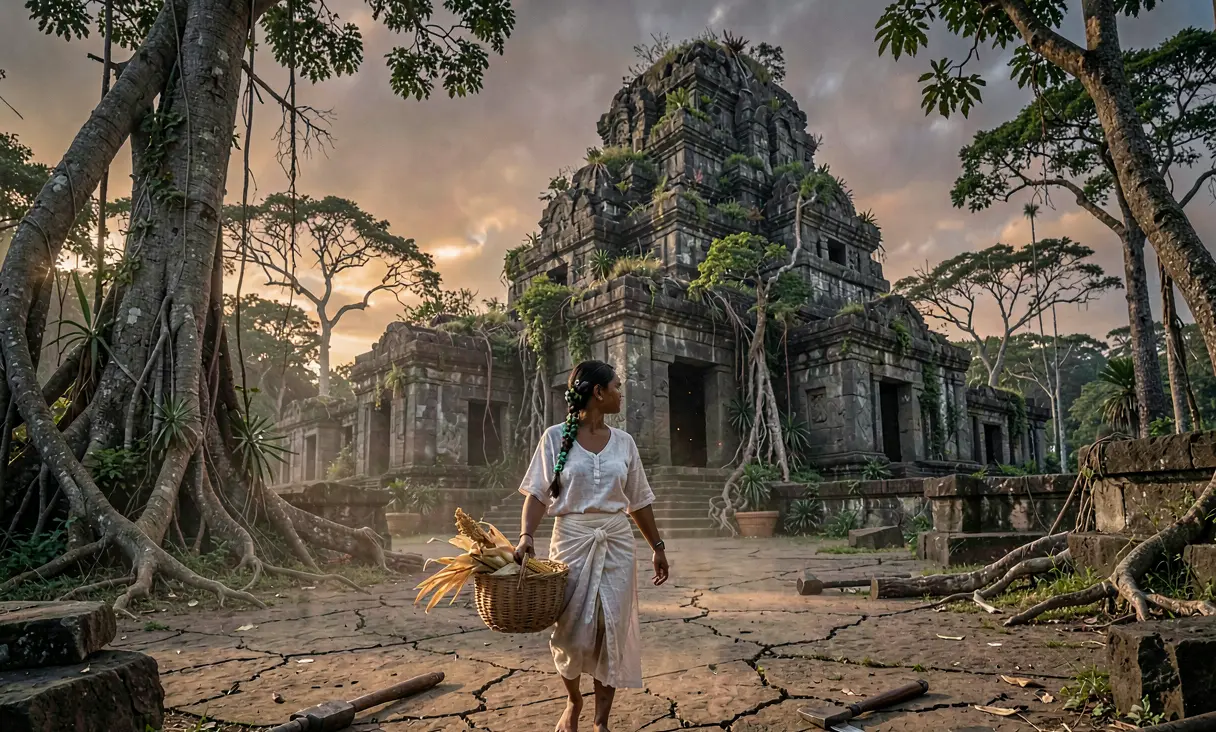 DisasterCollapse of Classic Maya Civilizationc. 900 CE · Tikal and Calakmul, Guatemala/MexicoMajor Maya city-states are abandoned due to drought, warfare, and ecological collapse during the Terminal Classic period.
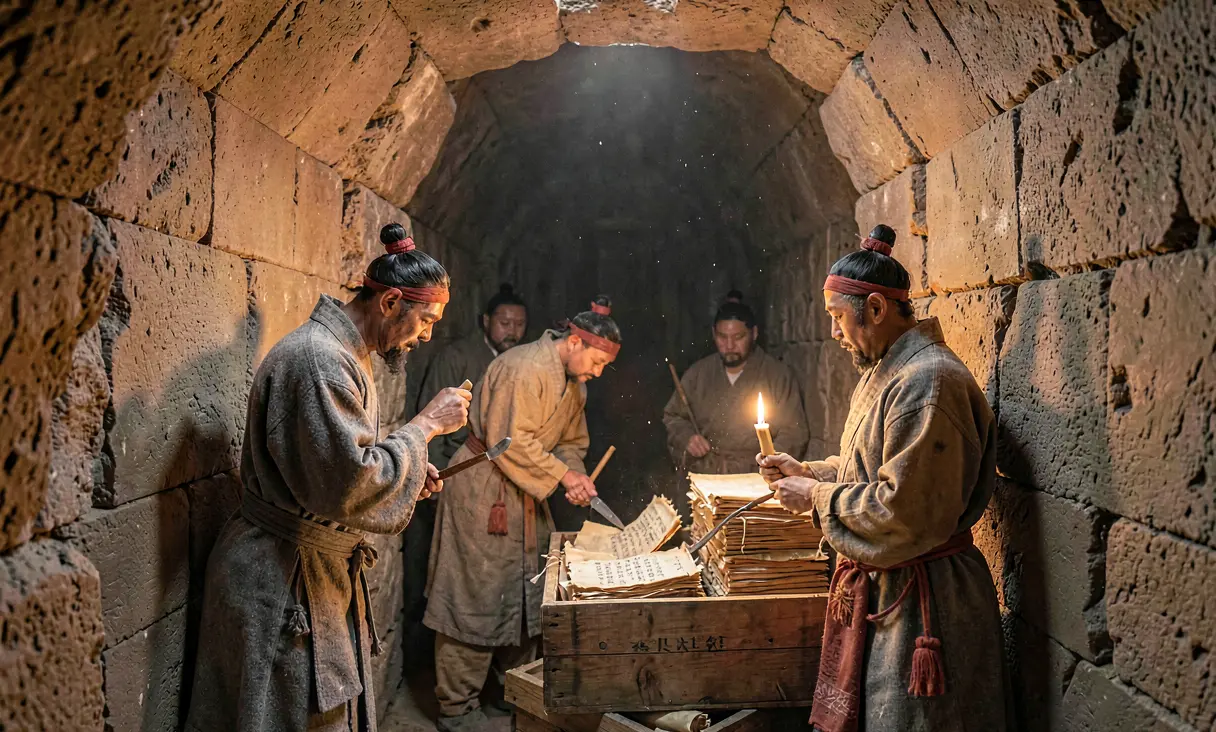 DisasterSealing of the Dunhuang Library Cavec. 1035 CE · Dunhuang, ChinaMonks seal a cave containing thousands of ancient manuscripts for protection.
 DisasterOutbreak of the Black DeathOctober 1347 CE · Genoa, ItalyPlague arrives in Europe killing a third of the population and reshaping society.
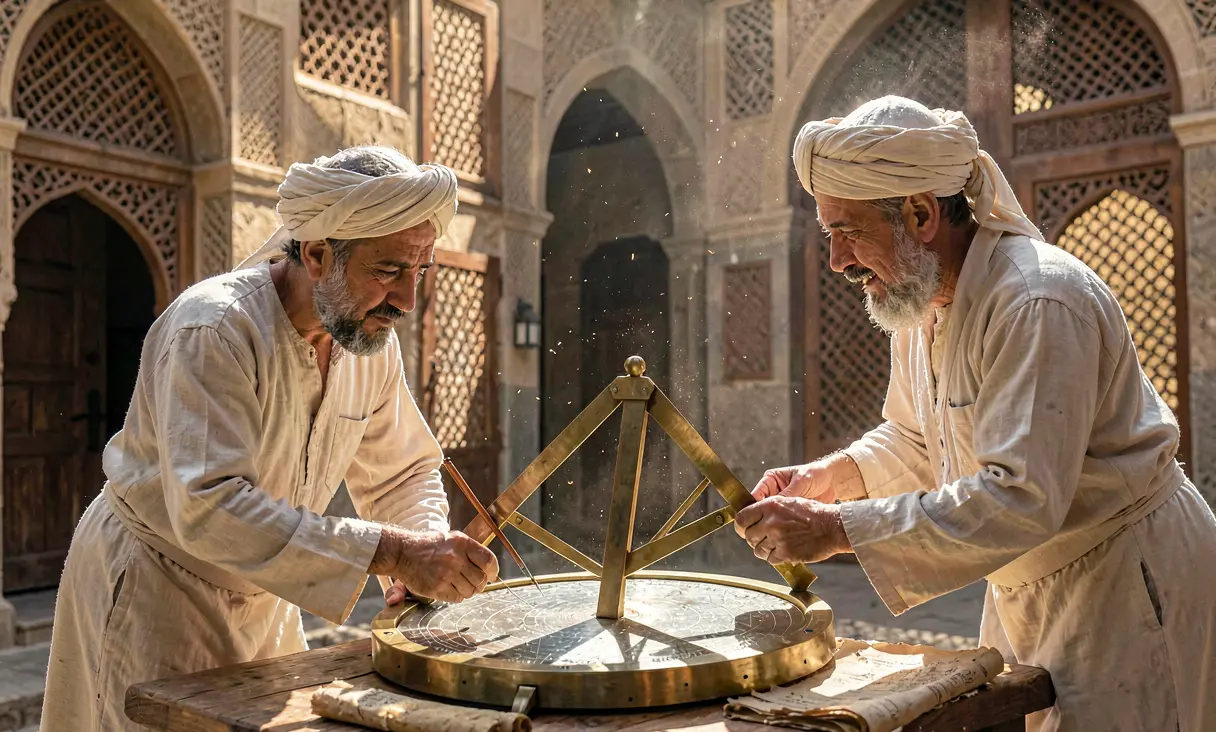 ScienceRefinement of the Astrolabe by Islamic Astronomersc. 900 CE · Baghdad, IraqPersian and Arab scholars perfect the astrolabe for navigation and timekeeping.
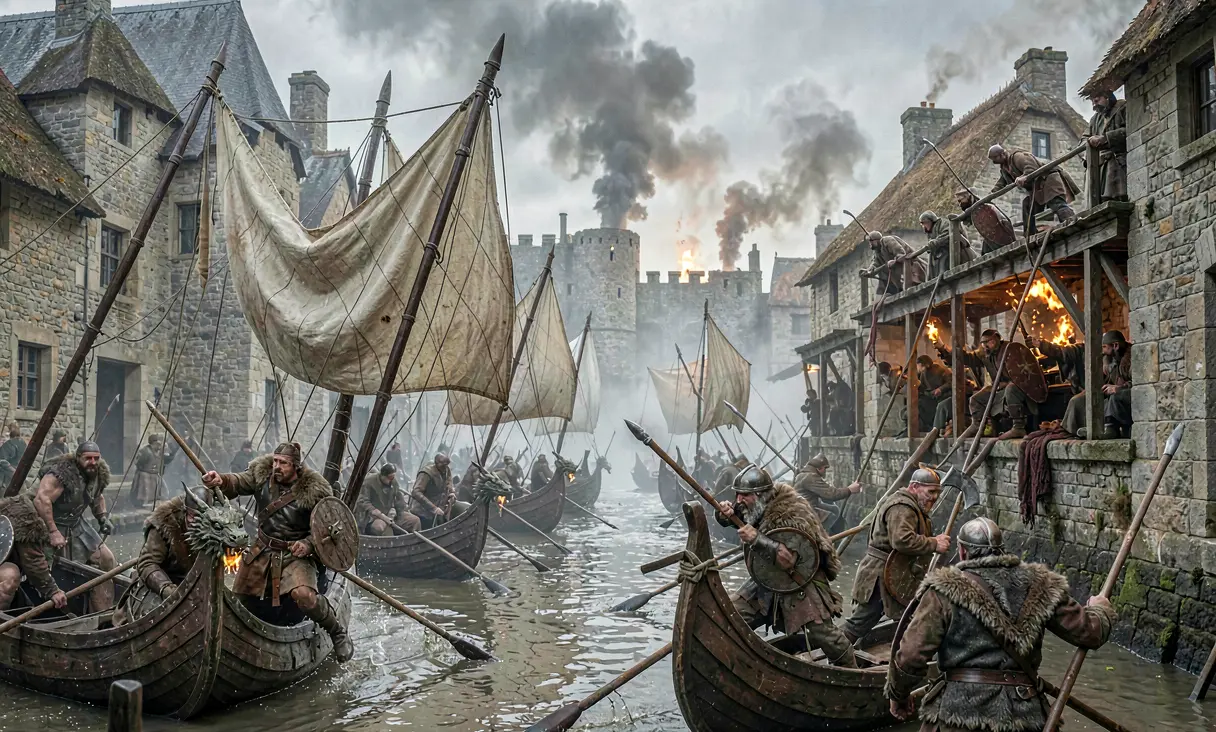 WarViking Siege of Paris885 CE · Paris, FranceViking raiders led by Sigfred besiege Paris for over a year, testing the defenses of West Francia.
 ExplorationKorean Tribute Trade with China918 CE · Sungnyemun Gate (Kaesong), KoreaGoryeo establishes formal tributary relations with the Song Dynasty.
Discussion
Loading…