Refinement of the Maya Long Count Calendar System
The refinement of the Maya Long Count at Chiapa de Corzo introduced linear timekeeping and zero, enabling precise historical recording and astronomical prediction that defined Mesoamerican science for
The Dawn of Linear Time in Mesoamerica
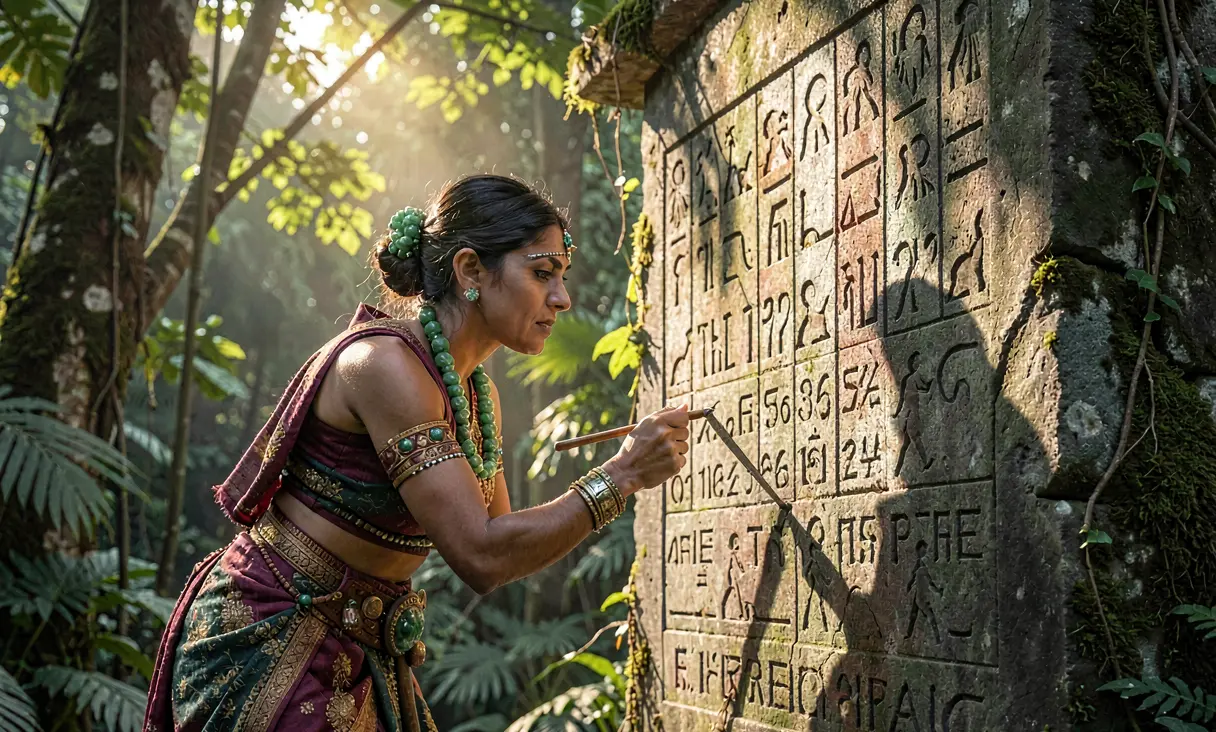
In the pre-Columbian world, time was often perceived as cyclical, governed by repeating ritual cycles that mirrored agricultural and celestial rhythms. However, a paradigm shift occurred in the late Formative period within the Isthmian region of modern-day Chiapas, Mexico. Around 36 BCE, though rooted in traditions dating back to c. 361 BCE, the Olmec or early Maya scribes at Chiapa de Corzo inscribed Stela 2 with the earliest known date utilizing a linear counting system that would later define the Classic Maya civilization. This inscription marked a departure from purely cyclical reckoning, introducing a method to measure time as an unbroken line extending from a mythical creation epoch into the distant future and past.
Archaeological Context of Chiapa de Corzo
Chiapa de Corzo, situated in the Grijalva River valley, served as a critical cultural nexus where Olmec influence merged with emerging Maya and Zapotec traditions. The site was a hub of early urbanism, featuring complex architecture and ceremonial plazas that facilitated the exchange of astronomical knowledge. It was within this fertile intellectual environment that the conceptual framework for the Long Count calendar was refined. The discovery of Stela 2 in the mid-20th century by archaeologists such as Matthew Stirling provided the first concrete evidence that the sophisticated timekeeping mechanisms attributed solely to the Classic Maya had deep roots in the preceding centuries, challenging previous historiographical assumptions about the timeline of Mesoamerican science.
The Mechanics of the Long Count System
The refinement at Chiapa de Corzo established a vigesimal (base-20) numerical system designed to count days linearly. Unlike the Tzolk'in (a 260-day sacred cycle) and the Haab' (a 365-day solar year), which operated in parallel cycles that repeated every 52 years, the Long Count provided a unique identifier for any given day over spans of thousands of years. The system utilized units of days known as k'in, winal (20 days), tun (18 winals or 360 days), k'atun (20 tuns), and bak'tun (20 k'atuns). This structure allowed for the precise recording of historical events, dynastic successions, and astronomical predictions, creating a continuous timeline that could theoretically extend indefinitely.
The Mathematical Revolution: The Concept of Zero
A prerequisite for the Long Count's functionality was the independent invention of zero as a placeholder and a number in its own right. While the concept appeared sporadically in earlier contexts, the refinement at Chiapa de Corzo represents a mature application of this mathematical abstraction within a positional notation system. The ability to denote an empty position allowed scribes to calculate vast temporal distances without ambiguity, distinguishing between 10, 100, and 1,000 with clarity. This innovation was not merely arithmetic but philosophical, enabling the civilization to conceptualize time as a measurable, infinite quantity rather than a series of closed loops.
Integration of Astronomical Cycles
The Long Count did not exist in isolation; it was intricately woven with the Tzolk'in and Haab' to form the Calendar Round, while also serving as a backbone for tracking long-term astronomical phenomena. By combining these systems, Maya astronomers could predict celestial events such as the heliacal rising of Venus, eclipses, and solstices with remarkable accuracy over centuries. The linear nature of the Long Count allowed them to correlate specific historical dates with recurring cosmic patterns, reinforcing the political legitimacy of rulers who claimed the ability to maintain cosmic order through ritual timing.
Legacy and Historical Significance
The development of the Long Count at Chiapa de Corzo laid the foundation for one of the most sophisticated scientific achievements in human history. It influenced the entire Classic Maya civilization, which flourished from 250 to 900 CE, producing inscriptions on monuments across the Yucatán and Petén regions that record history with a precision unmatched by contemporary Old World civilizations until much later. Although the use of the Long Count eventually faded after the collapse of the Classic cities, its intellectual legacy endures as a testament to the advanced mathematical and astronomical capabilities of ancient Mesoamerican cultures.
The Long Count provided a unique linear chronology that enabled precise historical record-keeping unparalleled in the pre-Columbian Americas.


Where it happened
Chiapa de Corzo, Mexico — see it on the interactive map →
Explore related history
 ScienceEstablishment of the Babylonian Astronomical Observatoriesc. 747 BCE · Babylon, IraqBabylonian priests begin systematic nightly recording of planetary movements and eclipses.
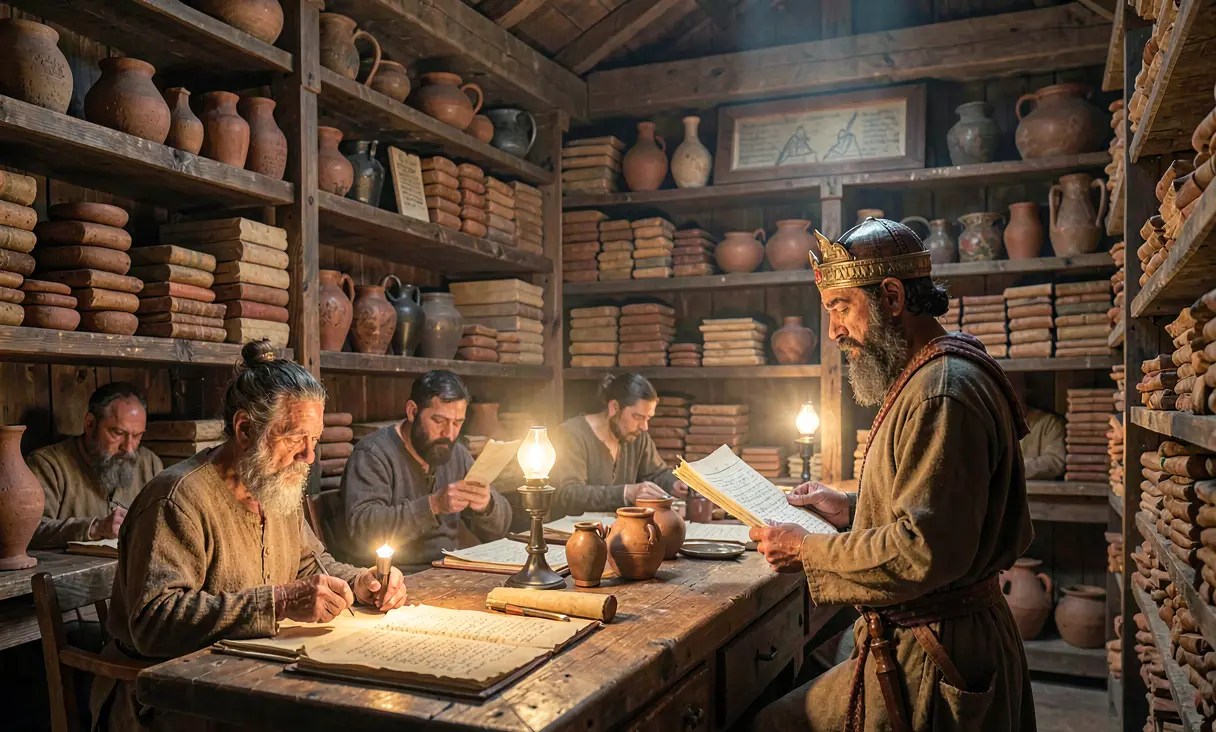 ScienceCompilation of Ashurbanipal's Royal Libraryc. 650 BCE · Nineveh (Mosul), IraqKing Ashurbanipal assembles the largest collection of cuneiform tablets in the ancient world.
 ScienceFormal Adoption of Zero as a Placeholder in Maya Mathematicsc. 361 BCE · Chiapas, MexicoMaya mathematicians independently invent and use zero in their vigesimal numeral system.
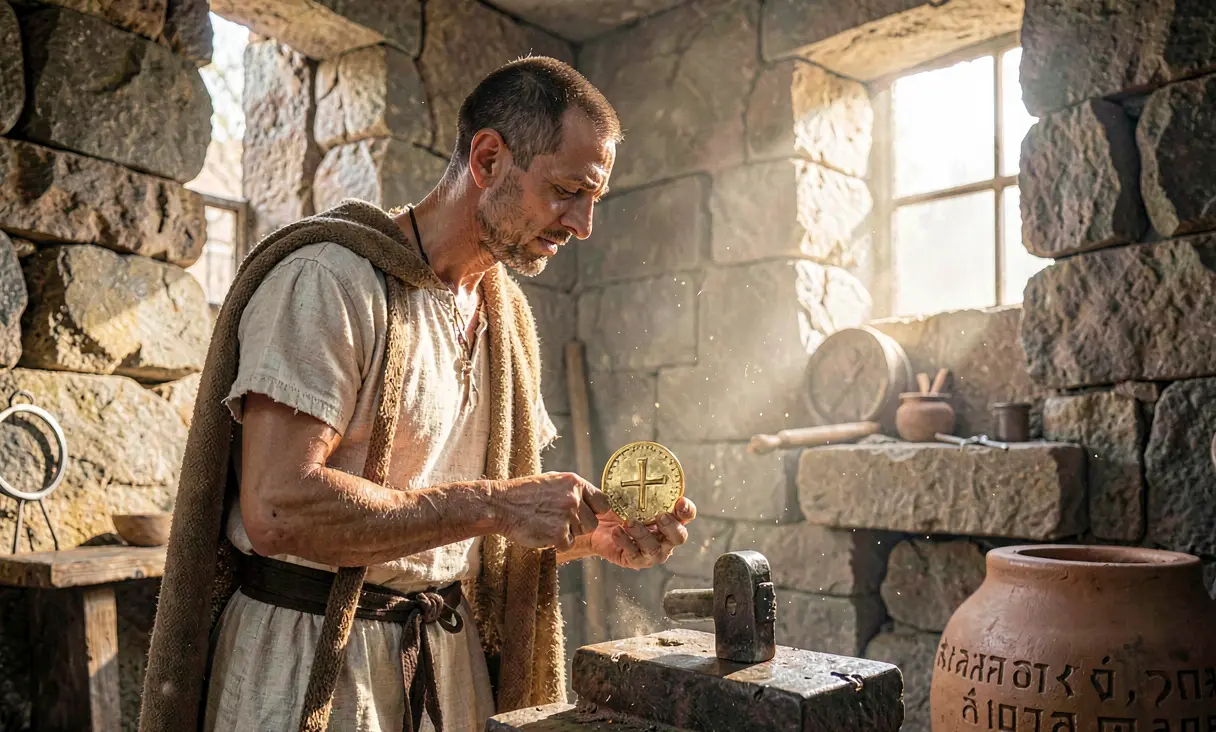 economicsAksum Issues Gold Coins with Christian Imageryc. 350 CE · Aksum, EthiopiaKing Ezana mints the first African gold coins featuring Christian symbols and Ge'ez inscriptions.
 PoliticsAscension of the Nanda Dynastyc. 345 BCE · Pataliputra (modern Patna/India)Mahapadma Nanda overthrows the Shishunaga dynasty, establishing a vast empire and creating the first large-scale state in India.
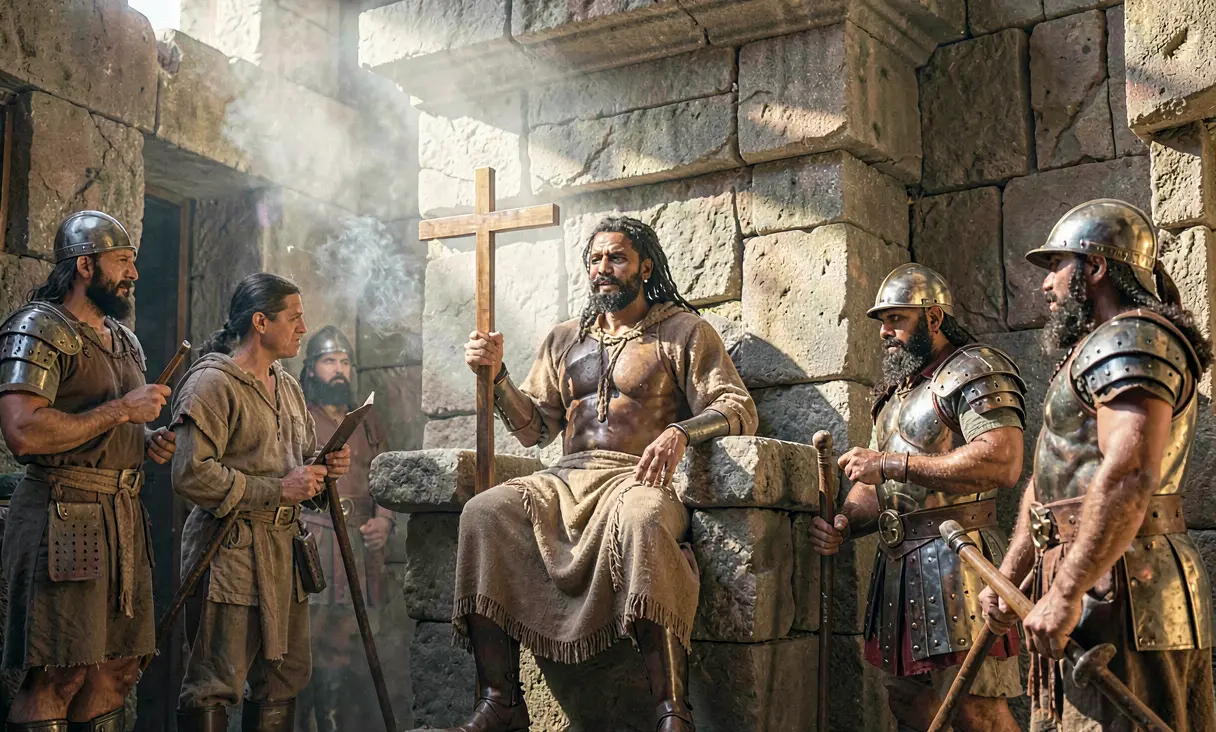 ReligionKing Ezana Declares Aksum a Christian Kingdomc. 330 CE · Aksum, EthiopiaKing Ezana adopts Christianity as the state religion of Aksum under the influence of Frumentius.
Discussion
Loading…