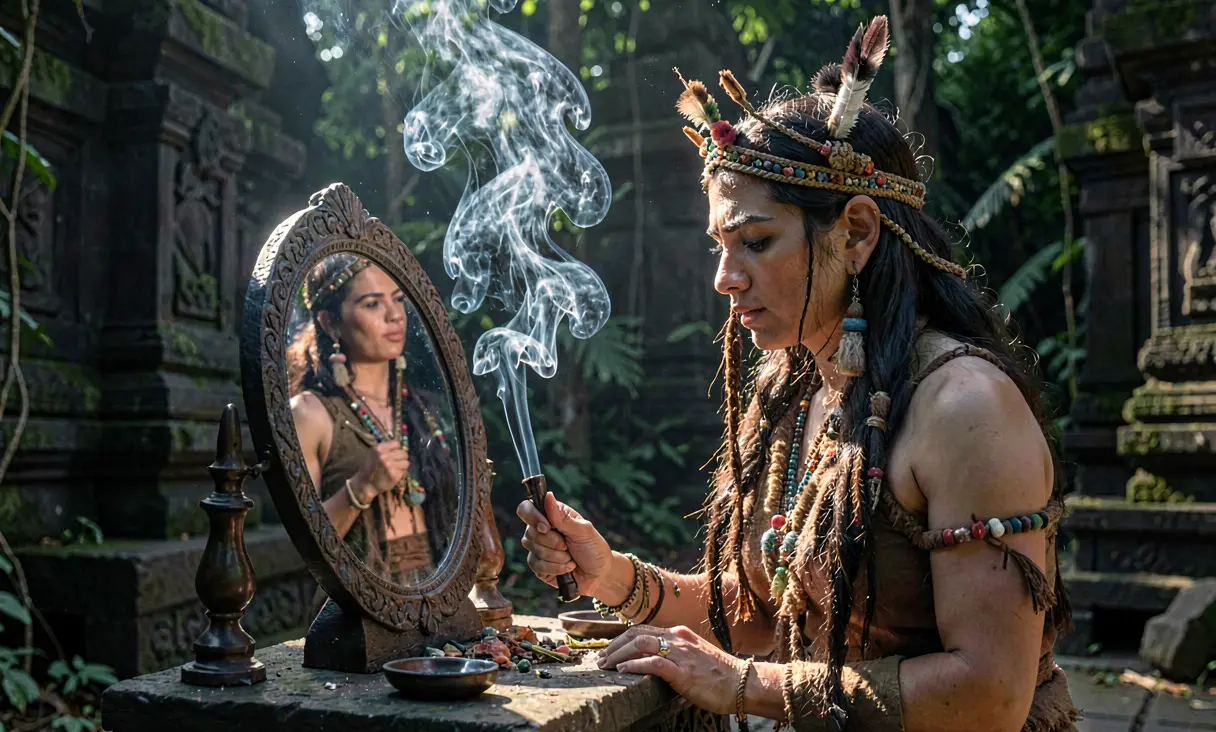
Creation of Maya Polished Obsidian Mirrors
Around 600 CE, Maya artisans crafted concave obsidian mirrors that served as sacred portals for divination, legitimizing royal power through direct communication with the spirit world.
The Obsidian Tradition in the Classic Period
By the Early Classic period (c. 250–600 CE), the Maya Lowlands had established a sophisticated mastery of lithic technology, transforming volcanic glass into tools and ceremonial objects with unparalleled precision. While obsidian was ubiquitous for weaponry and cutting implements due to its razor-sharp edge, a specialized subset of artisans began experimenting with the material's optical properties around 600 CE. This era coincided with the florescence of major city-states such as Tikal, Calakmul, and Palenque, where the boundary between the physical and spiritual realms was increasingly mediated through complex ritual paraphernalia. The creation of polished obsidian mirrors represented a technological leap from functional utility to metaphysical instrument, requiring lapidaries to grind concave surfaces that could focus light and reflect images with startling clarity.
The Craftsmanship of the Lapidary
The production of these mirrors was a labor-intensive process reserved for elite workshops within royal centers. Artisans selected high-quality obsidian nodules, often sourced from distant quarries like El Chayal or Ixtepeque, and carefully flaked them into rough discs. The critical phase involved grinding the surface into a concave shape using abrasive sands and water, followed by extensive polishing with fine cloths or leather to achieve a mirror-like sheen. Unlike flat mirrors found in other cultures, the Maya preferred concave forms, which not only reflected images but also distorted them slightly, creating an ethereal quality that enhanced their perceived supernatural nature. These discs were frequently mounted on elaborate frames crafted from jade, shell, or wood, adorned with iconography depicting jaguars, serpents, and deities associated with the night sky.
Ritual Function and Spiritual Significance
In the Maya cosmological framework, mirrors were not merely decorative; they were active portals to the underworld (Xibalba) and conduits for communication with ancestors and gods. The reflective surface was believed to be a liminal space where the veil between worlds grew thin, allowing shamans and rulers to scry for omens, diagnose illnesses, or receive divine mandates. Iconographic evidence from murals at Bonampak and stelae across the Lowlands depicts kings holding mirrors during bloodletting ceremonies or vision quests, often showing smoke or spirit entities emerging from the glass. The concave shape was thought to trap these spirits or focus celestial energy, making the mirror an essential tool for legitimizing royal authority through direct supernatural endorsement.
Archaeological Evidence and Royal Burials
The significance of obsidian mirrors is most vividly attested in the funerary assemblages of high-status individuals. Excavations at sites such as Copán, Quiriguá, and the tomb of K'inich Janaab' Pakal at Palenque have yielded polished obsidian discs, often placed directly on the chest or face of the deceased to guide their soul through the underworld. In some instances, these mirrors were found alongside jade masks and ceremonial headdresses, reinforcing their role as essential regalia for the afterlife journey. The sheer rarity of well-preserved examples—many having degraded due to the corrosive nature of obsidian when exposed to moisture over centuries—underscores their exclusivity; they were likely owned only by the highest echelons of society, including kings and high priestesses.
Legacy and Cultural Continuity
Although the specific tradition of creating large, concave obsidian mirrors waned after the collapse of the Classic Maya civilization around 900 CE, the symbolic power of reflective surfaces endured in Postclassic rituals and among contemporary Maya communities. The concept of the mirror as a window to the divine persisted in folklore and ceremonial practices, influencing later Mesoamerican traditions including those of the Aztecs, who also utilized obsidian mirrors (teotl) for divination. Today, these artifacts stand as testament to the Maya's profound integration of science, art, and spirituality, illustrating how a natural material was transformed into a medium that bridged the human and the divine. They remain among the most evocative objects in Mesoamerican archaeology, offering a tangible link to the visionary experiences of ancient rulers.
Obsidian mirrors were central to Maya cosmology and shamanic practices, serving as tools for spiritual communication.
Where it happened
Guatemala (Maya Lowlands) — see it on the interactive map →
Explore related history
 ArtBurial of the Sutton Hoo Shipc. 625 CE · Suffolk, EnglandAn Anglo-Saxon king is buried with a magnificent helmet and gold artifacts.
 ArtTang Dynasty Golden Age of Poetry and Culturec. 713 CE · Chang'an, ChinaThe Tang Dynasty reaches its cultural zenith in Chang'an, producing legendary poets like Li Bai and Du Fu.
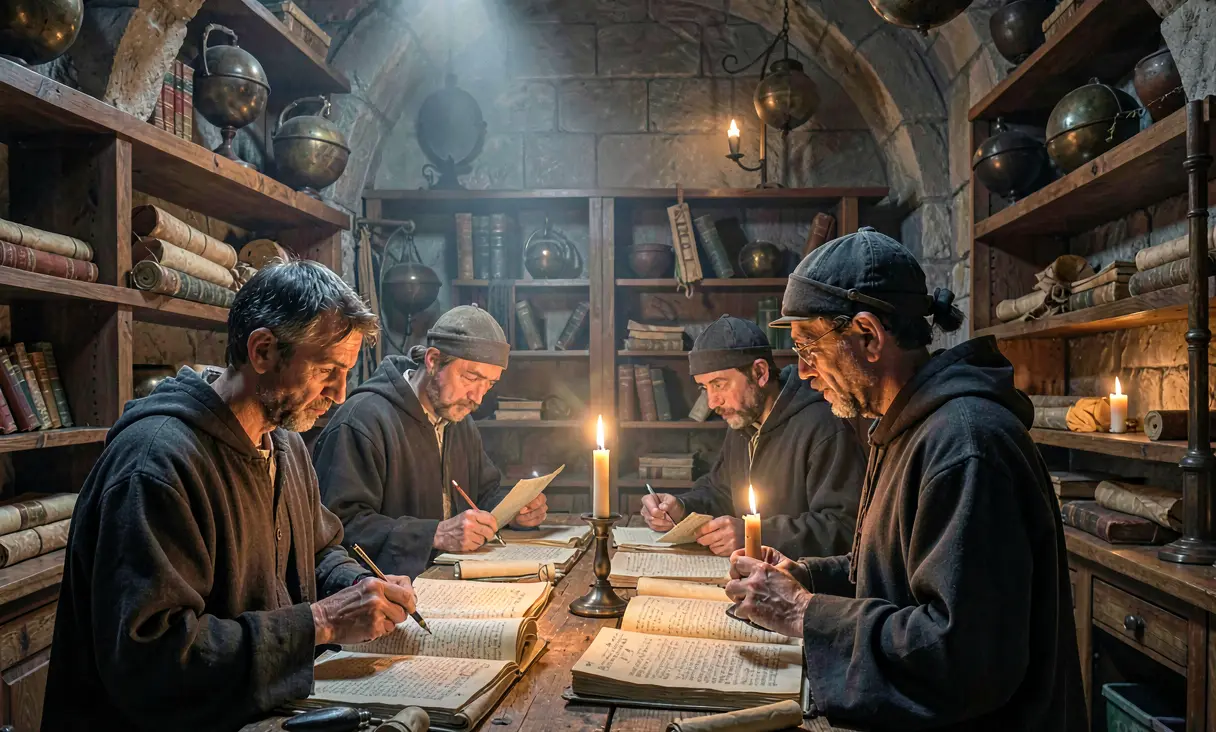 ArtMacedonian Renaissance in Byzantiumc. 920 CE · Constantinople, TurkeyThe Byzantine Empire experiences a cultural revival with renewed interest in classical learning and artistic production.
 ReligionHijra of Prophet MuhammadSeptember 24, 622 CE · Medina, Saudi ArabiaMuhammad migrates to Medina establishing the first Muslim community and calendar.
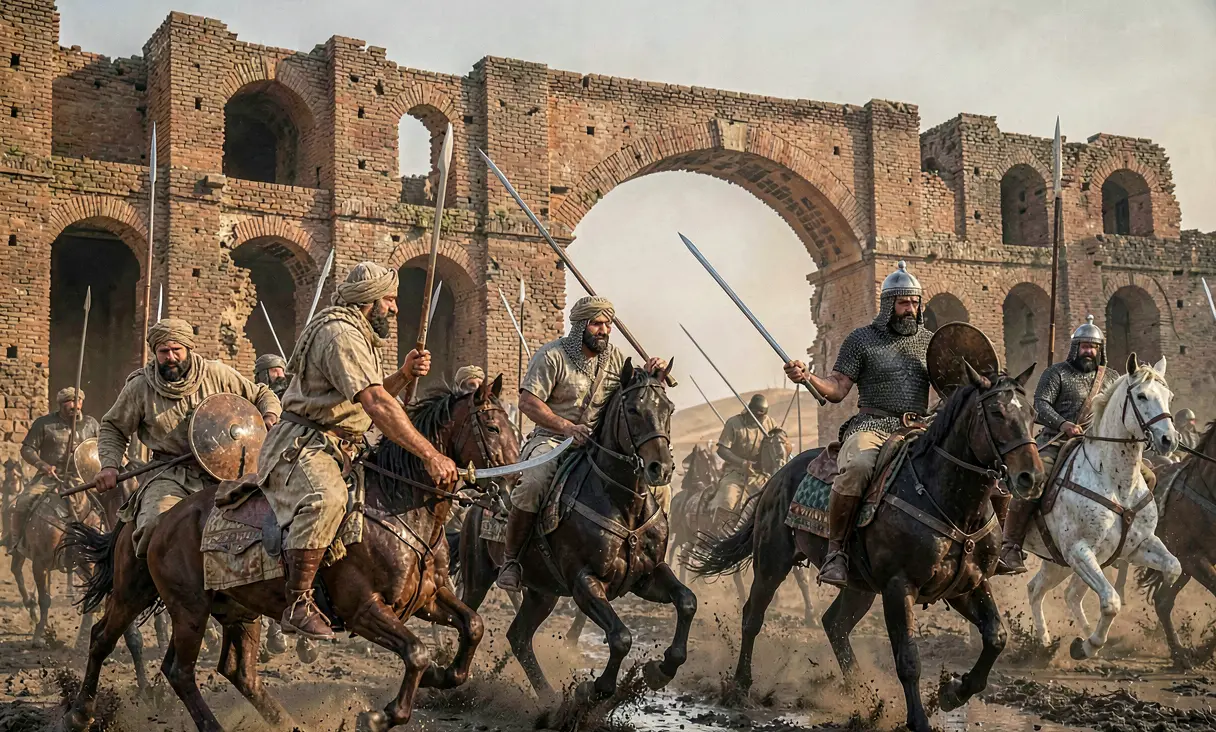 WarIslamic Conquest of the Sasanian Empire637 CE · Ctesiphon, Iraq (Persia)Arab Muslim forces defeat the Sasanian Empire at the Battle of al-Qadisiyyah, ending centuries of Persian rule.
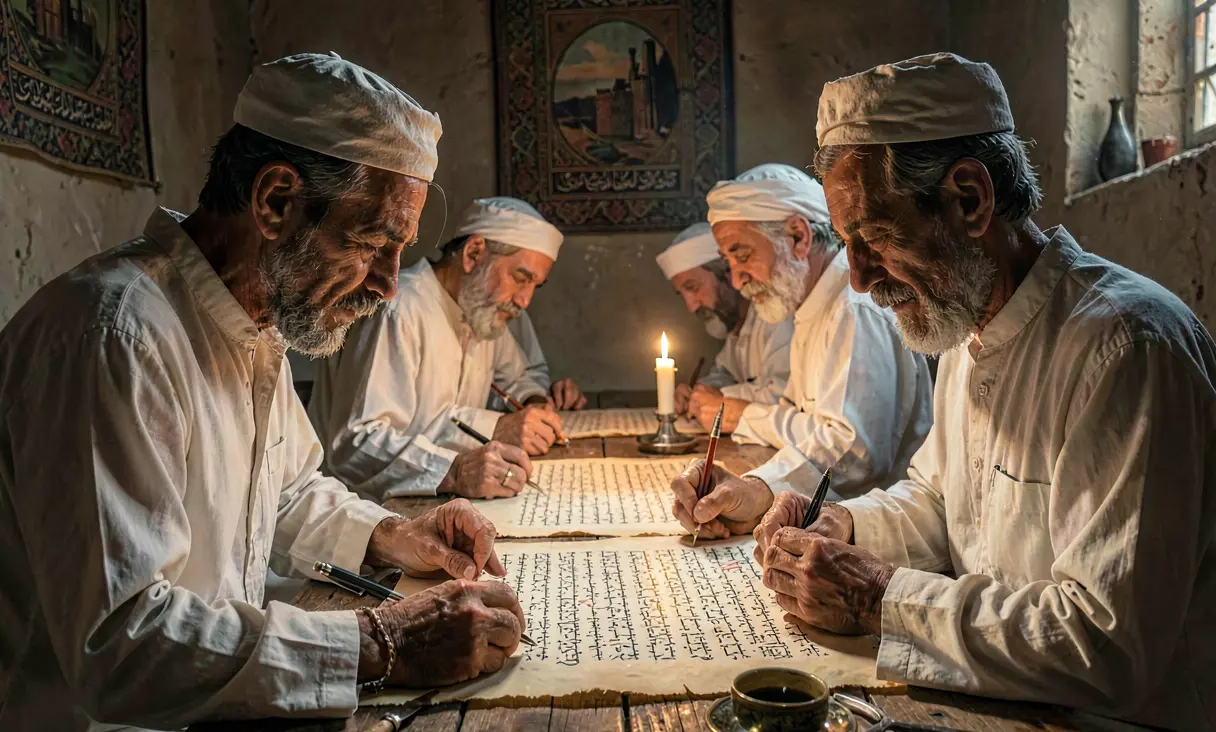 ReligionStandardization of the Quranic Textc. 650 CE · Medina (and Damascus), Arabia/SyriaCaliph Uthman commissions the definitive written codex of the Quran.
Discussion
Loading…