Kalinga War and Ashoka's Conversion
The brutal Kalinga War of 261 BCE shattered Emperor Ashoka's conscience, triggering his conversion to Buddhism and transforming the Mauryan Empire from a military machine into a beacon of non-violent
The Mauryan Hegemony and the Kalinga Anomaly
By the early third century BCE, the Mauryan Empire under Chandragupta and his grandson Ashoka had consolidated power over most of the Indian subcontinent. The empire stretched from Afghanistan in the northwest to Bengal in the east, yet one significant independent kingdom remained outside its dominion: Kalinga. Located on the eastern coast in what is now modern Odisha and parts of Andhra Pradesh, Kalinga was a formidable maritime power with a rich history of naval dominance and fierce independence. Its strategic location controlled vital trade routes connecting India to Southeast Asia and Sri Lanka, making it a lucrative but elusive prize for the Mauryans. Ashoka, who ascended the throne around 268 BCE after a bloody succession struggle, initially sought to complete his grandfather's vision of total unification through military might. The conquest of Kalinga was not merely an act of expansion but a necessary step to secure the empire's eastern flank and access its maritime wealth. However, unlike previous campaigns where resistance crumbled quickly, the people of Kalinga were renowned for their martial spirit and willingness to fight to the death rather than submit to foreign rule.
The Cataclysm of 261 BCE
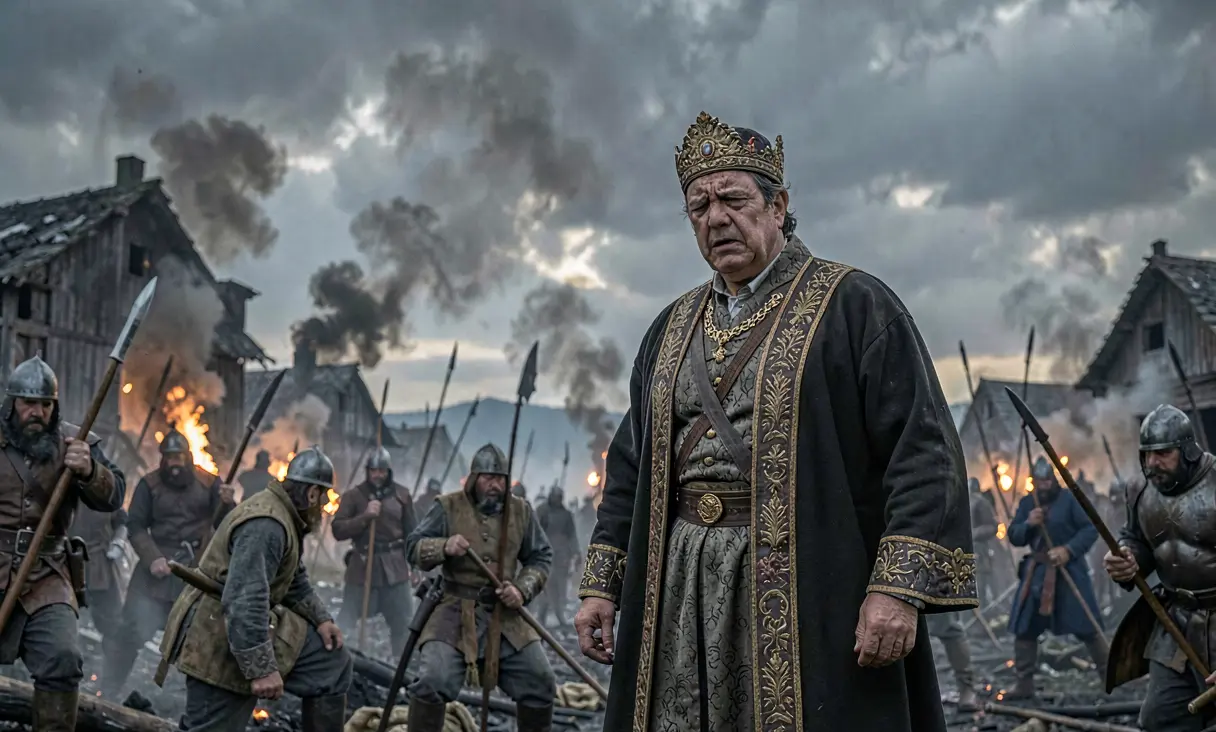
In approximately 261 BCE, Ashoka launched a massive invasion of Kalinga. The conflict was brutal and prolonged, lasting for several months as the Kalingan forces utilized their knowledge of the terrain to wage a desperate guerrilla war against the superior Mauryan numbers. Historical records, primarily derived from Ashoka's own Rock Edict XIII, describe a scene of unparalleled devastation. The edict states that 100,000 soldiers were slain on the battlefield, with an additional 150,000 deported and countless others perishing from disease, famine, or subsequent reprisals. The sheer scale of the carnage was unprecedented in the region's history. Entire villages were razed, and the demographic fabric of Kalinga was torn apart. The war did not end with a decisive battle but dissolved into a slaughter that left the land scarred and its people broken. Ashoka's own inscriptions later confessed that the victory felt hollow, describing the aftermath as a time when 'deaths, deportations, and sufferings' had befallen the people of Kalinga in such measure that it weighed heavily upon his conscience.
The Emperor's Epiphany
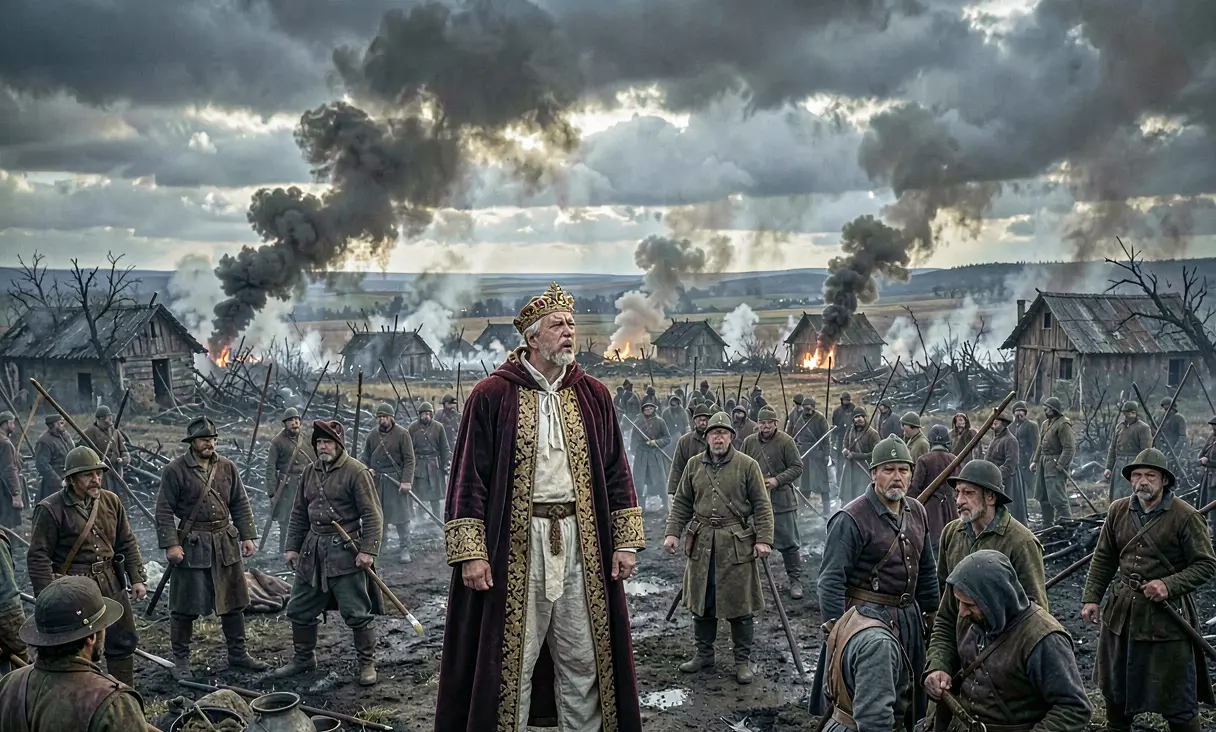
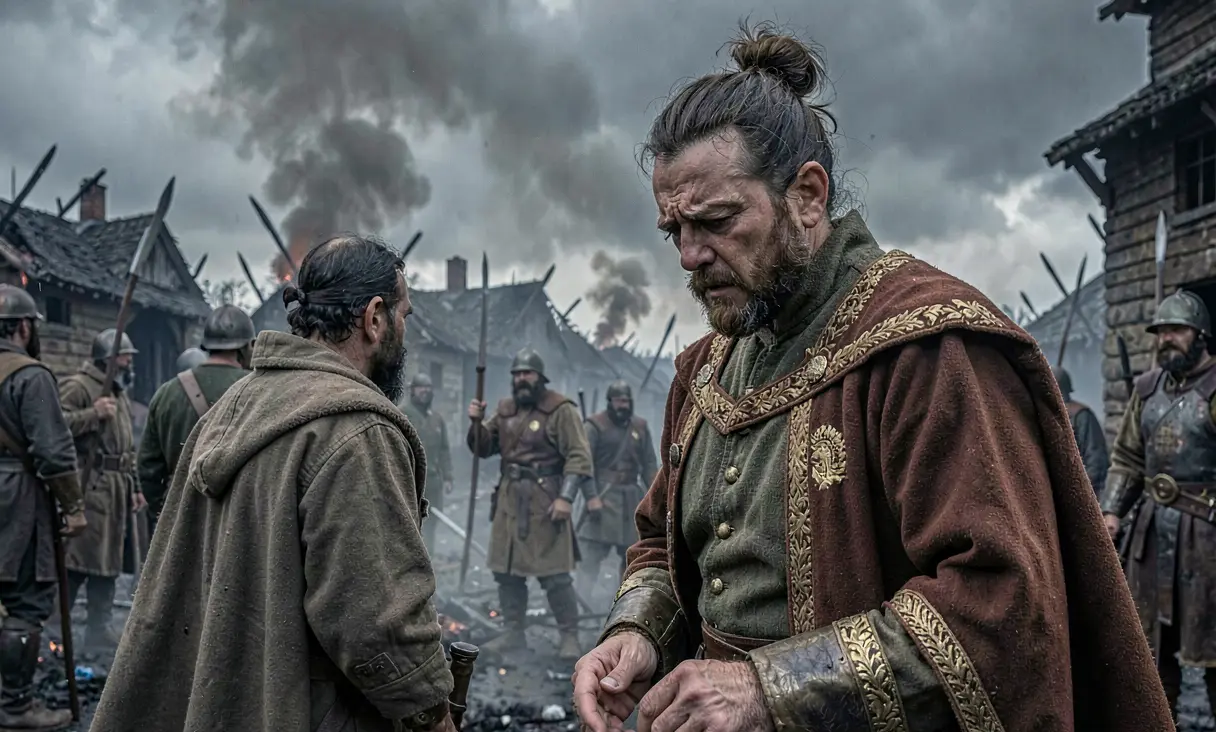
Walking through the smoking ruins of Kalinga after the victory, Ashoka was reportedly overcome by a profound moral crisis. The sight of the dead and dying, the weeping widows, and the orphaned children shattered his perception of conquest as a glorious endeavor. This psychological break marked the pivotal moment in Indian history where a ruler publicly renounced violence. Ashoka turned away from the path of 'Digvijaya' (conquest by force) toward 'Dhammavijaya' (conquest by righteousness). He embraced Buddhism, not merely as a personal faith but as a state philosophy that would govern his administration. This conversion was not passive; it was an active rejection of his previous identity as a warrior king. Ashoka began to view the suffering caused by war as a sin against humanity and the divine order. He sought guidance from Buddhist monks, particularly Upagupta, and adopted the principle of Ahimsa (non-violence) as the cornerstone of his rule. This shift represented a radical departure from the prevailing political norms of the ancient world, where the might of arms was considered the ultimate arbiter of legitimacy.
The Architecture of Dhamma
Following the war, Ashoka dedicated his remaining thirty years to propagating 'Dhamma' (Dharma), a moral code emphasizing tolerance, respect for all life, and social welfare. He commissioned a series of rock edicts and pillar inscriptions carved into massive stone columns across the empire, from Kandahar in the west to Kalinga itself. These edicts, written in local Prakrit dialects using the Brahmi script (and Greek/Aramaic in border regions), served as public proclamations of his new philosophy. The content of these inscriptions was revolutionary for an emperor. Instead of boasting of military victories, Ashoka expressed deep remorse for the Kalinga War and outlined policies focused on the well-being of his subjects. He established hospitals for humans and animals, planted medicinal herbs, dug wells, and built rest houses along trade routes. He appointed 'Dhamma Mahamatras,' special officers tasked with ensuring ethical governance and resolving social disputes based on compassion rather than coercion. This administrative overhaul transformed the Mauryan state from a machine of war into an engine of welfare.
Historical Legacy and Global Impact
The transformation of Ashoka following the Kalinga War remains unique in the annals of human history. No other conqueror of comparable magnitude has so publicly and systematically repented of their violence, turning a military victory into a spiritual defeat that redefined the concept of kingship. His edicts stand as some of the earliest written records of a state promoting religious tolerance and ethical governance, influencing the spread of Buddhism across Asia to Sri Lanka, Central Asia, and eventually China. Ashoka's legacy endures in modern India, where his Lion Capital from Sarnath serves as the national emblem, symbolizing truth and non-violence. The Kalinga War is often cited by historians as a turning point that demonstrated the limits of military power and the potential for moral leadership to reshape society. It proved that an empire could be sustained not just by fear and force, but by consent and shared ethical values, setting a precedent for governance that resonates in political philosophy to this day.
The Kalinga War triggered Ashoka's conversion to Buddhism, transforming the Mauryan Empire into a model of ethical rulership and spreading Buddhist ideals globally.
Where it happened
Kalinga (modern Odisha/India) — see it on the interactive map →
Explore related history
 WarAn Lushan Rebellion Begins755 CE · Chang'an, ChinaGeneral An Lushan revolts against Emperor Xuanzong, devastating the Tang Dynasty and population.
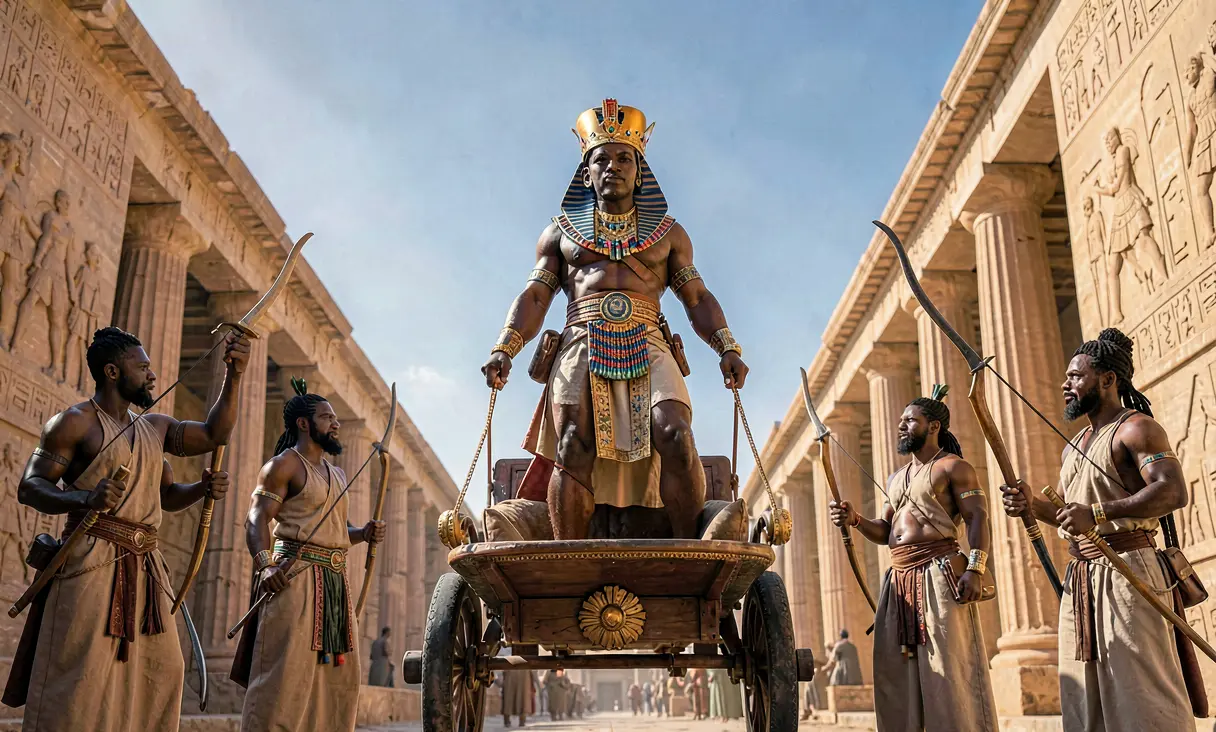 WarKushite Conquest of Egypt (25th Dynasty)c. 747 BCE · Thebes, EgyptKing Piye of Kush conquers Upper and Lower Egypt, establishing the first African-led dynasty in Egyptian history.
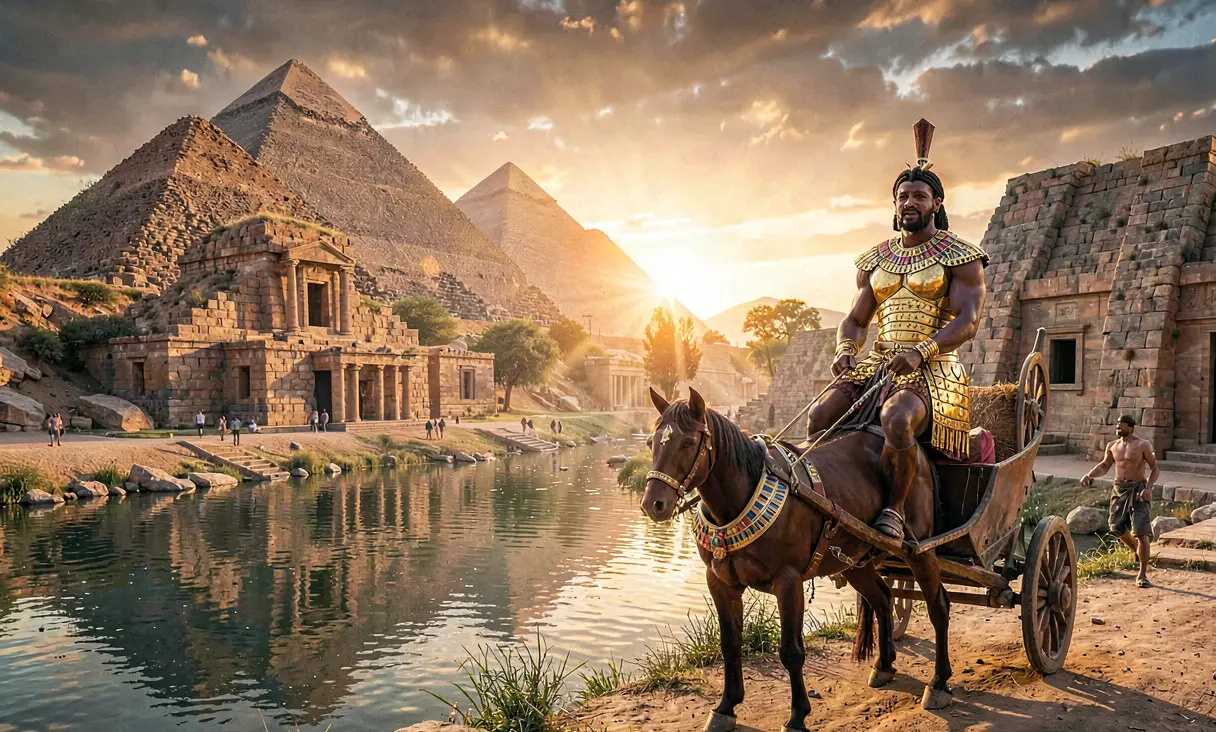 WarKushite Conquest of Egypt Establishes 25th Dynastyc. 744 BCE · Napata, Nubia (Modern Sudan)King Piye of Kush conquers Upper Egypt, establishing the 25th Dynasty and restoring traditional Egyptian religious practices.
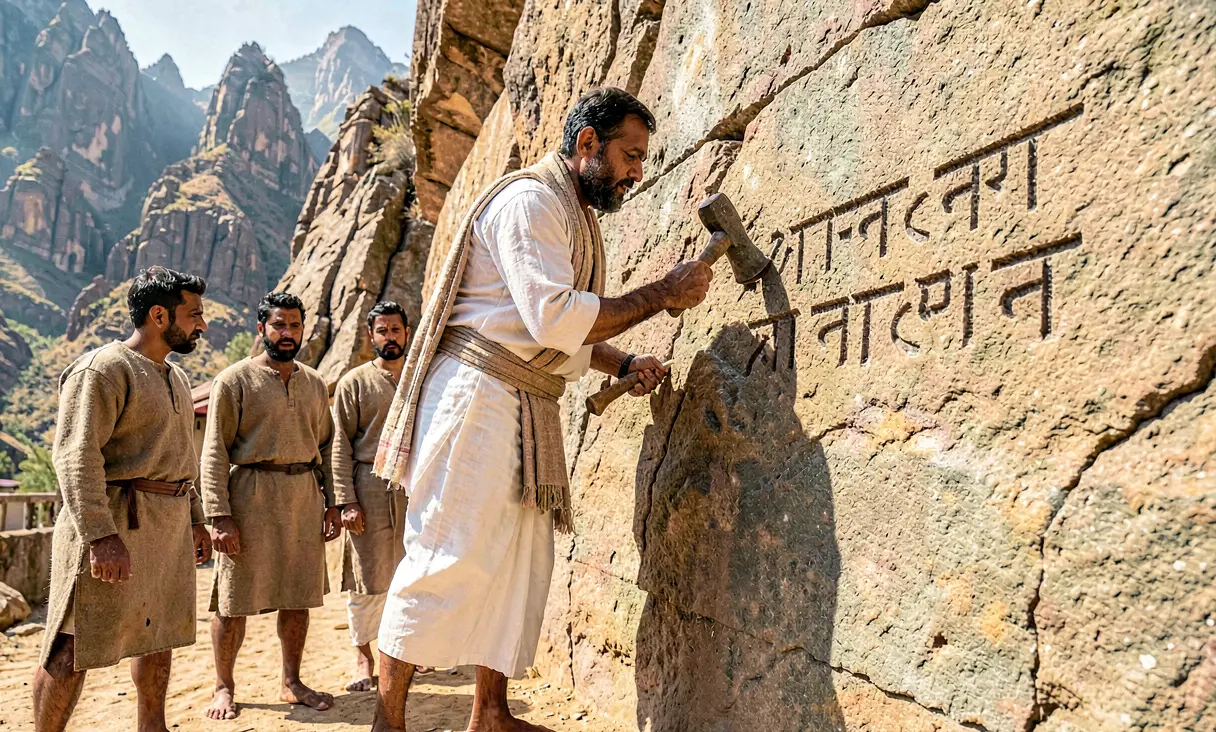 ReligionInscription of Shahbaz Garhi Rock Edictsc. 257 BCE · Shahbaz Garhi, Khyber Pakhtunkhwa, PakistanEmperor Ashoka inscribes his edicts on local rocks using the Kharosthi script to propagate Dharma among Greek and Aramaic-speaking populations.
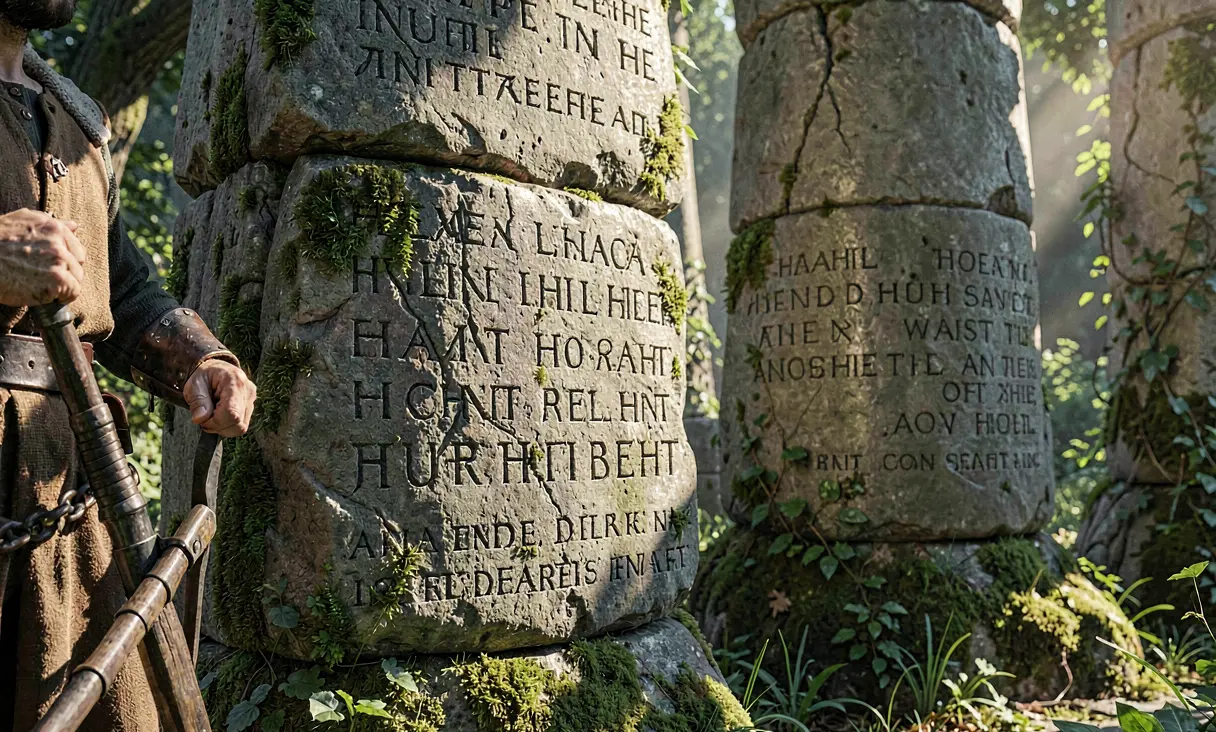 ReligionErection of Ashoka's Major Rock Edictsc. 257 BCE · Girnar (modern Gujarat/India)Ashoka inscribes his moral and administrative policies on massive rock pillars across the empire to communicate with his subjects.
 ScienceArchimedes Formulates the Law of the Leverc. 250 BCE · Syracuse, SicilyArchimedes mathematically defines the principle of the lever and buoyancy, founding classical mechanics.
Discussion
Loading…