Absence of Pottery in Māori Culture
Māori settlers abruptly abandoned pottery upon arriving in New Zealand around 1280 CE due to unsuitable clay and cool climates, innovating instead with stone ovens and woven flax to thrive in a unique
The Polynesian Heritage and the New Zealand Anomaly
Prior to their migration into Aotearoa (New Zealand), the ancestors of the Māori were part of a widespread Lapita culture that spanned the Pacific, characterized by distinct dentate-stamped pottery traditions. Archaeological evidence from sites in the Solomon Islands and Vanuatu confirms that these seafaring people relied heavily on ceramic vessels for cooking, storage, and ritual purposes as they settled islands across Oceania over millennia. However, upon reaching New Zealand around 1280 CE, a profound shift occurred: the pottery tradition was abruptly and permanently abandoned. This break from ancestral practice stands as one of the most striking discontinuities in the archaeological record of human migration, marking a definitive departure from the technological norms that had defined Pacific Islander life for thousands of years.
Environmental Constraints and Material Scarcity
The primary driver behind this technological shift was the unique geological and climatic reality of New Zealand. Unlike the volcanic islands of Polynesia, which offered abundant, easily workable clay deposits suitable for firing, much of New Zealand's geology consists of greywacke, schist, and granite, with few accessible sources of high-quality, plastic clay. Furthermore, the temperate to sub-polar climate of the southern latitudes presented a hostile environment for open-fire pottery production; the cooler temperatures made it difficult to achieve the sustained heat required to vitrify clay without specialized kilns, which were not part of the migrating technology package. The absence of suitable raw materials and the impracticality of firing in a cool, wet climate rendered the labor-intensive process of pottery making economically and technically unviable.
Technological Adaptation: From Clay to Stone and Fibre
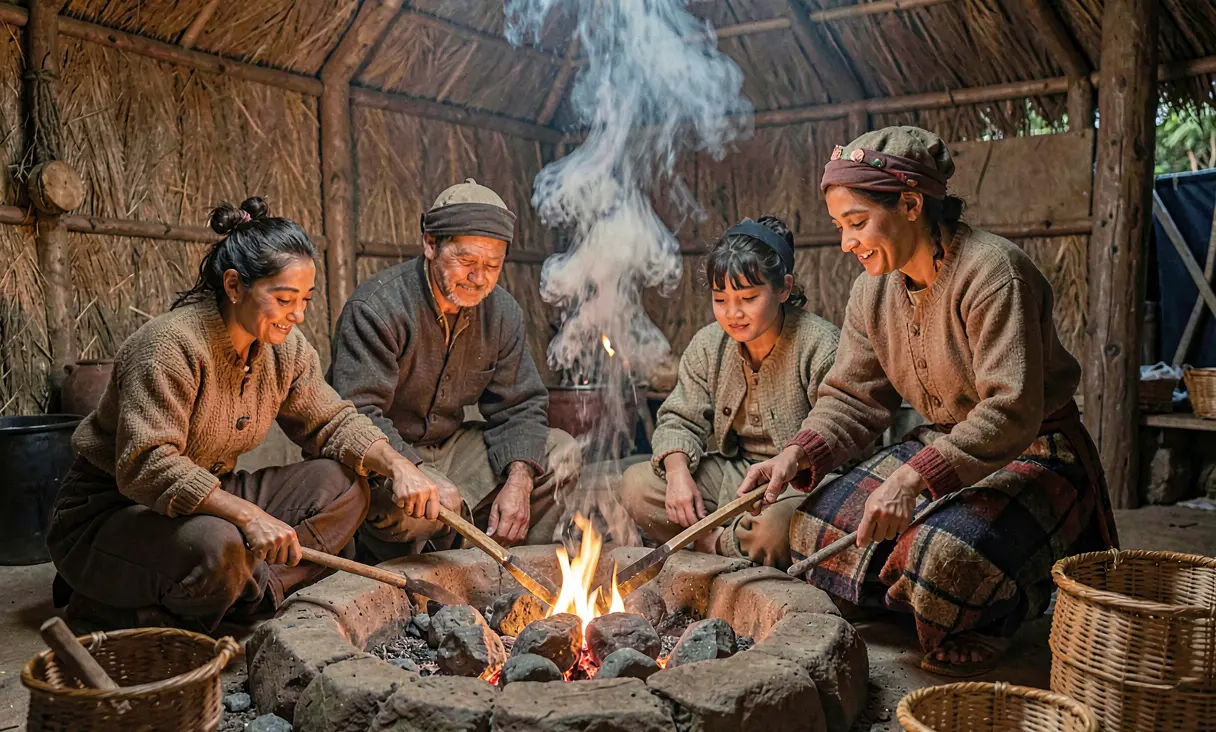
In response to these constraints, Māori society rapidly innovated alternative technologies that would come to define their material culture. For cooking, the hāngī (earth oven) became the dominant method, utilizing heated stones placed in pits lined with vegetation to steam food, effectively replacing the need for boiling pots. Storage and transport needs were met through an unparalleled mastery of weaving, particularly using harakeke (New Zealand flax), which was fashioned into durable kete (baskets) and pōhā (water-tight bags made from bull kelp). Simultaneously, woodworking flourished; the abundant native forests allowed for the construction of massive waka (canoes) and wharenui (meeting houses), while stone carving in greenstone (pounamu) and basalt replaced ceramic artistry as the primary medium for prestige objects and tools.
The Archaeological Silence
The absence of pottery is so absolute that it serves as a key diagnostic tool for archaeologists distinguishing early Māori sites from those of other Pacific cultures. Excavations at sites such as Wairau Bar, dating to the earliest settlement period (c. 1280–1350 CE), reveal extensive middens containing stone adzes, bone fishhooks, and charred organic remains, yet they yield zero ceramic fragments. This silence in the archaeological record is not due to preservation bias, as pottery typically survives well in New Zealand's soil conditions; rather, it confirms a conscious and total cessation of production. The transition was swift, suggesting that within a generation or two of arrival, the knowledge of pottery making was either lost or deemed unnecessary, replaced by a robust suite of non-ceramic technologies.
Cultural Resilience and Artistic Evolution
Far from signaling a decline in technological sophistication, this shift demonstrated remarkable cultural resilience. The Māori did not merely abandon pottery; they reinvented their material world to suit the new environment with exceptional creativity. The energy that might have been spent on clay extraction and firing was redirected into refining the art of wood carving (whakairo) and tattooing (tā moko), which developed intricate geometric patterns often reminiscent of, yet distinct from, earlier Polynesian motifs. This adaptation allowed for a unique cultural identity to emerge, one deeply rooted in the specific resources of Aotearoa. The resulting material culture was not a deficit but a specialized optimization, proving that human societies can thrive without certain technologies if alternative solutions are culturally and environmentally viable.
Legacy and Global Significance
The absence of pottery in Māori culture remains a singular case study in the history of technology and human adaptation. It challenges the assumption that ceramic production is an inevitable or permanent stage of cultural development, illustrating instead how environmental determinism can drive rapid technological regression in one area to facilitate advancement in others. Today, this historical reality underscores the ingenuity of Māori ancestors who successfully colonized a land with no clay, no tropical heat for firing, and no need for the ceramic vessels their forebears had cherished. It stands as a testament to the flexibility of human culture, where the loss of one tradition can catalyze the flourishing of others, creating a distinct heritage that continues to influence New Zealand's national identity.
The abandonment of pottery highlights the adaptability of Māori culture in response to New Zealand's specific environmental constraints.
Where it happened
New Zealand — see it on the interactive map →
Explore related history
 ScienceDomestication of the Turkey in Mesoamericac. 1000 BCE · Central MexicoAncient Mesoamericans successfully domesticate the wild turkey for meat and ritual feathers.
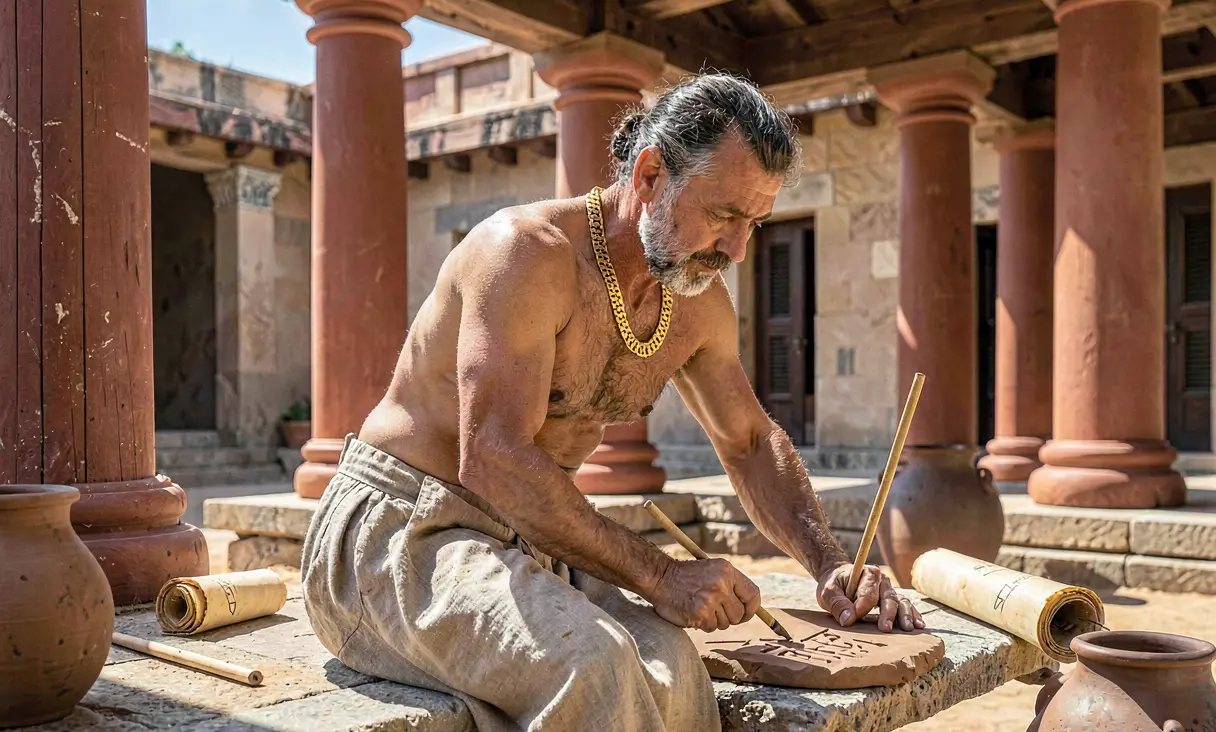 ScienceDevelopment of Linear A Script by Minoansc. 1800 BCE · Knossos, Crete (Greece)The Minoans develop Linear A, a still undeciphered writing system for administration.
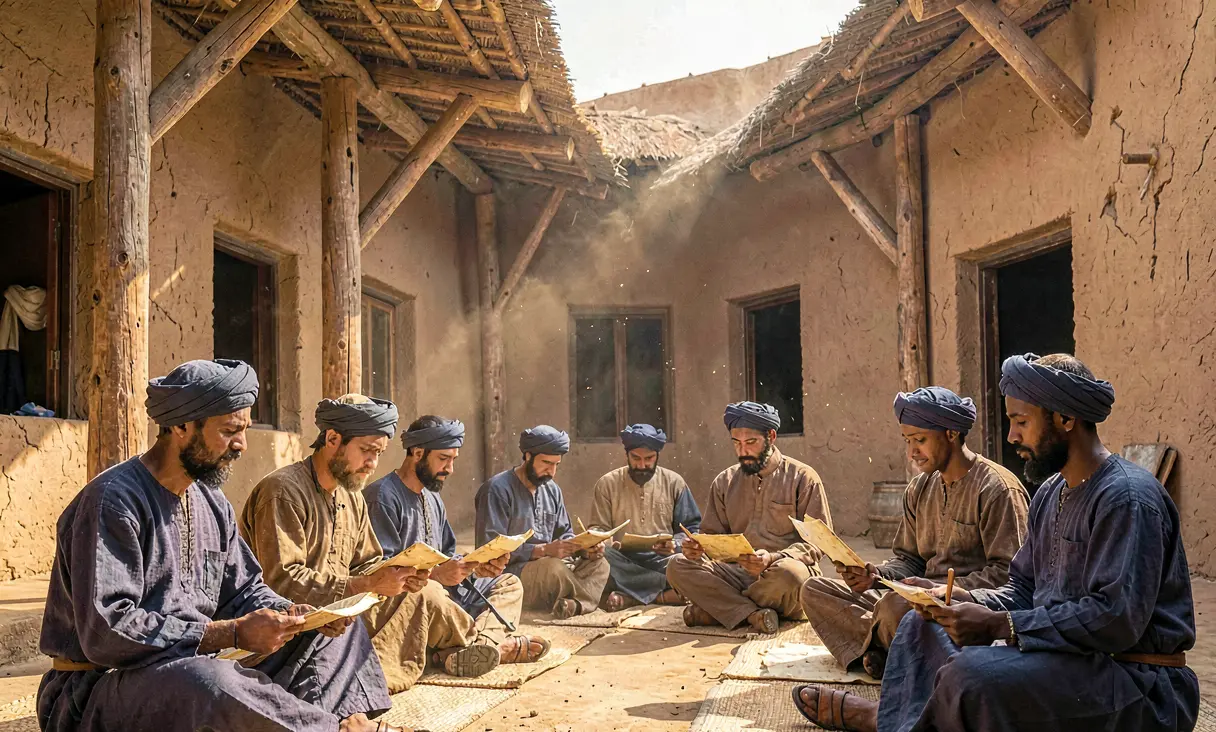 ScienceSankore Madrasah Becomes a Center of Learning in Timbuktuc. 1450 CE · Timbuktu, MaliThe Sankore Madrasah emerges as a premier university for Islamic scholarship in West Africa.
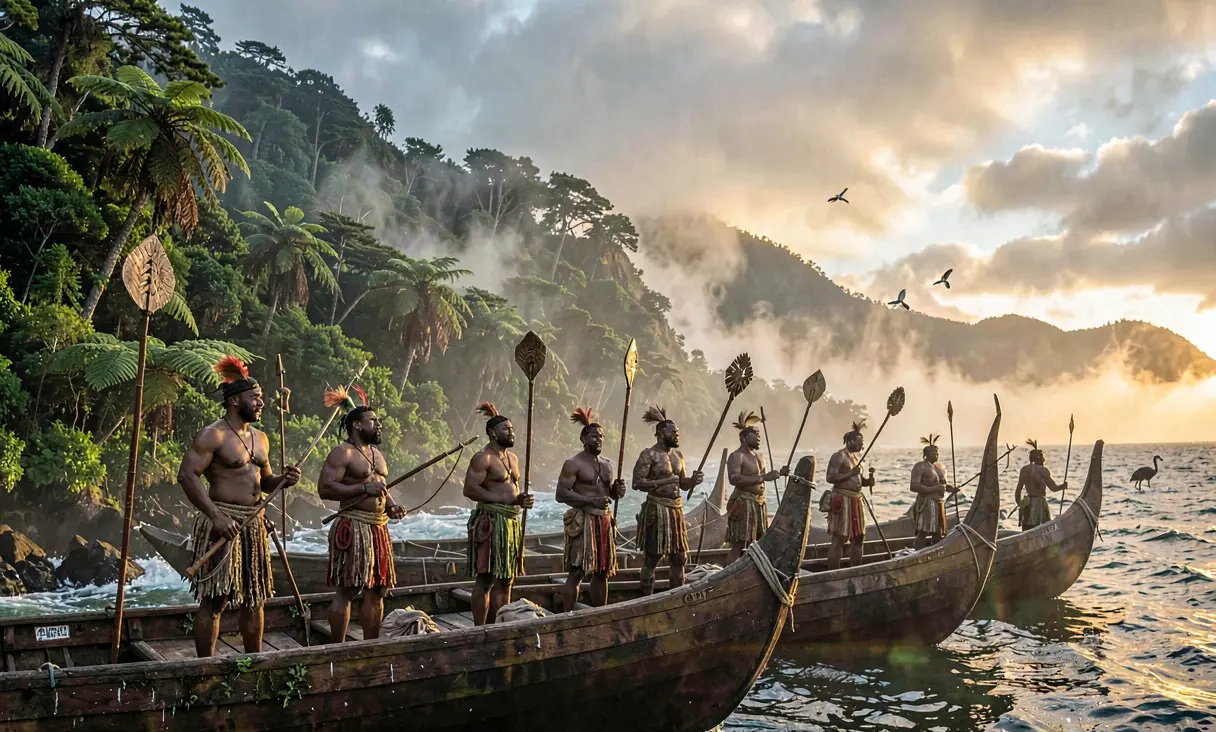 ExplorationMāori Settlement of Aotearoa (New Zealand)c. 1280 CE · North Island, New ZealandPolynesian voyagers from East Polynesia arrive in Aotearoa, marking the last major human migration.
 WarBattle of Kadeshc. 1274 BCE · Syria/Lebanon BorderEgypt and Hittites clash in the largest chariot battle of antiquity resulting in a peace treaty.
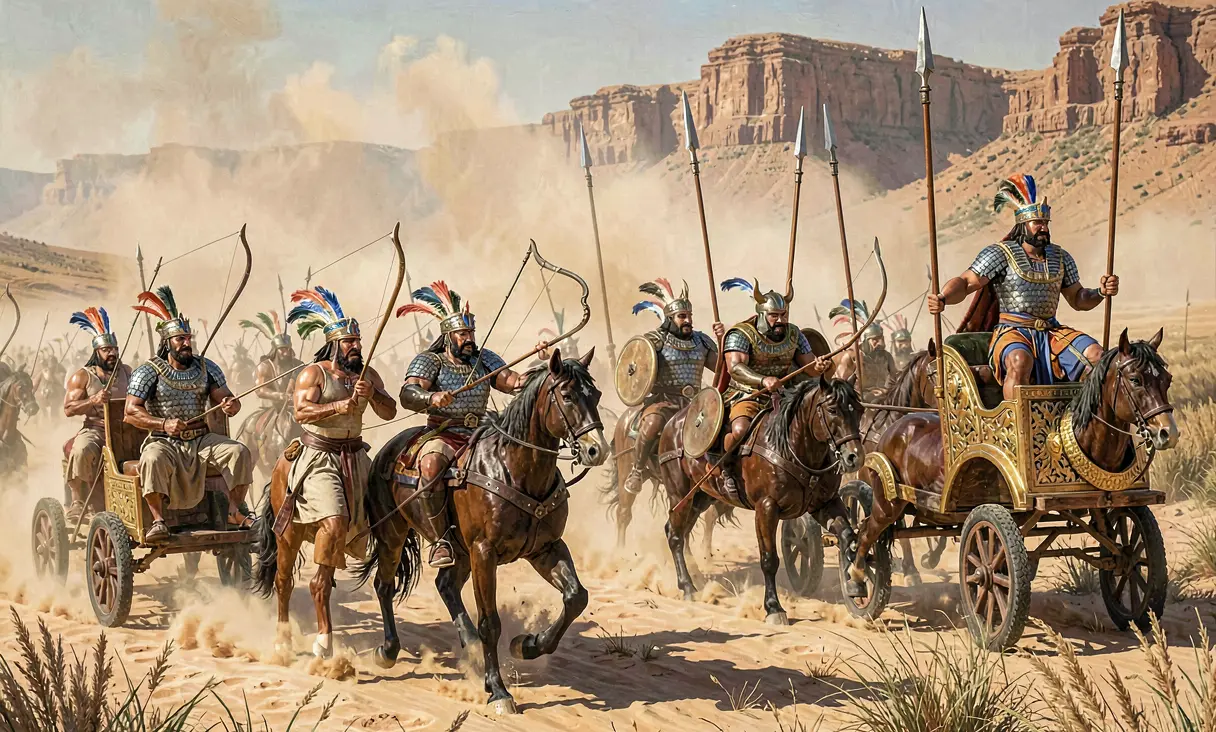 WarBattle of Kadesh: Hittites vs. Egyptiansc. 1274 BCE · Kadesh (Tall al-Nabi Mind), SyriaRamesses II and Muwatalli II clash in the largest chariot battle of antiquity.
Discussion
Loading…