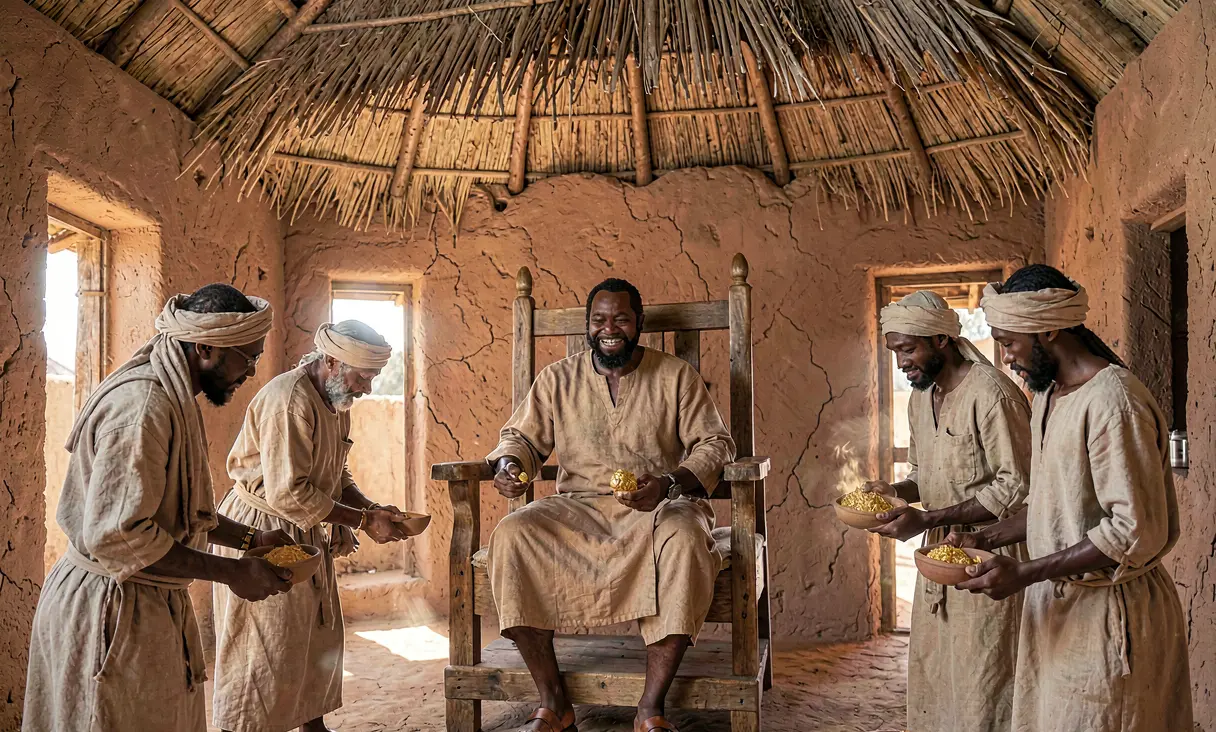
Mansa Musa's Control of Trans-Saharan Gold Trade
Mansa Musa's monopolization of West African gold production around 1307 CE transformed the Mali Empire into a global economic superpower, funding a cultural renaissance and reshaping medieval world hi
The Geopolitical Ascendancy of the Mali Empire
By the early 14th century, the Mali Empire had transcended its origins as a successor state to the Ghana Empire to become the preeminent power in West Africa. Centered at Niani, on the upper Niger River near the modern border of Guinea and Mali, the empire controlled the critical southern termini of the trans-Saharan trade routes. While gold deposits had long been mined in the Bambuk, Bure, and Wangara regions, it was under the centralized authority of the Mansa that these resources were systematically integrated into a global economic network. The empire's strategic geography allowed it to monopolize the flow of gold dust and nuggets northward toward the Mediterranean and the Middle East, while controlling the influx of salt from the Sahara and manufactured goods from Europe and Asia.
Musa I: Architect of Economic Supremacy
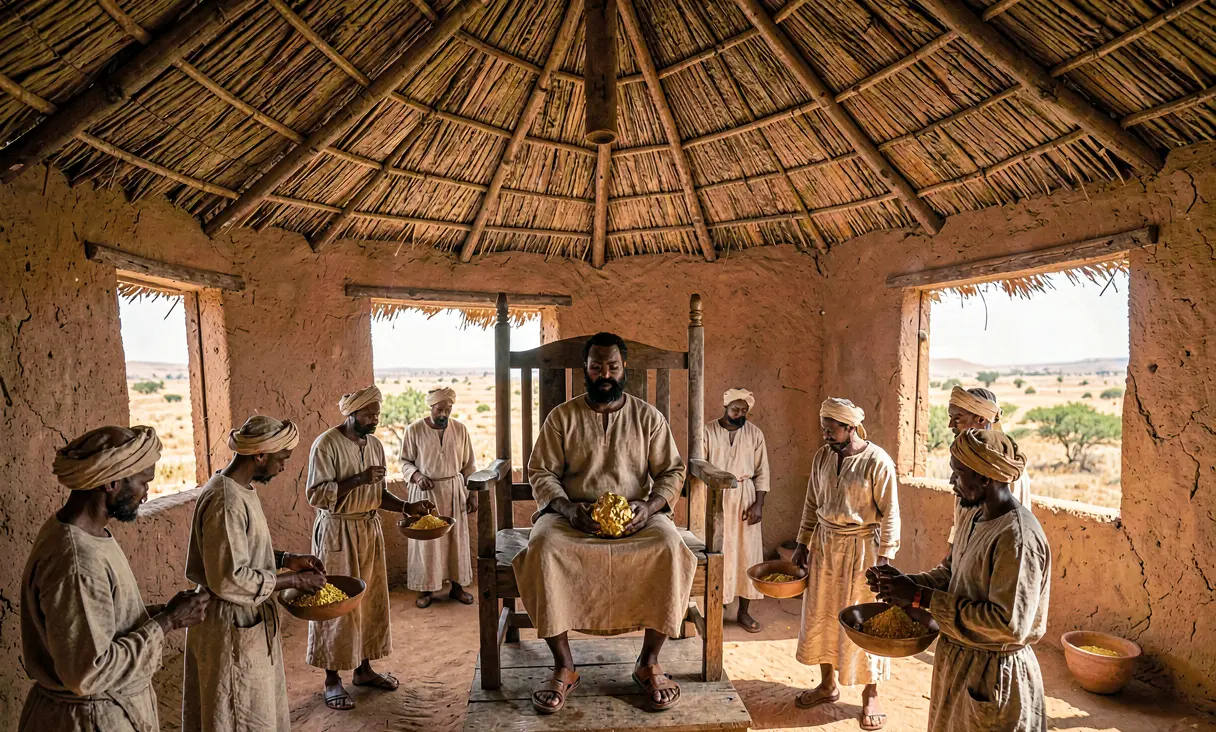
Ascending to the throne around 1307 CE following the death of his predecessor Abu Bakr II, Mansa Musa (Kankou Musa) inherited a vast territory but quickly reshaped its economic destiny. Unlike previous rulers who relied on tribute and loose hegemony, Musa implemented rigorous administrative reforms that tightened state control over gold production zones. He established a monopoly on gold nuggets, allowing only the state to trade in solid gold while permitting private merchants to deal exclusively in gold dust, thereby preventing market inflation and ensuring the crown captured the lion's share of the wealth. This fiscal discipline transformed Mali from a regional powerhouse into the world's largest producer of gold, a status that would fundamentally alter global economic perceptions.
The Mechanics of Trans-Saharan Dominance
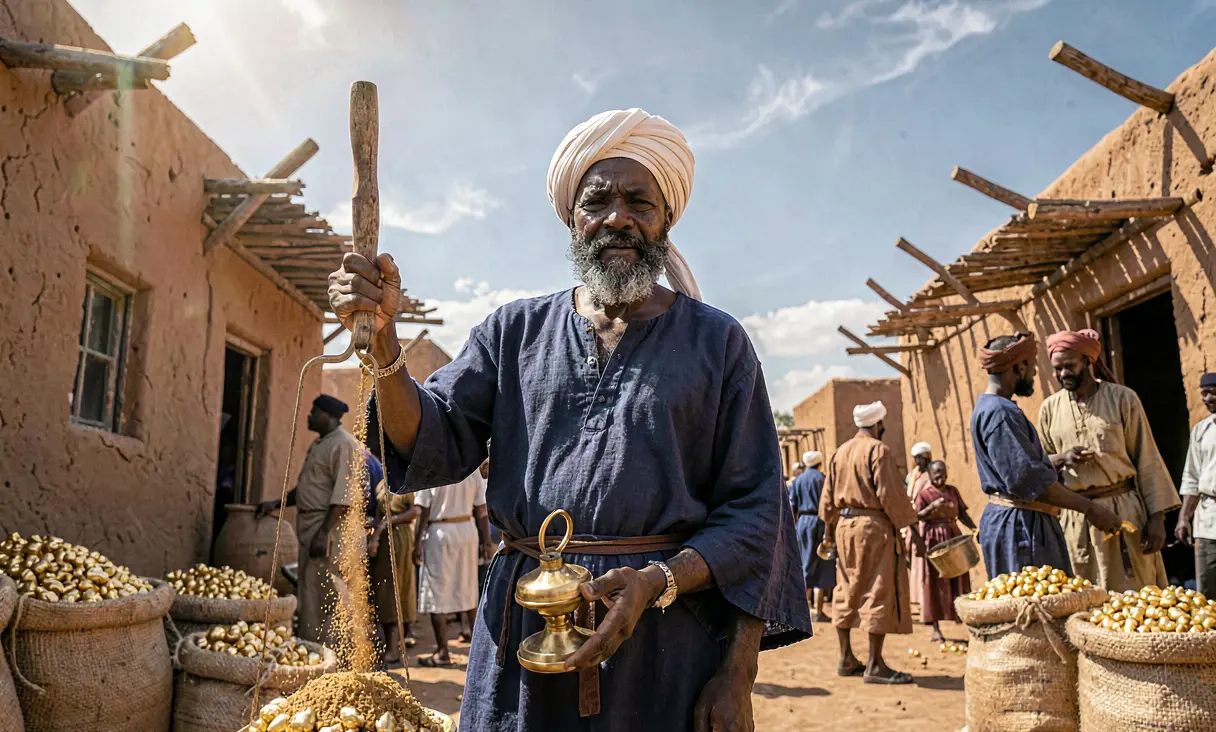
The control of the trade was not merely military but logistical and diplomatic. Musa secured the loyalty of Berber traders and established safe passage for caravans traversing the treacherous Sahara, effectively turning the desert into a highway for Malian commerce. The empire's capital, Niani, grew into a bustling metropolis where gold dust was weighed with precision against imported goods like copper, textiles, and books. This era saw the standardization of weights and measures across the empire, facilitating a complex market economy that rivaled contemporary European systems. The sheer volume of gold leaving Mali was so immense that it began to influence currency values as far away as Cairo and Venice, linking the West African interior directly to the Mediterranean economy.
The Pilgrimage as Economic Spectacle
The culmination of this economic dominance occurred during Musa's famous pilgrimage (Hajj) to Mecca in 1324, a journey that served as both a religious obligation and a geopolitical demonstration. Accompanied by an entourage estimated at 60,000 people, including 12,000 slaves and hundreds of camels laden with gold, Musa's procession stopped in Cairo where he distributed so much gold that he inadvertently depressed the metal's value in Egypt for over a decade. This event was not merely an act of piety but a calculated assertion of Mali's wealth to the Islamic world and Europe. It shattered previous perceptions of Africa as a land of myth, replacing them with concrete evidence of a civilization possessing resources that rivaled or exceeded those of European monarchs.
Cultural Renaissance and Urban Transformation
The wealth generated from the gold trade was immediately reinvested into the cultural and intellectual infrastructure of the empire. Musa utilized his vast reserves to commission the construction of the Djinguereber Mosque in Timbuktu, designed by the Andalusian architect Abu Ishaq al-Sahili, who was brought back from Cairo. Beyond religious architecture, Musa established madrasas and libraries that attracted scholars, jurists, and astronomers from across the Islamic world. Timbuktu evolved from a seasonal trading post into a permanent center of learning, housing the Sankore University, which became a beacon of scholarship where manuscripts on law, astronomy, and medicine were copied and studied, cementing Mali's reputation as a cradle of civilization.
Legacy of the Golden Age
The economic model established by Mansa Musa defined the golden age of the Mali Empire, leaving an indelible mark on world history. His control of the gold trade created a legend that persisted for centuries, inspiring European cartographers to depict West Africa as a land of immense riches and prompting later explorers like Christopher Columbus and Vasco da Gama to seek African routes. Although the empire eventually fragmented due to internal succession disputes and external pressures from the Songhai, the precedent set by Musa demonstrated how resource management could elevate a state to global prominence. The manuscripts preserved in Timbuktu today stand as enduring testaments to this era, proving that Mali's influence extended far beyond its gold mines into the realm of human knowledge.
It established West Africa as a critical node in the global gold economy and Islamic intellectual network.
Where it happened
Niani, Mali Empire (Guinea/Mali border) — see it on the interactive map →
Explore related history
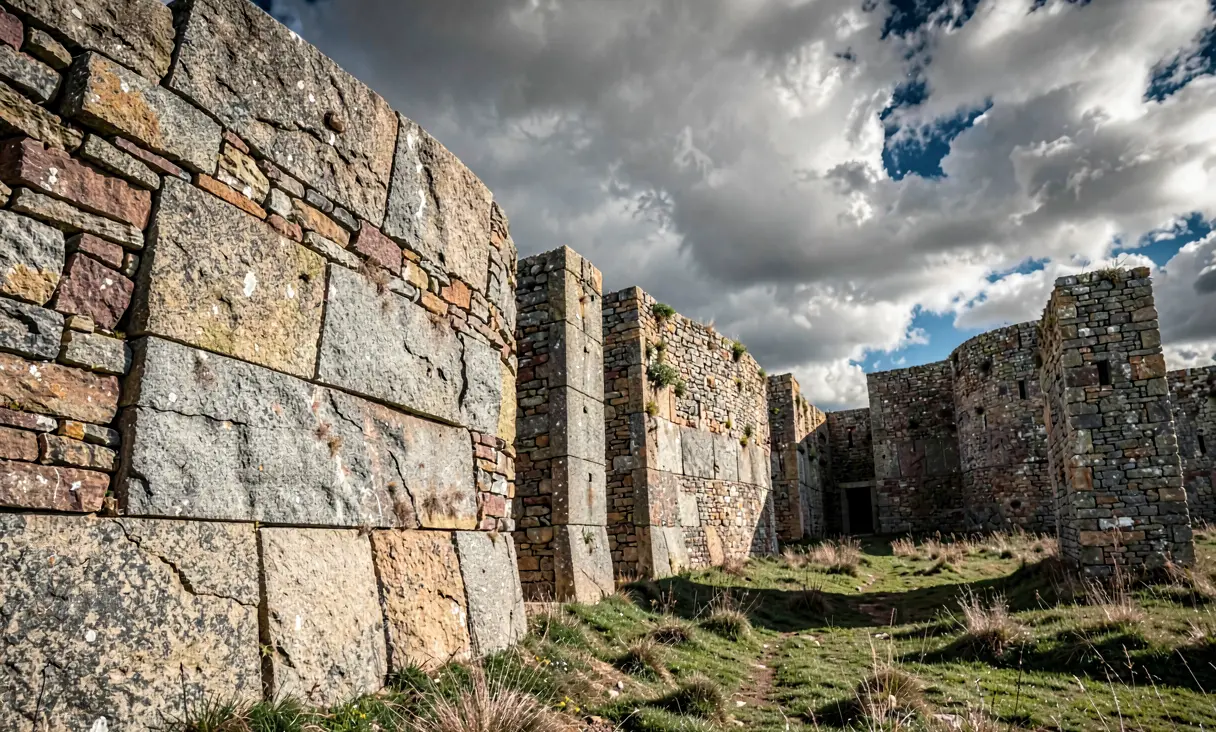 CivilizationConstruction of Great Zimbabwec. 1100 CE · Masvingo, ZimbabweShona people build the largest pre-colonial stone structure in Africa without mortar.
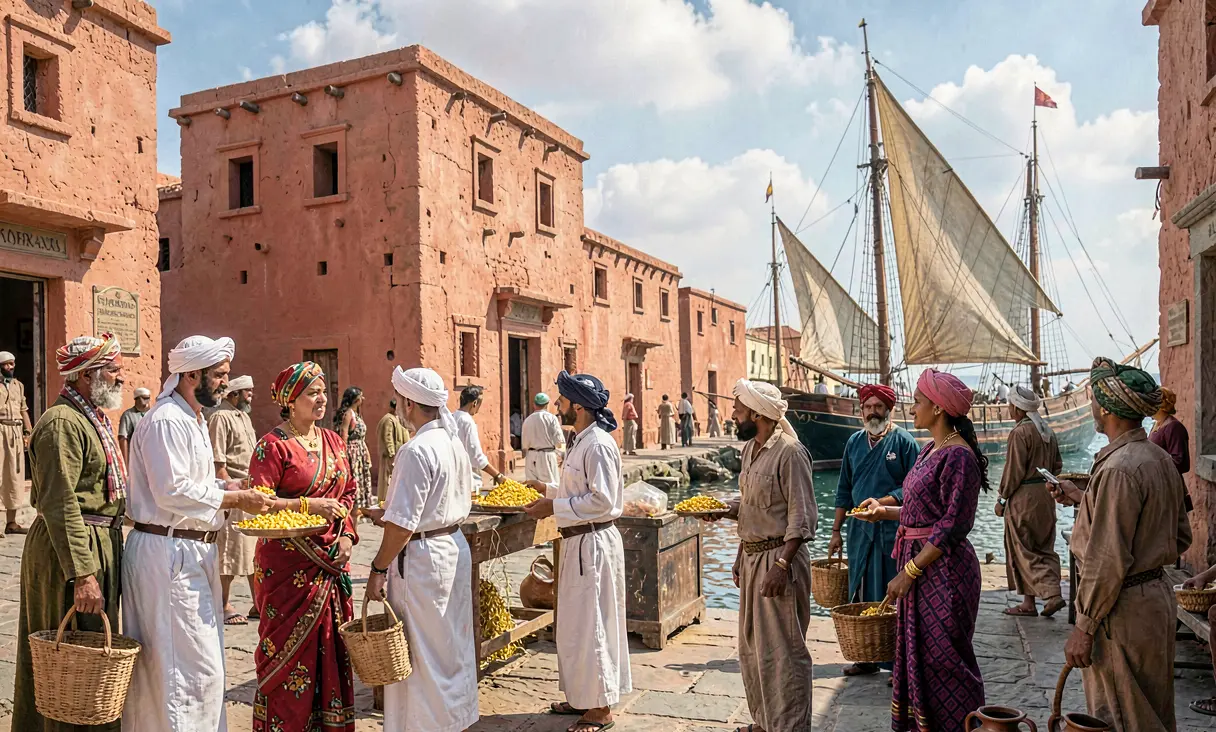 CivilizationRise of Swahili City-States on the East African Coastc. 1200 CE · Kilwa Kisiwani, TanzaniaSwahili city-states flourish as cosmopolitan hubs of Indian Ocean trade, blending African and Islamic cultures.
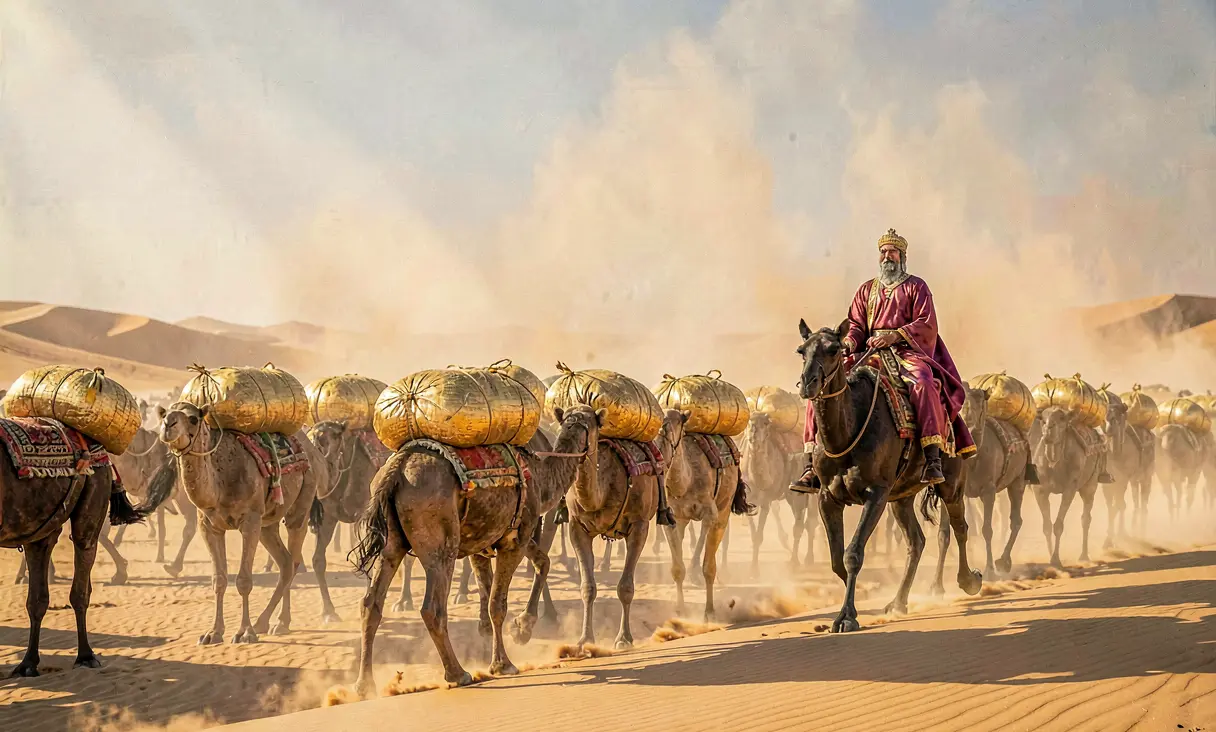 CivilizationMansa Musa Pilgrimage to Mecca1324 CE · Timbuktu, MaliMali Empire ruler travels with immense wealth, destabilizing economies along his route to Mecca.
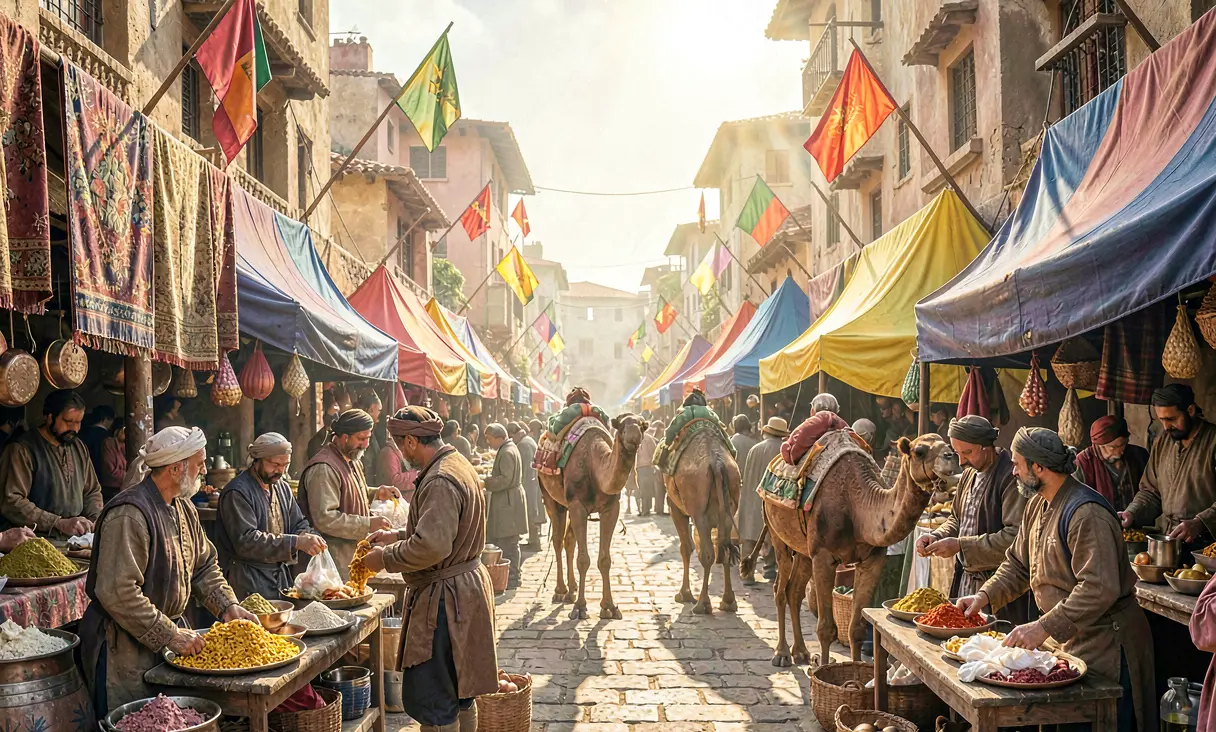 ExplorationPeak of the Silk Road Trade via Central Asiac. 1300 CE · Samarkand (modern Uzbekistan)The Silk Road reaches a peak of connectivity under the Mongol Pax Mongolica, facilitating trade between China and Europe.
 ArtCreation of the Goryeo Buddhist Paintingsc. 1300 CE · Korea (Goryeo Dynasty)Court artists create intricate paintings of Amitabha Buddha for royal rituals.
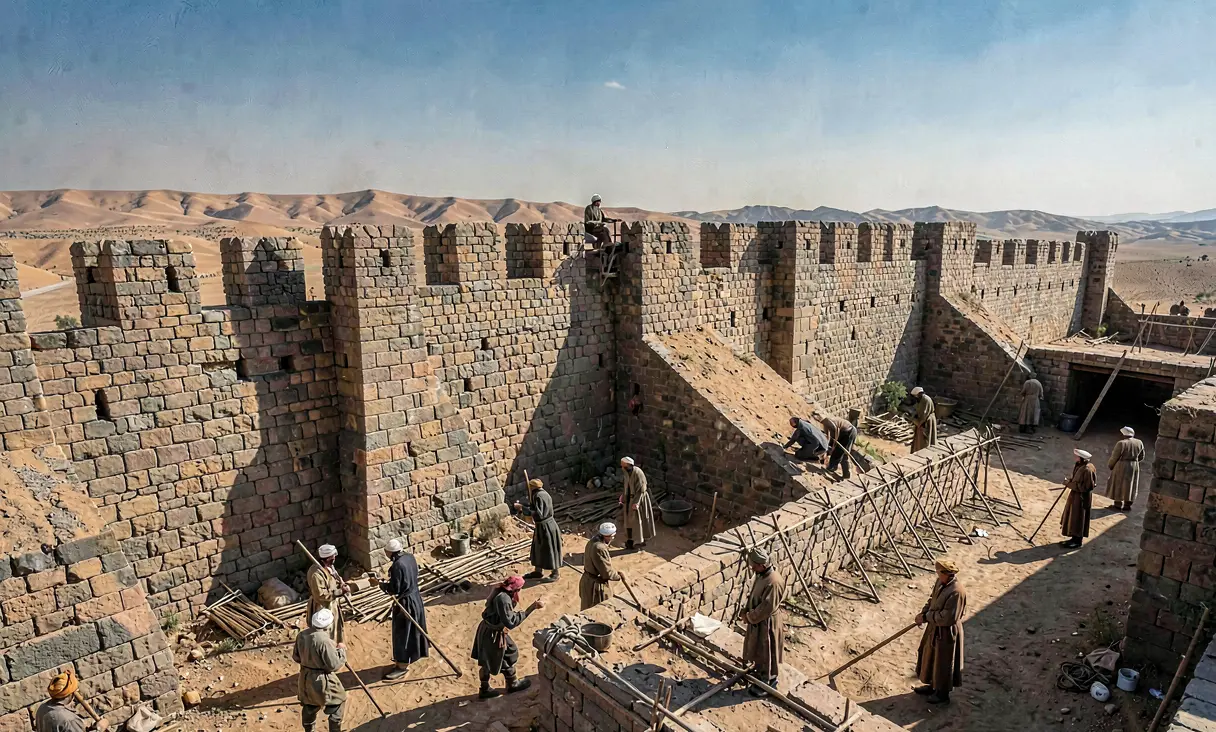 PoliticsGhiyas-ud-din Tughlaq Founding of Tughlaqabadc. 1320 CE · Delhi, IndiaGhiyas-ud-din Tughlaq usurps the throne and founds the massive fortified city of Tughlaqabad to secure his dynasty's power.
Discussion
Loading…