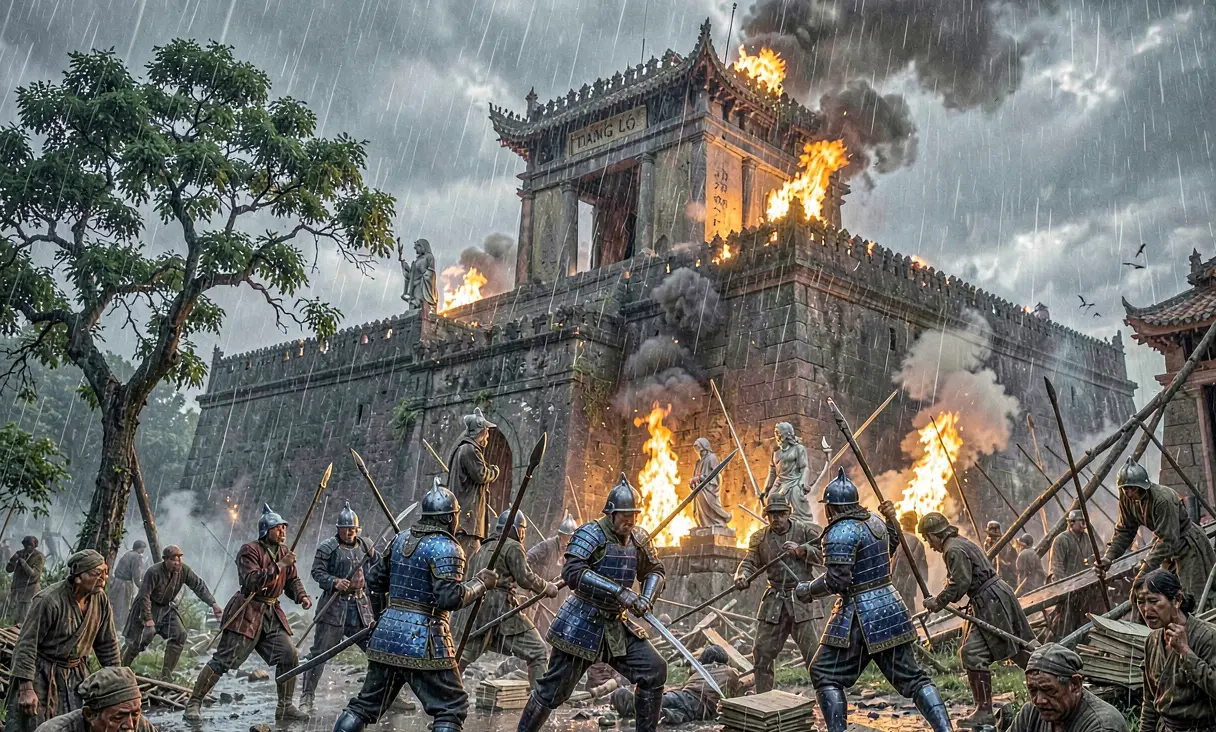
Ming Conquest of Dai Viet (Fourth Era)
The brutal 1407 Ming annexation of Dai Viet sparked a decade-long resistance that forged a unified Vietnamese identity and led to the restoration of independence under Le Loi.
The Collapse of the Ho Dynasty
By the early 15th century, the political landscape of mainland Southeast Asia was in flux. In Dai Viet, the Tran dynasty had been usurped by Ho Quy Ly and his son Ho Han Thuong, who established the short-lived Ho dynasty in 1400. Their reign was marked by radical land reforms and a desperate attempt to modernize the military, yet it lacked legitimacy in the eyes of the traditional Confucian scholar-officials. Seizing upon this internal fragility and the pretext of restoring the deposed Tran line, the Yongle Emperor of the Ming Dynasty launched a massive punitive expedition in late 1406. The Ming forces, numbering over two hundred thousand seasoned troops under the command of generals Zhu Neng and Zhang Fu, swept across the border with overwhelming force.
The Fall of Thang Long
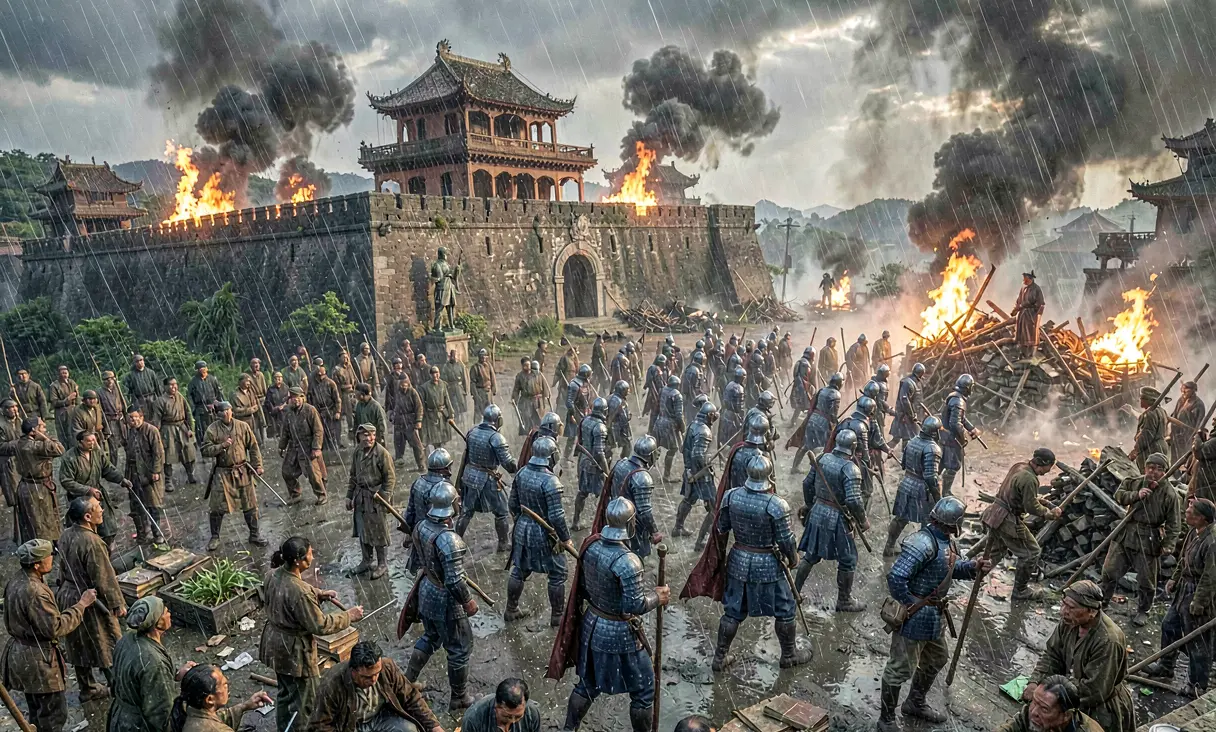
The campaign was swift and decisive. Despite fierce resistance at key fortifications along the Red River Delta, the Ho defenses crumbled under the weight of Ming artillery and disciplined infantry tactics. By May 1407, the capital city of Thang Long (modern-day Hanoi) had fallen. The capture of the Ho rulers, including Ho Quy Ly and his son, marked the effective end of Dai Viet's sovereignty for a generation. Unlike previous occupations where China sought to install puppet regimes, the Ming court under Yongle made the unprecedented decision to directly annex the territory. In 1407, the region was officially reorganized as Jiaozhi Province, integrating it administratively into the Chinese empire and ending nearly four centuries of independent Vietnamese statehood.
Cultural Erasure and Assimilation
The Ming occupation was characterized by a systematic and brutal campaign to erase Vietnamese national identity. The new administration, led by Governor Zhang Fu, implemented policies designed to strip the populace of their distinct cultural heritage. Libraries were ransacked; thousands of historical records, literary works, and religious texts were burned or shipped back to Beijing, resulting in an irreplaceable loss of Dai Viet's intellectual history. The Ming authorities mandated the adoption of Chinese dress, language, and customs, while local scholars were either executed or coerced into serving the new regime. This cultural genocide was intended to transform the Vietnamese people into loyal subjects of the Ming throne, but it instead sowed the seeds of deep-seated hatred.
The Spark of Resistance
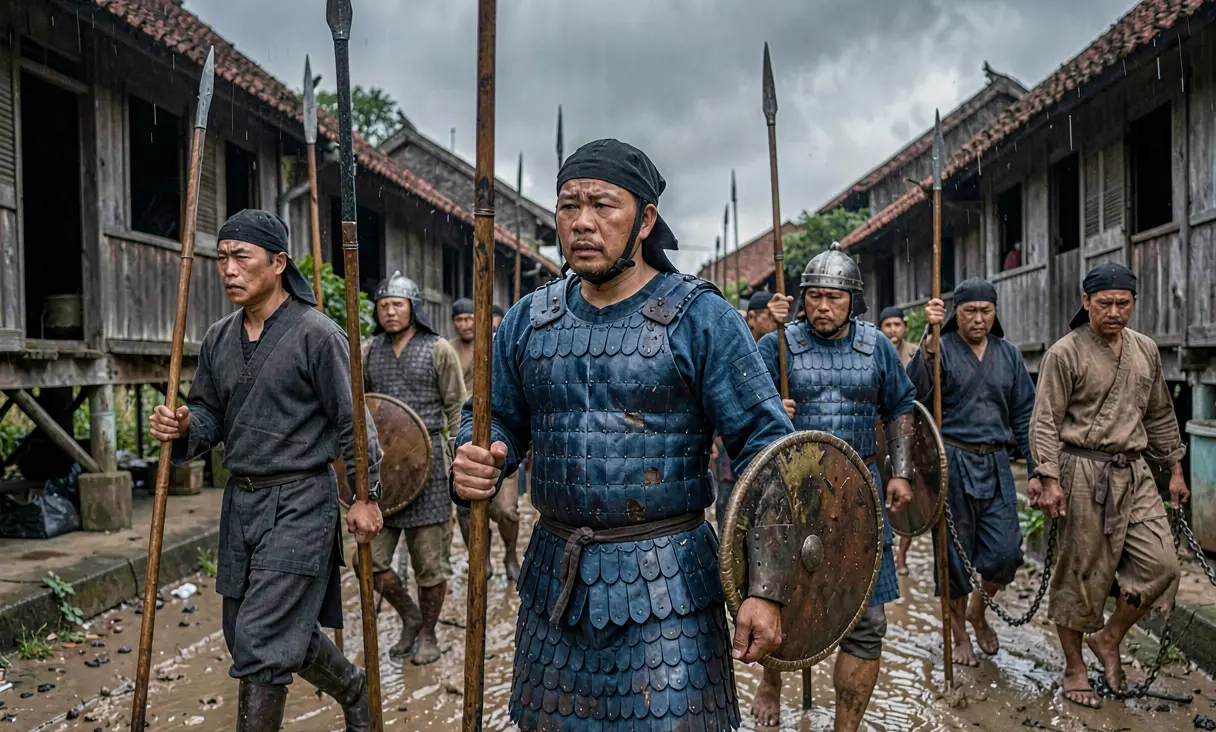
While the initial military conquest was rapid, the occupation quickly devolved into a quagmire of insurgency. The heavy taxation, forced labor conscription for mining and construction projects, and the humiliation of foreign rule ignited widespread resentment across the countryside. Local elites and former Tran loyalists began organizing guerrilla cells, exploiting the rugged terrain to harass Ming supply lines. Among these early resistance leaders was Le Loi, a wealthy landowner from Lam Son in Thanh Hoa province. By 1418, Le Loi had consolidated various disparate factions under his banner, initiating the Lam Son Uprising. His strategy shifted from conventional warfare to protracted guerrilla tactics, gradually wearing down the Ming garrison's morale and resources.
The Road to Restoration
For a decade, the conflict raged as Le Loi's forces grew in strength and sophistication. The turning point came with the Battle of Tot Dong-Chu Dong in 1426, where Vietnamese forces decisively defeated a massive Ming relief army. This victory shattered the illusion of Ming invincibility and forced the court in Beijing to reconsider the cost of holding Jiaozhi. By 1427, following the disastrous defeat at the Battle of Chi Lang-Chu Dong, where the Ming commander Liou An was killed, the remaining Chinese forces were besieged and negotiated a withdrawal. In late 1427, the Ming army evacuated Dai Viet, ending the twenty-year occupation.
Legacy of the Fourth Era
The Ming conquest and subsequent liberation fundamentally reshaped Vietnamese national consciousness. The brutality of the occupation forged a unified sense of identity that transcended regional differences, cementing the narrative of resistance against foreign domination as a core tenet of Vietnamese history. The restoration of independence in 1428 led to the establishment of the Later Le dynasty, which would rule for centuries and solidify the Confucian administrative model while fiercely guarding national sovereignty. The event serves as a stark historical reminder of the limits of imperial assimilation; despite superior military power, the Ming failed to subdue the spirit of a people determined to preserve their unique culture.
It marked a brief but traumatic interruption of Vietnamese sovereignty that fueled nationalist sentiment.
Where it happened
Hanoi (Thang Long), Vietnam — see it on the interactive map →
Explore related history
 WarIslamic Conquest of the Sasanian Empire637 CE · Ctesiphon, Iraq (Persia)Arab Muslim forces defeat the Sasanian Empire at the Battle of al-Qadisiyyah, ending centuries of Persian rule.
 WarViking Siege of Paris885 CE · Paris, FranceViking raiders led by Sigfred besiege Paris for over a year, testing the defenses of West Francia.
 WarChola Conquest of Sri Lankac. 993 CE · Anuradhapura, Sri LankaRajaraja Chola launches a massive amphibious invasion of Sri Lanka, defeating the Sinhalese kingdom and annexing the island.
 ExplorationZheng He's First Voyage BeginsJuly 11, 1405 CE · Nanjing, ChinaChinese admiral leads massive fleet to Southeast Asia and Africa projecting Ming power.
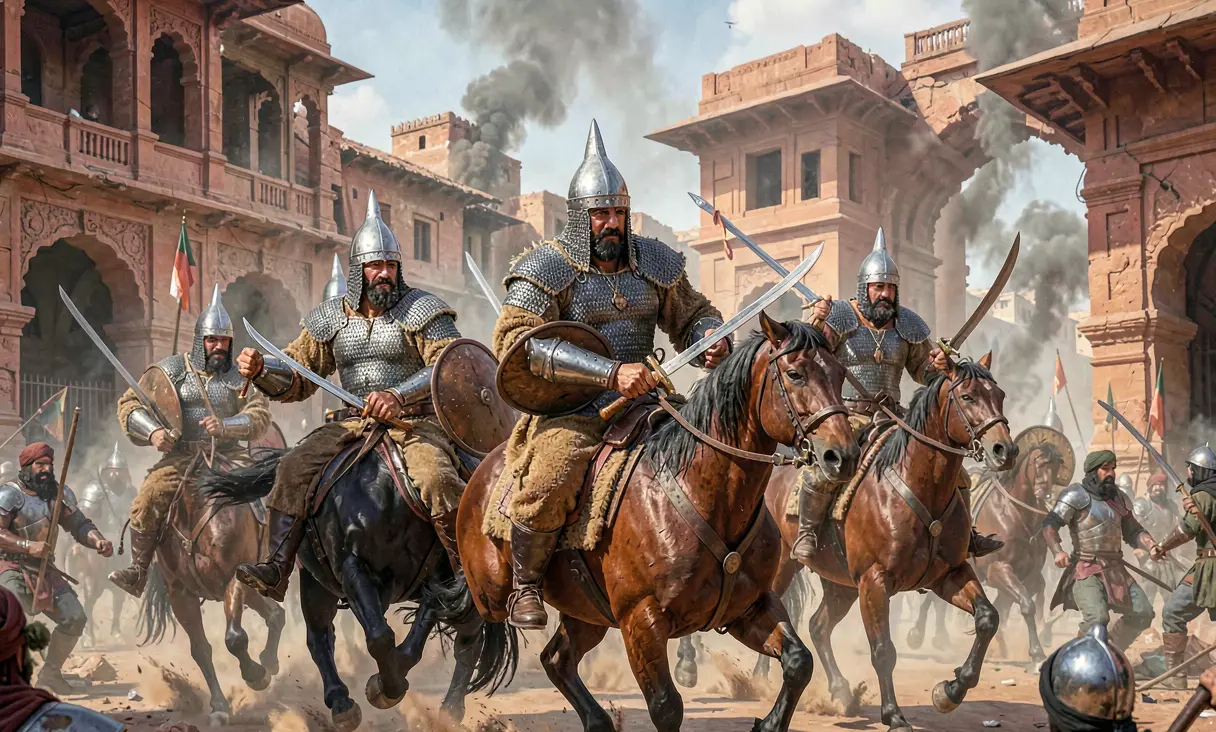 WarRise of Timur (Tamerlane) and Conquest of Delhi1398 CE · Delhi, IndiaTimur invades the Delhi Sultanate, sacking the city and temporarily ending Mamluk rule in Northern India.
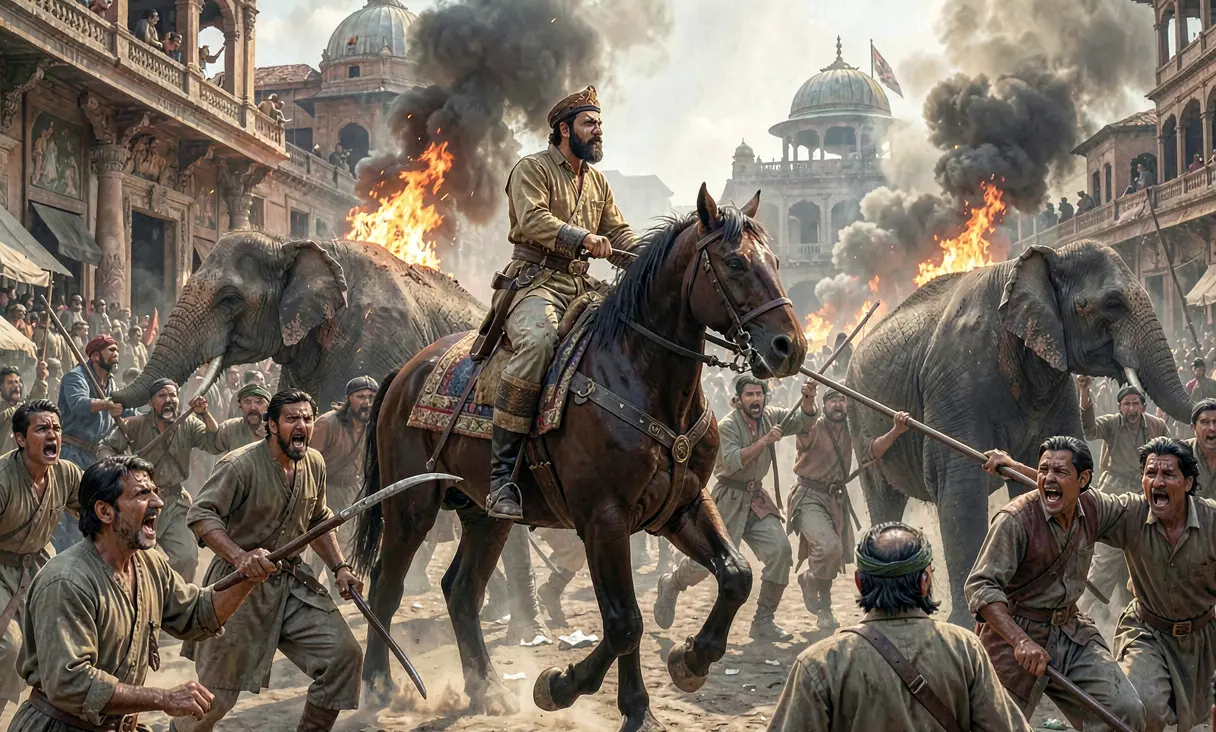 WarTimur's Sack of Delhic. 1398 CE · Delhi, IndiaTimur (Tamerlane) invades the Delhi Sultanate, defeating the Tughlaqs and massacring the city's population before retreating.
Discussion
Loading…