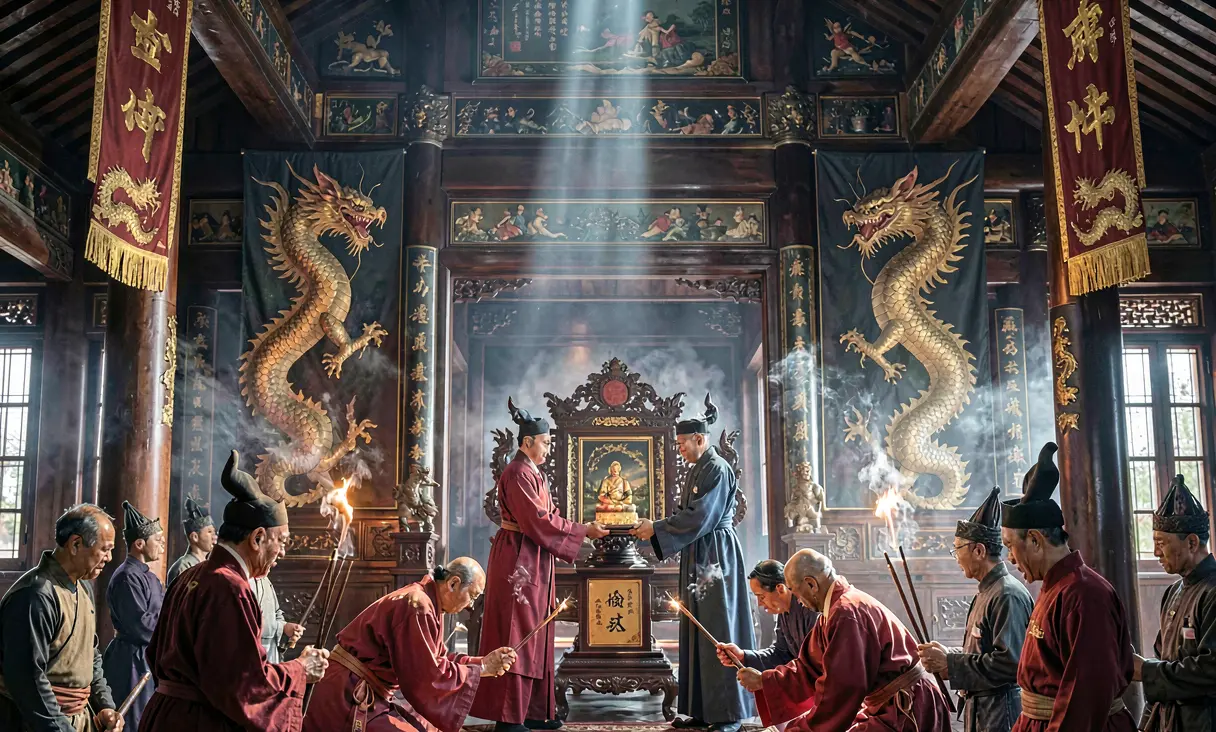
Le Loi Crowned Emperor of Dai Viet
In 1428, Le Loi crowned Emperor in Thang Long, ending Ming occupation and founding the Later Le Dynasty, which sparked a cultural golden age and secured Vietnamese sovereignty for centuries.
The Shadow of Ming Occupation
By the early 15th century, Vietnam (Dai Viet) had endured a decade of direct annexation by the Ming Dynasty of China. Following the collapse of the Ho Dynasty in 1407, the Ming court dismantled Dai Viet's sovereignty, renaming it Jiaozhi and imposing rigorous Sinicization policies that suppressed local culture and confiscated resources. The Vietnamese populace faced heavy taxation, forced labor, and the systematic erasure of their historical institutions. Amidst this subjugation, a regional governor named Le Loi emerged from Lam Son in Thanh Hoa province, rallying a disparate coalition of scholars, peasants, and disaffected nobility under the banner of national restoration.
The Ten-Year War of Liberation
Le Loi's resistance, known as the Lam Son Uprising, began in 1418. The conflict evolved from a series of guerrilla skirmishes into a full-scale conventional war following Le Loi's strategic retreat to the Ngang Pass and his subsequent alliance with the brilliant strategist Nguyen Trai. Utilizing hit-and-run tactics against larger Ming forces, Le Loi's army gradually exhausted the enemy's logistical lines. The decisive turning point arrived in late 1426 at the Battle of Chi Lang-Chu Dong Tu, where the Vietnamese forces annihilated a massive Ming relief army sent from Beijing. With their military capacity shattered and morale broken, the remaining Ming garrisons agreed to withdraw, paving the way for the restoration of independence.
The Coronation at Thang Long
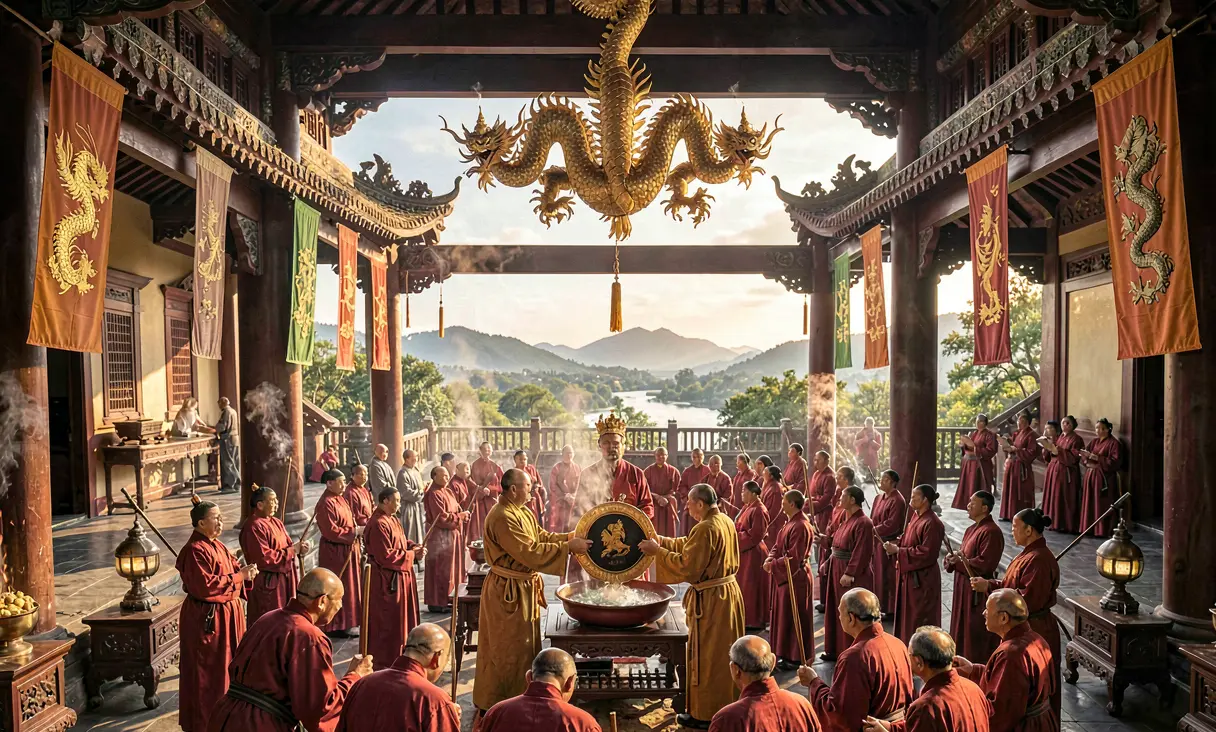
On April 15, 1428, following the complete evacuation of Ming troops, Le Loi formally ascended the throne in the ancient capital of Thang Long (modern-day Hanoi). He adopted the reign title Le Thai To and proclaimed the establishment of the Later Le Dynasty, distinguishing it from the earlier Le Dynasty of the 10th century. The coronation ceremony was a deliberate reassertion of Vietnamese sovereignty, reviving imperial rituals that had been banned during the occupation. By choosing Thang Long as his capital, Le Loi symbolically reclaimed the heart of the nation's political and cultural life, signaling to both domestic subjects and foreign powers that Dai Viet had returned as an independent empire.
Restoration and Administrative Reorganization
The early years of Le Thai To's reign were defined by a dual mission: physical reconstruction and institutional revitalization. The country lay in ruins after fifteen years of war, requiring immediate efforts to rebuild irrigation systems, restore agricultural production, and repopulate devastated regions. Politically, Le Loi moved swiftly to centralize authority while integrating the Confucian bureaucracy that had been disrupted. He promulgated a new legal framework, laying the groundwork for the Hong Duc Code, which would later become the most significant legal document in Vietnamese history. This code balanced strict imperial control with protections for local customs and the rights of commoners, creating a stable foundation for governance.
Cultural Renaissance and Civil Service
Le Loi placed immense emphasis on restoring the Confucian examination system to select officials based on merit rather than lineage or foreign appointment. He actively patronized scholars and poets, fostering an environment where Vietnamese literature flourished alongside classical Chinese studies. The period saw a resurgence in historical writing and poetry that celebrated national identity and the recent victory against China. By reinstating the civil service examinations, Le Loi ensured that the administration was staffed by loyal, educated elites who were deeply invested in the stability of the new dynasty, effectively creating a meritocratic bureaucracy that would serve as a model for subsequent centuries.
Legacy and Historical Significance
The coronation of Le Loi in 1428 marks one of the most pivotal moments in Southeast Asian history, ending over a millennium of intermittent Chinese domination and establishing a dynasty that would rule for nearly four centuries. The Later Le Dynasty ushered in a 'Golden Age' of Vietnamese culture, law, and territorial expansion, setting the stage for the southward migration (Nam Tien) that shaped modern Vietnam's geography. Le Thai To is remembered not merely as a conqueror but as a nation-builder whose synthesis of military prowess and administrative wisdom secured Dai Viet's independence and forged a distinct national identity that has endured to the present day.
It established a long-lasting dynasty that defined the political structure of Vietnam until the 19th century.
Where it happened
Hanoi (Thang Long), Vietnam — see it on the interactive map →
Explore related history
 PoliticsRise of Srivijaya as Maritime Hegemon683 CE · Palembang, Sumatra (Modern Indonesia)Srivijaya emerges as the dominant maritime empire controlling the Strait of Malacca.
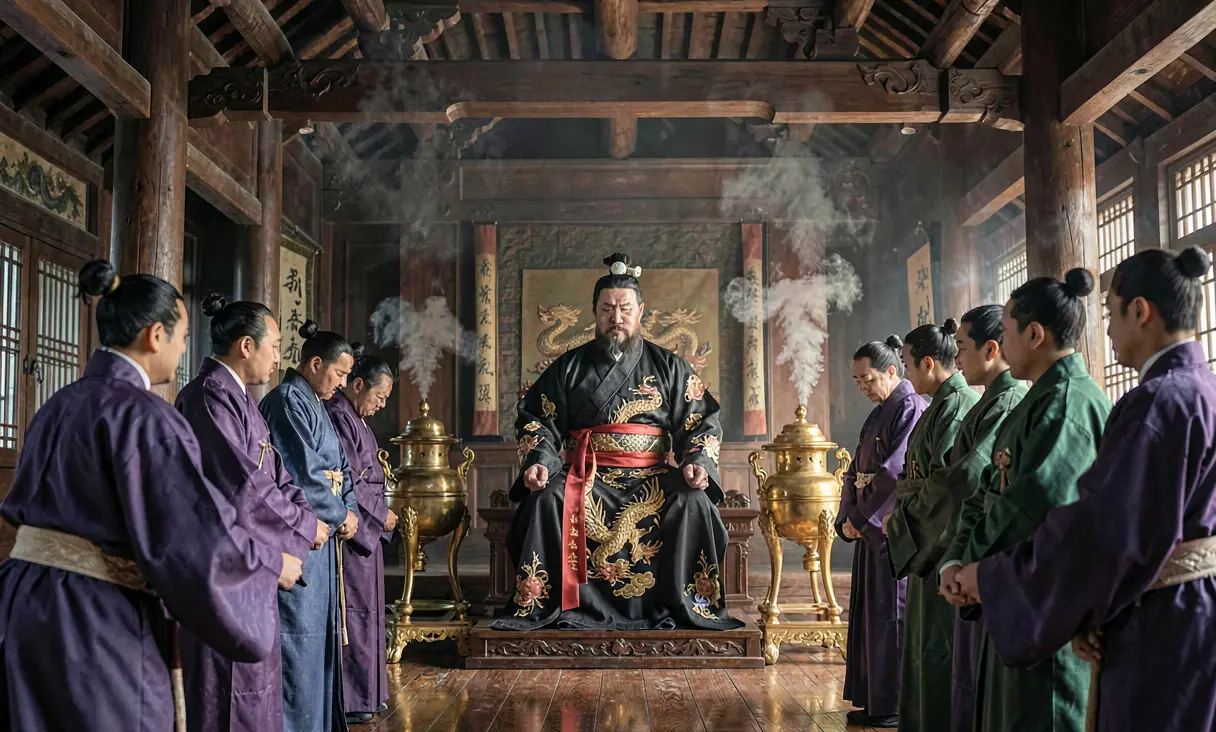 PoliticsEmperor Xuanzong Ascends the Tang Throne712 CE · Chang'an, ChinaEmperor Xuanzong begins his reign, ushering in the High Tang golden age.
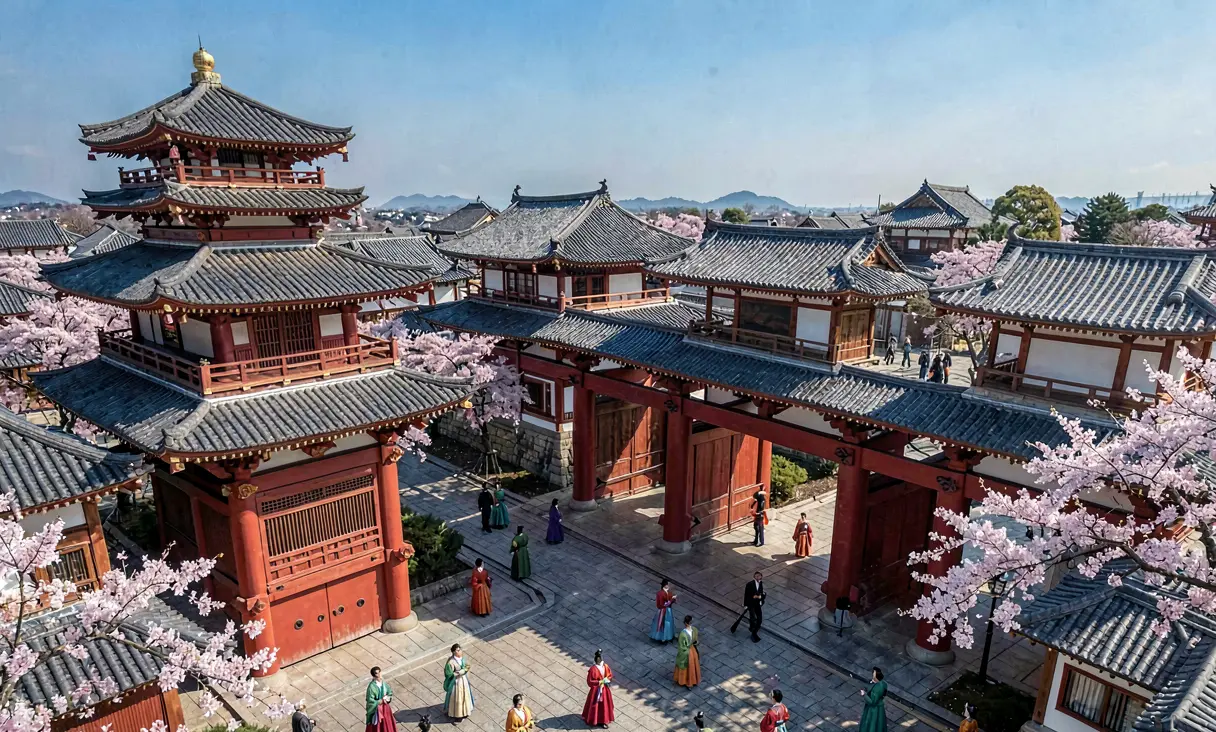 PoliticsFounding of Heian-kyo794 CE · Kyoto, JapanEmperor Kammu moves the capital to Heian-kyo, beginning the Heian period.
 WarMing Occupation of Vietnam Ends1427 CE · Dong Da (Hanoi), VietnamLe Loi defeats the Ming army at Dong Da, ending occupation.
 WarFall of Angkor Thom to Ayutthaya1431 CE · Angkor Thom, CambodiaAyutthaya forces sack Angkor Thom, leading to the empire's relocation.
 TechnologyExpansion of Aztec Chinampa Agriculturec. 1420 CE · Lake Xochimilco, Mexico CityThe Aztecs expand the chinampa system to feed Tenochtitlan's massive population with highly productive artificial islands.
Discussion
Loading…