Kingdom of Kongo Adopts Catholicism
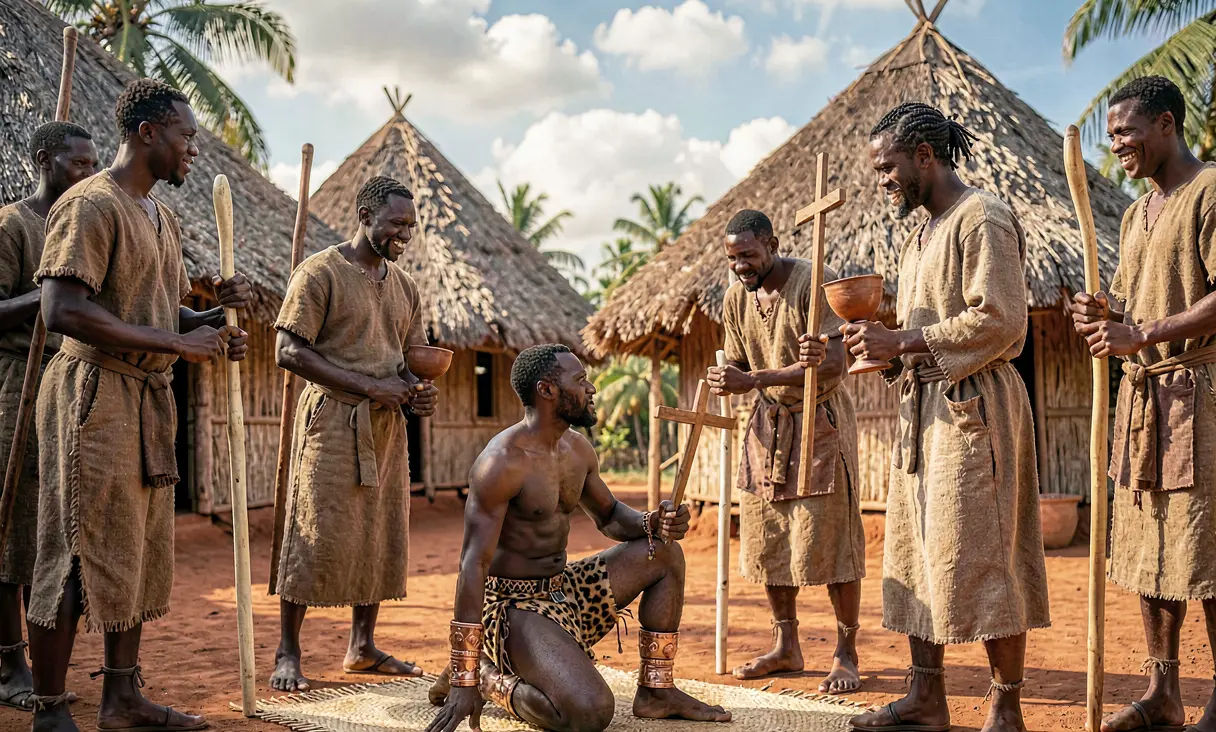
In 1491, King Nzinga's baptism at Mbanza Kongo forged a unique Afro-Christian state and global alliance, only to be later exploited by Portuguese demands for slaves.
The Arrival of the Portuguese
In late 1482, the Portuguese navigator Diogo Cão reached the mouth of the Congo River, marking the first sustained contact between the Kingdom of Kongo and Europe. The kingdom, already a sophisticated centralized state under King Nzinga a Nkuwu (later known as João I), controlled vast territories in what is now northern Angola and the Democratic Republic of the Congo. Unlike many other African polities that initially repelled European encroachment, Nzinga viewed these newcomers with strategic curiosity rather than immediate hostility. The Portuguese, driven by the dual mandates of finding a route to India and spreading Christianity, found a willing partner in the Kongo court, which sought access to European technology, particularly firearms and metalworking skills, to consolidate its power.
The Baptism of 1491
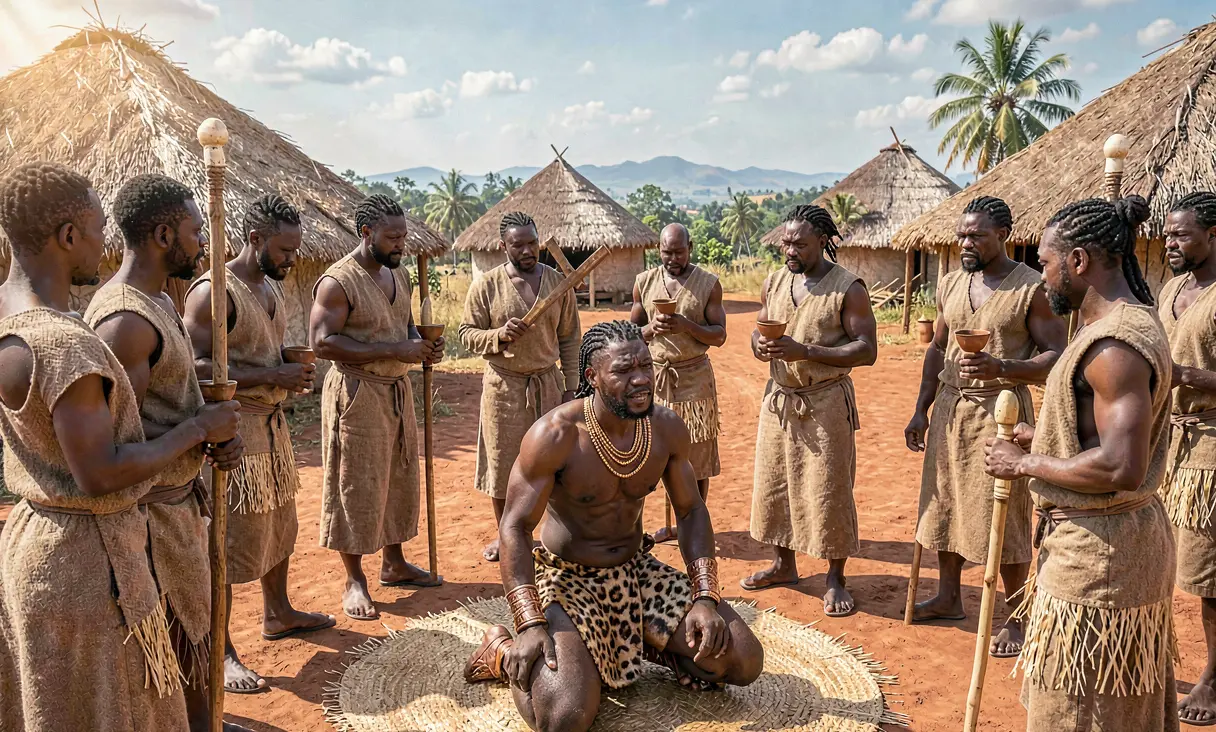
The pivotal moment occurred in early 1491 at Mbanza Kongo, the kingdom's capital. A Portuguese diplomatic mission led by Rui de Sequeira arrived with a contingent of priests and craftsmen to formalize relations. King Nzinga a Nkuwu, his son Mvemba a Nzinga (the future King Afonso I), and thousands of nobles underwent baptism in a grand ceremony that blended Catholic ritual with Kongo royal protocol. The King adopted the name João I, while his son took the name Alfonso. This was not merely a spiritual conversion but a calculated political maneuver; by aligning himself with the Pope and the Portuguese Crown, Nzinga sought to elevate Kongo's status in the emerging Atlantic world order, securing a formal alliance that promised military support against regional rivals.
Syncretism and Cultural Transformation
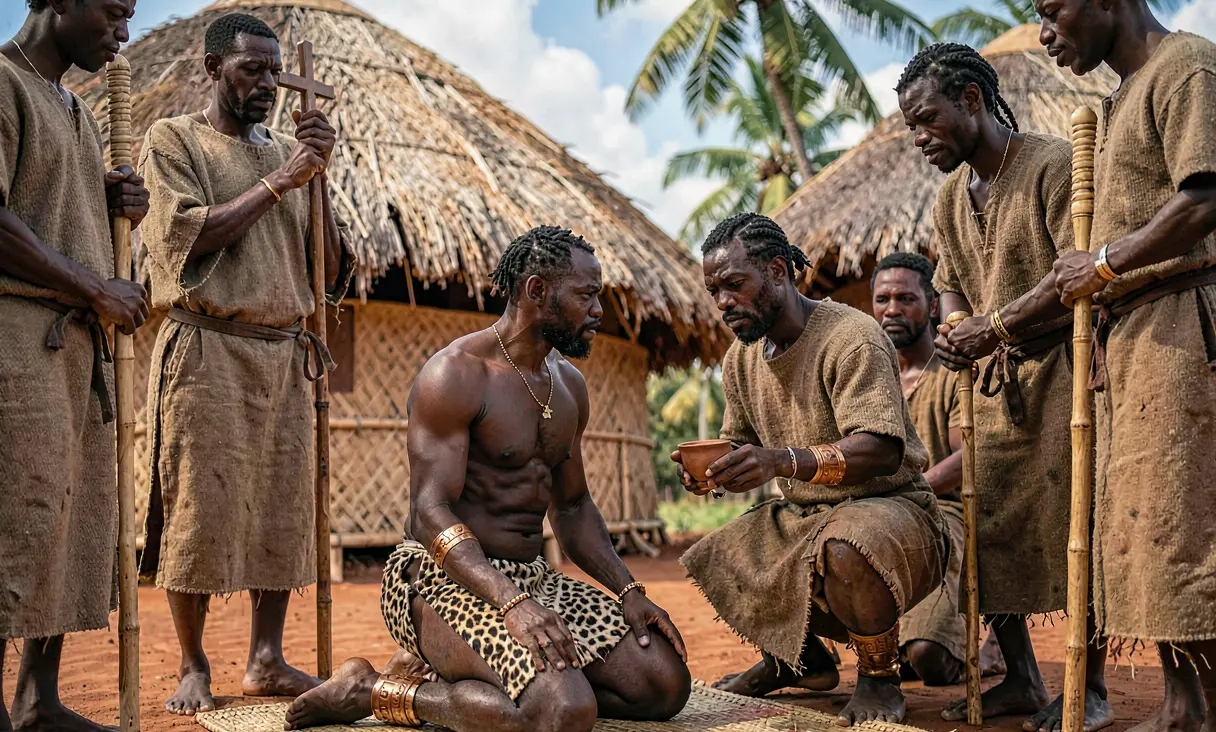
The adoption of Catholicism did not result in the immediate erasure of indigenous beliefs; rather, it sparked a complex syncretic evolution. The Kongo elite integrated Christian symbols into their existing cosmology, viewing Jesus as a powerful spirit ancestor and the cross as a sacred object akin to traditional nkisi figures. Mbanza Kongo was renamed São Salvador, and local churches were constructed alongside traditional shrines. The Catholic hierarchy was grafted onto the existing administrative structure, with Portuguese priests serving as advisors to provincial governors who retained their indigenous titles. This hybrid culture allowed the kingdom to maintain its distinct identity while participating in a trans-Atlantic Christian network, creating a unique Afro-Christian civilization that would endure for centuries.
The Reign of Afonso I and Institutionalization
Following Nzinga's death around 1506, his son Mvemba a Nzinga ascended the throne as King Afonso I, becoming the most ardent champion of Christianity in African history. Unlike his father, who had oscillated between faiths, Afonso I made Catholicism the state religion, mandating that all nobility be baptized and establishing schools to teach literacy and theology in Kikongo. He corresponded directly with King Manuel I of Portugal, requesting priests and teachers rather than soldiers or traders, famously lamenting the corruption brought by unscrupulous Portuguese merchants. Under Afonso's rule, the kingdom developed its own ecclesiastical structure, ordaining local clergy and even sending a delegation to Rome in 1518, marking the first time an African nation established direct diplomatic ties with the Holy See.
The Erosion of Sovereignty
Despite initial diplomatic success, the religious alliance eventually became a vector for exploitation. As the demand for labor in Portuguese colonies in Brazil and the Caribbean skyrocketed in the 16th century, the focus of trade shifted from mutual exchange to human trafficking. The Kongo monarchy found itself trapped; the very Christian framework that legitimized their rule was used by Portuguese slavers to justify raids on non-Christian neighbors or even subjects who resisted conversion. Kings like Diogo I and Álvaro I struggled to maintain sovereignty against a growing tide of slave traders who operated with impunity, often ignoring royal decrees. The religious bond fractured as the Kingdom's population dwindled, leading to civil wars and the eventual fragmentation of the state.
Enduring Legacy
The 1491 conversion stands as a defining moment in African history, demonstrating that early modern African states were active agents in global diplomacy rather than passive recipients of European influence. The Kingdom of Kongo created one of the world's first enduring syncretic Christian cultures, influencing religious practices from Brazil to Haiti through the diaspora. Today, São Salvador remains a significant pilgrimage site, and the legacy of King Afonso I is honored as a symbol of African agency and intellectual sophistication. However, the event also serves as a cautionary tale of how diplomatic and religious alliances can be weaponized when economic interests override mutual respect, foreshadowing the devastating centuries of the trans-Atlantic slave trade that would follow.
It marked the first major African state to officially adopt Christianity, reshaping its political and cultural identity.
Where it happened
Mbanza Kongo, Angola — see it on the interactive map →
Explore related history
 ReligionHijra of Prophet MuhammadSeptember 24, 622 CE · Medina, Saudi ArabiaMuhammad migrates to Medina establishing the first Muslim community and calendar.
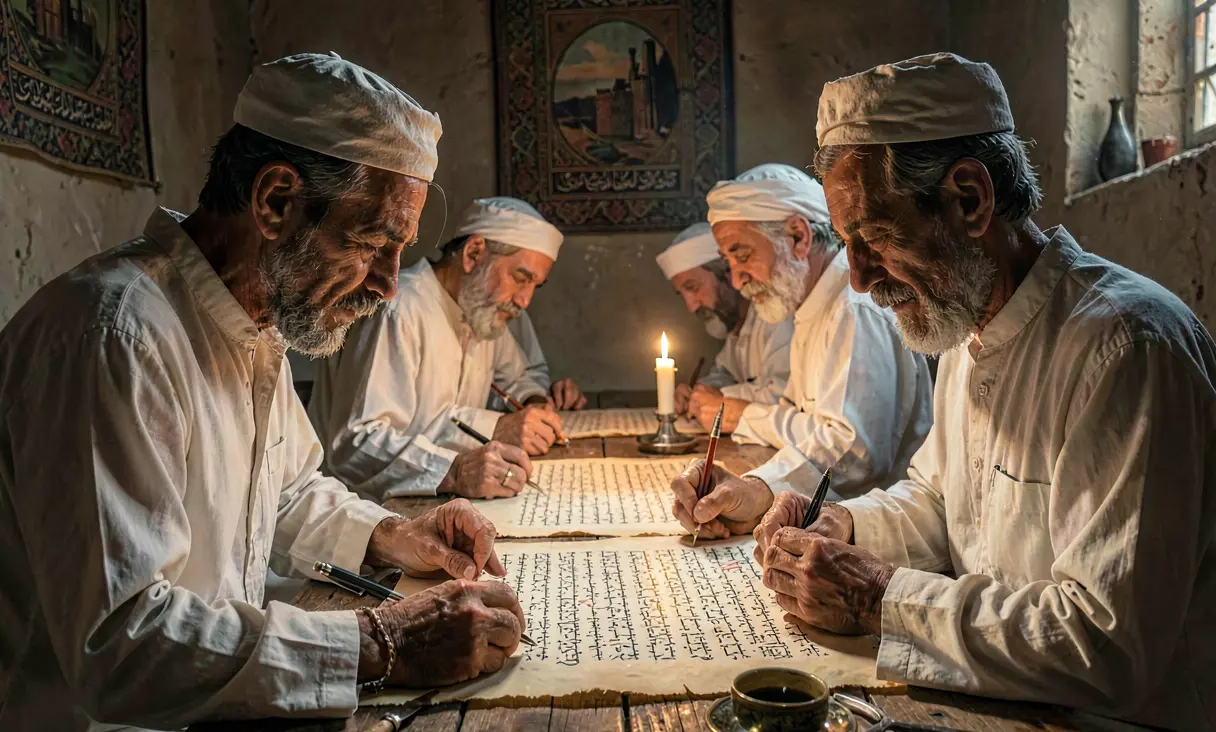 ReligionStandardization of the Quranic Textc. 650 CE · Medina (and Damascus), Arabia/SyriaCaliph Uthman commissions the definitive written codex of the Quran.
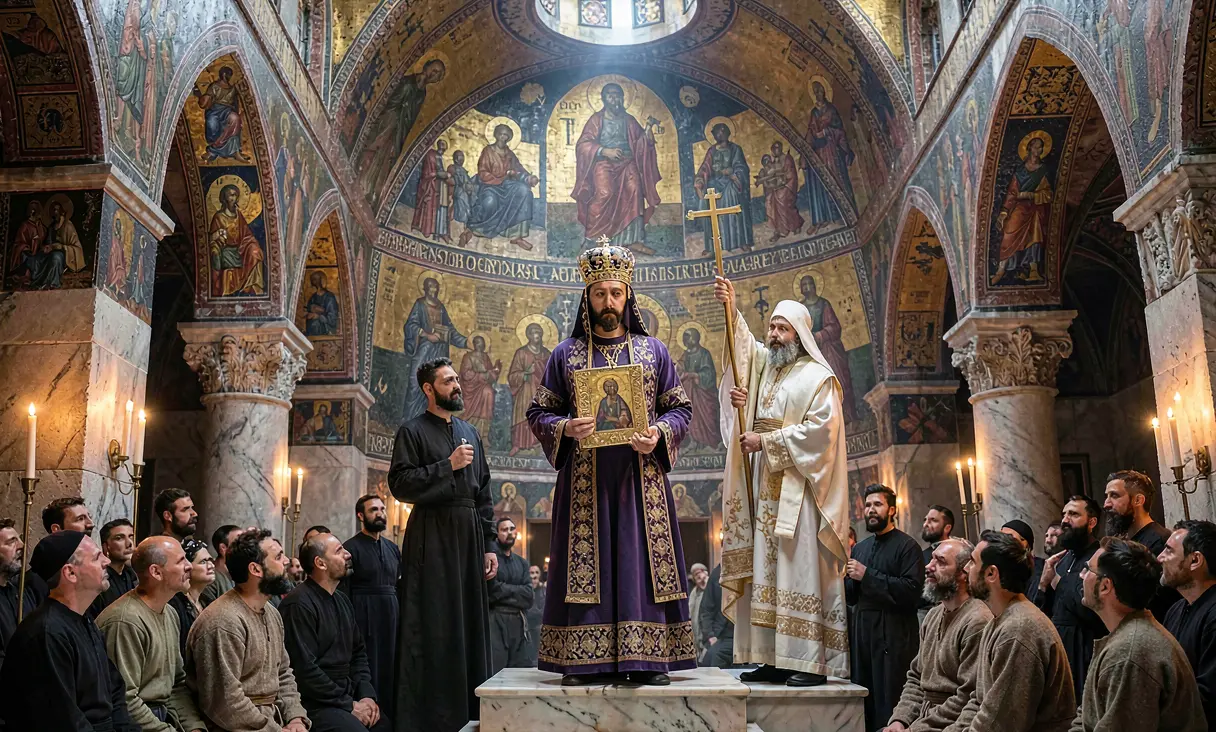 ReligionEnd of Byzantine Iconoclasm843 CE · Constantinople, TurkeyEmpress Theodora restores the veneration of icons in the Byzantine Empire, ending a century-long theological conflict.
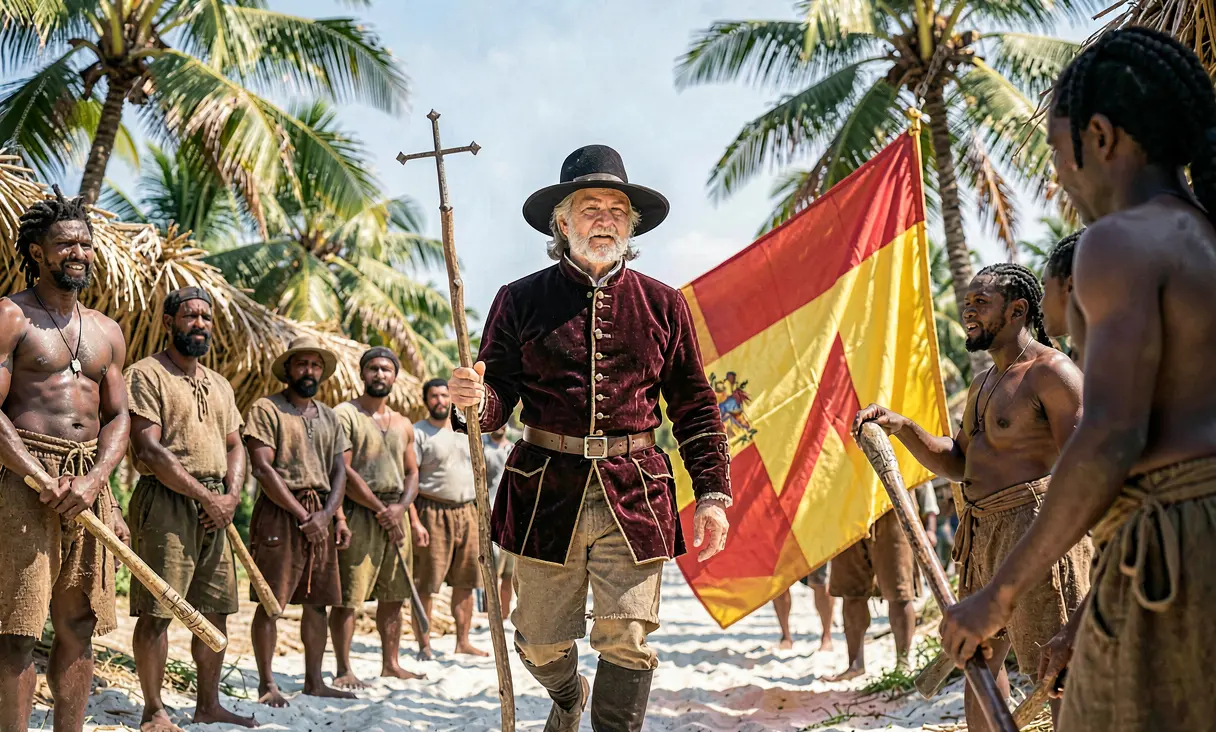 ExplorationColumbus Reaches the AmericasOctober 12, 1492 CE · San Salvador, BahamasEuropean explorer lands in Caribbean initiating permanent contact between Old and New Worlds.
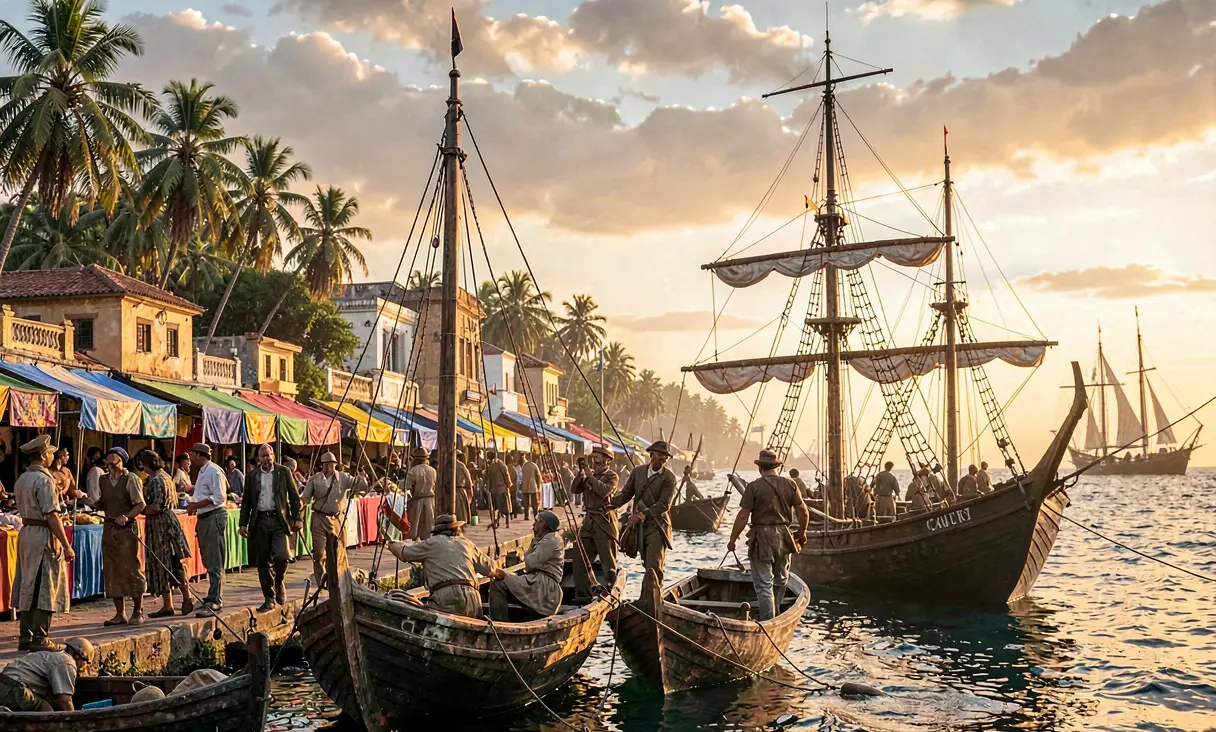 ExplorationVasco da Gama Reaches India via Sea RouteMay 20, 1498 · Kozhikode (Calicut), IndiaPortuguese explorer Vasco da Gama arrives in India, bypassing Ottoman land routes.
 ReligionFounding of Sikhism by Guru Nanakc. 1499 CE · Nankana Sahib, PakistanGuru Nanak proclaims unity of God and equality of all humans in Punjab.
Discussion
Loading…