Mongol Invasion of Khwarezmia
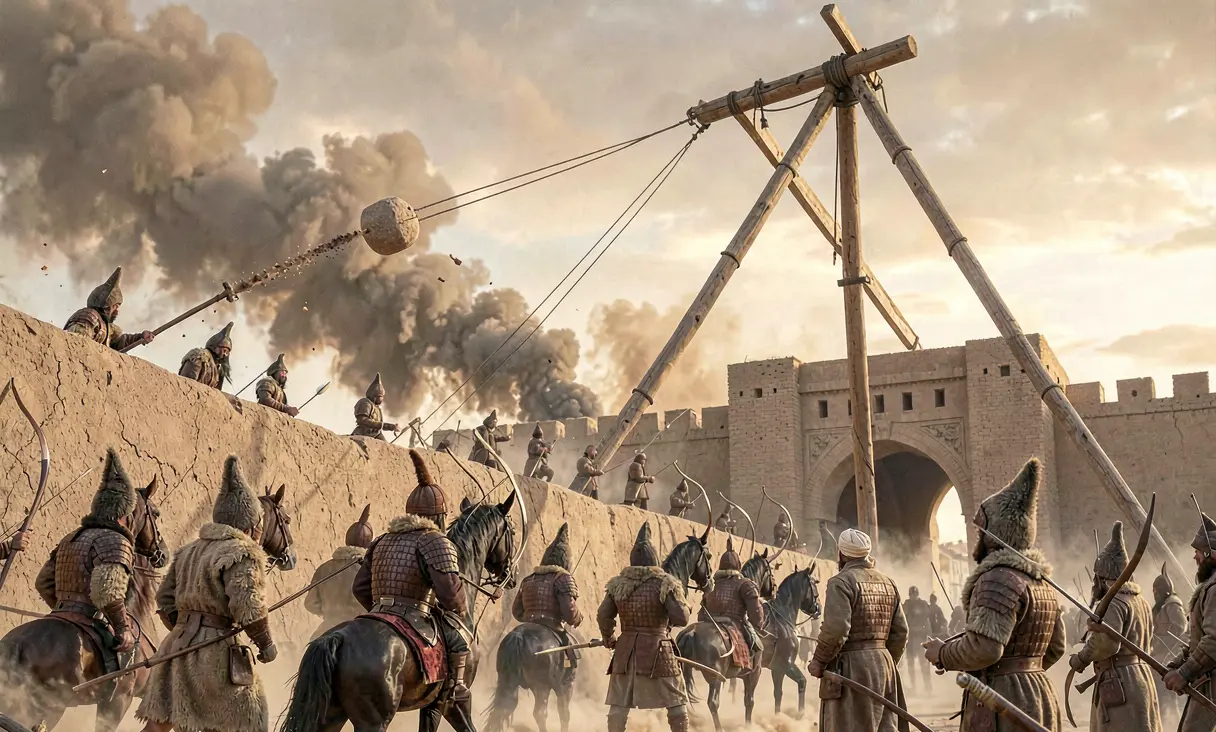
Genghis Khan's brutal 1219 invasion annihilated the Khwarezmian Empire, massacring millions and destroying Central Asia's irrigation systems, permanently altering the region's demographics and opening
The Fatal Diplomatic Crisis
In the early 13th century, the Khwarezmian Empire, stretching from the Caspian Sea to the borders of India and China, stood as the preeminent power in Central Asia. Its ruler, Shah Muhammad II, had recently consolidated his realm but harbored deep suspicions regarding the rising Mongol threat under Genghis Khan. In 1218, a diplomatic mission led by a Muslim merchant named Inalchuq arrived at Otrar on the Khwarezmian border with goods intended for trade and an offer of peace from the Great Khan. The Shah's governor, Inalchuq (a namesake), executed the Mongol envoys, shaving their beards—a grave insult in Mongol culture—and confiscated their goods. When Genghis Khan demanded justice, Muhammad II refused, instead executing a second Mongol envoy sent to negotiate. This unprecedented act of aggression against the Great Khan's representatives provided the casus belli for one of history's most devastating military campaigns.
The Strategic Masterstroke
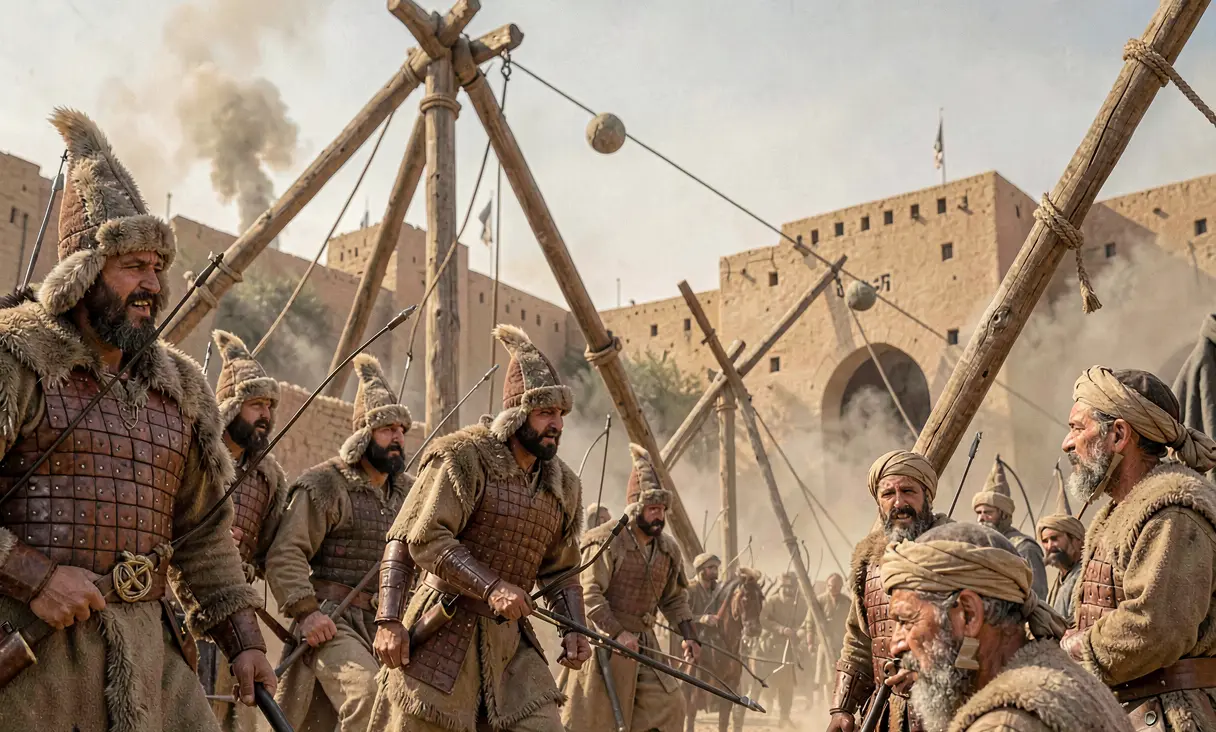
Unlike previous conquests where the Mongols relied on a single thrust, Genghis Khan orchestrated a multi-pronged invasion in 1219 that shattered Khwarezmian defenses through sheer speed and psychological terror. He divided his massive army of approximately 100,000 to 150,000 seasoned warriors into four distinct forces, each led by his most trusted commanders or his own sons: Jochi, Chagatai, Ögedei, and Tolui. While the main force under Genghis Khan and his son Tolui advanced directly toward Bukhara and Samarkand, other columns swept through the northern steppes to cut off escape routes and attack peripheral cities like Otrar and Termez simultaneously. This strategy prevented Shah Muhammad II from concentrating his superior numbers against any single Mongol column, forcing the Khwarezmian army into a reactive, fragmented defense that collapsed under the weight of coordinated assaults.
The Fall of Great Cities
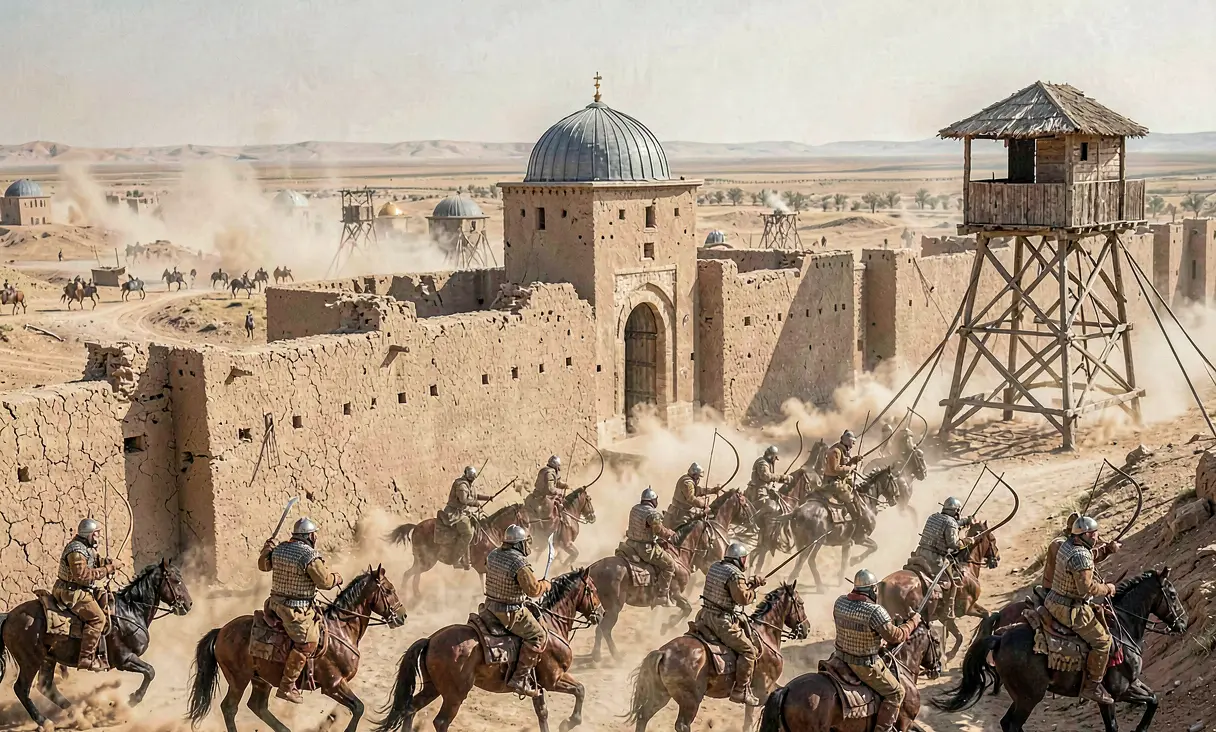
The siege of Otrar marked the beginning of the carnage; after a five-month resistance led by Governor Inalchuq, the city fell, and its garrison was massacred, with the governor's head reportedly filled with molten silver as punishment for his treachery. The campaign then moved to the heartland: Bukhara, a wealthy hub of trade and learning, surrendered after a short siege but suffered brutal reprisals when its citadel held out; Samarkand, the empire's capital at the time, fell in 1220 after a fierce defense by a coalition of Turkic and Persian troops. The most catastrophic event occurred at Urgench, the Shah's final stronghold, where the city was besieged for months before falling to Chagatai and Ögedei. In a display of total annihilation, the Mongols diverted the Amu Darya river to flood the ruins, then systematically razed the city, killing an estimated 1.2 million inhabitants and destroying the sophisticated irrigation canals that had sustained the region's agriculture for centuries.
The Flight of the Shah
Shah Muhammad II, paralyzed by indecision and terrified of capture, abandoned his cities and fled westward with a small retinue. He sought refuge in the Caspian Sea islands, where he died in December 1220, likely from pneumonia or dysentery, leaving his son Jalal ad-Din Mingburnu to inherit a crumbling empire. Jalal ad-Din attempted to rally the remnants of the Khwarezmian army and made a valiant stand at the Battle of Parwan in 1221, defeating a Mongol detachment before being pursued by Genghis Khan himself. In a legendary display of martial prowess, Jalal ad-Din escaped across the Indus River with his horse, plunging into the turbulent waters to evade capture, but he eventually died in exile in 1231, marking the definitive end of the Khwarezmian dynasty.
Demographic and Environmental Catastrophe
The human cost of the invasion was staggering; contemporary chroniclers estimate that millions perished through massacre, starvation, or disease. The Mongols employed a policy of total destruction in many regions, turning fertile agricultural lands into wastelands by destroying the qanat irrigation systems essential for survival in Central Asia's arid climate. Cities that had been centers of Islamic scholarship, art, and commerce for centuries were reduced to rubble, with libraries burned and artisans deported to Mongolia or China as slaves. The demographic collapse was so severe that some regions did not recover their pre-invasion population levels for centuries, fundamentally altering the ethnic and cultural landscape of Persia and Central Asia.
Legacy of the Steppe
The conquest of Khwarezmia served as the springboard for the subsequent Mongol expansion into the Islamic world, opening the door to Iran, Iraq, and eventually Eastern Europe. It demonstrated the terrifying efficiency of Mongol military organization, their mastery of psychological warfare, and their willingness to use extreme violence to deter future resistance. The event also facilitated a massive transfer of technology and knowledge; Persian engineers and scholars were taken westward, influencing the development of gunpowder, astronomy, and administration in both the Mongol Ilkhanate and later Islamic states. Ultimately, the destruction of Khwarezmia marked the end of the medieval Islamic Golden Age's eastern frontier and redefined the geopolitical map of Eurasia for centuries to come.
The annihilation of Khwarazmia marked the beginning of the Pax Mongolica in Central Asia but caused immense demographic and economic devastation.
Where it happened
Urgench, Khwarazm (modern Uzbekistan/Turkmenistan) — see it on the interactive map →
Explore related history
 WarIslamic Conquest of the Sasanian Empire637 CE · Ctesiphon, Iraq (Persia)Arab Muslim forces defeat the Sasanian Empire at the Battle of al-Qadisiyyah, ending centuries of Persian rule.
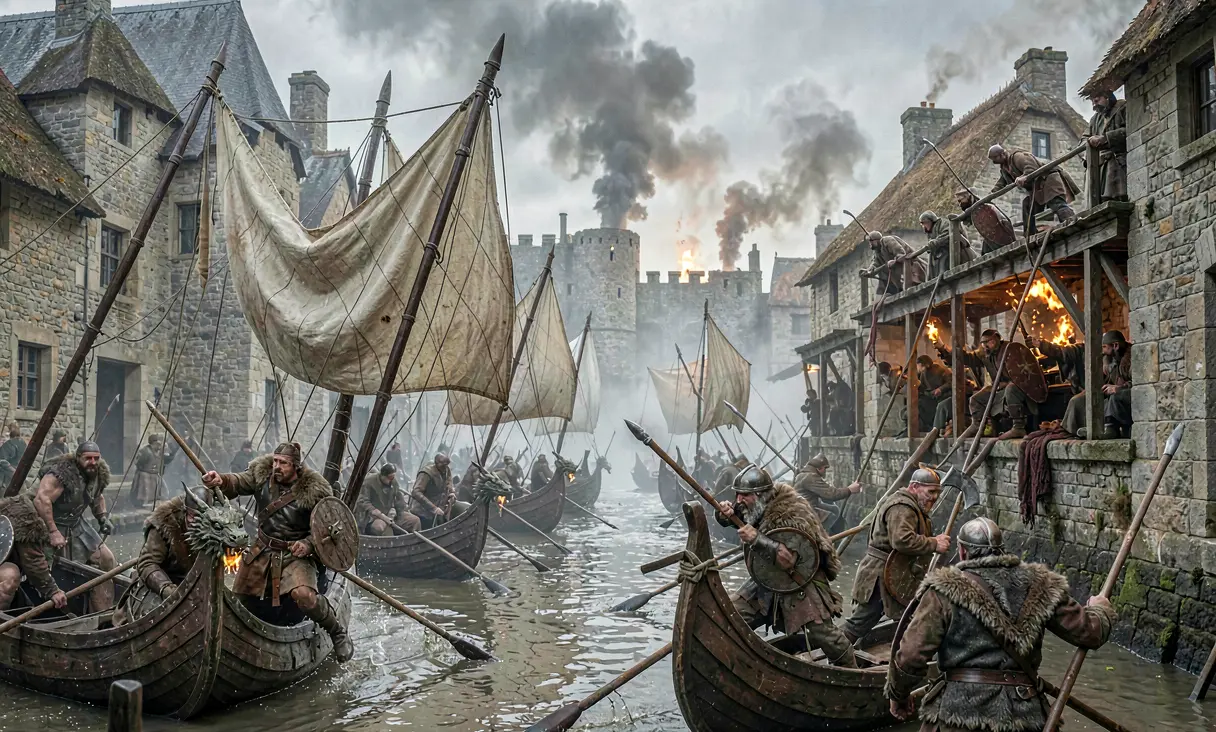 WarViking Siege of Paris885 CE · Paris, FranceViking raiders led by Sigfred besiege Paris for over a year, testing the defenses of West Francia.
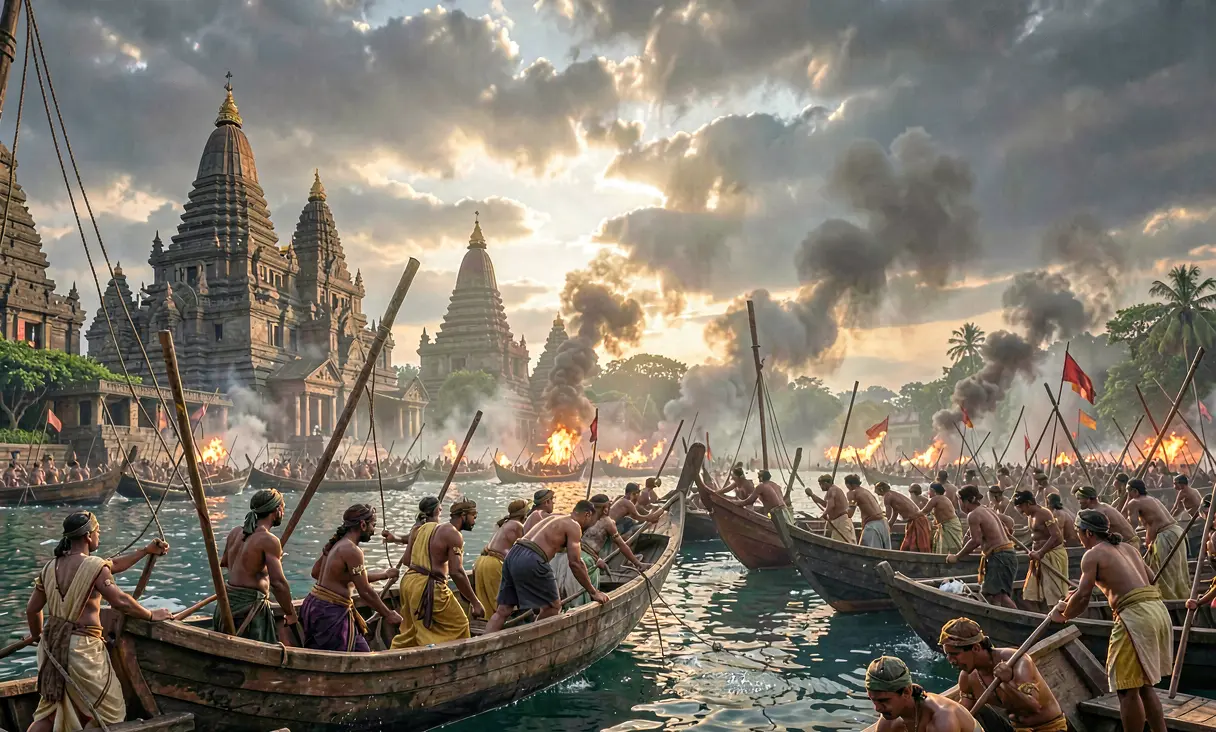 WarChola Conquest of Sri Lankac. 993 CE · Anuradhapura, Sri LankaRajaraja Chola launches a massive amphibious invasion of Sri Lanka, defeating the Sinhalese kingdom and annexing the island.
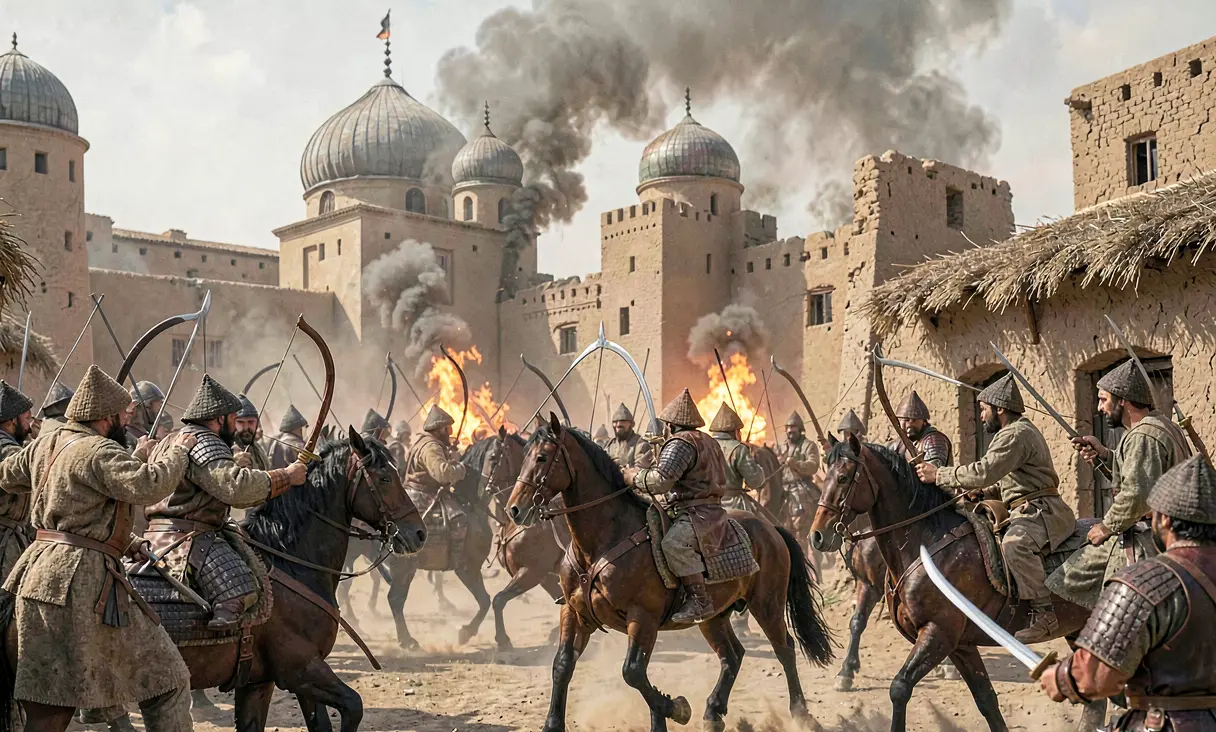 WarMongol Destruction of the Khwarazmian Empirec. 1220 CE · Samarkand/Urgench, Central AsiaGenghis Khan's armies devastate the Khwarazmian Empire, razing cities and altering the demographic map of Central Asia.
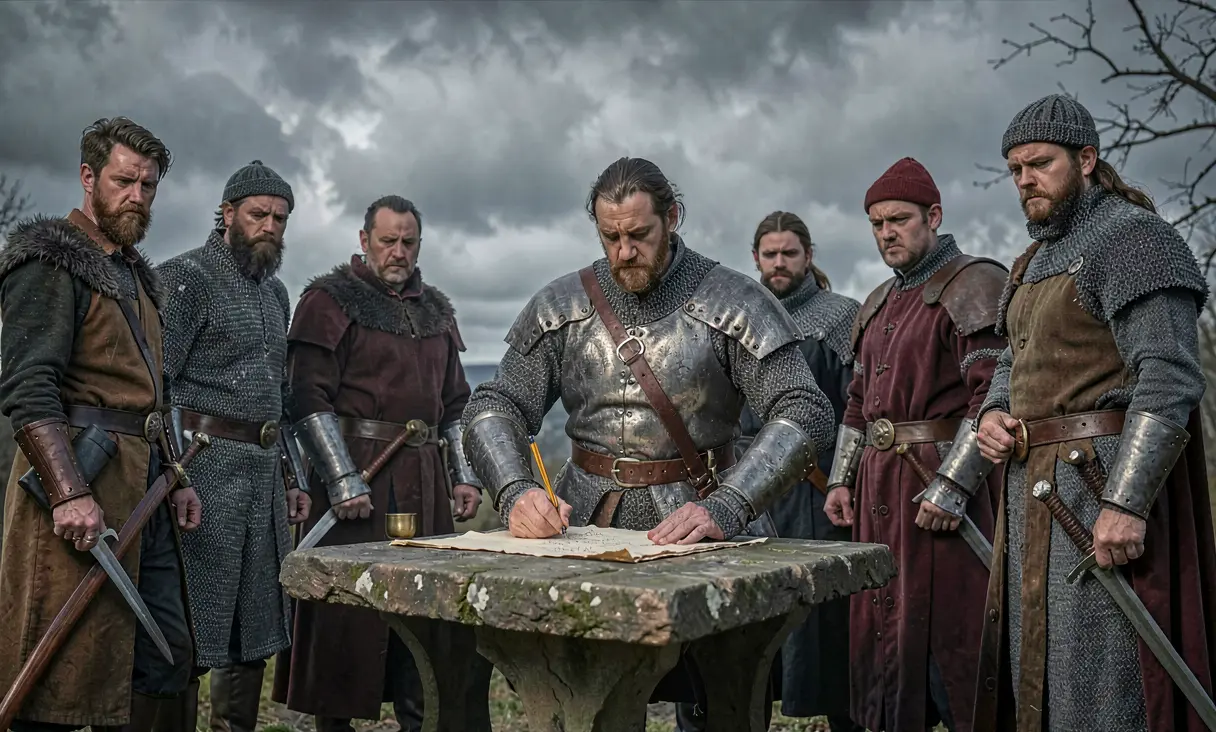 PoliticsSigning of Magna CartaJune 15, 1215 CE · Runnymede, EnglandKing John agrees to limit royal power establishing rule of law principles.
 WarMongol Invasion of Goryeo Begins1231 CE · Seoul (Kaesong), KoreaMongol forces under Sartai invade Goryeo, initiating decades of conflict.
Discussion
Loading…