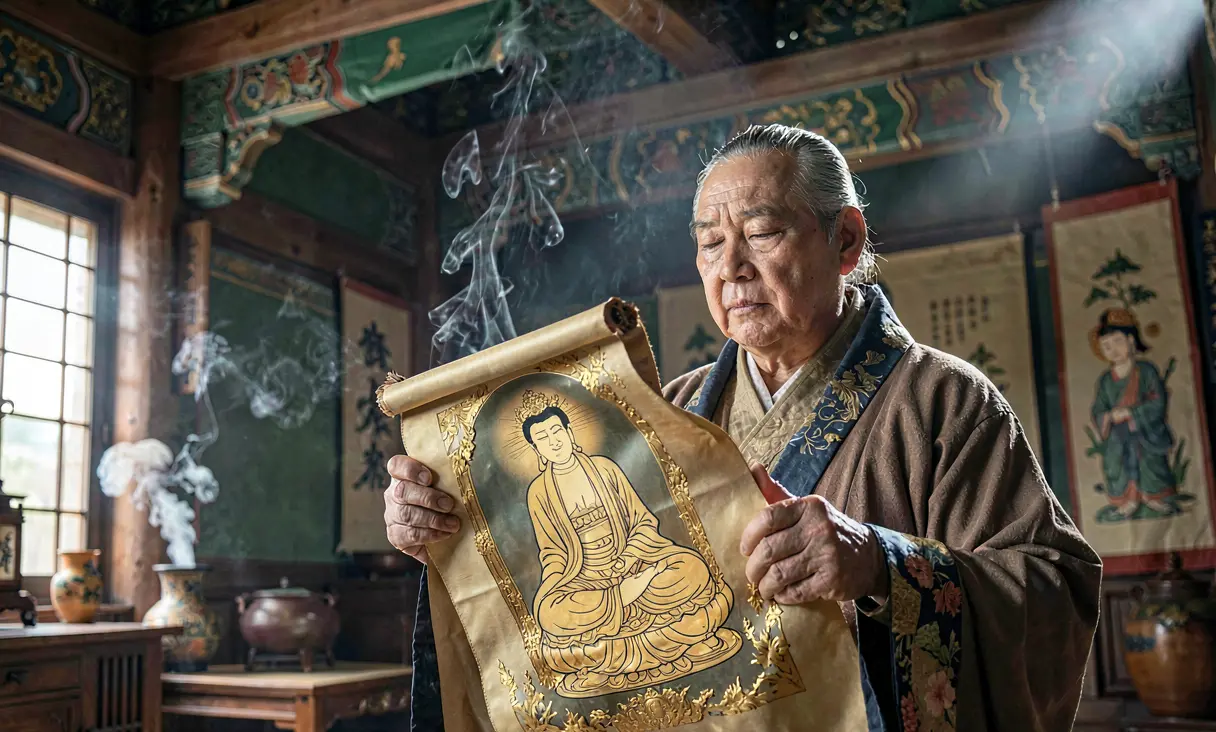
Creation of the Goryeo Buddhist Paintings
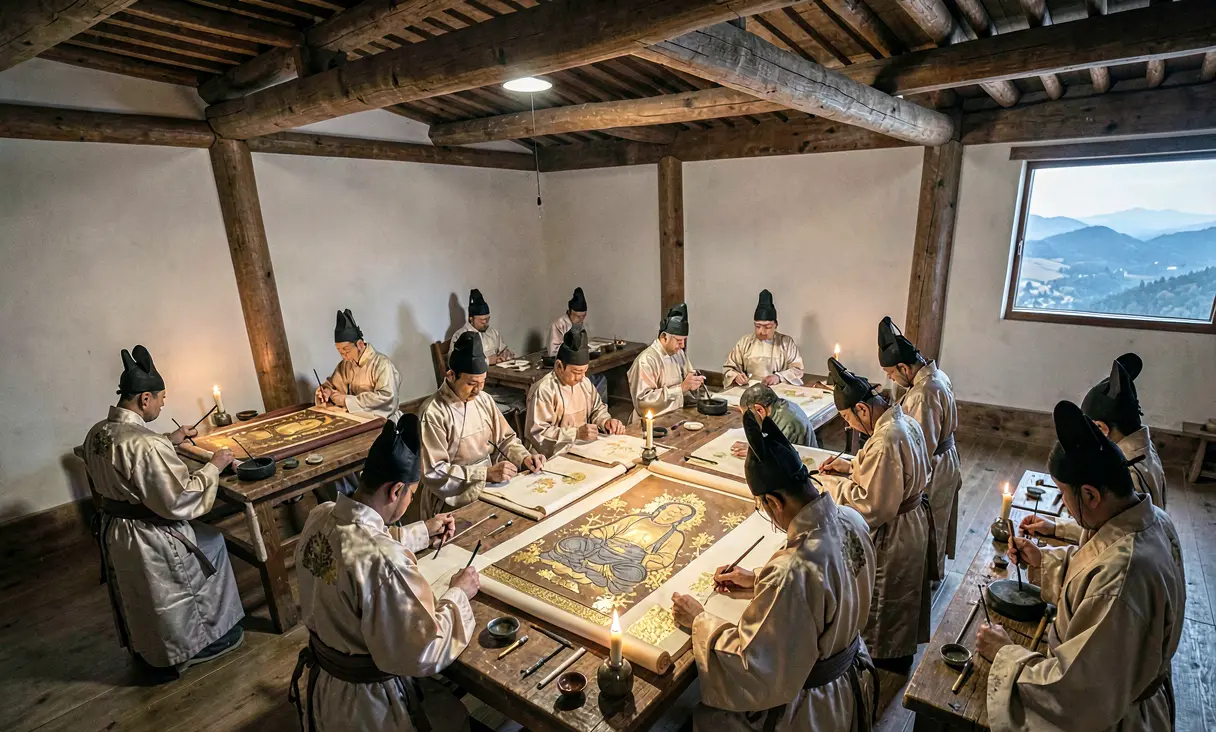
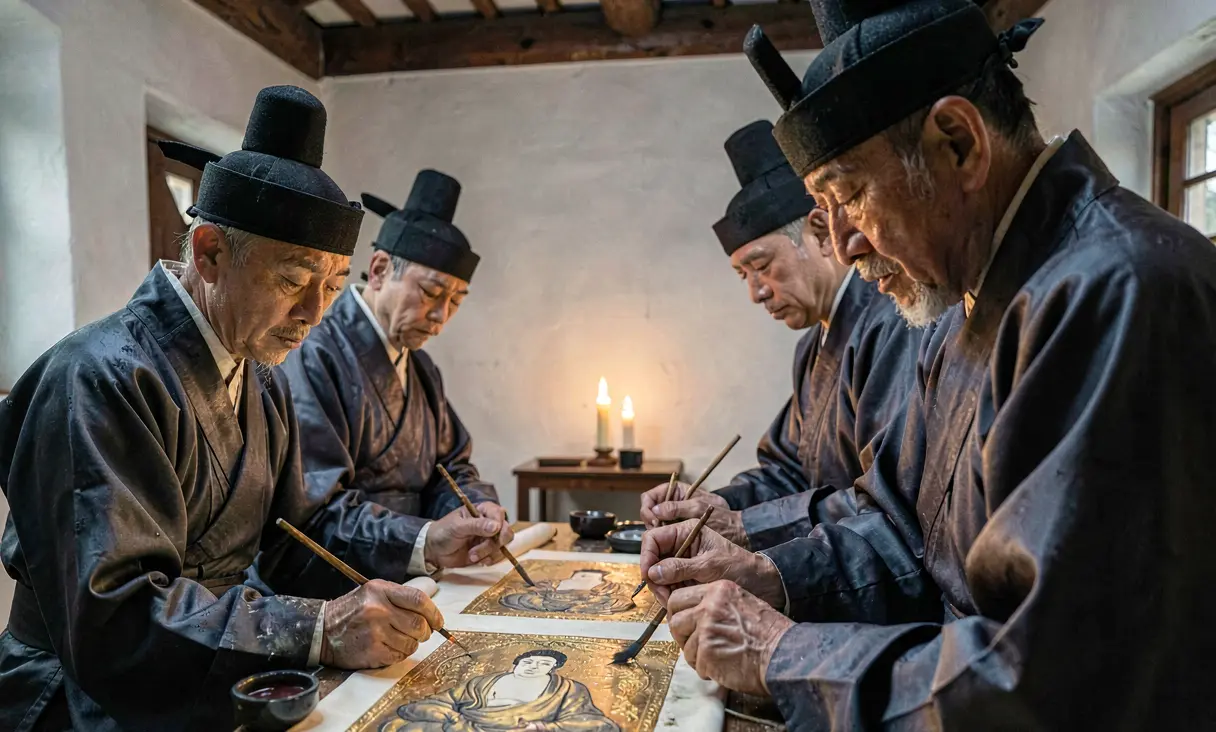
Around 1300 CE, Goryeo artisans created world-renowned Buddhist paintings blending Song aesthetics with Korean serenity to serve state rituals, though most now reside in Japanese collections due to hi
The Zenith of Goryeo Devotion
During the height of the Goryeo Dynasty (918–1392), particularly in the early 14th century, Korea emerged as a preeminent center for Buddhist art, producing works of unparalleled technical mastery and spiritual resonance. This era coincided with a period where Buddhism was not merely a faith but the state ideology, deeply intertwined with political legitimacy and national survival against external threats from the Mongol Yuan Dynasty. The production of Buddhist paintings, known as 'Goryeo t'ang,' reached an aesthetic apex around 1300 CE, driven by royal patronage and the fervent desire to secure the king's longevity and the nation's peace through visual liturgy.
Synthesis of Song Aesthetics and Korean Spirit
The artistic style that defined these masterpieces was a sophisticated synthesis of Chinese Southern Song dynasty aesthetics and indigenous Korean sensibilities. While the iconography adhered to strict Buddhist canons transmitted from China, the execution reflected a unique Goryeo refinement characterized by ethereal grace and profound serenity. Artists employed delicate, rhythmic brushwork to render flowing robes and expressive faces that seemed to transcend earthly constraints. The backgrounds were often lavishly covered in gold leaf, creating a luminous, otherworldly atmosphere that symbolized the pure land of Amitabha Buddha or the celestial realm of Maitreya.
Ritual Function and Royal Patronage
These paintings were not created as mere decorative objects but served critical functions in state-sponsored rituals, specifically the 'Yongwang' (Dragon King) ceremonies and the 'Chinul' practices aimed at protecting the kingdom. The royal court, including kings such as Chungsuk (r. 1313–1330), commissioned these works to be displayed in temple halls during elaborate ceremonies where monks chanted sutras to pray for national stability against Mongol aggression and internal strife. The visual presence of the deities was believed to actively channel divine power, making the paintings essential tools of statecraft and spiritual defense.
The Exodus to Japan
A significant portion of these surviving masterpieces owes its preservation to historical conflicts that ironically scattered them across the Sea of Japan. During the late 14th century, as the Goryeo Dynasty declined and Japanese pirates (Wokou) raided the Korean coast, many temples were looted or destroyed. Furthermore, during the Imjin War (1592–1598), Japanese invasions led to the systematic removal of countless cultural treasures back to Japan. Consequently, today, the majority of extant Goryeo Buddhist paintings are housed in major Japanese institutions such as the Tokyo National Museum and the Nezu Museum, while only a handful remain in Korea.
Technical Mastery and Iconography
Artistically, these works represent the pinnacle of Korean painting technique. Artists utilized mineral pigments mixed with animal glue on silk, layering colors to create depth without losing the luminosity of the underlying gold leaf. The depiction of Bodhisattvas, such as Avalokiteshvara (Gwanseum), is marked by a distinctive slenderness and a gentle, introspective expression that differs from the more robust figures found in contemporary Chinese or later Joseon art. Specific surviving examples, such as the 'Amitabha Triad' dated to the early 14th century, demonstrate the precise application of gold dust and the intricate detailing of jewelry and halos that define the genre.
Enduring Legacy and Modern Recognition
The legacy of Goryeo Buddhist paintings extends far beyond their original religious context, influencing the development of East Asian art history and serving as a testament to Korea's cultural sophistication during a turbulent era. In modern times, these works have been recognized as National Treasures in both Japan and South Korea, with several designated as UNESCO World Heritage items or part of important cultural property collections. They continue to inspire contemporary artists and scholars, offering a window into the spiritual depth and artistic excellence that defined one of history's most culturally rich periods.
Goryeo Buddhist paintings represent the pinnacle of East Asian religious art and the sophistication of the Goryeo court culture.
Where it happened
Korea (Goryeo Dynasty) — see it on the interactive map →
Explore related history
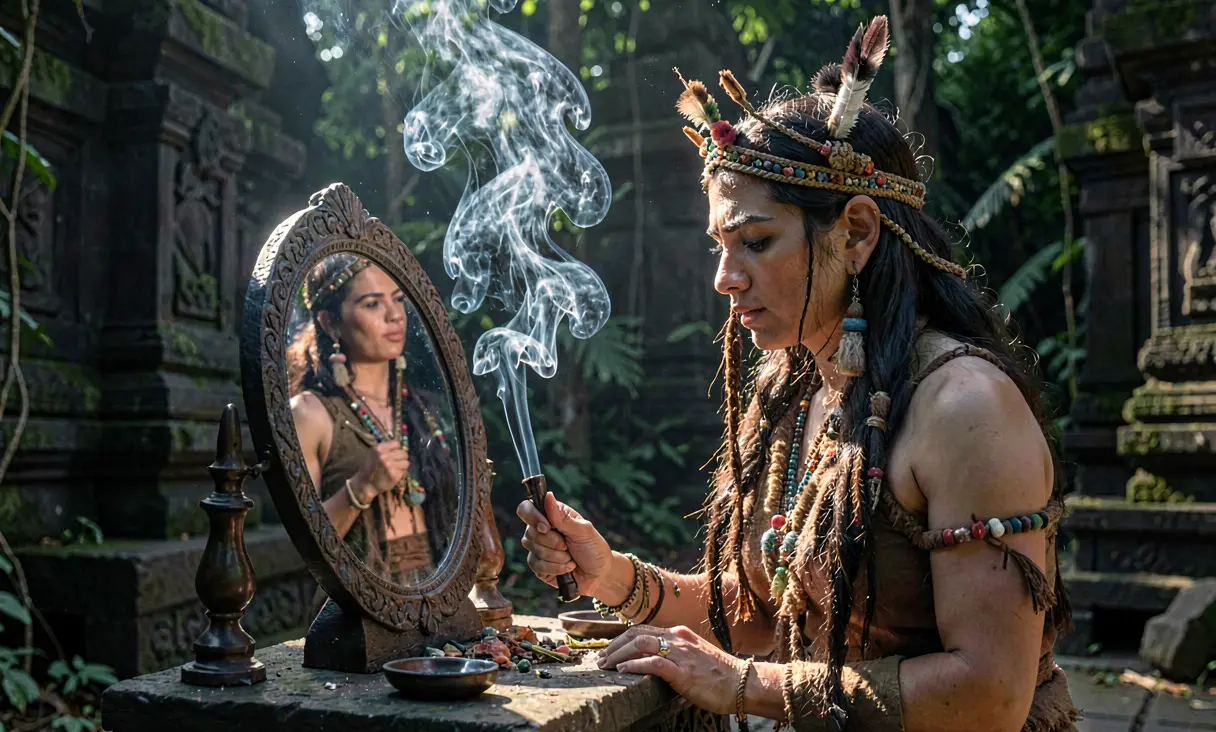 ArtCreation of Maya Polished Obsidian Mirrorsc. 600 CE · Guatemala (Maya Lowlands)Artisans craft polished obsidian mirrors for divination and ritual use.
 ArtBurial of the Sutton Hoo Shipc. 625 CE · Suffolk, EnglandAn Anglo-Saxon king is buried with a magnificent helmet and gold artifacts.
 ArtTang Dynasty Golden Age of Poetry and Culturec. 713 CE · Chang'an, ChinaThe Tang Dynasty reaches its cultural zenith in Chang'an, producing legendary poets like Li Bai and Du Fu.
 ExplorationPeak of the Silk Road Trade via Central Asiac. 1300 CE · Samarkand (modern Uzbekistan)The Silk Road reaches a peak of connectivity under the Mongol Pax Mongolica, facilitating trade between China and Europe.
 CivilizationMansa Musa's Control of Trans-Saharan Gold Tradec. 1307 CE · Niani, Mali Empire (Guinea/Mali border)Mansa Musa consolidates the Mali Empire's control over West African gold mines and trans-Saharan trade routes.
 PoliticsFoundation of the Khalji Dynastyc. 1290 CE · Delhi, IndiaJalal-ud-din Khalji overthrows the Mamluk dynasty, establishing the first Afghan-dominated Sultanate in Delhi.
Discussion
Loading…