Korean Tribute Trade with China
The Goryeo-Song tributary trade transformed Korea by importing Song Neo-Confucianism and technology while securing national autonomy through skilled diplomacy.
Foundations of the Goryeo-Song Axis
In 918 CE, Wang Geon established the Goryeo dynasty on the Korean peninsula, unifying the fractured Later Three Kingdoms and setting a new geopolitical course for East Asia. While the immediate decades following this founding were dominated by military consolidation against the Khitan Liao Dynasty to the north, the diplomatic horizon was increasingly fixed southward toward the emerging Song Dynasty in China. Although the formal tributary missions that would define centuries of interaction did not commence immediately in 918—the first official envoy arrived later under King Taejo's successor, King Hyeonjong, in the early 11th century—the ideological and strategic framework was laid at this pivotal moment. Wang Geon recognized that survival required a delicate balance: maintaining military sovereignty while engaging in the prestigious Sinocentric tributary system.
The Mechanics of Tribute and Exchange
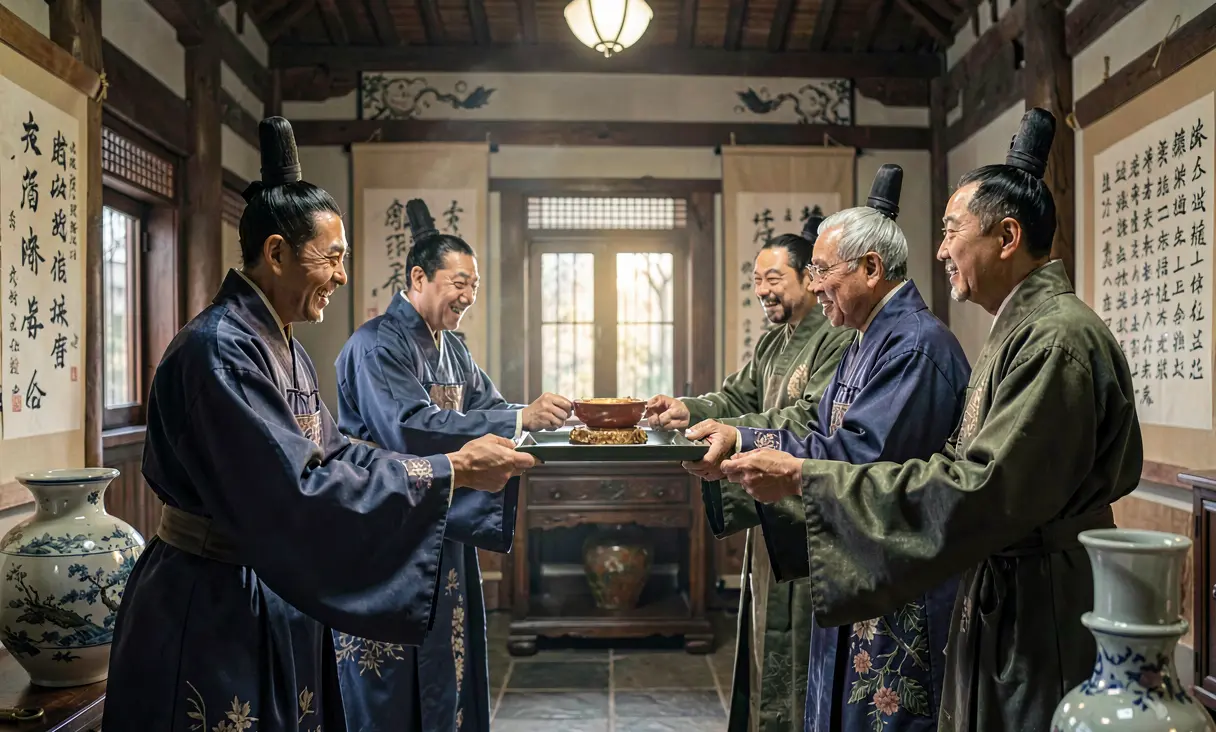
The tribute trade was far more than a ceremonial exchange of goods; it was the primary artery for technology, culture, and economic vitality between Kaesong and Kaifeng. Korean envoys, traveling via the perilous maritime routes across the Yellow Sea, carried high-value indigenous products such as ginseng, gold, silver, and the renowned Goryeo celadon ceramics. In return, they returned with Chinese silk, bronze vessels, medicinal herbs, and, most crucially, books printed using movable type. This flow of material culture was regulated by strict imperial protocols; Korean kings received investiture from the Song emperors, a symbolic act that legitimized their rule domestically while securing a buffer against northern aggression. The trade volume grew exponentially over the 11th century, with records indicating dozens of missions dispatched within single decades.
Key Figures and Diplomatic Architects
While King Taejo (Wang Geon) initiated the policy of engagement, it was his successors who operationalized these relations. King Hyeonjong (r. 1009–1031), despite facing devastating Khitan invasions, successfully re-established and deepened ties with the Song court after peace treaties were signed. The scholar-officials who accompanied these missions were equally vital; figures like Choe Chung and later Kim Bu-sik were instrumental in interpreting Chinese classics and adapting them to the Korean context. These diplomats were not merely traders but cultural transmitters, often serving as students at the Imperial Academy in Kaifeng before returning to lead Korea's own educational reforms. Their ability to navigate the complex etiquette of the Song court ensured that Goryeo maintained its status as a 'model vassal' without ceding actual political autonomy.
The Flow of Ideas and Neo-Confucianism
Beyond material goods, the most profound impact of this relationship was the transmission of intellectual currents. The influx of Song dynasty texts introduced Korean elites to the burgeoning philosophy of Neo-Confucianism, a synthesis of Confucian ethics with metaphysical elements that would eventually reshape Korean society. Prior to this, Buddhism had been the dominant state ideology; however, the systematic study of Zhu Xi's commentaries and other Song scholars' works began to shift the intellectual center of gravity. This adoption was not immediate but evolved over centuries, culminating in the Joseon dynasty's full embrace of Neo-Confucianism as a state orthodoxy. The trade route served as the conduit for these ideas, allowing Korean scholars to participate in a broader East Asian cosmopolitan discourse.
Aftermath and the Evolution of Autonomy
The tributary relationship proved remarkably resilient, surviving the collapse of the Song Dynasty itself and continuing through the Jin and Yuan periods. Unlike many neighboring states that fell under direct Chinese military domination or became satellite vassals with eroded sovereignty, Goryeo skillfully leveraged its tribute status to preserve internal independence. The economic prosperity derived from this trade fueled a golden age of art and literature in Kaesong, particularly evident in the production of the world's first metal movable type printing press, which was directly inspired by Chinese innovations but refined for Korean needs. This era demonstrated that participation in the Sinocentric order could coexist with robust national identity and technological advancement.
Legacy and Historical Significance
The tributary trade established in the early Goryeo period fundamentally shaped the trajectory of Korean civilization for nearly a millennium. It integrated Korea into the East Asian cultural sphere, defining its writing system, bureaucratic structure, and moral philosophy through the lens of Chinese learning while fostering a distinct national consciousness. The exchange facilitated by these missions created a shared cultural vocabulary across the region that persists in modern diplomatic and cultural relations. Ultimately, this relationship stands as a testament to the complexity of pre-modern international relations, where ritual submission masked a dynamic partnership of mutual benefit, allowing Korea to absorb external influences without losing its unique character.
It integrated Korea into the East Asian cultural sphere while preserving national independence.
Where it happened
Sungnyemun Gate (Kaesong), Korea — see it on the interactive map →
Explore related history
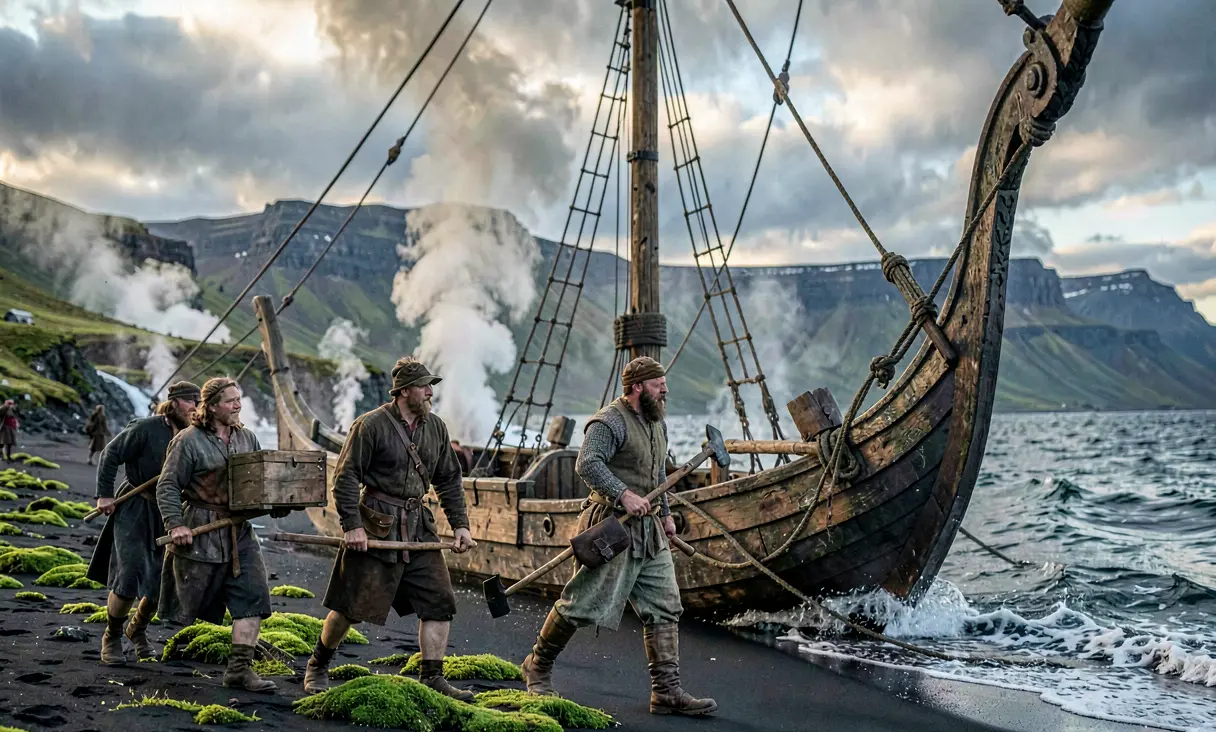 ExplorationViking Settlement of Iceland874 CE · Reykjavik, IcelandNorse explorers led by Ingólfr Arnarson settle Iceland, establishing the first permanent European community in the North Atlantic.
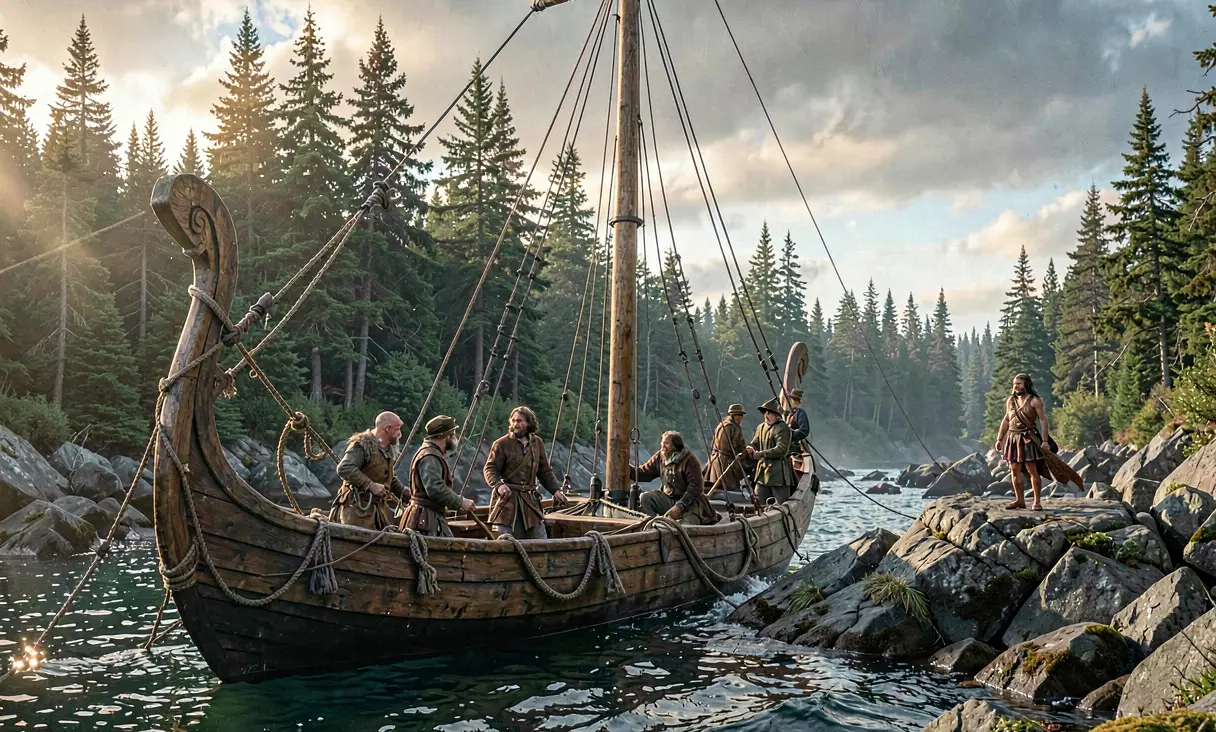 ExplorationLeif Erikson's Voyage to Vinlandc. 1000 CE · L'Anse aux Meadows, Newfoundland, CanadaLeif Erikson establishes a short-lived Norse settlement in North America, five centuries before Columbus.
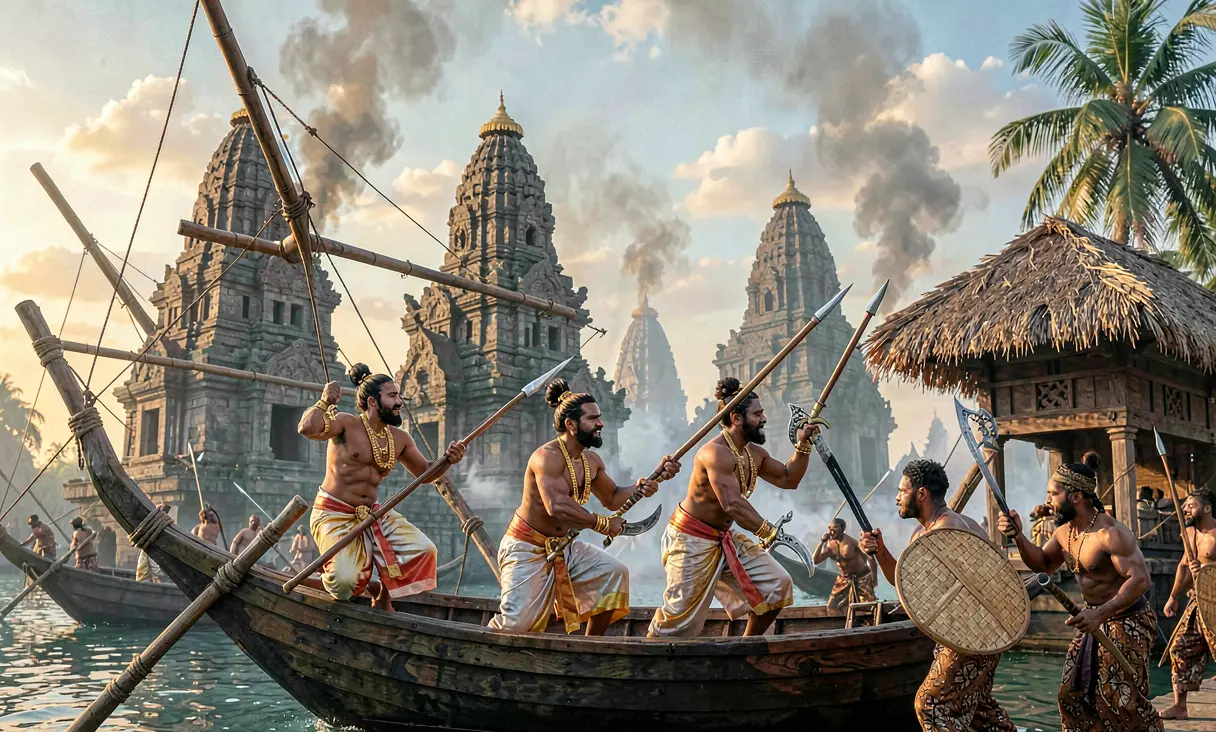 ExplorationChola Naval Expedition to Southeast Asia1025 CE · Java and Sumatra (Modern Indonesia)Chola fleet raids coastal cities across the archipelago.
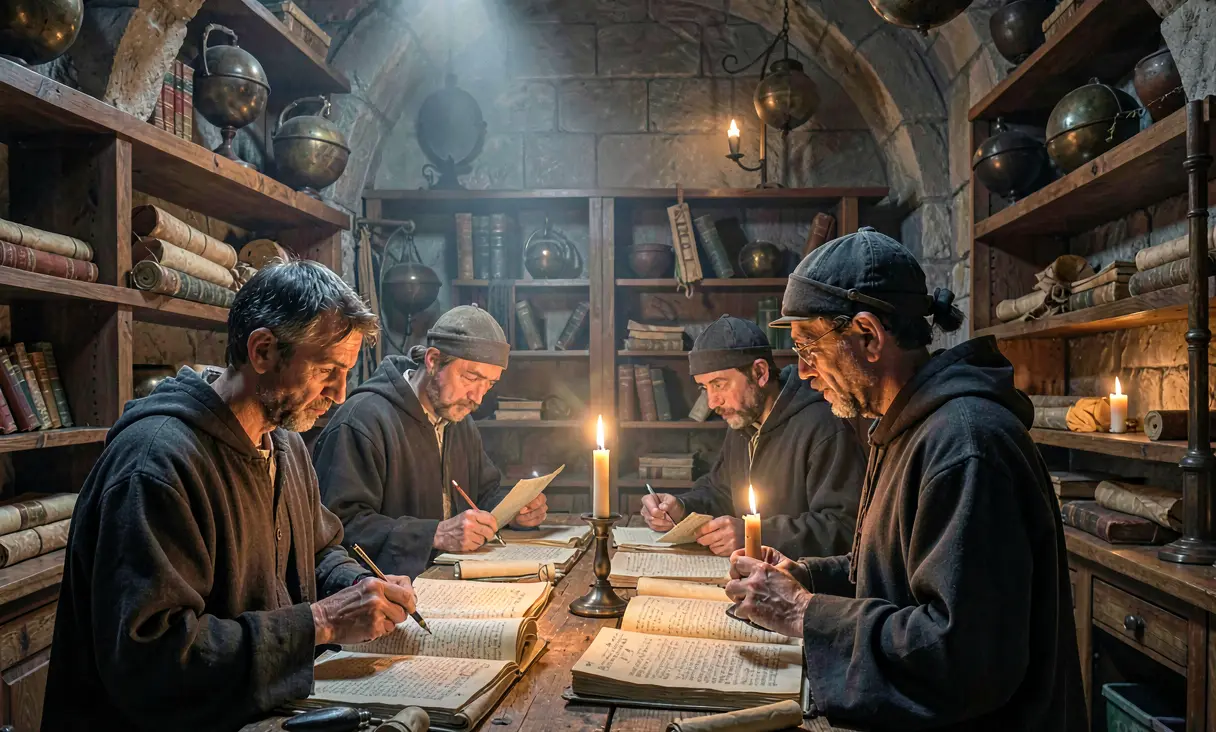 ArtMacedonian Renaissance in Byzantiumc. 920 CE · Constantinople, TurkeyThe Byzantine Empire experiences a cultural revival with renewed interest in classical learning and artistic production.
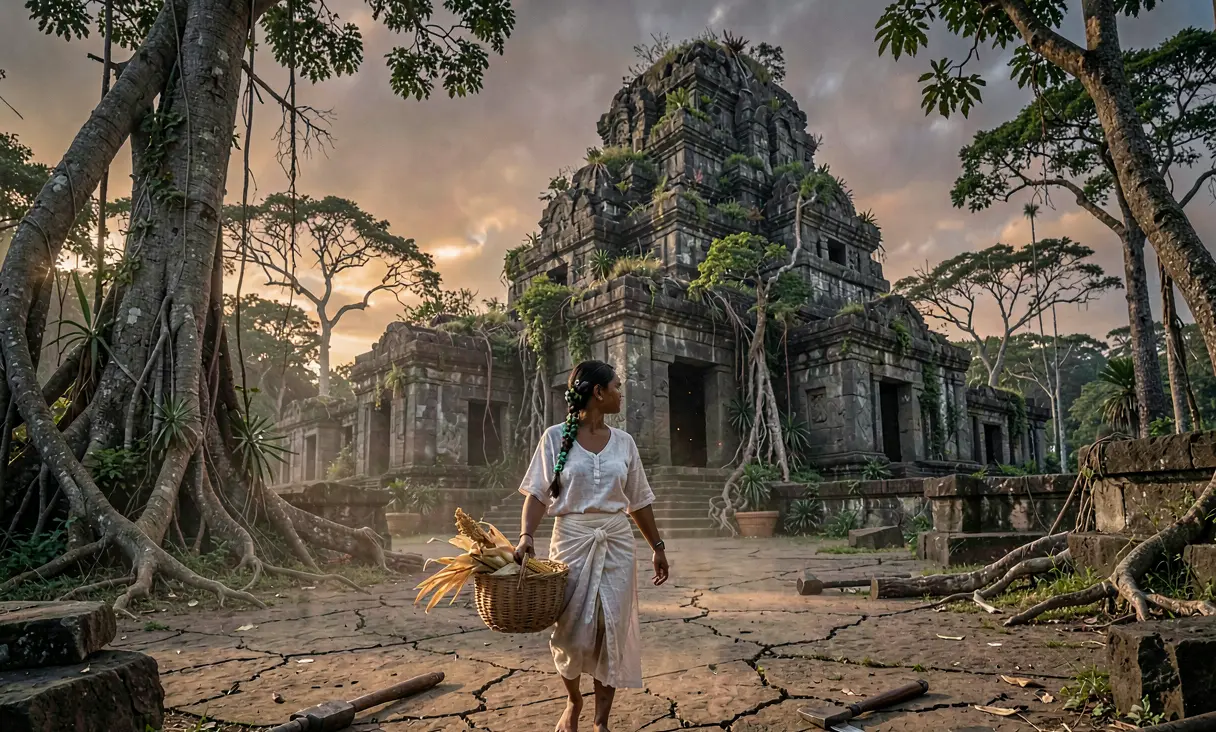 DisasterCollapse of Classic Maya Civilizationc. 900 CE · Tikal and Calakmul, Guatemala/MexicoMajor Maya city-states are abandoned due to drought, warfare, and ecological collapse during the Terminal Classic period.
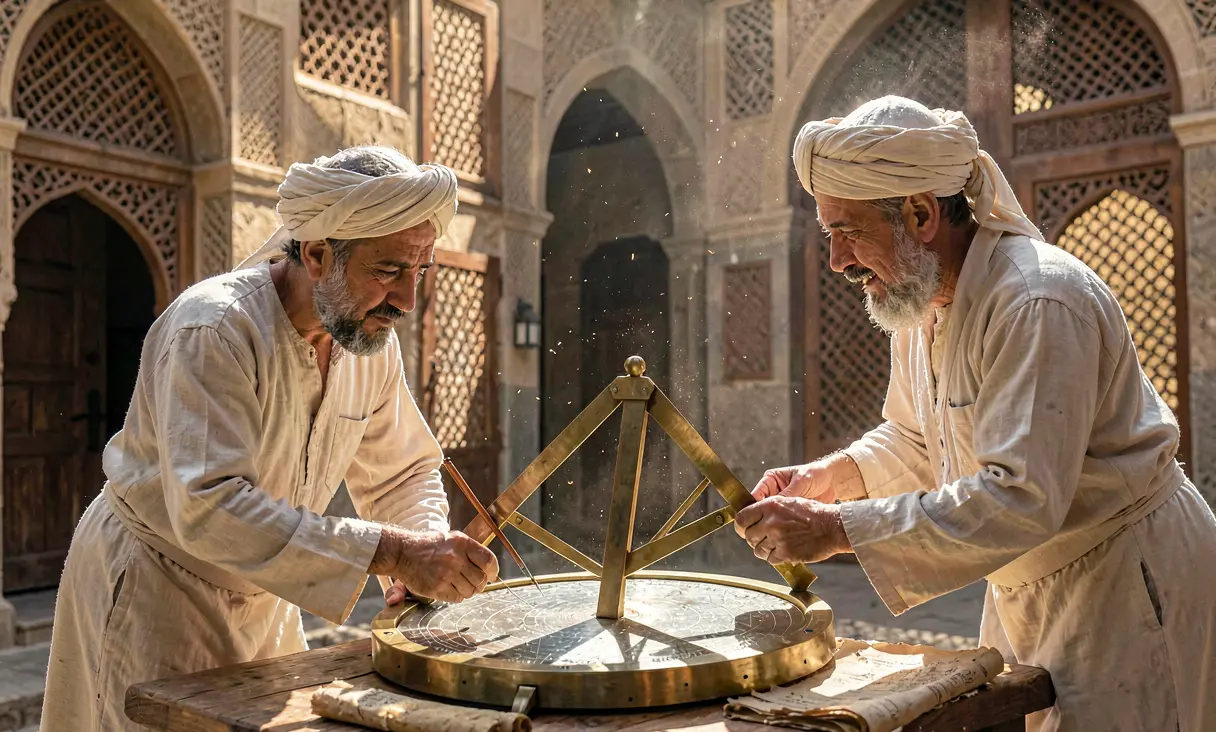 ScienceRefinement of the Astrolabe by Islamic Astronomersc. 900 CE · Baghdad, IraqPersian and Arab scholars perfect the astrolabe for navigation and timekeeping.
Discussion
Loading…