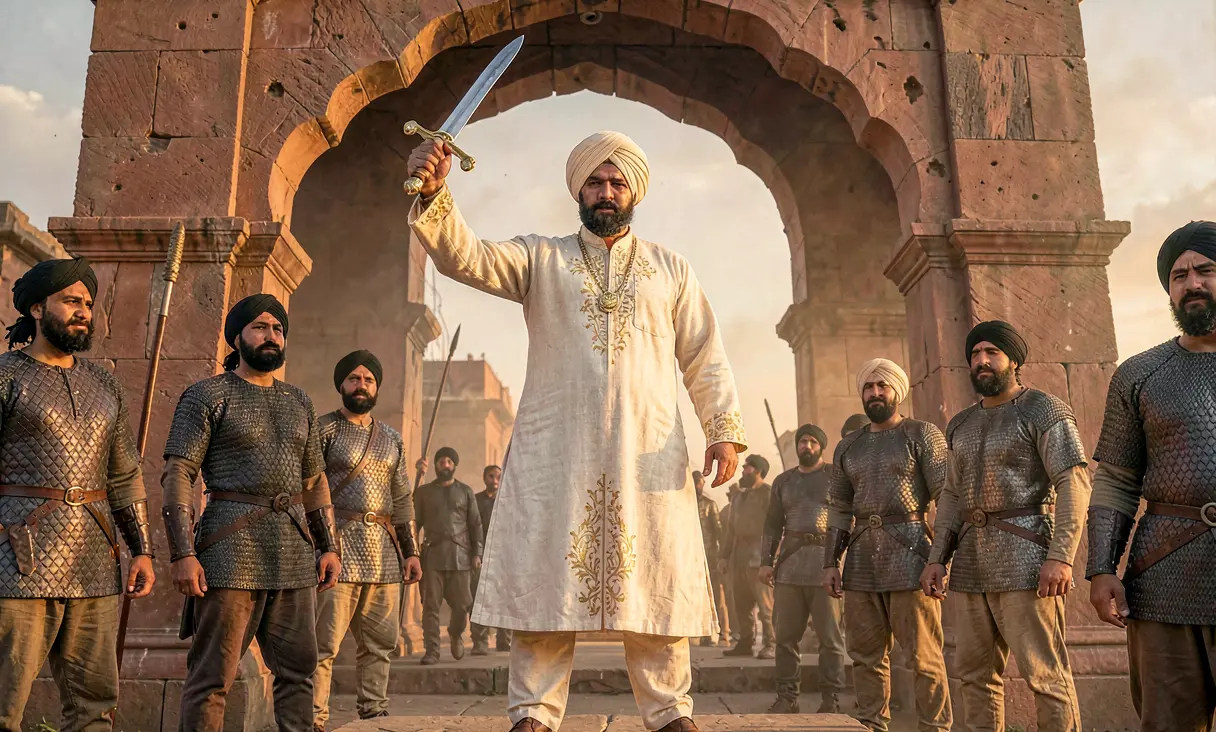
Foundation of the Khalji Dynasty
In 1290, Jalal-ud-din Khalji overthrew the Mamluk dynasty, breaking Turkic hegemony to establish a more centralized, multi-ethnic empire that expanded Delhi's reach deep into the Indian subcontinent.
The Crumbling of the Slave Dynasty
By the late 13th century, the Delhi Sultanate, established by Qutb al-Din Aibak and consolidated under Iltutmish and Balban, faced an existential crisis. The Mamluk or 'Slave' Dynasty, characterized by a rigid military aristocracy of Turkic origin, had reached its zenith under Balban but began to fracture upon his death in 1287. His grandson, Kaiqubad, ascended the throne as a minor and was quickly reduced to a puppet figurehead controlled by rival nobles within the court. The central authority eroded rapidly; provincial governors asserted autonomy, and the capital itself became a theater of factional violence. This power vacuum created an environment ripe for a decisive intervention from outside the established Turkic elite.
Jalal-ud-din Firuz: The Afghan Ascendant
Emerging from this chaos was Jalal-ud-din Firuz Khalji, a man of distinct ethnic lineage who challenged the centuries-old dominance of the Turkic nobility. Born in Ghazni and later settling in India, Jalal-ud-din belonged to the Khalji tribe, which had long been settled in the region but remained on the periphery of the highest echelons of power due to their mixed Afghan-Turkic heritage. Unlike his predecessors who prided themselves on 'pure' Turkic blood, Jalal-ud-din was a seasoned military commander and governor of Kara-Mangala, known for his pragmatic approach and ability to court the loyalty of both Muslim and Hindu subjects. His rise represented a fundamental shift in the demographic and political composition of the Delhi Sultanate.
The Coup at Kara
The transition of power was not merely a palace intrigue but a calculated military campaign. In 1290, Jalal-ud-din marched from his governorship in Kara toward Delhi, capitalizing on the disarray caused by assassinations within the Mamluk court. As he approached the capital, the weak Sultan Kaiqubad was already incapacitated and under house arrest. The critical moment occurred when Jalal-ud-din's forces entered the city without significant resistance, as the fragmented Turkic nobility failed to unite against him. He swiftly neutralized the remaining Mamluk loyalists, executed the deposed Kaiqubad, and declared himself Sultan on June 13, 1290, formally ending the Slave Dynasty and inaugurating the Khalji era.
Consolidation and Administrative Reforms
Upon securing the throne, Jalal-ud-din faced the immediate challenge of legitimizing his rule among a skeptical Turkic aristocracy. He adopted a policy of leniency initially, sparing many former Mamluk officials to ensure stability, though he gradually replaced them with loyalists from his own Khalji clan and other non-Turkic elements. His administration marked the beginning of a more centralized state apparatus, moving away from the feudal-like distribution of power that had characterized the late Slave period. He introduced new revenue assessments and strengthened the military by incorporating Hindu soldiers into the standing army, a radical departure from previous norms that emphasized ethnic exclusivity.
Southern Expansion and Strategic Shifts
While his reign was brief, lasting only six years until 1296, Jalal-ud-din laid the groundwork for the massive southern expansion that would define his successor. He launched military expeditions into the Deccan, targeting the Yadava kingdom of Devagiri, which had previously been a tributary but had stopped paying tribute. These campaigns were not merely raids but strategic moves to integrate the rich resources of the south into the Sultanate's economy. The success of these early forays demonstrated that the Delhi Sultanate could project power far beyond the Gangetic plain, setting a precedent for the aggressive territorial ambitions of Alauddin Khalji.
Legacy and the Path to the Tughlaqs
The foundation of the Khalji Dynasty was a watershed moment in Indian history, shattering the monopoly of the Turkic elite and introducing a more cosmopolitan administration. Jalal-ud-din's assassination by his nephew Alauddin in 1296 marked the end of his personal rule but cemented the dynasty's trajectory toward absolute monarchy and imperial expansion. The Khalji period is remembered for its administrative innovations, including the introduction of market controls and a standing army paid directly by the state, which were later refined by the Tughlaqs. Ultimately, this transition ensured the survival and growth of the Delhi Sultanate as a pan-Indian power rather than a regional Turkic kingdom.
The rise of the Khaljis marked a shift in Delhi's ruling class towards Afghan nobility and initiated further southward expansion of the Sultanate.

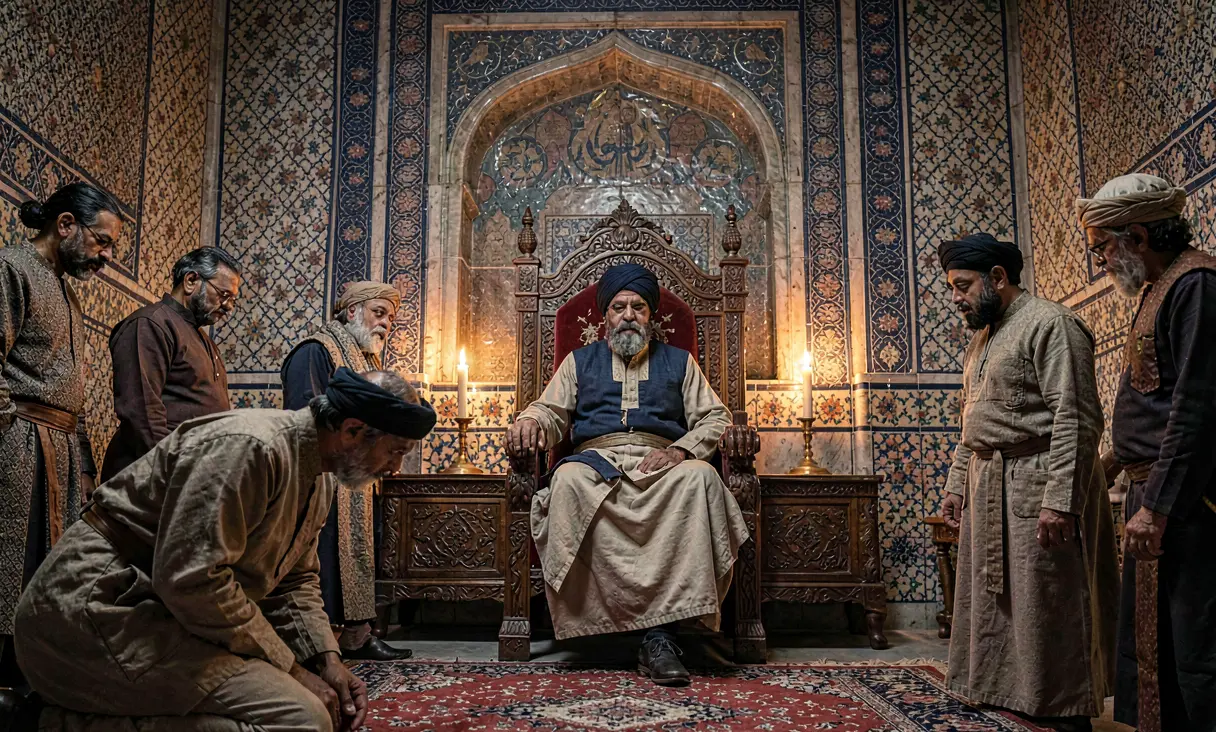
Where it happened
Delhi, India — see it on the interactive map →
Explore related history
 PoliticsRise of Srivijaya as Maritime Hegemon683 CE · Palembang, Sumatra (Modern Indonesia)Srivijaya emerges as the dominant maritime empire controlling the Strait of Malacca.
 PoliticsEmperor Xuanzong Ascends the Tang Throne712 CE · Chang'an, ChinaEmperor Xuanzong begins his reign, ushering in the High Tang golden age.
 PoliticsFounding of Heian-kyo794 CE · Kyoto, JapanEmperor Kammu moves the capital to Heian-kyo, beginning the Heian period.
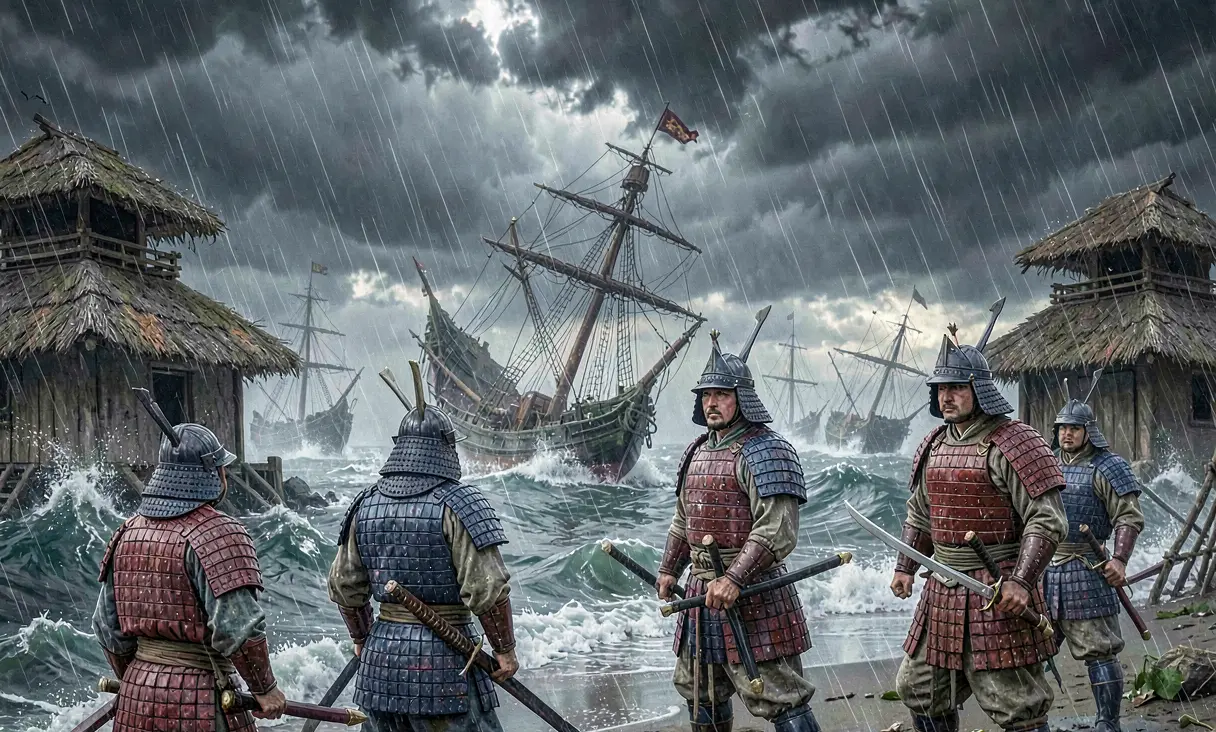 WarMongol Invasion of Japan (Kamikaze)1281 CE · Hakata Bay (Fukuoka), JapanA typhoon destroys the second Mongol invasion fleet.
 ExplorationPolynesian Settlement of New Zealand (Aotearoa)c. 1280 CE · Canterbury, New Zealand (South Island)Polynesian navigators arrive in New Zealand, founding the Māori culture and adapting to a temperate environment.
 ExplorationPolynesian Voyaging to New Zealandc. 1280 CE · South Island, New ZealandPolynesian navigators arrive in Aotearoa using double-hulled canoes and celestial navigation.
Discussion
Loading…