Hijra of Prophet Muhammad
In 622 CE, Muhammad's migration from Mecca to Medina established the first Islamic state, transforming a persecuted sect into a political power and marking the beginning of the Islamic calendar.
Context of Persecution in Mecca
By the early 7th century CE, the nascent Islamic community in Mecca faced escalating hostility from the Quraysh tribe, the city's dominant political and economic power. Muhammad, having received his first revelation in 610 CE, preached a monotheistic message that challenged the polytheistic status quo and the social hierarchy centered on the Kaaba. As the number of converts grew among the marginalized and lower classes, the Quraysh responded with systematic persecution, including economic boycotts, physical torture, and social ostracization. By 620 CE, the situation had become untenable; following the deaths of his protective uncle Abu Talib and his beloved wife Khadijah, Muhammad lost his primary shields within Meccan society. The Quraysh escalated their threats to include assassination, leaving the Prophet with no viable option but to seek refuge elsewhere.
The Pledge of Aqaba
The turning point arrived through secret diplomatic overtures with pilgrims from Yathrib (later Medina), a city roughly 450 kilometers north of Mecca. During the annual pilgrimage season in 621 and 622 CE, delegations from the Aws and Khazraj tribes met Muhammad at Aqaba. These tribes were embroiled in years of internecine warfare, and they sought a neutral arbiter to restore peace. Recognizing an opportunity for both protection and political expansion, they pledged allegiance to Muhammad, accepting Islam and inviting him to their city. This 'Pledge of Aqaba' was not merely religious but a political treaty; the Medinans promised military defense and sanctuary, effectively creating a base from which the Islamic movement could operate without fear of annihilation.
The Departure and The Journey
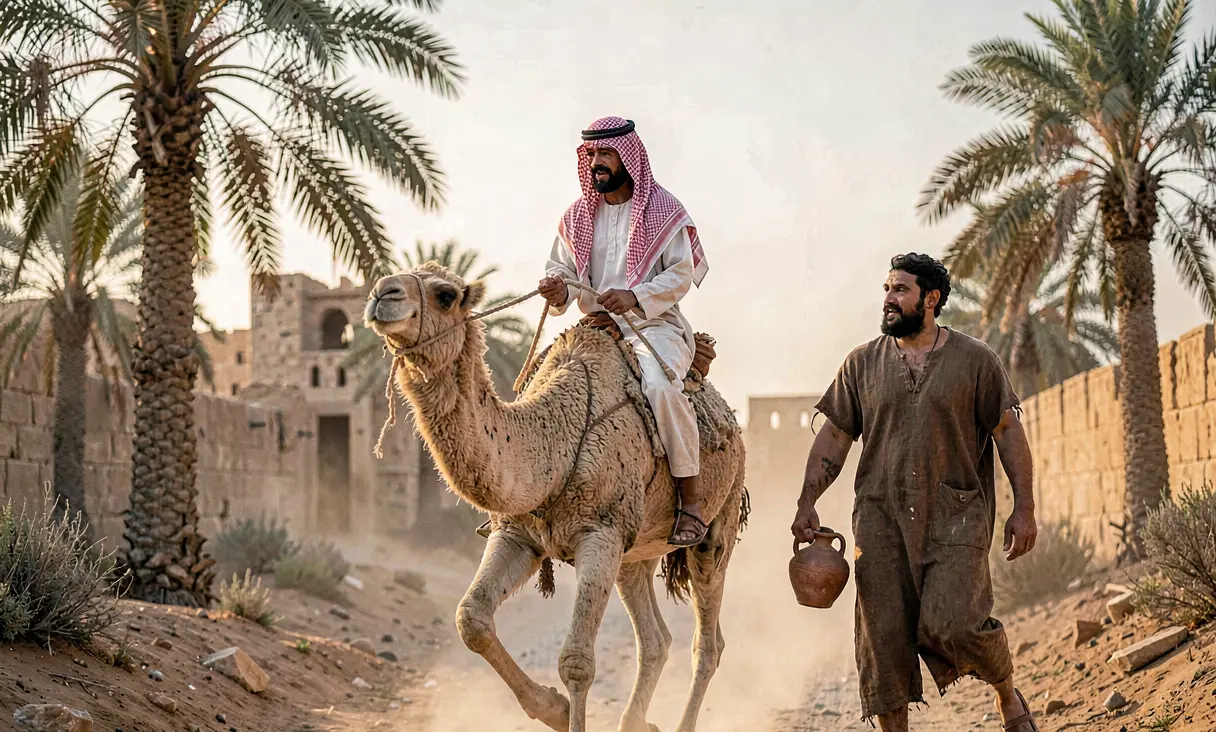
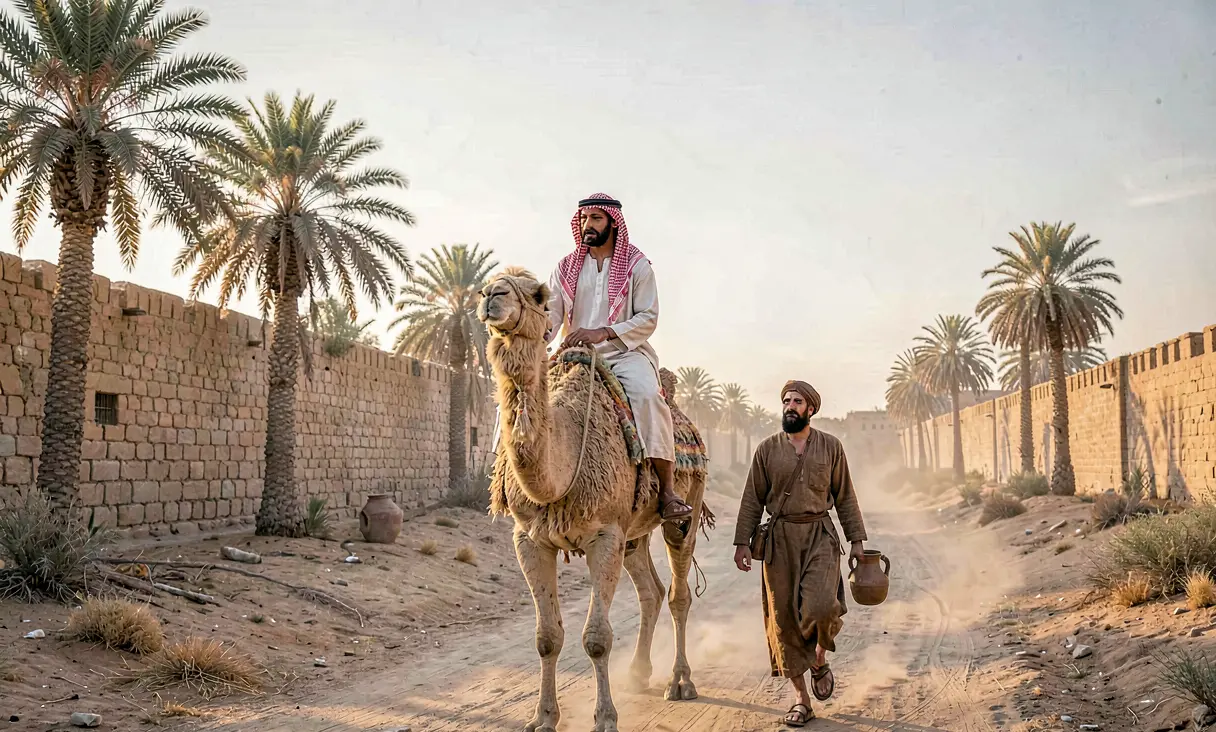
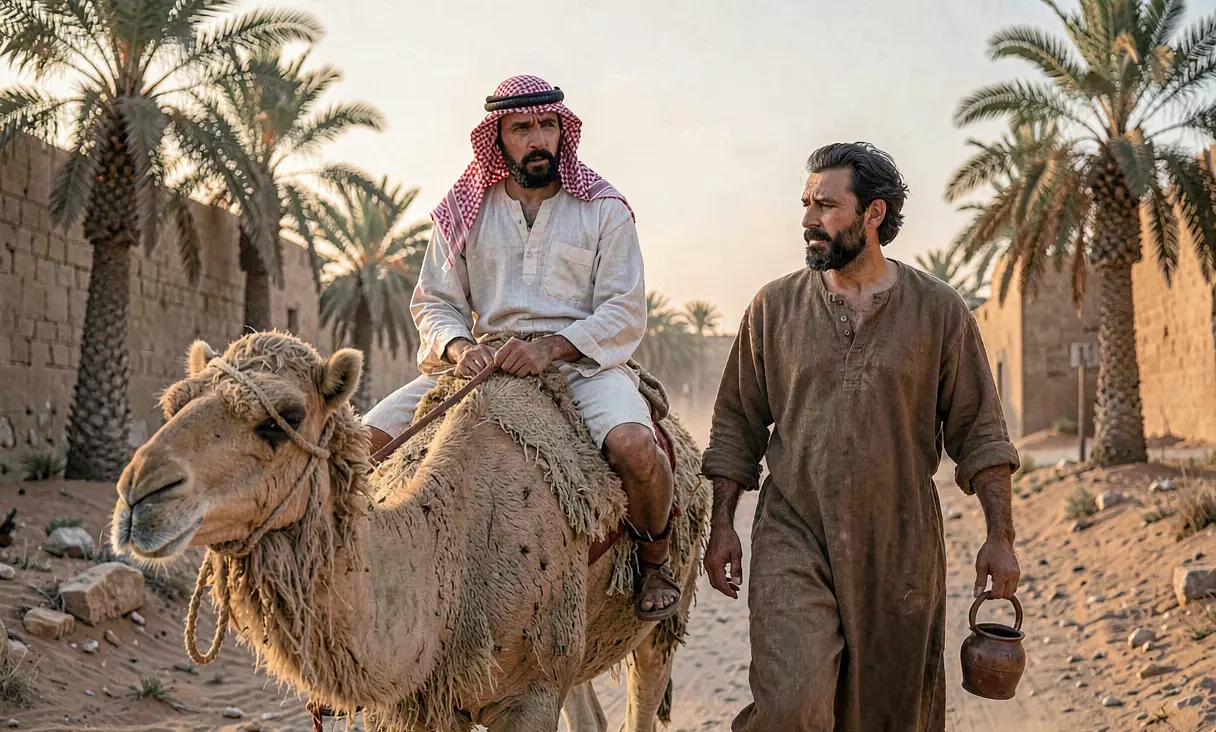
In September 622 CE, Muhammad orchestrated a clandestine migration known as the Hijra. While his close companion Abu Bakr accompanied him, the Prophet's cousin Ali ibn Abi Talib remained behind to sleep in Muhammad's bed, deceiving assassins who had surrounded the house that night. The two men fled under cover of darkness, hiding for three days in the Cave of Thawr south of Mecca before embarking on a perilous 400-kilometer journey north. They traveled by camel along the coastal route to avoid detection, guided by an experienced local guide named Abdullah ibn Urayqit. Upon reaching Quba, a settlement just outside Yathrib on September 24, 622 CE, Muhammad paused to establish the first mosque in Islamic history before entering the city proper.
Establishment of the Constitution
Upon arrival in Medina, Muhammad immediately addressed the complex social fabric of the city, which included Jewish tribes (Banu Qaynuqa, Banu Nadir, and Banu Qurayza) alongside the Muslim emigrants (Muhajirun) and local converts (Ansar). To unify these disparate groups, he drafted the 'Constitution of Medina,' a groundbreaking social contract that established a multi-religious community (Ummah) bound by mutual defense and legal rights. The document recognized the Jews as a distinct religious community with freedom of worship while binding them to the political authority of Muhammad in matters of external conflict. It effectively transformed Yathrib into 'Madinat an-Nabi' (City of the Prophet), creating a sovereign state governed by Islamic law yet inclusive of other Abrahamic faiths under a single civic framework.
Transformation from Sect to State
The Hijra marked the definitive transition of Islam from a persecuted minority sect in Mecca to an independent political and military power. In Medina, Muhammad assumed the roles of religious leader, head of state, judge, and commander-in-chief. The community faced immediate challenges, including skirmishes with Quraysh forces that led to the Battle of Badr in 624 CE, a decisive victory that solidified their standing. Over the next decade, through diplomacy, treaties, and military engagement, Muhammad unified the Arabian Peninsula under Islamic rule. This period saw the consolidation of religious doctrine, the establishment of legal precedents, and the expansion of influence that would outlast his lifetime.
Legacy and The Calendar
The significance of the Hijra is so profound that Caliph Umar ibn al-Khattab later designated it as the epochal starting point for the Islamic lunar calendar in 638 CE. Unlike other historical eras defined by conquests or reigns, this calendar begins with a migration, emphasizing the values of sacrifice, community building, and the pursuit of justice over mere territorial gain. The event reshaped the demographic and political map of the Middle East, laying the foundation for one of history's great civilizations. Today, the Hijra remains the central narrative of Islamic identity, symbolizing the triumph of faith through resilience and the establishment of a society based on divine law.
It founded the political and religious structure of the Islamic Caliphate.
Where it happened
Medina, Saudi Arabia — see it on the interactive map →
Explore related history
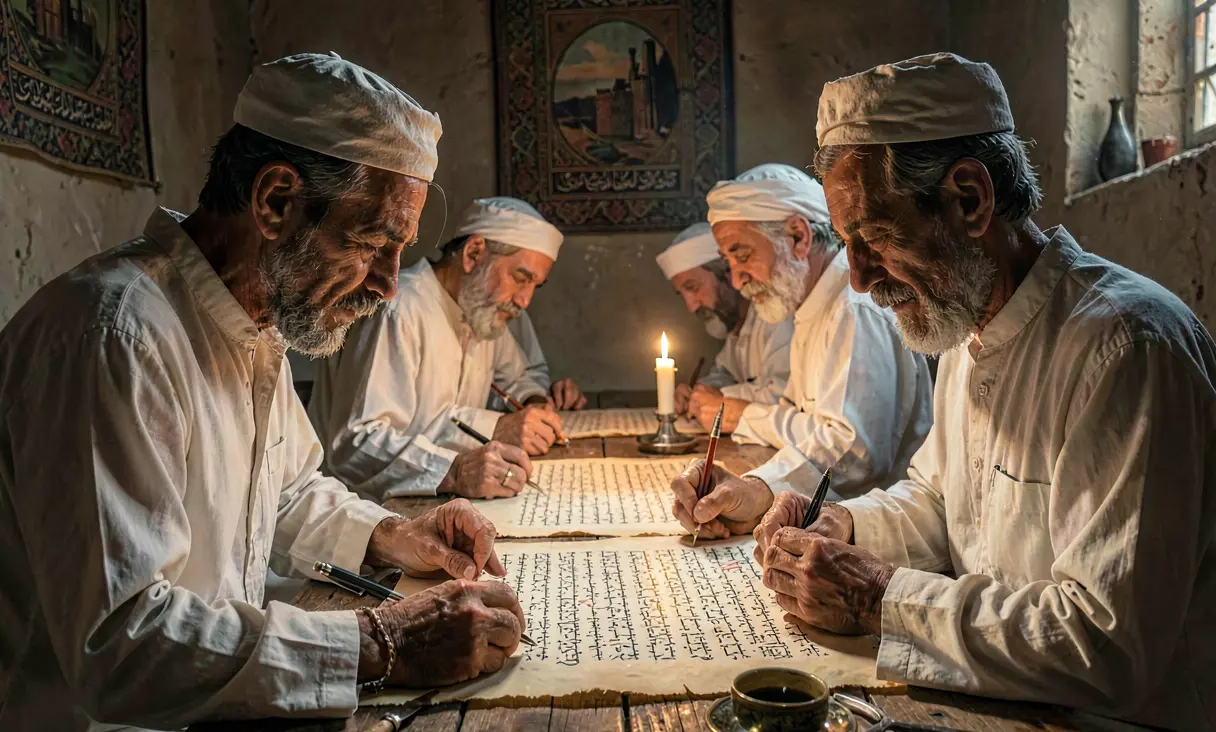 ReligionStandardization of the Quranic Textc. 650 CE · Medina (and Damascus), Arabia/SyriaCaliph Uthman commissions the definitive written codex of the Quran.
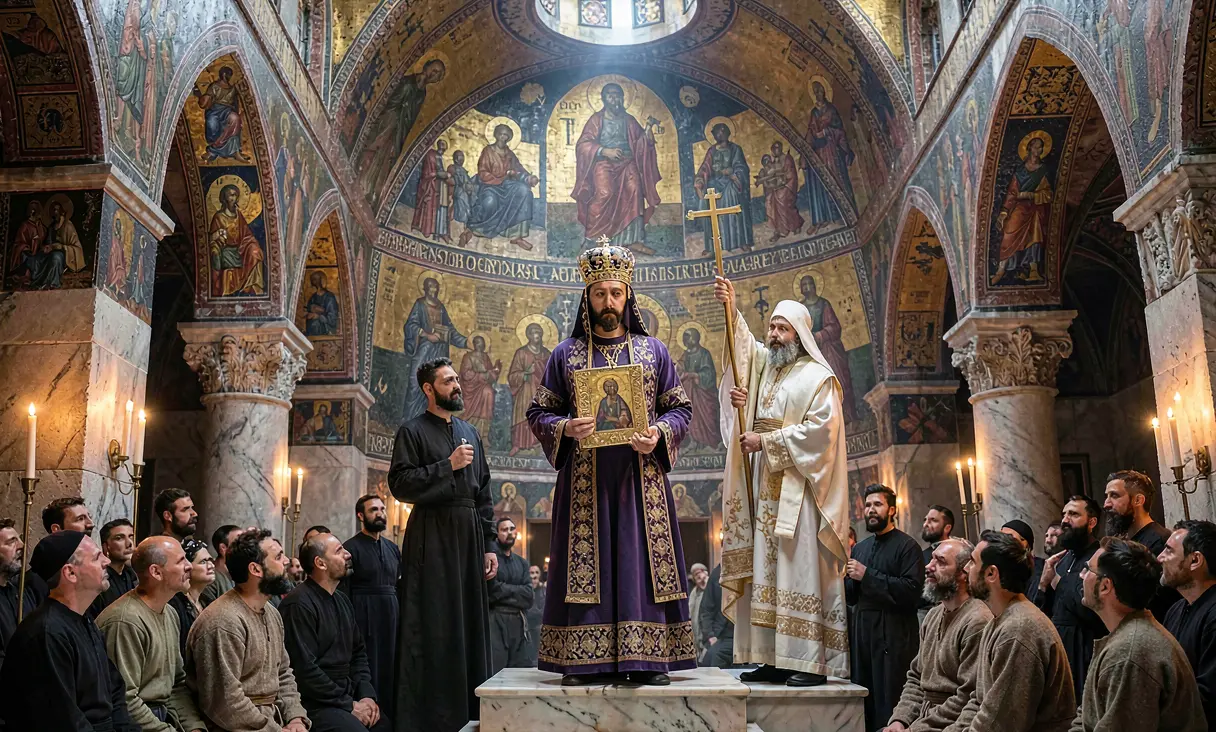 ReligionEnd of Byzantine Iconoclasm843 CE · Constantinople, TurkeyEmpress Theodora restores the veneration of icons in the Byzantine Empire, ending a century-long theological conflict.
 ReligionJayavarman VII Converts to Mahayana Buddhism1181 CE · Angkor Thom, CambodiaJayavarman VII adopts Mahayana Buddhism and builds Bayon.
 ArtBurial of the Sutton Hoo Shipc. 625 CE · Suffolk, EnglandAn Anglo-Saxon king is buried with a magnificent helmet and gold artifacts.
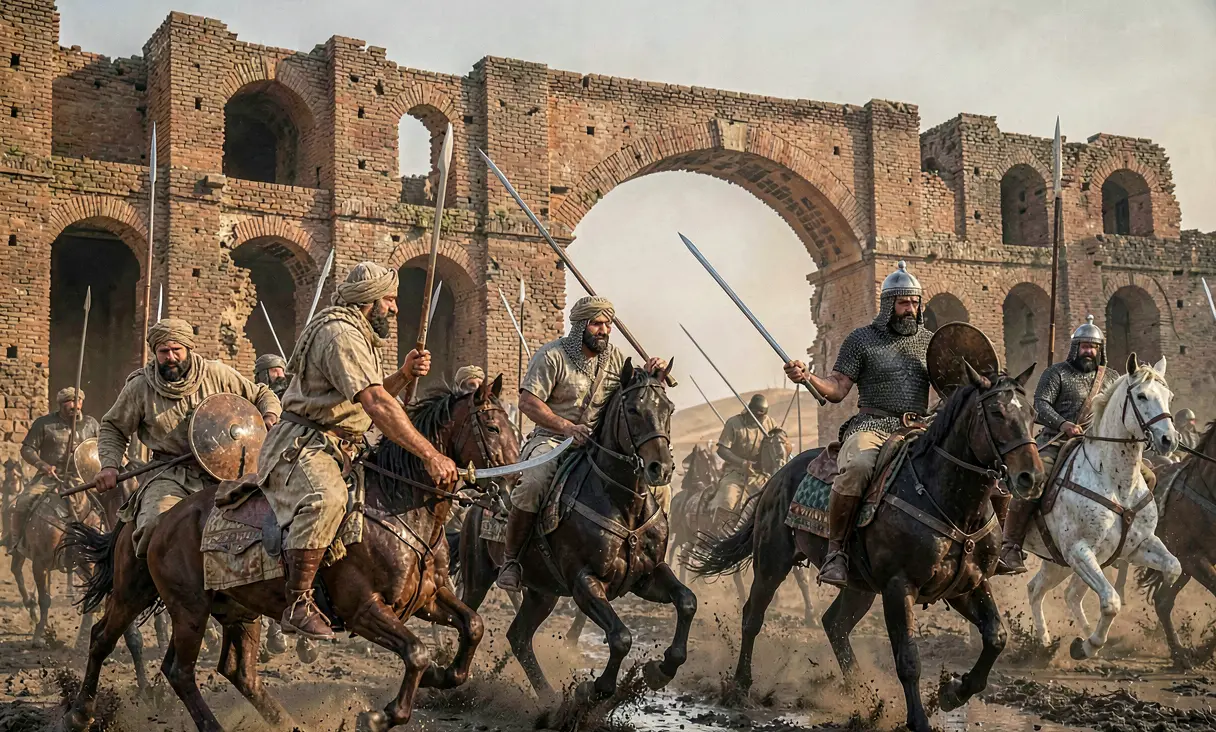 WarIslamic Conquest of the Sasanian Empire637 CE · Ctesiphon, Iraq (Persia)Arab Muslim forces defeat the Sasanian Empire at the Battle of al-Qadisiyyah, ending centuries of Persian rule.
 ArtCreation of Maya Polished Obsidian Mirrorsc. 600 CE · Guatemala (Maya Lowlands)Artisans craft polished obsidian mirrors for divination and ritual use.
Discussion
Loading…