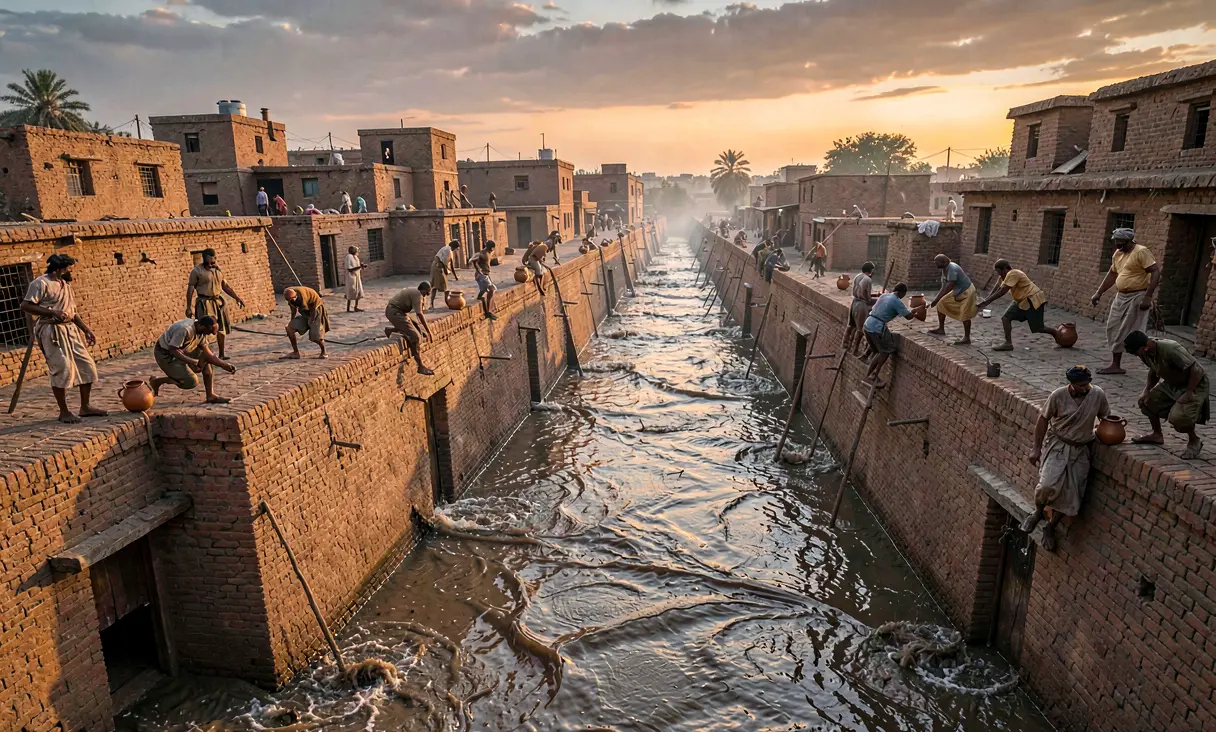
Catastrophic Flooding at Mohenjo-Daro
Around 1900 BCE, seven catastrophic floods driven by tectonic shifts and erratic monsoons buried Mohenjo-Daro in silt, causing the collapse of Harappan urban administration and triggering a mass migra
The Zenith of the Indus
By the early second millennium BCE, Mohenjo-Daro stood as the crowning jewel of the mature Harappan civilization, a metropolis of unparalleled urban planning in the ancient world. Located on the right bank of the Indus River in modern-day Sindh, Pakistan, the city housed an estimated 40,000 inhabitants within a grid system of baked-brick streets, sophisticated drainage networks, and multi-story dwellings that rivaled contemporary centers in Mesopotamia and Egypt. The city's stability relied on a delicate equilibrium between human engineering and the natural hydrology of the Indus Valley, where the annual monsoon and river floods were predictable forces harnessed for agriculture rather than viewed as existential threats.
Geological Tremors and Hydrological Shifts
Around 1900 BCE, this equilibrium shattered under the weight of profound environmental instability. Geological evidence suggests that tectonic activity along the fault lines of the Indian plate caused significant uplift in the region, altering the course of the Indus River itself. Simultaneously, paleoclimatic data indicates a period of erratic and intensified monsoon variability, leading to extreme precipitation events that overwhelmed the city's drainage infrastructure. These were not merely seasonal floods but catastrophic inundations driven by a convergence of geological displacement and climatic volatility that the Harappan hydraulic systems could not withstand.
The Seven Inundations
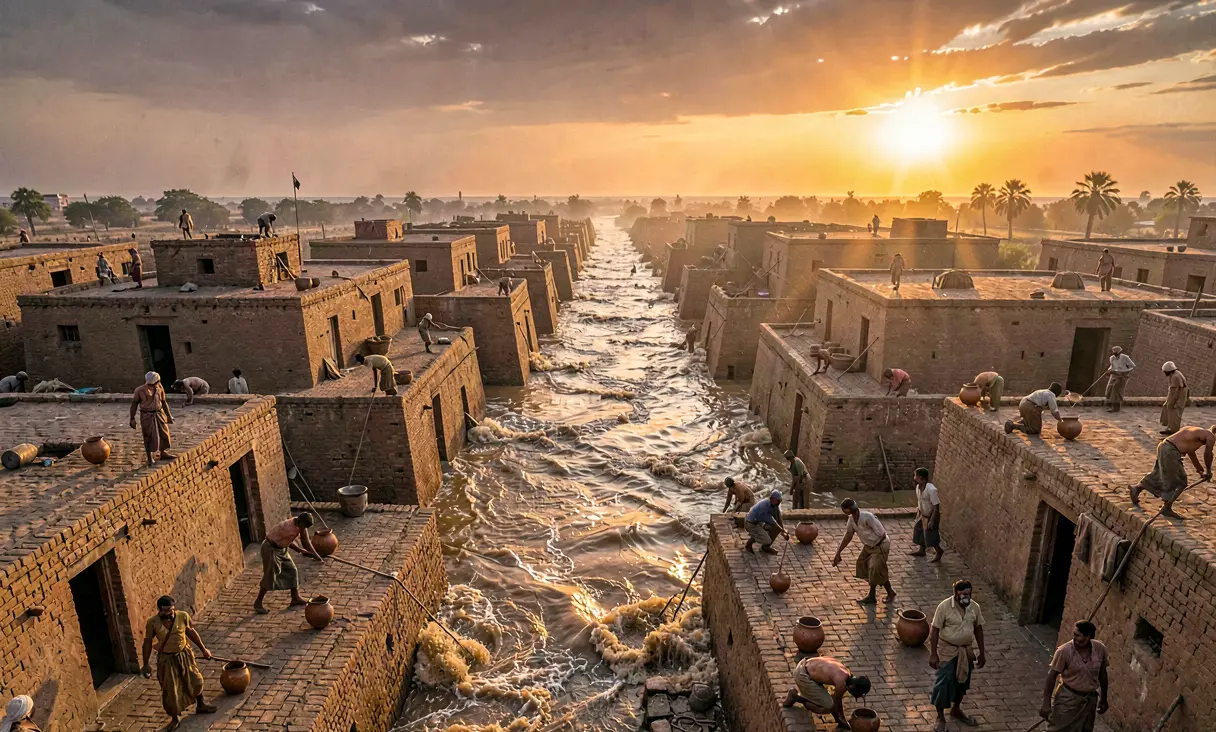
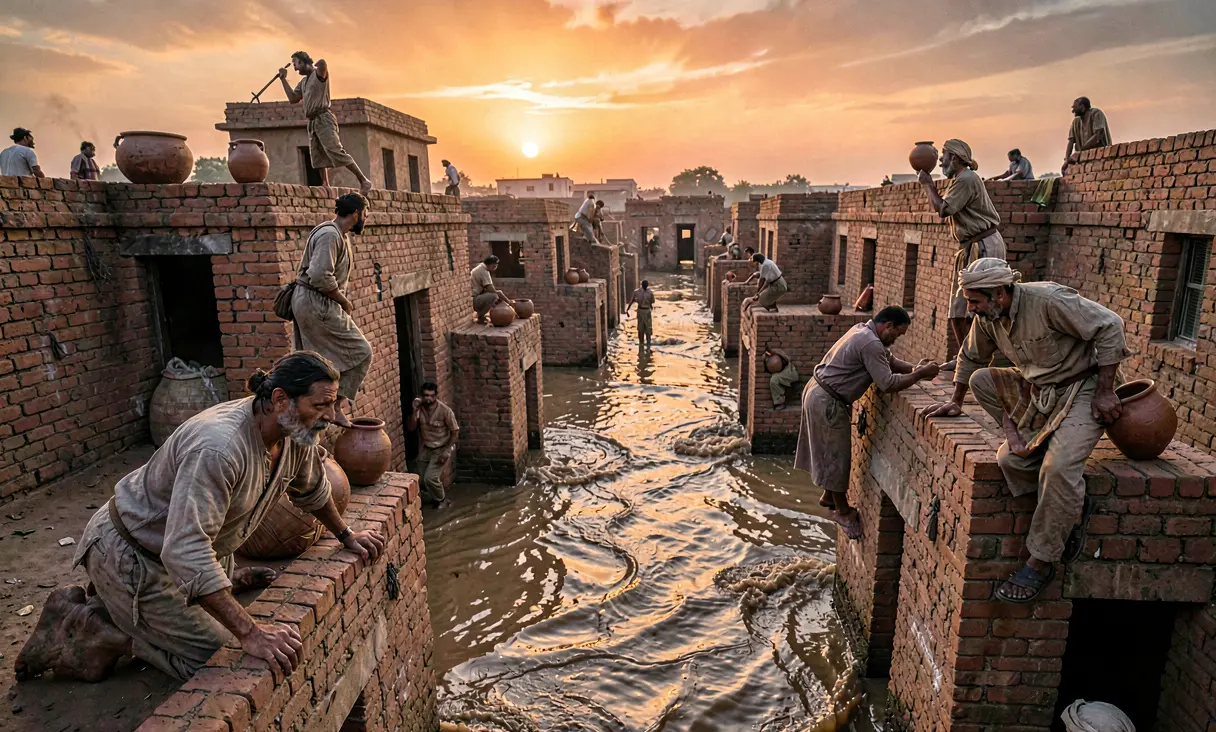
Archaeological excavations at Mohenjo-Daro have revealed a stratigraphic record of at least seven distinct flood deposits, each layer representing a separate catastrophic event that buried the city in meters of silt and mud. Unlike earlier periods where residents would clear debris and rebuild upon existing foundations, these later layers show a pattern of hasty, piecemeal repairs followed by abandonment. The sedimentary layers, often containing broken pottery and domestic refuse, indicate that each flood struck before the previous one had fully receded or been cleared, creating a cycle of destruction that progressively choked the city's streets and filled its wells with saline silt.
The Collapse of Urban Order
The final phase of occupation at Mohenjo-Daro reveals a stark departure from the city's earlier sophistication. The grand public structures, such as the Great Bath and the Granary, fell into disrepair or were repurposed by squatters living in cramped, substandard dwellings constructed over the ruins of former palaces. The lack of systematic rebuilding after the seventh flood deposit signals a total collapse of the central administrative authority that had once coordinated large-scale urban maintenance. Without the bureaucratic machinery to organize labor for dredging canals or reinforcing embankments, the population was left vulnerable to the relentless advance of the river and the encroaching silt.
Abandonment and Fragmentation
Following these successive disasters, Mohenjo-Daro was effectively abandoned by its urban elite and a significant portion of its populace. The survivors did not vanish but rather dispersed into smaller, rural settlements across the Ghaggar-Hakra basin and further east towards the Ganges-Yamuna doab. This migration marked the end of the urban phase of the Indus Valley Civilization; the distinctive standardized weights, seals, and script that defined the Harappan culture ceased to be produced or used in any centralized manner. The great city was left to the elements, slowly buried under its own flood deposits until it would remain lost for millennia.
Legacy of Environmental Vulnerability
The catastrophic flooding at Mohenjo-Daro serves as a poignant case study in the vulnerability of even the most advanced ancient civilizations to environmental change. It demonstrates that urban complexity, while offering resilience against many challenges, can become a liability when faced with rapid, large-scale shifts in geography and climate. The transition from a unified, literate state to fragmented rural communities fundamentally altered the cultural trajectory of South Asia, setting the stage for the subsequent Vedic period and reshaping the demographic landscape of the subcontinent.
Historical Significance
The fall of Mohenjo-Daro remains one of the most critical turning points in ancient history, marking the dissolution of a civilization that had thrived for nearly two millennia. Unlike the violent conquests often associated with the fall of empires, this event was driven by natural forces that rendered the city's sophisticated infrastructure obsolete. The archaeological record stands as a silent testament to a society that could engineer complex cities but ultimately could not redirect the course of a river or tame an unpredictable monsoon, leaving behind a legacy of ruins that continue to inform our understanding of climate resilience and urban sustainability.
This environmental disaster exemplifies the fragility of early river valley civilizations and directly precipitated the de-urbanization of the Indus Valley.
Where it happened
Mohenjo-Daro, Sindh, Pakistan — see it on the interactive map →
Explore related history
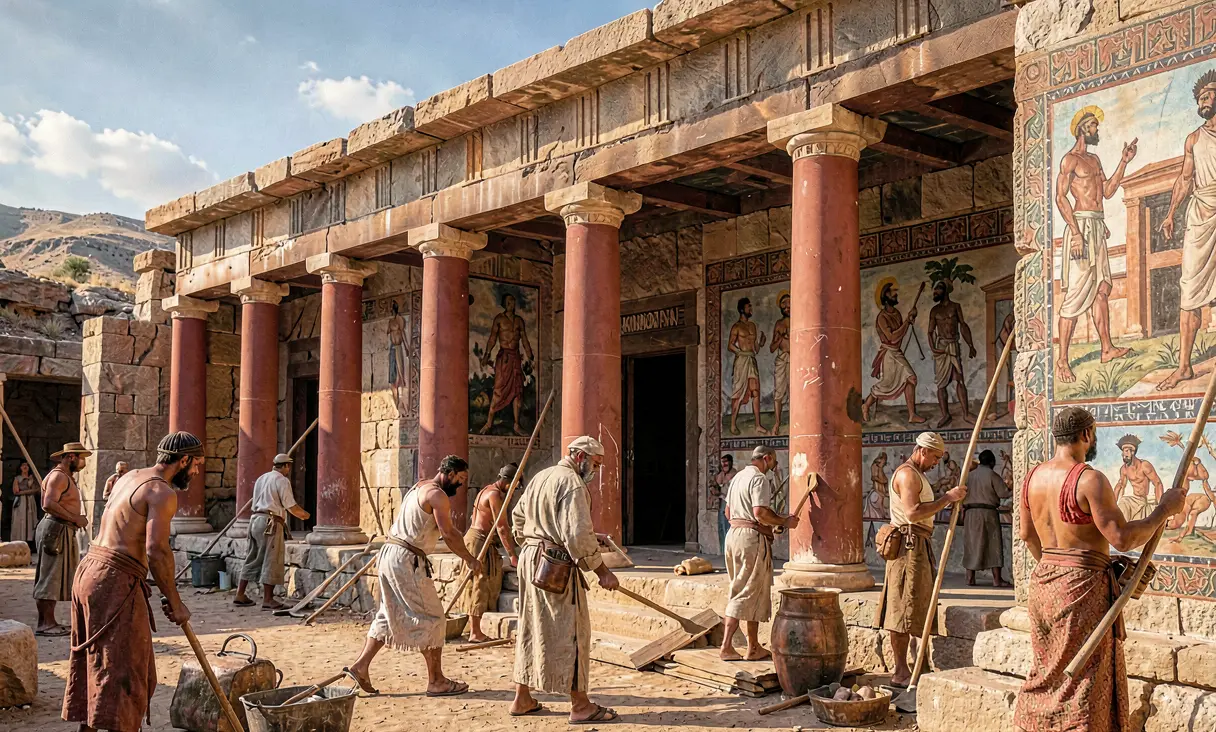 DisasterRebuilding of the Palace at Knossos after Earthquakec. 1700 BCE · Knossos, Crete (Greece)Minoans rebuild the Palace of Knossos after a massive earthquake destroys the old structure.
 DisasterEcological Collapse and Deforestation of Rapa Nuic. 1600 CE · Rapa Nui (Easter Island), ChileOverexploitation of resources leads to deforestation and societal transformation on Rapa Nui.
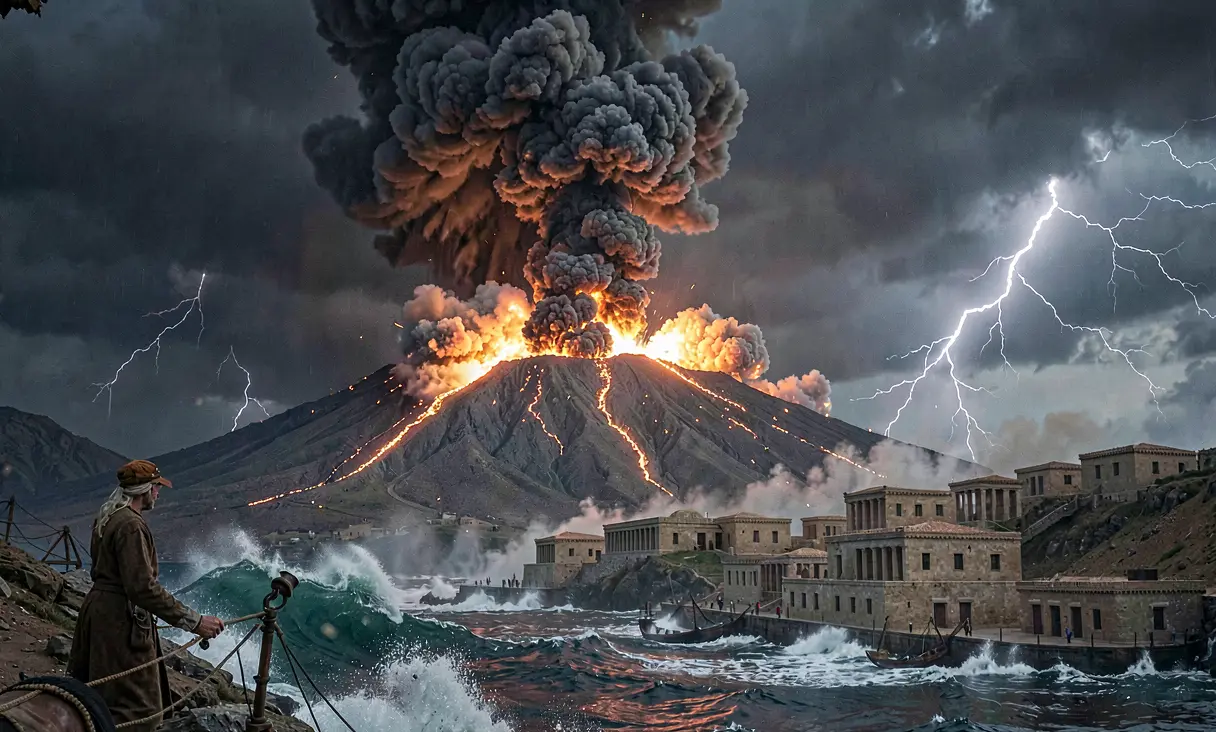 DisasterMinoan Eruption of Thera (Santorini)c. 1600 BCE · Santorini (Thera), Aegean SeaA massive volcanic eruption devastates the Minoan civilization and alters the Mediterranean climate.
 WarBattle of Spion KopJanuary 24, 1900 · Natal, South AfricaBritish forces suffer a disastrous defeat against Boer commandos in the Second Boer War.
 WarBattle of Adwa: Ethiopian Victory Over ItalyMarch 1, 1896 · Adwa, EthiopiaEmperor Menelik II decisively defeats Italian forces, securing Ethiopian sovereignty against colonial encroachment.
 WarStart of the Cuban War of IndependenceFebruary 24, 1895 · CubaJosé Martí and Máximo Gómez launch a coordinated uprising against Spanish colonial rule in Cuba.
Discussion
Loading…