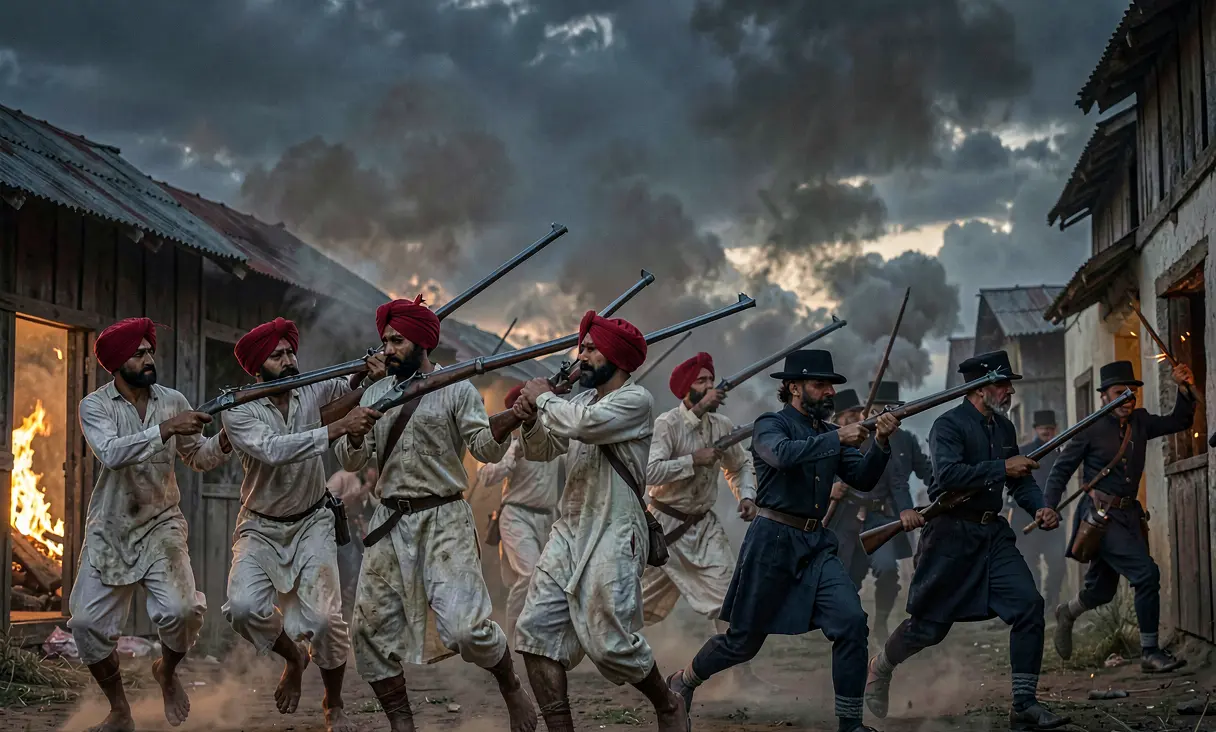
The Indian Rebellion of 1857 Begins
The May 10, 1857 mutiny at Meerut ignited a pan-Indian war against the East India Company, ending corporate rule and establishing direct British Crown control over the subcontinent.
The Tinderbox of Colonial India
By the mid-19th century, the British East India Company had transformed from a trading entity into the de facto sovereign power over much of the Indian subcontinent. This rapid expansion, driven by the Doctrine of Lapse and aggressive annexation policies, alienated traditional elites, including the Mughal aristocracy and dispossessed princes like Nana Sahib and the Rani of Jhansi. Simultaneously, deep-seated religious anxieties festered within the ranks of the Company's own army. The introduction of the new Pattern 1853 Enfield rifle precipitated a crisis; its cartridges required soldiers to bite off the paper end before loading. Rumors spread rapidly through the sepoy lines that these cartridges were greased with cow fat, offending Hindus, and pig fat, violating Islamic dietary laws. For a soldier whose honor was inextricably linked to his caste and faith, this was not merely an administrative oversight but an existential threat designed to destroy their religion.
The Spark at Meerut
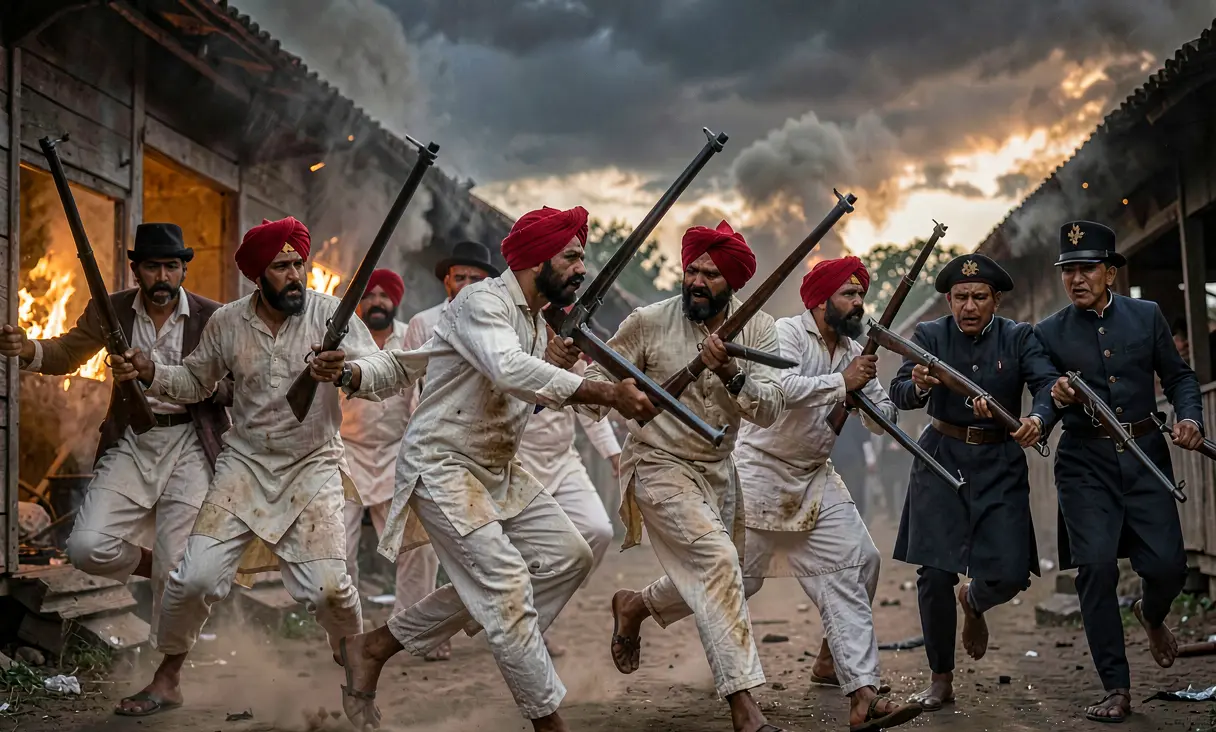
On May 9, 1857, the tension reached a breaking point in the cantonment of Meerut, located roughly 40 miles northeast of Delhi. Eighty-five sepoys of the 3rd Bengal Light Cavalry refused to handle the controversial cartridges during parade drills. In a stark display of martial discipline turned against authority, their commanding officers sentenced them to ten years of hard labor in irons. The following day, May 10, the atmosphere in Meerut was electric with suppressed rage. As the condemned men were marched out in shackles, their comrades could no longer contain their fury. At approximately 4:00 PM, a group of soldiers from the 11th and 20th Native Infantry regiments broke ranks, freeing the prisoners and turning their weapons against their British officers.
Key Figures and the March to Delhi
While the rebellion was a spontaneous eruption of collective anger, specific figures emerged as catalysts. The mutineers at Meerut were led by junior officers and non-commissioned officers who coordinated the breakout with surprising efficiency. Crucially, they did not remain in Meerut but immediately marched toward Delhi, the symbolic heart of Mughal authority. Upon reaching the Red Fort on May 11, they sought a legitimate figurehead to unify their disparate grievances. They found Bahadur Shah Zafar, the 82-year-old Mughal Emperor, who had long been a pensioner of the British. Despite his initial hesitation and fear for his life, Zafar was persuaded to accept leadership, transforming a military mutiny into a war for national sovereignty under the banner of the restored Empire.
The Unfolding Insurrection
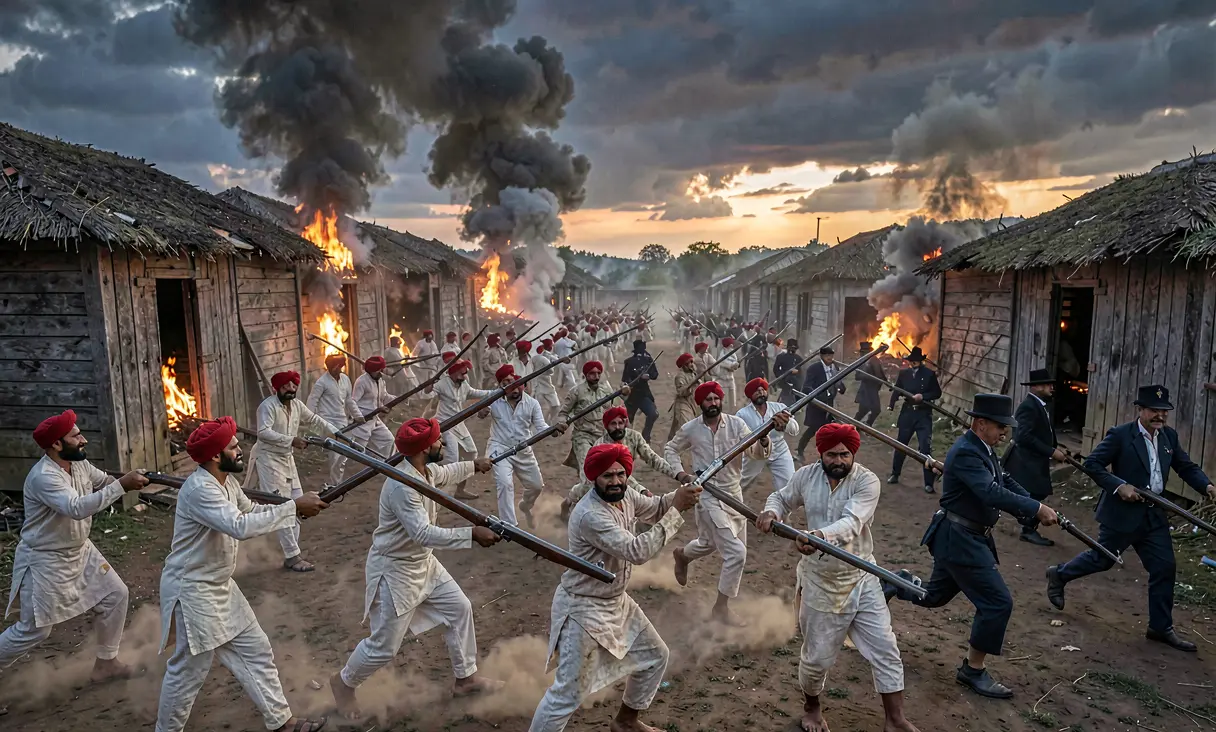
The events of May 10 and 11 triggered a chain reaction that swept across northern India with terrifying speed. The mutiny in Meerut was not an isolated incident but the opening salvo of a widespread uprising involving over 25,000 Indian soldiers in Bengal alone. Within weeks, the rebellion had engulfed major garrisons including Kanpur, Lucknow, and Jhansi. It evolved beyond a military revolt into a popular insurrection; peasants, artisans, and deposed rulers joined the ranks, viewing the British as foreign usurpers who threatened their social order and economic survival. The rebels successfully besieged Delhi for months, holding the city against British counter-offensives until September 1857, when British forces eventually recaptured it with brutal ferocity.
The Brutal Suppression
The British response to the rebellion was characterized by extreme violence and a desire for retribution. As the Company's forces regrouped under commanders like Sir Colin Campbell and General Havelock, they employed scorched-earth tactics and summary executions. The recapture of Delhi in September 1857 marked a turning point; the city was sacked, and thousands of rebels and civilians were killed. Bahadur Shah Zafar was tried for treason, his sons executed before him, and he was exiled to Rangoon, where he died in 1862. The suppression continued through 1858, culminating in the end of organized resistance by mid-1859, leaving a trail of devastation that reshaped the demographic and psychological landscape of northern India.
Legacy and the End of Company Rule
The immediate political consequence of the rebellion was the dissolution of the British East India Company. The Government of India Act 1857, passed in August 1858, transferred all administrative powers directly to the British Crown, inaugurating the era of the British Raj. Queen Victoria's proclamation in November 1858 promised non-interference in religious matters and equal treatment under the law, though in practice, racial segregation and distrust deepened. The rebellion remains a watershed moment in global history, marking the first major challenge to European colonial hegemony in Asia and inspiring future nationalist movements across the continent. It ended the era of mercantile imperialism and ushered in a new, more direct form of imperial governance that would last until 1947.
The 1857 Revolt ended the era of the East India Company and transformed India into a direct British colony, reshaping South Asian political history.
Where it happened
Meerut, India — see it on the interactive map →
Explore related history
 WarAlgerian War of Independence BeginsNovember 1, 1954 · Algiers, AlgeriaThe National Liberation Front launches coordinated attacks marking the start of the Algerian War against France.
 WarMau Mau Uprising Begins in KenyaOctober 20, 1952 · Nairobi, KenyaThe Kikuyu-led Mau Mau rebellion begins against British colonial rule and white settler land ownership.
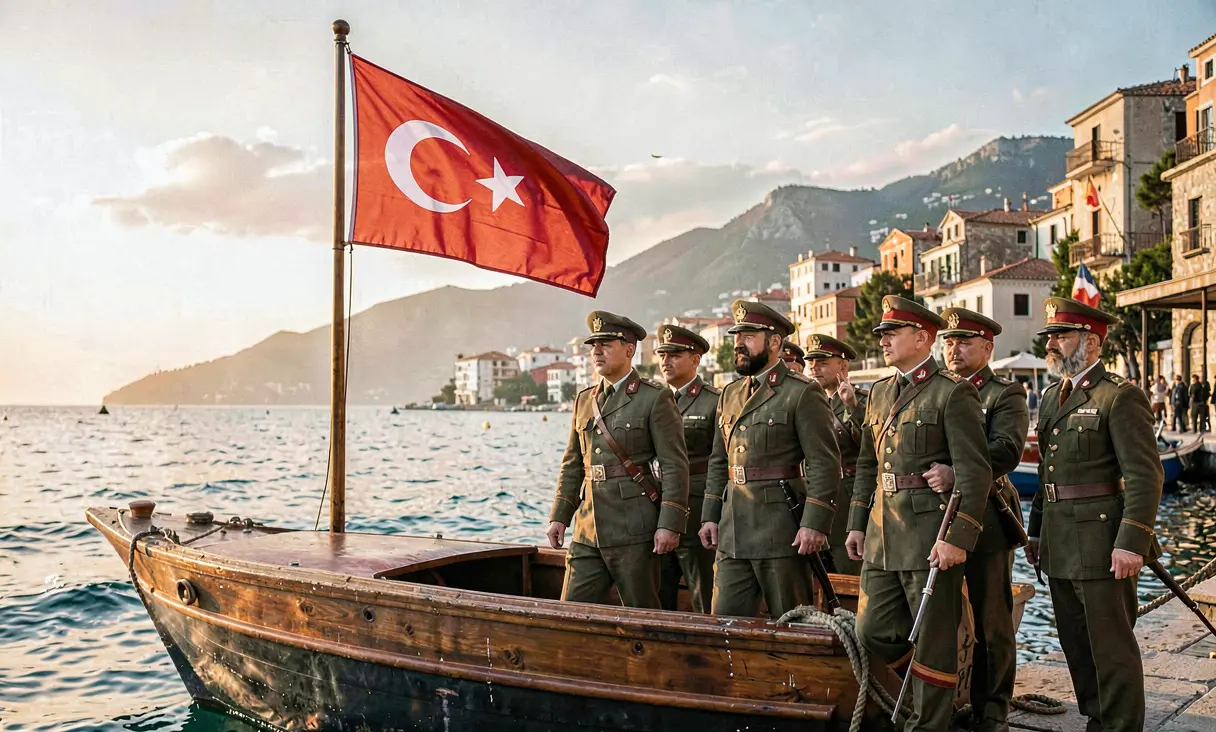 WarTurkish War of Independence BeginsMay 19, 1919 · Samsun, TurkeyMustafa Kemal Atatürk lands in Samsun to organize resistance against Allied occupation and the Ottoman Sultanate.
 WarMorant Bay RebellionOctober 11, 1865 · Morant Bay, JamaicaPaul Bogle leads a revolt against racial injustice and economic hardship in British-ruled Jamaica.
 PoliticsLaunch of La SolidaridadFebruary 15, 1889 · Barcelona, Spain (Philippine context)Filipino reformists launch a newspaper advocating for equal rights and representation within the Spanish Empire.
 PoliticsChilean Constitution of 1823 and Conservative TurnAugust 1823 · Santiago, ChileChile adopts a new constitution that attempts to balance liberal ideals with strong executive power.
Discussion
Loading…