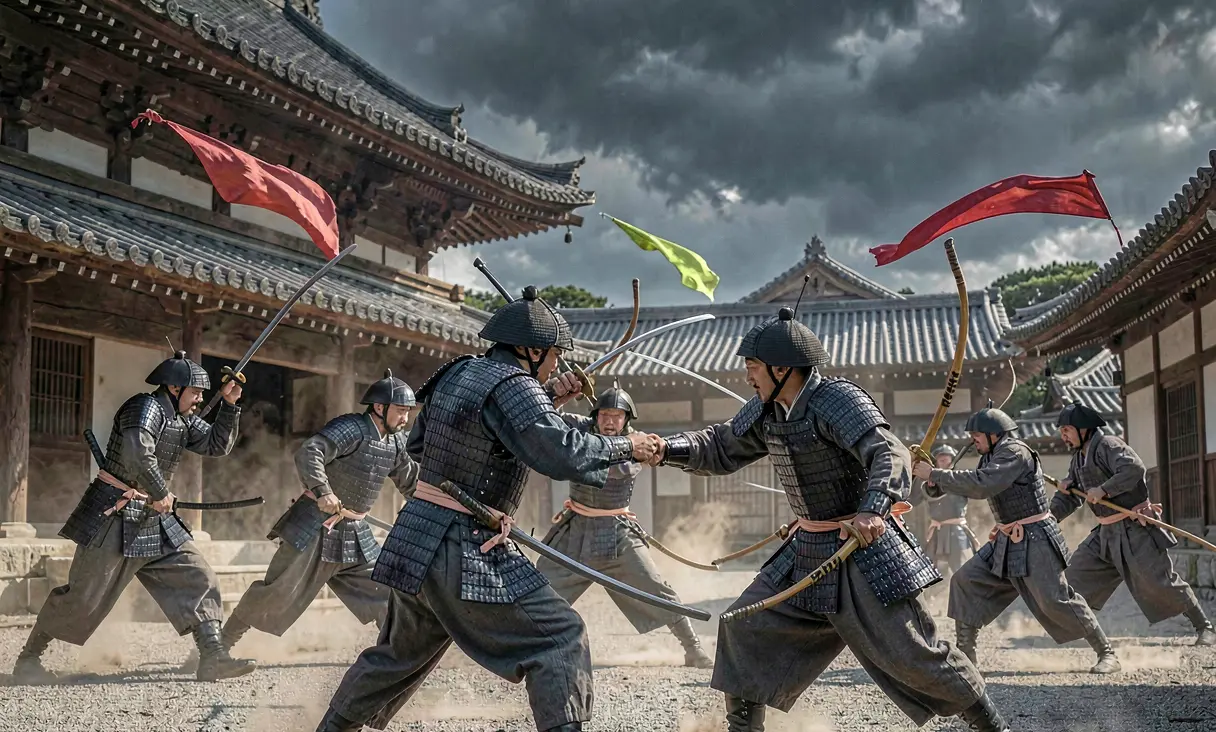
Hogen Rebellion
The 1156 Hogen Rebellion shattered imperial unity, establishing the samurai class as Japan's supreme political power through a brief but decisive civil war that ended with the exile of an emperor and
The Fracture of the Chrysanthemum Throne
By the mid-12th century, the Heian period's delicate balance of power had disintegrated. The cloistered government system, initiated by retired Emperor Go-Shirakawa, created a dual authority structure that bred intense rivalry with his predecessor, Emperor Sutoku. Following Sutoku's forced abdication in 1142, he retreated to the Kamo Shrine, harboring deep resentment against the new regime and the powerful Fujiwara regents who controlled court appointments. The immediate catalyst for violence occurred in July 1156 upon the death of retired Emperor Toba, whose will designated his three-year-old grandson as the next emperor while simultaneously appointing Go-Shirakawa as the de facto ruler. Sutoku, believing he had been usurped and that his own son should have ascended, refused to accept this arrangement, setting the stage for a catastrophic schism within the imperial family itself.
The Samurai Ascendant: Key Figures
Unlike previous conflicts resolved by aristocratic maneuvering or small skirmishes between court retainers, the Hogen Rebellion was defined by the strategic deployment of provincial warrior clans. On the side of Emperor Sutoku stood Taira no Kiyomori, then a rising star seeking to solidify his family's influence, alongside Minamoto no Tameyoshi and his son Yoshikuni. Conversely, the forces loyal to Go-Shirakawa were commanded by the formidable Taira no Tadamori (Kiyomori's father) and Minamoto no Yoshiyuki, with the latter's son, Minamoto no Yoshitomo, playing a pivotal role despite familial tensions with his own father, Tameyoshi. This alignment created a tragic irony: the great warrior clans were forced to choose sides based on political expediency rather than clan loyalty, fracturing the Minamoto house and pitting father against son.
The Night of Fire and Steel
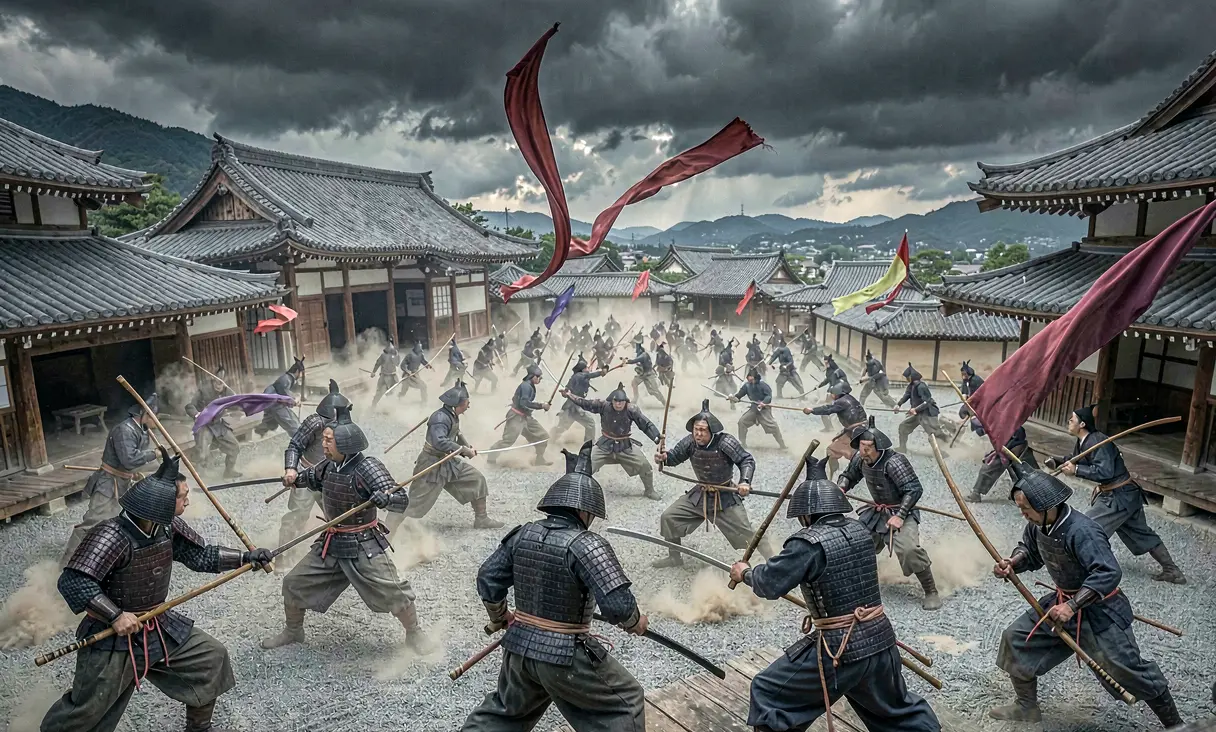
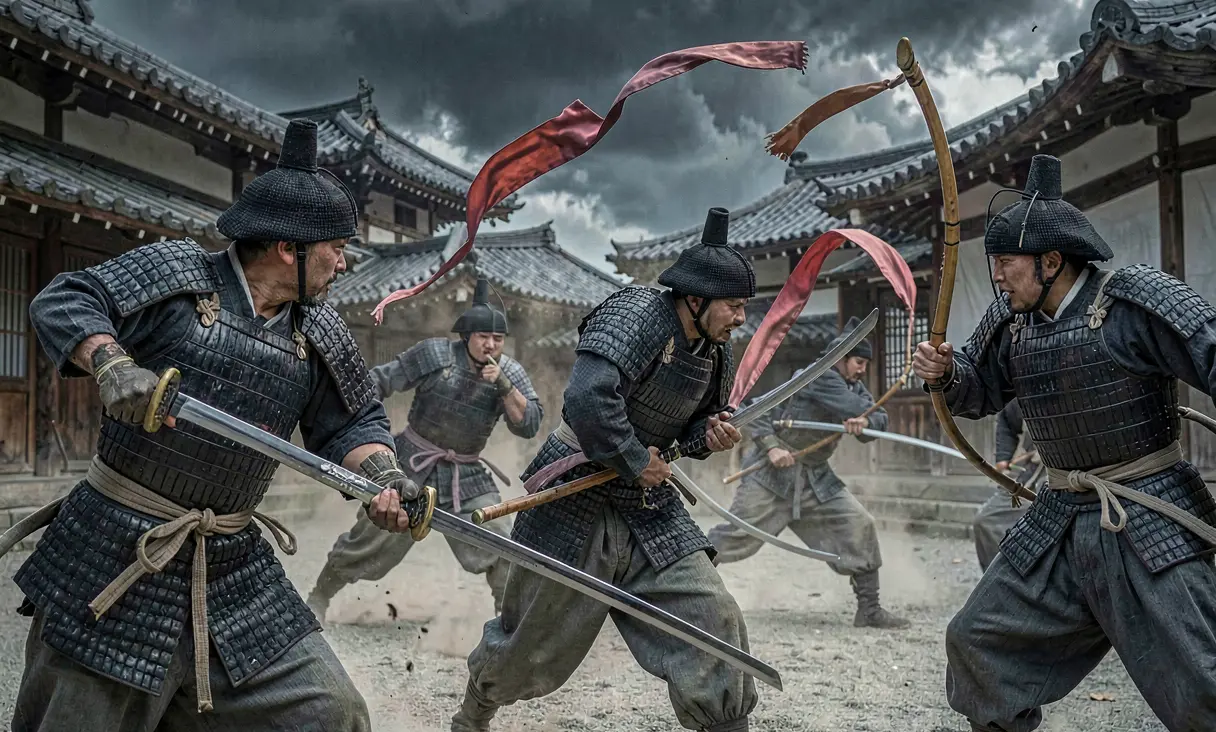
The conflict erupted in the early hours of July 12, 1156. Sutoku's forces, numbering approximately 300 men, launched a surprise night attack on the imperial palace and the nearby Shirakawa-den residence of Go-Shirakawa. The rebels set fire to the Hōjūjidono palace, creating chaos in the darkened streets of Kyoto. However, the rebellion was swiftly crushed by the disciplined forces of Go-Shirakawa, who had anticipated the move. Taira no Kiyomori and Minamoto no Yoshitomo led a counter-charge that overwhelmed Sutoku's disorganized troops. The battle was brief but brutal; within hours, the imperial palace was ablaze, and Sutoku's army was routed. The fighting marked a stark departure from the ritualized warfare of the past, characterized by sudden violence, arson, and the decisive use of cavalry archers.
The Aftermath: Exile and Execution
The consequences for the defeated were severe and set a grim precedent for Japanese history. Emperor Sutoku was forced to abdicate his title again and was exiled to Sanuki Province on Shikoku, where he died in 1164 under mysterious circumstances, reportedly cursing the land before his death—a legend that would later fuel the belief of his vengeful spirit haunting Japan. In a shocking display of ruthlessness, Taira no Kiyomori and Minamoto no Yoshitomo executed their own fathers, Tameyoshi and Tadamori respectively, to eliminate potential threats from within their ranks or to secure favor with the victor. This act of patricide signaled that political survival now superseded Confucian filial piety, fundamentally altering the moral code of the warrior class.
Legacy and the Dawn of the Shogunate
The Hogen Rebellion is widely regarded by historians as the true beginning of the samurai age. It demonstrated that military power had eclipsed civil authority, proving that the imperial court could no longer govern without the backing of armed clans. The victory solidified the positions of the Taira and Minamoto families, but it also sowed the seeds for their future conflict, known as the Heiji Rebellion just three years later in 1159. By establishing a precedent where the emperor was a figurehead controlled by warrior protectors, the rebellion paved the way for the eventual establishment of the Kamakura Shogunate in 1185. The aristocracy's decline and the rise of the bushi as the dominant political force began decisively in the ashes of Kyoto in 1156.
It initiated the era of samurai dominance that would lead to the shogunate system.
Where it happened
Kyoto, Japan — see it on the interactive map →
Explore related history
 WarIslamic Conquest of the Sasanian Empire637 CE · Ctesiphon, Iraq (Persia)Arab Muslim forces defeat the Sasanian Empire at the Battle of al-Qadisiyyah, ending centuries of Persian rule.
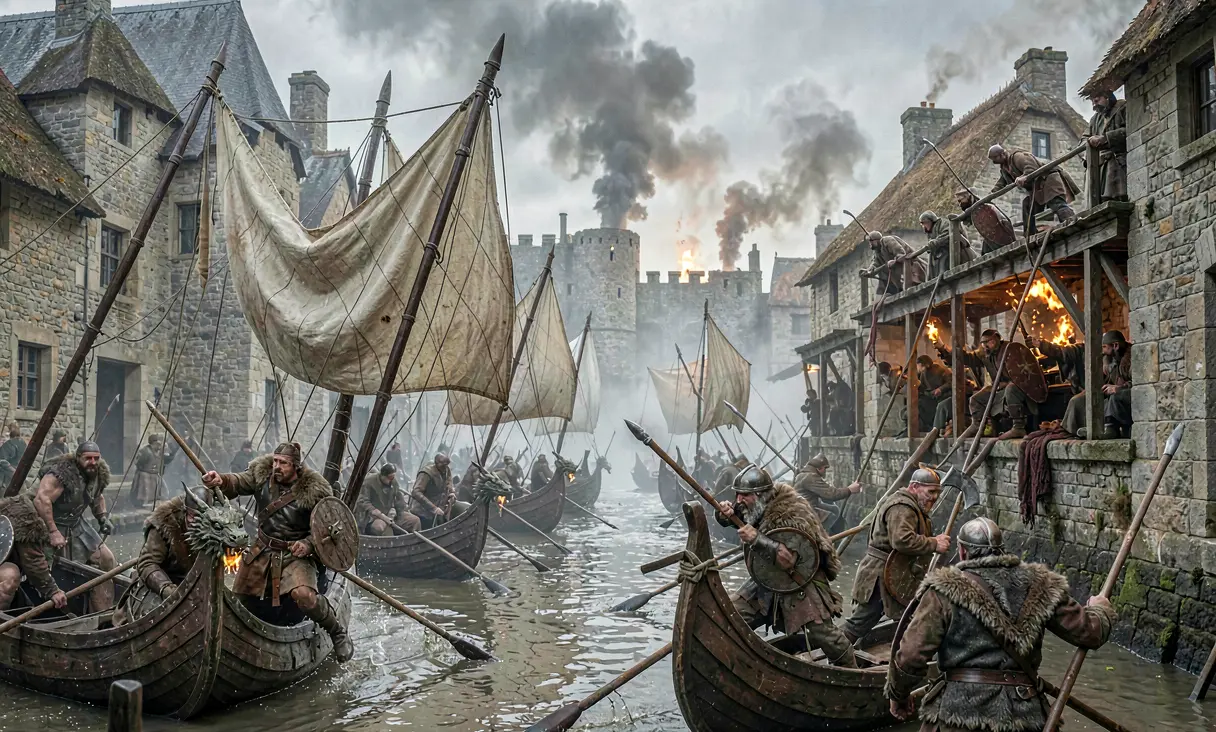 WarViking Siege of Paris885 CE · Paris, FranceViking raiders led by Sigfred besiege Paris for over a year, testing the defenses of West Francia.
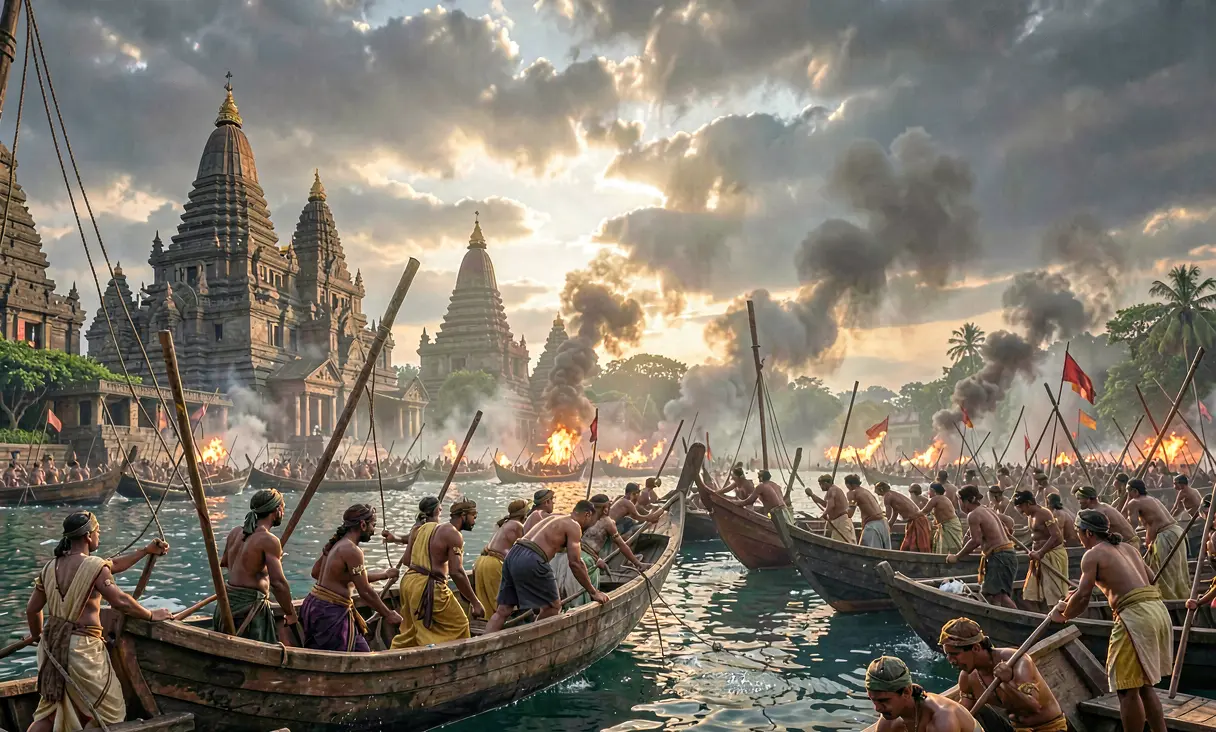 WarChola Conquest of Sri Lankac. 993 CE · Anuradhapura, Sri LankaRajaraja Chola launches a massive amphibious invasion of Sri Lanka, defeating the Sinhalese kingdom and annexing the island.
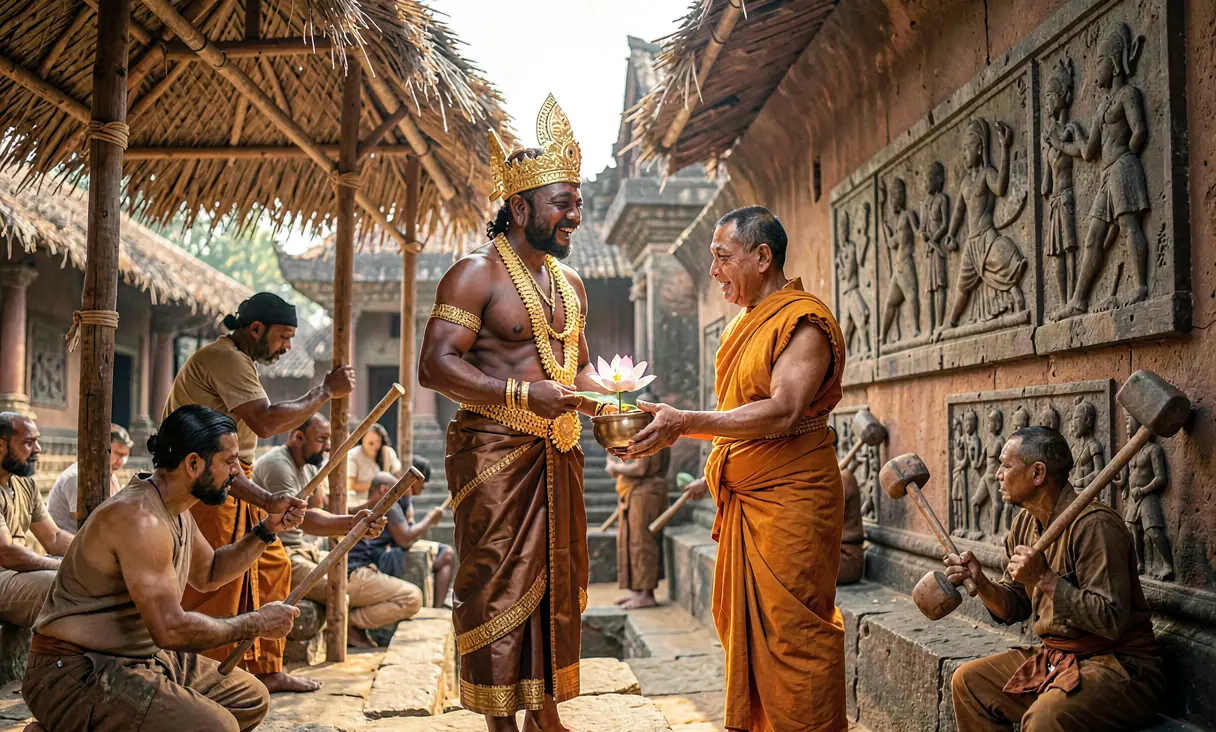 ReligionJayavarman VII Converts to Mahayana Buddhism1181 CE · Angkor Thom, CambodiaJayavarman VII adopts Mahayana Buddhism and builds Bayon.
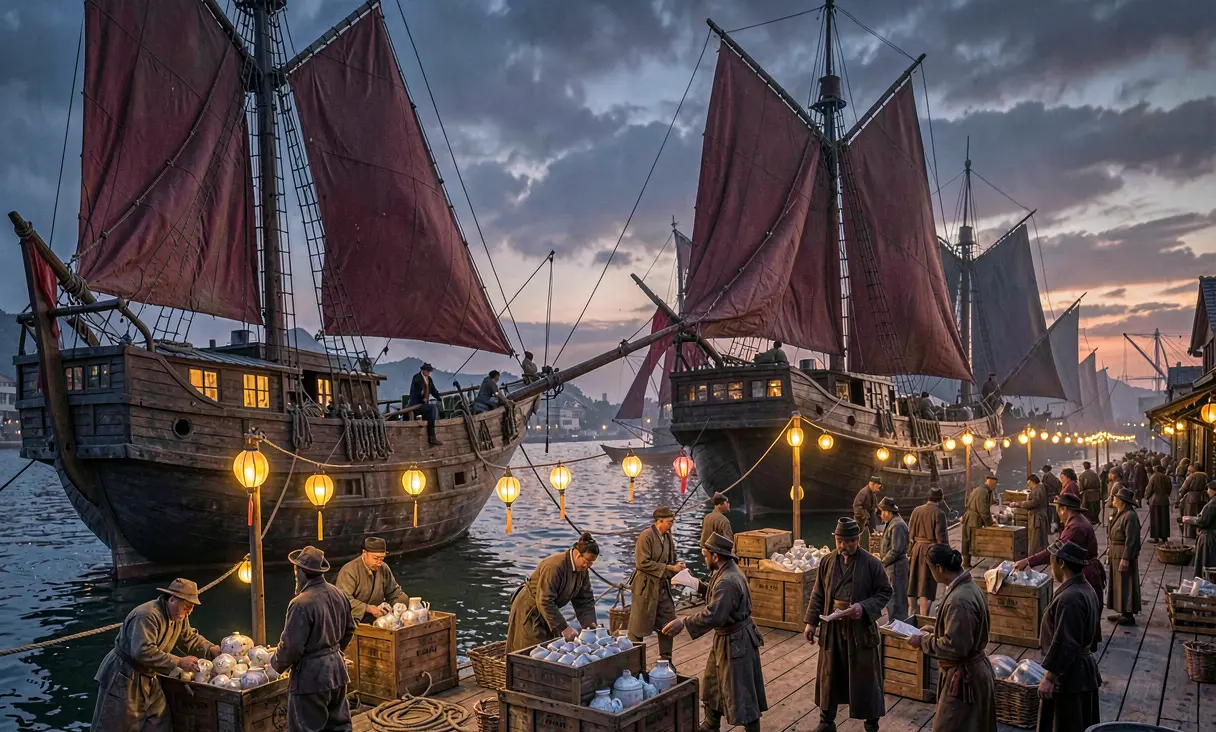 tradePeak of the Maritime Silk Road under Song Dynastyc. 1127 CE · Hankou, ChinaThe Song Dynasty establishes a global maritime trade network connecting China to East Africa.
 WarGhurid Conquest of Delhic. 1192 CE · Delhi, IndiaMuhammad of Ghor defeats Prithviraj Chauhan in the Second Battle of Tarain, establishing Muslim rule over North India.
Discussion
Loading…