Founding of Heian-kyo
Emperor Kammu's 794 CE relocation of the capital to Heian-kyo severed monastic control, sparked a millennium-long cultural golden age, and established Kyoto as Japan's enduring spiritual heart.
The Nara Dilemma and Political Fragmentation
By the late 8th century, the imperial court in Nara faced an existential crisis rooted in the symbiotic yet dangerous relationship between the state and powerful Buddhist institutions. Monasteries such as Tōdai-ji had amassed vast landholdings and private armies of warrior monks, effectively challenging the Emperor's secular authority. The last capital, Nagaoka-kyo, established in 784 CE under the direction of Emperor Kammu, proved disastrous due to flooding and political assassination, highlighting the instability of the region. Seeking to sever the entrenched power networks that had paralyzed governance in Nara, Kammu determined that a complete geographical reset was necessary to restore central authority.
The Selection of the Yamashiro Basin
In 794 CE, Emperor Kammu selected a site in the Yamashiro Province for his new capital, Heian-kyo. The location was strategically chosen for its natural defenses: mountains on three sides and a river system that facilitated transport while acting as a barrier against invasion. Unlike Nara, which sat on flat plains vulnerable to monastic encroachment, this basin offered isolation from existing power centers. The site had previously been scrutinized by geomancers (feng shui masters) who deemed its topography auspicious, aligning with the Chinese belief that the capital should be situated where dragon and tiger energies converged to protect the sovereign.
Architectural Ambition: A Mirror of Chang'an
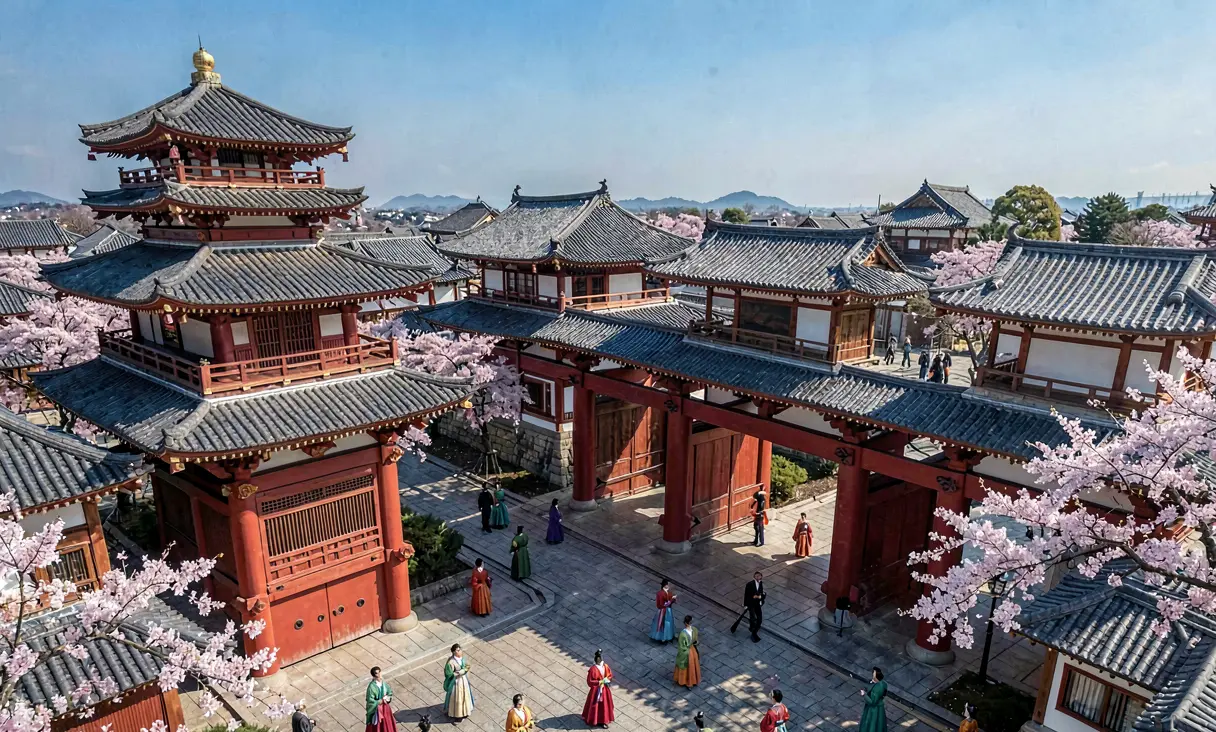
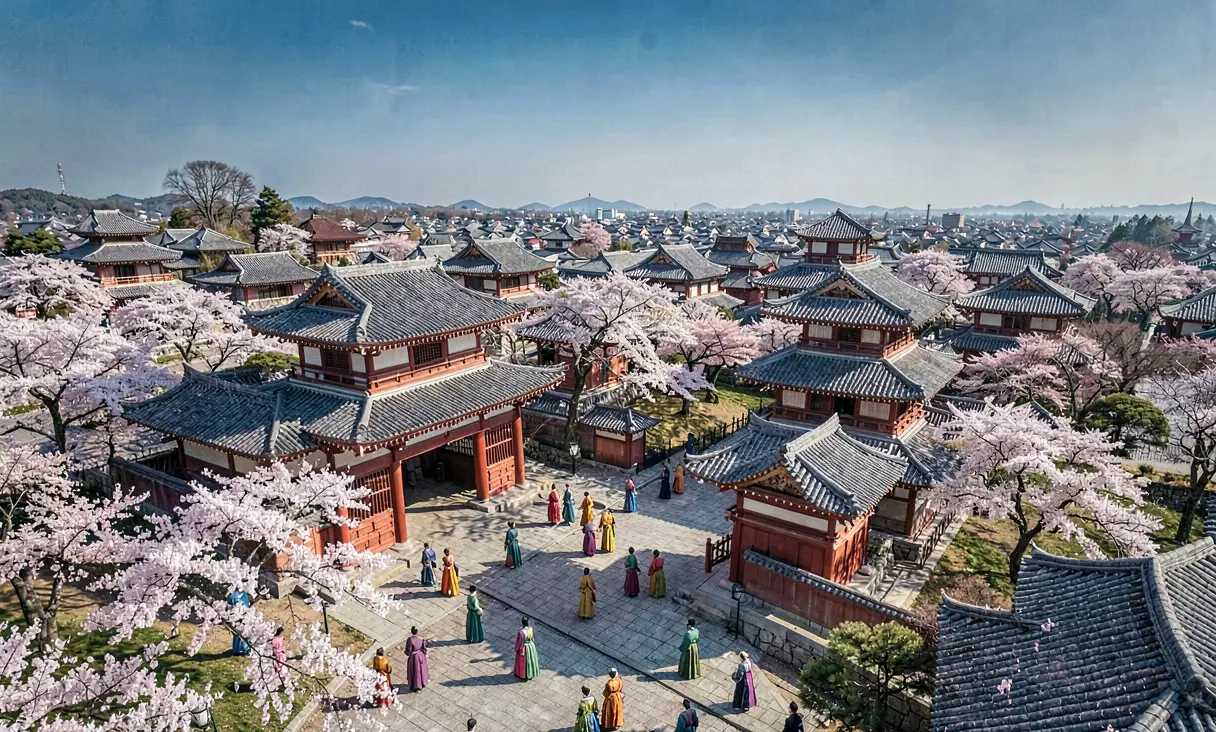
The design of Heian-kyo was a deliberate emulation of the Tang dynasty's magnificent capital, Chang'an. The city was laid out on a rigorous grid system, bisected by the broad Suzaku Avenue (Suzaku-oji) which ran north to south, separating the left and right districts. The imperial palace, known as the Dairi, occupied the northern center of the city, flanked by government offices arranged in a strict hierarchy reflecting Confucian principles. While the plan was ambitious, covering approximately 5.2 square kilometers, the actual construction was often compromised by financial constraints and the difficult terrain; many wards remained undeveloped or were filled with waterlogged marshes, forcing residents to build on stilts.
The Relocation of the Court
The formal transfer of the capital occurred in October 794 CE. Emperor Kammu led a massive procession from Nagaoka-kyo to Heian-kyo, accompanied by the entire imperial bureaucracy, the nobility, and thousands of soldiers. The move was not merely administrative but ritualistic; the Emperor performed specific ceremonies to purify the new site and invoke the protection of local deities (kami) alongside Buddhist rites. This transition marked a definitive break from the past, as the old temples of Nara were left behind, effectively stripping them of their direct access to the throne and forcing them to operate under stricter state supervision.
Consolidation of Power and the Fujiwara Ascendancy
The founding of Heian-kyo initiated a new political era where the Emperor, initially strong, gradually ceded administrative control to the Fujiwara clan. By establishing the capital in a location free from Nara's monastic influence, Kammu inadvertently created a vacuum that the Fujiwara filled through strategic marriages with imperial women and the monopolization of regency positions (Sessho and Kampaku). The new capital became a theater for courtly intrigue rather than military conquest, as the Emperor focused on ritual and aesthetics while the Fujiwara managed the day-to-day governance. This shift laid the groundwork for the aristocratic dominance that would define the next four centuries.
Cultural Flourishing and the Birth of Japanese Identity
Heian-kyo quickly evolved into a crucible for a distinctively Japanese culture, moving away from heavy Chinese imitation toward indigenous expression. The isolation of the court fostered an environment where literature, art, and aesthetics could thrive independently. It was in this capital that Lady Murasaki Shikibu composed 'The Tale of Genji', often cited as the world's first psychological novel, and Sei Shōnagon penned 'The Pillow Book'. The development of kana script allowed women of the court to write freely, leading to a golden age of literature. Simultaneously, religious practices shifted from state-sponsored Buddhism to more esoteric sects like Tendai and Shingon, which emphasized personal enlightenment over public ritual.
A Millennium as the Imperial Heart
The founding of Heian-kyo ensured that Kyoto would remain the nominal capital of Japan for over a thousand years, surviving the rise and fall of shogunates and civil wars. Even after the imperial court moved to Tokyo in 1869 following the Meiji Restoration, Kyoto retained its status as the spiritual and cultural heart of the nation. The city's layout, though altered by modernization and fire, still echoes the original grid, and its temples and shrines stand as testaments to an era that defined Japanese aesthetic sensibilities. The event marked the transition from a militaristic, continent-focused state to a refined, insular civilization that would eventually forge its own unique path in world history.
It marked the transition from heavy Chinese cultural imitation to a uniquely refined Japanese aristocratic culture.
Where it happened
Kyoto, Japan — see it on the interactive map →
Explore related history
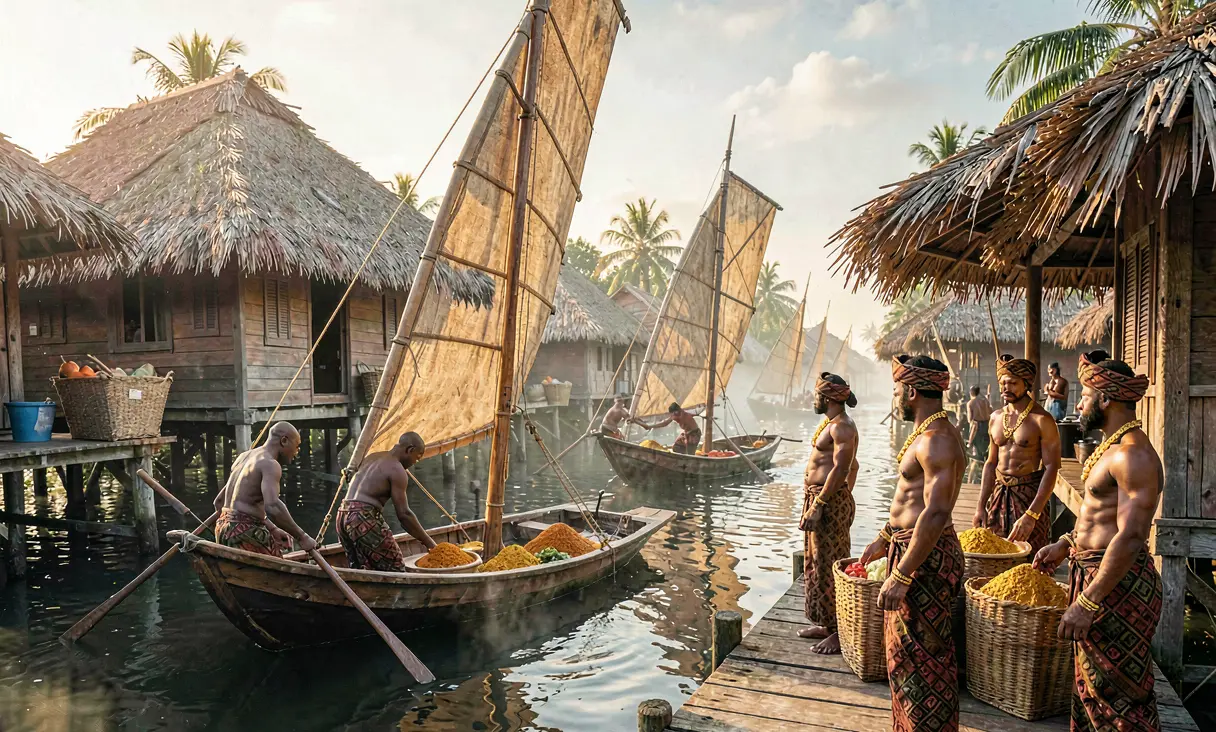 PoliticsRise of Srivijaya as Maritime Hegemon683 CE · Palembang, Sumatra (Modern Indonesia)Srivijaya emerges as the dominant maritime empire controlling the Strait of Malacca.
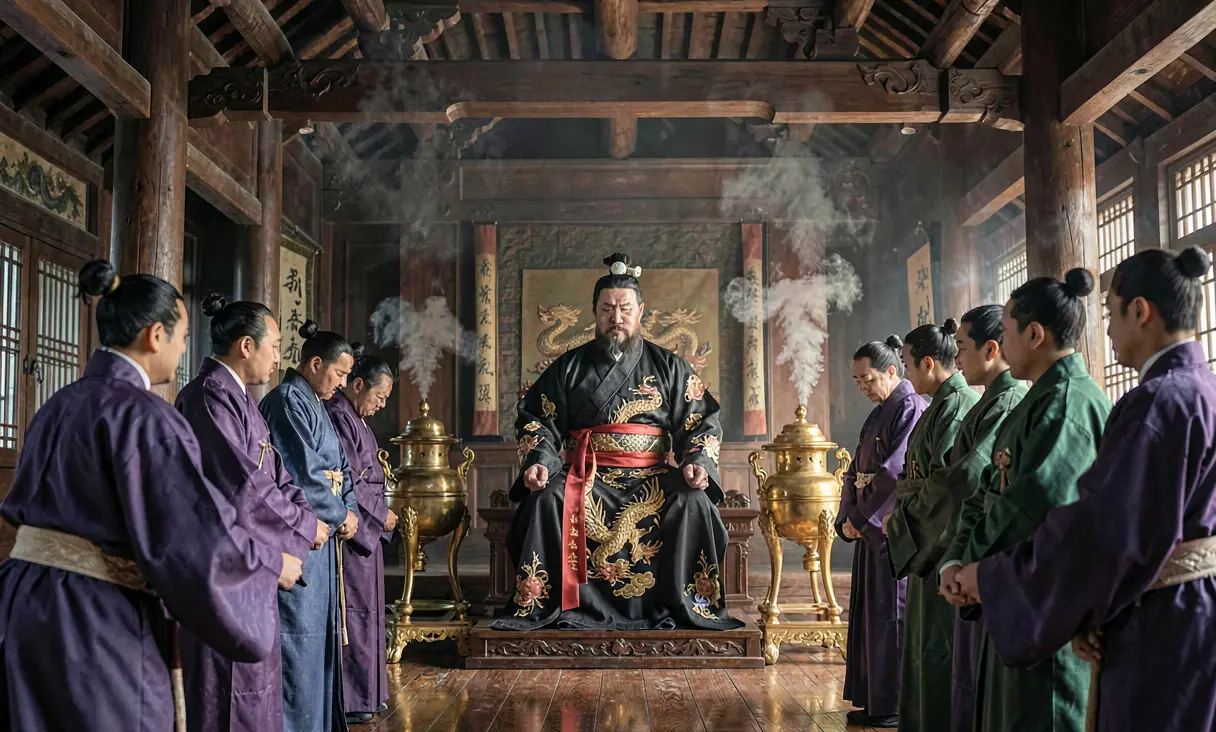 PoliticsEmperor Xuanzong Ascends the Tang Throne712 CE · Chang'an, ChinaEmperor Xuanzong begins his reign, ushering in the High Tang golden age.
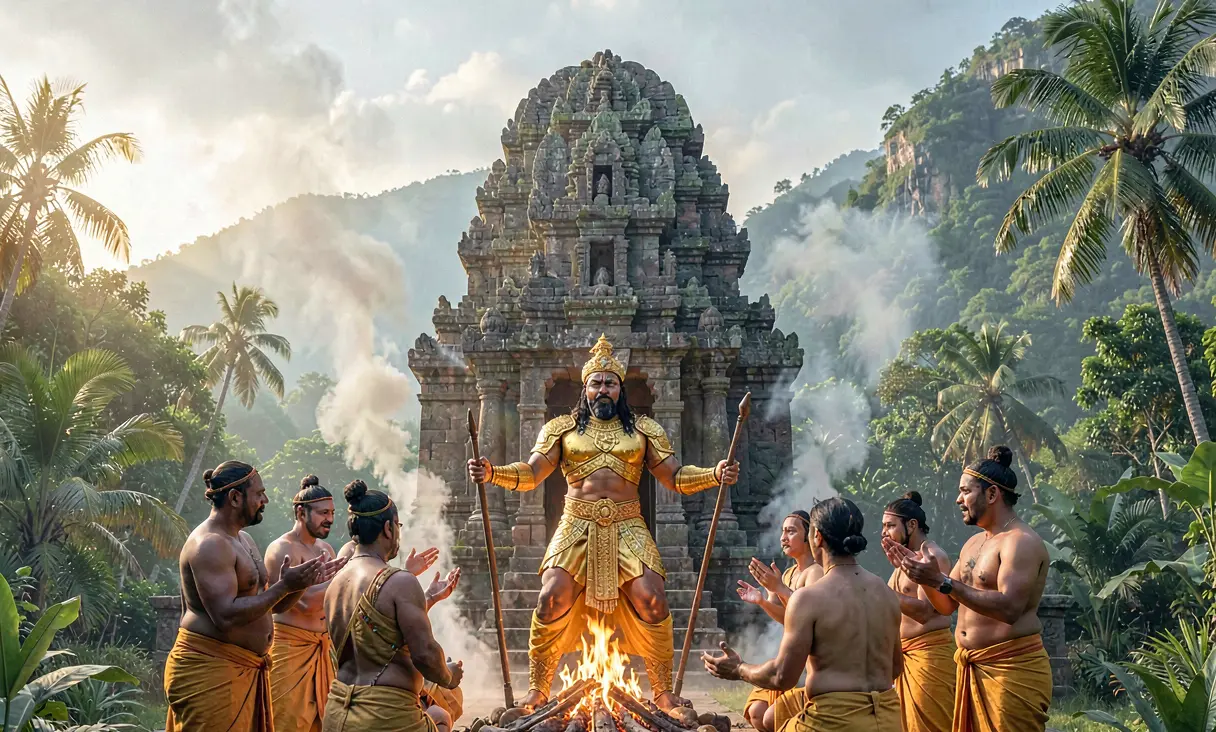 PoliticsJayavarman II Declares Khmer Independence802 CE · Phnom Kulen, CambodiaJayavarman II proclaims himself a universal monarch, founding the Khmer Empire.
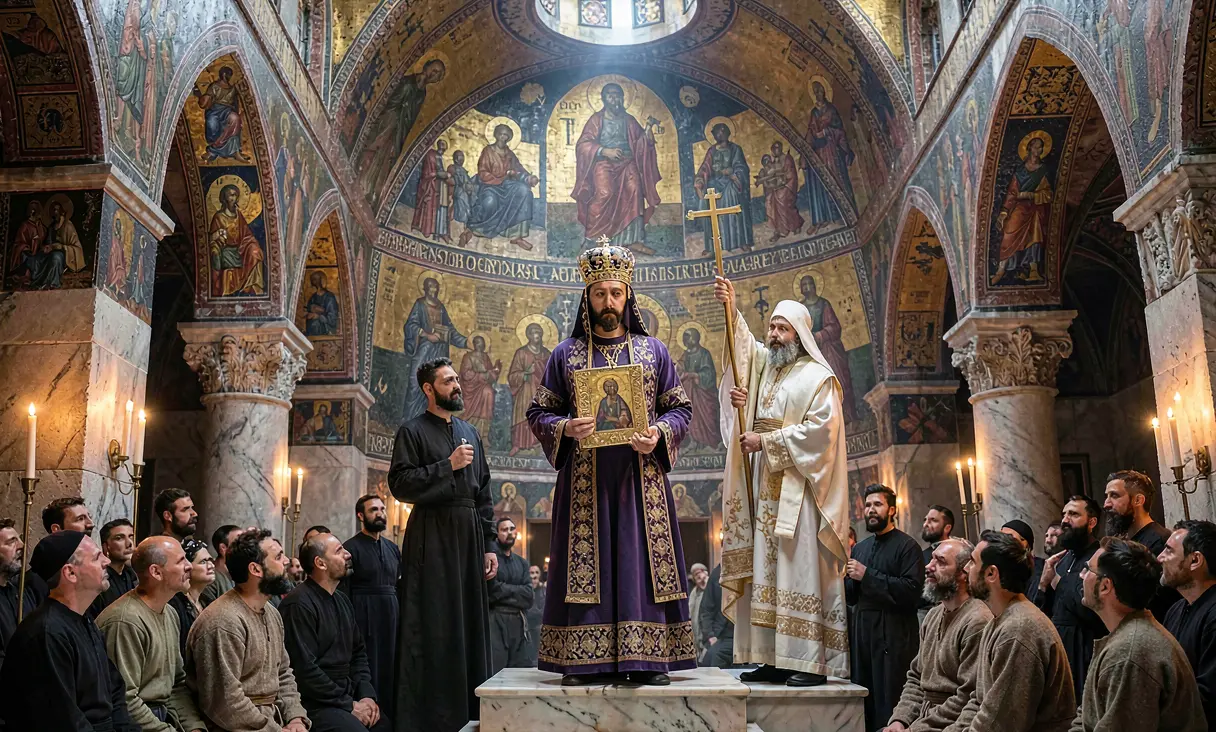 ReligionEnd of Byzantine Iconoclasm843 CE · Constantinople, TurkeyEmpress Theodora restores the veneration of icons in the Byzantine Empire, ending a century-long theological conflict.
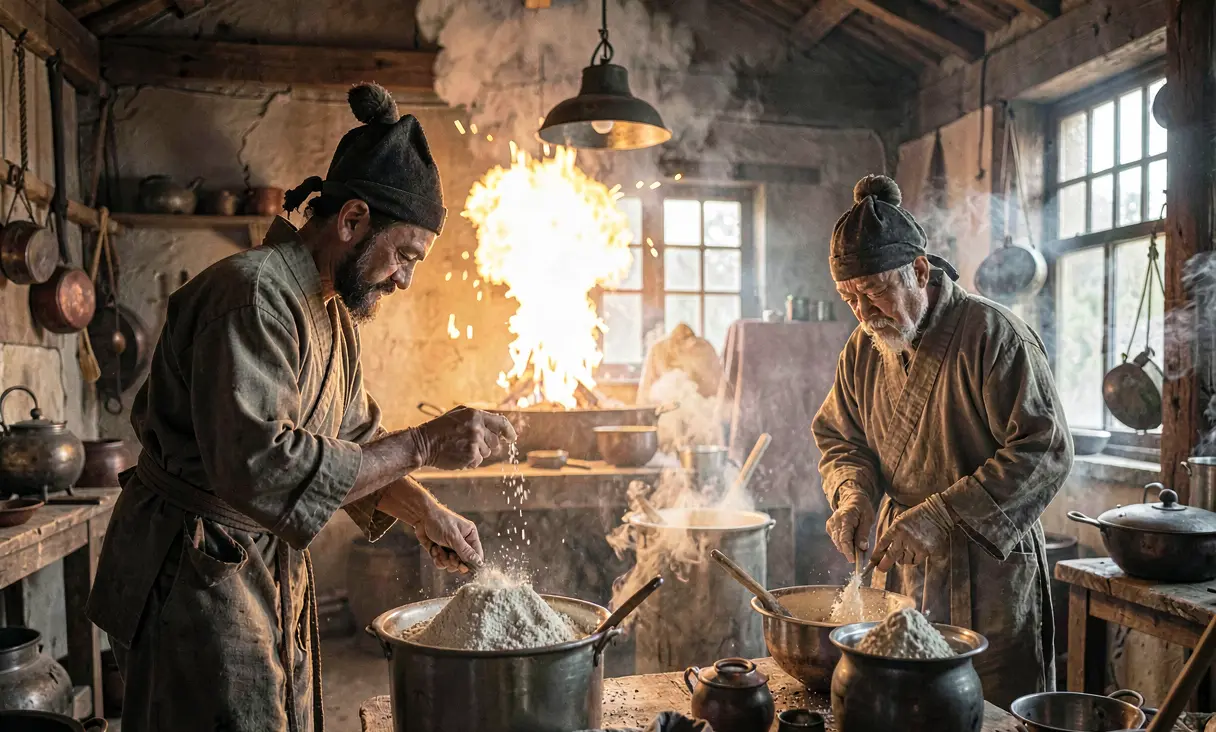 TechnologyDiscovery of Gunpowder by Tang Dynasty Alchemistsc. 850 CE · Chang'an, ChinaTang alchemists accidentally discover gunpowder while seeking an elixir of immortality.
 ScienceConstruction of El Caracol Observatory at Chichen Itzac. 850 CE · Chichen Itza, MexicoMaya astronomers build a circular observatory aligned with Venus cycles.
Discussion
Loading…