Construction of Great Zimbabwe
Constructed c. 1100 CE by indigenous Bantu peoples, Great Zimbabwe stands as Africa's most monumental pre-colonial city, proving sophisticated statehood through its massive dry-stone walls and global
Context of the Zimbabwe Plateau
By the early 12th century, the highlands of southern Africa were undergoing a profound transformation driven by climatic shifts and economic expansion. The region, characterized by fertile soils and reliable rainfall, supported a dense population of cattle-herding communities who had transitioned from scattered settlements to complex chiefdoms. This era coincided with the decline of the Kingdom of Mapungubwe to the north, creating a power vacuum that allowed local elites in the Zimbabwe Plateau to consolidate authority. The availability of vast granite outcrops provided both the raw material and the architectural inspiration for a new form of monumentalism that would distinguish this civilization from its predecessors.
The Rise of Great Zimbabwe
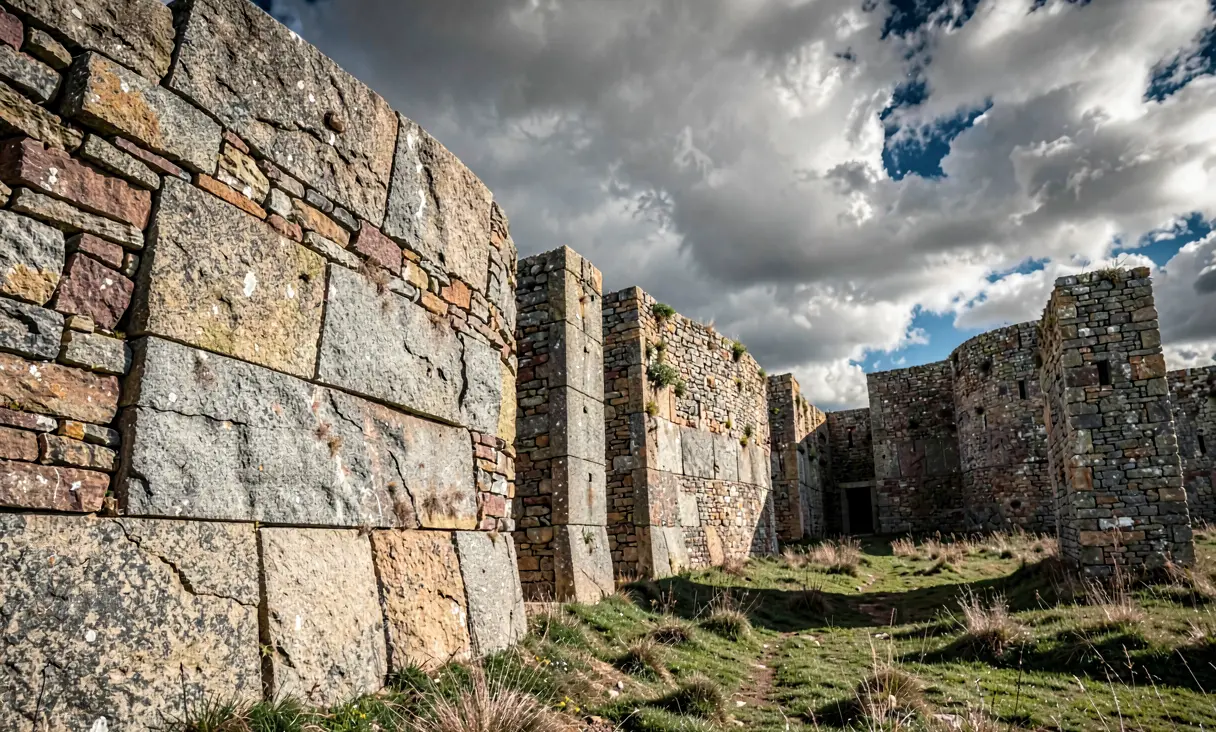
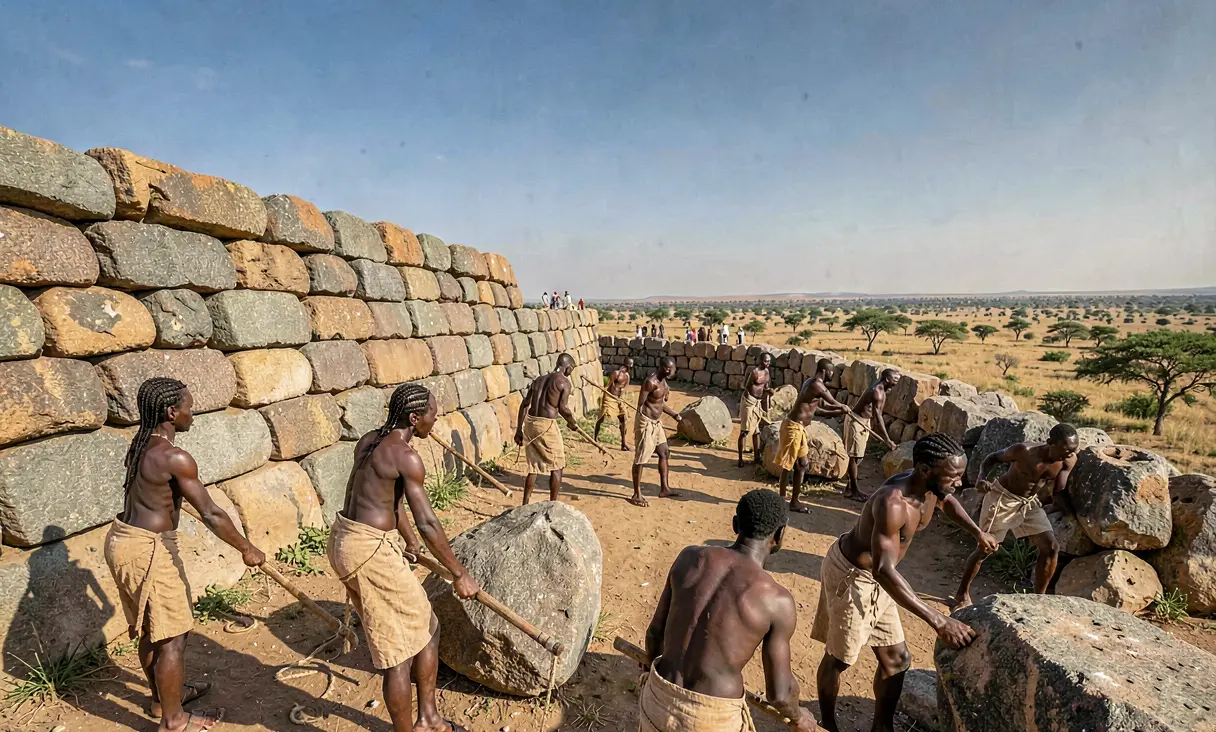
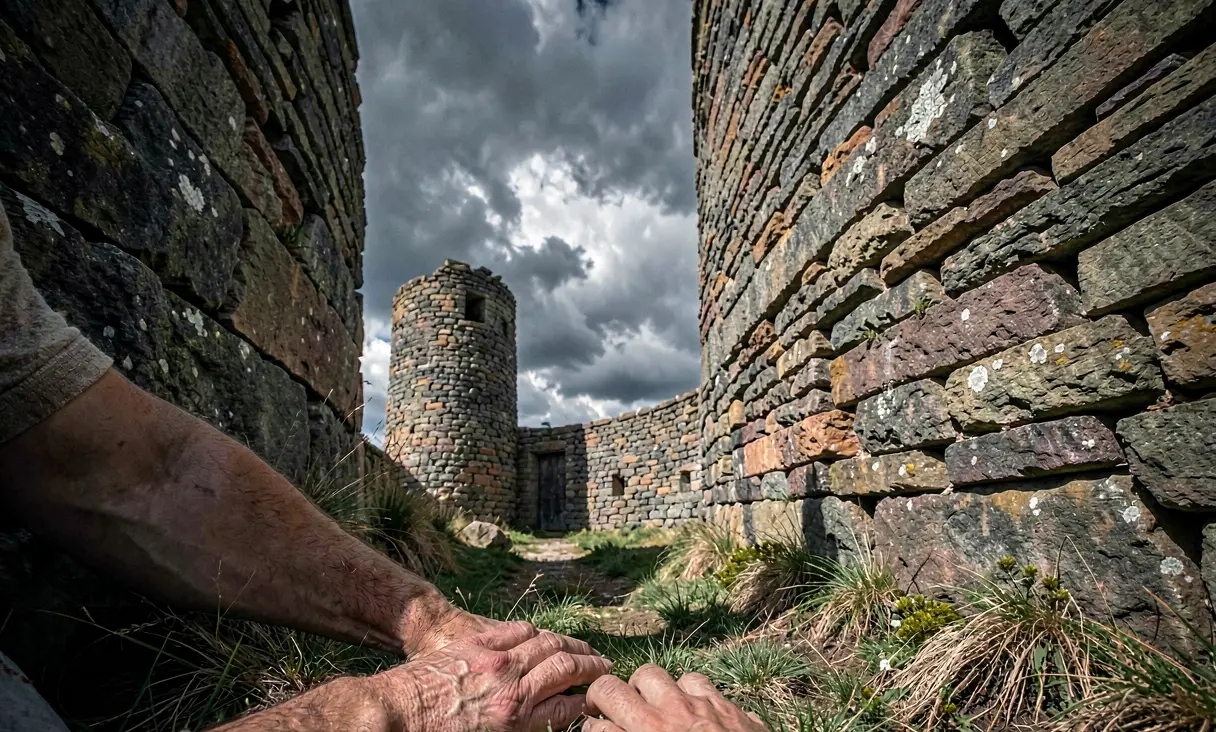
Construction of the Great Enclosure, the most iconic component of the site, began around 1100 CE and continued for centuries. Unlike contemporary African societies that utilized mud-brick or timber, the builders of Great Zimbabwe pioneered a sophisticated dry-stone technique, stacking millions of granite blocks without mortar. The walls, some reaching heights of over 11 meters and tapering inward with remarkable precision, formed a fortified complex covering approximately 720 hectares. This architectural feat was not merely defensive; it served as a physical manifestation of social stratification, separating the elite ruling class within the inner sanctums from the general populace in the surrounding valleys.
Economic Engine and Global Trade
Great Zimbabwe rapidly evolved into the capital of a vast trading empire that linked the African interior to the Indian Ocean trade network. Archaeological evidence, including Chinese porcelain shards from the Ming Dynasty, Persian glass beads, and Arab coins, confirms extensive commercial exchanges. The city's location allowed it to control the flow of gold mined in the highlands and ivory harvested from the savannas, which were exported via Swahili coast ports like Kilwa Kisiwani. In return, the elite imported luxury goods that reinforced their status, creating a cosmopolitan economy that rivaled contemporary medieval cities in Europe and Asia.
Social Organization and Engineering
The construction of such massive structures required a highly organized labor force and advanced engineering knowledge. The builders utilized the natural contours of the land, integrating granite boulders into the walls to create the distinctive 'chevron' patterns found in the Conical Tower and the Great Enclosure. There is no evidence of external influence from Egypt or Arabia; rather, this was a purely indigenous development rooted in local Bantu traditions. The society appears to have been led by a divine king, the Mwari, who mediated between the spiritual and physical worlds, with religious rituals likely performed within the stone enclosures that remain silent witnesses to their power.
Decline and Abandonment
By the mid-15th century, Great Zimbabwe began a gradual decline, eventually being abandoned by its inhabitants. The causes were likely multifaceted, involving environmental degradation from overgrazing and deforestation, which strained the local ecosystem's carrying capacity. Additionally, shifts in trade routes may have redirected gold flows to new centers of power further north, such as the Kingdom of Mutapa. As the economic foundation eroded, the political cohesion necessary to maintain the massive stone structures dissolved, leading to a dispersal of the population into smaller, less centralized communities.
Legacy and Modern Significance
The ruins of Great Zimbabwe stand today as the most significant pre-colonial architectural monument in sub-Saharan Africa. For centuries, colonial narratives attempted to deny African agency in its construction, falsely attributing it to Phoenicians or Arabs; however, rigorous archaeological investigation has irrefutably confirmed its indigenous origins. Today, the site is a UNESCO World Heritage Site and serves as the namesake for the modern nation of Zimbabwe, symbolizing national identity and resilience. It remains a powerful testament to the sophistication of African state formation and engineering capabilities prior to European colonization.
It disproves colonial narratives claiming sub-Saharan Africa lacked complex pre-colonial civilizations.
Where it happened
Masvingo, Zimbabwe — see it on the interactive map →
Explore related history
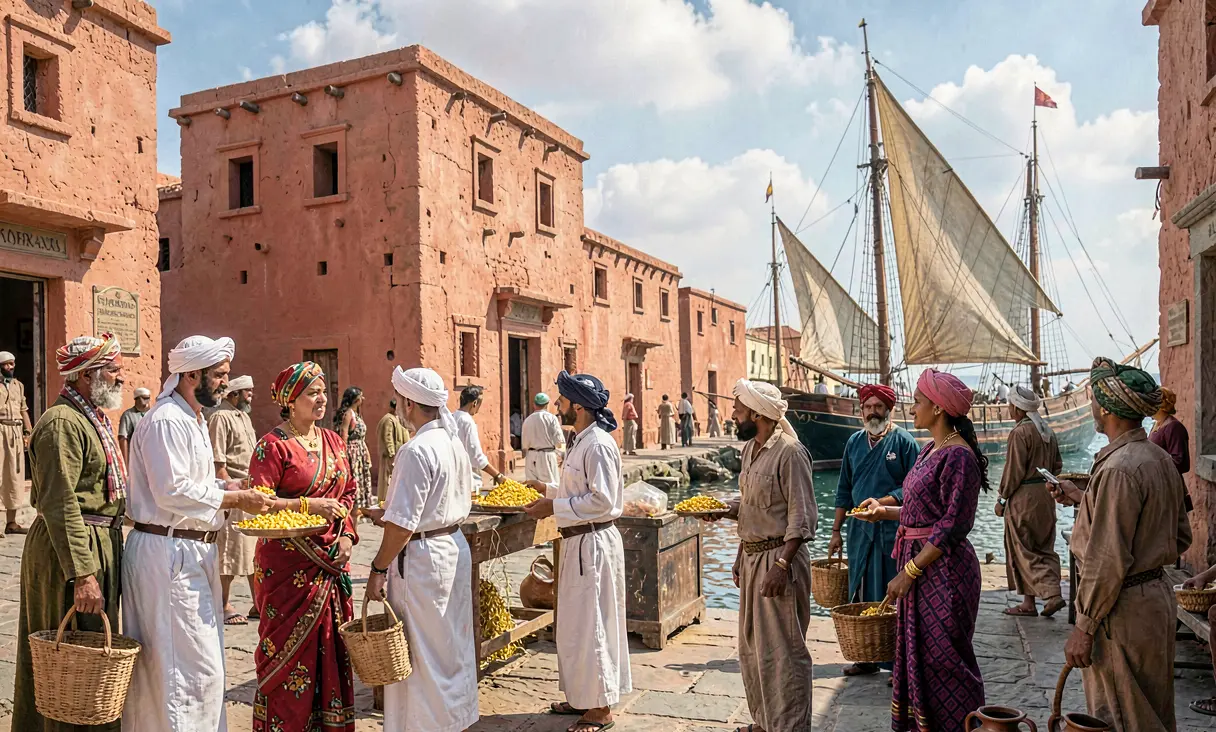 CivilizationRise of Swahili City-States on the East African Coastc. 1200 CE · Kilwa Kisiwani, TanzaniaSwahili city-states flourish as cosmopolitan hubs of Indian Ocean trade, blending African and Islamic cultures.
 CivilizationMansa Musa's Control of Trans-Saharan Gold Tradec. 1307 CE · Niani, Mali Empire (Guinea/Mali border)Mansa Musa consolidates the Mali Empire's control over West African gold mines and trans-Saharan trade routes.
 CivilizationMansa Musa Pilgrimage to Mecca1324 CE · Timbuktu, MaliMali Empire ruler travels with immense wealth, destabilizing economies along his route to Mecca.
 ScienceComposition of the Mitakshara Law Codec. 1100 CE · Kalyan (modern Karnataka/India)Vijnaneshwara writes the Mitakshara, a seminal commentary on Hindu law that influences legal systems across India.
 architectureConstruction of Angkor Wat Beginsc. 1113 CE · Angkor, CambodiaKing Suryavarman II begins building Angkor Wat as a Hindu temple complex dedicated to Vishnu.
 PoliticsDecline of Srivjaya1079 CE · Palembang, Sumatra (Modern Indonesia)Internal strife and external pressure weaken Srivijaya's control.
Discussion
Loading…