Great Fire of London
The Great Fire of London destroyed the medieval city in four days, ending the plague and paving the way for Christopher Wren's iconic brick reconstruction.
A City Primed for Disaster
By the mid-17th century, London was a city of contradictions: a thriving commercial hub choked by medieval infrastructure. Following the Great Plague of 1665, which had decimated nearly one-fifth of the population, the city remained crowded with wooden structures, narrow winding alleys, and ubiquitous thatched roofs. The summer of 1666 was exceptionally dry, creating a tinderbox environment where a single spark could ignite catastrophe. The population, though recovering from the plague, lived in squalid conditions within the City's ancient walls, relying on timber-framed houses that leaned precariously over streets barely wide enough for a cart.
The Spark on Pudding Lane
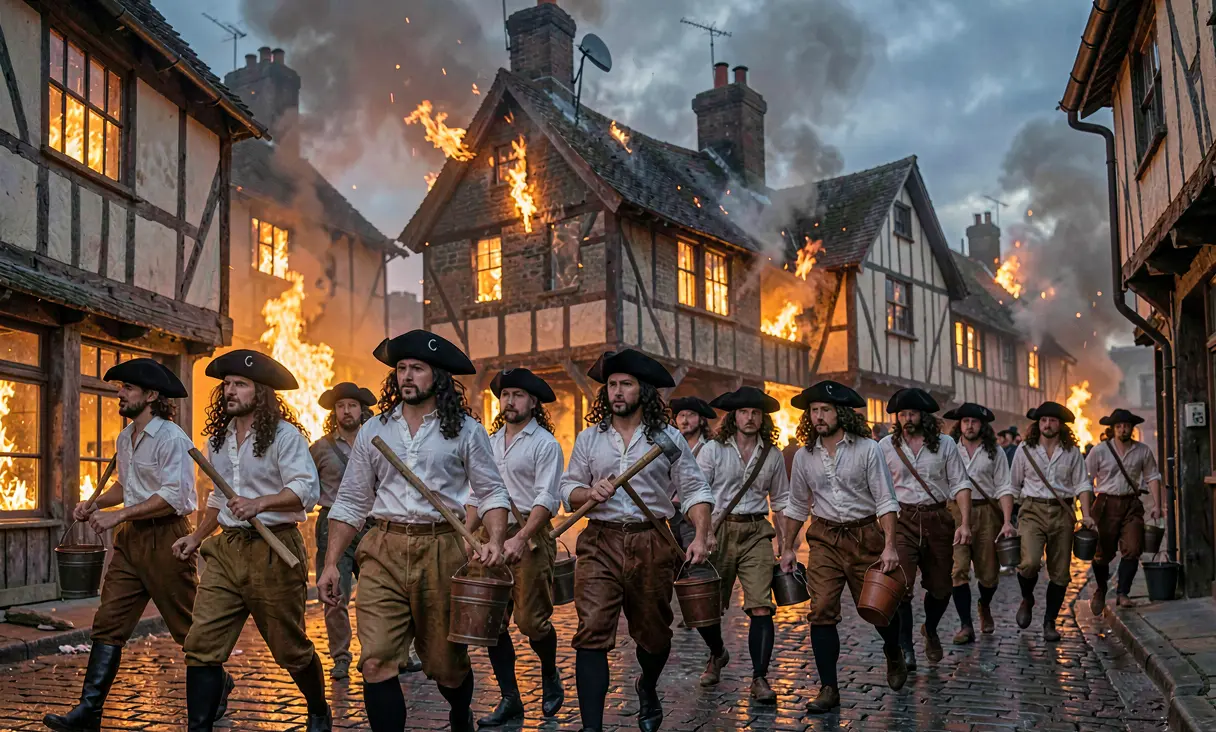
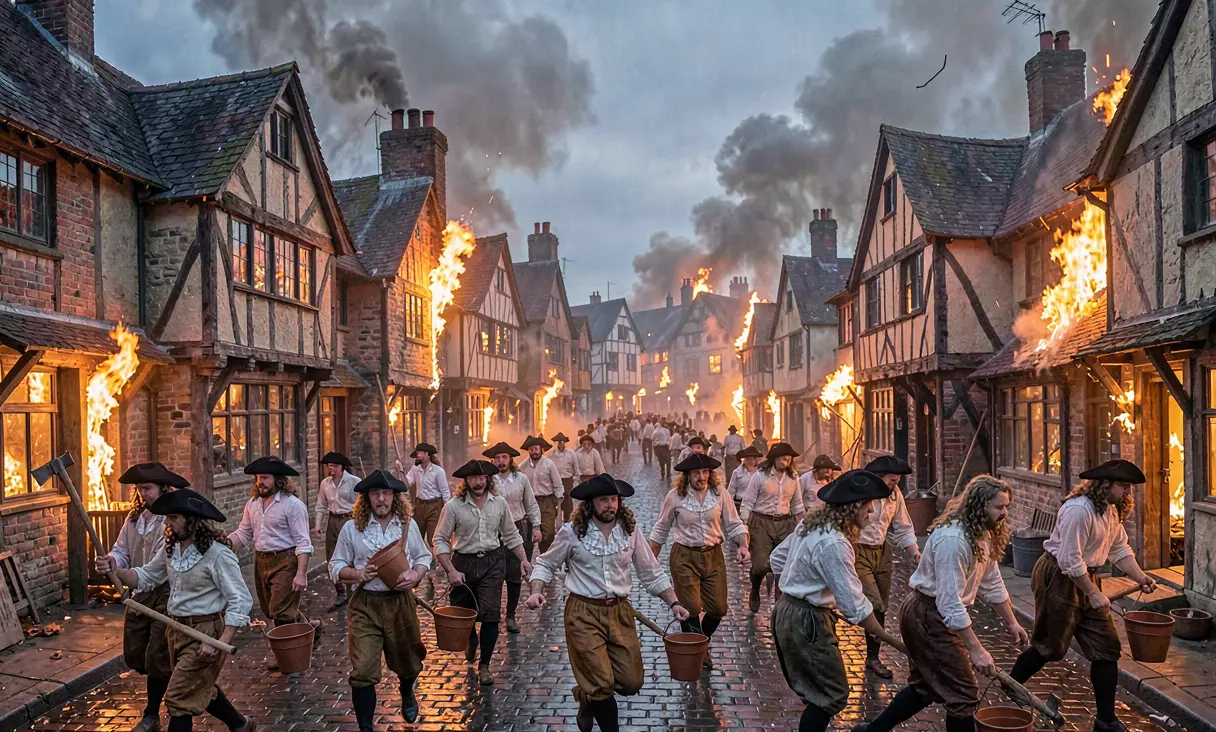
In the early hours of Sunday, September 2, 1666, Thomas Farriner, the King's baker, left his shop on Pudding Lane just as a small fire broke out in his oven. Despite attempts to extinguish it, the flames quickly escaped the bakery and leaped onto adjacent timber buildings. The wind, blowing fiercely from the east, fanned the embers with terrifying speed. By dawn, the fire had consumed the surrounding neighborhood, yet the initial response was hampered by a lack of organization; local authorities hesitated to order the demolition of houses to create firebreaks, fearing the loss of property and the wrath of the owners.
Four Days of Inferno
What began as a localized blaze rapidly escalated into an uncontrollable conflagration that raged for four days. The fire swept westward with relentless fury, consuming the Royal Exchange, the Guildhall, and eventually the medieval St. Paul's Cathedral on September 4. The heat was so intense that it melted lead from the cathedral's roof, which flowed down the stone steps in rivers of molten metal, and turned the ground beneath into a furnace. Thousands of Londoners fled toward the River Thames, abandoning their possessions as the city center became an uninhabitable wasteland of ash and rubble.
Leadership Amidst Chaos
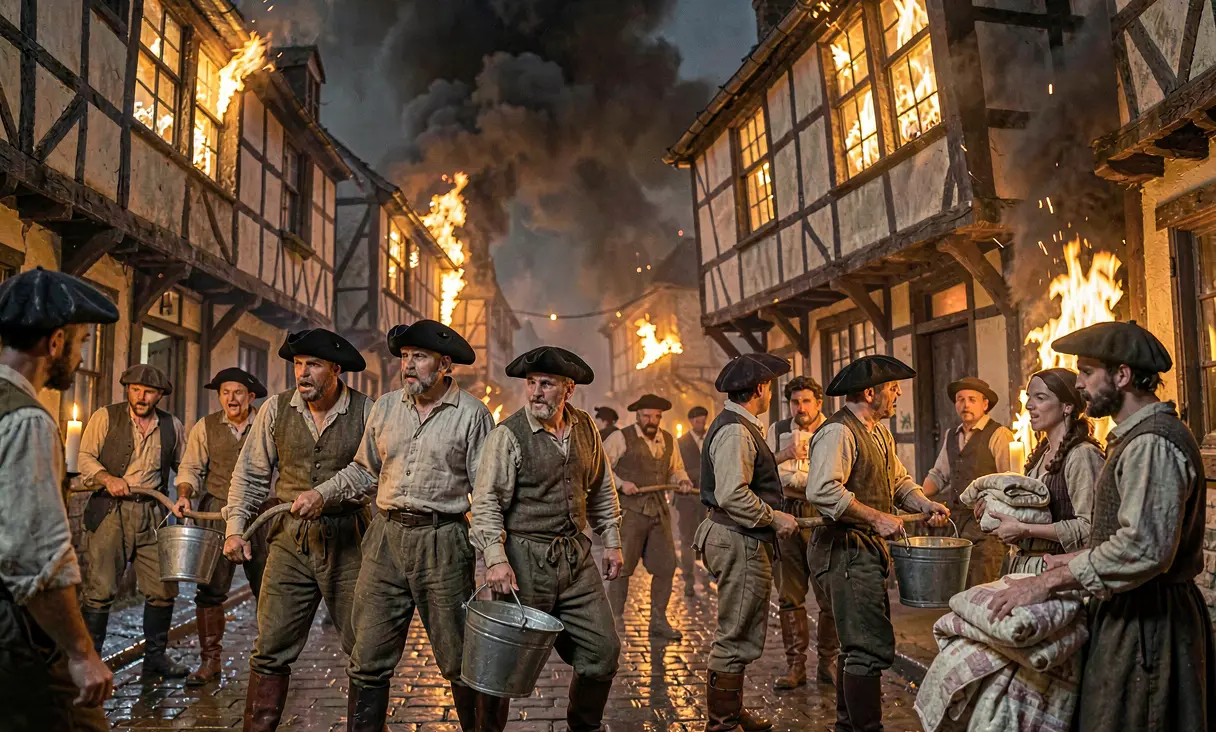
The crisis tested the resolve of King Charles II and his brother, the Duke of York. While local aldermen struggled with paralysis, the Duke took decisive action, organizing teams of soldiers to demolish buildings ahead of the fire's path using gunpowder to create necessary firebreaks. This intervention was critical in halting the blaze before it could consume the entire city. King Charles II personally visited the scene, coordinating relief efforts and urging the populace to remain calm, though his authority was often challenged by the chaotic nature of the disaster.
The Aftermath and Reconstruction
When the fire finally died down on September 6, it had destroyed approximately 13,500 homes, 87 parish churches, and countless public buildings within the City walls. The official death toll remains a subject of historical debate; while traditional accounts cite only two documented deaths, modern historians suggest the number may have been higher due to unrecorded fatalities among the poor and undocumented workers. In the wake of the destruction, Sir Christopher Wren was appointed to lead the rebuilding effort, designing a new London characterized by wider streets, brick and stone architecture, and a magnificent new St. Paul's Cathedral that would become an enduring symbol of resilience.
Legacy and Historical Significance
The Great Fire marked a pivotal turning point in urban planning and public health. By destroying the overcrowded, unsanitary slums that had harbored the rats responsible for the bubonic plague, the fire effectively ended the epidemic's hold on London. The subsequent rebuilding codes mandated brick construction and regulated street widths, fundamentally altering the city's physical landscape and preventing similar catastrophes. Beyond its immediate physical impact, the event catalyzed advancements in insurance and firefighting, laying the groundwork for modern urban safety protocols.
It destroyed medieval London but enabled a modern architectural reconstruction and inadvertently ended the Great Plague.
Where it happened
London, England — see it on the interactive map →
Explore related history
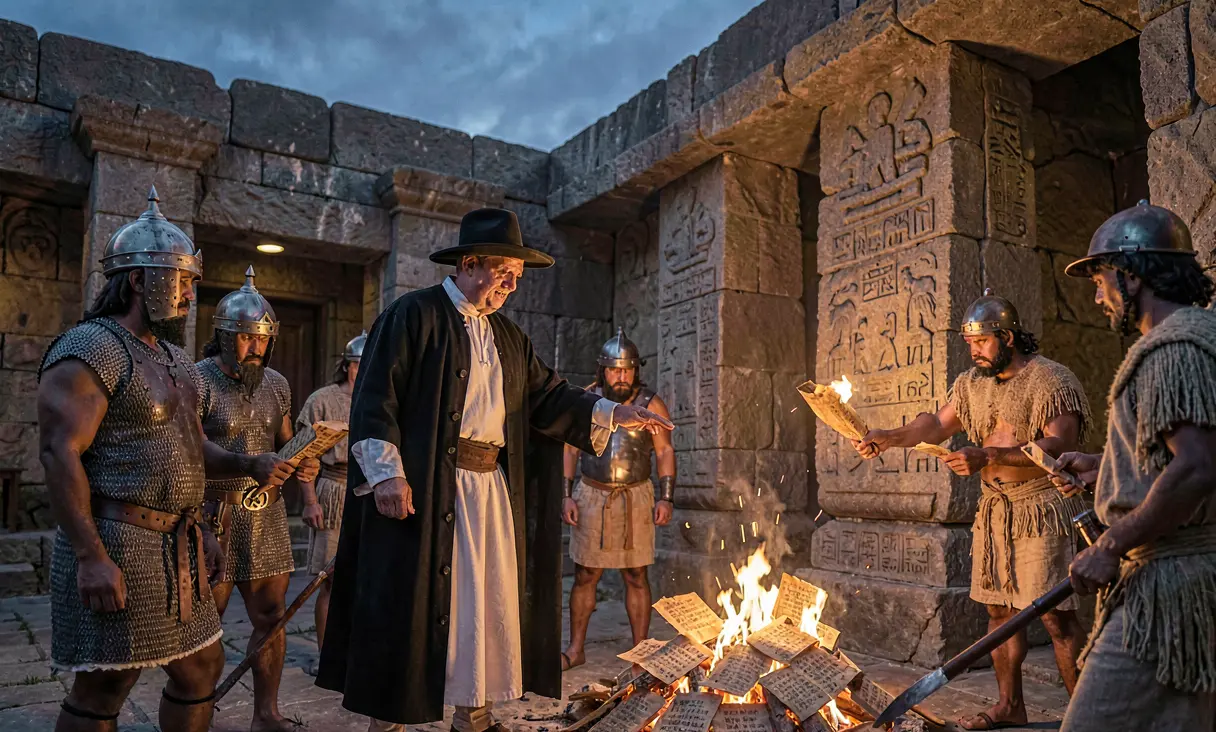 DisasterBurning of Maya Codices by Bishop LandaJuly 1562 CE · Mani, Yucatan, MexicoSpanish Bishop Diego de Landa orders the destruction of most surviving Maya written records in a campaign against idolatry.
 DisasterDestruction of Maya Codices by Bishop LandaJuly 12, 1562 · Maní, Yucatán, MexicoSpanish friars burn nearly all surviving Maya books in a purge of idolatry.
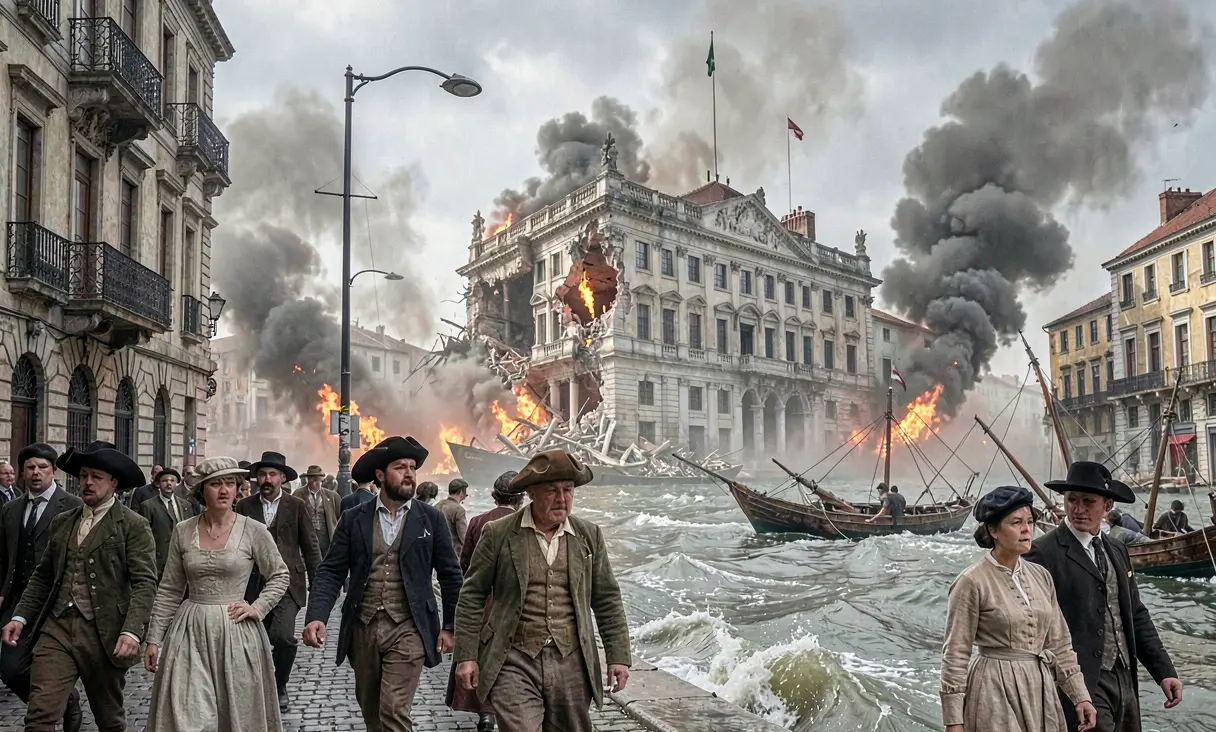 DisasterLisbon Earthquake and TsunamiNovember 1, 1755 CE · Lisbon, PortugalMassive quake and fire destroy capital city challenging Enlightenment optimism.
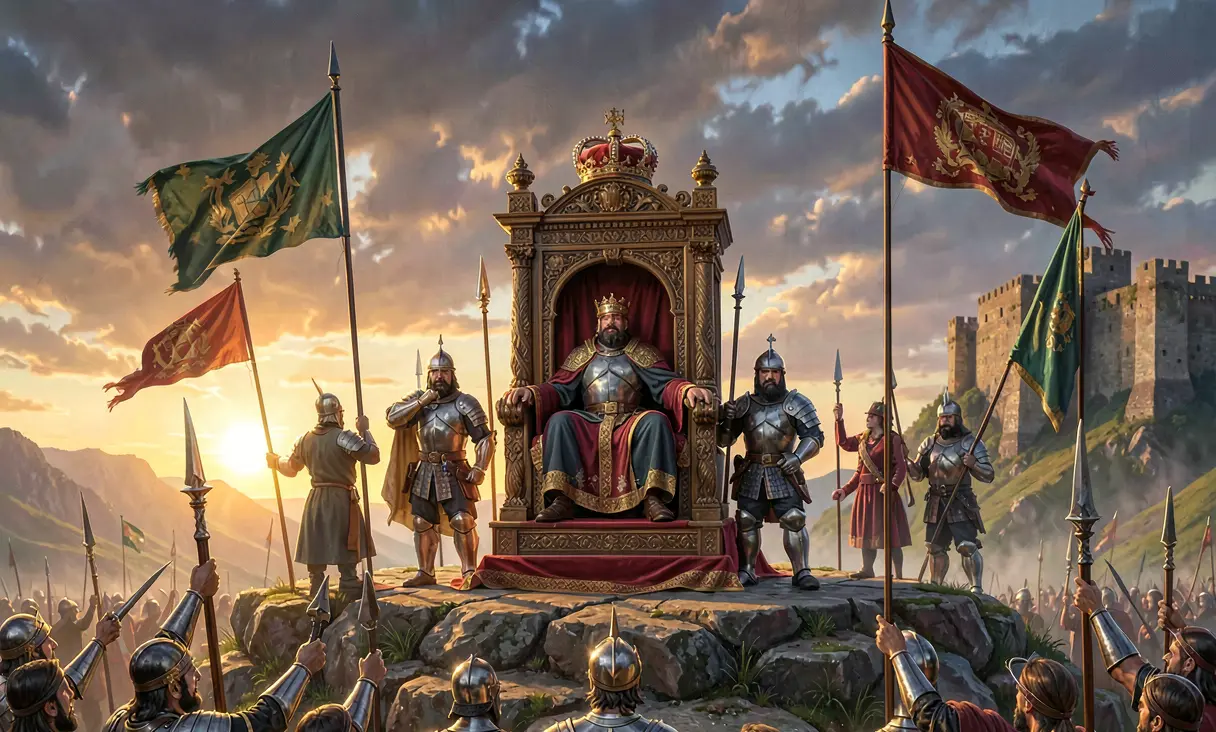 PoliticsShivaji Maharaj Coronation and Maratha Empirec. 1674 CE · Raigad Fort (modern Maharashtra/India)Chhatrapati Shivaji is crowned as the sovereign ruler of the Marathas, establishing an independent Hindu kingdom against Mughal dominance.
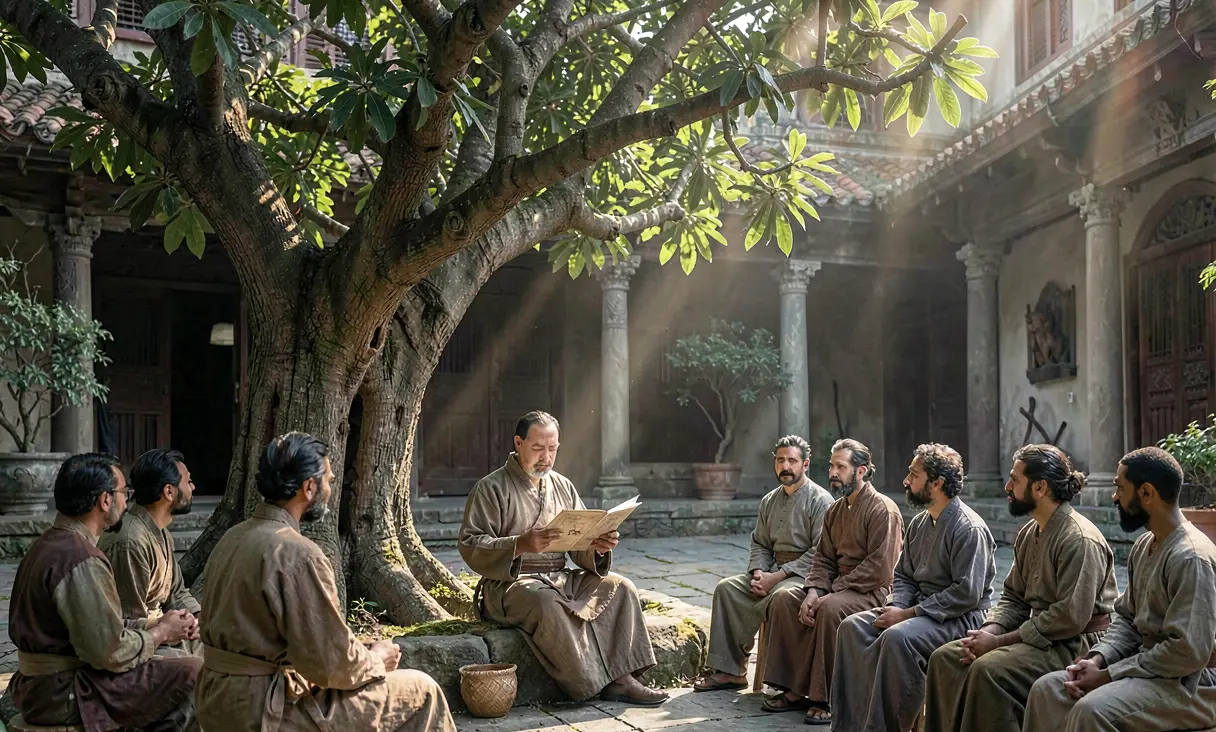 ReligionBirth of Bulleh Shahc. 1680 CE · Uch (modern Pakistan)The birth of Bulleh Shah, a pivotal Sufi poet who challenged religious orthodoxy and promoted universal love.
 WarAurangzeb's Decades-Long Deccan Campaignc. 1681 CE · Deccan Plateau, IndiaEmperor Aurangzeb moves his court to the Deccan for a prolonged military campaign against the Marathas and Sultanates.
Discussion
Loading…