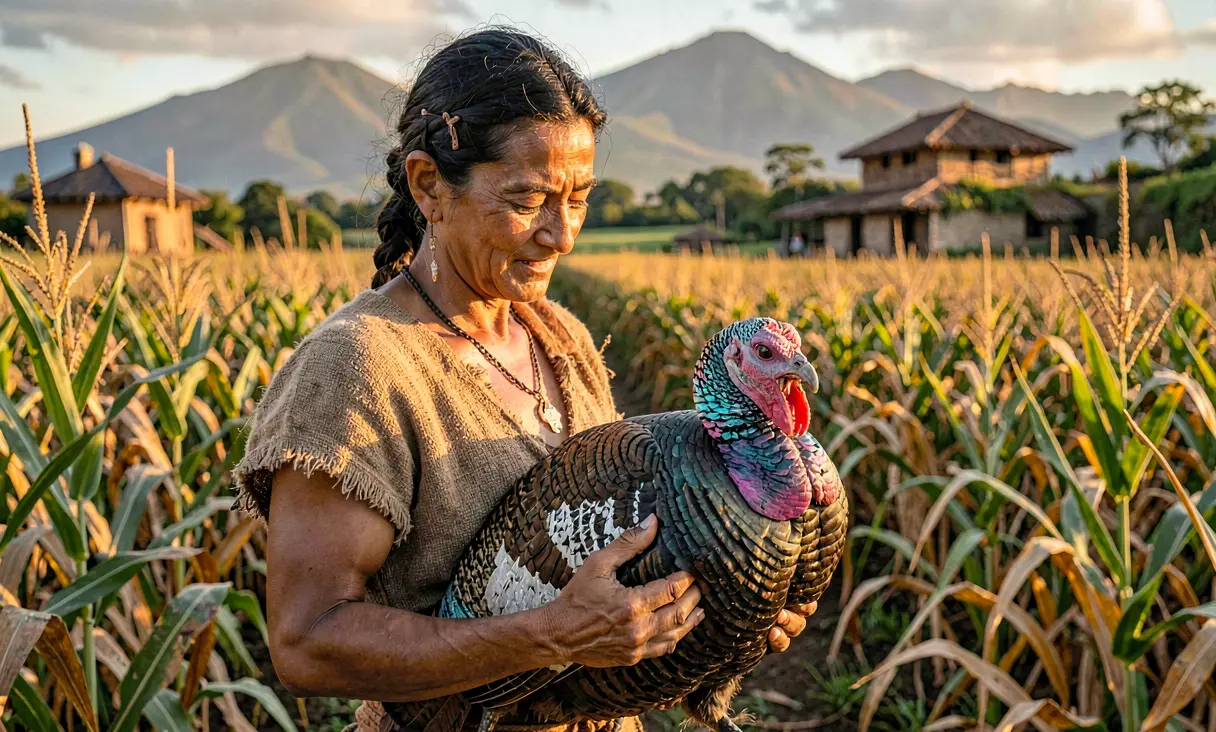
Domestication of the Turkey in Mesoamerica
Indigenous peoples of central Mexico independently domesticated the wild turkey around 3000 BCE, creating a vital protein source and sacred symbol that sustained complex civilizations for millennia.
Ecological Context of the Tehuacán Valley
The arid highlands of the Tehuacán Valley in present-day Puebla and Oaxaca served as a crucible for agricultural innovation during the Archaic period. By approximately 3000 BCE, indigenous hunter-gatherer groups, notably the ancestors of the Nahua peoples, began transitioning from nomadic foraging to sedentary horticulture. While maize was the primary focus of this Neolithic revolution, the valley's diverse ecosystem also supported a population of wild turkeys (Meleagris gallopavo). These birds were abundant in the region's scrublands and pine-oak forests, providing a reliable source of meat and feathers. The environmental pressures of the valley, characterized by seasonal droughts and variable rainfall, necessitated a diversification of food sources that extended beyond plant cultivation to include animal husbandry.
The Process of Domestication
Unlike the domestication of large mammals in Eurasia, which often involved beasts of burden, the domestication of the turkey was driven primarily by dietary and ritual needs. Archaeological strata from caves such as Coxcatlán and El Riego reveal a gradual shift in turkey morphology over centuries. Initially, wild turkeys were hunted; however, evidence suggests that humans began managing flocks by protecting nesting sites and selectively breeding birds with desirable traits, such as larger body size or specific plumage colors. By 1000 BCE, distinct morphological changes indicated a fully domesticated lineage. Genetic analysis confirms that this event occurred independently of the modern commercial turkey found today, representing a unique Mesoamerican genetic bottleneck where local wild populations were manipulated to create a stable, captive resource.
Socio-Economic and Ritual Significance
The domesticated turkey quickly transcended its role as mere livestock to become a cornerstone of Mesoamerican cosmology and economy. In the absence of large draft animals like oxen or horses, the turkey filled a critical niche by providing high-quality protein through eggs and meat, which was essential for sustaining growing urban populations in emerging cultures like the Olmec. Furthermore, the bird's iridescent feathers became a currency of the spiritual realm. These plumage pieces were integral to the regalia of priests and rulers, symbolizing connection to the divine. The turkey was frequently depicted in early iconography and later became central to Aztec mythology, where it was associated with the god Tezcatlipoca and used extensively in sacrificial rites.
Cultural Integration Across Mesoamerica
As trade networks expanded from the Tehuacán Valley outward, the domesticated turkey spread throughout central Mexico and into the American Southwest. By the Classic period (c. 250–900 CE), turkeys were ubiquitous in the diets of Teotihuacan and later the Toltec and Aztec civilizations. The bird's integration was so profound that it influenced settlement patterns; communities often maintained specialized enclosures for raising flocks, integrating animal husbandry directly into their agricultural cycles. Unlike other domesticated species, the turkey did not require vast grazing lands, making it ideal for the dense urban centers of the Valley of Mexico. This adaptability ensured its survival and proliferation even as political regimes rose and fell across the region.
Legacy and Modern Genetic Distinctiveness
The legacy of this ancient domestication event is visible today in the genetic makeup of heritage turkey breeds, which retain markers distinct from their Eurasian counterparts. While Spanish explorers later introduced Mesoamerican turkeys to Europe in the 16th century, sparking a global culinary phenomenon, the original lineage remains a subject of intense scientific study. Modern genomic sequencing has highlighted that the Mesoamerican domestication was a singular event, separate from any potential secondary domestications elsewhere. This biological history underscores the sophistication of pre-Columbian agricultural science, demonstrating how indigenous peoples successfully manipulated local fauna to support complex societies long before European contact.
Conclusion: A Pillar of Civilization
The domestication of the turkey stands as a testament to the ingenuity of Mesoamerican civilizations. It was not merely an act of survival but a strategic biological intervention that supported the demographic explosion and cultural flowering of central Mexico. By securing a reliable source of protein and sacred materials, indigenous peoples laid the groundwork for the great empires that would follow. The turkey's journey from the scrublands of Tehuacán to the altars of Tenochtitlan illustrates the deep interconnection between human society and the natural world in the ancient Americas.
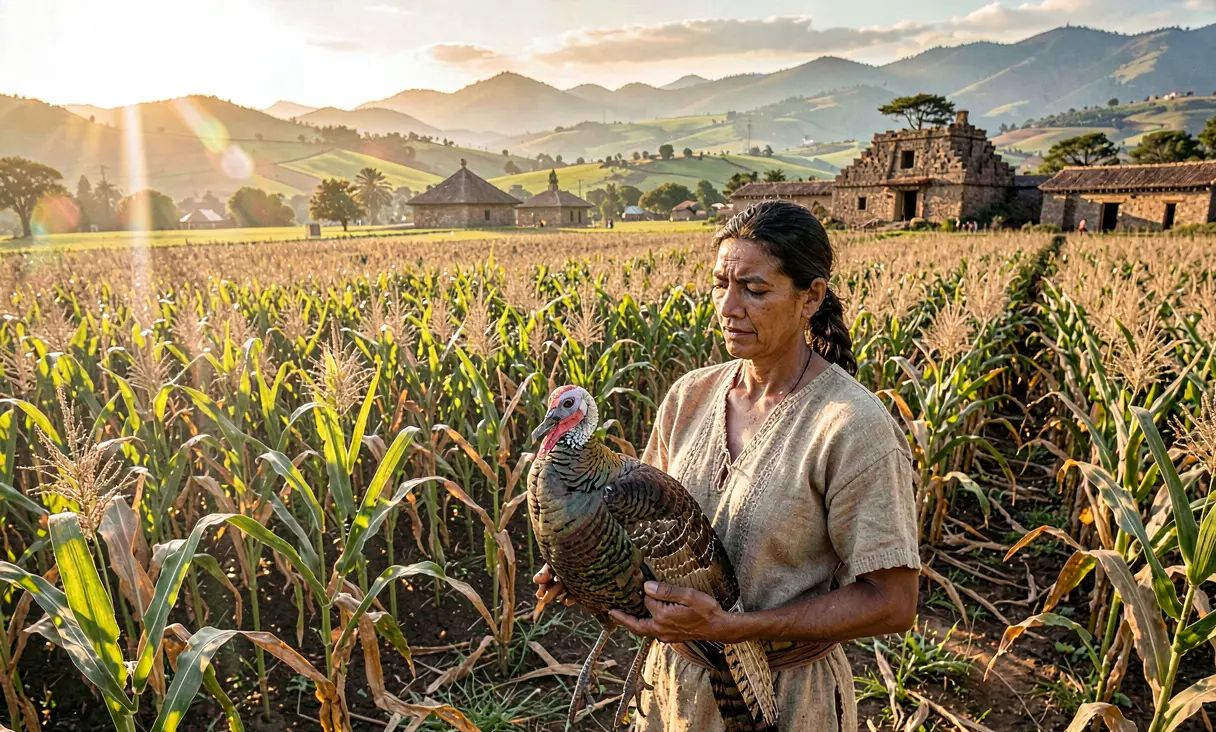
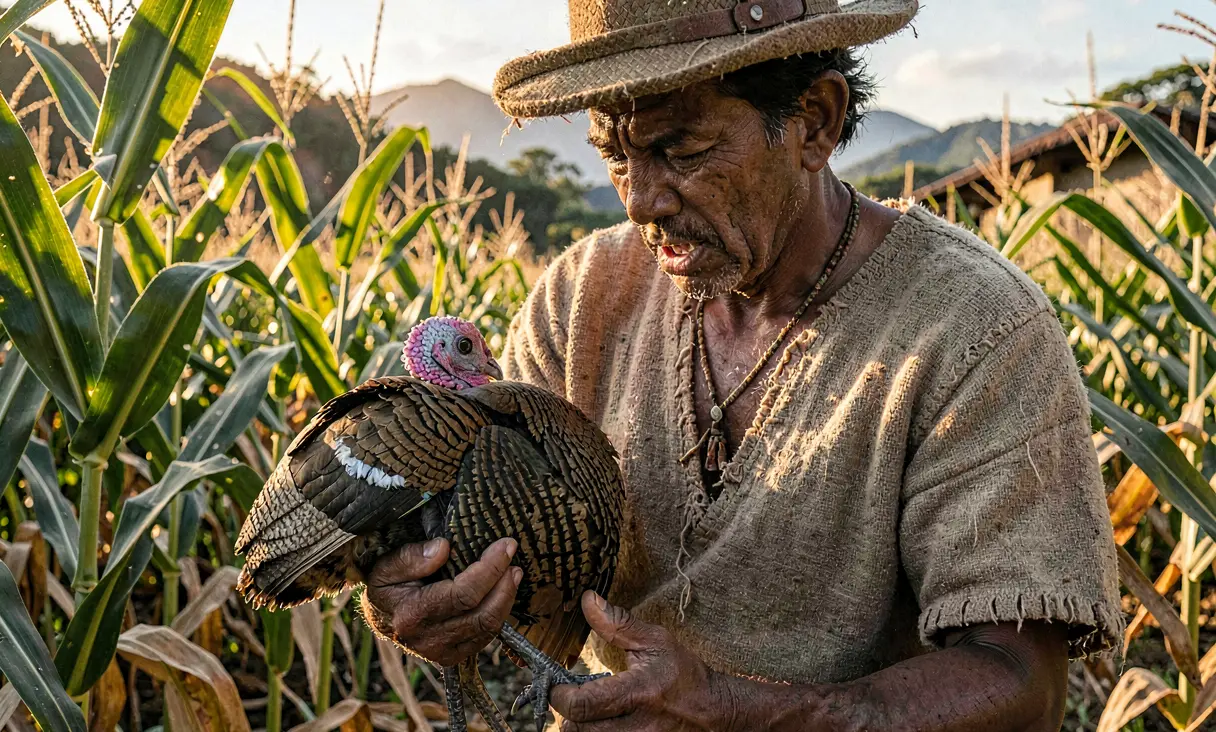
This represents one of the few instances of bird domestication in human history and a cornerstone of Mesoamerican subsistence.
Where it happened
Central Mexico — see it on the interactive map →
Explore related history
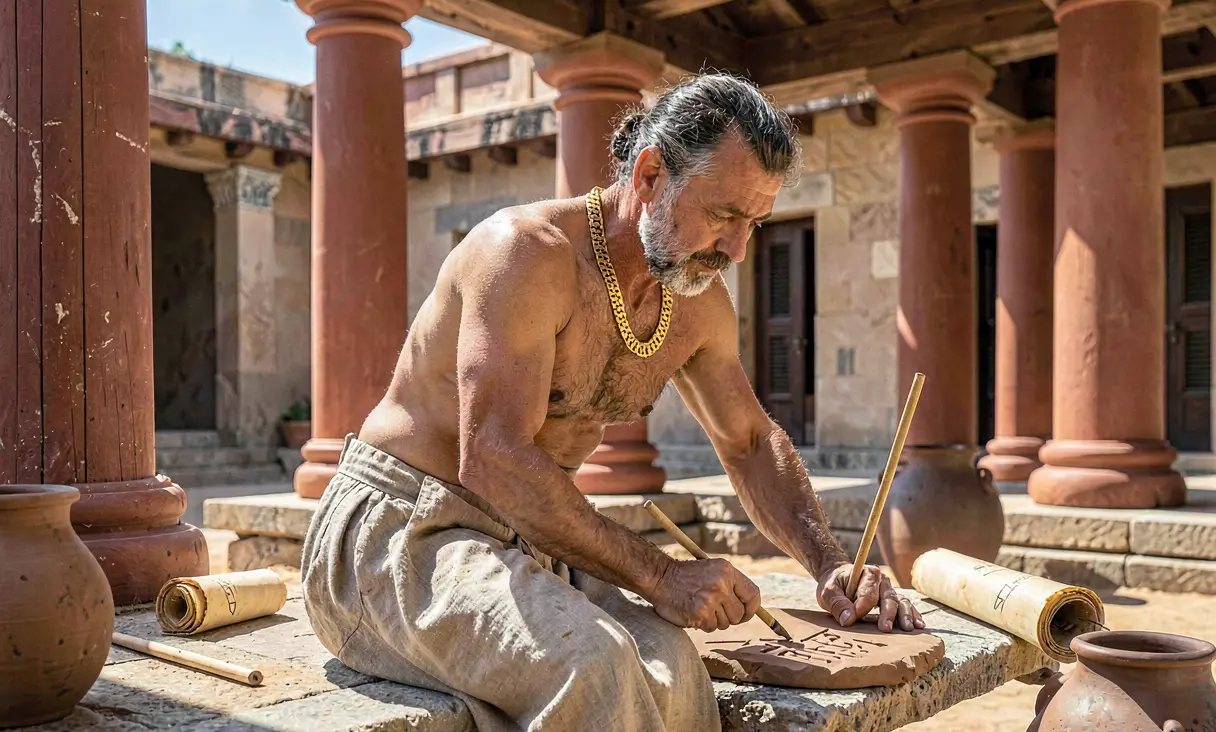 ScienceDevelopment of Linear A Script by Minoansc. 1800 BCE · Knossos, Crete (Greece)The Minoans develop Linear A, a still undeciphered writing system for administration.
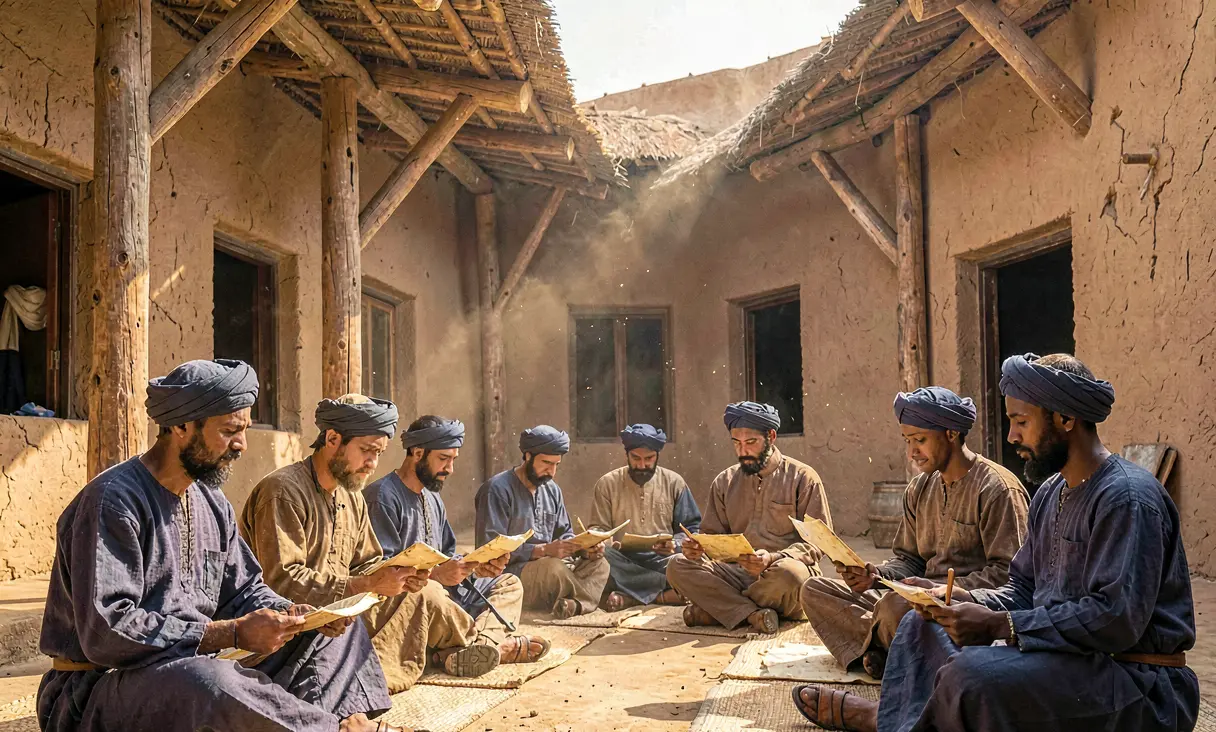 ScienceSankore Madrasah Becomes a Center of Learning in Timbuktuc. 1450 CE · Timbuktu, MaliThe Sankore Madrasah emerges as a premier university for Islamic scholarship in West Africa.
 ScienceSurvival of the Madrid Codex Amidst Destructionc. 1450 CE · Maya Region (Yucatán), MexicoThe Madrid Codex is created just before the Spanish destruction of Maya books.
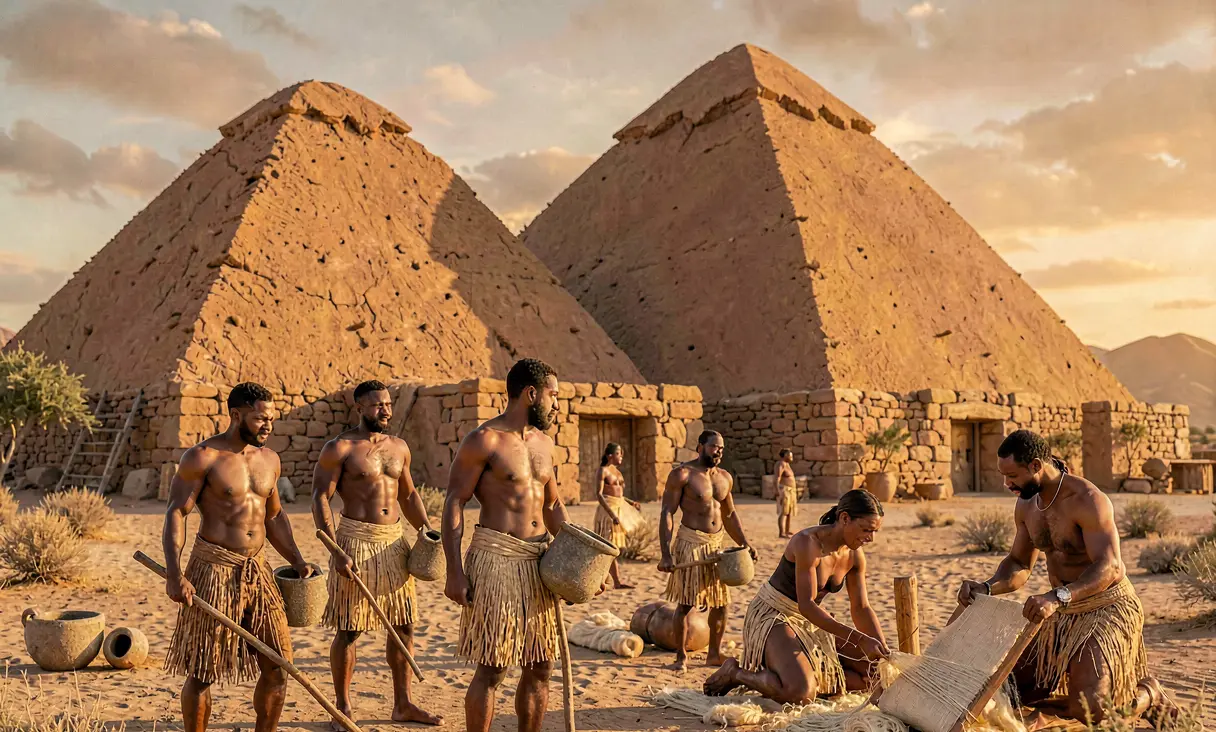 CivilizationEmergence of Norte Chico Urban Centersc. 3000 BCE · Caral-Supe Valley, PeruThe Norte Chico civilization establishes the oldest known cities in the Americas.
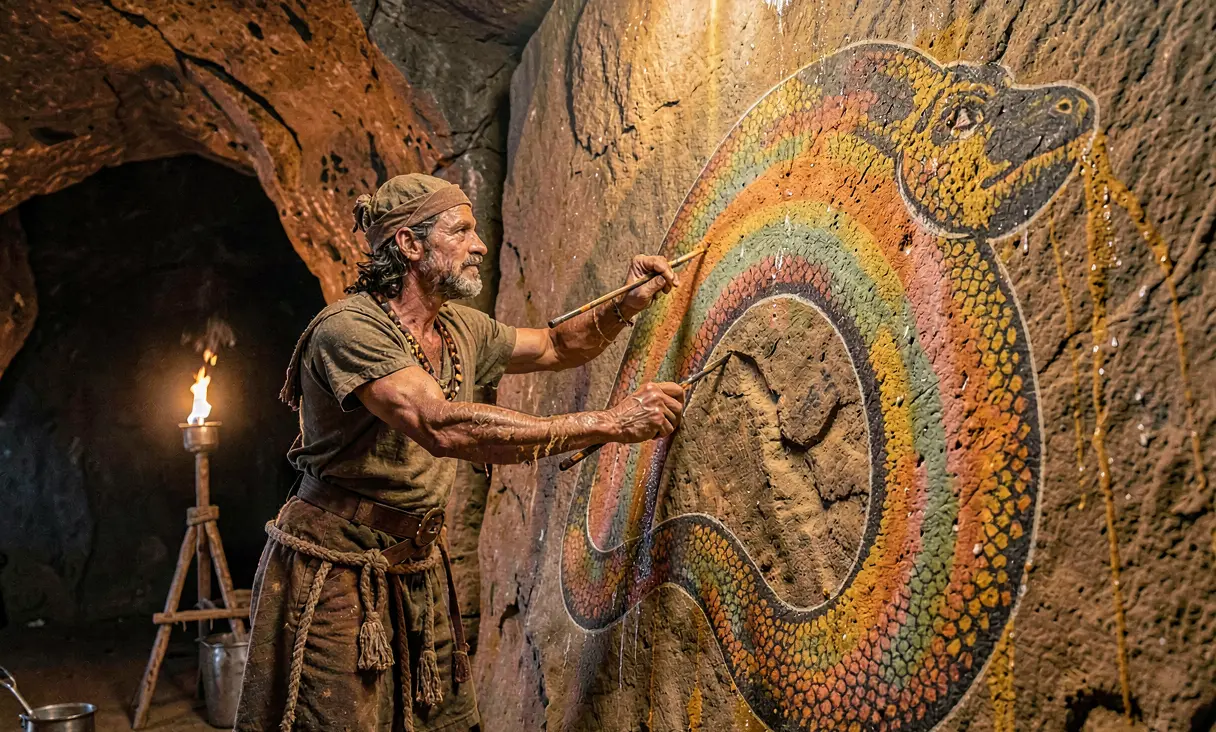 ArtPeak Period of Australian Aboriginal Rock Artc. 3000 BCE to 1500 CE · Kakadu National Park, AustraliaAboriginal artists create vast galleries of rock paintings depicting ancestral beings and hunting scenes.
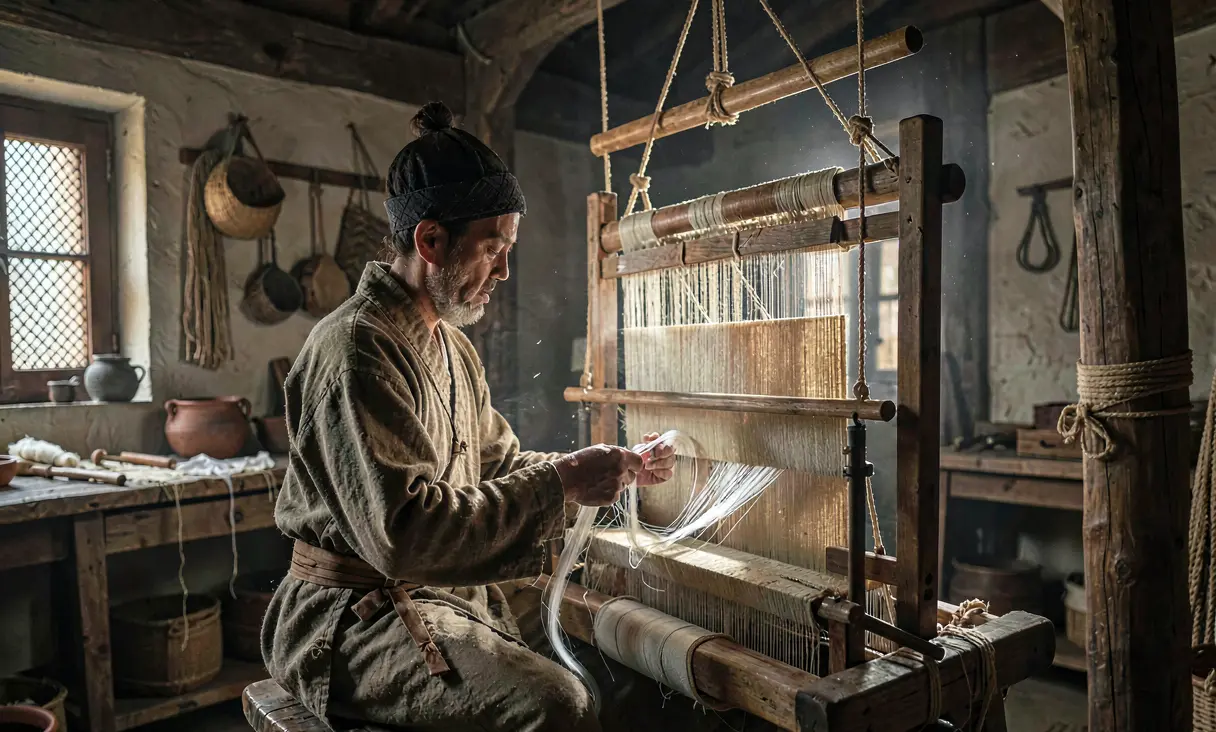 TechnologyIndustrialization of Sericulture in Ancient Chinac. 2600 BCE · Shaanxi Province, ChinaChinese artisans perfect the reeling and spinning of silk from silkworm cocoons.
Discussion
Loading…