Columbus Reaches the Americas
Columbus's 1492 landing in the Bahamas initiated a permanent collision of worlds, triggering the Columbian Exchange and centuries of European colonization that reshaped global demographics and ecology
The Quest for a Western Route to Asia
By the late 15th century, the geopolitical landscape of Europe was defined by an urgent desire to bypass the Ottoman-controlled overland routes to the spice-rich markets of India and China. Christopher Columbus, an Italian navigator from Genoa, proposed a radical alternative: sailing west across the Atlantic Ocean. His calculations, heavily influenced by the flawed geography of Paolo Toscanelli, underestimated the Earth's circumference and failed to account for the existence of the American continents. Despite skepticism from Portuguese and Spanish advisors, Queen Isabella I of Castile, having recently completed the Reconquista with the fall of Granada in January 1492, granted Columbus a royal commission. On August 3, 1492, he departed Palos de la Frontera with three vessels—the Santa María, the Pinta, and the Niña—carrying a crew of approximately 90 men on a voyage that would irrevocably alter human history.
The Arrival at Guanahani
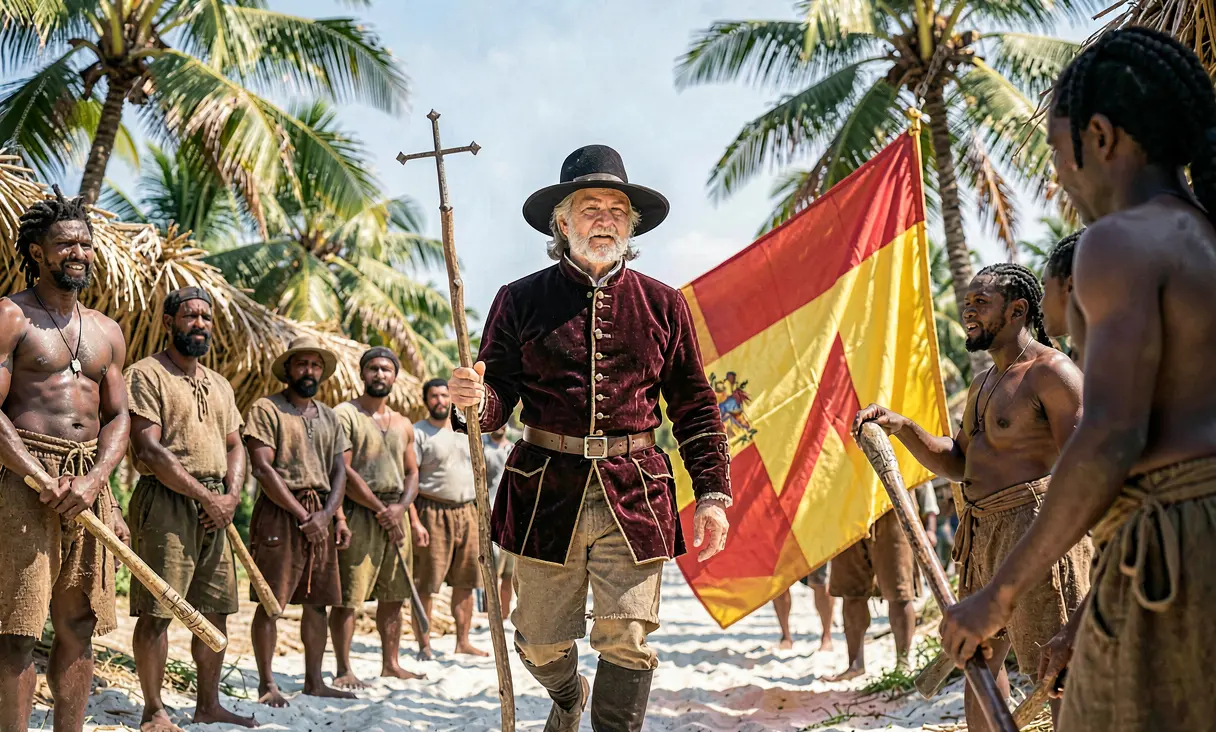
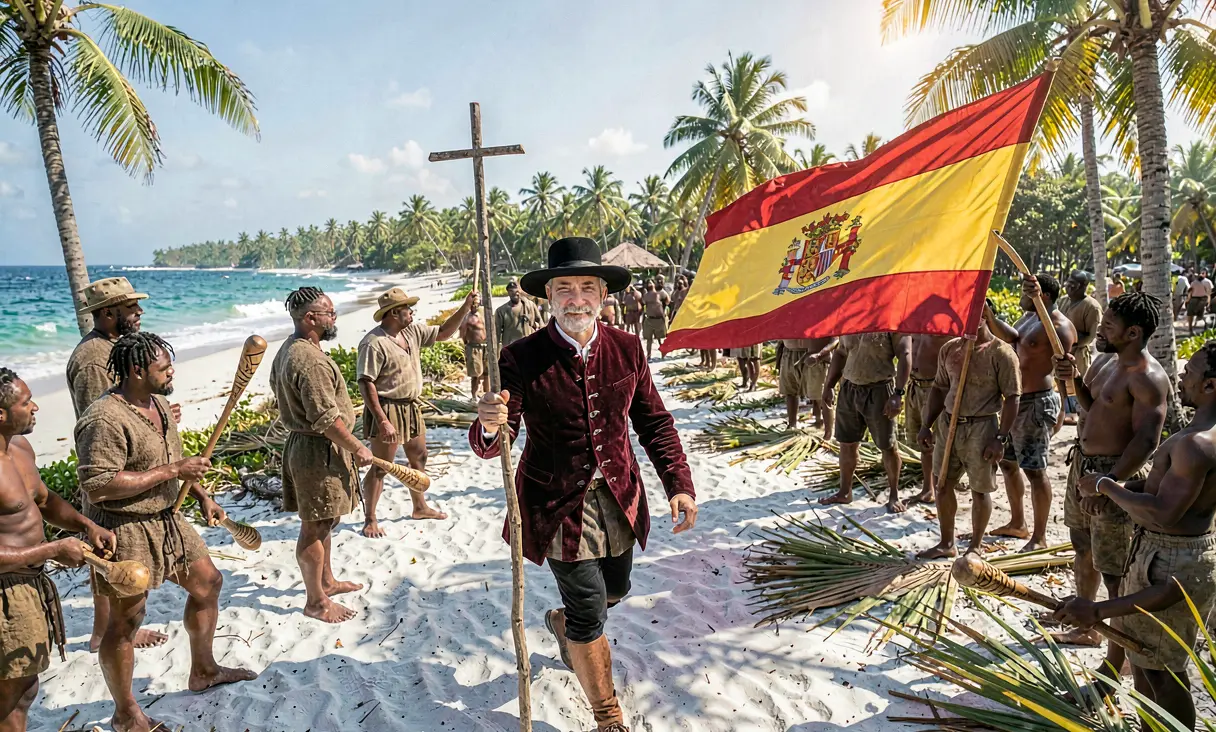
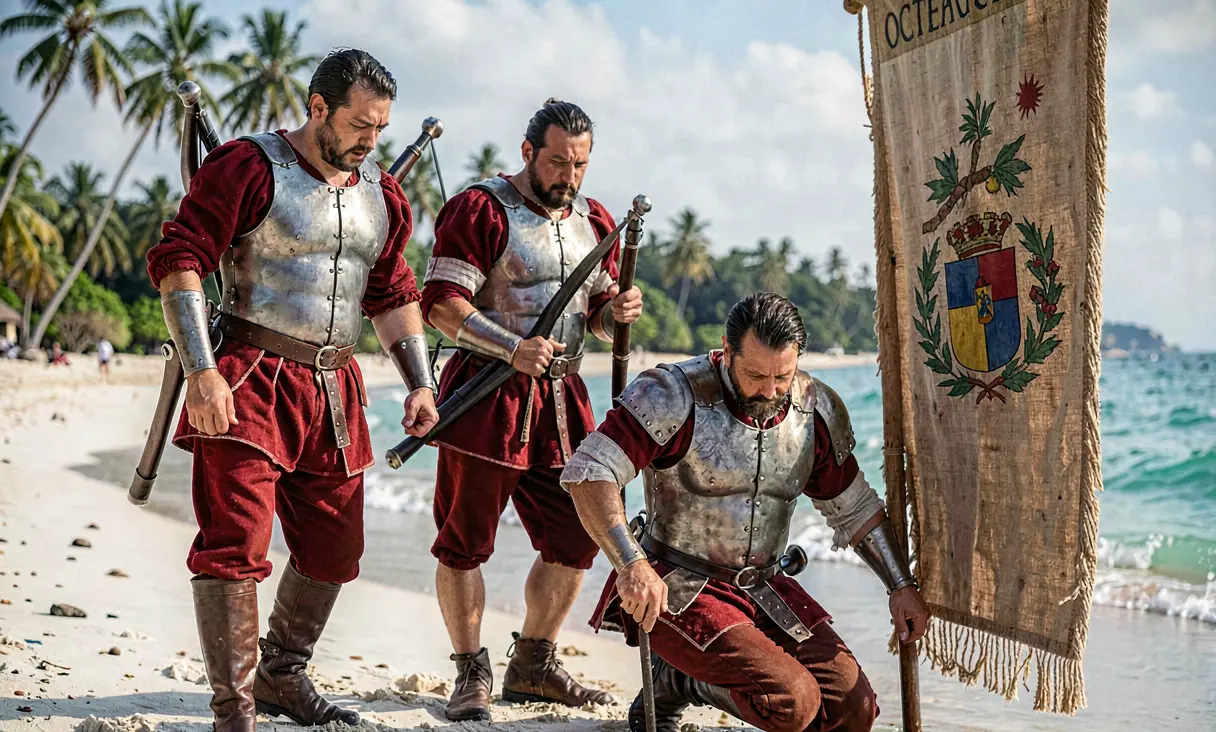
After seventy days of perilous navigation through the open Atlantic, marked by dwindling supplies and mutinous unrest among the crew, landfall was finally sighted on the morning of October 12, 1492. The island, known to its indigenous inhabitants as Guanahani, is identified by modern historians as San Salvador in the present-day Bahamas. At dawn, Rodrigo de Triana, a lookout aboard the Pinta, shouted 'Tierra!' from the crow's nest. Columbus, believing he had reached the East Indies, named the island San Salvador and immediately went ashore in full armor, accompanied by his captain of the Pinta, Martín Alonso Pinzón, and the ship's scribe, Rodrigo de Escobedo. He formally took possession of the land for the Crown of Castile under a royal decree that prioritized Spanish sovereignty over any prior indigenous claims.
First Contact with the Taíno
The people Columbus encountered were the Lucayan branch of the Taíno, a sophisticated Arawak-speaking society that had inhabited the Greater and Lesser Antilles for centuries. Described in Columbus's journal as naked, friendly, and possessing golden ornaments, the indigenous population initially engaged in trade with the Europeans, exchanging parrots, cotton threads, and spears for glass beads and hawks' bells. Columbus noted their physical appearance and potential for conversion to Christianity, writing that they could be 'easily made Christians.' However, his immediate focus shifted rapidly from diplomatic curiosity to resource extraction; he recorded in his log that with fifty men, the Spanish could subjugate the entire population. This initial encounter established a pattern of exploitation and cultural misunderstanding that would define subsequent interactions between Europeans and indigenous peoples across the hemisphere.
The Unfolding of the First Voyage
Following the landing at San Salvador, Columbus explored several other islands in the Bahamas chain, including Cuba (which he mistakenly identified as mainland China) and Hispaniola (modern-day Haiti and the Dominican Republic). On December 24, 1492, the Santa María ran aground off the coast of Hispaniola. Utilizing its timbers, Columbus constructed a fortification named La Navidad, leaving thirty-nine men behind under the command of Diego de Arana before returning to Spain with the Niña and Pinta in March 1493. The return voyage was fraught with storms that nearly destroyed the fleet, but upon reaching Lisbon and subsequently Palos, Columbus brought back artifacts, captive indigenous people, and tales of a 'New World' teeming with gold and potential converts. His arrival in Barcelona in April 1493 was met with royal acclaim, securing funding for four subsequent voyages.
The Columbian Exchange and Demographic Collapse
Columbus's arrival initiated the Columbian Exchange, a massive transfer of plants, animals, culture, human populations, technology, and diseases between the Americas and the Old World. While this exchange introduced crops like maize, potatoes, and tomatoes to Europe—fueling population growth there—it brought catastrophic consequences for the indigenous peoples. European pathogens, particularly smallpox, measles, and influenza, to which the Taíno had no immunity, decimated the population of the Caribbean within decades. By 1520, the Taíno population of Hispaniola, estimated at hundreds of thousands in 1492, had plummeted due to disease, forced labor under the encomienda system, and violence. This demographic collapse facilitated the transatlantic slave trade, as Europeans turned to West Africa for labor to replace the dying indigenous workforce.
Legacy of Imperial Dominance
The event of October 12, 1492, marked the definitive beginning of Spanish imperial dominance in the Western Hemisphere and the dawn of global colonialism. It dismantled the isolation of the Americas from Afro-Eurasian history, integrating two previously separate worlds into a single, interconnected system of trade and conflict. While often celebrated in European historiography as an age of discovery, for the indigenous civilizations of the Americas, it represented the onset of conquest, cultural erasure, and centuries of subjugation. The geographical reorientation of global power toward the Atlantic Ocean shifted the center of economic gravity away from the Mediterranean, setting the stage for the rise of Western hegemony that would persist into the modern era.
It connected previously isolated hemispheres reshaping human history and biology.
Where it happened
San Salvador, Bahamas — see it on the interactive map →
Explore related history
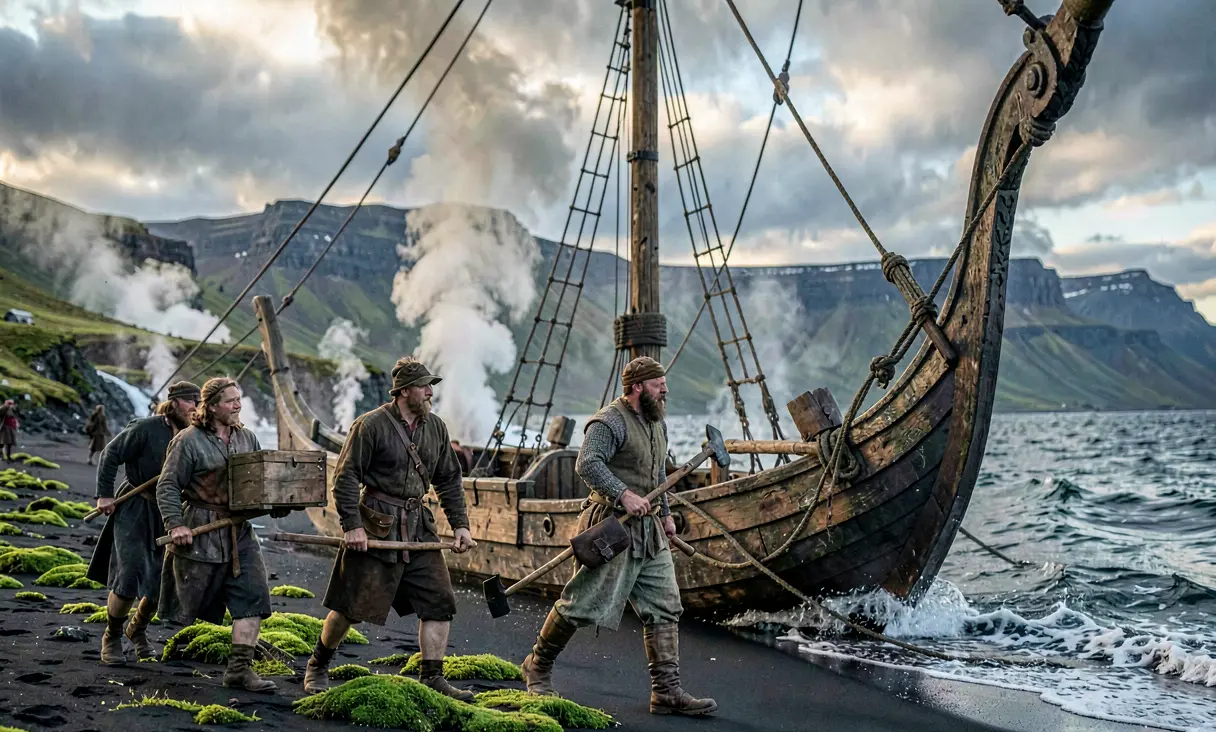 ExplorationViking Settlement of Iceland874 CE · Reykjavik, IcelandNorse explorers led by Ingólfr Arnarson settle Iceland, establishing the first permanent European community in the North Atlantic.
 ExplorationKorean Tribute Trade with China918 CE · Sungnyemun Gate (Kaesong), KoreaGoryeo establishes formal tributary relations with the Song Dynasty.
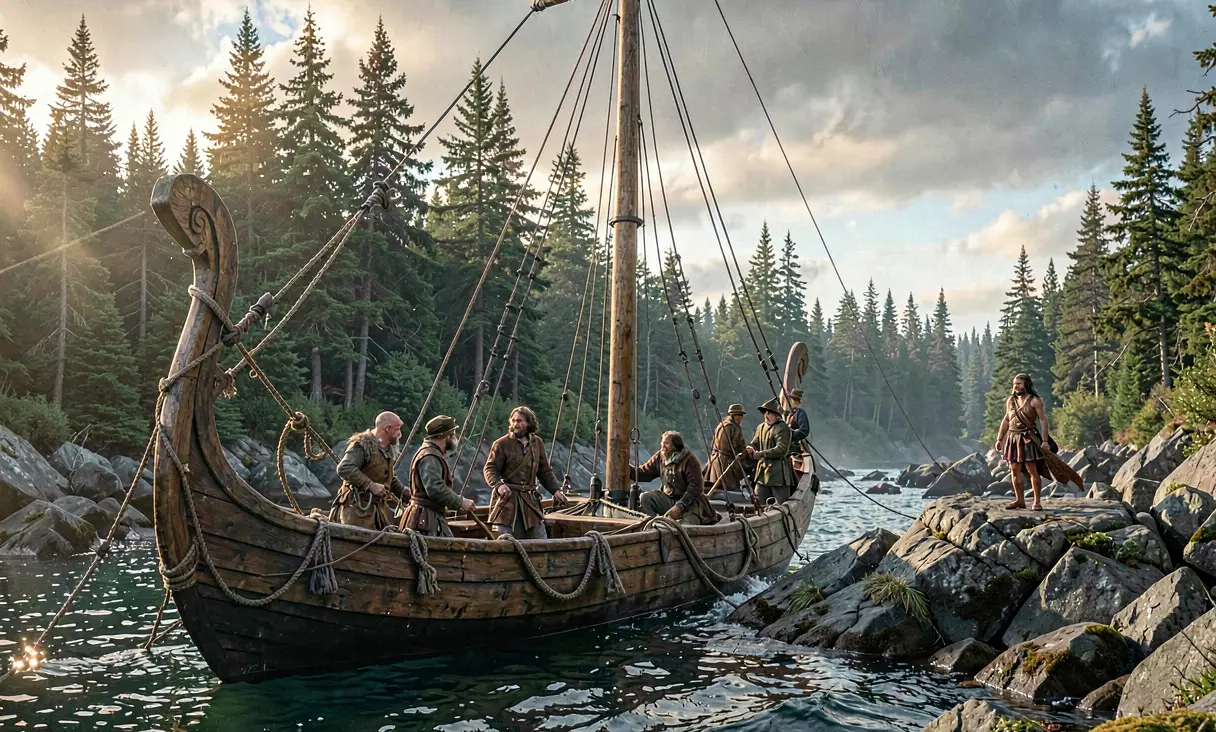 ExplorationLeif Erikson's Voyage to Vinlandc. 1000 CE · L'Anse aux Meadows, Newfoundland, CanadaLeif Erikson establishes a short-lived Norse settlement in North America, five centuries before Columbus.
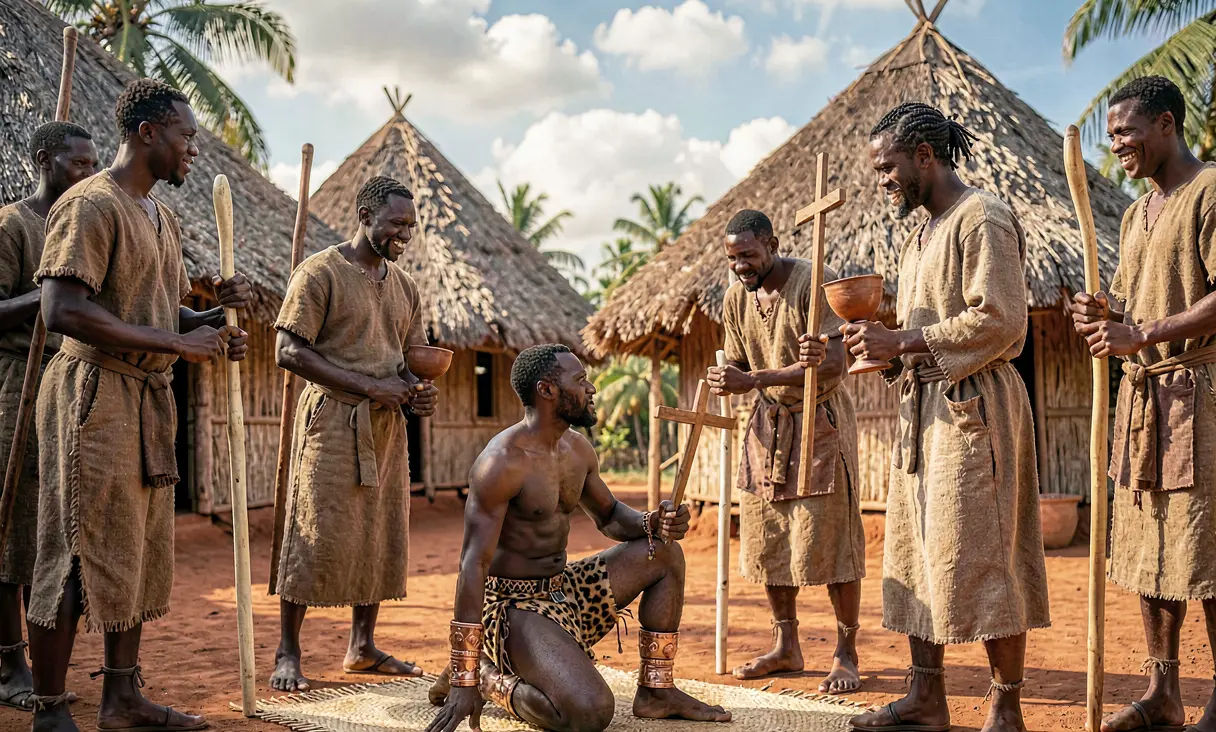 ReligionKingdom of Kongo Adopts Catholicism1491 CE · Mbanza Kongo, AngolaKing Nzinga a Nkuwu converts to Catholicism and takes the name João I, integrating Christianity into Kongo society.
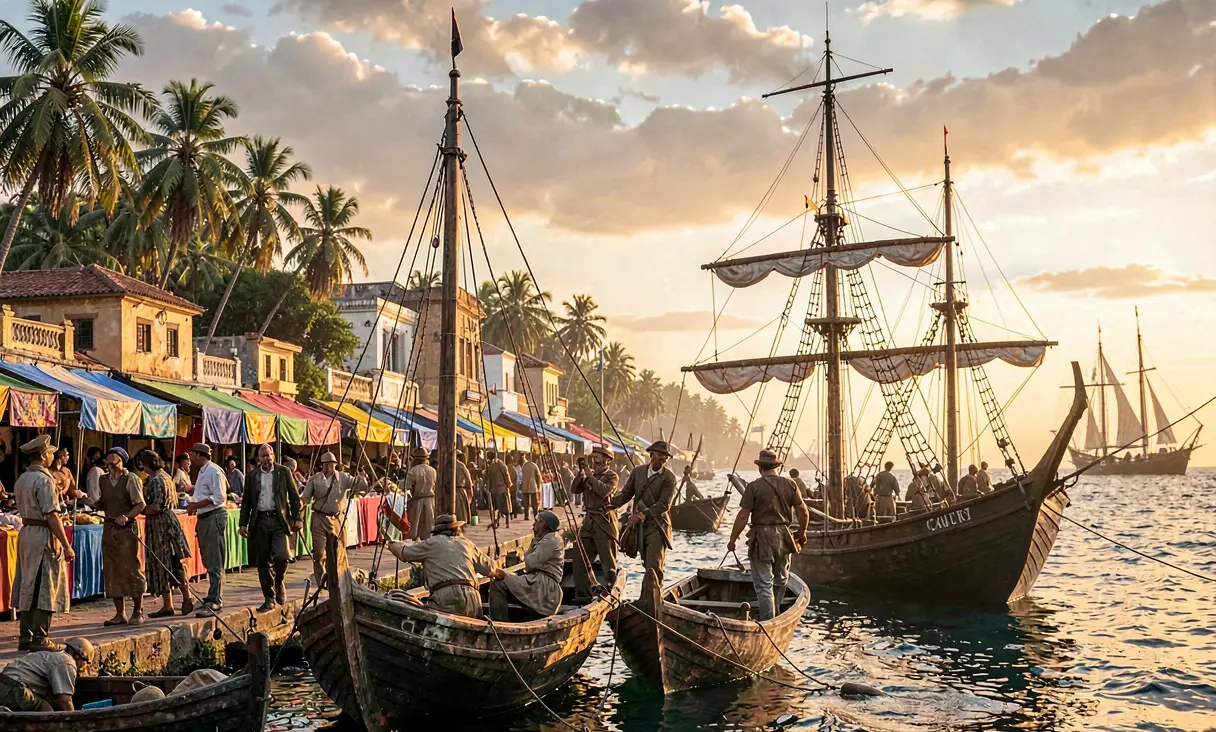 ExplorationVasco da Gama Reaches India via Sea RouteMay 20, 1498 · Kozhikode (Calicut), IndiaPortuguese explorer Vasco da Gama arrives in India, bypassing Ottoman land routes.
 ReligionFounding of Sikhism by Guru Nanakc. 1499 CE · Nankana Sahib, PakistanGuru Nanak proclaims unity of God and equality of all humans in Punjab.
Discussion
Loading…