Chola Conquest of Sri Lanka
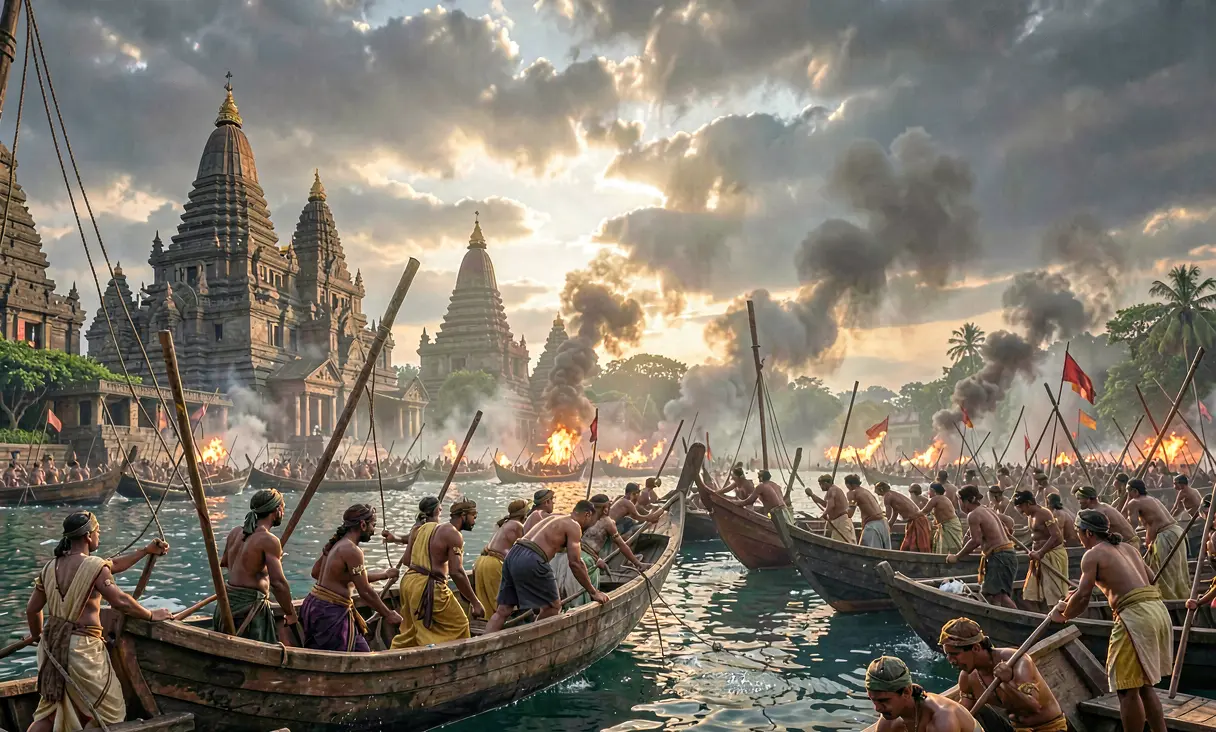
Rajaraja I's 993 CE invasion shattered the Anuradhapura Kingdom, annexing Sri Lanka's north as Mummudi Cholamandalam to dominate Bay of Bengal trade routes for decades.
Strategic Context and Rising Ambitions
By the late 10th century, the Chola Empire under Rajaraja I had transformed from a regional power in Tamilakam into a dominant maritime force. The conquest of Sri Lanka was not merely an act of aggression but a calculated strategic maneuver to secure control over the lucrative maritime trade routes connecting the Indian subcontinent with Southeast Asia and China. For centuries, the Anuradhapura Kingdom had served as a critical node in this network, yet internal fragmentation and dynastic weakness under King Mahinda V presented a unique opportunity. The Cholas sought to eliminate a potential rival, secure access to the island's vast resources, and project imperial power across the Bay of Bengal.
The Expedition of 993 CE
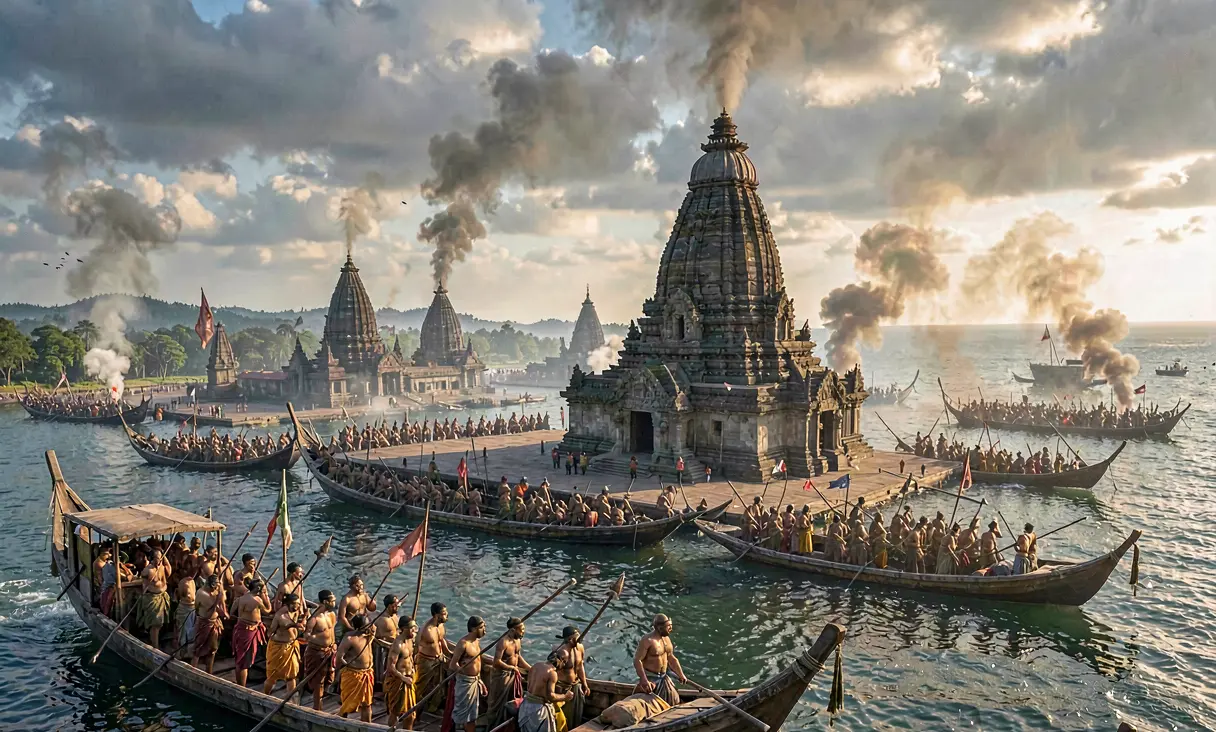
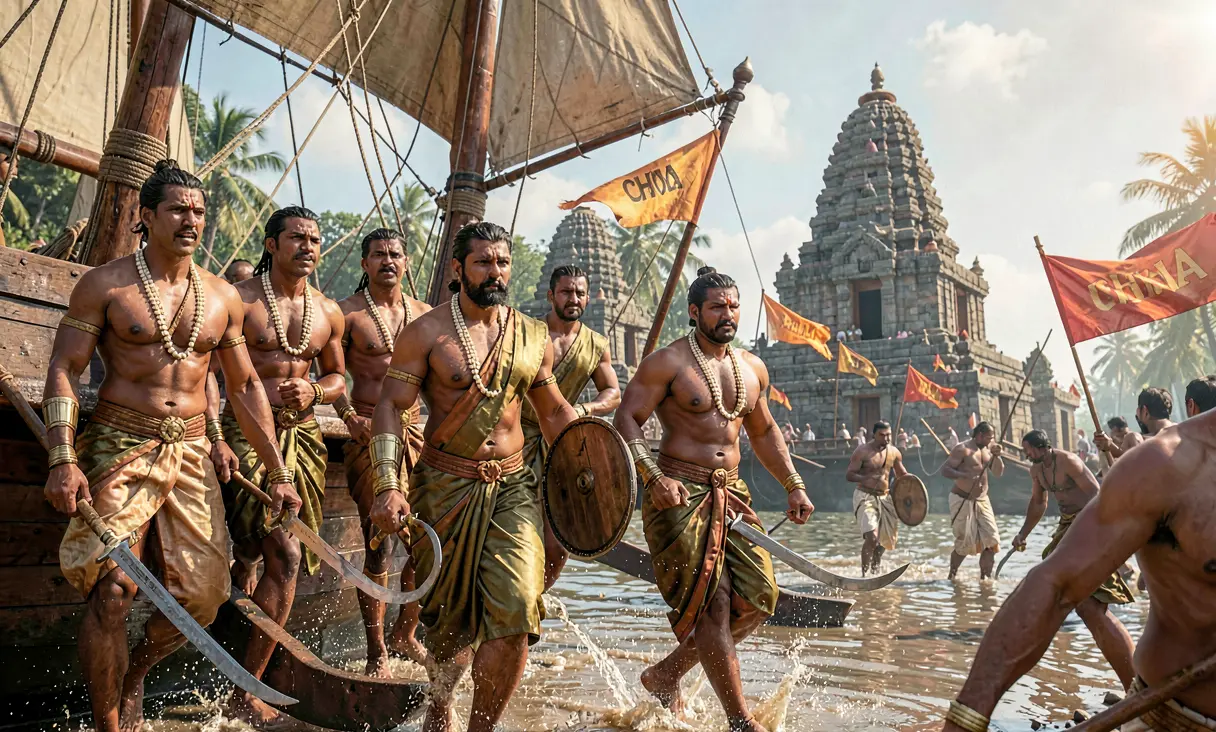
In approximately 993 CE, Rajaraja I launched a massive amphibious assault against the Anuradhapura Kingdom. Historical inscriptions, particularly the Thanjavur inscription, detail the mobilization of a formidable fleet that crossed the Palk Strait to strike at the heart of Sinhalese power. The Chola forces, disciplined and well-equipped with advanced naval technology, landed on the northern coast and swiftly marched upon the capital city. King Mahinda V, whose reign was already marred by civil unrest and administrative decay, proved unable to mount a cohesive defense against the seasoned Chola veterans.
The Fall of Anuradhapura
The campaign culminated in the decisive defeat of Mahinda V. The Chola army successfully captured the ancient capital of Anuradhapura, effectively ending the millennium-old kingdom's sovereignty over the northern half of the island. Unlike previous raids, this was a full-scale occupation; Rajaraja I annexed the territory, renaming it 'Mummudi Cholamandalam' to signify his triple crowns and imperial authority. The king himself was captured and taken as a prisoner to Thanjavur, where he remained in captivity until his death, symbolizing the total subjugation of the Sinhalese monarchy.
Cultural Imprint and Religious Architecture
The Chola occupation brought profound cultural shifts to Sri Lanka, most visibly through the proliferation of Shaivite architecture. Rajaraja I and his successors commissioned the construction of numerous Shiva temples across the northern territories, integrating them into the existing landscape. These structures, often built with distinct Dravidian architectural styles, served as both religious centers and symbols of Chola political dominance. The imposition of Tamil administrative practices and the patronage of Shaivism altered the religious demographics of the north, creating a lasting legacy that would influence the island's cultural fabric for centuries.
Decades of Occupation and Resistance
The Chola rule over northern Sri Lanka persisted for several decades, extending well into the reign of Rajendra Chola I. While the north was directly administered as part of the empire, the southern regions of the island remained under a rump Sinhalese kingdom, leading to a period of divided sovereignty and intermittent resistance. The occupation strained local resources and disrupted traditional agrarian cycles, yet it also facilitated increased trade with the mainland. However, as Chola power began to wane in the mid-11th century, the Sinhalese resistance, led by figures such as Vijayabahu I, intensified, eventually leading to the expulsion of the invaders.
Legacy and Historical Significance
The Chola conquest of Sri Lanka marked a pivotal moment in South Asian history, demonstrating the extent of Indian Ocean naval supremacy achievable by medieval Indian dynasties. It reshaped the geopolitical landscape of the region, establishing a precedent for cross-sea imperial expansion that would later be emulated by other powers. Although the direct political control eventually dissolved, the cultural and architectural imprints left by the Cholas remain evident in Sri Lanka's northern heritage. The event underscores the complex interplay between military conquest, religious propagation, and economic integration that defined the medieval Indian Ocean world.
The conquest demonstrated the Chola Empire's unparalleled naval power and established it as a dominant force in the Indian Ocean trade network.
Where it happened
Anuradhapura, Sri Lanka — see it on the interactive map →
Explore related history
 WarIslamic Conquest of the Sasanian Empire637 CE · Ctesiphon, Iraq (Persia)Arab Muslim forces defeat the Sasanian Empire at the Battle of al-Qadisiyyah, ending centuries of Persian rule.
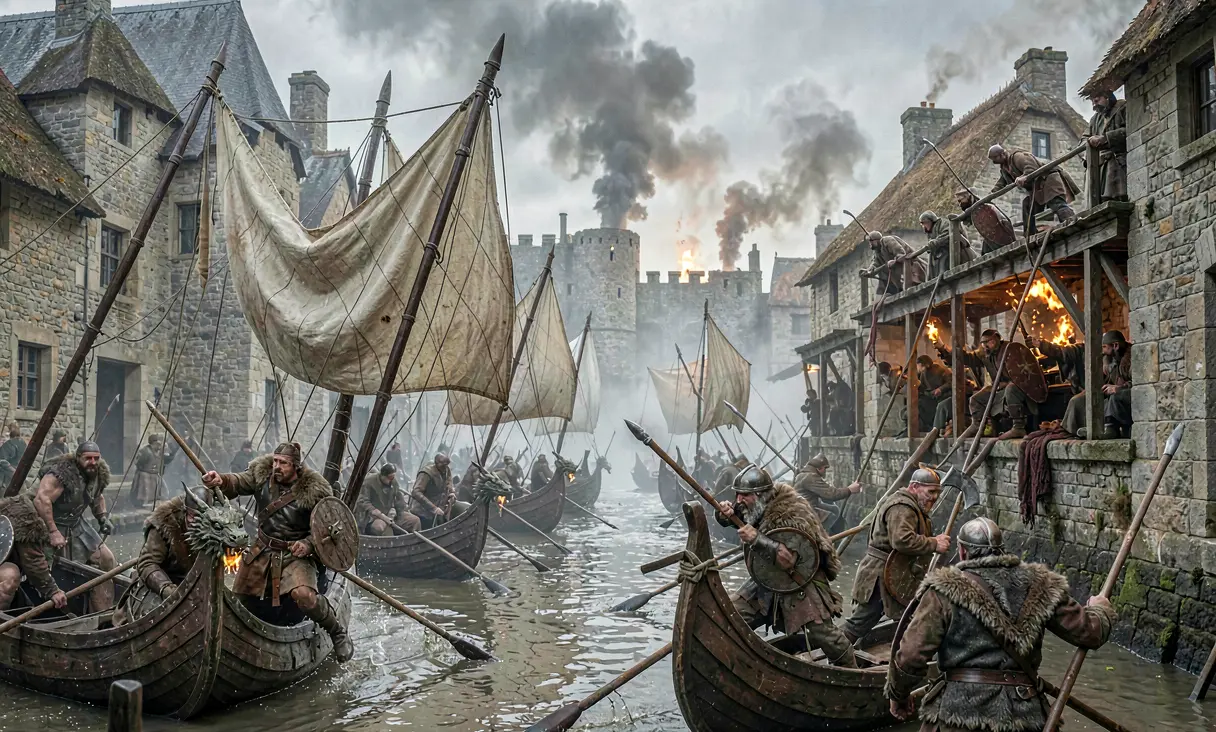 WarViking Siege of Paris885 CE · Paris, FranceViking raiders led by Sigfred besiege Paris for over a year, testing the defenses of West Francia.
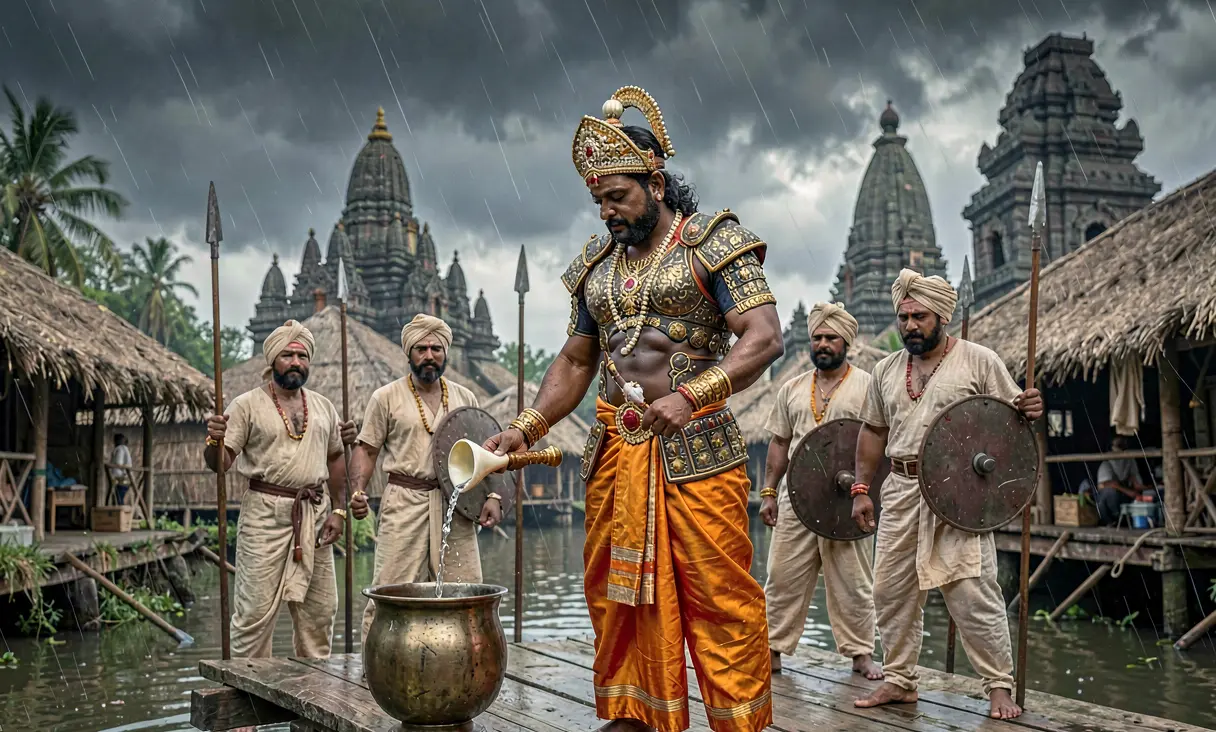 WarRajendra Chola I's Ganges Expeditionc. 1025 CE · Bengal to Ganges Delta, IndiaRajendra Chola I leads a northern expedition reaching the Ganges River, defeating Pala kings and bringing holy water back to Thanjavur.
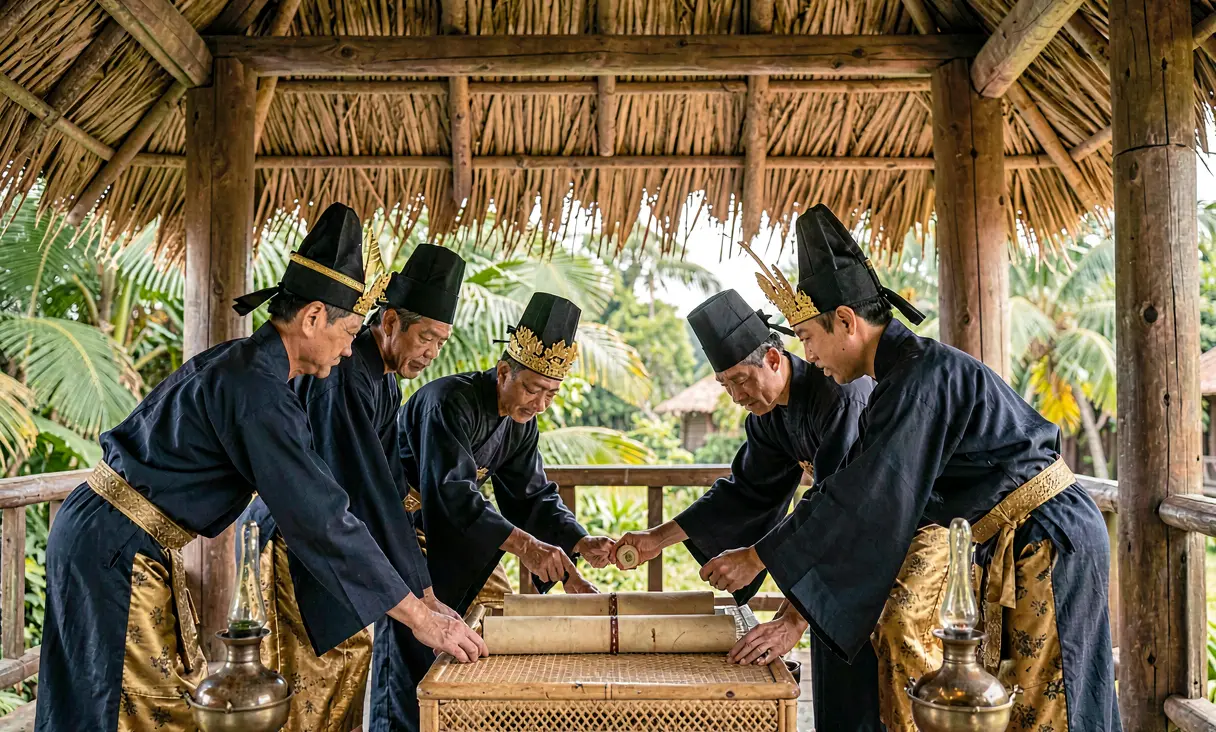 PoliticsSrivijaya-Song Peace Treaty990 CE · Palembang, Sumatra (Modern Indonesia)Formal diplomatic recognition between Srivijaya and Song China.
 ExplorationLeif Erikson's Voyage to Vinlandc. 1000 CE · L'Anse aux Meadows, Newfoundland, CanadaLeif Erikson establishes a short-lived Norse settlement in North America, five centuries before Columbus.
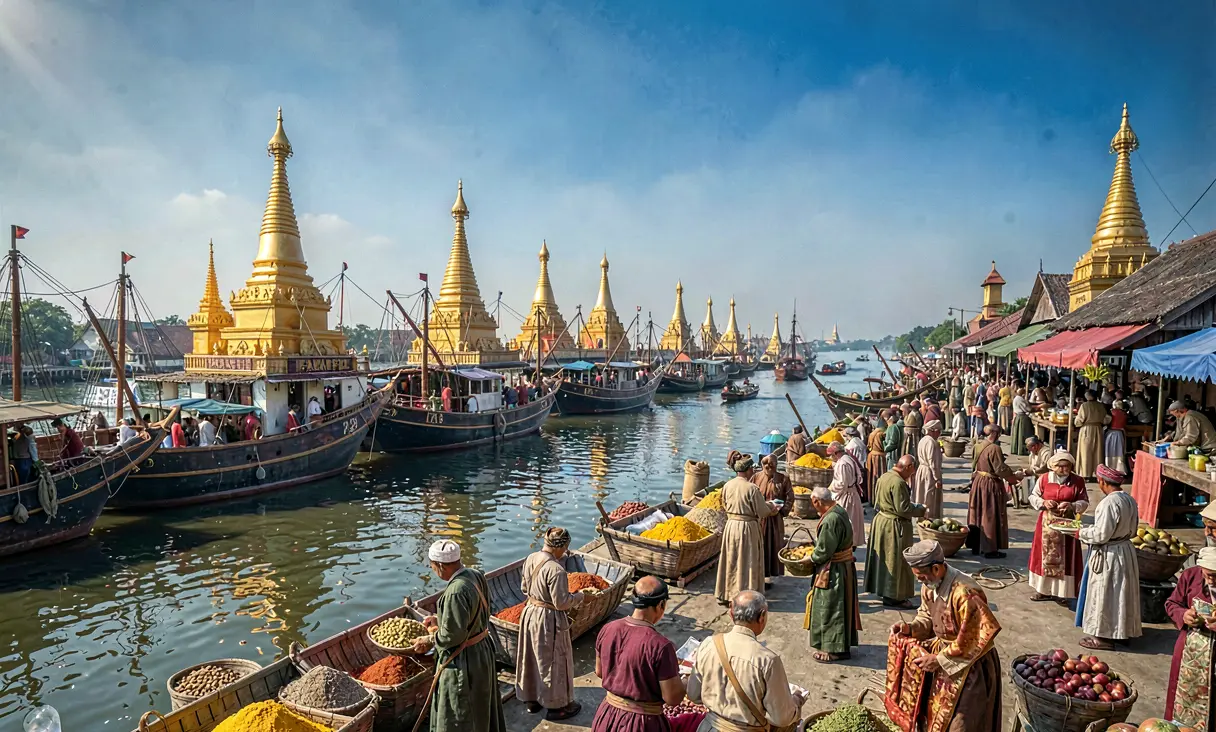 PoliticsSrivijaya at its Zenithc. 1000 CE · Palembang, Sumatra (Modern Indonesia)Srivijaya controls the Strait of Malacca and dominates regional trade.
Discussion
Loading…