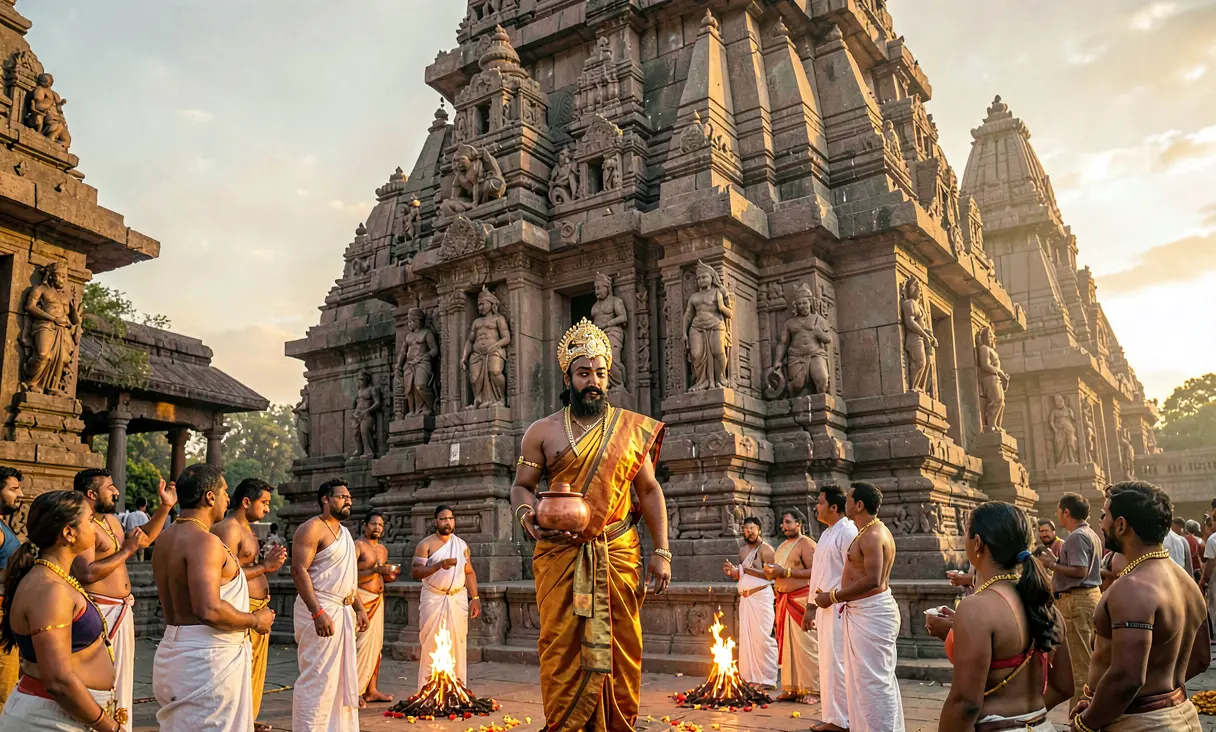
Consecration of the Brihadeeswarar Temple
In 1010 CE, Emperor Rajaraja I consecrated the Brihadeeswarar Temple, an engineering marvel featuring a 66-meter granite tower that served as both a spiritual center and the economic heart of the Chol
The Zenith of Imperial Ambition
In the early eleventh century, the Chola Empire under Rajaraja I stood as the preeminent power in South India and a dominant force across the Indian Ocean. Following decades of military conquests that stretched from the Ganges delta to Sri Lanka, the emperor sought to cement his legacy not merely through warfare but through monumental architecture. The decision to construct a temple dedicated to Lord Shiva at Thanjavur was a calculated assertion of divine kingship, intended to serve as the spiritual and administrative heart of a sprawling empire. This project represented an unprecedented mobilization of resources, drawing upon the wealth plundered from conquered territories and the sophisticated logistical networks established by the Chola bureaucracy.
Engineering the Impossible
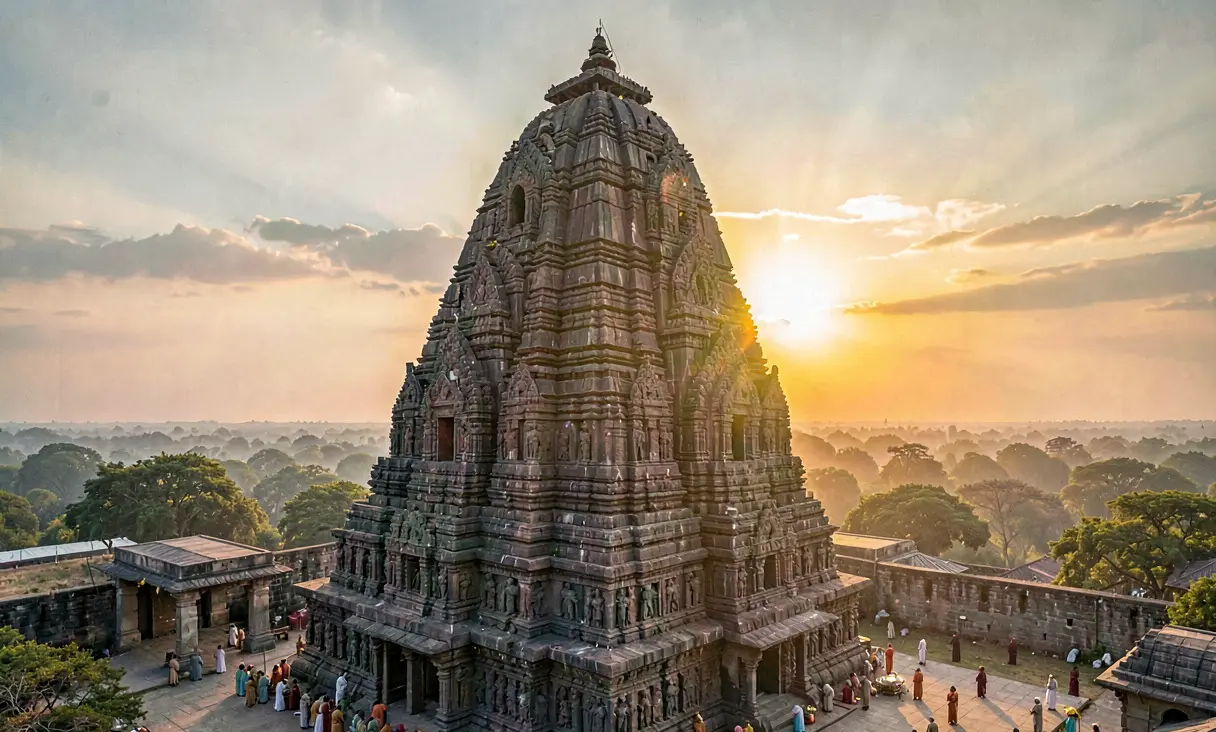
The Brihadeeswarar Temple, often called the Big Temple, defied the engineering norms of its era. Its central vimana (tower) rises to a staggering height of approximately 66 meters (216 feet), making it one of the tallest structures in the world at the time. Unlike contemporary temples built with brick or stone bonded by mortar, this structure was constructed entirely of granite blocks, some weighing up to 80 tons, fitted together with such precision that not even a blade of grass could pass between them. The crowning achievement was the installation of the colossal capstone, known as the kumbam, which weighs an estimated 80 tonnes. Historical accounts suggest it was transported up a ramp over four kilometers long and then hoisted into place using a complex system of levers and inclined planes, a feat that remains a subject of admiration for modern engineers.
The Consecration of 1010 CE
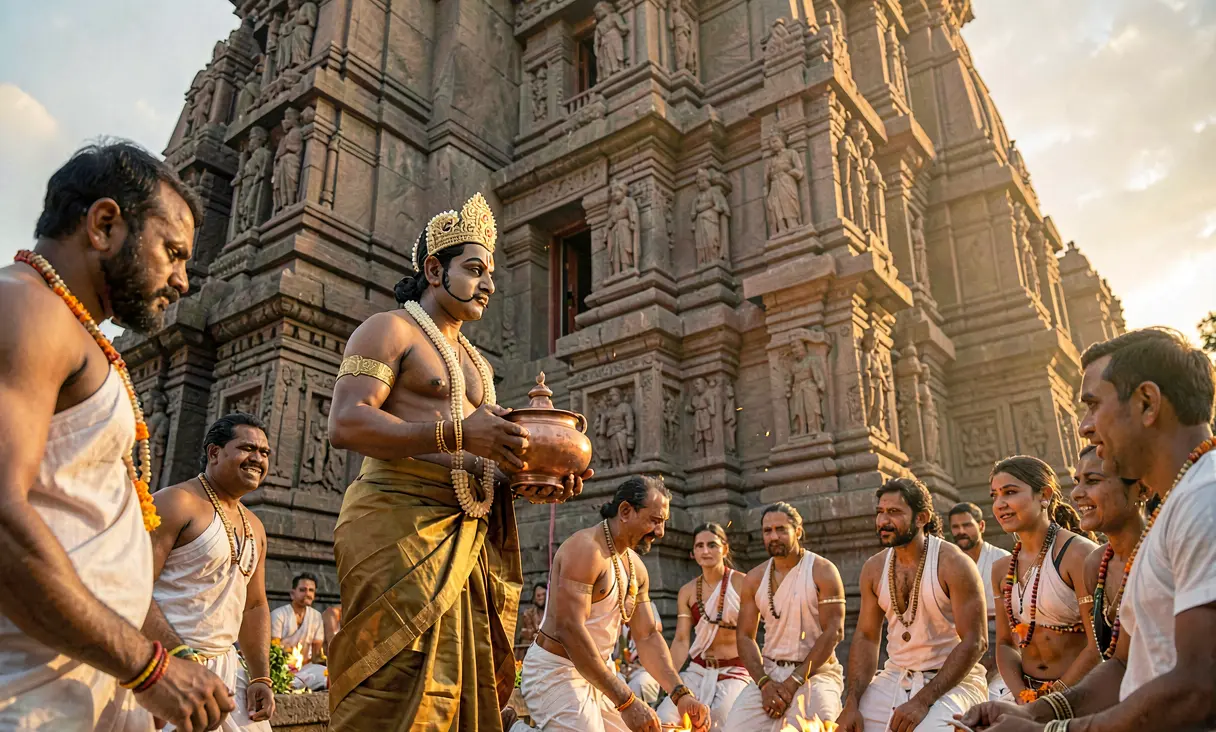
The consecration ceremony, known as the Mahamangalam, took place in 1010 CE, marking the formal completion of the temple after roughly fifteen years of construction. The event was not a private religious observance but a grand imperial spectacle attended by dignitaries from across the known world, including emissaries from distant kingdoms and maritime trade partners. Inscriptions on the temple walls meticulously record the rituals performed, the vast quantities of gold and jewels donated to the deity, and the extensive land grants made to support the temple's daily operations. The ceremony transformed the structure from a mere building into a living entity, believed to be imbued with divine presence, serving as the axis mundi for the Chola cosmos.
A Hub of Administration and Economy
Beyond its religious function, the temple served as a sophisticated administrative and economic engine for the empire. The inscriptions at Thanjavur reveal that the temple owned vast tracts of land, employed thousands of artisans, dancers, musicians, and priests, and managed a complex treasury. It acted as a bank, accepting deposits in gold and silver, and issuing loans to local communities, effectively functioning as the central financial institution of the region. The temple's staff included specialized roles such as accountants, jewelers, and gardeners, creating a self-sustaining micro-economy that supported the surrounding city of Thanjavur and reinforced the Chola state's control over regional resources.
Artistic Mastery and Cultural Documentation
The temple walls are adorned with exquisite frescoes that offer a rare, vivid glimpse into Chola society, mythology, and court life. Although many original paintings have faded or been damaged over centuries, the surviving fragments depict scenes from the Shiva Purana, celestial dancers (apsaras), and processions of the royal family. These artworks demonstrate a mastery of line, color, and composition that rivals any contemporary art form globally. The iconography is precise, adhering to strict canonical texts while incorporating unique stylistic elements characteristic of the Chola golden age, preserving visual narratives that would otherwise have been lost to time.
Enduring Legacy
The consecration of the Brihadeeswarar Temple established a new paradigm for Dravidian architecture that influenced temple building across South India and Southeast Asia for centuries. It stands today as a UNESCO World Heritage Site, recognized not only for its architectural grandeur but also for its role in shaping the cultural identity of Tamil civilization. The structure remains an active place of worship, continuing to draw millions of devotees and scholars alike. Its survival through dynastic shifts, colonial rule, and natural disasters serves as a testament to the vision of Rajaraja I and the enduring power of the Chola legacy, marking 1010 CE as a pivotal moment in global architectural history.
The Brihadeeswarar Temple stands as the supreme example of Dravidian architecture and symbolizes the zenith of Chola imperial power and artistic achievement.
Where it happened
Thanjavur, Tamil Nadu, India — see it on the interactive map →
Explore related history
 ArtCreation of Maya Polished Obsidian Mirrorsc. 600 CE · Guatemala (Maya Lowlands)Artisans craft polished obsidian mirrors for divination and ritual use.
 ArtBurial of the Sutton Hoo Shipc. 625 CE · Suffolk, EnglandAn Anglo-Saxon king is buried with a magnificent helmet and gold artifacts.
 ArtTang Dynasty Golden Age of Poetry and Culturec. 713 CE · Chang'an, ChinaThe Tang Dynasty reaches its cultural zenith in Chang'an, producing legendary poets like Li Bai and Du Fu.
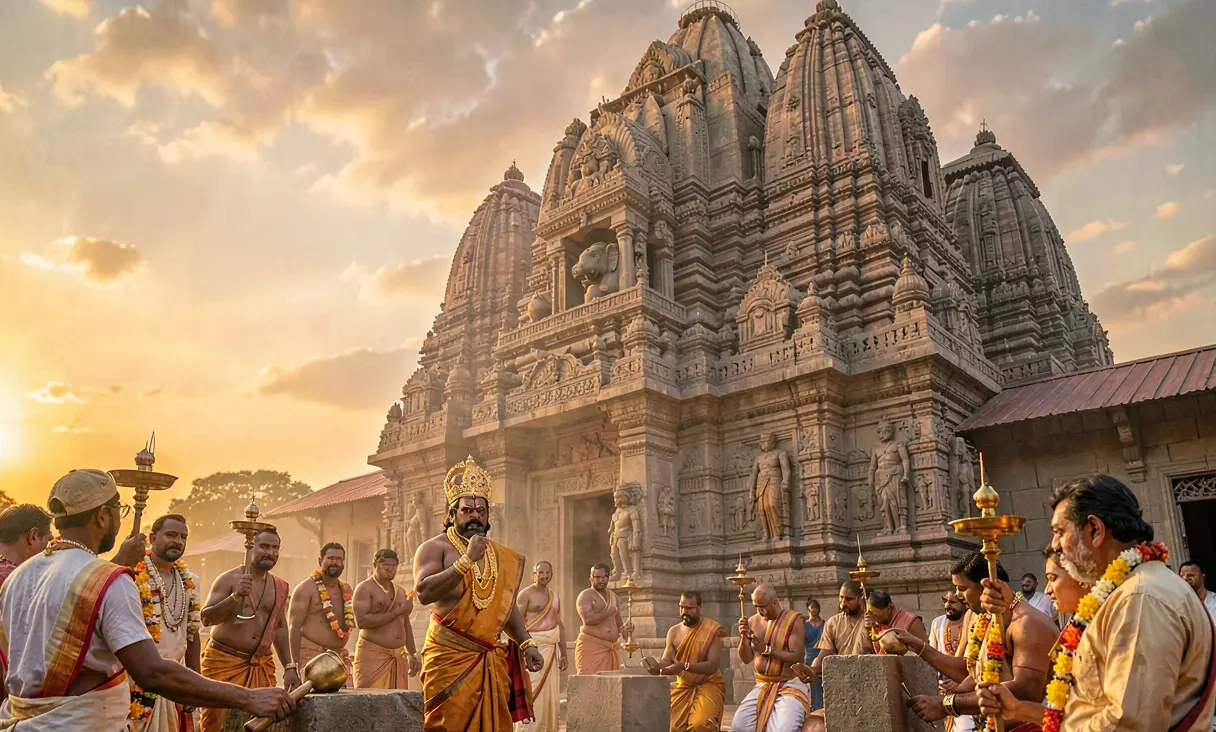 ArtCompletion of the Brihadeeswarar Templec. 1010 CE · Thanjavur (modern Tamil Nadu/India)Rajaraja Chola I completes the magnificent Brihadeeswarar Temple, a marvel of Dravidian architecture and engineering.
 literatureCreation of the Beowulf Manuscriptc. 1016 CE · England (likely Canterbury or Winchester)A single scribe transcribes the epic poem Beowulf onto parchment.
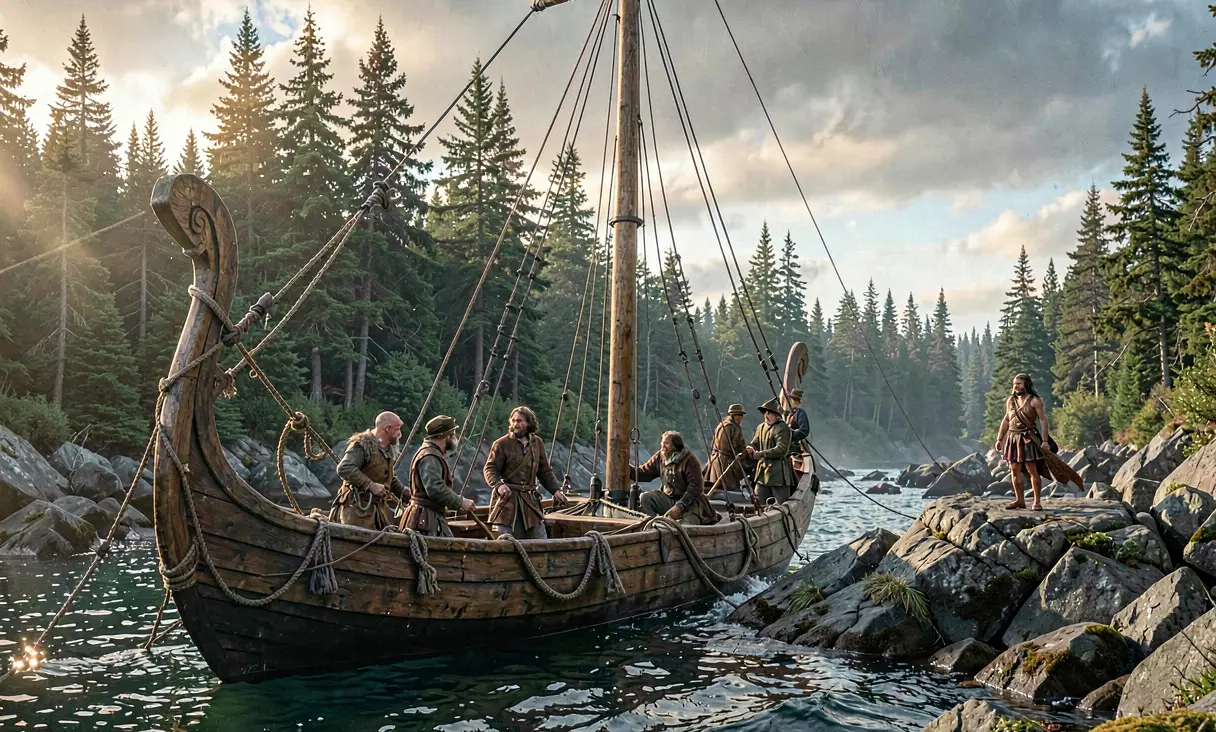 ExplorationLeif Erikson's Voyage to Vinlandc. 1000 CE · L'Anse aux Meadows, Newfoundland, CanadaLeif Erikson establishes a short-lived Norse settlement in North America, five centuries before Columbus.
Discussion
Loading…