Macedonian Renaissance in Byzantium
The Macedonian Renaissance preserved classical Greek knowledge and redefined Christian art, securing Constantinople's role as the vital bridge between antiquity and the medieval world.
Context of a Resurgent Empire
By the early 10th century, the Byzantine Empire had emerged from centuries of existential threats and internal stagnation. Following the turbulent Iconoclast controversies and Arab sieges that had plagued the 7th through 9th centuries, the Macedonian dynasty, founded by Basil I in 867 CE, ushered in an era of unprecedented stability and territorial expansion. This political renaissance created the necessary conditions for a cultural flowering known as the Macedonian Renaissance. Unlike the Carolingian Renaissance in the West, which was largely driven by imperial decree to revive Latin learning, this Byzantine movement was characterized by a profound, organic return to the forms and philosophies of classical antiquity. The empire's capital, Constantinople, once again stood as the undisputed intellectual capital of Christendom, serving as a bridge between the lost world of Rome and the emerging medieval order.
The Revival of Classical Learning
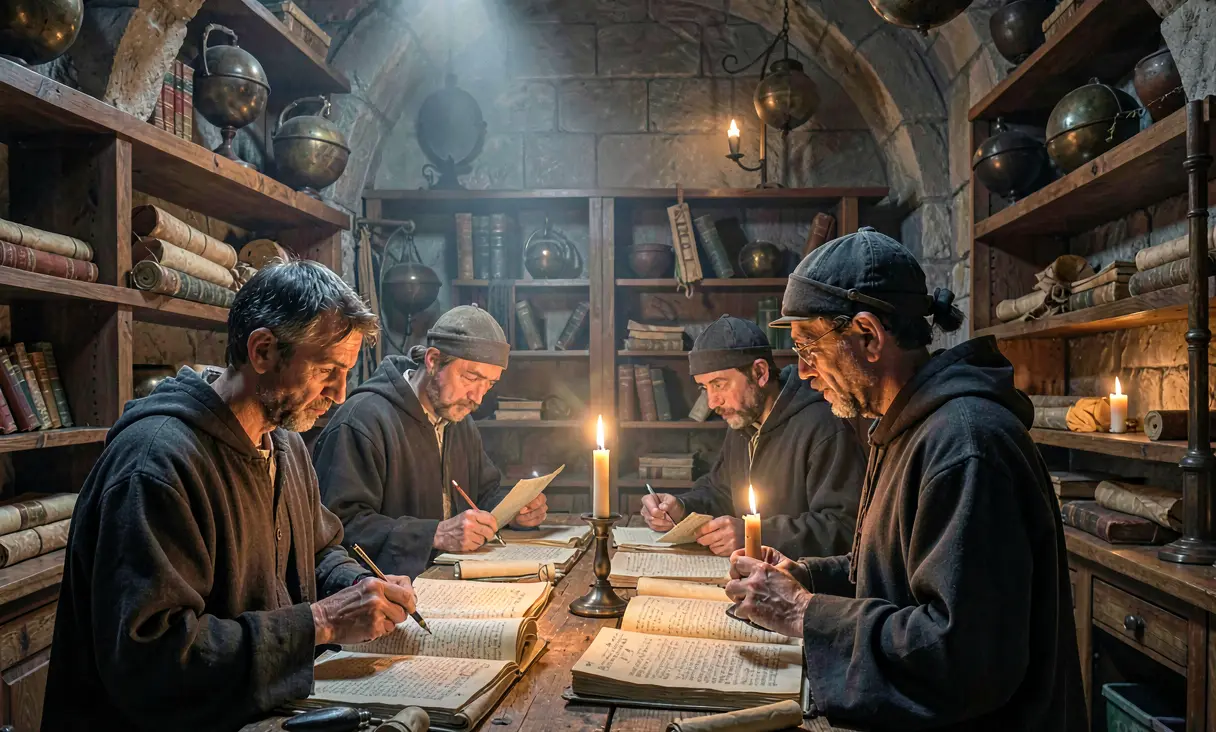
At the heart of this era was a systematic effort to recover, copy, and comment upon ancient Greek texts that had been neglected or lost during previous centuries. Scholars in the imperial court and monastic scriptoria engaged in a massive project of textual preservation, focusing on the works of Plato, Aristotle, Homer, and the great historians like Thucydides and Polybius. This was not merely an act of archiving but of active synthesis; scholars such as Photios I, whose earlier work laid the groundwork for this period, and later figures like Constantine VII Porphyrogennetos, sought to integrate classical philosophy with Christian theology. The result was a unique intellectual climate where rational inquiry and religious devotion coexisted, fostering advancements in mathematics, astronomy, and medicine that would remain unsurpassed in Europe until the High Middle Ages.
Key Architects of the Renaissance
The driving force behind this cultural explosion was Emperor Constantine VII Porphyrogennetos (r. 913–959), a scholar-emperor who personally authored or commissioned massive encyclopedic works. His reign saw the compilation of the 'De Ceremoniis,' a detailed manual on court protocol that preserved ancient Roman traditions, and the 'De Administrando Imperio,' a geopolitical guide for his son. Alongside him stood Patriarch Photios, whose 'Bibliotheca' cataloged hundreds of lost texts, providing modern historians with crucial summaries of pre-Christian literature. In the artistic realm, masters like the anonymous creators of the Chora Church mosaics (though later, they reflect this stylistic lineage) and the workshop artists who produced the Paris Psalter brought a new naturalism to religious imagery. These figures moved away from the rigid, abstract styles of the Iconoclast era, reintroducing classical perspective, emotional depth, and mythological motifs into Christian art.
Artistic Synthesis: Icons and Mosaics
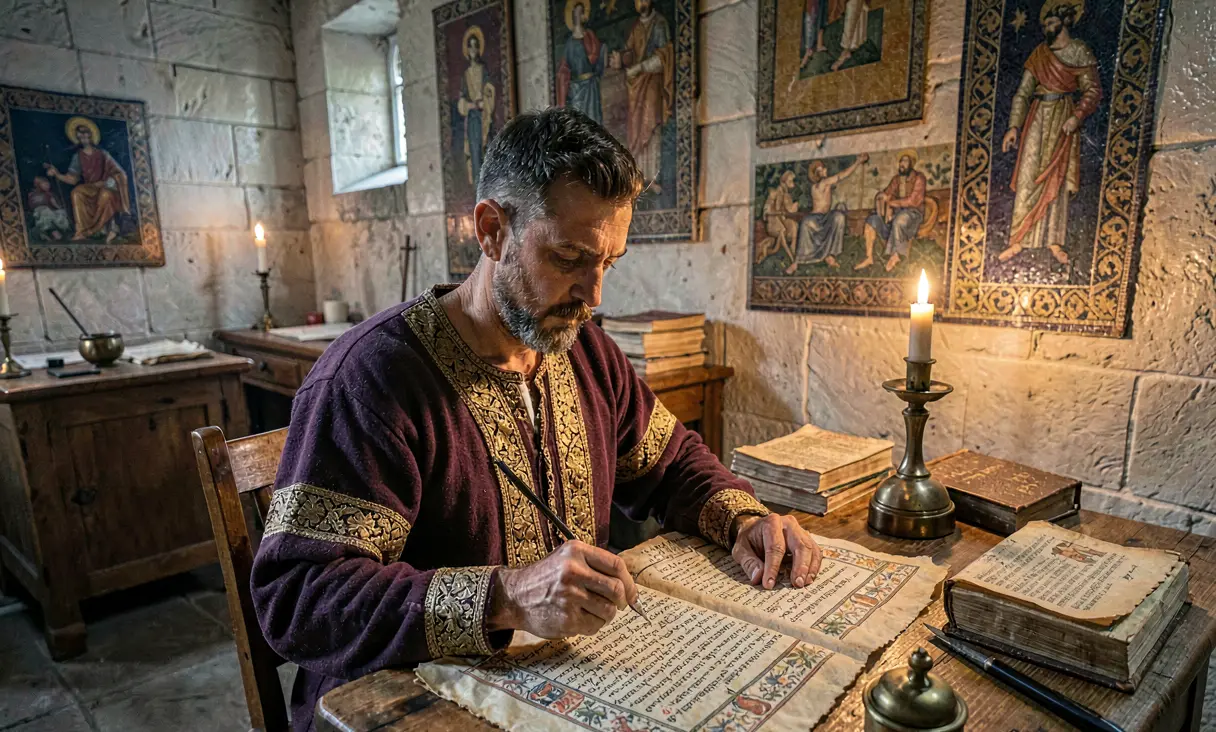
The visual arts during this period underwent a dramatic transformation, moving toward what historians term the 'Macedonian style.' This aesthetic was defined by a return to classical realism, characterized by softer drapery, more natural human proportions, and the use of landscape backgrounds that recalled Hellenistic painting. The famous Paris Psalter, created in Constantinople around 950 CE, exemplifies this shift with its personification of abstract concepts like 'Melody' and 'Echo' depicted as classical nymphs alongside King David. Similarly, mosaics in churches such as the Nea Moni on Chios displayed a renewed interest in spatial depth and psychological expression. This artistic revival was not secular; rather, it sought to elevate the depiction of the divine by utilizing the perfected forms of antiquity, asserting that the beauty of the created world reflected the glory of God.
Expansion and Consolidation
The cultural renaissance was inextricably linked to military and political success. Under generals like Nikephoros II Phokas and John I Tzimiskes, the empire pushed its borders eastward into Syria and the Caucasus, recapturing Crete and Cyprus from Arab forces. This territorial expansion brought wealth back to Constantinople, funding the construction of new churches and the patronage of scholars. The restored confidence of the state allowed for a confident projection of Byzantine identity; the empire was no longer merely surviving but actively defining itself as the heir to Rome. The diplomatic reach extended deep into Kievan Rus' and Western Europe, spreading Greek culture and Orthodox Christianity while absorbing foreign influences that were then refined within the imperial capital.
Legacy and Historical Significance
The Macedonian Renaissance left an indelible mark on the trajectory of European history. By preserving the corpus of ancient Greek literature, science, and philosophy, Byzantine scholars ensured that these works survived the collapse of political order in the West. Many of these texts would eventually be translated into Arabic during the Islamic Golden Age and later re-translated into Latin, fueling the Italian Renaissance centuries later. Furthermore, the artistic standards established in Constantinople defined Orthodox Christian art for a millennium, influencing everything from Russian icons to the mosaics of Venice. This period demonstrated that civilization could flourish even amidst political volatility, creating a cultural continuum that linked the ancient world directly to the modern era.
It preserved classical knowledge that would later fuel the European Renaissance.
Where it happened
Constantinople, Turkey — see it on the interactive map →
Explore related history
 ArtCreation of Maya Polished Obsidian Mirrorsc. 600 CE · Guatemala (Maya Lowlands)Artisans craft polished obsidian mirrors for divination and ritual use.
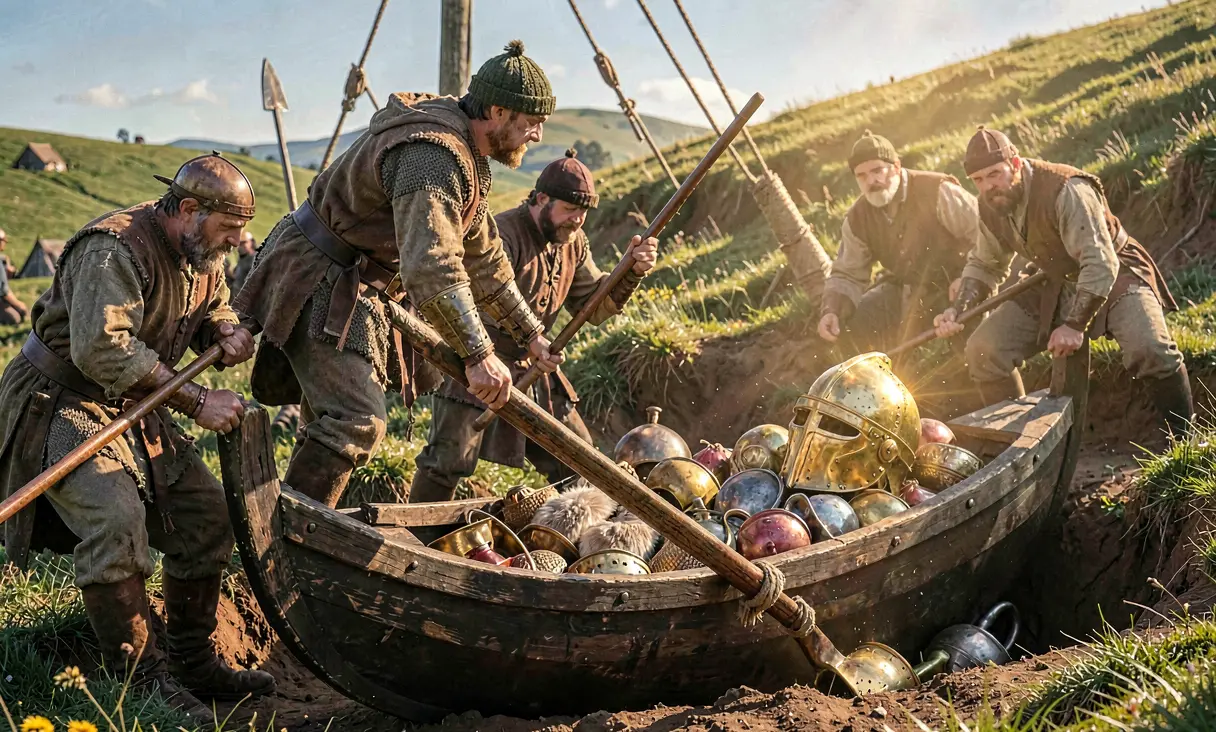 ArtBurial of the Sutton Hoo Shipc. 625 CE · Suffolk, EnglandAn Anglo-Saxon king is buried with a magnificent helmet and gold artifacts.
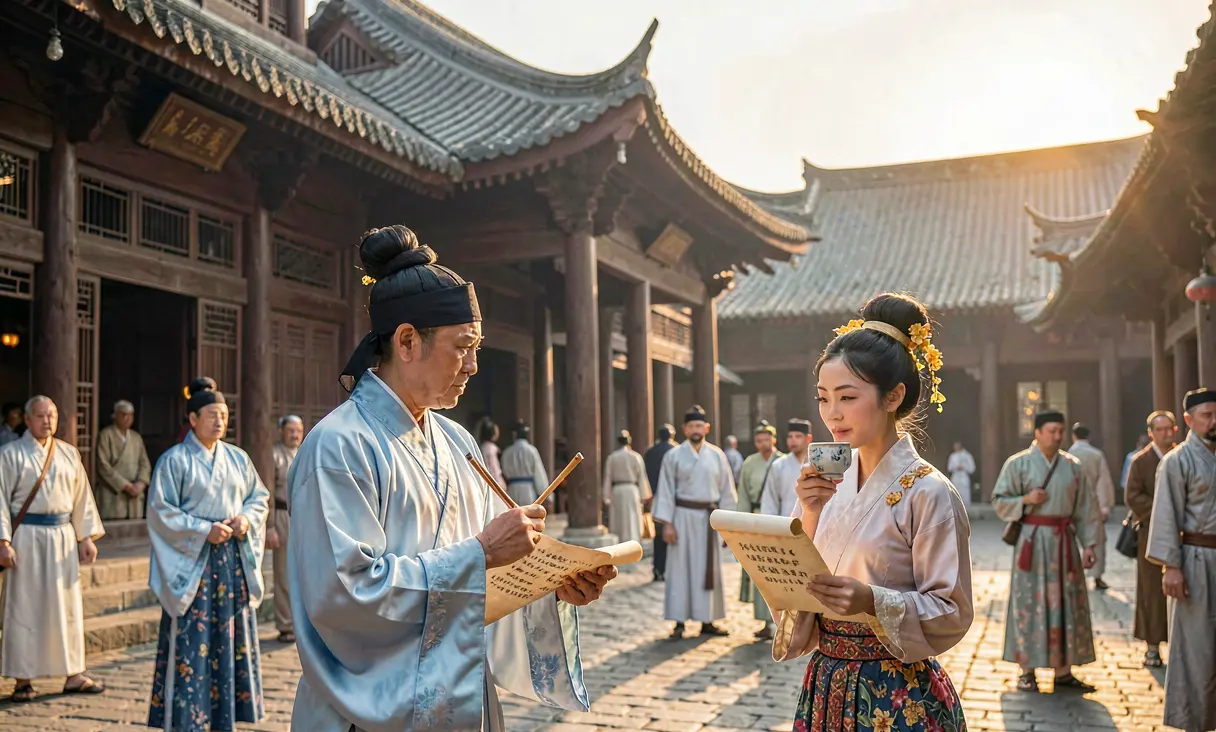 ArtTang Dynasty Golden Age of Poetry and Culturec. 713 CE · Chang'an, ChinaThe Tang Dynasty reaches its cultural zenith in Chang'an, producing legendary poets like Li Bai and Du Fu.
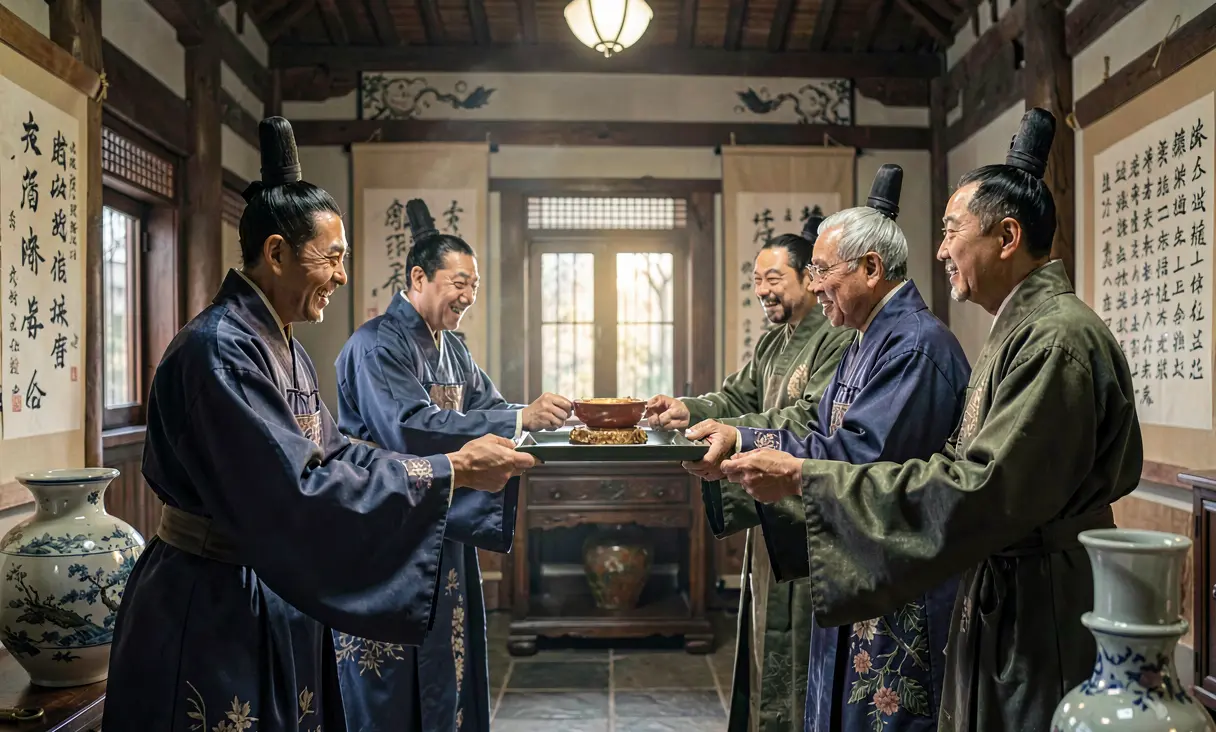 ExplorationKorean Tribute Trade with China918 CE · Sungnyemun Gate (Kaesong), KoreaGoryeo establishes formal tributary relations with the Song Dynasty.
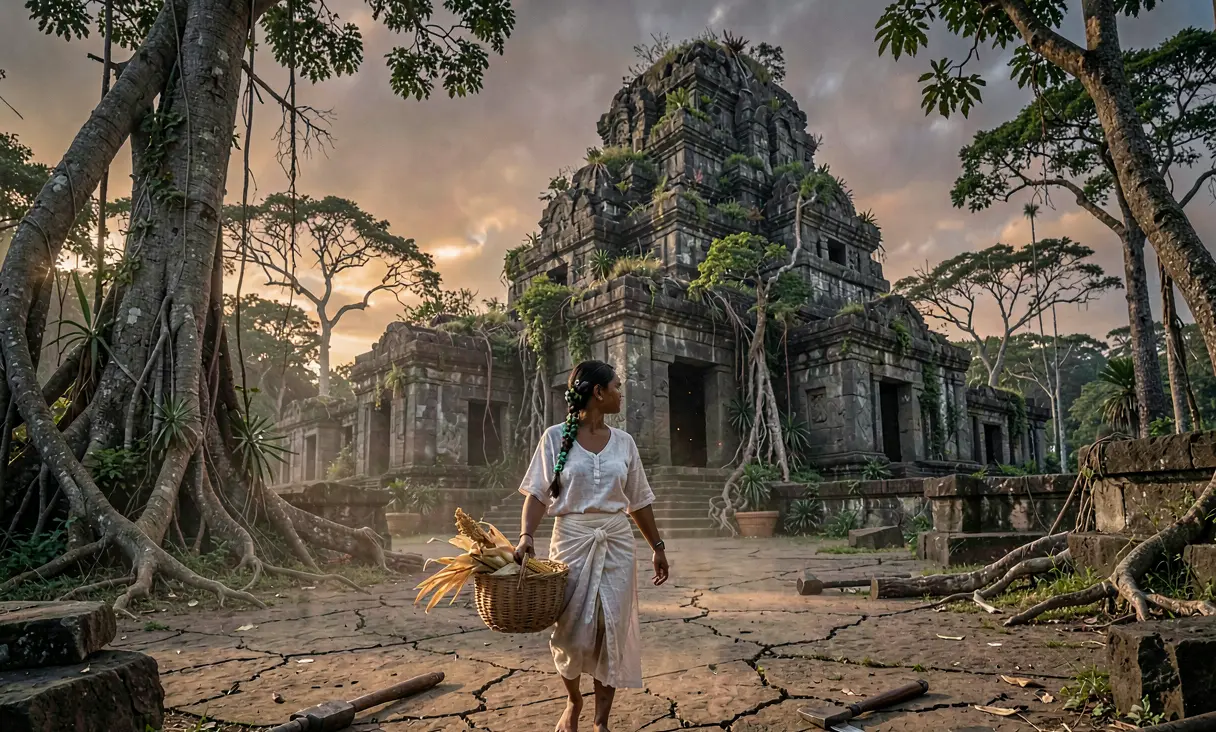 DisasterCollapse of Classic Maya Civilizationc. 900 CE · Tikal and Calakmul, Guatemala/MexicoMajor Maya city-states are abandoned due to drought, warfare, and ecological collapse during the Terminal Classic period.
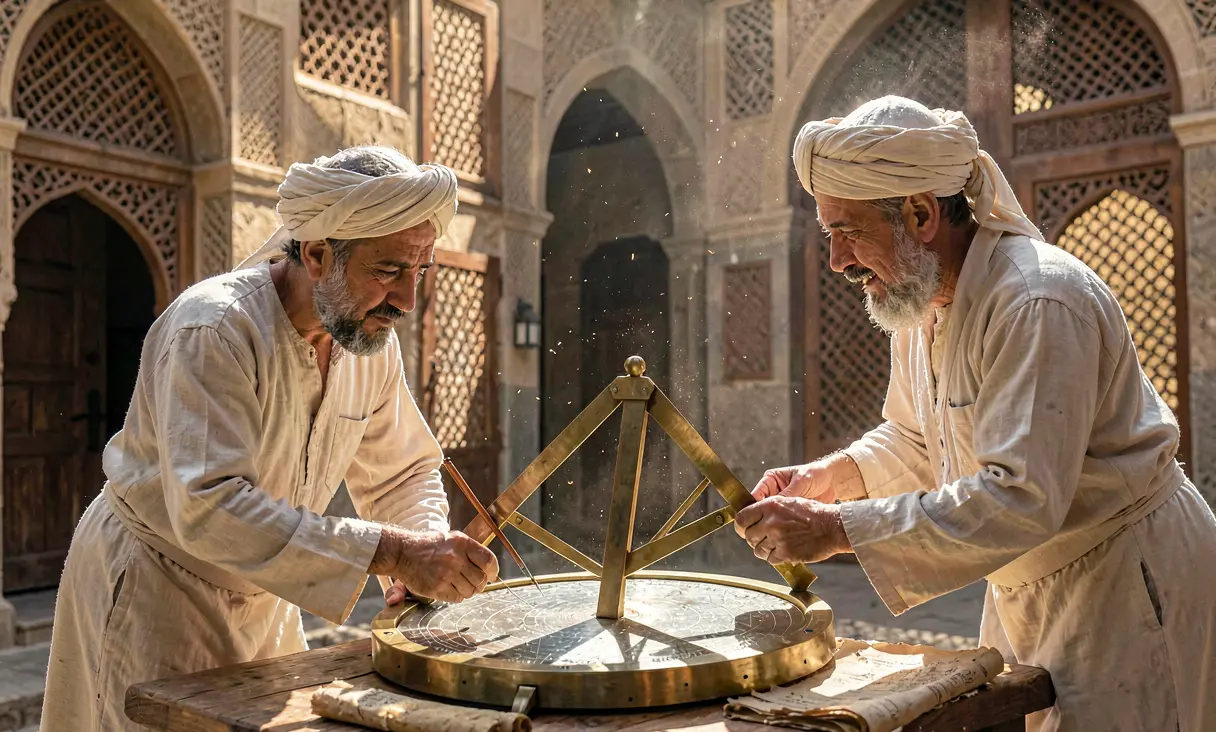 ScienceRefinement of the Astrolabe by Islamic Astronomersc. 900 CE · Baghdad, IraqPersian and Arab scholars perfect the astrolabe for navigation and timekeeping.
Discussion
Loading…