End of Byzantine Iconoclasm
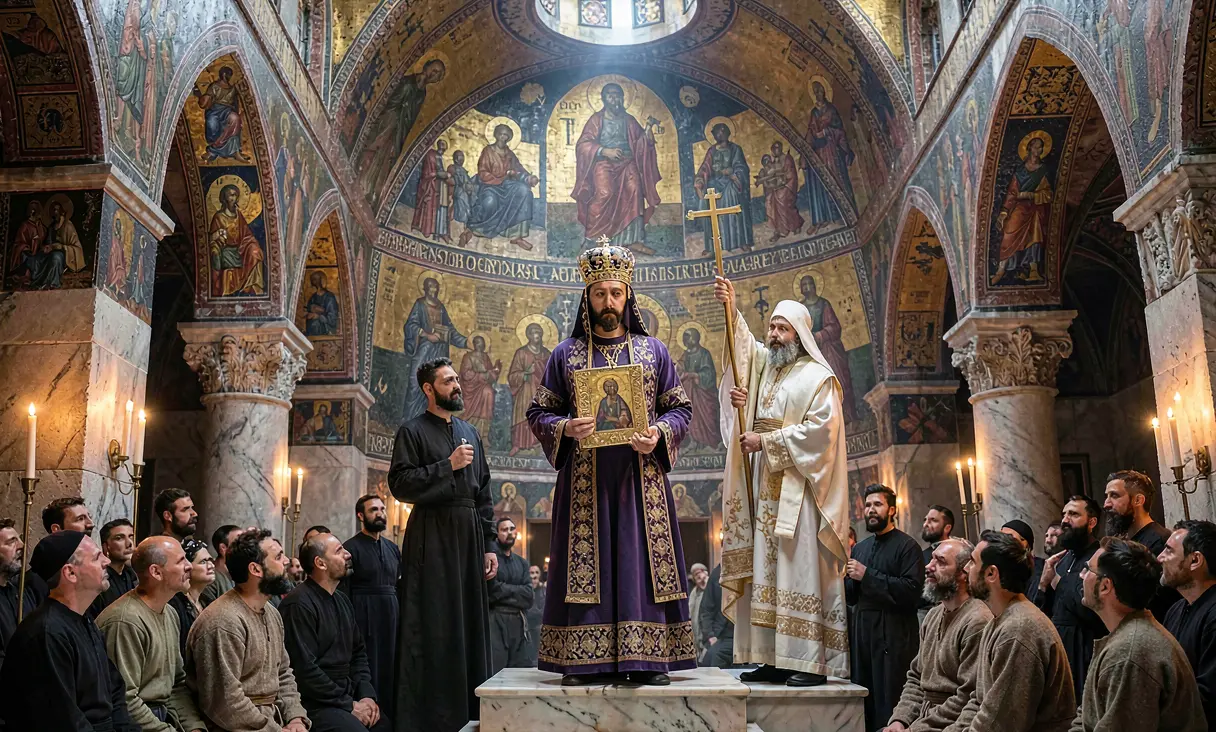
In 843 CE, Empress Theodora restored religious icons in Constantinople, ending a century of destruction and defining Eastern Orthodox identity through the theological affirmation that God became visib
The Shadow of Iconoclasm
For nearly a century, the Byzantine Empire was torn apart by a theological and political schism known as Iconoclasm. Beginning under Emperor Leo III in 726 CE, this movement sought to purge Christian worship of religious images, or icons, which proponents argued violated the Second Commandment's prohibition against graven idols. The controversy was not merely aesthetic but deeply existential; it questioned how the divine could be represented in material form without compromising God's transcendence. Under emperors like Constantine V, known as 'the Iconoclast,' this ideology was enforced with brutal rigor. Monasteries were dissolved, monks were persecuted, and countless mosaics and paintings were chiseled away from church walls, replaced by simple crosses or geometric patterns. The empire fractured along ideological lines, with the iconoclasts often supported by military elites who feared the growing political power of monastic communities.
The Restoration of 843
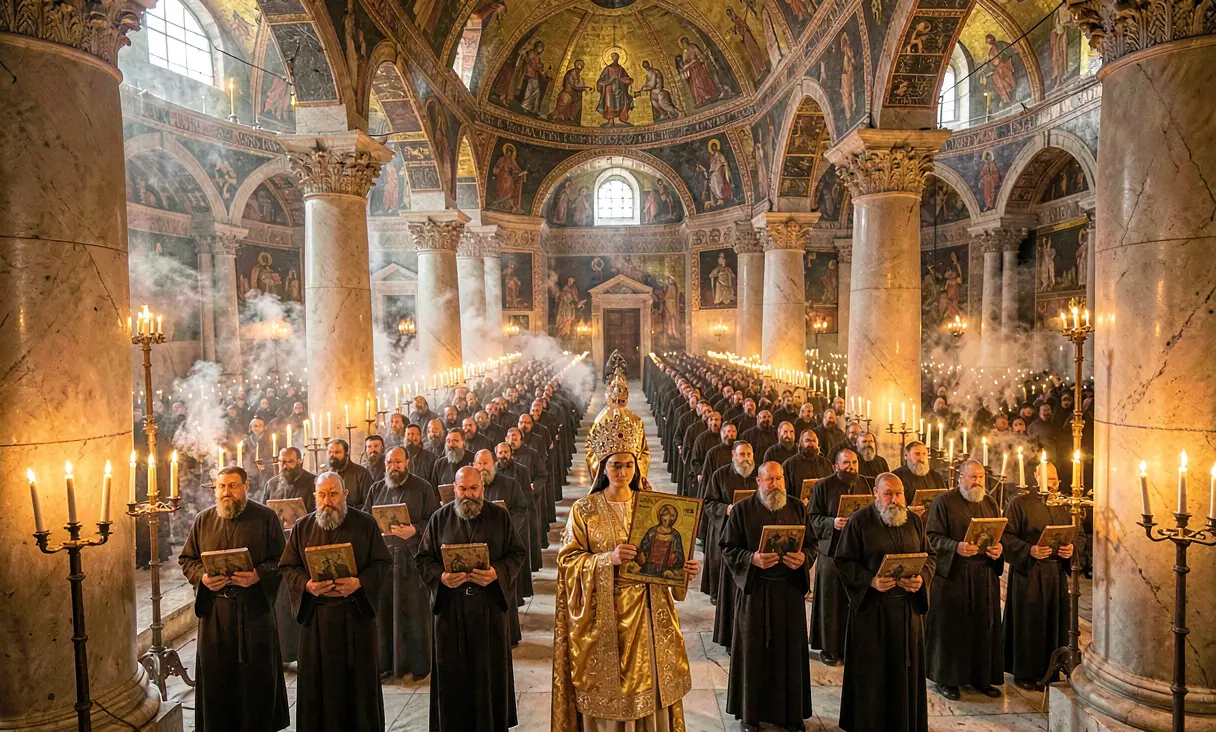
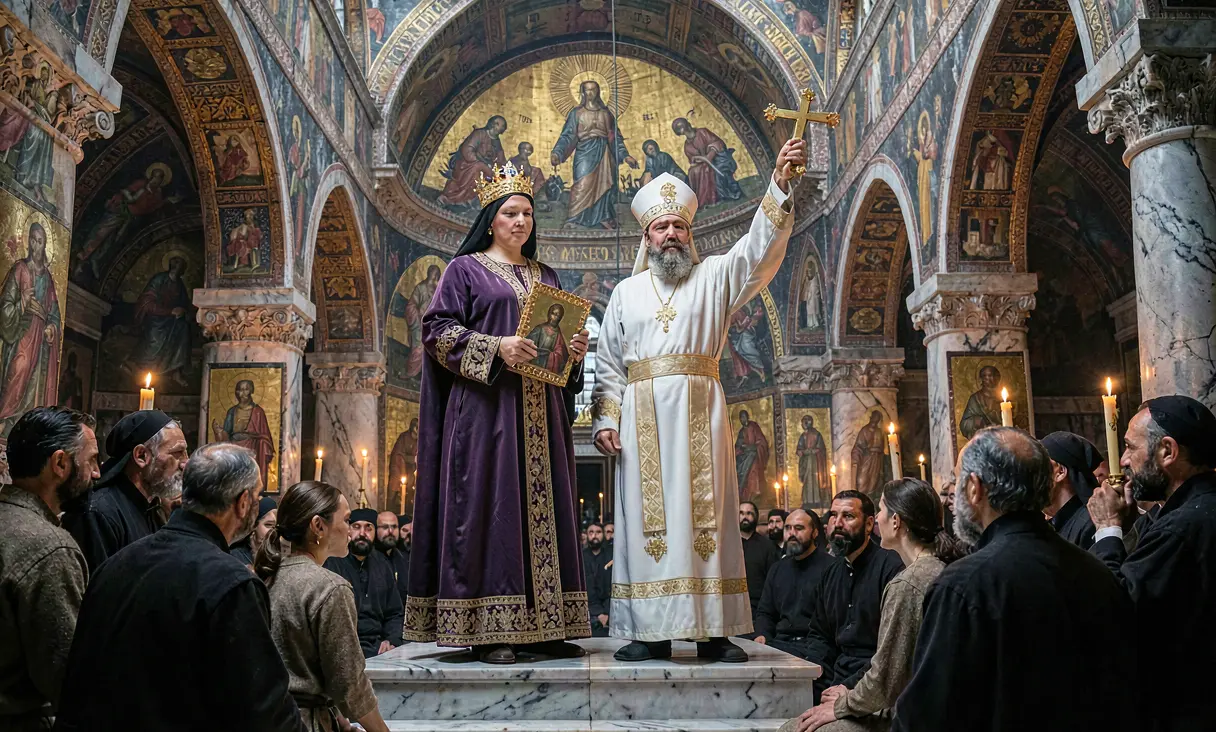
The resolution to this century-long conflict arrived in March 843 CE, an event now commemorated as the 'Triumph of Orthodoxy.' Following the death of the last iconoclast emperor, Theophilos, his widow, Empress Theodora, assumed the regency for their young son, Michael III. Despite her previous adherence to Iconoclasm, Theodora reversed course, likely influenced by the growing unpopularity of the policy and the counsel of moderate bishops who argued that icons were not idols but windows to the divine. On the first Sunday of Lent in 843, a grand procession marched through Constantinople from the Blachernae Palace to the Hagia Sophia. There, Patriarch Methodios I presided over a solemn liturgy that officially restored the veneration of icons, ending the second and final period of Iconoclasm which had lasted from 787 to 843.
Key Architects of Victory
The restoration was orchestrated by a coalition of determined figures who navigated the treacherous political waters of the capital. Empress Theodora provided the necessary imperial authority, shielding the church from military backlash while Michael III remained a figurehead. Central to the theological defense was Patriarch Methodios I, who had previously suffered imprisonment and torture for his iconophile stance; his elevation signaled a decisive break with the past. The intellectual backbone of the movement included St. Theodore the Studite, whose writings on the nature of icons laid the groundwork for the eventual victory, though he died in 826 before seeing the restoration. Additionally, Bishop Gregory Asbestas and other clergy worked tirelessly to reconcile the church hierarchy, ensuring that the return of images was accompanied by a robust theological justification that would prevent future schisms.
The Liturgy of Restoration
The proceedings of 843 were meticulously planned to ensure both spiritual and political legitimacy. The service included the reading of the Acts of the Seventh Ecumenical Council (Nicaea II, 787), which had originally condemned Iconoclasm but was later repudiated by iconoclast emperors. A synod was convened to anathematize the iconoclasts and reaffirm the doctrine that the veneration offered to icons passed directly to the prototype they represented. The liturgy featured the chanting of specific hymns, such as the 'Akathist,' which celebrated the victory over heresy. Crucially, the event established a new annual feast day: the Sunday of Orthodoxy. This ritualized the memory of the conflict, ensuring that every year on the first Sunday of Lent, the faithful would reenact their triumph over idolatry and reaffirm their commitment to the visual theology of the Incarnation.
Cultural Renaissance and Artistic Revival
The immediate aftermath of 843 sparked a cultural renaissance that reshaped Byzantine art for centuries. With the ban on religious imagery lifted, artists returned to the churches with renewed vigor, covering the blank walls left by iconoclasts in shimmering gold mosaics and vibrant frescoes. The style evolved from the abstract, symbolic forms of the early period to a more naturalistic yet hieratic representation that emphasized the humanity and divinity of Christ and the saints. This era saw the production of some of the most enduring masterpieces of Orthodox art, including the mosaics of the Chora Church and later works in Hagia Sophia. The restoration did not merely return old images; it catalyzed a sophisticated theological aesthetic where every brushstroke served as a narrative tool for an often illiterate populace, embedding biblical history into the very fabric of daily worship.
Defining Eastern Orthodoxy
The Triumph of Orthodoxy solidified a distinct identity for the Eastern Church that persists to this day. By rejecting Iconoclasm, Byzantium drew an irreversible line between itself and certain strands of Western Christianity and Islam, both of which shared varying degrees of suspicion toward religious imagery. The event reinforced the authority of the Patriarch of Constantinople and the monastic orders, shifting the balance of power within the empire away from the military aristocracy that had championed Iconoclasm. Furthermore, it cemented the theological principle of the Incarnation as the justification for art: because God became flesh in Jesus Christ, He could be depicted. This doctrine became a cornerstone of Orthodox spirituality, influencing the development of Russian and Slavic Christianity as Byzantine missionaries carried these icons and their accompanying theology northward.
Enduring Legacy
The legacy of 843 extends far beyond the borders of the Byzantine Empire. The Sunday of Orthodoxy remains a major feast in the Eastern Orthodox calendar, celebrated with processions and the reading of anathemas against heresy, serving as a living reminder of the church's resilience. The theological arguments refined during this period continue to inform Christian art history and theology globally. Moreover, the preservation of icons allowed for the survival of a unique visual language that bridged the ancient and medieval worlds. Without this decisive moment, the rich tapestry of Byzantine culture, which would eventually influence the Renaissance in Italy through cultural exchanges and the migration of scholars after 1453, might have been irrevocably altered or lost to the iconoclasts' chisels.
It preserved the tradition of religious imagery that defines Eastern Christian aesthetics today.
Where it happened
Constantinople, Turkey — see it on the interactive map →
Explore related history
 ReligionHijra of Prophet MuhammadSeptember 24, 622 CE · Medina, Saudi ArabiaMuhammad migrates to Medina establishing the first Muslim community and calendar.
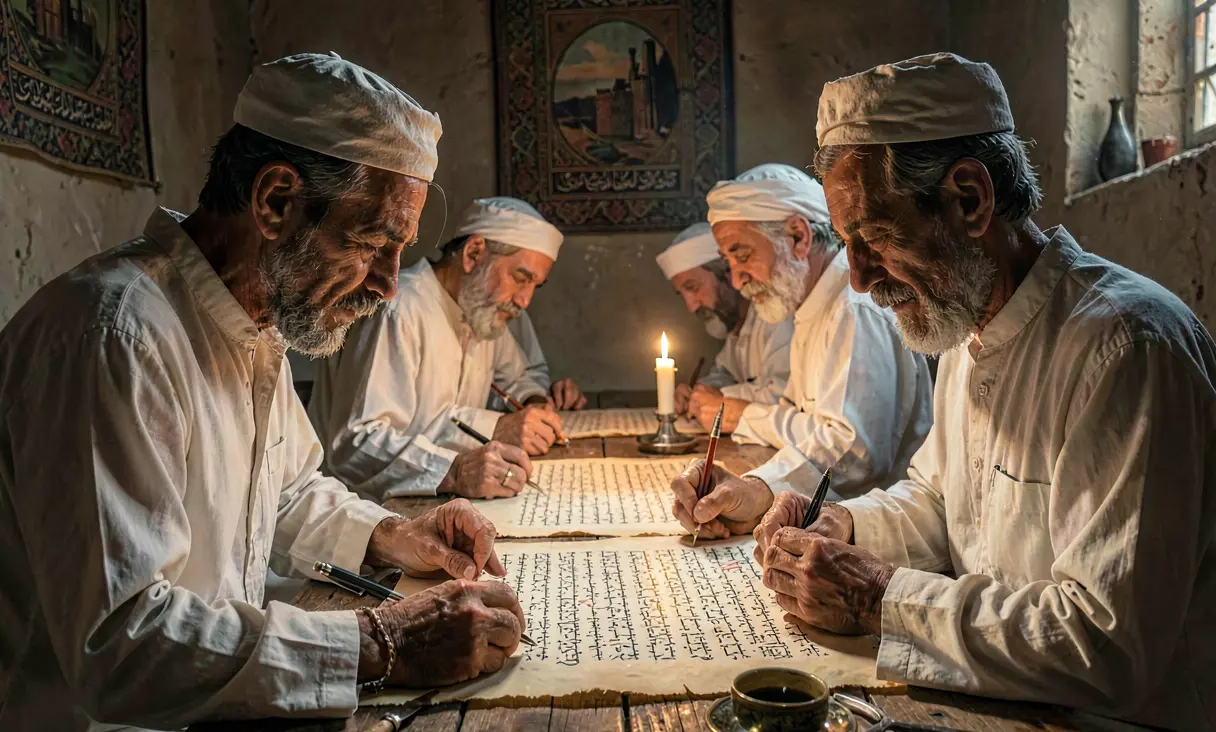 ReligionStandardization of the Quranic Textc. 650 CE · Medina (and Damascus), Arabia/SyriaCaliph Uthman commissions the definitive written codex of the Quran.
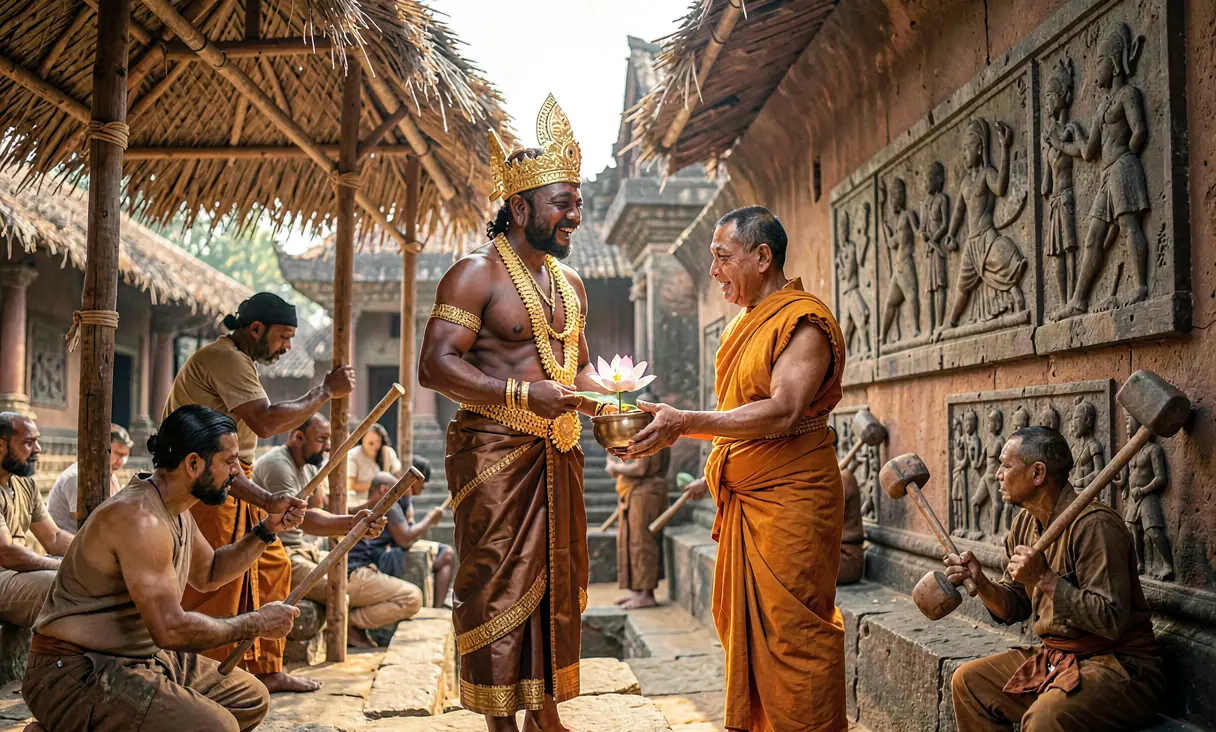 ReligionJayavarman VII Converts to Mahayana Buddhism1181 CE · Angkor Thom, CambodiaJayavarman VII adopts Mahayana Buddhism and builds Bayon.
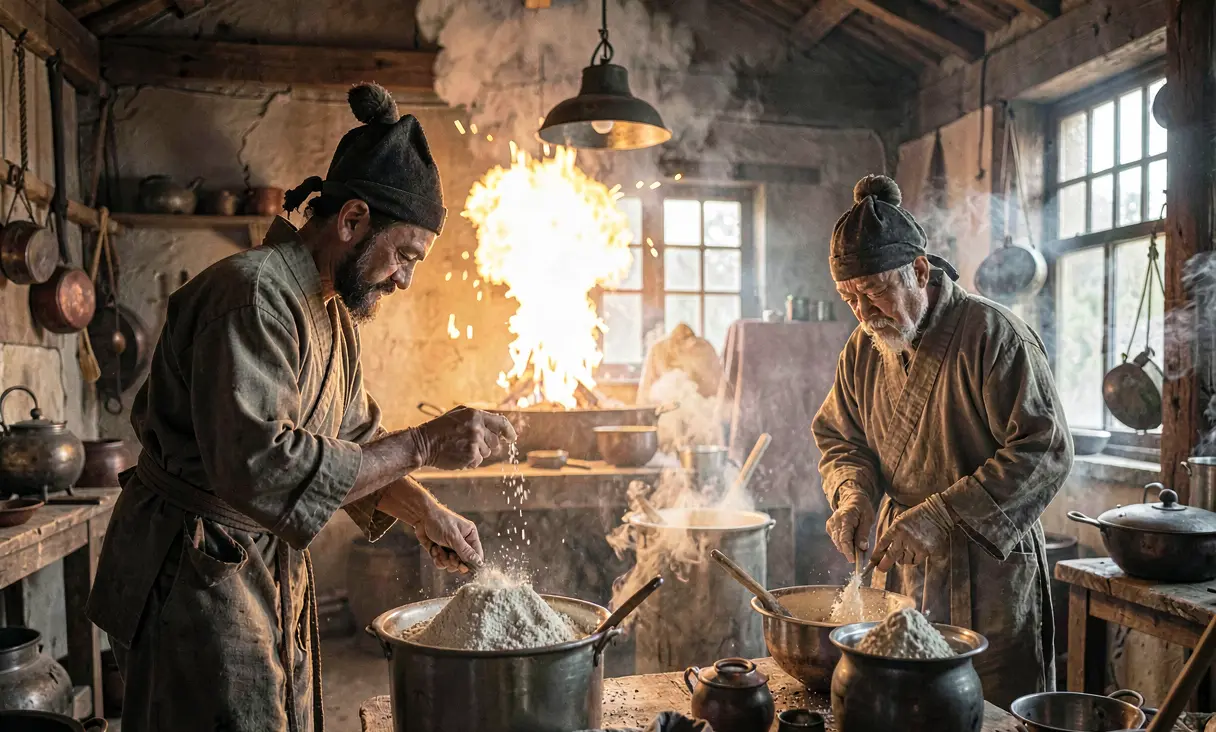 TechnologyDiscovery of Gunpowder by Tang Dynasty Alchemistsc. 850 CE · Chang'an, ChinaTang alchemists accidentally discover gunpowder while seeking an elixir of immortality.
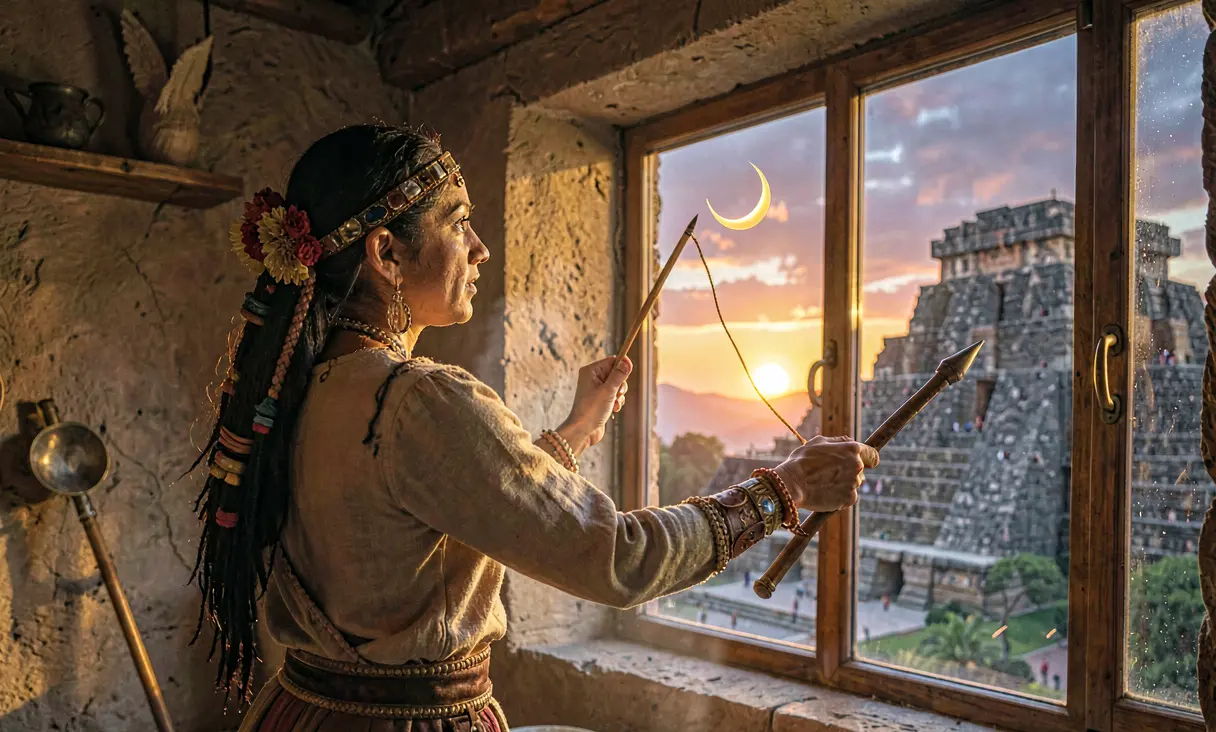 ScienceConstruction of El Caracol Observatory at Chichen Itzac. 850 CE · Chichen Itza, MexicoMaya astronomers build a circular observatory aligned with Venus cycles.
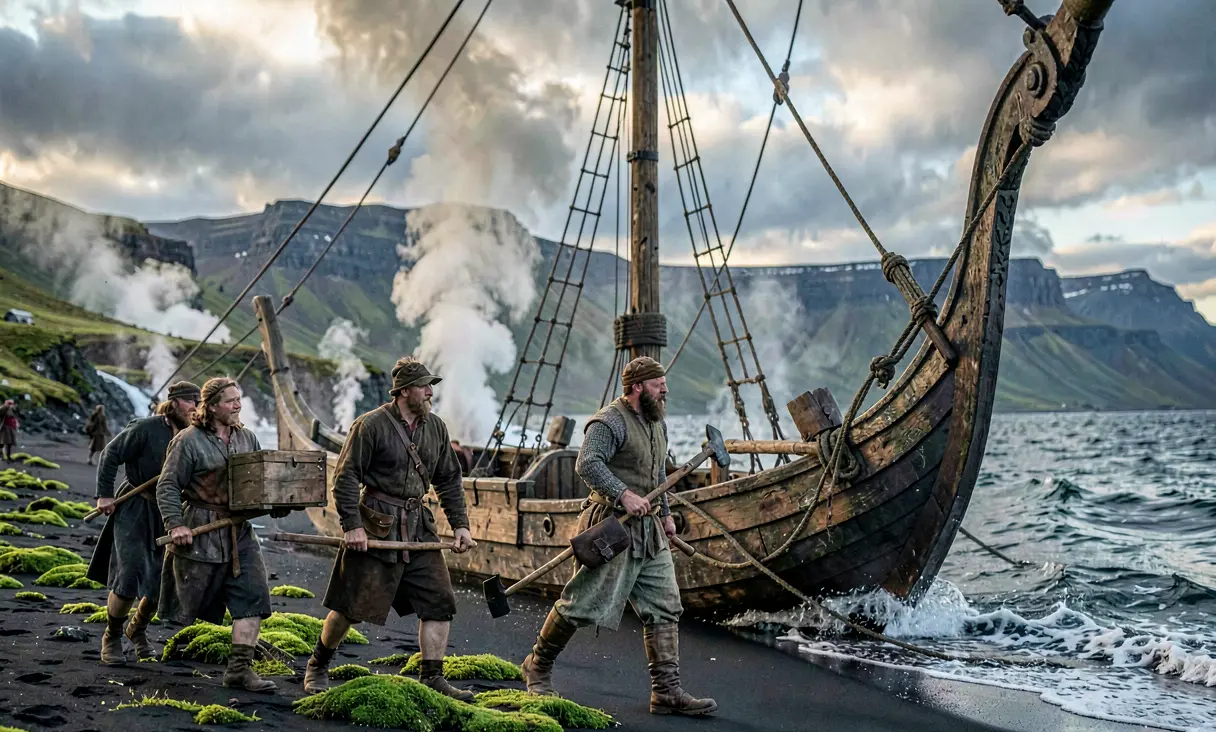 ExplorationViking Settlement of Iceland874 CE · Reykjavik, IcelandNorse explorers led by Ingólfr Arnarson settle Iceland, establishing the first permanent European community in the North Atlantic.
Discussion
Loading…