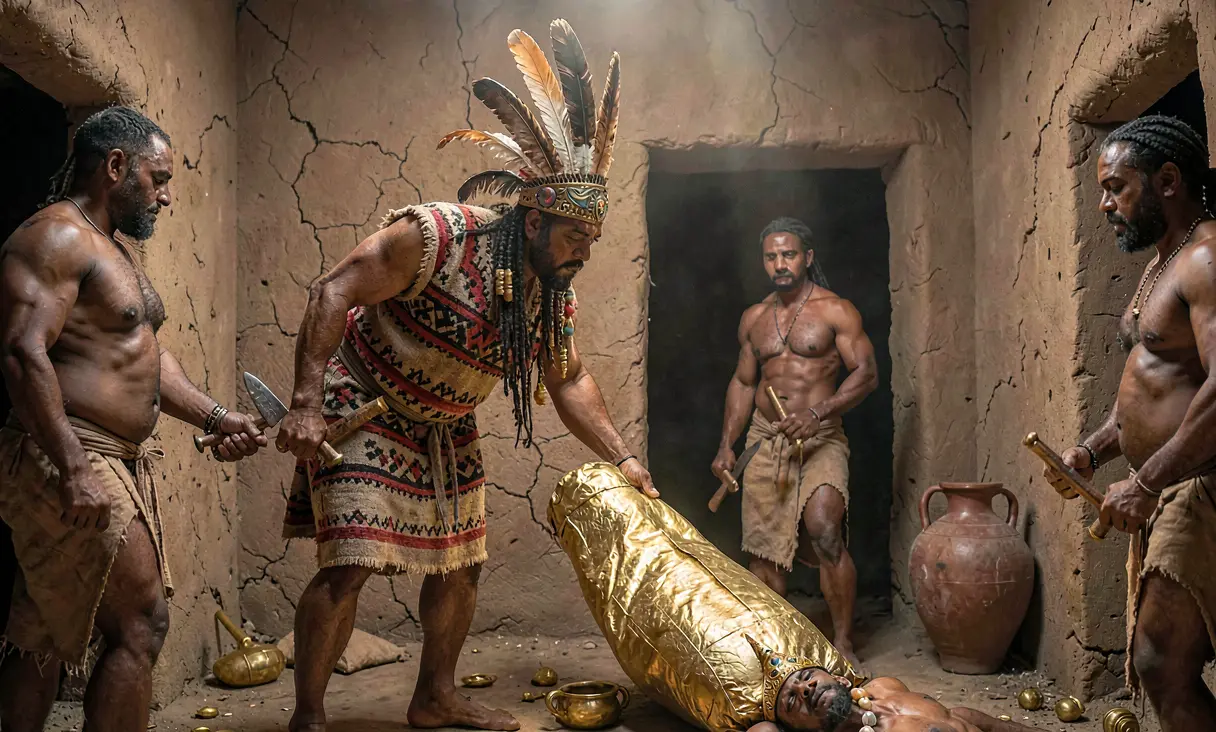
Burial of the Royal Tombs at Sipán (Later Phase)
The later phase burials at Sipán reveal the Moche elite's enduring belief in a status-bound afterlife, marked by lavish gold regalia and the ritual sacrifice of retainers to serve their rulers eternal
The Moche Context and the Sipán Tradition
By the late Early Intermediate Period, roughly 300 CE, the Moche civilization had established a sophisticated theocratic state along the northern coast of modern-day Peru. Centered in the Lambayeque Valley, this culture was defined by its monumental adobe pyramids, intricate irrigation systems, and a complex religious hierarchy that fused political power with divine authority. While earlier excavations at sites like Huaca de la Luna revealed ritual sacrifice, it was not until the discovery of the Royal Tombs of Sipán in 1987 that the full extent of Moche funerary practices for their elite became clear. The later phase of these burials, occurring shortly after the interment of the original 'Lord of Sipán,' represents a continuation and perhaps an intensification of the tradition where rulers were entombed with the material wealth necessary to maintain their status in the afterlife.
The Later Phase Interments
Following the primary burial, archaeologists identified subsequent tombs within the same complex at Huaca Rajada that date to approximately 300 CE. These later interments, though slightly less massive than the initial Lord's tomb, adhered strictly to the established ritual formula of divine kingship. The deceased, likely high-ranking nobles or secondary rulers, were laid to rest in a crouched position within wooden coffins lined with reeds and textiles. What distinguished these burials was the deliberate inclusion of human retainers: warriors, musicians, and servants who had been ritually sacrificed at the time of the ruler's death. These individuals were positioned around the central chamber, their bodies arranged to form a protective and functional retinue for the journey into the next world.
The Retinue of Sacrifice
The human cost of these later burials was staggering and reveals the depth of Moche cosmological beliefs. Excavations revealed the remains of at least several dozen individuals buried alongside the central figure, many showing signs of violent death consistent with ritual sacrifice rather than execution for crime. Among them were young women, likely concubines or priestesses, and adult male warriors whose weapons remained in their hands. The presence of musicians, identified by the ceramic flutes and drums found near their bodies, suggests a belief that the afterlife required constant entertainment and ceremonial order. This practice underscores the Moche conviction that social hierarchy was immutable; even in death, the ruler commanded an army and a court to ensure his continued dominance over the cosmic forces.
Grave Goods and Mythological Iconography
The material culture recovered from these later tombs is as extraordinary as the human sacrifices. The deceased were adorned in gold masks that covered their faces, symbolizing a transformation into a deity or ancestor spirit. Massive ear spools of gold and turquoise, along with necklaces of shell and semi-precious stones, encrusted their bodies. Ceremonial vessels, known as *huacos*, depicted intricate mythological scenes, including the 'Decapitator God' (Ai Apaec) and ritual combat, reinforcing the ruler's role as a mediator between the human and divine realms. These artifacts were not merely decorative; they were functional tools for the afterlife, intended to facilitate communication with gods and maintain the cosmic balance that the Moche believed depended on their rituals.
Archaeological Recovery and Historical Insight
The significance of these later phase burials was only realized in the late 20th century, largely due to the efforts of Peruvian archaeologist Walter Alva. Prior to his work in 1987, the site had been ravaged by *huaqueros* (tomb robbers) for centuries, who often destroyed context while seeking gold. Alva's meticulous excavation of the undisturbed chambers allowed historians to reconstruct the precise arrangement of the sacrifices and goods, providing a rare, unambiguous window into Moche society. The discovery confirmed that the 'Lord of Sipán' was not an anomaly but part of a dynastic tradition where power was validated through elaborate funerary rites. This later phase specifically highlights the persistence of these traditions even as the civilization faced environmental stresses like El Niño events.
Legacy and Cultural Significance
The burial practices at Sipán fundamentally altered the understanding of pre-Columbian South America, proving that complex state-level societies with divine kingship existed in the region long before the Inca Empire. The later phase tombs serve as a testament to the Moche's sophisticated social stratification and their profound belief in an afterlife that mirrored earthly hierarchy. Today, these artifacts are housed primarily at the Museo Tumbas Reales de Sipán in Lambayeque, where they stand as some of the most important cultural treasures of the Americas. They remind us that for the Moche, death was not an end but a transition requiring the same resources and human devotion as life itself.
Reveals the continuity of Moche funerary practices and the deep integration of religion and state power.
Where it happened
Sipán, Peru — see it on the interactive map →
Explore related history
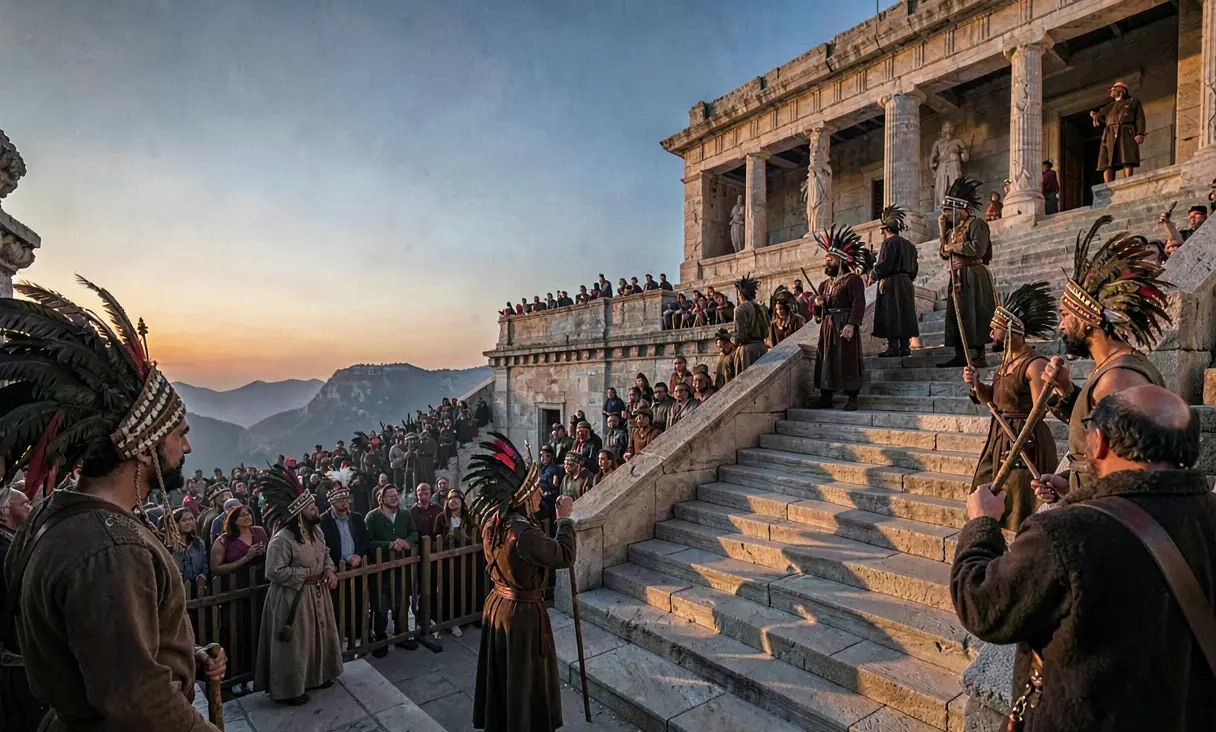 ReligionConstruction of the Temple of Kukulcán at Chichén Itzác. 800 CE · Chichén Itzá, MexicoThe iconic pyramid dedicated to the feathered serpent god is built during the Puuc-Toltec fusion period.
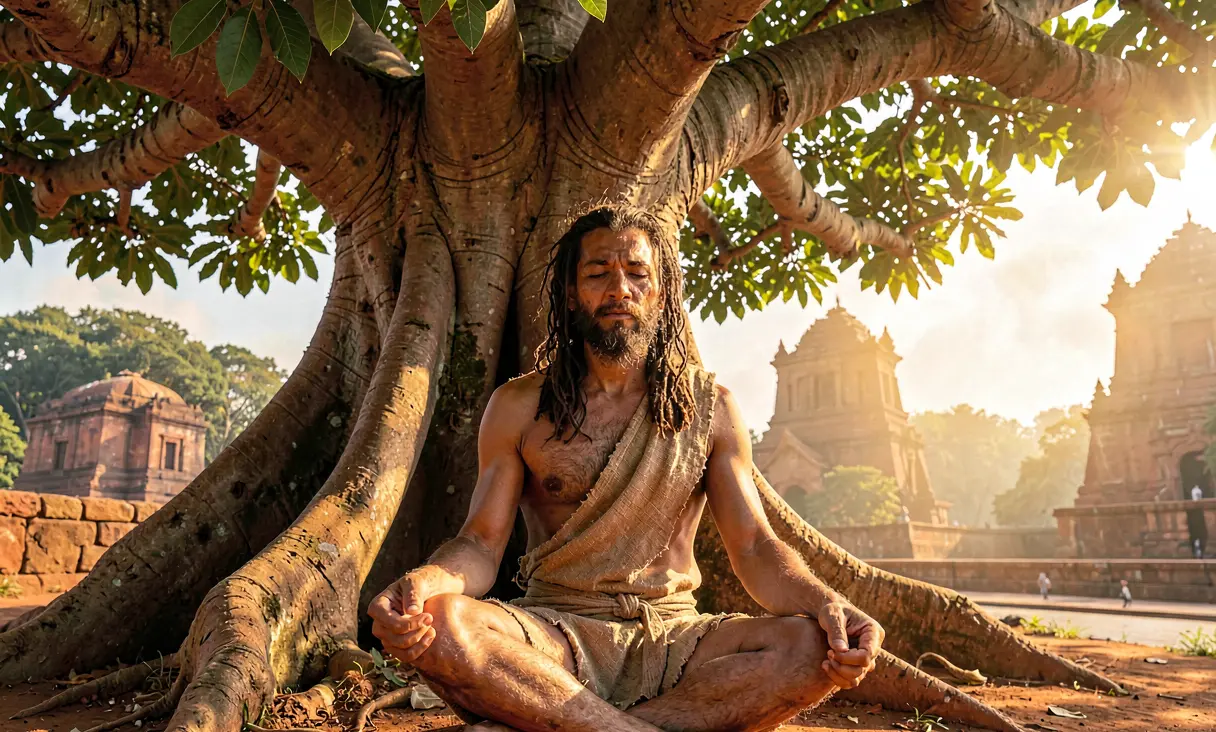 ReligionBuddha Attains Enlightenmentc. 528 BCE · Bodh Gaya, IndiaSiddhartha Gautama achieves nirvana under the Bodhi tree founding Buddhism.
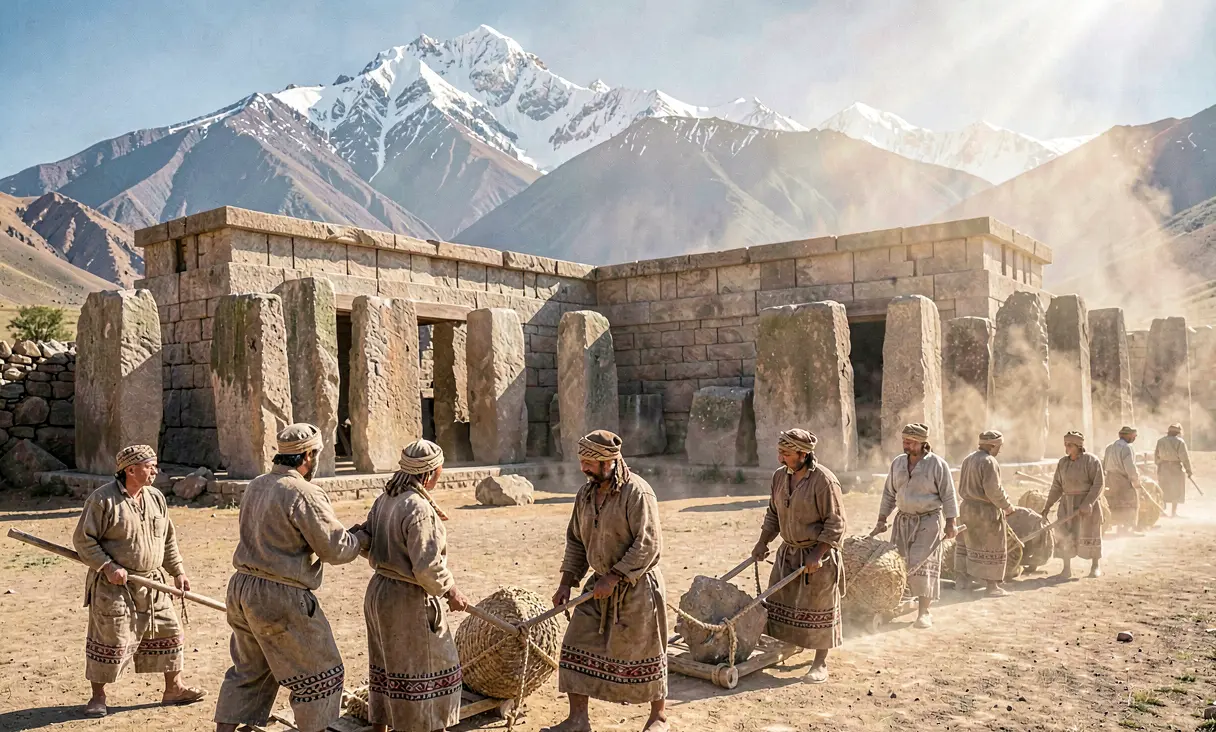 ReligionConstruction of Kalasasaya Temple at Tiwanakuc. 500 CE · Tiwanaku, BoliviaThe Kalasasaya temple is built with monolithic stones for solar observance.
 ExplorationPolynesian Expansion into the Society Islandsc. 300 BCE · Society Islands, French PolynesiaPolynesian voyagers colonize the Society Islands, establishing a central hub for further eastward expansion.
 WarMauryan Conquest of Gandharac. 305 BCE · Peshawar Valley, Gandhara, PakistanChandragupta Maurya defeats Seleucus Nicator, securing the vital Gandhara region and expanding the Mauryan Empire westward to the Hindu Kush.
 TechnologyConstruction of the Aqua Appia: Rome's First Aqueduct312 BCE · Rome, ItalyAppius Claudius Caecus builds the first aqueduct to supply fresh water to Rome.
Discussion
Loading…