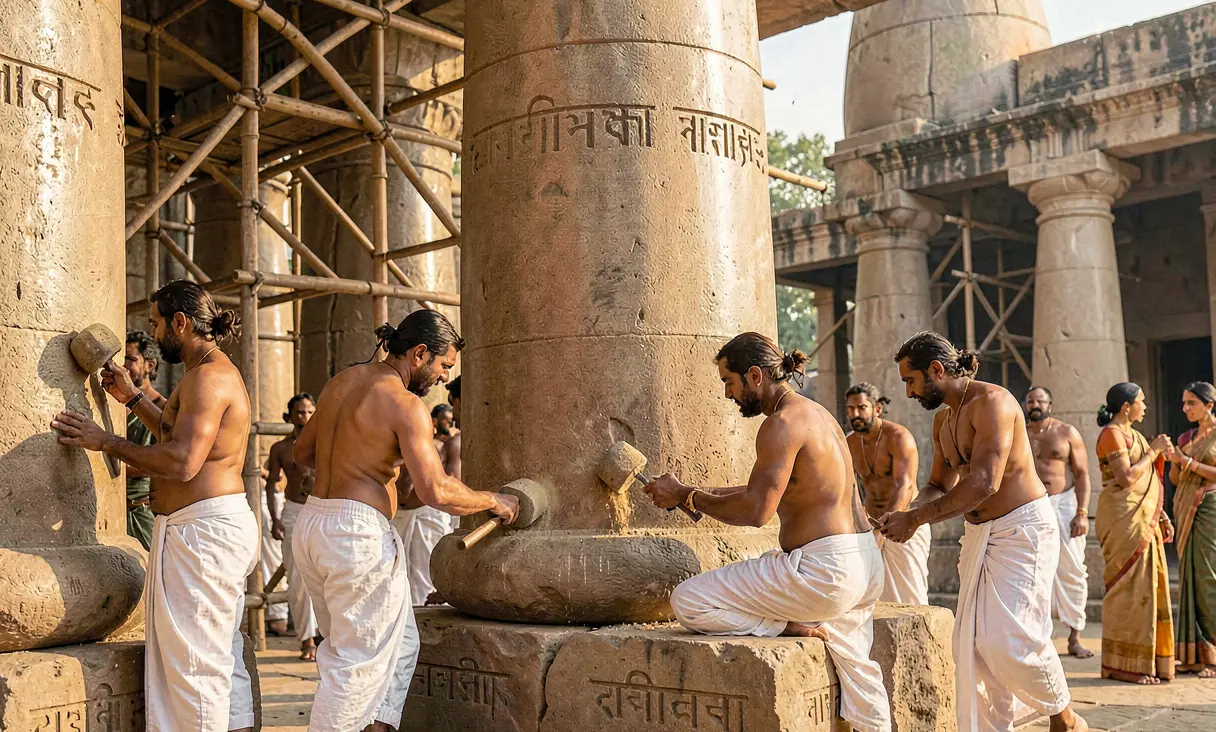
Erection of Ashoka's Polished Sandstone Pillars with Edicts
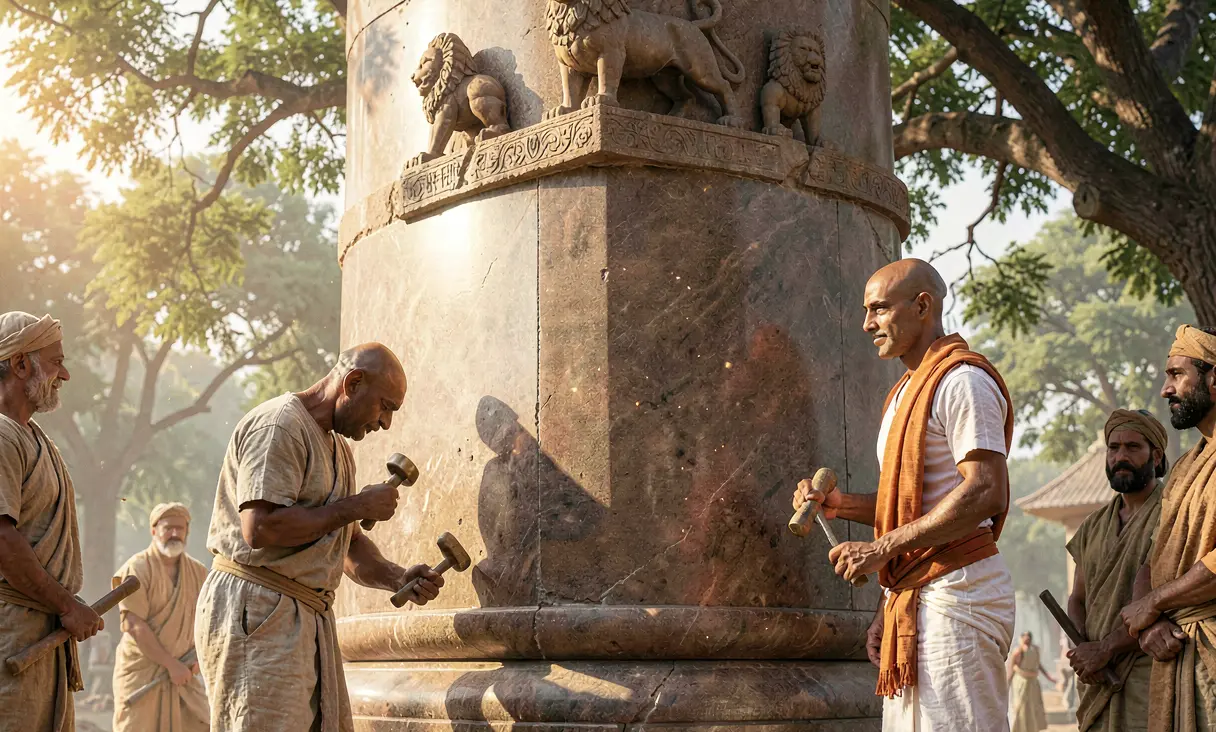
Emperor Ashoka's erection of polished sandstone pillars around 250 BCE revolutionized public communication through advanced engineering, establishing the first enduring written record of Indian histor
The Mauryan Imperative
By the mid-3rd century BCE, the Mauryan Empire under Emperor Ashoka ruled over a vast subcontinent stretching from Afghanistan to Bengal. Following the brutal Kalinga War around 260 BCE, which resulted in massive casualties and profound personal remorse for the emperor, Ashoka underwent a radical spiritual transformation toward Buddhism and the concept of Dharma (righteousness). Unlike previous rulers who relied solely on military might or secret decrees, Ashoka sought to communicate his moral vision directly to the populace. He required a medium that was permanent, visible, and capable of traversing the empire's diverse linguistic landscape. The solution lay in the adoption of monumental stone architecture, specifically the erection of polished sandstone pillars inscribed with edicts, marking a decisive shift from oral tradition and perishable materials like wood or palm leaves to enduring lithic propaganda.
Engineering Marvels of Chunar
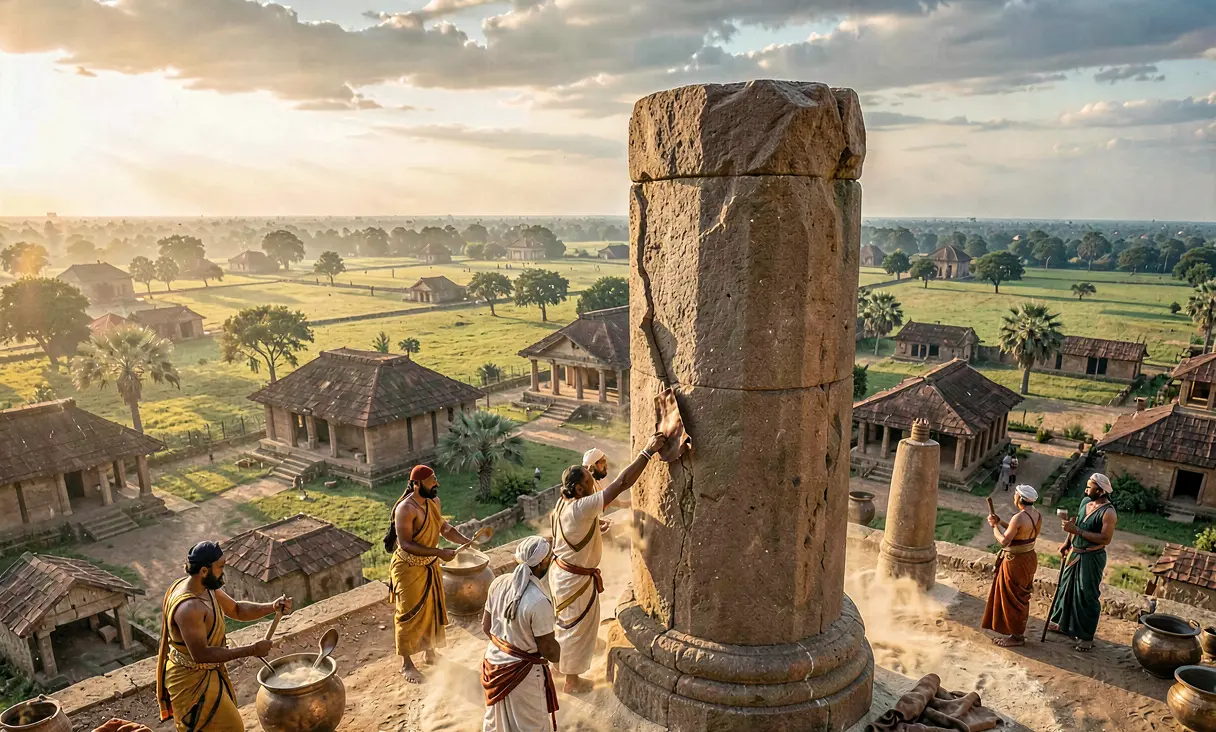
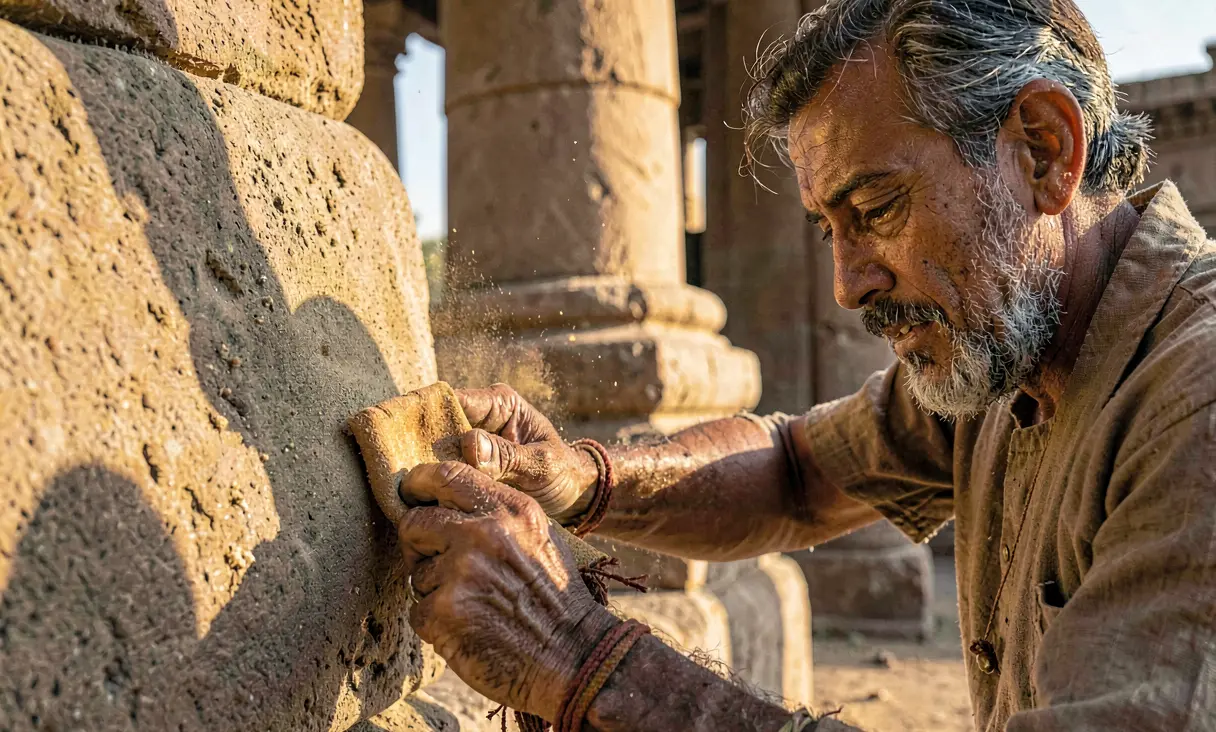
The technological achievement of these pillars cannot be overstated. Sourced primarily from the quarries at Chunar, near Varanasi, massive single blocks of fine-grained sandstone were extracted, transported over hundreds of kilometers, and erected without the use of mortar or metal clamps in many instances. The stones, often exceeding 12 to 15 meters in height and weighing up to 50 tons, were polished to a remarkable 'Mauryan polish'—a lustrous, mirror-like finish that resists weathering even after two millennia. This level of surface refinement required advanced knowledge of abrasives, likely involving sand, water, and leather or cloth buffers, applied with immense labor and precision. The transportation logistics involved complex systems of rollers, ramps, and river barges, demonstrating an administrative capacity and engineering sophistication previously unseen in the Indian subcontinent.
The Sarnath Pillar and Its Iconography
Among the most significant of these monuments is the pillar erected at Sarnath, the site where the Buddha first taught the Dharma. Standing approximately 12 meters tall today (originally taller), this specific pillar was crowned by a capital featuring four back-to-back lions seated on an abacus decorated with alternating wheels and animals (bull, horse, elephant, lion). Although the original lions have been removed to the Sarnath Archaeological Museum, their sculptural quality remains a pinnacle of Indian art. The shaft itself bears inscriptions in Brahmi script detailing the 'Schism Edict,' which warned Buddhist monastic communities against schisms and emphasized adherence to the Buddha's teachings. The combination of sophisticated lithic engineering with high-relief sculpture created a visual language that blended Persian Achaemenid influences with indigenous Indian artistic traditions.
Dissemination of the Dharma
The erection of these pillars was not merely an act of construction but a calculated campaign of public communication. Ashoka strategically placed them at major trade routes, pilgrimage centers, and administrative hubs across his empire, including Sarnath, Lauriya Nandangarh, and Allahabad (Prayagraj). The edicts inscribed upon them covered a wide range of topics: animal welfare, religious tolerance, social ethics, and the administration of justice. Written in the vernacular Prakrit rather than Sanskrit or Pali, these messages were accessible to the common people. The polished surface ensured that the Brahmi script remained legible for centuries, serving as a durable voice for the emperor's moral authority. This method of statecraft transformed the physical landscape into a text, forcing travelers and subjects alike to confront the Emperor's vision of Dharma daily.
Legacy of Stone and Script
The impact of Ashoka's pillars extends far beyond their immediate historical context. They provided the first extensive corpus of written records for ancient India, allowing modern historians to reconstruct Mauryan administration and society with unprecedented accuracy. The discovery and decipherment of these edicts by James Prinsep in 1837 unlocked the secrets of the Brahmi script and confirmed the existence of Ashoka as a historical figure rather than a mythological construct. Furthermore, the Sarnath Lion Capital was adopted as the National Emblem of India in 1950, symbolizing the continuity of the nation's democratic and secular values rooted in ancient history. The pillars stand as a testament to a unique moment where technology, art, and governance converged to create a lasting moral legacy.
Ashoka's pillars represent a fusion of monumental architecture, statecraft, and early mass communication through inscribed edicts.
Where it happened
Sarnath, India — see it on the interactive map →
Explore related history
 TechnologyGrand Canal of China Connects North and South610 CE · Luoyang to Hangzhou, ChinaEmperor Yang completes the massive waterway linking the Yellow and Yangtze rivers for transport and grain.
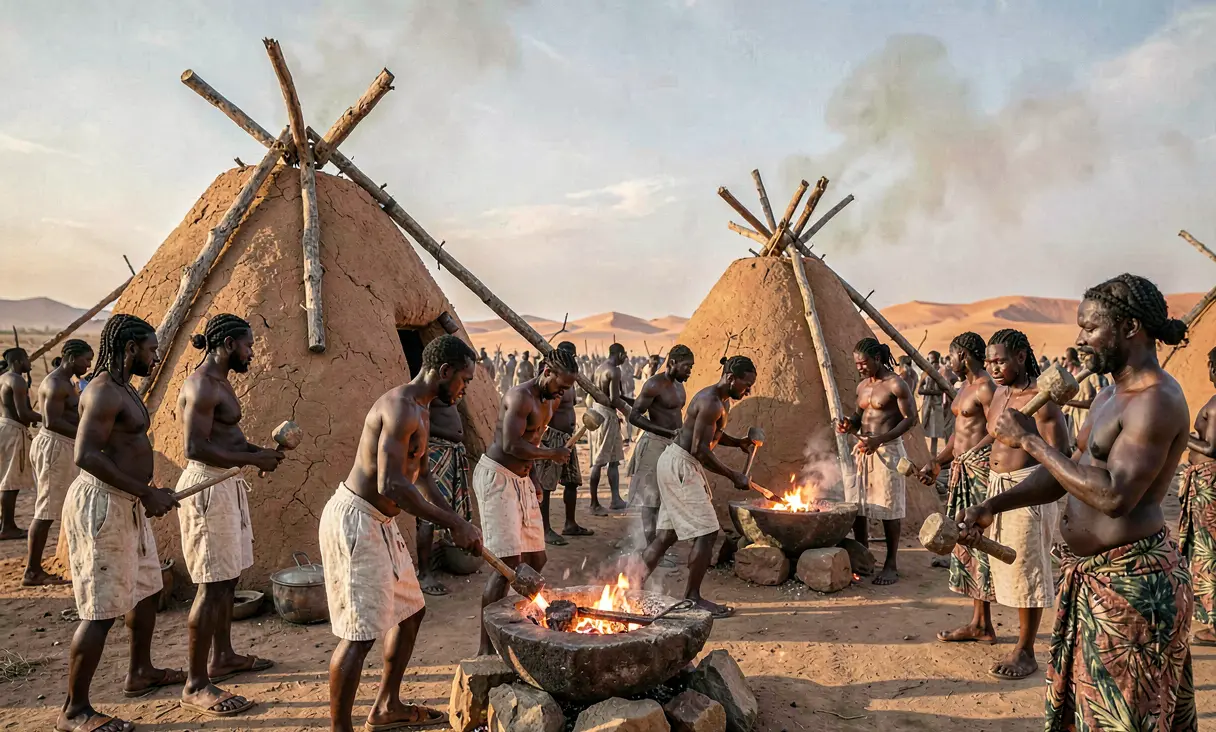 TechnologyMeroitic Iron Smelting Industry Flourishesc. 500 BCE · Meroe, SudanMeroe develops a massive iron smelting industry using abundant fuel and advanced furnace technology.
 TechnologyConstruction of the Great Cloaca Maxima in Romec. 500 BCE · Rome, ItalyEarly Romans build the massive Cloaca Maxima sewer system to drain marshes and manage waste.
 ScienceArchimedes Formulates the Law of the Leverc. 250 BCE · Syracuse, SicilyArchimedes mathematically defines the principle of the lever and buoyancy, founding classical mechanics.
 ReligionAshoka Propagates Dharma via Rock Edictsc. 250 BCE · Sarnath, IndiaEmperor Ashoka spreads Buddhist ethics and non-violence across the Mauryan Empire through inscribed stone pillars.
 PoliticsBurial of the Lord of Sipánc. 250 BCE · Huaca Rajada, Lambayeque, PeruThe Moche ruler is buried with immense wealth and sacrificial victims.
Discussion
Loading…