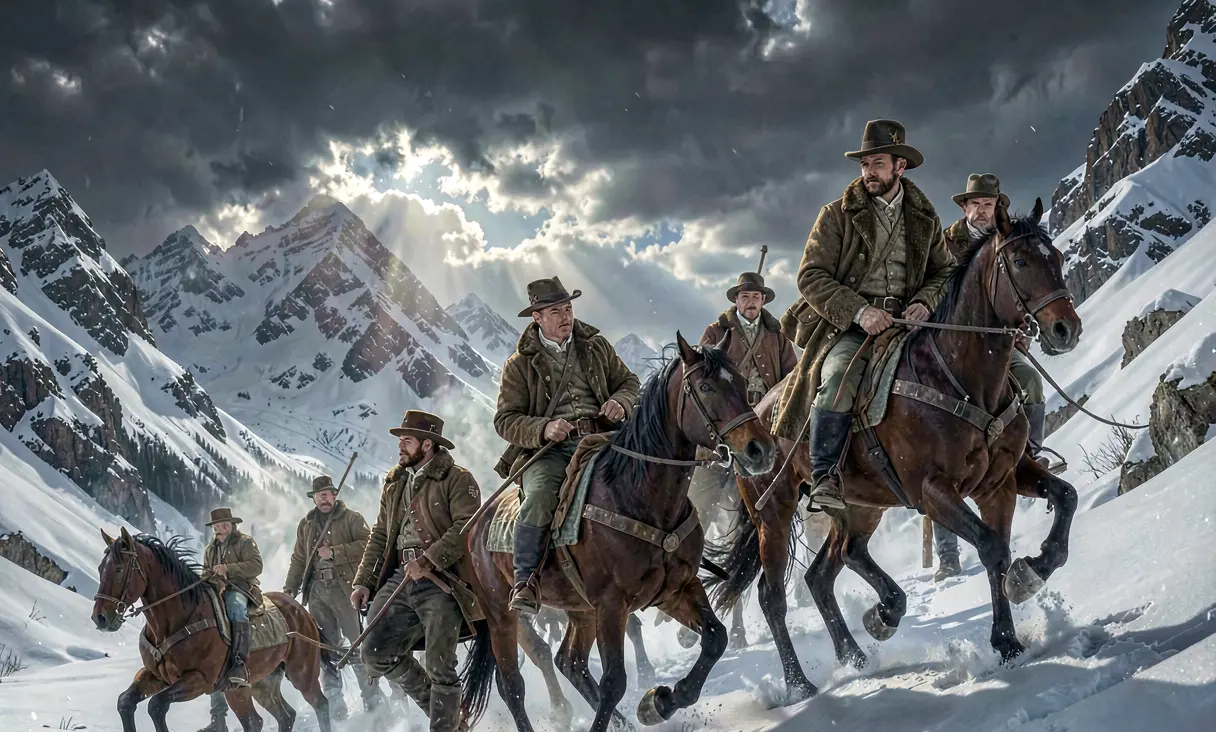
Simón Bolívar's Crossing of the Andes
In June 1819, Simón Bolívar led his starving army over the frozen Andes to achieve total strategic surprise, securing New Granada's independence at the Battle of Boyacá.
Strategic Imperative and Context
By early 1819, the independence movement in northern South America faced a precarious stalemate. Simón Bolívar, known as El Libertador, recognized that the royalist forces under General Pablo Morillo had consolidated their power in the Viceroyalty of New Granada (modern-day Colombia), effectively sealing off Venezuela from the patriot stronghold in the Orinoco Llanos. A conventional frontal assault was impossible; the Spanish controlled the primary passes and fortified key cities. Bolívar conceived a radical strategy: to replicate Hannibal's crossing of the Alps, leading his army through the unforgiving Andes during the rainy season when the Spanish believed such a maneuver suicidal. The objective was to strike the royalist heartland in Bogotá from an unexpected direction, thereby liberating New Granada and creating a unified front against Spanish rule.
The Ascent into the Páramo
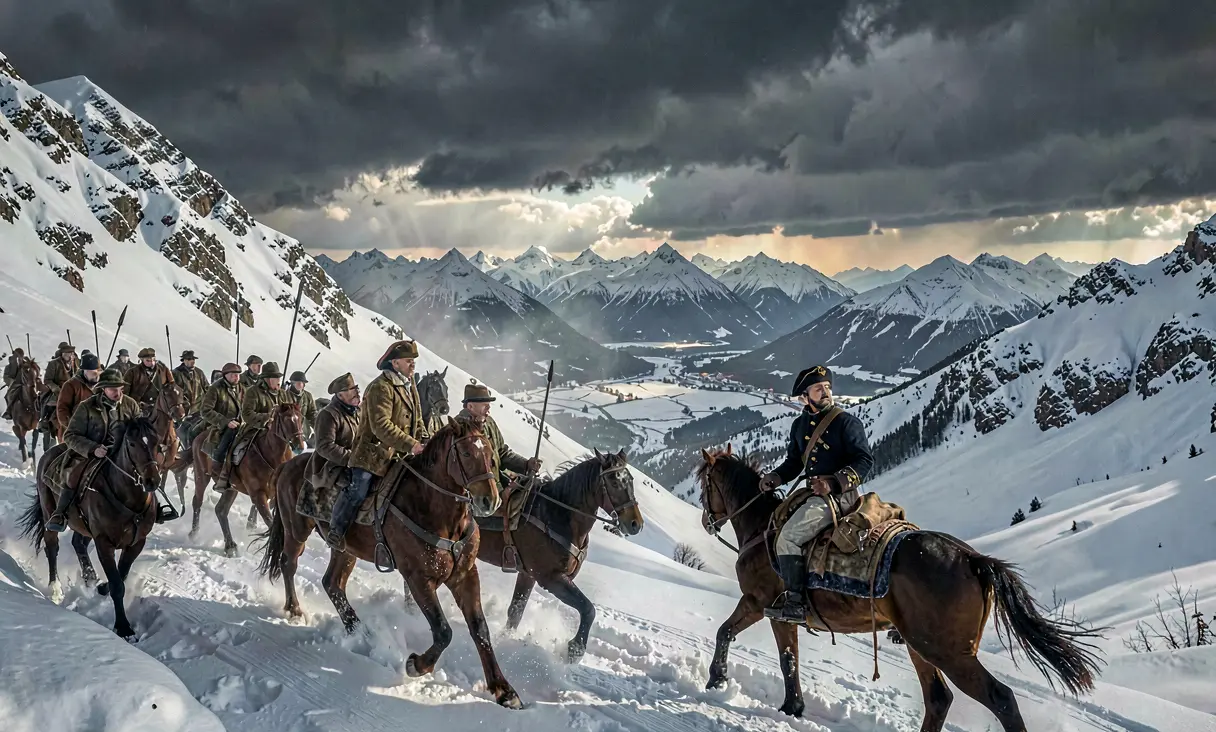
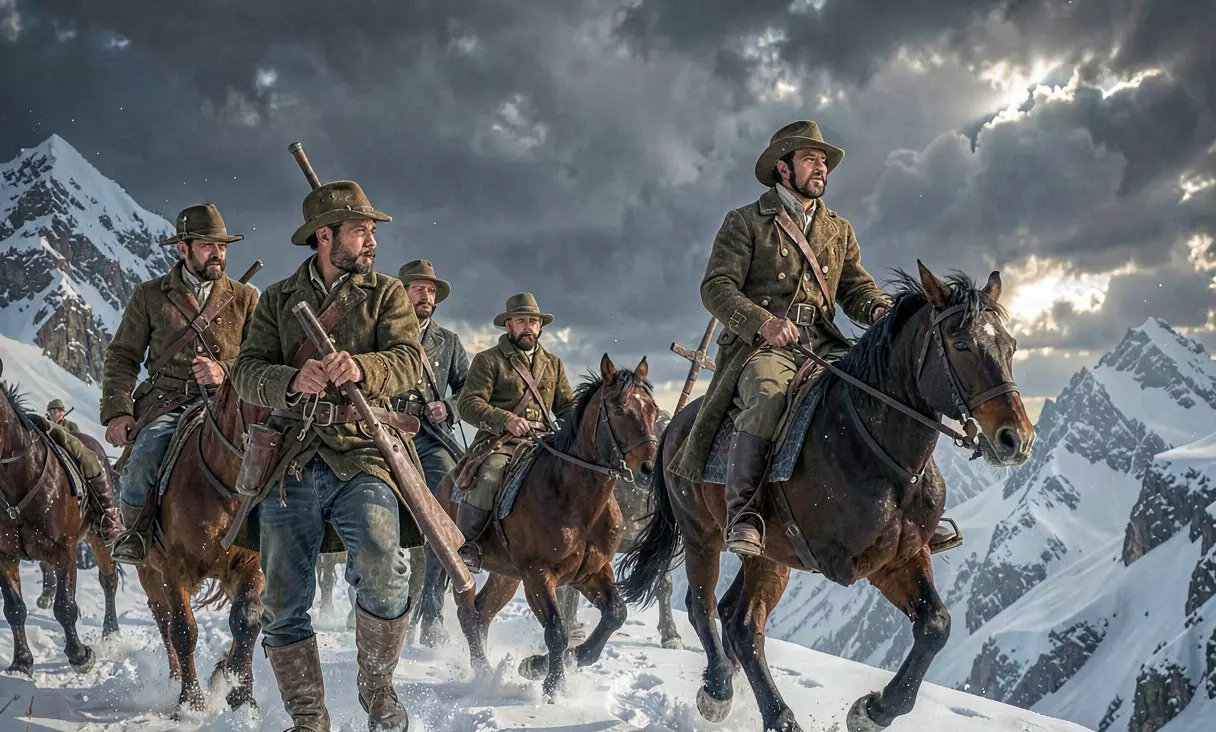
In June 1819, Bolívar departed from the Llanos with approximately 2,500 men, including the British Legion and veteran Venezuelan and Colombian troops. The column entered the high-altitude páramo ecosystem near the village of Pisba, ascending to elevations exceeding 3,500 meters (11,500 feet). The terrain was a nightmare of jagged rocks, dense fog, and freezing mud. Temperatures plummeted well below zero at night, while the thin air induced severe altitude sickness among soldiers unaccustomed to such heights. Supplies were meager; horses died by the hundreds, their meat becoming the only sustenance for both men and beasts. The march was not a tactical movement but an ordeal of survival, where frostbite, exhaustion, and starvation claimed more lives than enemy fire ever could.
Key Figures in the Crucible
While Bolívar provided the visionary command, his success relied heavily on the resilience of his subordinates. General Francisco de Paula Santander played a critical role as the vanguard commander, leading the advance through the most treacherous sections and maintaining discipline amidst chaos. The British Legion, led by Colonel James Rooke (who would die shortly after from exposure), provided the professional military backbone necessary to hold the line against potential ambushes. Bolívar himself was not immune to the suffering; historical accounts describe him sharing the rations of his men, sleeping on frozen ground, and personally encouraging the faltering ranks. His leadership during these weeks transformed a ragged column into a hardened fighting force, bound by shared trauma and a singular purpose.
Descent and the Battle of Boyacá
After nearly two weeks of grueling ascent and descent through the mountains, the patriot army emerged from the Andes into the fertile plains of Tunja in late July 1819. The element of surprise was absolute; the Spanish command in Bogotá had dismissed reports of a crossing as impossible. Bolívar moved swiftly to intercept the royalist forces before they could regroup. On August 7, 1819, at the Bridge of Boyacá, Bolívar's army engaged General José María Barreiro's division. The battle was short but decisive; within hours, the patriots captured Barreiro and nearly his entire force. This victory shattered Spanish control over New Granada, opening the capital to liberation and marking the turning point for independence in northern South America.
Aftermath and Political Consolidation
The immediate consequence of the crossing was the rapid collapse of royalist authority in the interior. By December 1819, the Congress of Angostura established the Republic of Colombia (Gran Colombia), uniting Venezuela and New Granada under Bolívar's leadership. The victory at Boyacá provided the legitimacy and territory necessary to sustain the revolution. However, the human cost was staggering; it is estimated that nearly half of the original 2,500 men perished during the crossing or in the subsequent campaigns. Despite these losses, the strategic gamble paid off, forcing Spain to divert resources from other fronts and igniting a chain reaction of liberation movements across the continent.
Legacy and Historical Significance
Simón Bolívar's Crossing of the Andes remains a paramount example of military audacity in history, often compared to Napoleon's Italian campaigns or Hannibal's Alpine crossing. It demonstrated that geographical barriers could be overcome through sheer will and strategic deception, fundamentally altering the map of South America. The event cemented Bolívar's reputation as a genius of warfare and a symbol of Latin American unity. Today, the route is commemorated in monuments across Colombia and Venezuela, serving as a reminder that the birth of nations often requires sacrifices that defy human endurance. It stands not merely as a military victory, but as the foundational act of modern Colombian sovereignty.
This military feat enabled the liberation of northern South America and established the foundation for the Republic of Gran Colombia.
Where it happened
Andes Mountains, Colombia/Venezuela Border — see it on the interactive map →
Explore related history
 WarAlgerian War of Independence BeginsNovember 1, 1954 · Algiers, AlgeriaThe National Liberation Front launches coordinated attacks marking the start of the Algerian War against France.
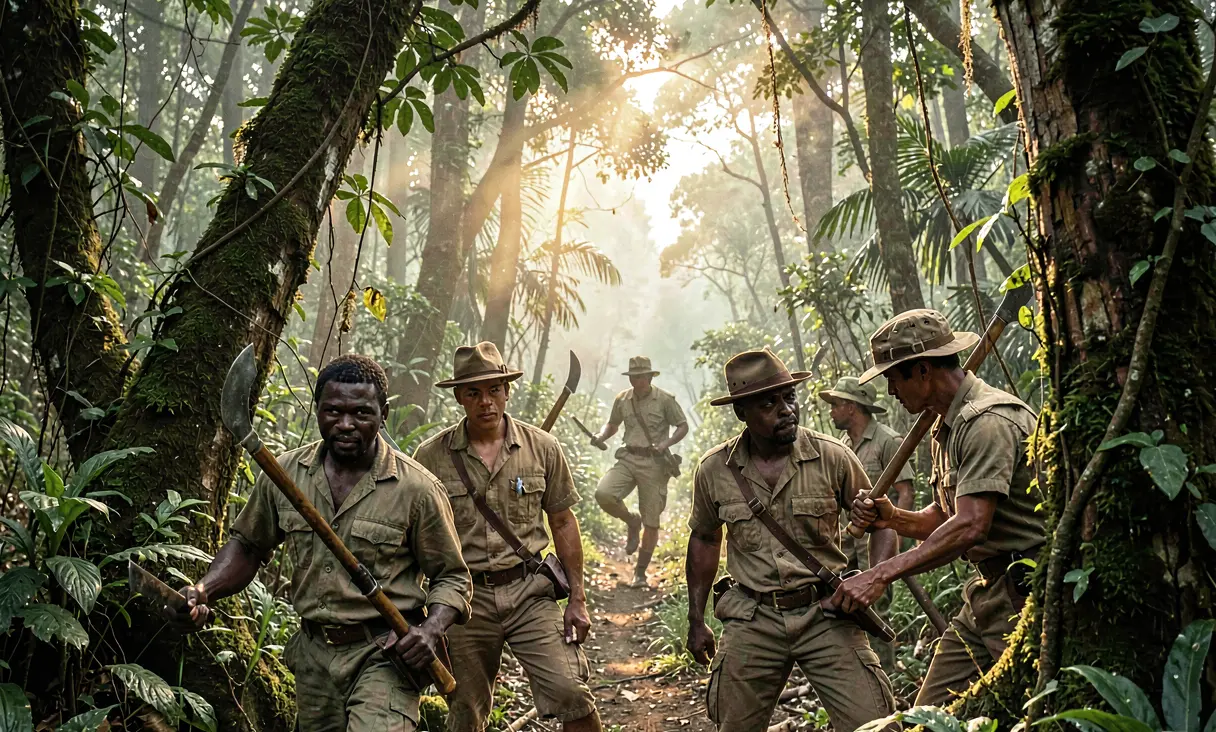 WarMau Mau Uprising Begins in KenyaOctober 20, 1952 · Nairobi, KenyaThe Kikuyu-led Mau Mau rebellion begins against British colonial rule and white settler land ownership.
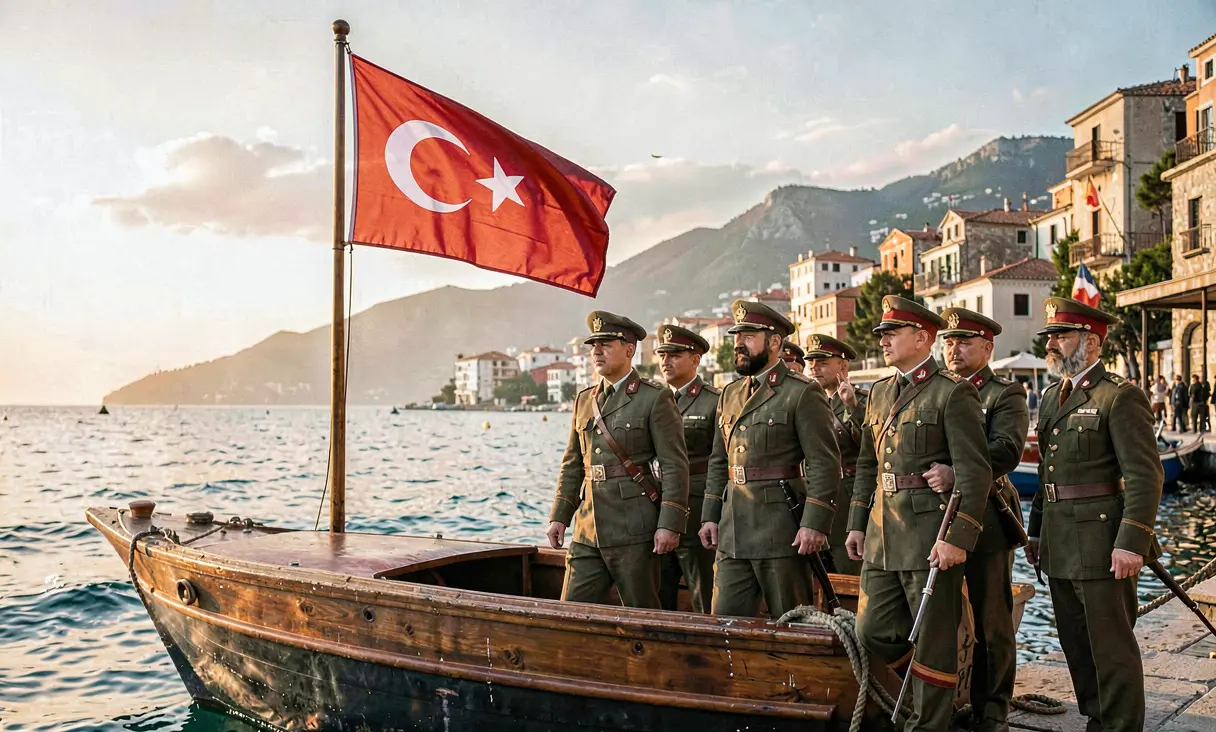 WarTurkish War of Independence BeginsMay 19, 1919 · Samsun, TurkeyMustafa Kemal Atatürk lands in Samsun to organize resistance against Allied occupation and the Ottoman Sultanate.
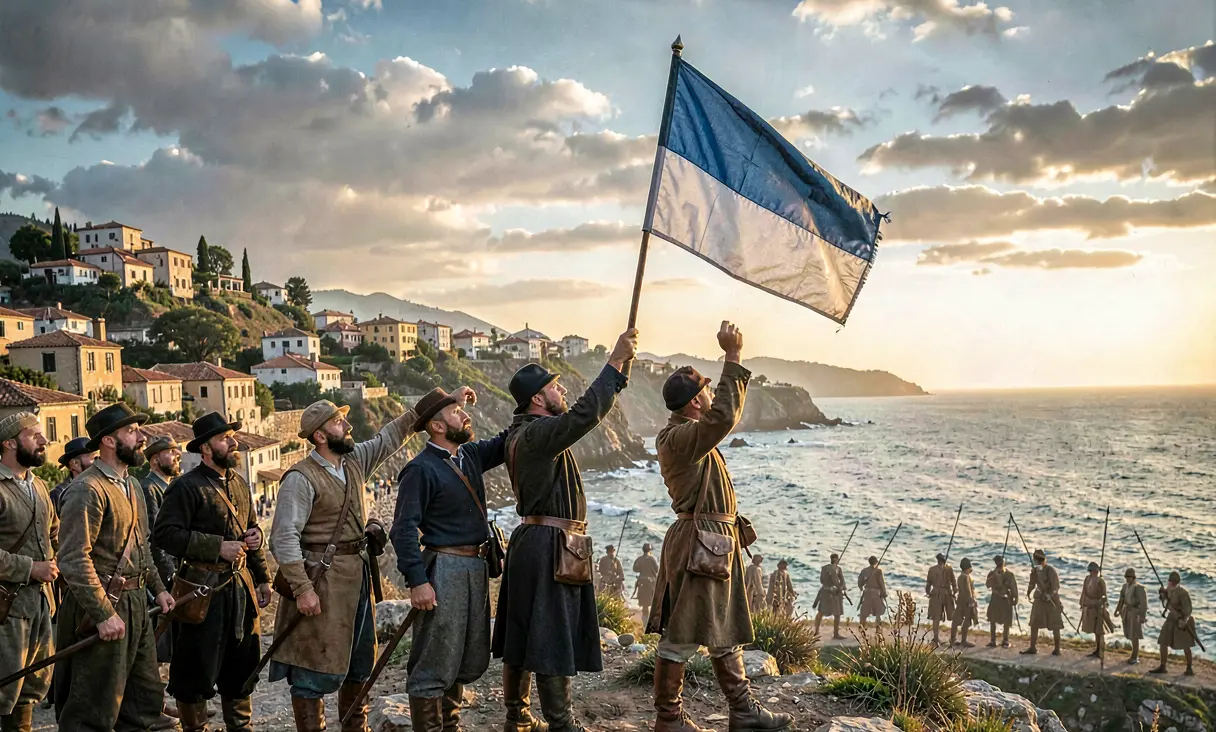 WarGreek War of Independence BeginsMarch 25, 1821 · Peloponnese, GreeceGreek revolutionaries rise against Ottoman rule, initiating a war that leads to the creation of modern Greece.
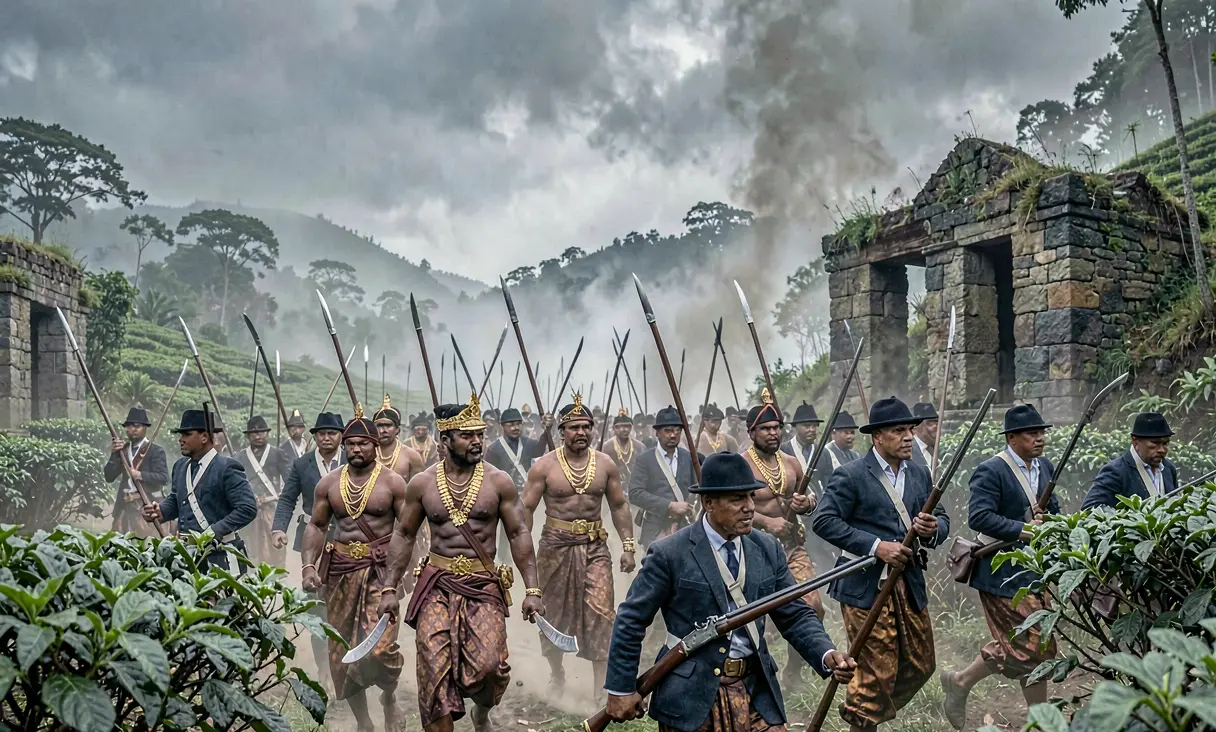 PoliticsUva-Wellassa Rebellion Against British RuleMarch 1817 · Kandy, Sri LankaSinhalese chieftains lead a widespread uprising against British colonial expansion in the central highlands.
 PoliticsIndependence of Brazil DeclaredSeptember 7, 1822 · São Paulo, BrazilPrince Pedro I declares Brazil's independence from Portugal near the Ipiranga River.
Discussion
Loading…