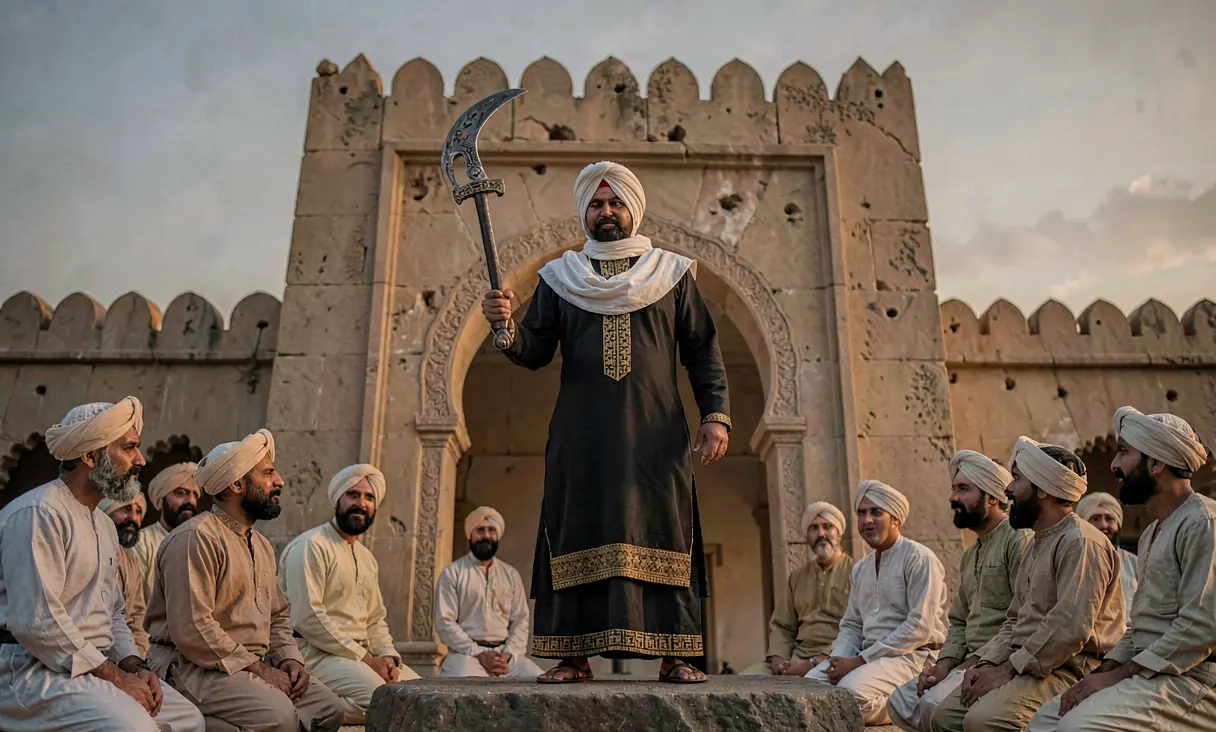
Founding of the Bahmani Sultanate
In 1347 CE, Hasan Gangu founded the Bahmani Sultanate in Gulbarga, establishing the first major independent Islamic power in the Deccan and igniting a centuries-long rivalry with the Vijayanagara Empi
The Collapse of Tughlaq Authority
By the mid-14th century, the Delhi Sultanate under Muhammad bin Tughlaq faced unprecedented administrative and military strain. His ambitious but disastrous relocation of the capital to Daulatabad, coupled with failed taxation experiments in the Doab, eroded central authority across the Indian subcontinent. As the Sultan's grip on the Deccan loosened, local governors and military commanders found themselves isolated from the imperial center. The death of Muhammad bin Tughlaq in 1351 CE accelerated this fragmentation, creating a power vacuum that allowed regional warlords to assert autonomy. In this chaotic milieu, the fertile lands between the Krishna and Godavari rivers became a focal point for a new political order, distinct from both Delhi's northern hegemony and the emerging Hindu powers of the south.
The Rise of Hasan Gangu
At the heart of this transformation stood Hasan Gangu, a former officer in the service of Muhammad bin Tughlaq who had risen through the ranks to become a trusted commander. Born into a Brahmin family that had converted to Islam, Gangu possessed a unique dual cultural fluency that would define his new state. Recognizing the instability of the Delhi regime and the opportunity presented by the disintegration of central control, he began consolidating power in the Deccan around 1347 CE. Unlike many contemporaries who merely declared nominal independence while acknowledging suzerainty, Gangu moved decisively to sever ties completely. He adopted the regnal title Ala-ud-Din Bahman Shah, signaling the birth of a sovereign dynasty that would challenge the very concept of Delhi's supremacy in peninsular India.
Establishment at Gulbarga
In 1347 CE, following a decisive campaign against the remnants of Tughlaq loyalists and local chieftains, Bahman Shah formally established his capital at Gulbarga (modern-day Kalaburagi) in Karnataka. This strategic location provided access to rich agricultural lands while serving as a defensible stronghold against both northern incursions and southern rivals. The founding of the Bahmani Sultanate was not merely a change of leadership but a fundamental shift in the Deccan's geopolitical landscape. Gulbarga became the administrative and cultural nucleus of the new state, where Persian courtly traditions were blended with indigenous South Indian practices. The early sultanate迅速 expanded its borders, absorbing territories previously held by the Kakatiyas and other smaller kingdoms, thereby creating a unified political entity that stretched from the Arabian Sea to the Bay of Bengal.
The Rivalry with Vijayanagara
From its inception, the Bahmani Sultanate was defined by its existential rivalry with the newly founded Vijayanagara Empire. Both powers claimed sovereignty over the fertile Raichur Doab, a strategic region situated between the Krishna and Tungabhadra rivers that served as the primary granary of the Deccan. This territorial dispute ignited decades of intermittent warfare, characterized by massive cavalry engagements and shifting alliances. The conflict was not merely about land but also represented a clash of civilizations: the Persianized Islamic sultanate in the north versus the Hindu imperial state in the south. Despite numerous campaigns led by successive Bahmani sultans, including the formidable Mujahid Shah and Firuz Shah, neither side could achieve a decisive, permanent victory over the other, resulting in a prolonged stalemate that shaped the military history of medieval India.
Cultural Synthesis and Administration
The Bahmani Sultanate distinguished itself through a sophisticated synthesis of Persian and Indian administrative and cultural traditions. The sultans patronized Persian language, literature, and architecture, inviting scholars and artisans from Iran and Central Asia to their court. Yet, the bureaucracy remained deeply rooted in local realities; Hindu officials continued to hold significant positions in revenue collection and administration, reflecting the demographic composition of the Deccan. This pragmatic approach allowed the sultanate to maintain stability despite religious differences. The architecture of the era, exemplified by the Jama Masjid at Gulbarga, showcases a unique style that merges Indo-Islamic elements with local Dravidian motifs. This cultural hybridity became a hallmark of the Deccan, influencing the art and governance of the successor states that would follow.
Fragmentation and Legacy
Following the death of Mahmud Gawan, the capable prime minister who had revitalized the sultanate in the late 15th century, internal strife and succession disputes weakened central authority. By the early 16th century, the Bahmani Sultanate fractured into five independent Deccan Sultanates: Bijapur, Golconda, Ahmadnagar, Berar, and Bidar. These successor states continued to shape the region's politics until their eventual absorption by the Mughal Empire in the late 17th century. The legacy of the Bahmani Sultanate endures as a pivotal chapter in Indian history, marking the first sustained Islamic power in the Deccan that successfully challenged northern dominance. Its establishment fundamentally altered the balance of power on the subcontinent, fostering a distinct Deccani identity and setting the stage for centuries of complex political and cultural interactions between North and South India.
The Bahmani Sultanate established a powerful Islamic polity in the south that shaped the cultural and political landscape of the Deccan for two centuries.
Where it happened
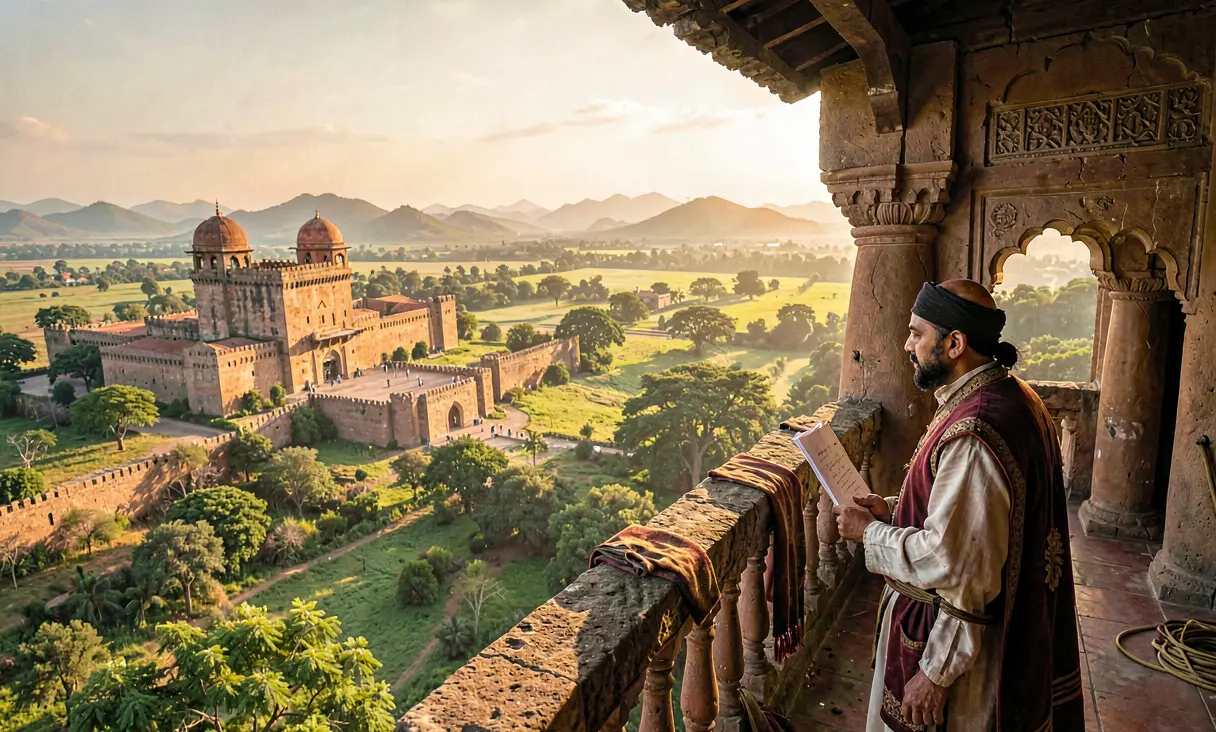
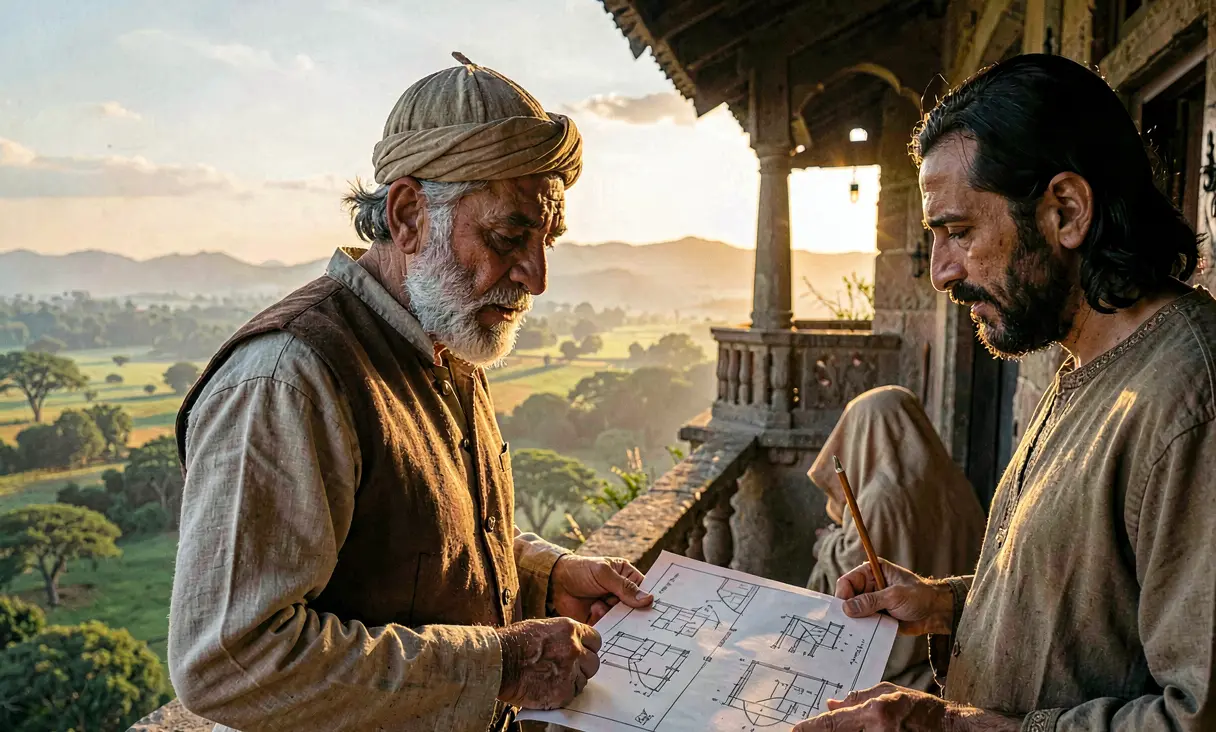
Gulbarga, Karnataka, India — see it on the interactive map →
Explore related history
 PoliticsRise of Srivijaya as Maritime Hegemon683 CE · Palembang, Sumatra (Modern Indonesia)Srivijaya emerges as the dominant maritime empire controlling the Strait of Malacca.
 PoliticsEmperor Xuanzong Ascends the Tang Throne712 CE · Chang'an, ChinaEmperor Xuanzong begins his reign, ushering in the High Tang golden age.
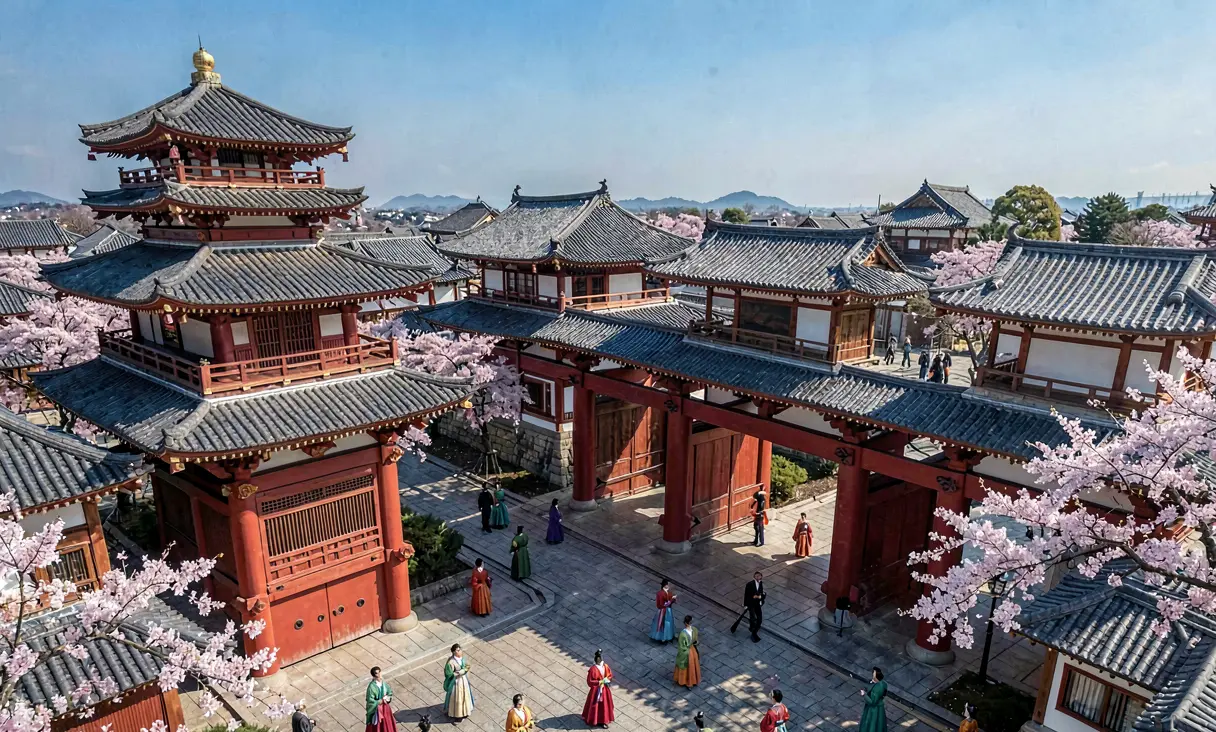 PoliticsFounding of Heian-kyo794 CE · Kyoto, JapanEmperor Kammu moves the capital to Heian-kyo, beginning the Heian period.
 DisasterOutbreak of the Black DeathOctober 1347 CE · Genoa, ItalyPlague arrives in Europe killing a third of the population and reshaping society.
 WarBattle of Siem Reap (Khmer-Siamese War)1352 CE · Siem Reap, CambodiaSiam attacks Angkor, leading to the eventual decline of the Khmer Empire.
 literatureProduction of the Shahnama Manuscriptc. 1330 CE · Tabriz, IranIllustrated copies of the Persian national epic are commissioned by the Ilkhanids.
Discussion
Loading…