
Codification of Aboriginal Songlines Across Australia
Songlines constitute the world's oldest continuous oral mapping system, fusing navigation, law, and astronomy to sustain Indigenous Australian culture across the continent for over 50,000 years.
Background and Context
Long before the arrival of European explorers in the late 18th century, the Australian continent was traversed by an intricate network of oral pathways known as Songlines or Dreaming tracks. Emerging in Central Australia and radiating outward over tens of thousands of years, these routes predate the oldest written maps by millennia. The environment of the arid interior, characterized by vast deserts like the Simpson and Great Victoria, presented extreme navigational challenges where visual landmarks were often obscured by distance and seasonal changes. In this context, Indigenous Australians developed a sophisticated cognitive mapping system that fused geography with cosmology, allowing for precise navigation across thousands of kilometers without physical markers.
The Mechanism of the Songlines
A Songline functions as a living map, where specific verses sung in sequence correspond to distinct geographical features such as waterholes, rock formations, and mountain ranges. As a traveler recites the song, they mentally visualize the landscape described in the lyrics, effectively navigating by sound and memory rather than sight alone. Each verse encodes critical survival data, including the location of ephemeral water sources during droughts and the presence of spiritual beings associated with specific sites. This system integrates deep astronomical knowledge, using star paths to orient travelers at night, while simultaneously recording geological history and ecological patterns, creating a cohesive database of environmental science maintained through oral tradition.
Social and Legal Framework
Beyond their utility as navigational tools, Songlines serve as the foundational legal framework for Aboriginal land ownership and resource rights. The narrative associated with a specific track establishes the custodial responsibilities of different clans, defining who holds authority over particular stretches of land and water. These oral contracts are binding across tribal boundaries, facilitating trade, marriage alliances, and ceremonial exchanges between groups separated by vast distances. The integrity of the Songline is maintained through rigorous initiation ceremonies where knowledge is passed down from elders to initiates, ensuring that the legal and spiritual connection to Country remains unbroken even as populations shift or environments change.
Continuity Across Millennia
Unlike static written records, Songlines are dynamic systems that have been continuously updated and refined since their inception around 5000 BCE or earlier. The oral tradition has withstood the test of time, preserving detailed knowledge of landscapes that have undergone significant climatic shifts over millennia. Anthropological studies suggest that some Songlines correspond to geographical features from the Last Glacial Maximum, indicating a continuous cultural memory spanning at least 20,000 years. This endurance demonstrates an unparalleled capacity for information retention and adaptation, where the core narrative remains stable while incorporating new observations about the environment.
Legacy and Modern Significance
Today, Songlines remain a vital component of Indigenous Australian identity and legal recognition. In recent decades, courts in Australia have increasingly acknowledged Songlines as evidence of continuous occupation and traditional law, influencing native title determinations. Furthermore, the scientific community has begun to recognize the accuracy of these oral maps, with researchers verifying that many Songline descriptions align precisely with geological and astronomical data. The preservation of this knowledge system offers a unique model for integrating indigenous ecological wisdom with modern conservation efforts, highlighting a sustainable approach to land management that has sustained human life in one of the world's harshest environments for millennia.
Songlines represent a unique synthesis of geography, spirituality, and navigation that enabled survival across the harsh Australian continent.


Where it happened
Central Australia — see it on the interactive map →
Explore related history
 ScienceFinal Domestication of Maize from Teosinte in Mesoamericac. 5000 BCE · Balsas River Valley, MexicoIndigenous farmers selectively breed teosinte into modern maize (corn).
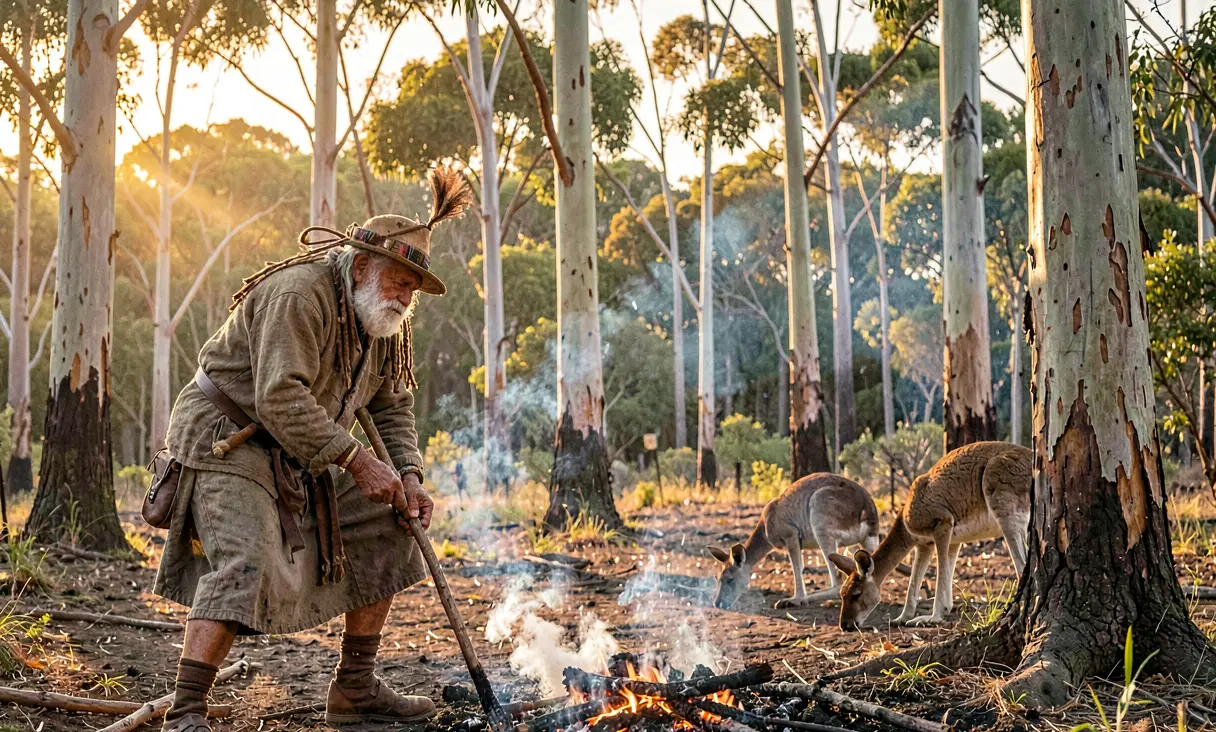 TechnologyAboriginal Fire-Stick Farming Practicesc. 5000 BCE onwards · Central AustraliaAboriginal Australians develop controlled burning techniques to manage landscapes and enhance biodiversity.
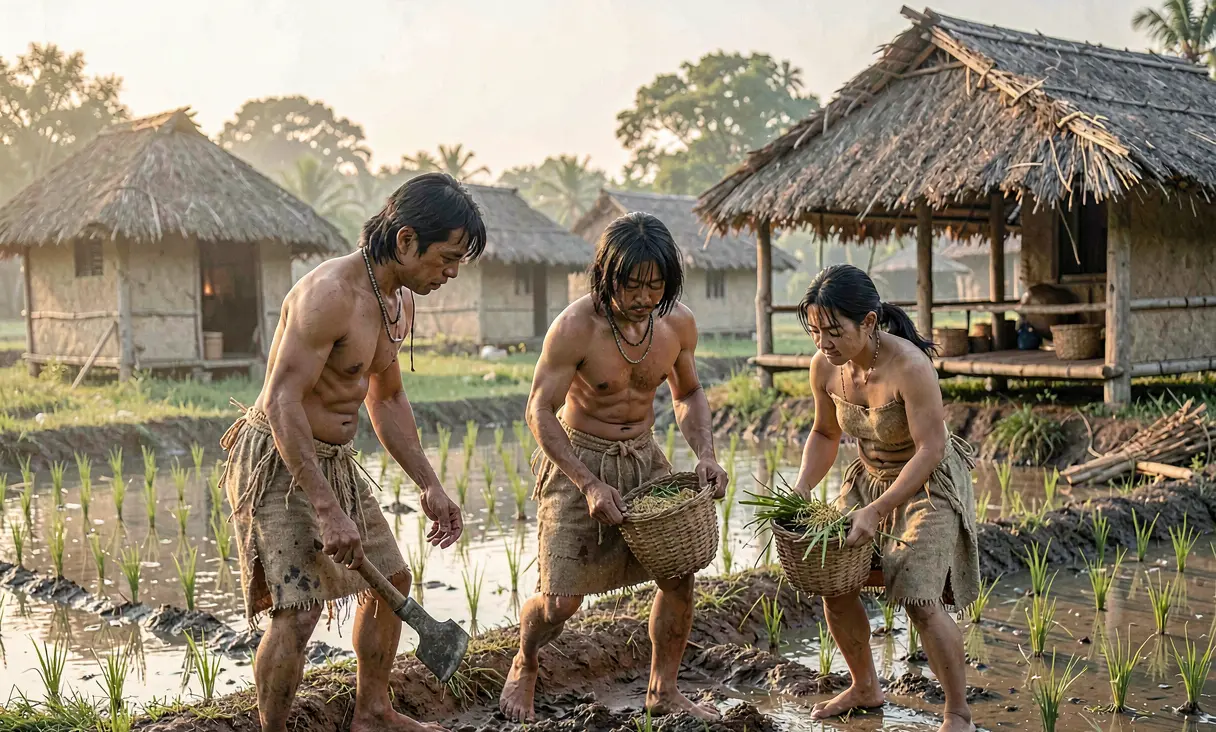 CivilizationDomestication of Rice in the Yangtze Valleyc. 4000 BCE · Yangtze River Valley, ChinaRice cultivation begins in the Yangtze River valley, transforming East Asian agriculture and supporting massive population growth.
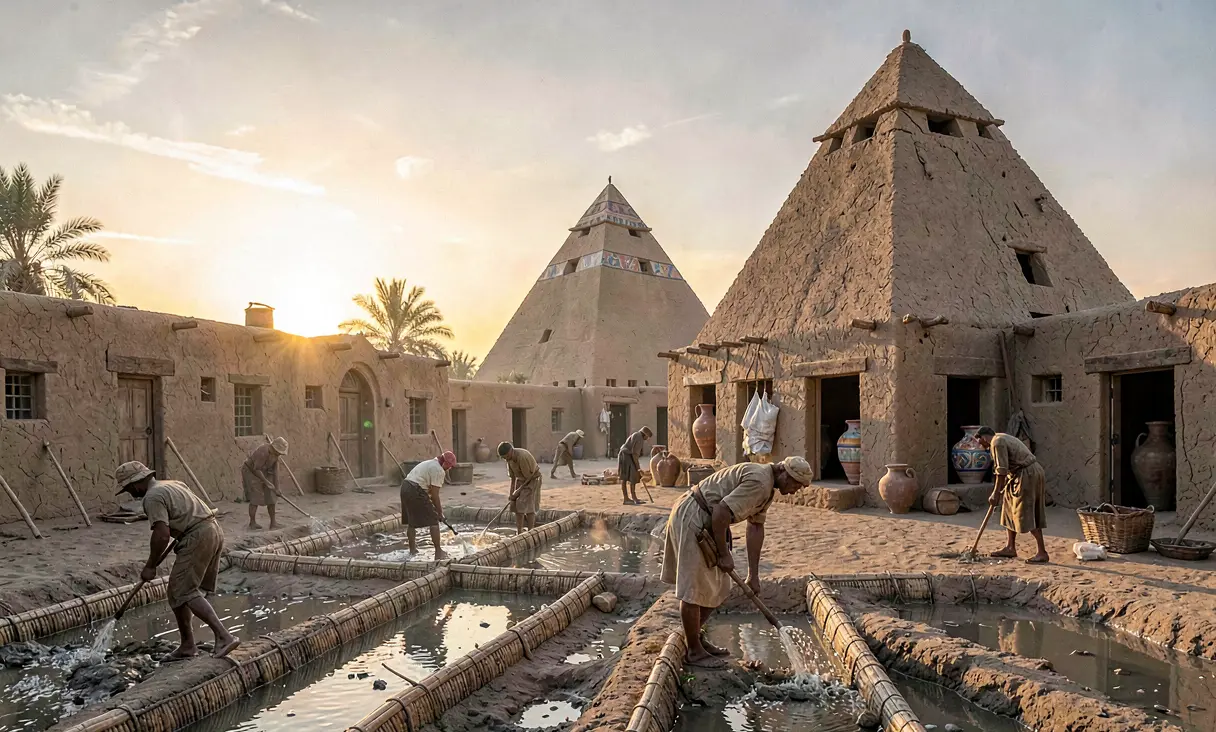 CivilizationEmergence of Ubaid Culture in Southern Mesopotamiac. 6500 BCE · Tell al-Ubaid, Southern Mesopotamia (Iraq)The Ubaid culture establishes the first widespread agricultural settlement pattern in southern Iraq.
Discussion
Loading…