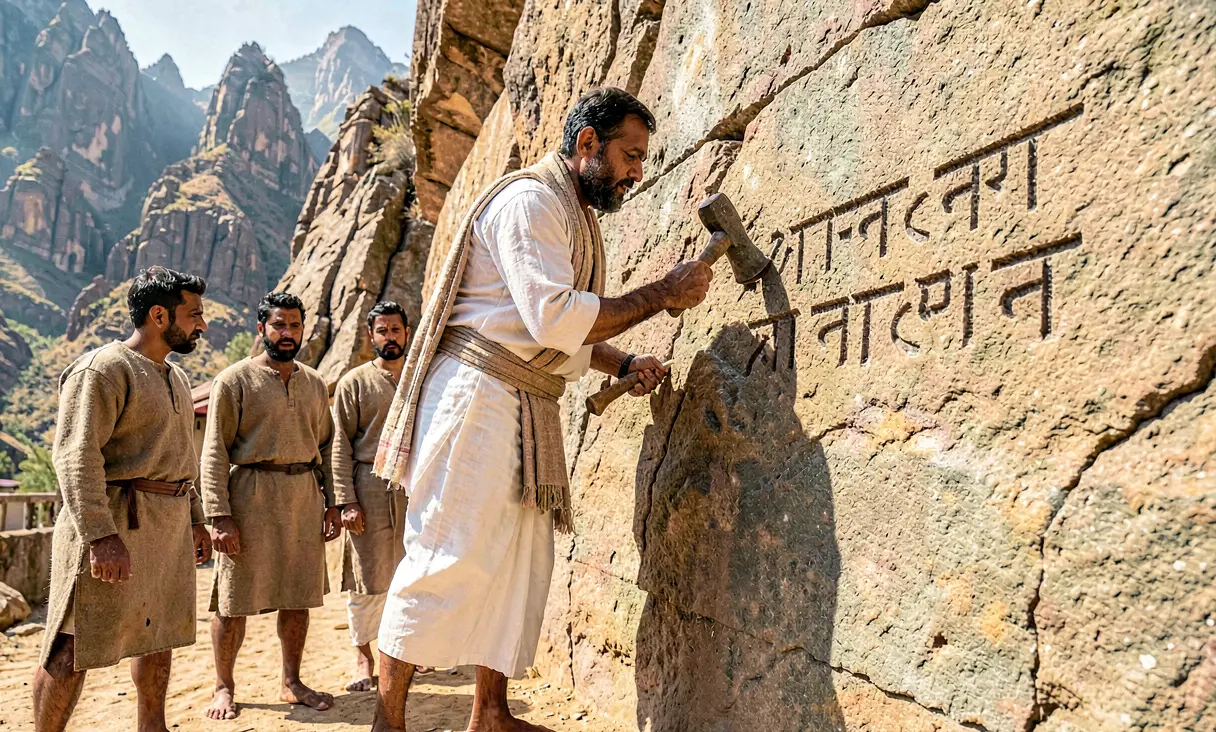
Inscription of Shahbaz Garhi Rock Edicts
Commissioned c. 257 BCE, these unique bilingual Kharosthi-Greek rock edicts mark the westernmost reach of Ashoka's empire, pioneering a sophisticated strategy of moral governance across diverse cultur
The Gandharan Frontier
In the mid-3rd century BCE, the Mauryan Empire under Emperor Ashoka stretched from modern-day Afghanistan to the Deccan Plateau, encompassing a vast mosaic of cultures and languages. The region of Gandhara, situated in present-day Khyber Pakhtunkhwa, Pakistan, served as a critical western frontier where Indian, Persian, Greek, and Central Asian traditions intersected. Unlike the Ganges Valley heartland, this borderland required a distinct administrative strategy to integrate diverse populations who spoke Prakrit dialects but utilized different scripts than those found in the imperial core.
The Inscription Campaign of 257 BCE
Around 257 BCE, Ashoka commissioned a series of rock edicts at Shahbaz Garhi to disseminate his policy of Dhamma (moral law) directly to the local populace. This site is historically unique among Ashokan monuments because it features inscriptions in Kharosthi script rather than the more common Brahmi. The text, carved into a massive sandstone outcrop, presents the edicts in a bilingual format: one version in Kharosthi for the dominant local population and another in Greek for the remaining Hellenistic communities, reflecting the lingering influence of Alexander the Great's successors.
Emperor Ashoka and His Advisors
The driving force behind these inscriptions was Emperor Ashoka (r. 268–232 BCE), who, following his conversion to Buddhism after the bloody Kalinga War, sought to govern through moral persuasion rather than military coercion. While Ashoka issued the edicts personally, their execution relied on a sophisticated bureaucracy of regional governors and scribes known as Mahamattas. These officials were tasked with translating imperial decrees into local vernaculars and scripts, ensuring that the message of non-violence (ahimsa) and religious tolerance resonated across linguistic barriers in this cosmopolitan frontier.
Carving the Message
The creation of the Shahbaz Garhi edicts involved a meticulous process of quarrying, polishing, and engraving. Skilled artisans chiseled thirteen distinct edicts into the rock face, covering topics ranging from animal welfare to the importance of filial piety. The Kharosthi script, written right-to-left, was chosen specifically for its prevalence in Gandhara, while the Greek text served as a diplomatic bridge to the Greco-Bactrian populations. The content explicitly addressed local customs, urging respect for parents and teachers while condemning animal sacrifice, thereby attempting to synthesize Buddhist ethics with existing social norms.
Immediate Impact and Administrative Integration
Upon their completion, the edicts functioned as a public relations tool designed to stabilize the volatile western frontier. By addressing the population in their own scripts and languages, Ashoka signaled that his authority was not merely an external imposition but a shared moral framework. The inscriptions likely facilitated a shift in local governance, encouraging officials to prioritize welfare and ethical conduct over mere revenue extraction. This approach helped pacify the region, turning a potential flashpoint into a stable province of the Mauryan realm for several decades.
Enduring Legacy and Archaeological Significance
Today, the Shahbaz Garhi edicts stand as one of the westernmost surviving testaments to Ashoka's reign, marking the extent of his cultural reach. Their preservation offers historians a rare glimpse into the linguistic diversity of ancient South Asia and the sophisticated methods used by early empires to manage multicultural territories. The site remains a crucial piece of evidence for understanding how Buddhism spread along trade routes and how imperial power adapted to local realities, cementing its place in the history of religious tolerance and statecraft.
These edicts provide unique linguistic evidence of Ashoka's policy of religious syncretism and his outreach to non-Indian populations on the empire's frontier.
Where it happened
Shahbaz Garhi, Khyber Pakhtunkhwa, Pakistan — see it on the interactive map →
Explore related history
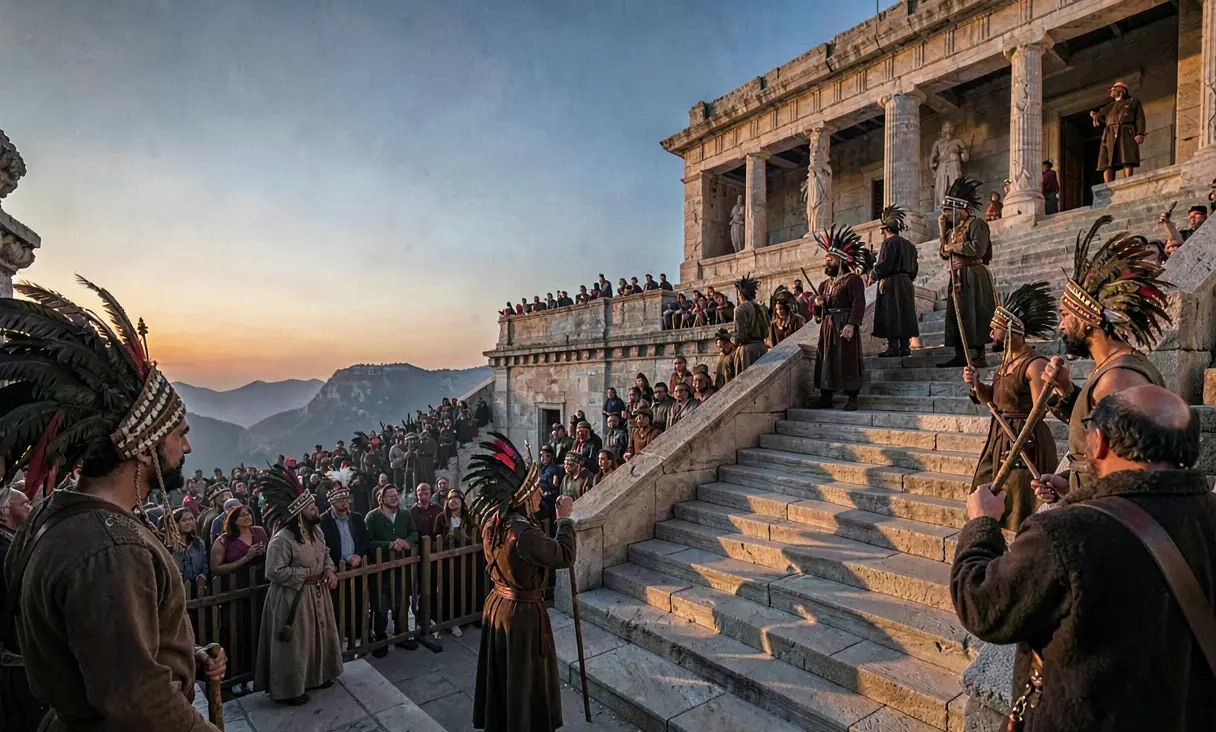 ReligionConstruction of the Temple of Kukulcán at Chichén Itzác. 800 CE · Chichén Itzá, MexicoThe iconic pyramid dedicated to the feathered serpent god is built during the Puuc-Toltec fusion period.
 ReligionBuddha Attains Enlightenmentc. 528 BCE · Bodh Gaya, IndiaSiddhartha Gautama achieves nirvana under the Bodhi tree founding Buddhism.
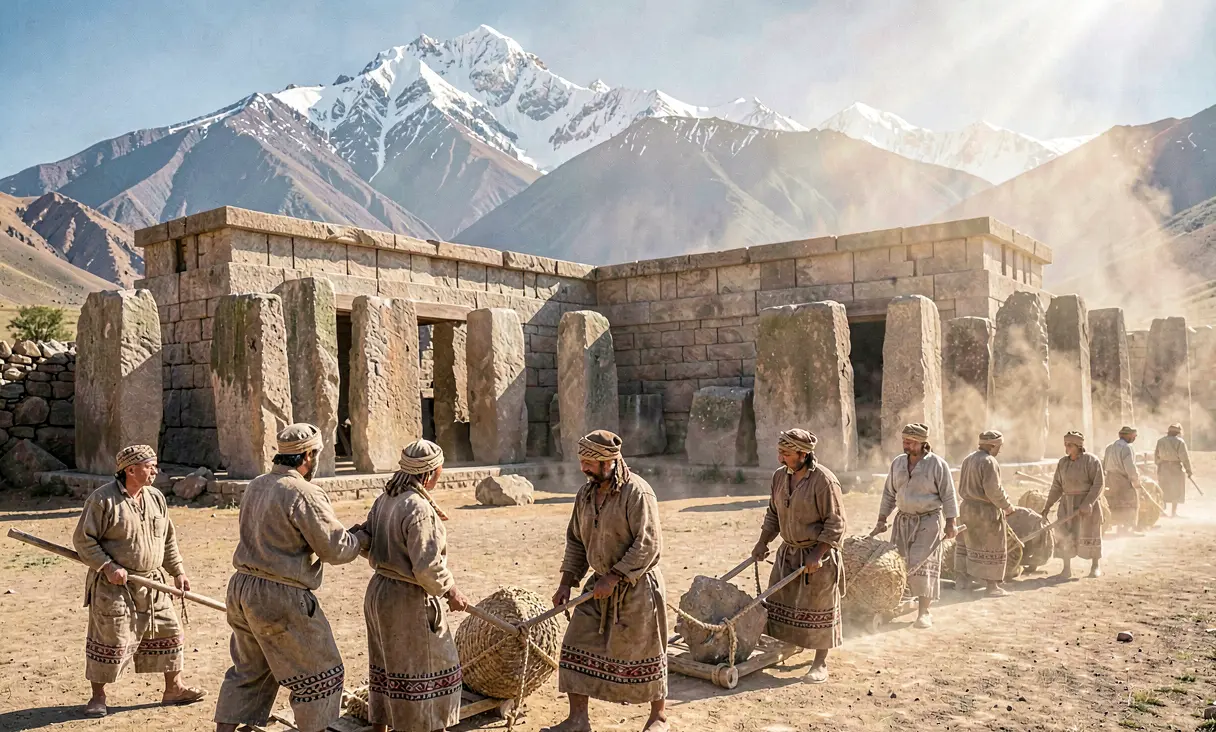 ReligionConstruction of Kalasasaya Temple at Tiwanakuc. 500 CE · Tiwanaku, BoliviaThe Kalasasaya temple is built with monolithic stones for solar observance.
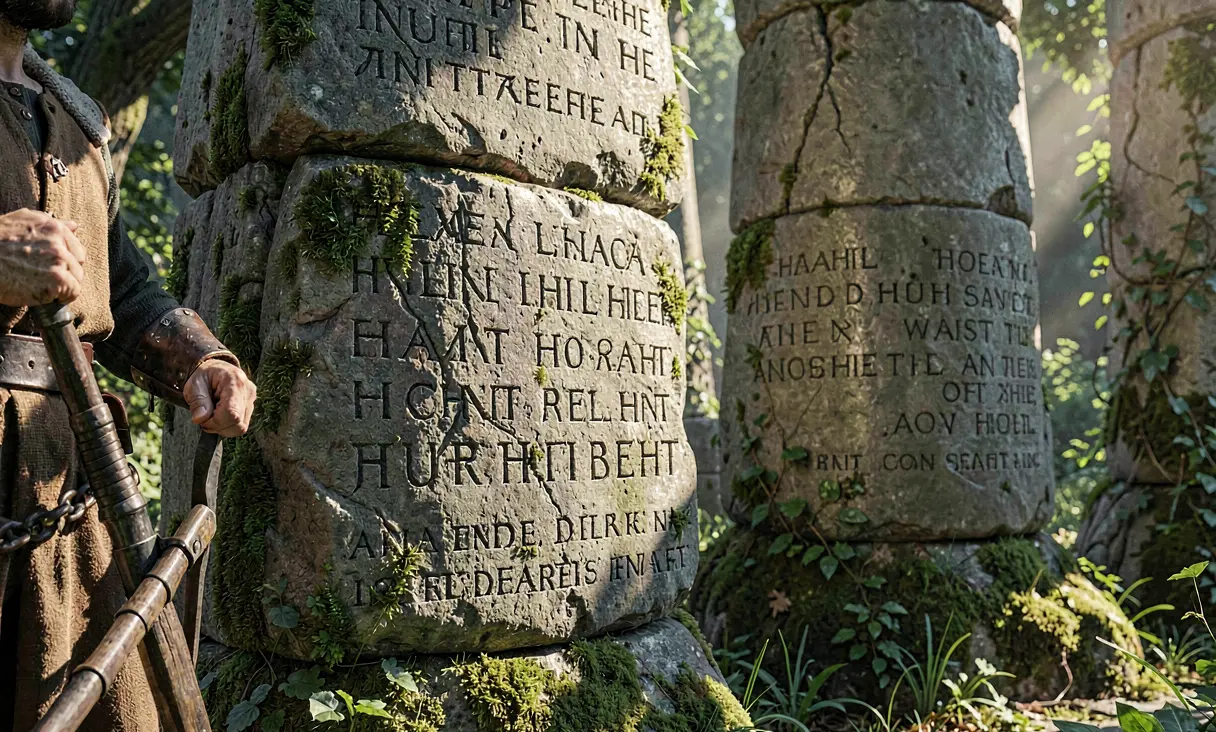 ReligionErection of Ashoka's Major Rock Edictsc. 257 BCE · Girnar (modern Gujarat/India)Ashoka inscribes his moral and administrative policies on massive rock pillars across the empire to communicate with his subjects.
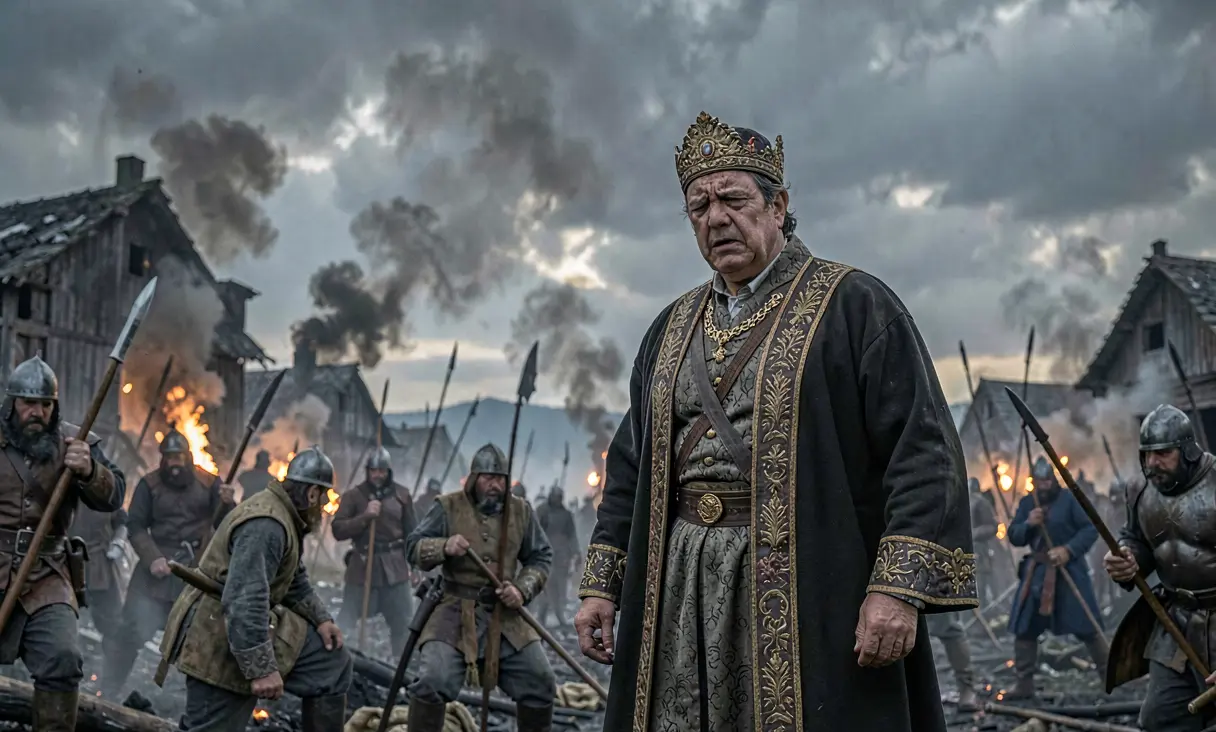 WarKalinga War and Ashoka's Conversionc. 261 BCE · Kalinga (modern Odisha/India)Emperor Ashoka conquers Kalinga in a bloody war, leading to his profound conversion to Buddhism and adoption of non-violence.
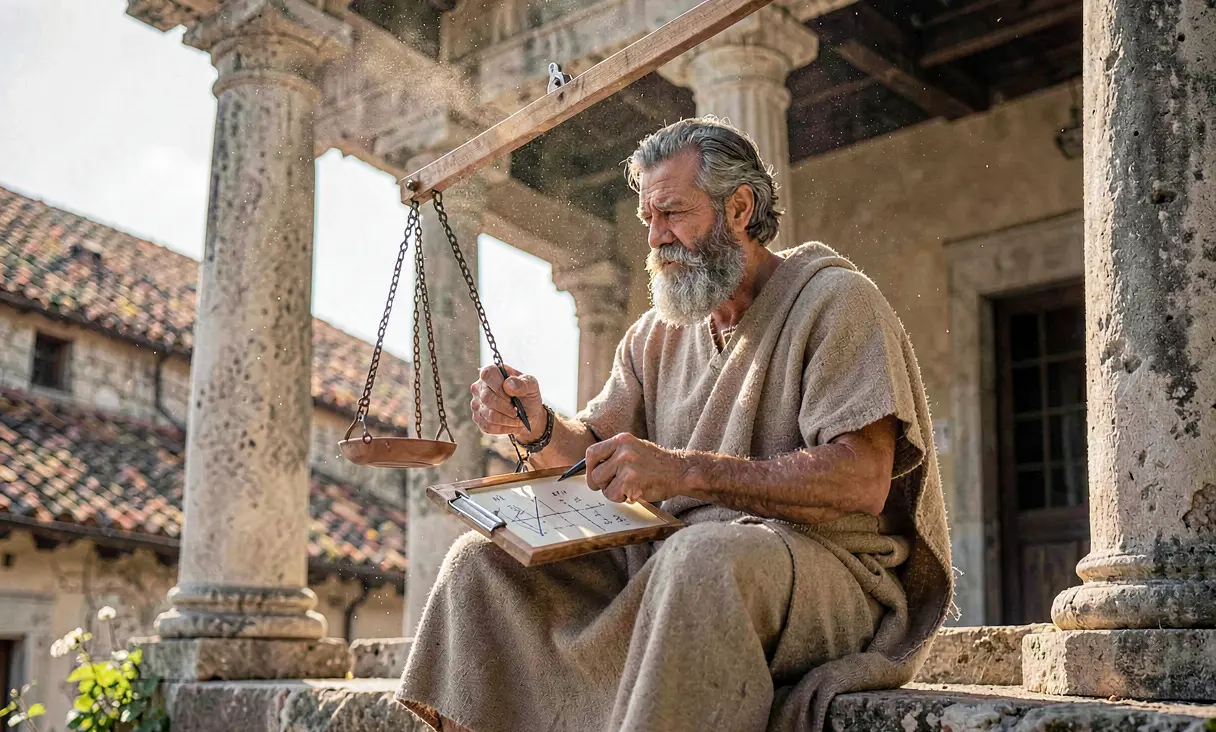 ScienceArchimedes Formulates the Law of the Leverc. 250 BCE · Syracuse, SicilyArchimedes mathematically defines the principle of the lever and buoyancy, founding classical mechanics.
Discussion
Loading…