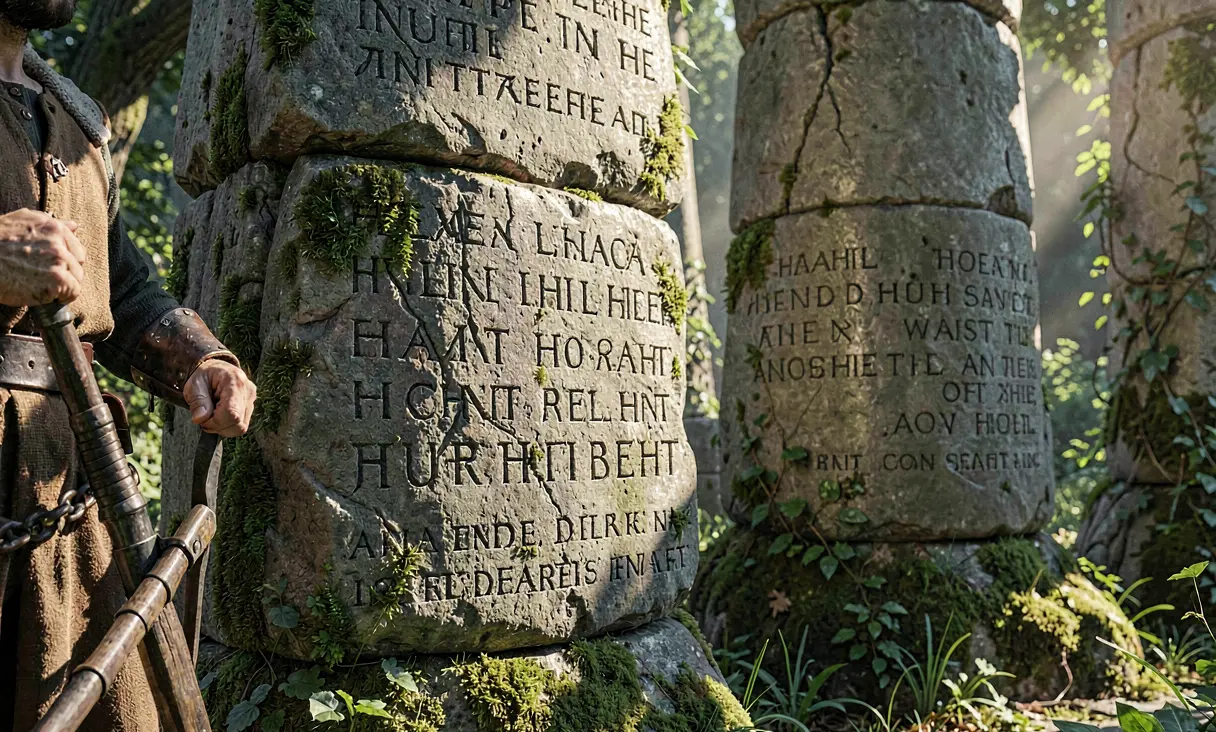
Erection of Ashoka's Major Rock Edicts
Emperor Ashoka transformed imperial governance in 257 BCE by carving ethical proclamations into rock faces like Girnar, establishing the first known state policy of non-violence and religious toleranc
Context of Imperial Transformation
By the mid-3rd century BCE, the Mauryan Empire under Ashoka (r. c. 268–232 BCE) had achieved unprecedented territorial dominance across the Indian subcontinent, stretching from present-day Afghanistan to Karnataka. However, this expansion was cemented by the devastating Kalinga War of c. 260 BCE, a conflict that resulted in massive casualties and left the emperor deeply remorseful. This psychological rupture catalyzed a radical shift in statecraft: Ashoka abandoned the policy of 'Bherighosa' (warlike conquest) for 'Dhammaghosa' (conquest by righteousness). The era demanded a new method of communicating this ethical revolution to a vast, diverse population that spoke myriad dialects and followed competing religious traditions.
The Girnar Inscription Event
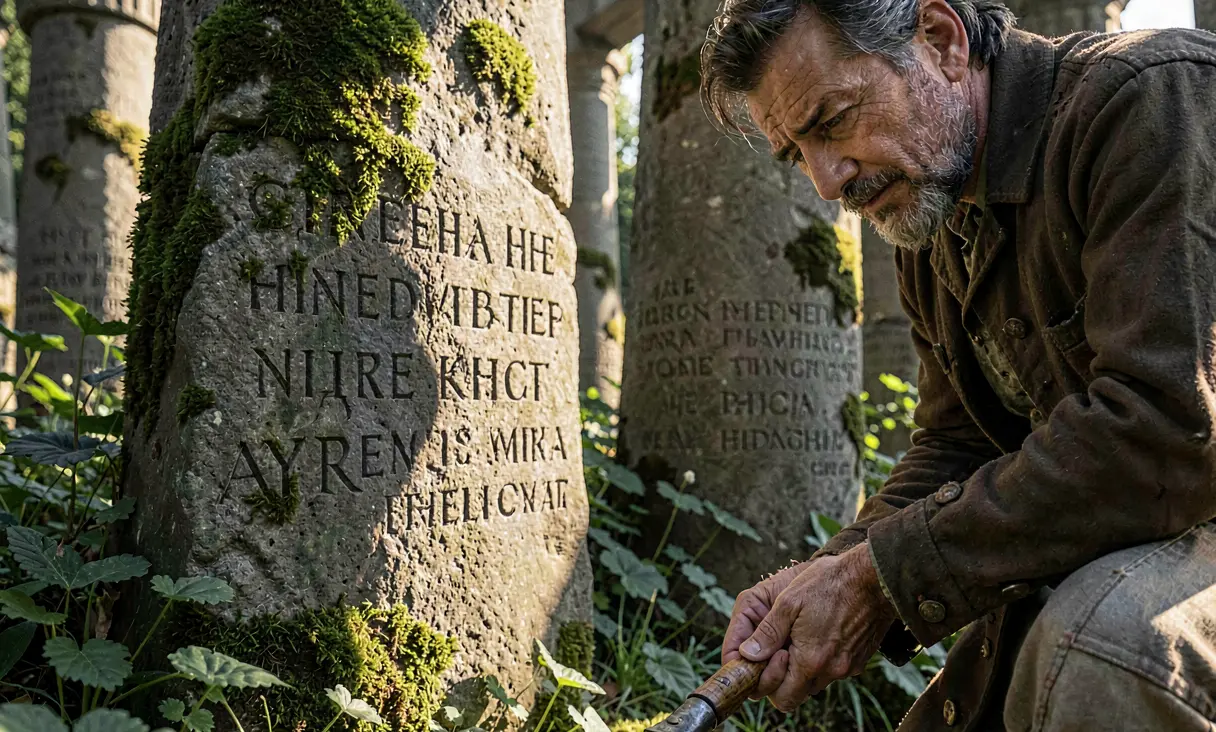
Around 257 BCE, Ashoka initiated the creation of his Major Rock Edicts, carving them into the natural granite faces of strategic locations. The Girnar inscriptions in modern Gujarat represent one of the earliest and most significant of these proclamations. Unlike previous royal monuments that celebrated military triumphs or dynastic lineage, these edicts were public declarations of moral governance. Carved directly onto the living rock, they utilized the Brahmi script to convey a message in the vernacular Prakrit language, ensuring accessibility to the common populace rather than just the Sanskrit-speaking elite.
Architects of Dhamma and Scriptural Innovation
While Ashoka was the sovereign architect of this policy, the execution relied on a sophisticated bureaucracy of imperial officials known as 'Rajukas' and 'Dhammamahamattas,' who were tasked with disseminating these ethics. The inscriptions themselves are unique in their linguistic precision; at Girnar, the text is rendered in a distinct form of Prakrit that reflects local dialectal nuances. In the northwest, where Greek and Aramaic influences persisted, Ashoka employed Kharosthi script and even commissioned bilingual edicts in Greek and Aramaic, demonstrating an unprecedented cosmopolitan approach to imperial communication.
Dissemination of Ethical Governance
The content of the Girnar Edict, like its counterparts across the subcontinent, outlined a comprehensive social code centered on 'Dhamma.' The text explicitly forbids animal sacrifice and ritualistic slaughter, promoting instead a culture of non-violence (ahimsa) toward all living beings. It commands respect for parents, generosity to priests and ascetics regardless of sect, and tolerance among religious communities. Crucially, the edicts emphasize social welfare projects, including the planting of medicinal herbs, the digging of wells, and the establishment of rest houses for travelers, marking a shift from state power based on coercion to one based on public service.
Rediscovery and Historical Revelation
For centuries following Ashoka's death, his identity was largely lost to history, known only through fragmented Buddhist chronicles. The turning point arrived in 1837 when James Prinsep, an English scholar at the Asiatic Society of Bengal, successfully deciphered the Brahmi script. This breakthrough unlocked the meaning of the Girnar and other rock edicts, revealing that the 'Priyadarsin' (Beloved of the Gods) mentioned in the inscriptions was indeed Emperor Ashoka. The discovery fundamentally altered the historiography of ancient India, providing the first contemporary written record of a major Indian empire's internal administration and philosophy.
Legacy and Global Significance
The erection of these edicts established a precedent for state-sponsored ethical discourse that remains unparalleled in antiquity. Ashoka's inscriptions served as the primary vehicle for the spread of Buddhism beyond India, influencing cultures from Sri Lanka to Central Asia. Today, the Girnar edict stands not merely as an archaeological artifact but as a testament to the possibility of using state power to foster social cohesion and moral responsibility. The lion capital from one of Ashoka's pillars, originally erected to support such messages, now serves as the National Emblem of India, symbolizing the enduring legacy of his vision for a just society.
These edicts provide the most detailed contemporary record of an ancient Indian emperor's philosophy, governance, and religious policies.

Where it happened
Girnar (modern Gujarat/India) — see it on the interactive map →
Explore related history
 ReligionConstruction of the Temple of Kukulcán at Chichén Itzác. 800 CE · Chichén Itzá, MexicoThe iconic pyramid dedicated to the feathered serpent god is built during the Puuc-Toltec fusion period.
 ReligionBuddha Attains Enlightenmentc. 528 BCE · Bodh Gaya, IndiaSiddhartha Gautama achieves nirvana under the Bodhi tree founding Buddhism.
 ReligionConstruction of Kalasasaya Temple at Tiwanakuc. 500 CE · Tiwanaku, BoliviaThe Kalasasaya temple is built with monolithic stones for solar observance.
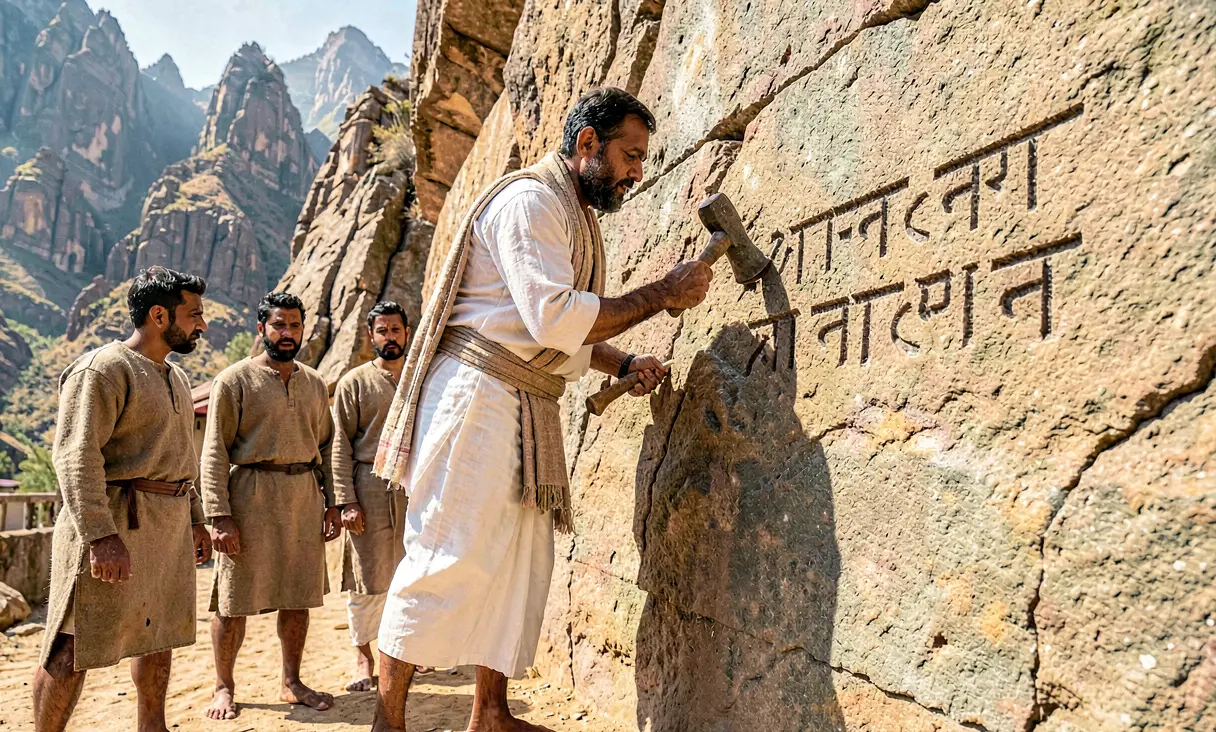 ReligionInscription of Shahbaz Garhi Rock Edictsc. 257 BCE · Shahbaz Garhi, Khyber Pakhtunkhwa, PakistanEmperor Ashoka inscribes his edicts on local rocks using the Kharosthi script to propagate Dharma among Greek and Aramaic-speaking populations.
 WarKalinga War and Ashoka's Conversionc. 261 BCE · Kalinga (modern Odisha/India)Emperor Ashoka conquers Kalinga in a bloody war, leading to his profound conversion to Buddhism and adoption of non-violence.
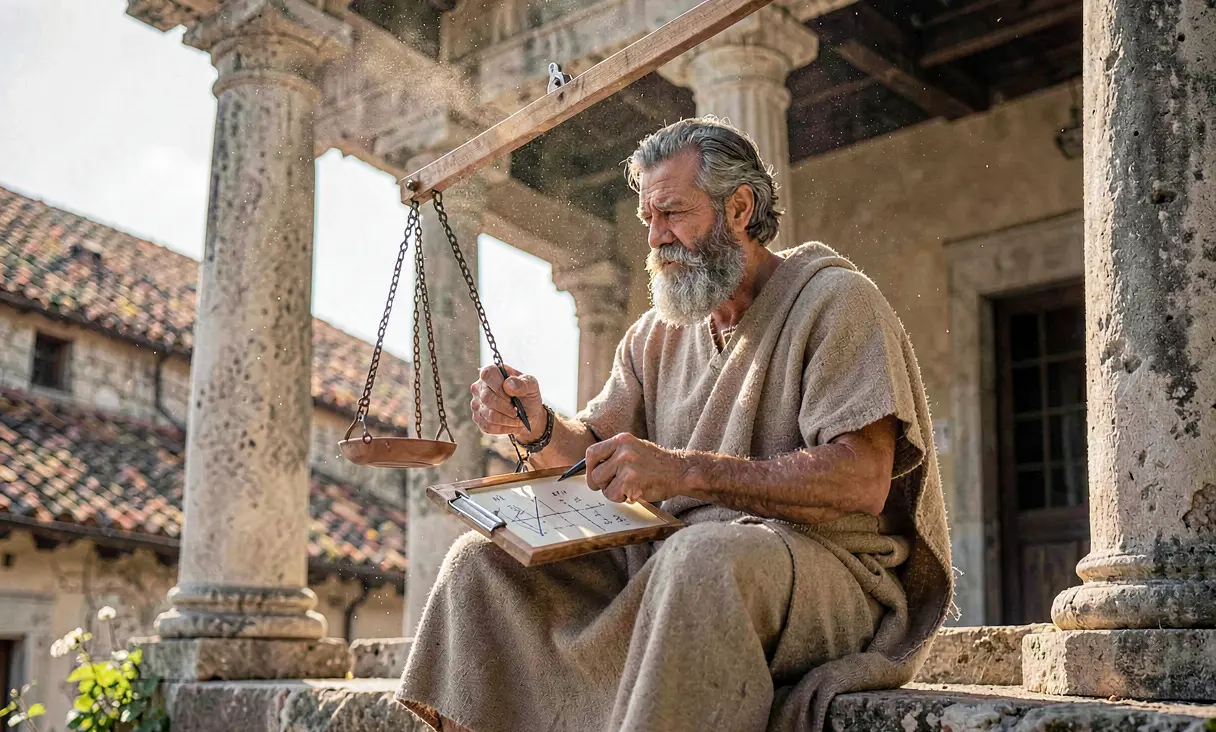 ScienceArchimedes Formulates the Law of the Leverc. 250 BCE · Syracuse, SicilyArchimedes mathematically defines the principle of the lever and buoyancy, founding classical mechanics.
Discussion
Loading…